Catching a personal best bream isn't about luck. It's about working out where they are, when they feed, and giving them a bait they can't ignore. These are the tactics that consistently separate the anglers who bank big slabs from those who blank while the fish move through uncaught. Here are our top tips for landing a personal best bream.
Map out the lake contours
The large stillwaters and gravel pits that big bream commonly inhabit can look barren on the surface, but they’re often packed with underwater features.
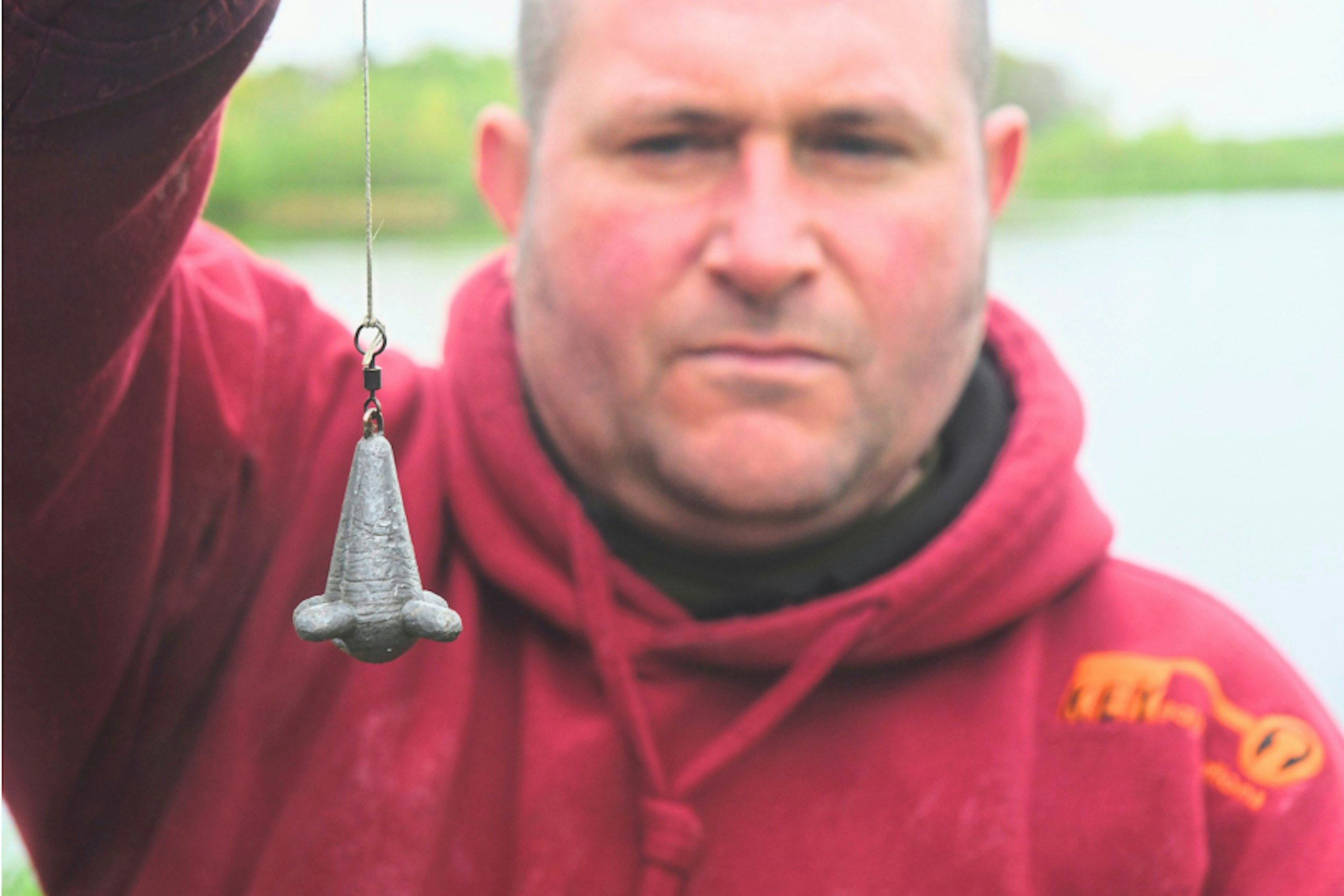
Bream are quite fussy as to where they will settle, and it’s important to use a lead to work out the contours of the bottom before you decide where to position your rigs.
Gravel bars, plateaux and depressions all appeal, while overly thick silt and heavy weed will prove off-putting.
Cast out a bare 3oz lead (or a feature-finding lead) on braided mainline and slowly retrieve it across the bottom to work out what the lakebed is made up of. You’re looking for either smooth gravel - indicated by a light ‘tapping’ on the tip - or smooth silt, which will feel ‘glassy’.
TAKE A LOOK AT OUR PICK OF THE BEST FEEDER REELS.
Feed accordingly
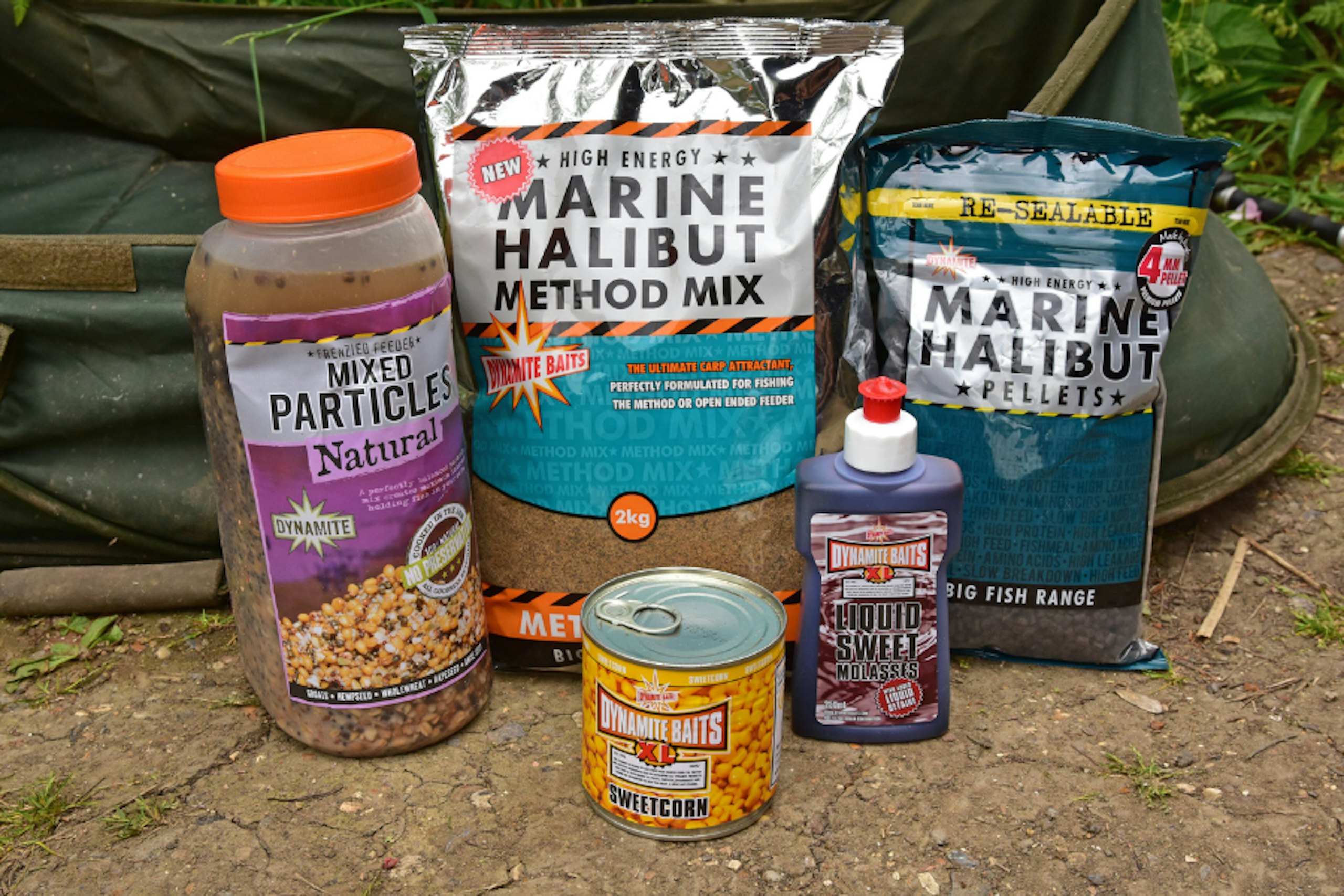
Think about how many fish you reckon you could catch should a shoal arrive and start to feed. For example, if good numbers of fish in the 6lb-plus bracket are present, you’ll need to introduce a big bed of feed to hold them in the swim, but if just one or two big fish are more likely then you should scale back the feed so that you aren’t waiting an age for them to select and take your hookbait.
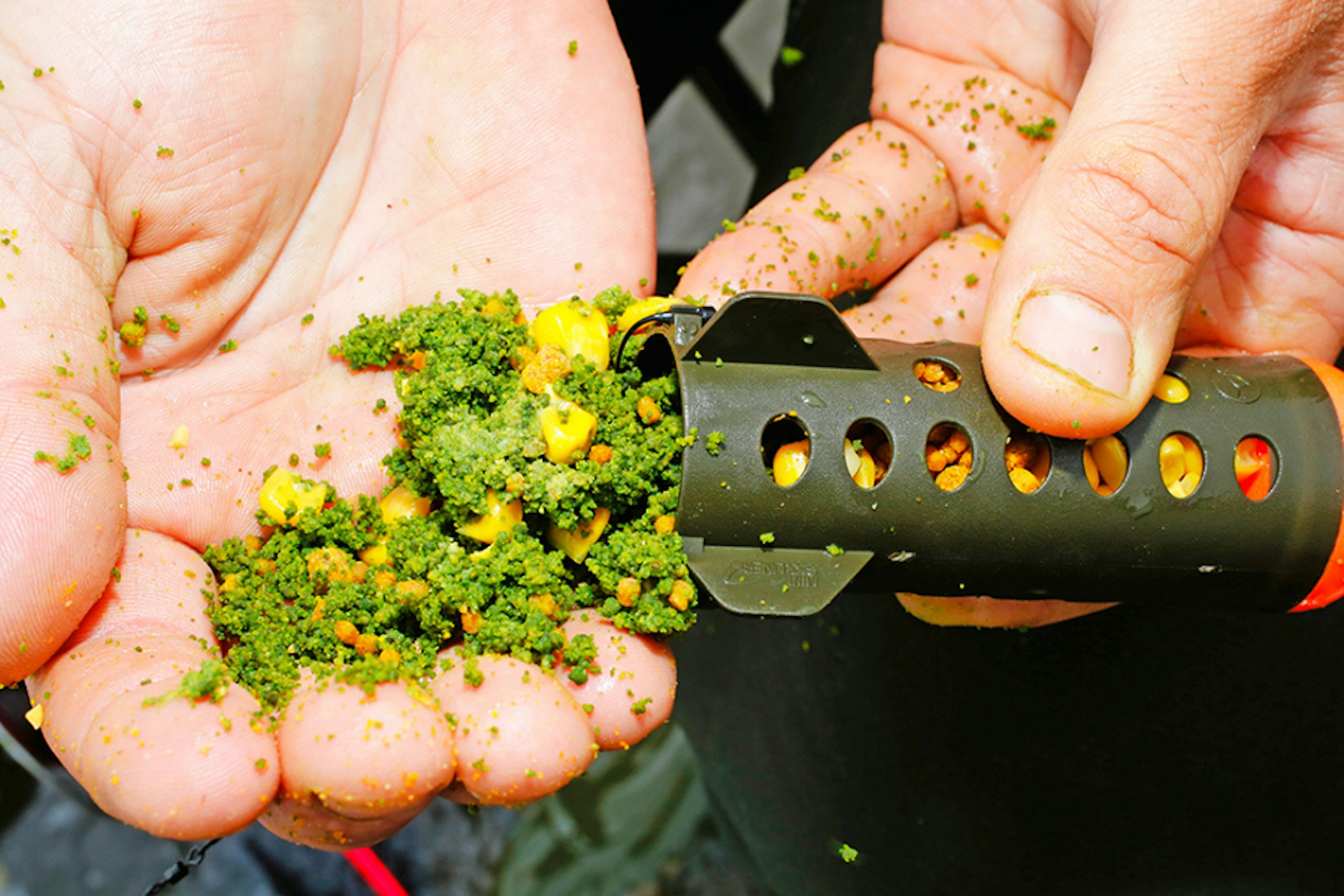
It’s best to use a variety of loosefed offerings. Fishmeal groundbait, sweetcorn, pellets, crushed boilies and dead maggots should all come into the equation.
CHECK OUT THIS ARTICLE FOR MORE TIPS ON CATCHING SPECIMEN BREAM.
Stand-out hookbaits
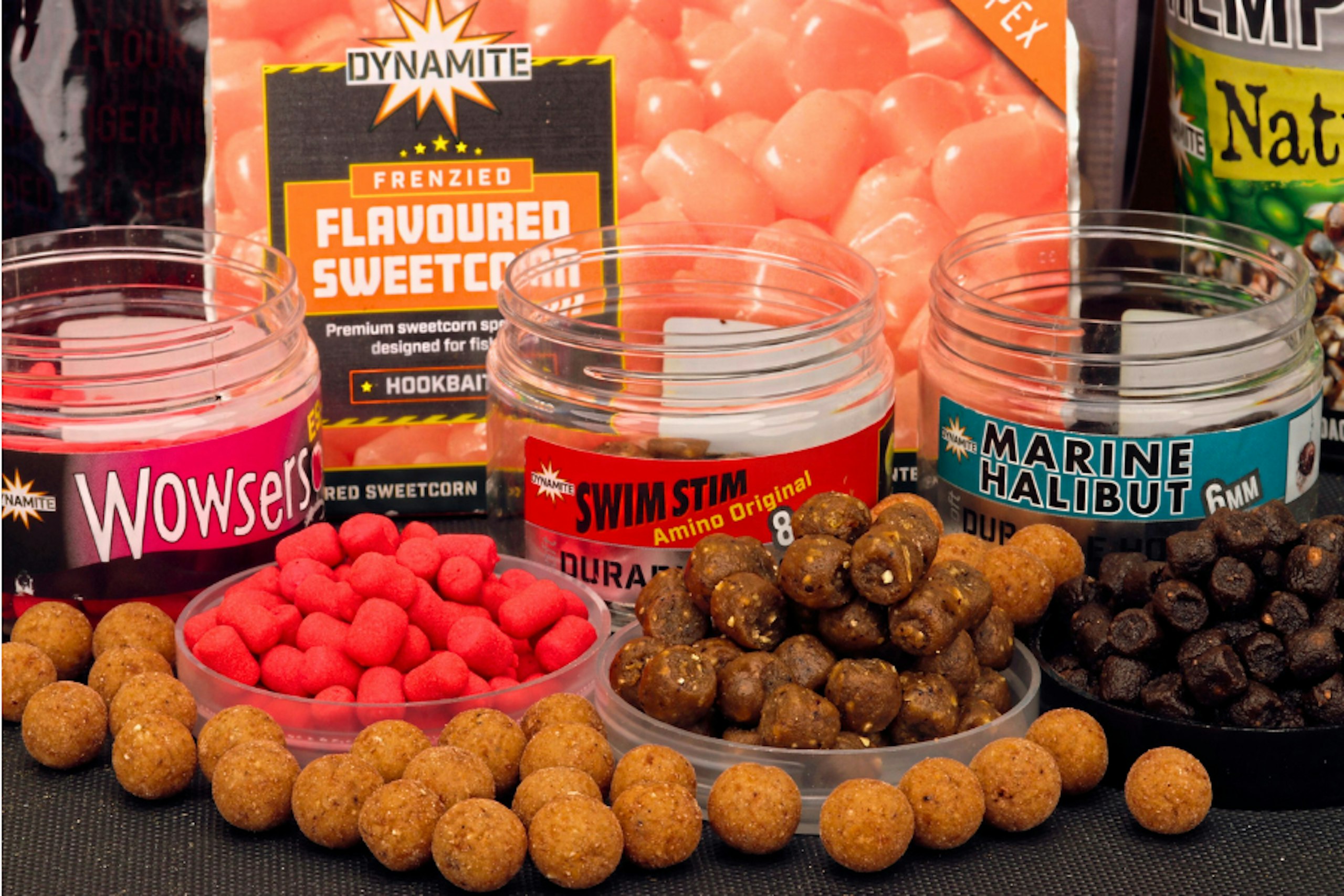
If the bream are cagey they may take a few mouthfuls of food before backing away. So you need to make sure that your hookbait is unmissable, and one of the first things they inhale once they arrive.
Fake baits works well, and can be glugged to boost their appeal, while bright dumbells or boilies from 10mm to 15mm are also solid choices, and can be boosted with additives and liquid flavours to up their pulling power.
NEVER MISS A BITE THANKS TO THE BEST BITE ALARMS.
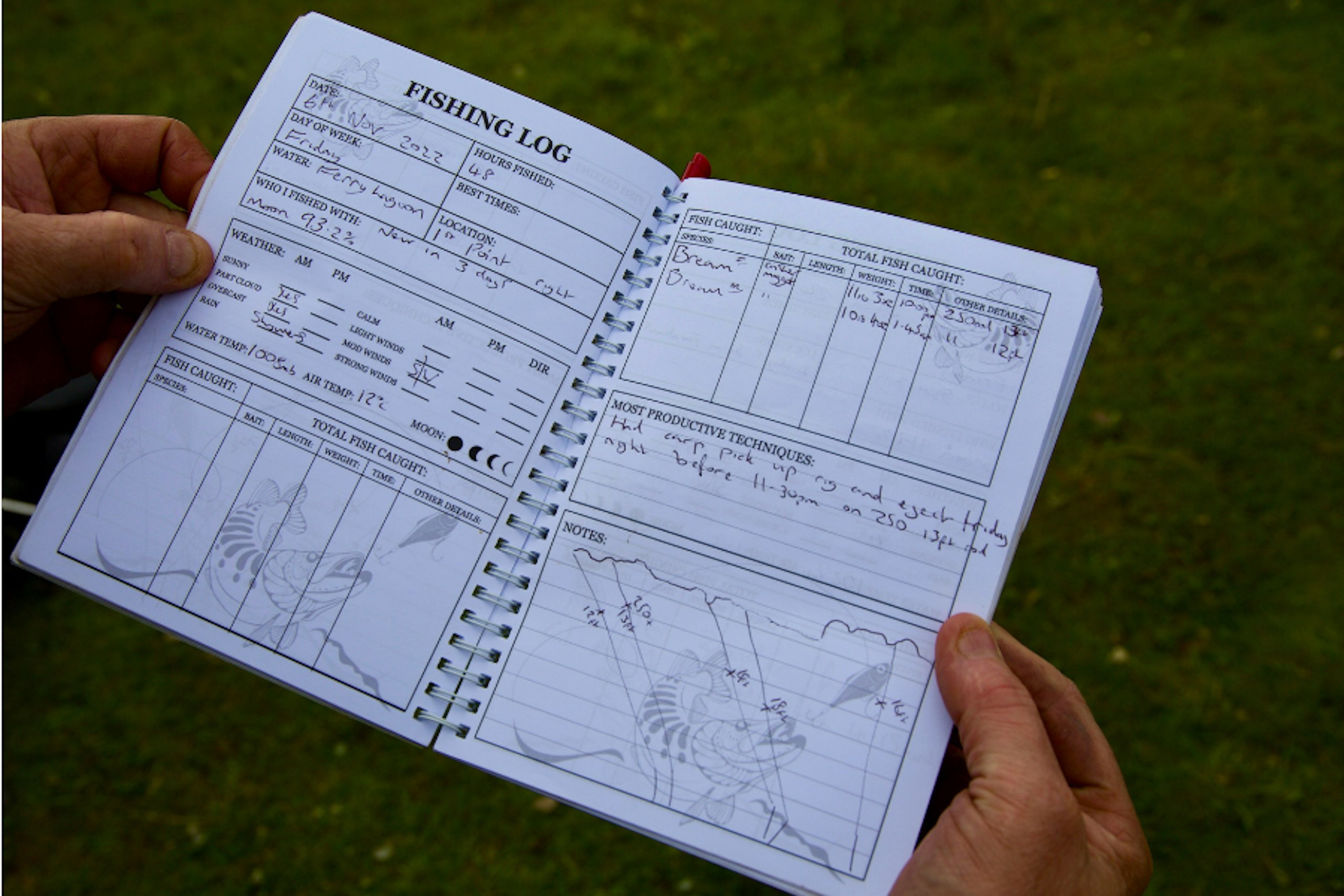
Keep a logbook
Big bream are present in reasonably low numbers in most venues and it can take a while to track them down. Once you’ve got that first specimen in the net, it’s important to learn from the experience, as repeating the formula is often the key to catching consistently.
Keep a record of key data such as the depth of water, how far out you were fishing, baits that were used and the weather conditions.
The more things you can replicate the next time you are on the bank, the more chance there is of upping your personal best again.
MAKE SURE YOU'RE SITTING COMFORTABLE THANKS TO THE BEST FISHING CHAIRS.
Time it right
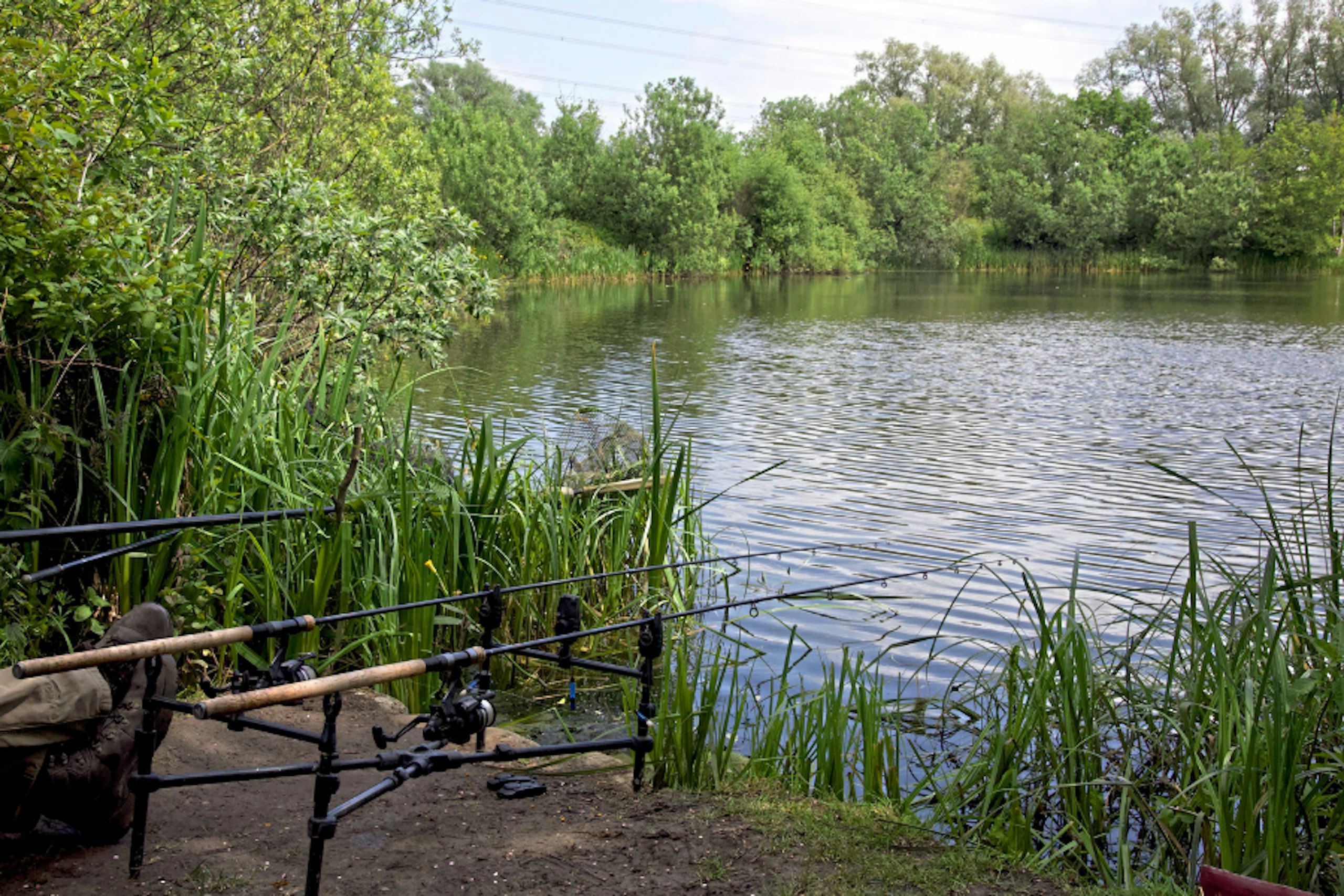
Walk around your chosen lake at dawn or dusk, as bream are renowned for ‘rolling’ when light levels are low.
Watch carefully and you’ll often also see their direction of travel and favoured haunts.
Several fish may top in one spot and then, 15 minutes later, do the same 30m to the left or right of the earlier location. Bream are mostly creatures of habit and so, if they’re doing this one day, you can be fairly confident that they’ll follow the same route most days.
THE BEST DISTANCE FEEDER RODS WILL HELP YOU TARGET BREAM AT DISTANCE.

Strike a balance
Bream aren’t the hardest-fighting species that you’ll ever come across, so using a rod with a heavy test curve isn’t necessary.
That said, they often feed well away from the bank, and a reasonably powerful rod is required to punch a heavy lead or feeder to the mark.
A rod with a test curve in the region of 1.75lb to 2.25lb is about right. Use the lightest that you can, while still having enough casting power to reach the baited zone.
KEEP YOURSELF SHELTERED ON THE BANK IN ONE OF THE BEST FISHING BIVVIES.
Add a maggot
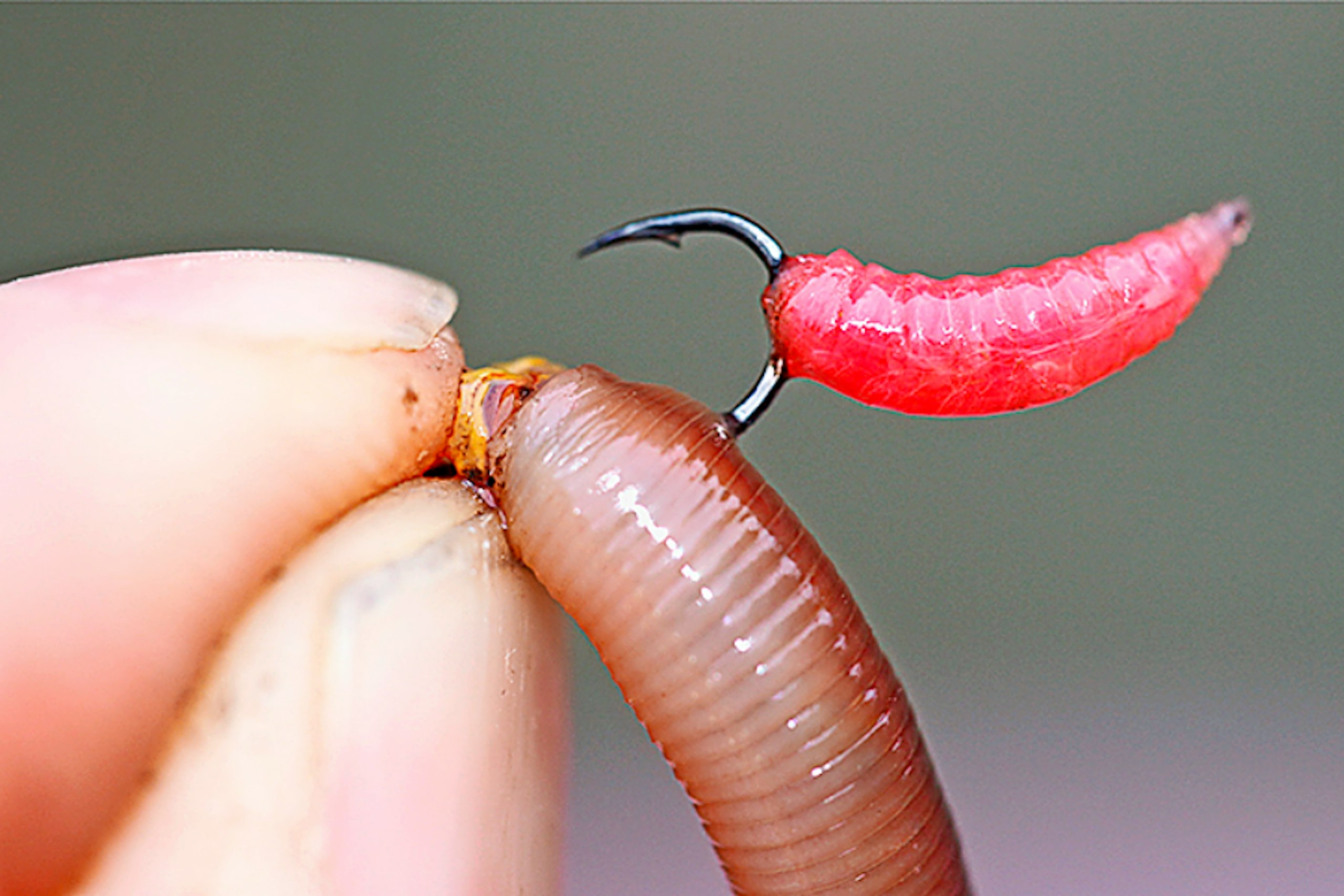
A lot of venues will be home to small roach, perch and skimmers that will slowly chip away at a bed of bait. Their presence is impossible to detect when fishing at distance, though, with your large hookbait never being troubled. Nicking a maggot or two on to your hook can help identify whether any tiddlers are in the area.
If you wind in and find the maggots are smashed, it’s a sign that the silvers have invaded! This will help you decide when to feed again.
More bait is often needed when small fish are present, to ensure that there is always enough loosefeed to hold the big bream when they arrive.
KEEP YOUR PB SAFE AND PROTECTED ON THE BANK WITH THE BEST UNHOOKING MATS.
Pick the perfect rig
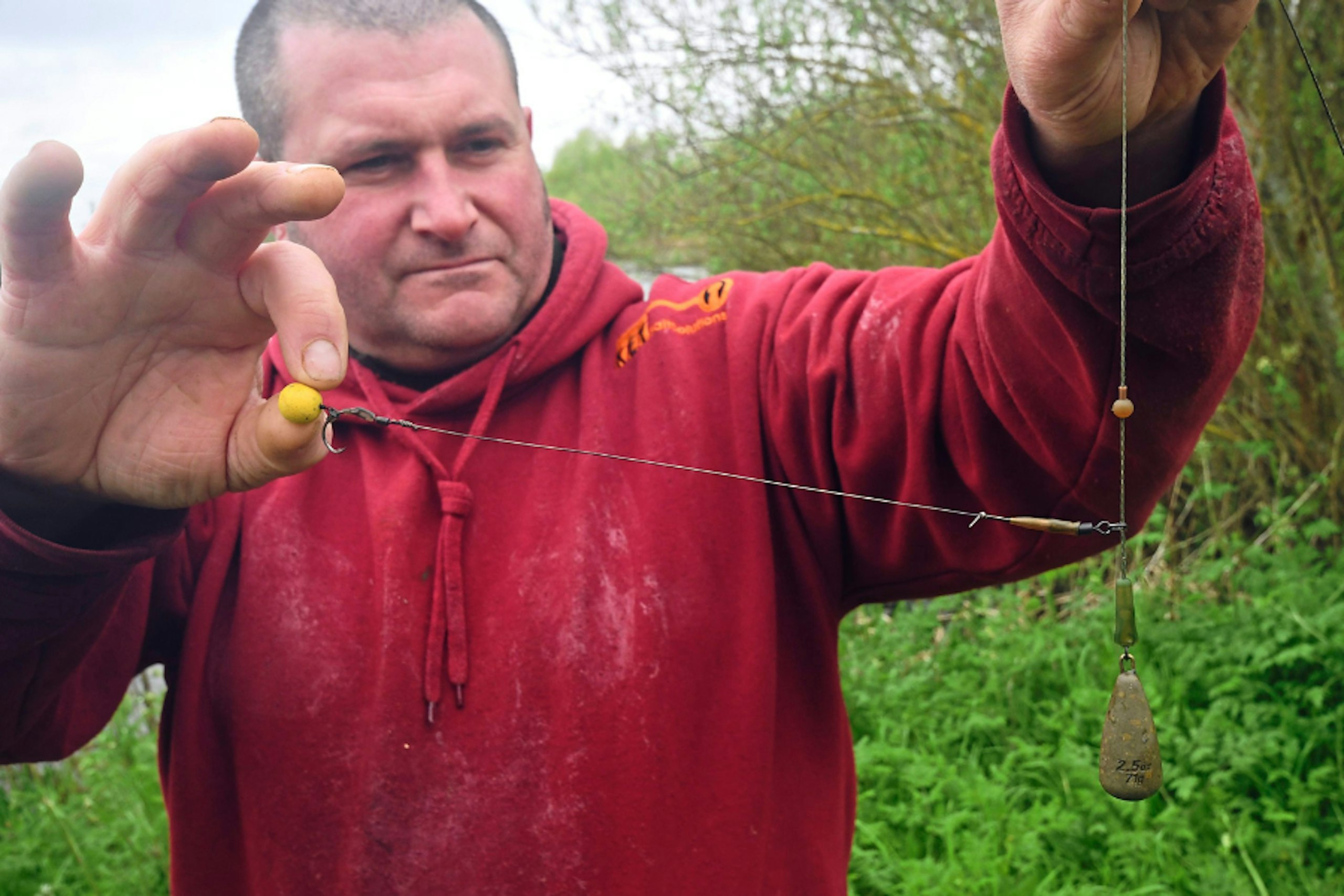
This is a style of fishing where you often only get a handful of bites every session, so
you need full confidence that your rig is working properly, and not sitting in a poorly presented heap.
All manner of set-ups will work, including safety-clip arrangements and running legers, but a helicopter rig incorporating a leadcore or lead-free leader is one of the most tangle-free presentations and, if used correctly, it will sit pretty over a variety of lakebeds.
Don’t go undergunned for big bream – use 12lb mainline and a semi-stiff coated braid hooklength to a size 6 or 8 hook.
HEAD TO ONE OF THESE SUPERB WATERS TO CATCH YOURSELF SOME BIG BREAM.
Roll out the ‘carpet’
A few hungry slabs can hoover up a small pile of bait in no time at all, so creating a wide carpet of bait will increase the amount of time they stay in the swim.
If you’re using multiple rods, aim to put down a bed of bait five metres square, or even a little more, and spread your hookbaits across this area, with a reasonable gap between each.
ADD THE BEST LIQUIDS AND ADDITIVES TO YOUR GROUNDBAIT TO GIVE IT A BOOST!
Bait up with braid
Although, as we’ve already suggested, pinpoint accuracy isn’t needed when bream fishing, it’s still important that your loosefeed doesn’t go all over the place, fall too far short or travel considerably further than where your hookbaits are placed.
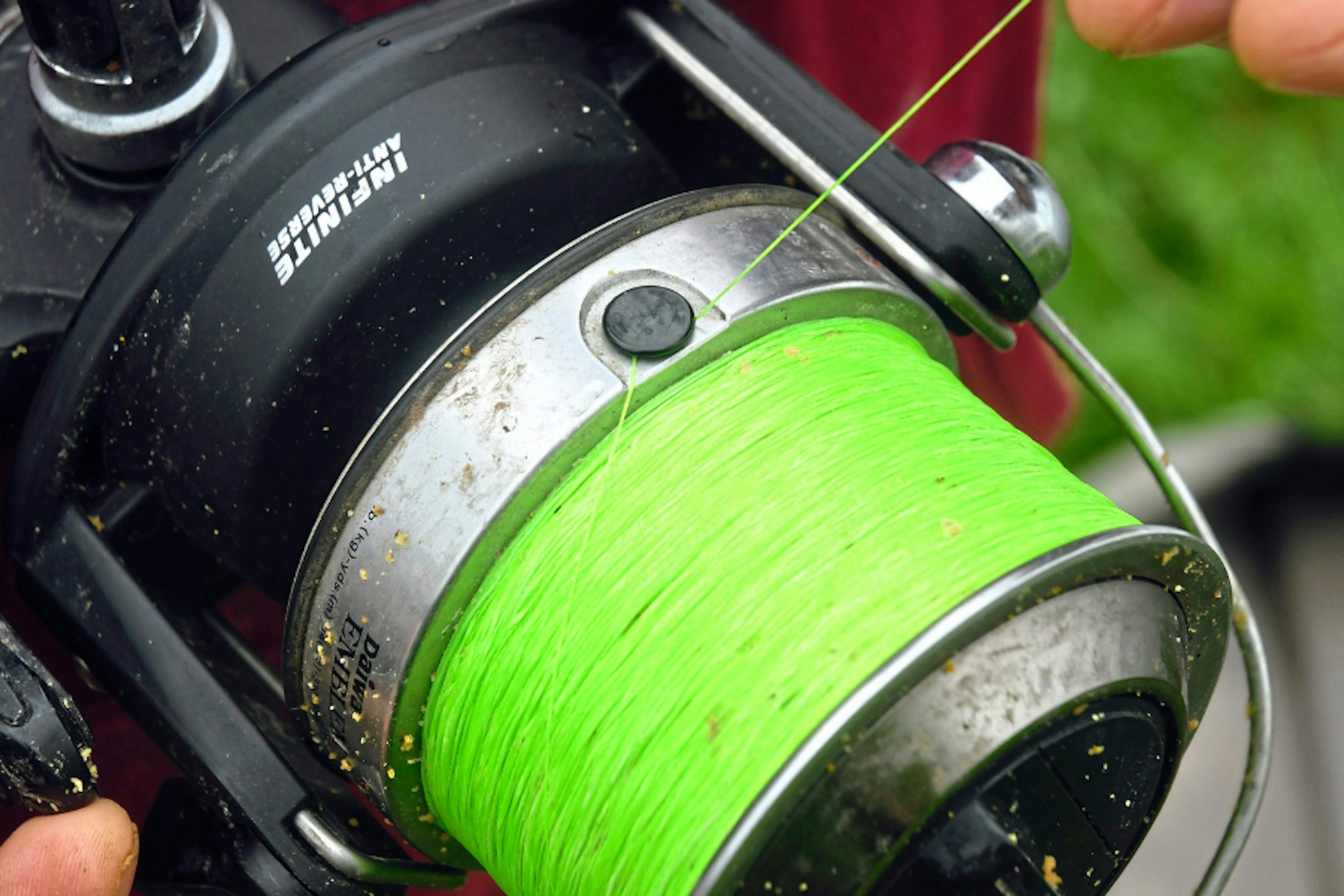
Using braid on the rod that you are baiting up with will help to guarantee this accuracy. Braid has zero stretch and, when you hit the clip after casting out a heavy, fully loaded spod or spomb, it will stop pretty much exactly where you want it to.
BAITING UP IS A BREEZE WITH THE BEST BAIT UP RODS.