- Home|
- Advice|
- Beginners
Everything you need to know about maggots for fishing
We explain all there is to know about the humble maggot...

by Jonathan Longden |
Updated on12th February 2026 at 7.25am
Follow Angling Times on Google
Talk to a non-angler about fishing and they will mention maggots. They are the bait people picture first, and once you start fishing it is easy to see why. Maggots are affordable, simple to use, and they catch a huge range of coarse fish. For beginners they are also easy to look after, if you keep them cool, dry, and ventilated.
What is a maggot?
A maggot is the larval stage of a fly. A fly lays eggs, the eggs hatch into larvae, and those larvae feed and grow for a short period. When a maggot is ready to change, it forms a hard brown shell and becomes a pupa. Anglers call that pupa stage a caster. Left to continue its life cycle, the caster will eventually produce an adult fly.
For fishing, warmth speeds everything up. Keep maggots warm and they will quickly turn into casters. Keep them cool and their metabolism slows, which keeps them as maggots for longer, which is why how you store them matters.
USE MAGGOTS TO CATCH YOUR FIRST FISH.
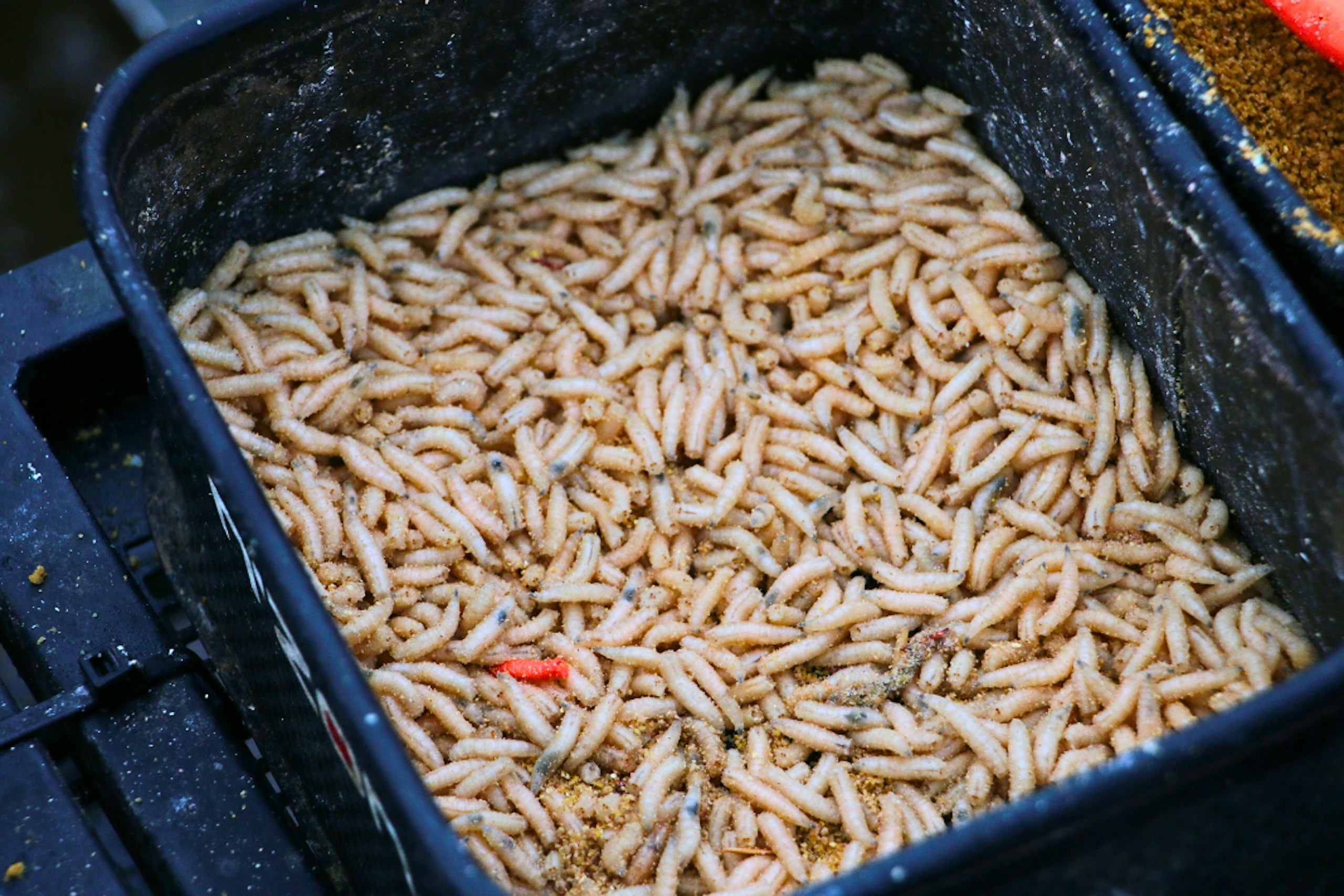
Maggots, pinkies and squatts
Maggots
Tackle shops usually sell three main sizes of fly larvae for coarse fishing. Standard maggots are the everyday option and are typically bluebottle larvae. They are the largest and most widely used, and they cover almost every beginner situation, whether you are fishing a canal for roach, a stillwater for skimmers, or a commercial for carp.
DEAD MAGGOTS ARE A GREAT BAIT, LEARN HOW TO PREPARE THEM IN THIS ARTICLE.
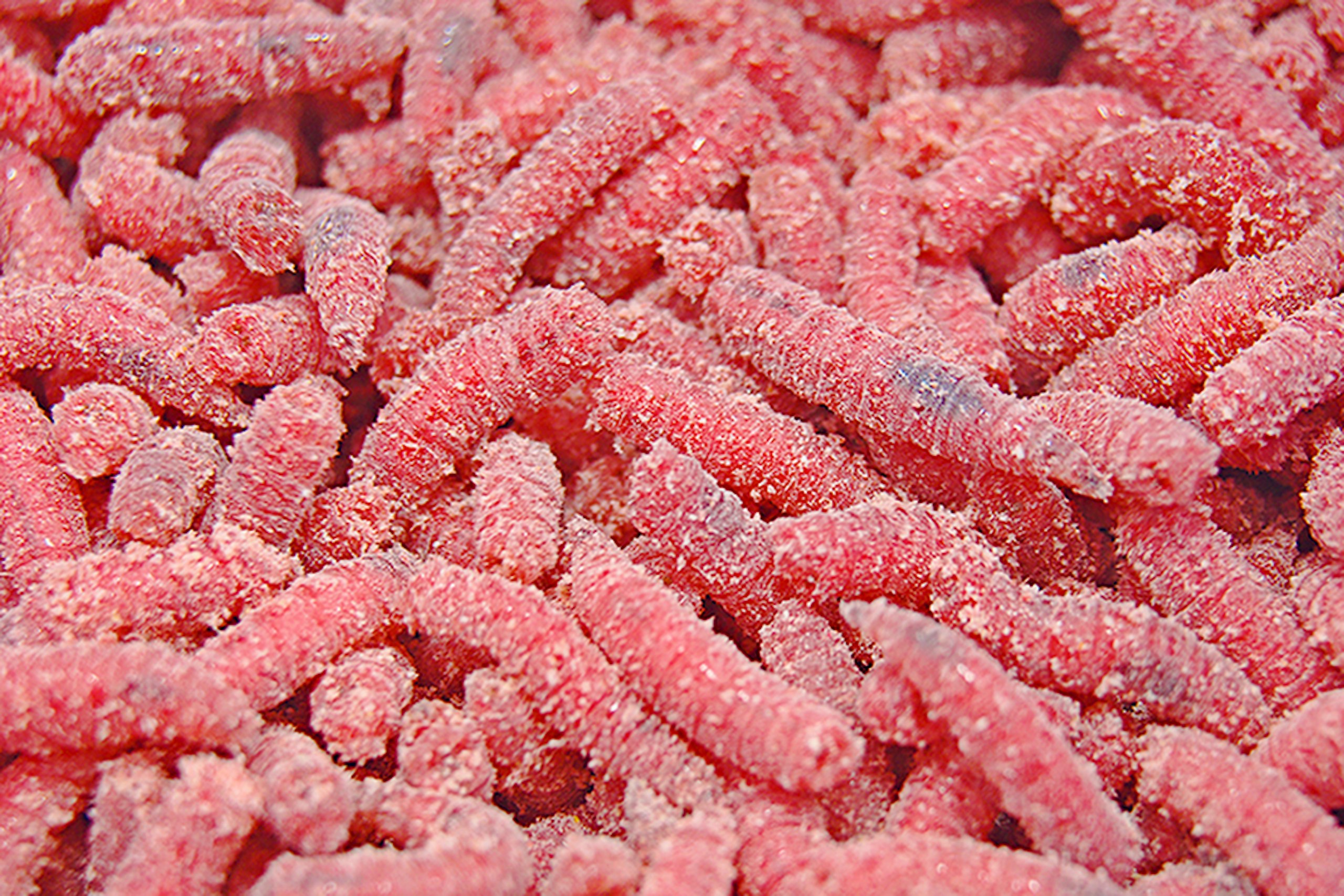
Maggots
Pinkies
Pinkies are smaller and are typically greenbottle larvae. They come into their own when bites are hard to get, when small fish are the target, or when the water is cold. Ideal for when you want to feed little and often without filling fish up too quickly. If you are getting shy bites or missing bites, dropping from standard maggots to pinkies can often help.
PINKIES ARE A GREAT BAIT ON CANALS, LEARN HOW TO FISH CANALS IN THIS GUIDE.
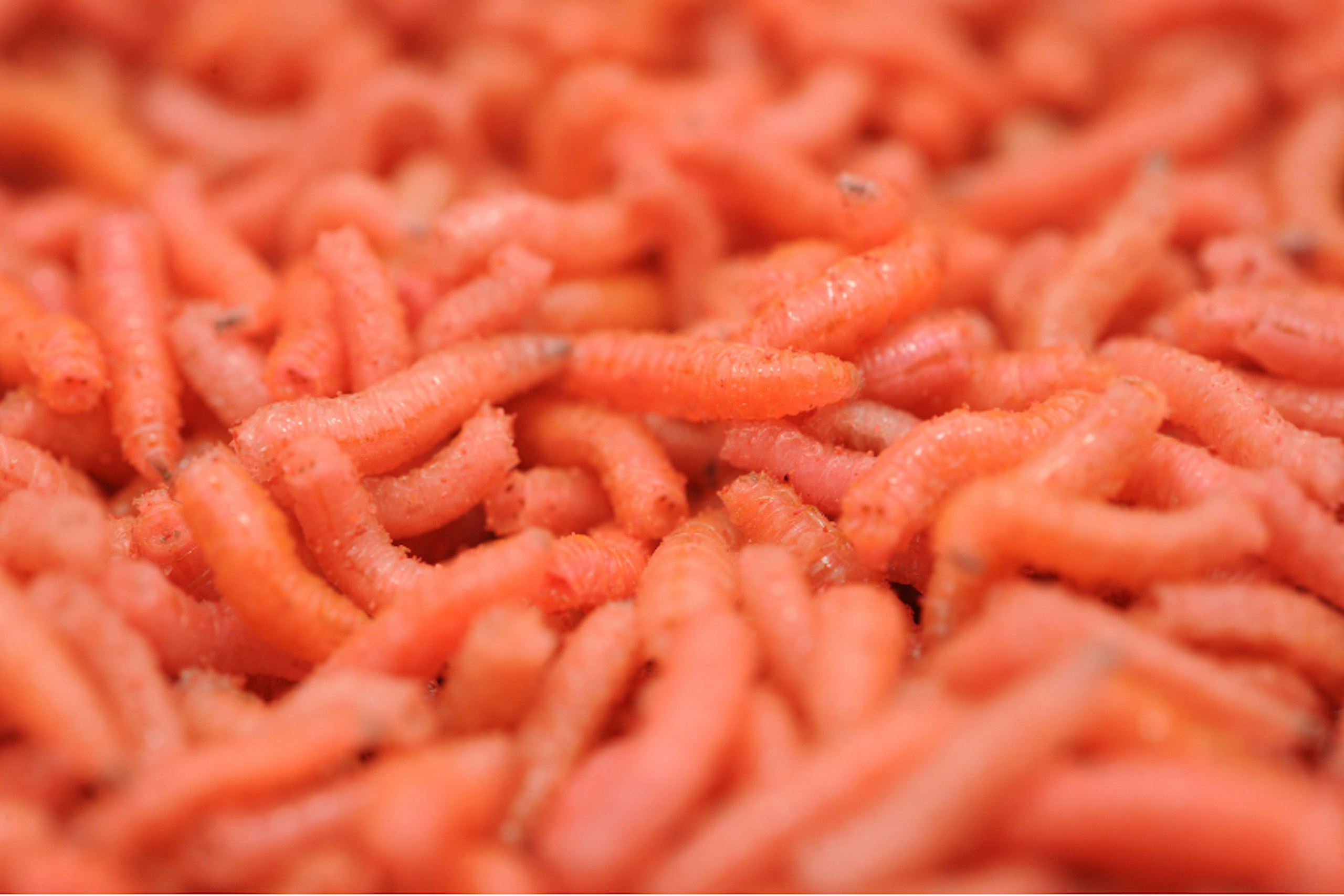
Pinkies
Squatts
Squatts are the smallest and are typically housefly larvae. They are a finesse bait for clear water and winter conditions, and they are useful when you need to keep bait going in regularly but do not want to overfeed. They can feel fiddly at first, but they keep bites coming when fish are at their most cautious. You will most often see them used as an addition to groundbait, helping to keep fish grubbing around without introducing too much feed.
SQUATTS ARE GREAT IN GROUNDBAIT LEARN HOW TO PREPARE GROUNDBAIT IN THIS GUIDE.
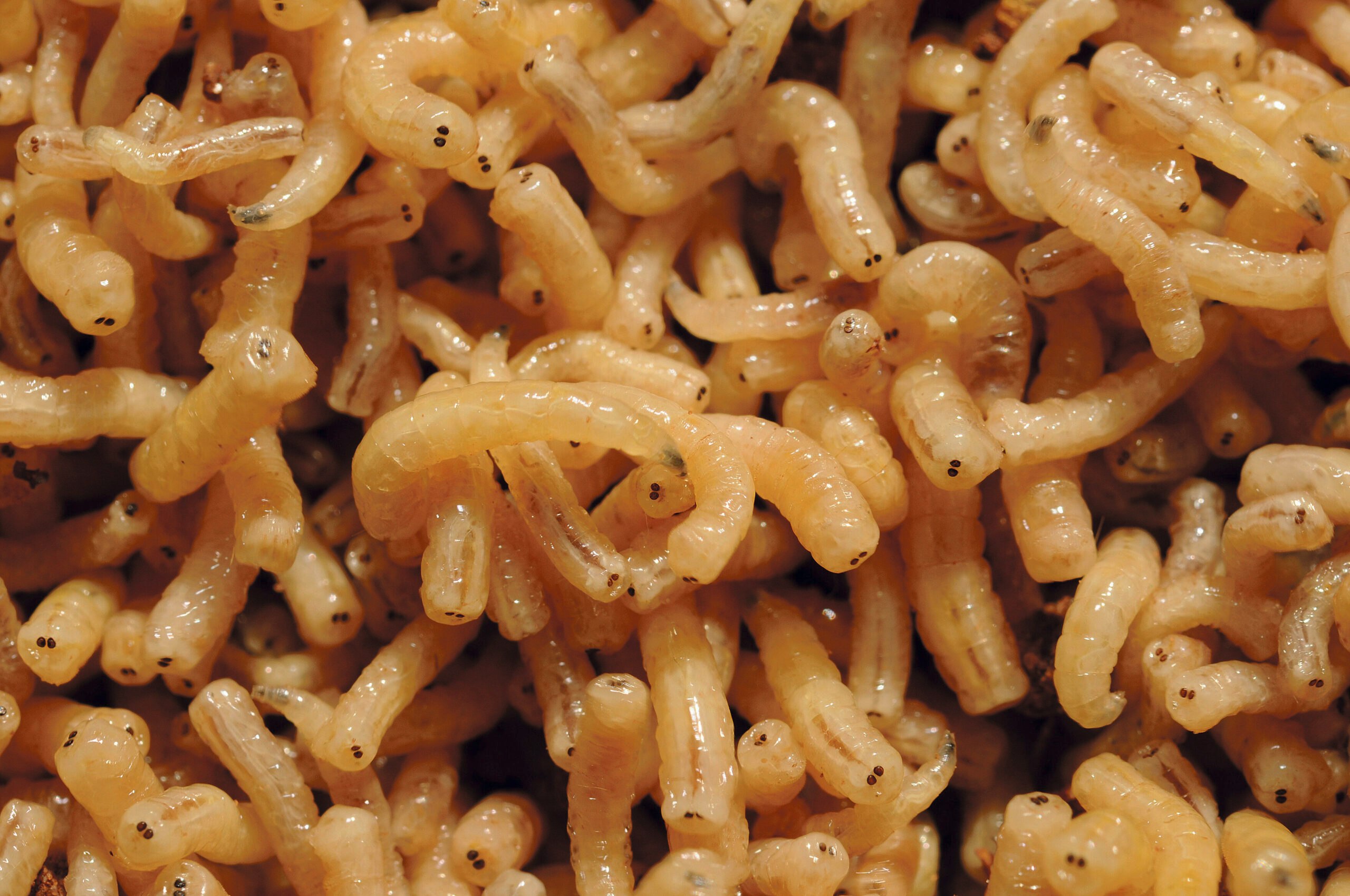
Squatts
Coloured maggots
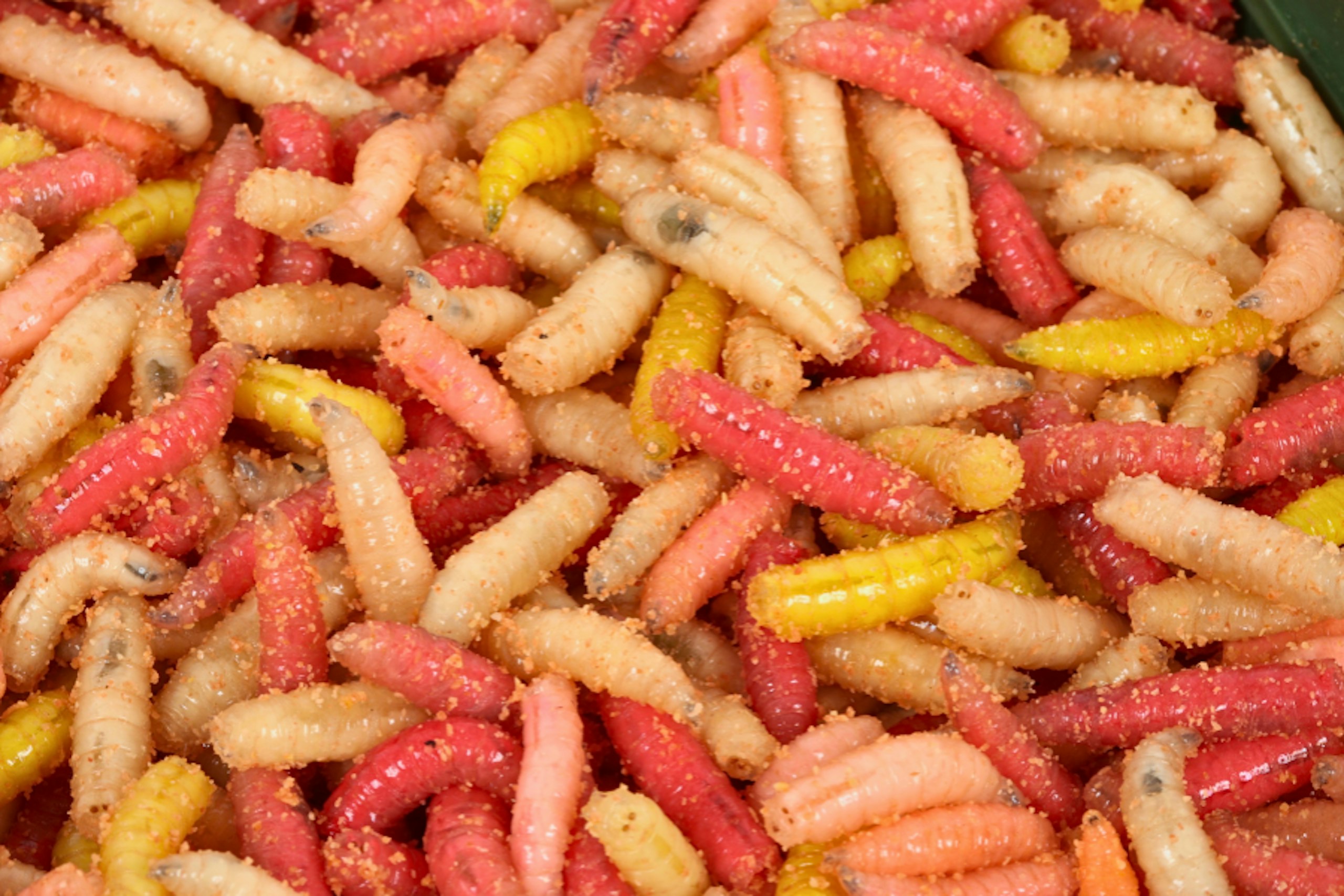
Most maggots are a creamy white, but you can also buy dyed versions. Red is by far the most popular, though some shops stock brighter colours too. The main reason anglers use coloured maggots is visibility, as often in coloured water a bright hookbait can be easier for fish to pick out, and on some days simply offering something different is enough to nick extra bites.
Still, do not overthink it. Fresh bait and good storage will usually matter more than colour. If you want to keep it simple, start with white and add red once you are confident.
SIVERFISH LOVE MAGGOTS CATCH THEM ON THE BEST SILVERFISH FLOAT RODS.
Buying maggots
Maggots are usually sold by the pint, and many shops also sell half-pints and for a short beginner session, a half-pint is often enough. If you are fishing all day, feeding heavily, or targeting carp, a pint or two can make more sense.
Bring, or buy, a proper bait box. A bait box has a lid that fits securely and small ventilation holes that allow air in and let condensation escape. Try not to cram too many maggots into one box, as when they are packed tightly, they generate heat and can sweat, which creates damp bait and speeds up the change into casters.
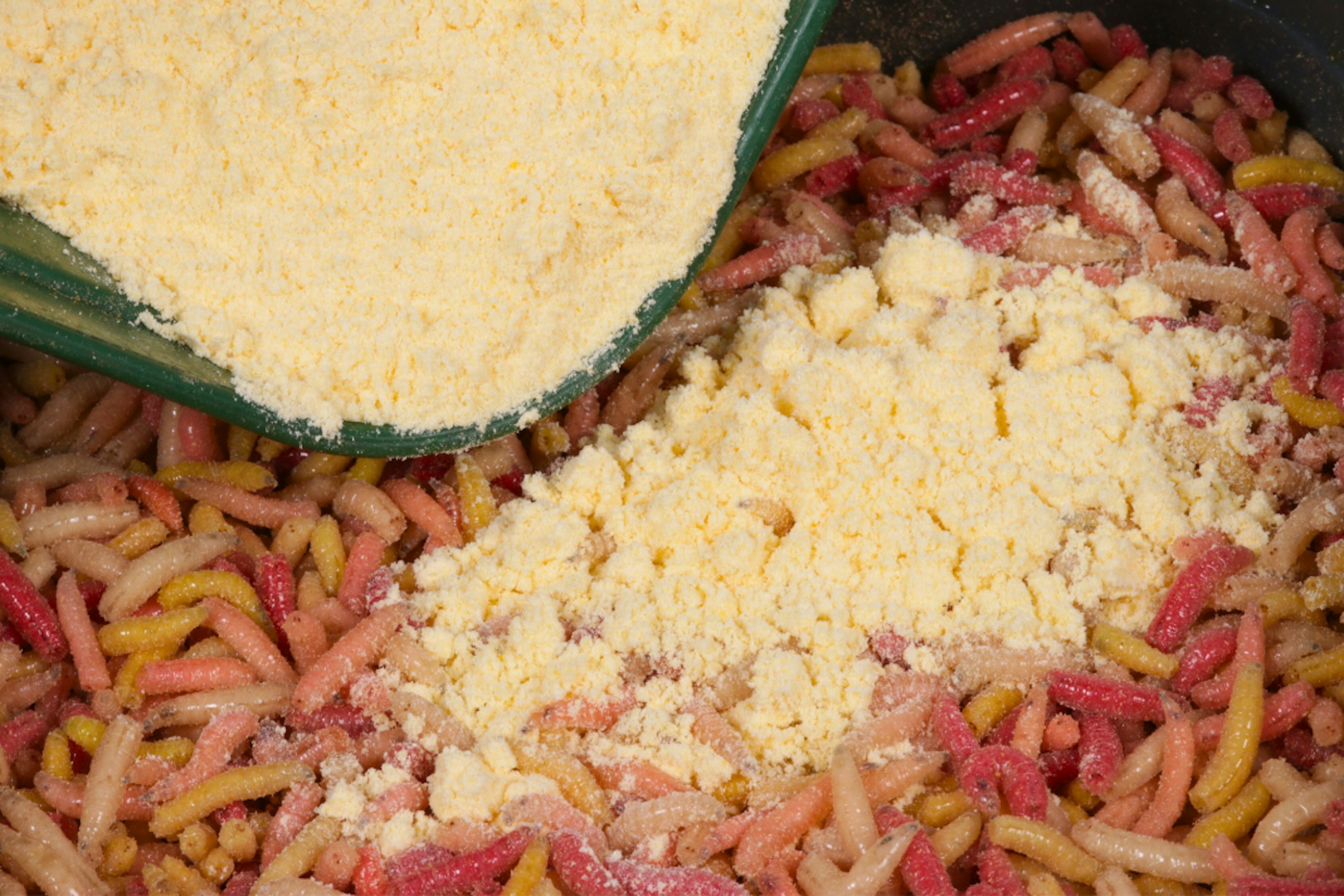
Most shops will also offer a scoop of dry dust, usually maize meal or sawdust. This is simply a dry bedding that keeps the maggots cleaner and helps absorb moisture, which keeps the bait in better condition for longer.
GET STARTED IN FISHING WITH ONE OF THE BEST BEGINNER FISHING RODS.
How to store maggots properly
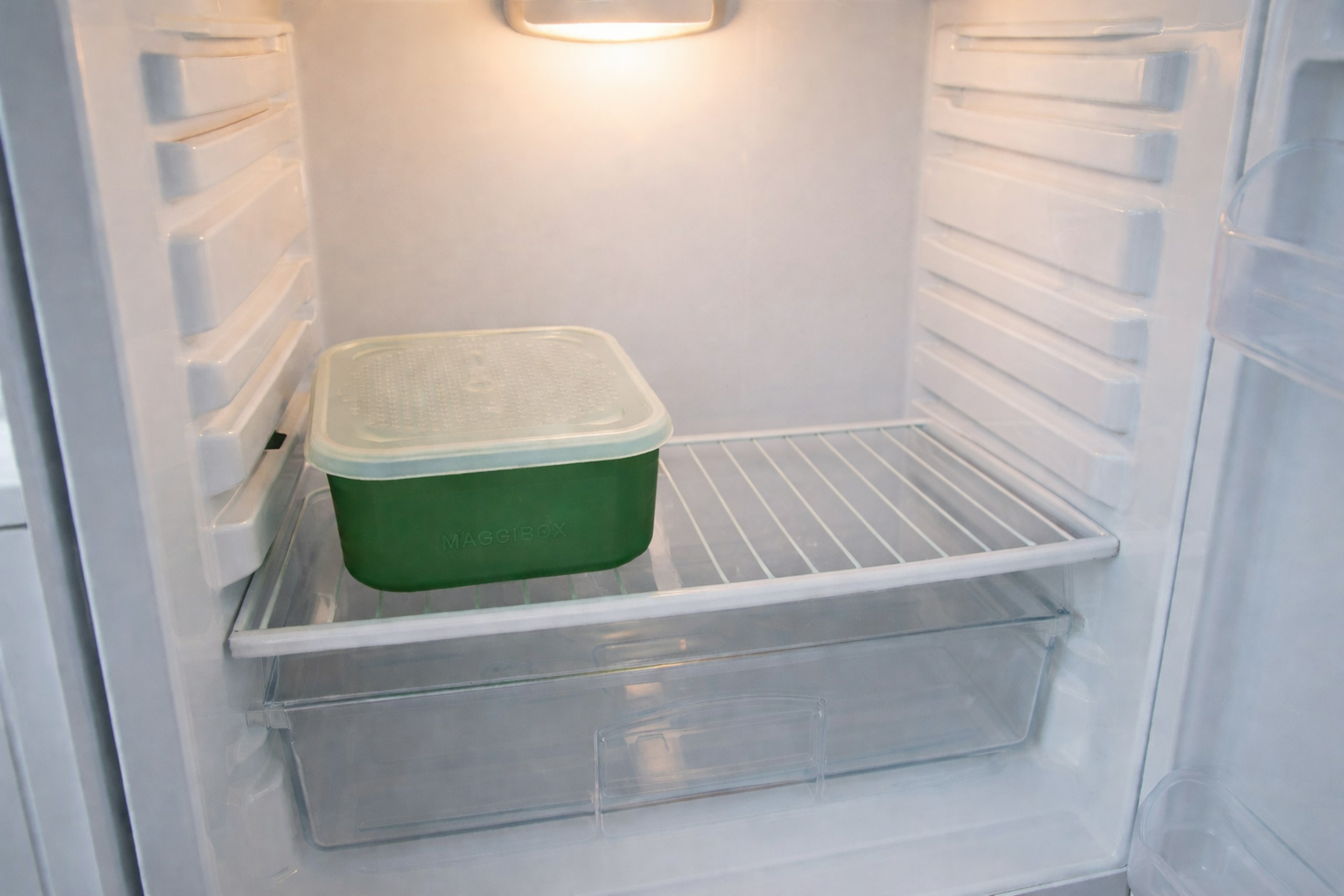
The best place to keep maggots is in a fridge as the cold temperatures slow their metabolism and help stop them turning into casters. If you bought fresh bait and store it properly, it can stay in good condition for over a week. Just ensure you keep the lid on and keep the box upright. Also keep bait away from uncovered food and wash your hands after handling them.
If you cannot use a fridge, a cool dark place is the next best option. A garage floor is ideal. For trips and long sessions, an insulated bag with an ice pack is a good way to keep your maggots in top condition, especially in summer.
IN THIS GUIDE YOU CAN LEARN HOW TO START FISHING.
Looking after maggots between sessions
If you are keeping maggots for more than a day or two, give them a quick tidy. Some will die, and you will also find skins, which are the papery shed casings left behind as they grow. Removing that waste helps keep the bait drier and fresher.
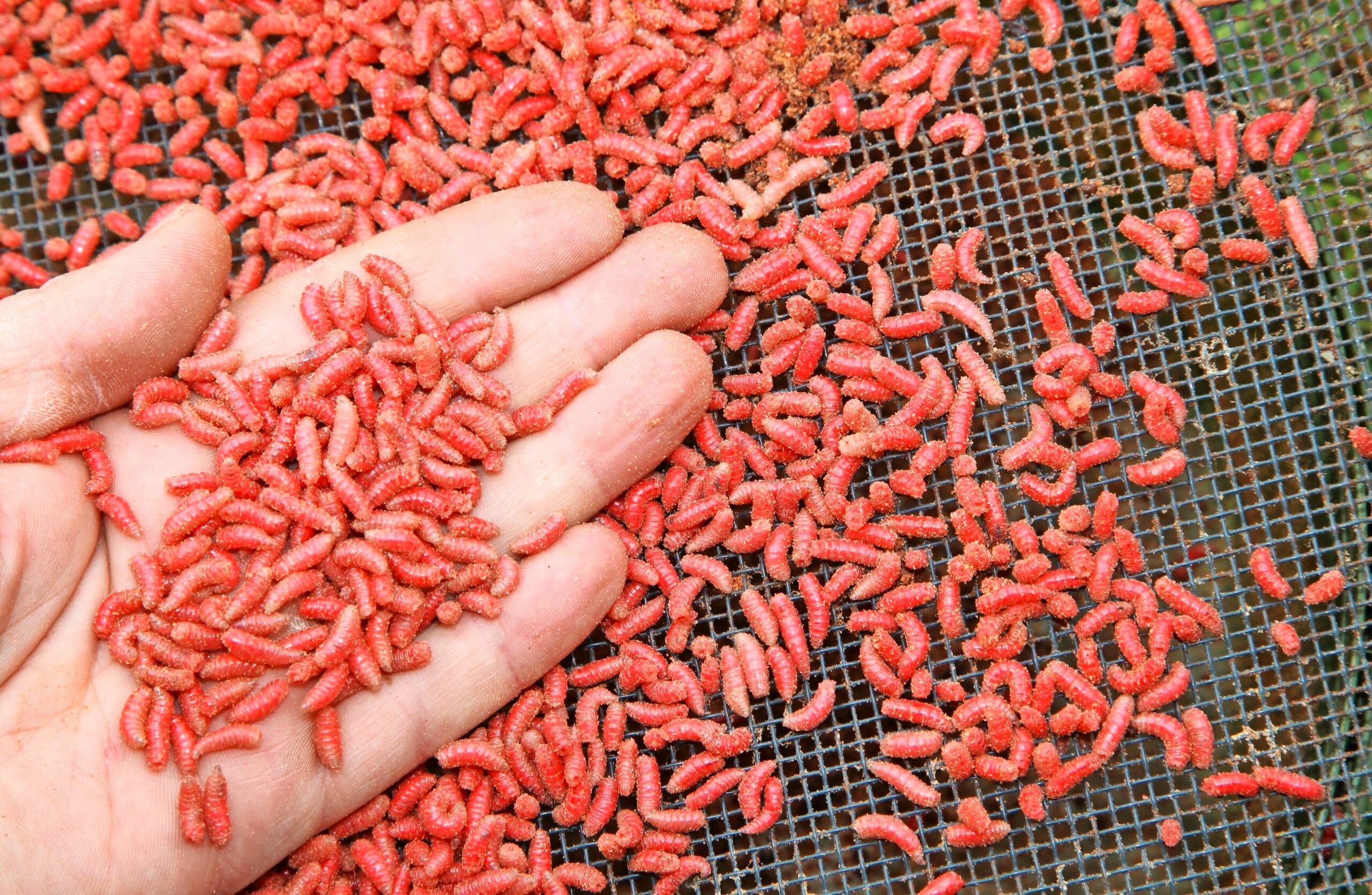
Use a bait riddle, which is essentially a small sieve, over a clean, dry tray and simply tip the bait onto the riddle and let the live maggots wriggle through. What stays behind will be skins, dead bait, and any casters that have already turned. Remove that waste, refresh the dust if needed, then return the clean bait to the box.
If you do end up with casters, it is not a disaster as they are a great bait too, especially for roach and skimmers. The main thing is keeping your bait cool and dry so you stay in control, and your maggots are fresh for the next trip.
TAKE A LOOK AT OUR BUYERS GUIDE FOR THE BEST STARTER KITS TO GET YOU ON THE BANK.
Just so you know, we may receive a commission or other compensation from the links on this website - read why you should trust us