- Home|
- Advice|
- Tips
How to catch specimen bream

by James Furness |
Updated on27th April 2026 at 11.20am
Follow Angling Times on Google
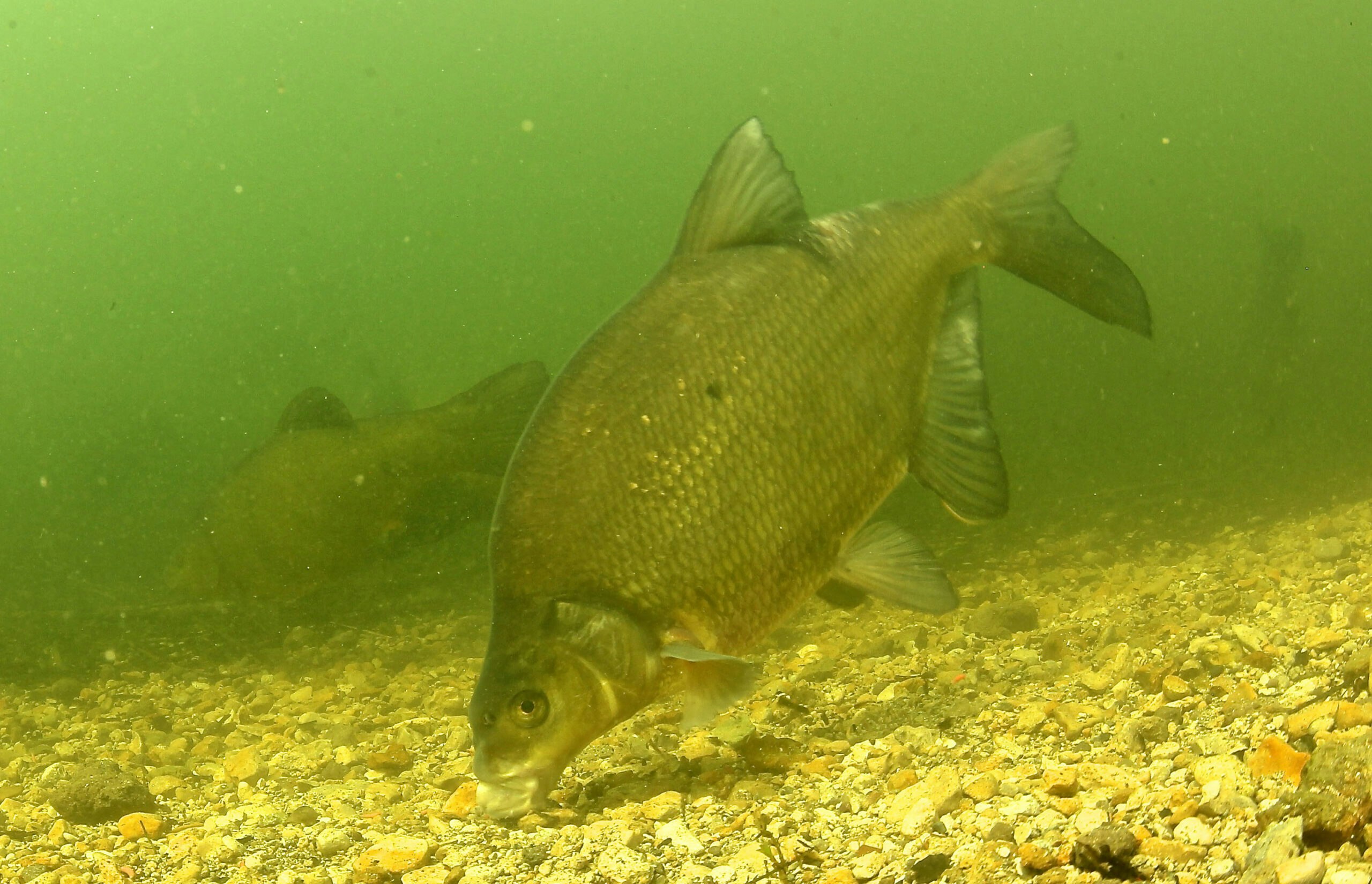
Big bream are one of the most rewarding targets in UK coarse fishing, but consistently catching them requires a little more thought than their smaller counterparts.
Choosing the right venues, understanding their feeding habits and opting for the right tactics all plays a part in seeing a giant slab sliding over your landing net.
In this guide, Dai Gribble shares his key tips and tactics that can help you improve your chances of landing your biggest bream yet.
Do your homework
Bream are creatures of habit, perhaps more so than any other species. In my experience they regularly feed in specific parts of a lake at the same time every day.
The top of gravel bars and large areas of shallow water surrounded by deeper water are my favoured spots for finding big bream.
Unlike tench, I have found that bream prefer to avoid weedy areas, so this means that in weedy lakes any area where the weed is absent or thinner is well worth investigating.
You can start your search by looking at overviews of the lakes you’re planning to fish on Google Earth.
FIND THE BEST VENUES TO FISH FOR BIG BREAM IN THIS WHERE TO FISH GUIDE.
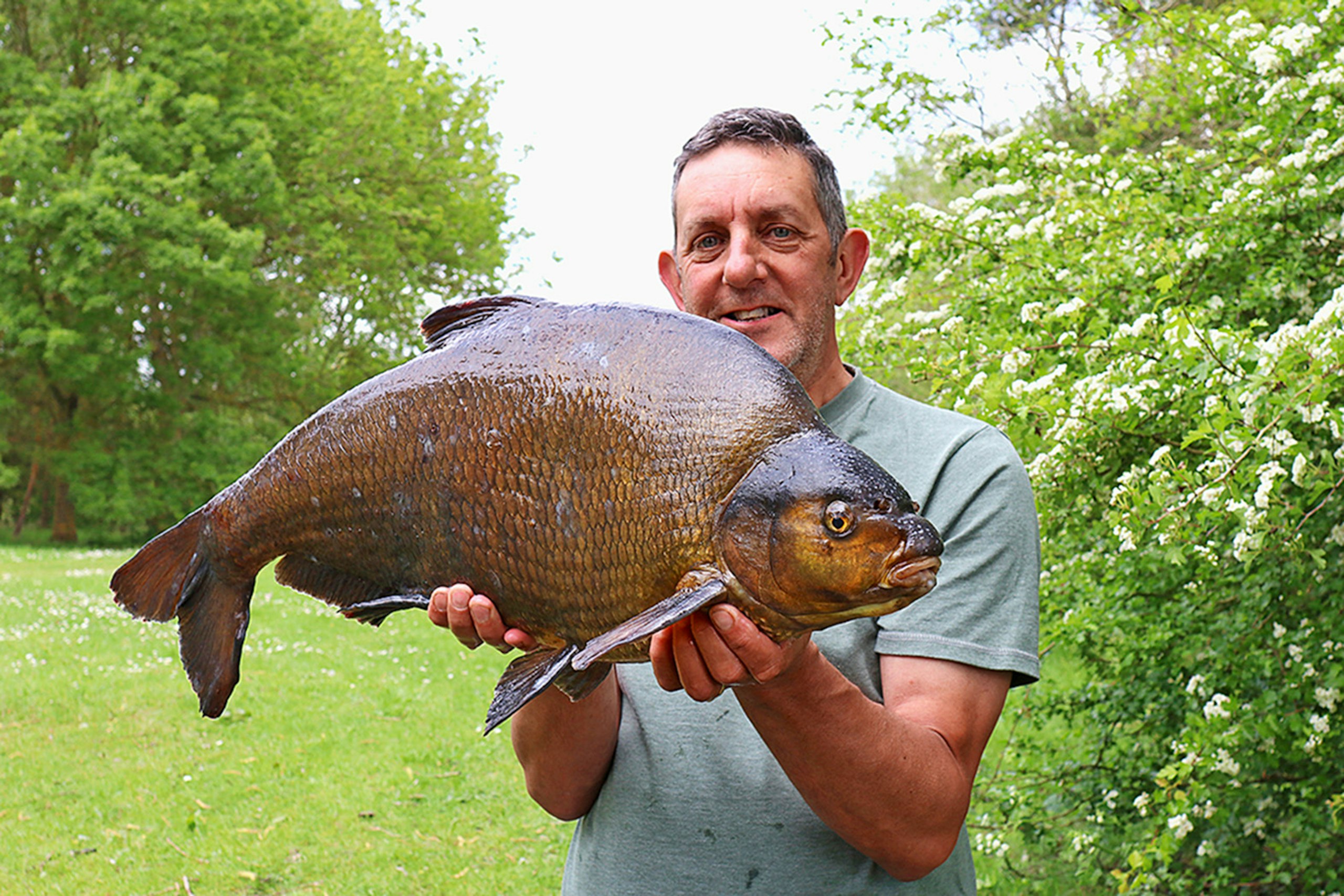
Watch for rolling fish
Big bream are generally nocturnal feeders and often have a tendency to roll on the surface, particularly just as the light falls at dusk.
If you observe bream rolling at the surface it is very likely that they will feed in that area, so any time spent finding rolling fish is well spent.
Sometimes bream roll with a classic ‘porpoise’-style roll and are unmistakeable, but on occasions they can barely break surface – with just the tips of their dorsal fins visible.
Investing some of your hard-earned cash in a good set of binoculars can really help you to spot such behaviour.
THE BEST FISHING BIVVIES ARE IDEAL FOR FISHING LONG SESSIONS FOR BREAM!
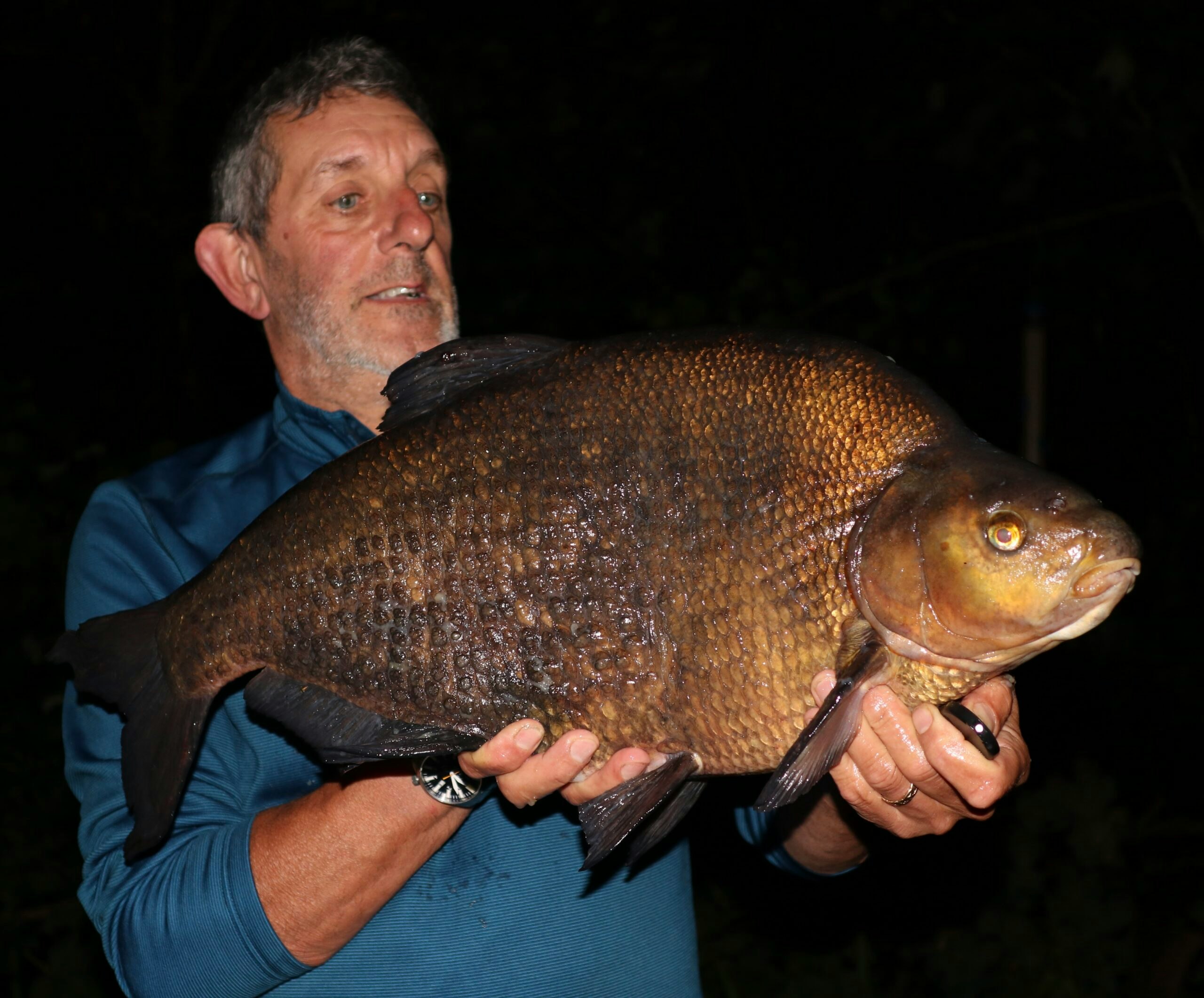
Big bream often come after dark...
Talk to other anglers
Carp anglers can often be a good source of potential bream swims because on most waters they outnumber other anglers and inevitably catch bream.
In my experience they are generally happy to share information about where and when they have caught them.
A swim where bream have been caught recently is well worth trying but bear in mind that most carp anglers don’t weigh bream so the size of bream might be smaller than claimed!
CATCH MORE BREAM BY USING A SELECTION OF THESE BAITS...
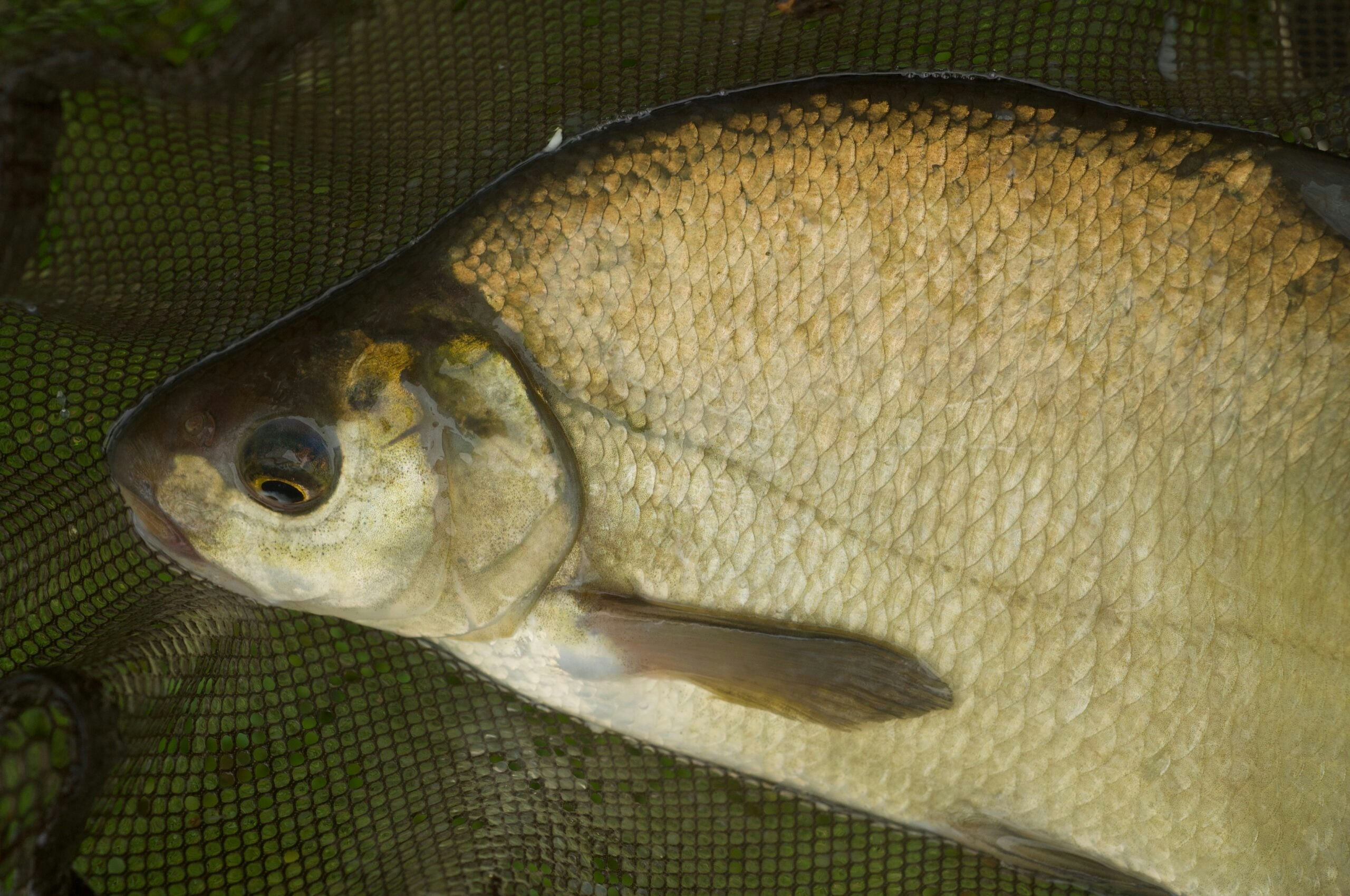
Fish into the wind
In the absence of any obvious clues as to where to fish, a good place to start is fishing into the wind as far out as you can comfortably cast and bait up.
The undertow created by the wind will take a trail of attraction from your baited area out into the lake, maximising the chances of bream being drawn into your swim.
By fishing as far out as is comfortable, you maximise your chances of drawing fish from as far away as possible.
NOT FUSSED ABOUT MONSTER SPECIMENS? CHECK OUT THESE TOP VENUES FOR A NET OF BREAM.
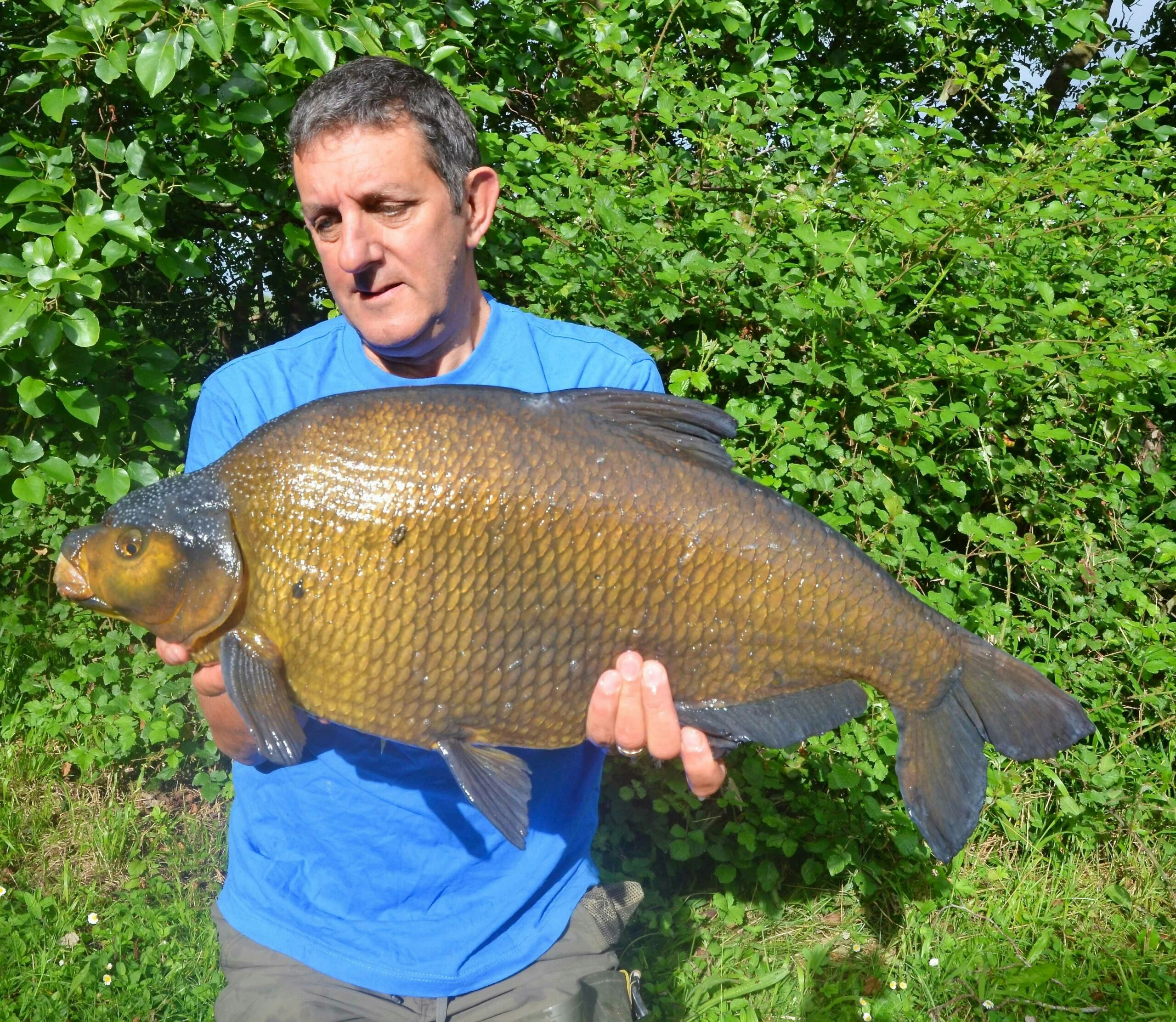
Get a bed of bait out
Given their nocturnal nature, laying down a large bed of bait prior to dark is the best approach. If boats are allowed it makes life much simpler – if not, a Spomb is the easiest and most accurate method of baiting up.
A small number of big bream can eat a lot of bait and even on low-stocked waters I introduce plenty of bait 4kg of crumb or fishmeal based groundbait, 2kg of 2mm or 4mm pellets and a couple of tins of corn.
The aim is to ensure bream will stay in the area for a long time and I don’t want to risk feeding more bait over the top of feeding fish as that’s likely to spook the shoal.
NEVER MISS A TAKE AGAIN WITH A SET OF THESE BITE ALARMS...
Add hookbait samples
I introduce very few – perhaps 30 – hookbait samples, and try to spread them out. I want the bream to search for them among the masses of smaller items.
The size of my baiting area depends on the size of the feature I am fishing to, but typically I aim to cover about 8m wide by 2m deep. This allows me to fit three rods on to the baited area, even if it is very windy.
Introducing this amount of bait takes time, but effort equals reward. I like to bait up in late afternoon so the swim has time to settle down. The only disturbance will be casting my rods out, ideally about an hour before dark.
Use these tips and go catch yourself a monster slab!
Just so you know, we may receive a commission or other compensation from the links on this website - read why you should trust us