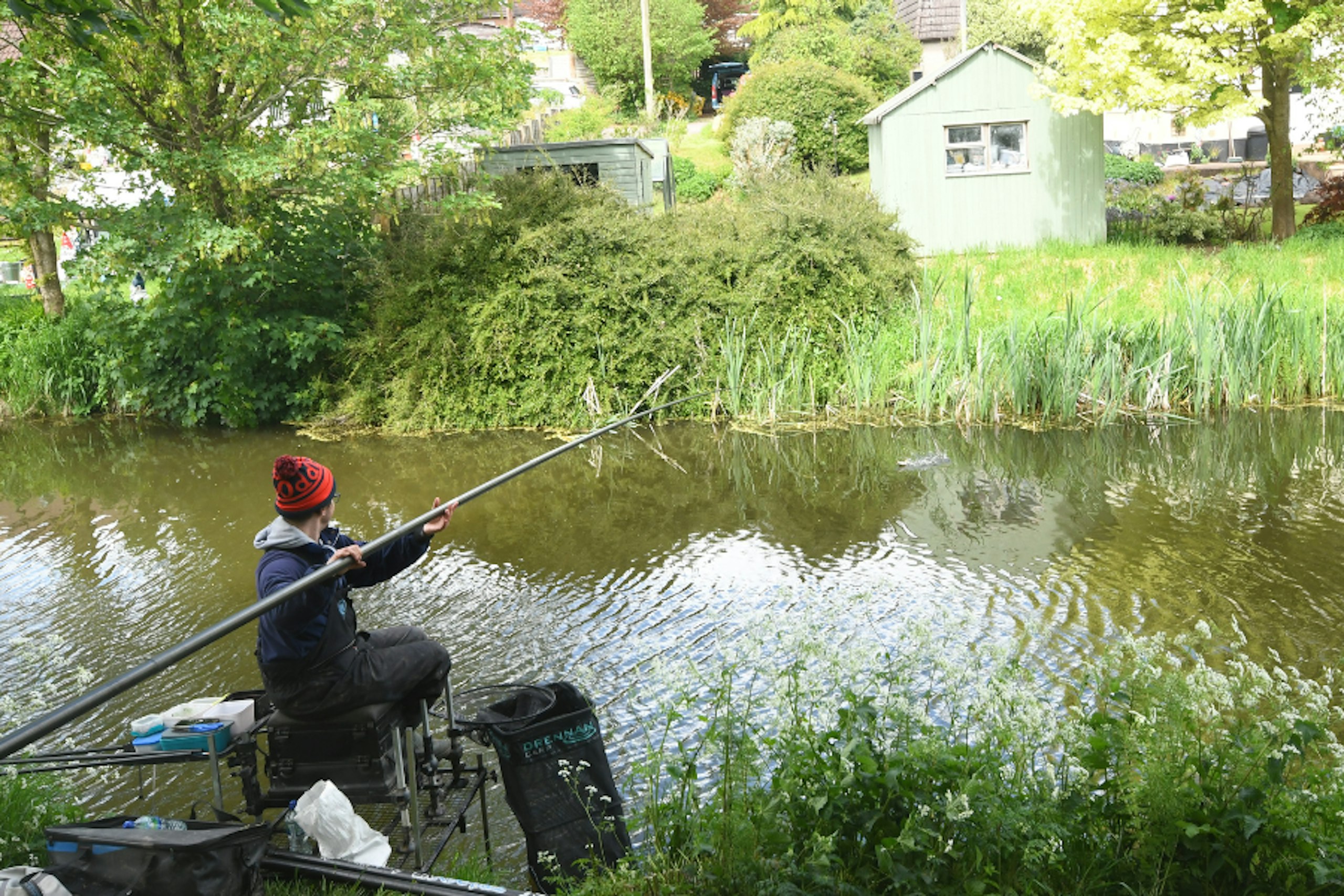
As trees and bushes burst back into life, so do your chances of catching proper fish, and on a lot of canals that means skimmers and bream more than anything else.
The trouble is they rarely make it easy. Plenty of pegs will show signs of fish, with bubbles coming up and the odd bit of disturbance in the swim, but that does not always mean they are ready to feed. You can stare at fizzing water for ages and still not get a proper bite. Bream often feed late, and on many canals you are not trying to build a huge shoal in front of you. More often, you are trying to make the most of the odd passing fish and turn a few chances into a worthwhile net.
IN THIS BUYERS GUIDE WE HAVE OUR PICK OF THE BEST FISHING POLES.
What to feed
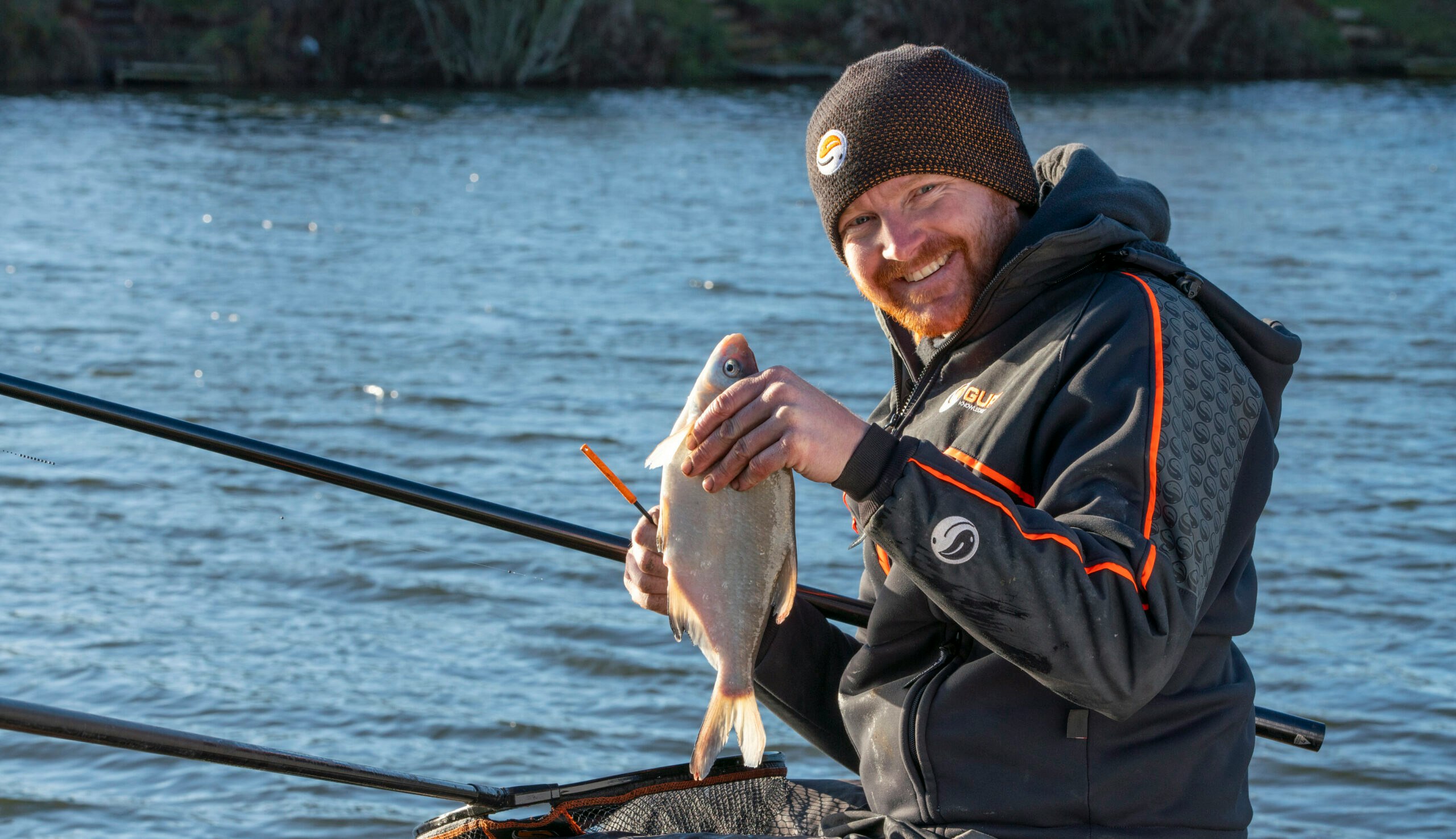
A more modern approach built around pellets and corn can certainly work on canals these days, and there was a time when few would have expected that to be the case. But when you are setting out with bream in mind, especially in spring, it still makes a lot of sense to go back to the more traditional chopped worm and caster approach.
On a canal, keeping the bait tight is important. Groundbait will catch fish, but once a boat comes through or the tow starts pulling after a lock opens, it can spread well away from where you introduced it. Chopped worm and caster is much better in that respect, especially on the far-bank shelf in shallower water. It is heavier, so it tends to stay put, while the chopped worm is constantly leaking attraction and helping pull fish into the baited area.
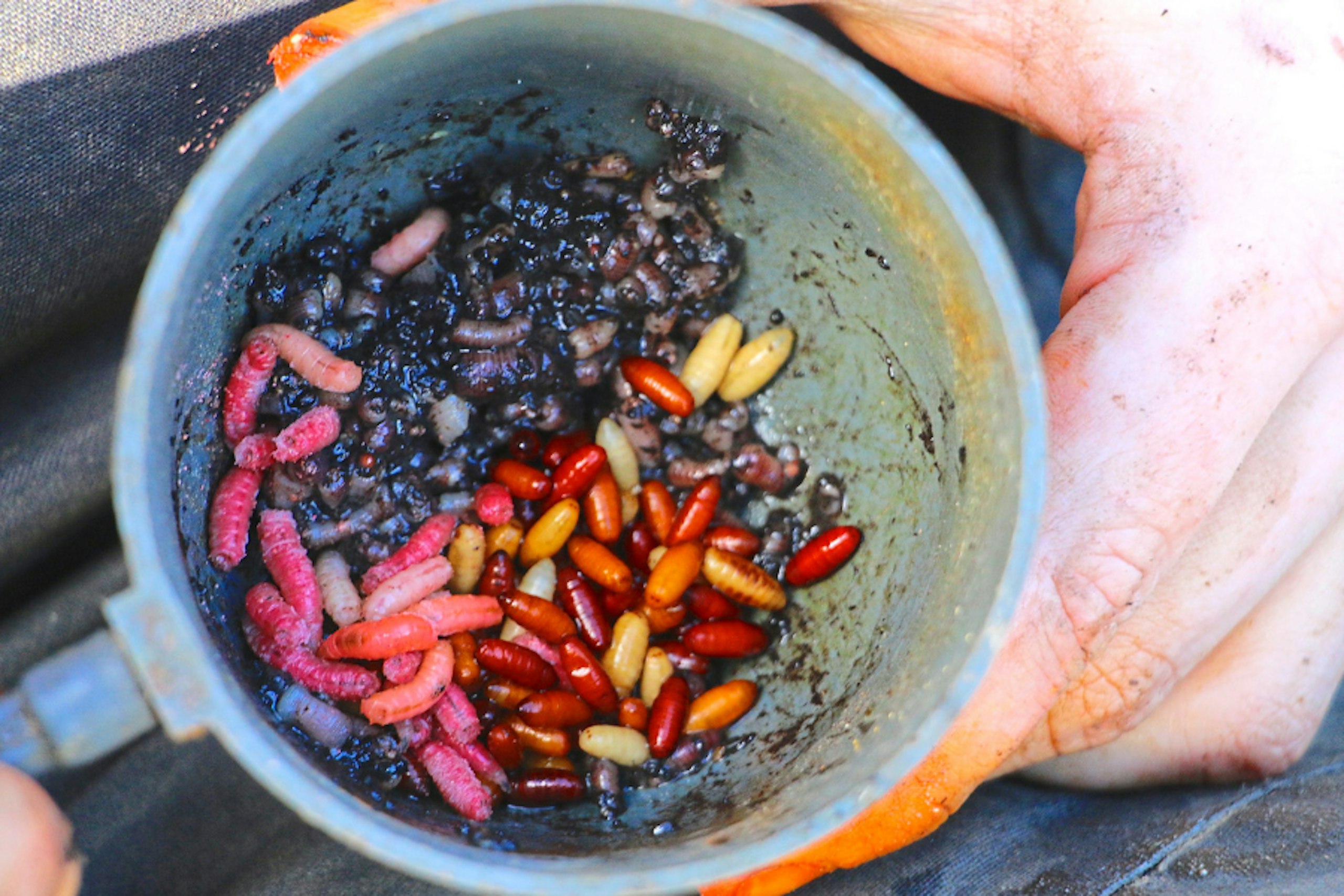
A good starting mix is finely chopped worm and caster in roughly a 25:75 split, with a few dead red maggots added in. It pays to be quite positive with it too, and around three quarters of a large pole cup, roughly 200ml, is a good starting point. It is enough to give the fish something decent to settle over.
NO NEED TO SPEND THOUSANDS ON A POLE CHECK OUT THE BEST SUB £1000 FISHING POLES.
All in the timing
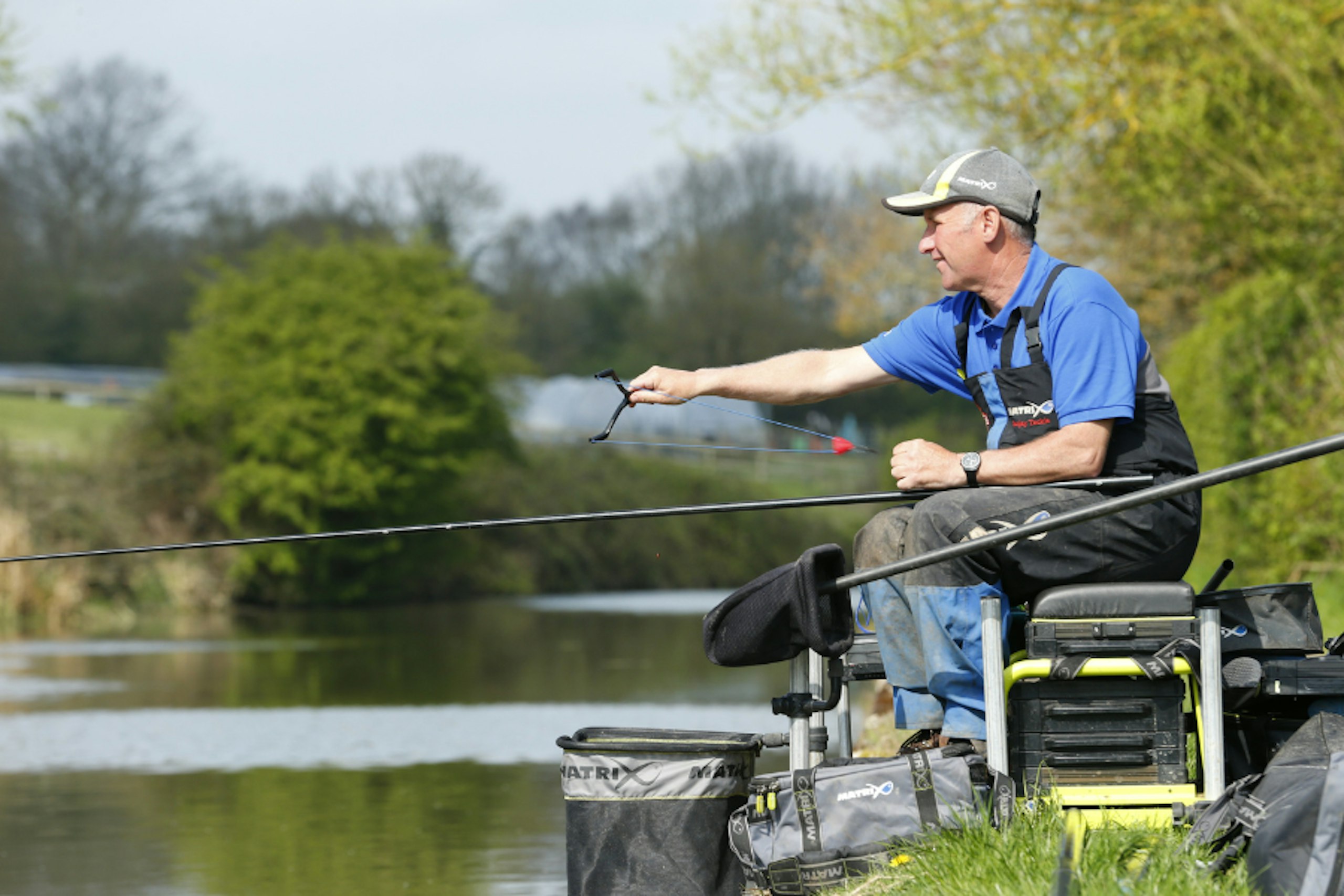
One of the biggest mistakes you can make is rushing straight onto this line. You are usually far better off letting it settle. At the start of a session, it often pays to catch a few roach on maggots or pinkies fished short and long for an hour or so while the bream swim rests.
It fills that early part of the day nicely, but more importantly it gives the bigger fish chance to drift in and settle with confidence. While that line is resting, you can flick a few casters across with a catapult, but only sparingly. Too much loosefeed just spreads the bait and can easily push it into far-bank cover where you have no real chance of presenting properly.
CATCH CANAL BREAM USING ONE THE 5 MUST HAVE SILVERFISH POLE RIGS.
Hookbaits
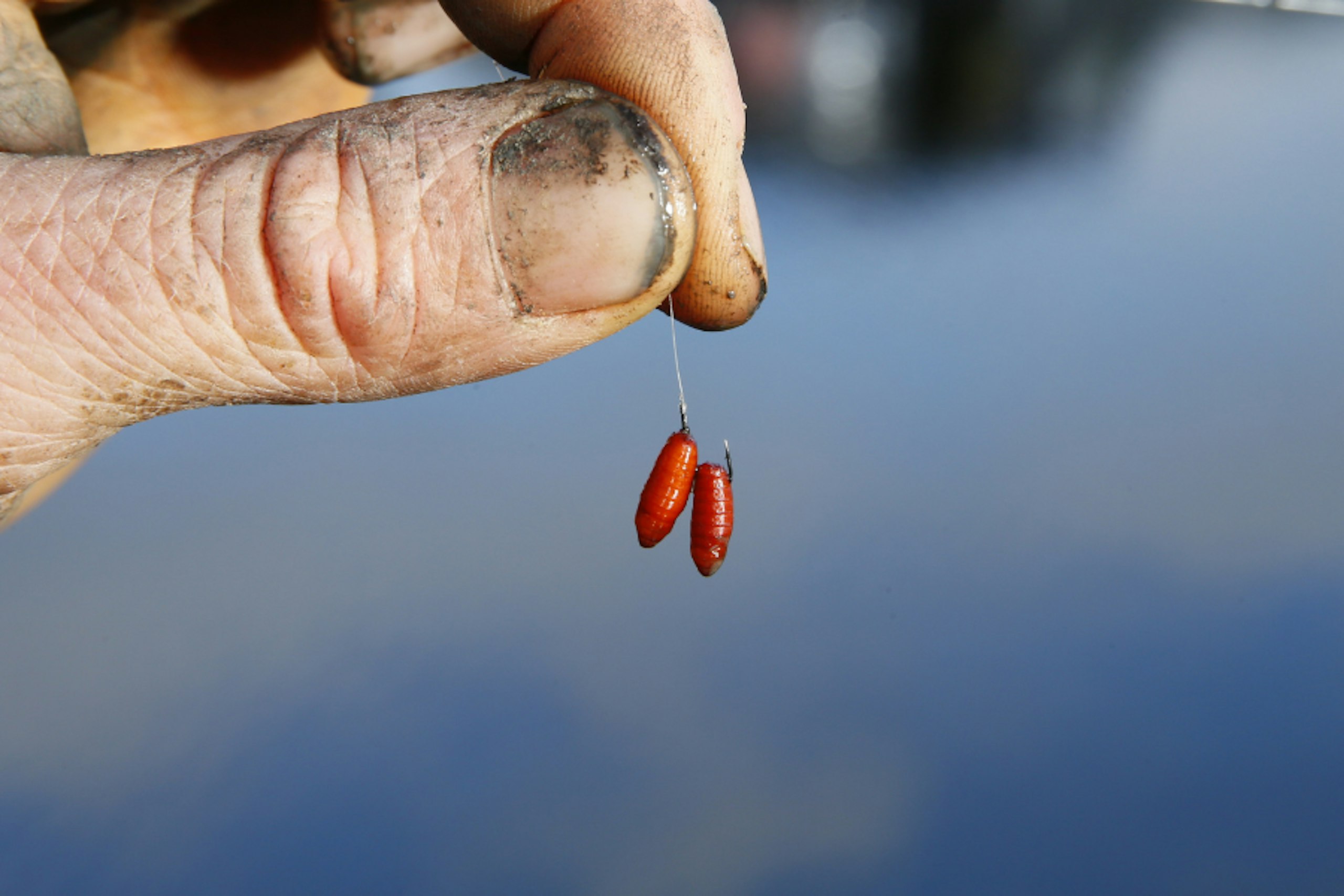
When it is time to go on the bream line, keep the hookbait simple. A caster tipped with a dead maggot or a double caster are both proper target baits, and both are excellent options to start with. They are strong skimmer baits, and neither will look out of place if a decent perch turns up instead.
If you feel the bigger fish are there, or you just want the hookbait to stand out a little more, switch to a short section of worm tipped with a dead maggot.
ALWAYS HAVE THE BEST HOOKBAIT WITH THIS GUIDE TO THE BEST FISHING BAITS.
Where to fish
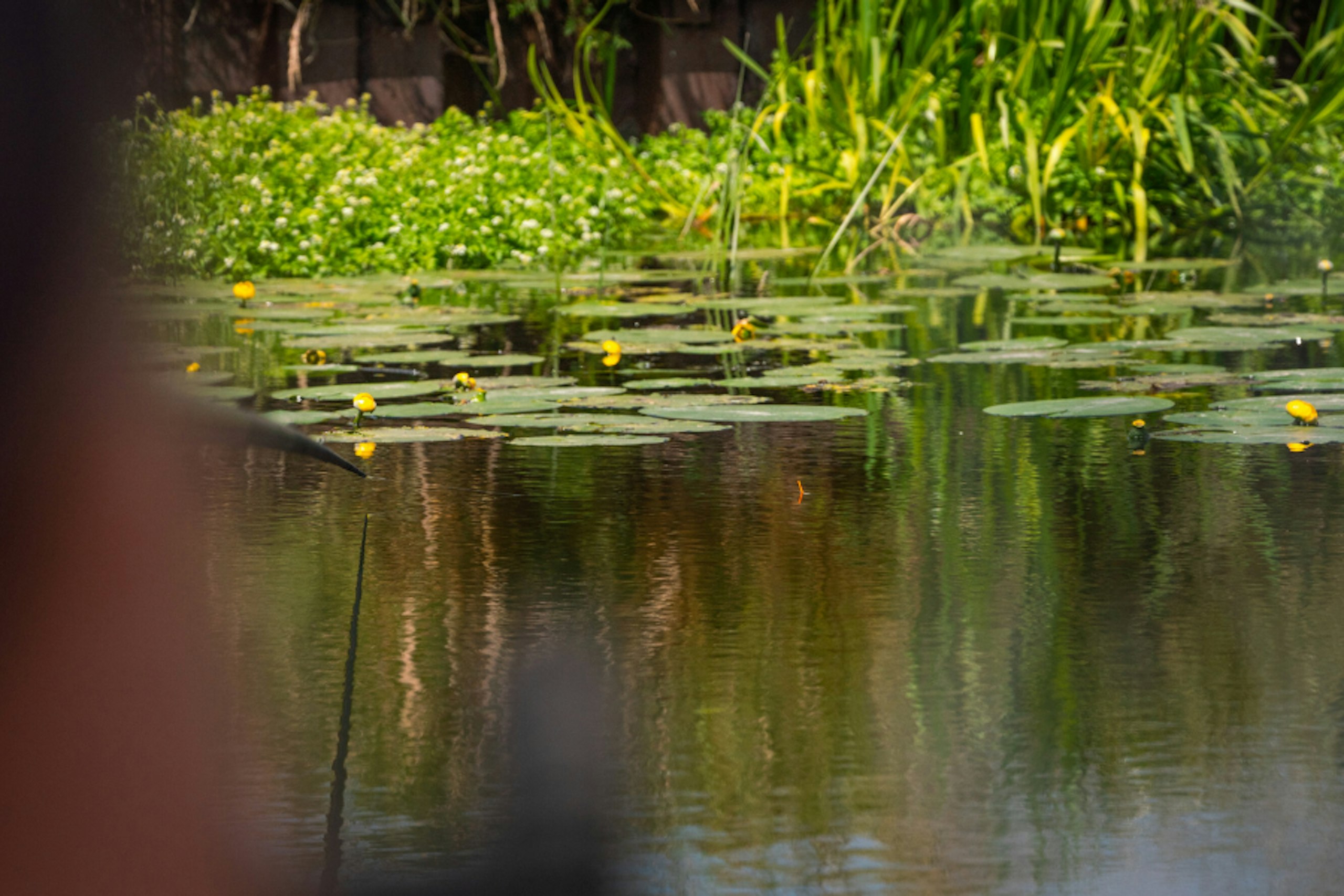
Cover is always worth targeting when you are fishing a canal. Bushes, brambles, overhanging trees and far-bank reeds all hold fish, while on barer pegs the far-bank piling is usually the obvious target.
Even so, feeding and fishing tight to the cover straight away is not always the best move. That is often a line better kept back for later if the fish move right in. You are usually better off building your main area a few feet off it, usually on top of the far-bank shelf in at least 18in of water. That gives you a much cleaner area to feed and present over, while still keeping the bait close enough to the cover to draw fish out.
BE COMFORTABLE ON THE BANK SITTING ON ONE OF THE BEST FISHING SEATBOXES.
The rig
Even though you are targeting big fish close to snags, that is no excuse to fish too heavy. A balanced set-up is nearly always the better way to go. Something like 0.12mm (3lb) mainline to a 0.10mm (2lb) hooklength and a size 16 hook is ample for most canal bream fishing when paired with a sensible hollow elastic.
Fish too crudely and you risk ruining the presentation, which matters when bites are often hard to come by. The only time it makes sense to step things up is if you are fishing right under the cover itself, where a stronger, more direct elastic will give you a better chance of pulling fish clear quickly.
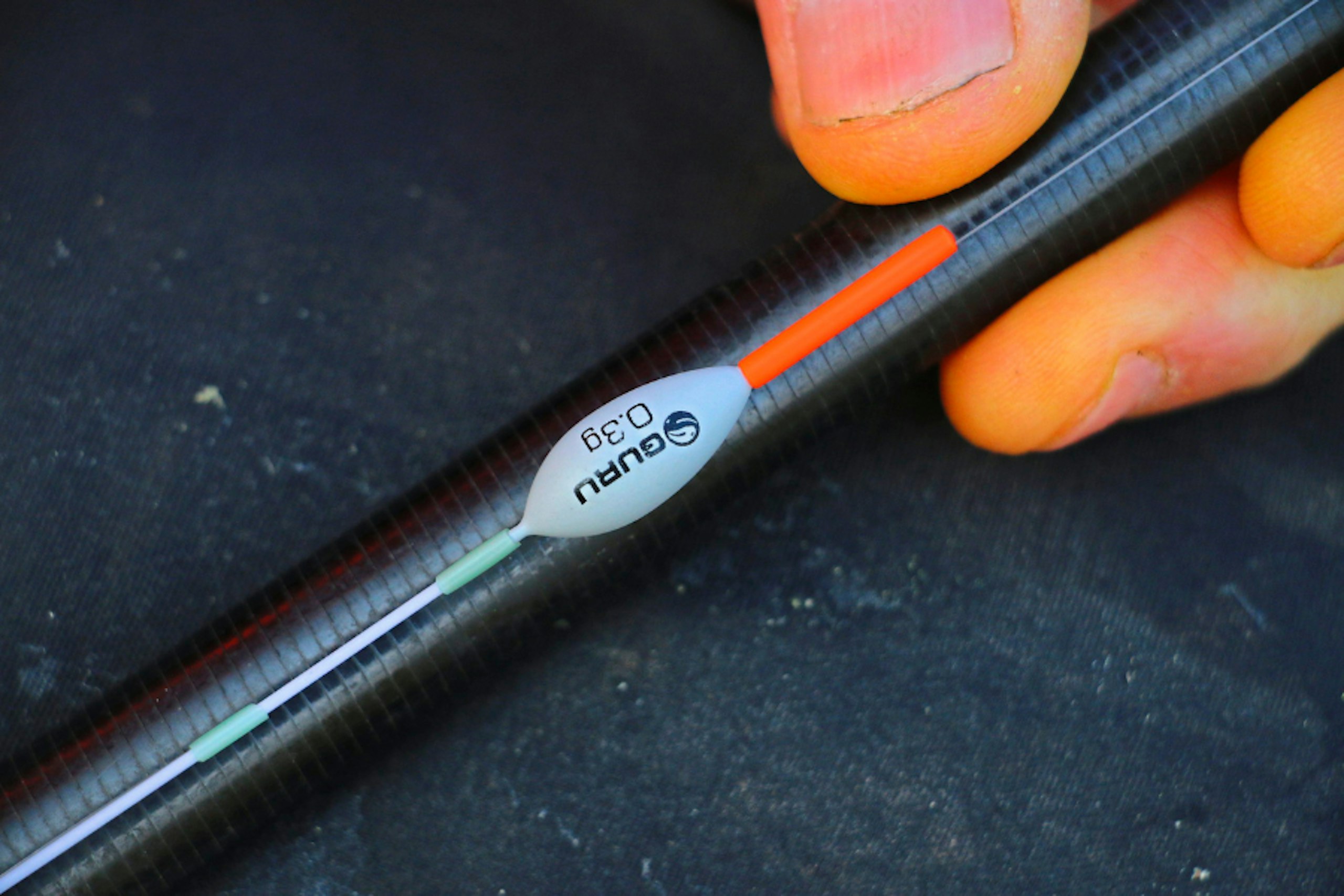
As for the float, a light 0.3g round-bodied pattern with a simple bulk is all that is needed. You want to fish dead depth. Go overdepth and problems can soon start, because once the canal begins to tow due to boat traffic or lock movement, that extra line under the float can drag it under.
Topping up
If you catch a skimmer, the natural reaction is often to feed more, but that is not always the right move. If you have just had a fish, there is a fair chance plenty of that original feed is still sitting there, so you are usually better off trying to fish that out first rather than keep piling more in.
As a general rule, keep fishing until you feel you have worked through that initial feed. Only then should you top up, and when you do it can simply be with the same amount again, around three quarters of a large pole cup, roughly 200ml, of chopped worm, caster and dead maggots.
That said, it still depends on what the peg feels like. If there are clearly a few fish in the swim, you can often leave it alone and let them work through it. If it feels like there are only the odd fish drifting through and you are rotating a couple of lines, then introducing that same measured top-up a bit sooner can make sense. More often than not, though, you want the fish to eat what is already there before you give them any more.
ALWAYS PICK THE RIGHT POLE FLOAT WITH THE HELP OF THIS EXPERT GUIDE.