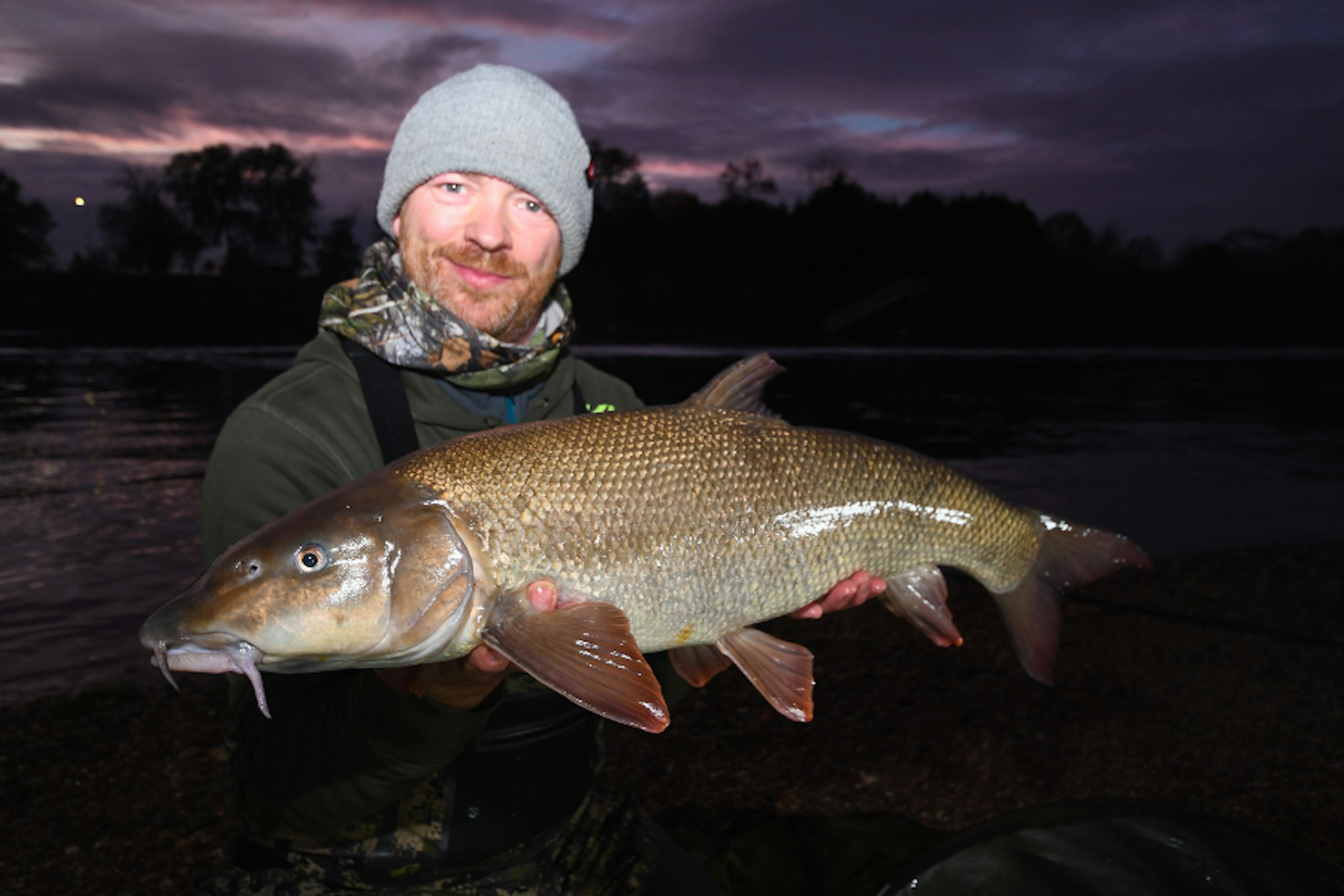
Barbel thrive in fast-flowing water, and if you’re looking for a banker spot to fool your first big specimen of the autumn, a weir pool is the ideal area to start.
Water powering down over the sill, and the violent swells and eddies that it creates, can be daunting sights for the angler at first, but there’s nothing to be fearful about.
Big-fish enthusiast Nathan Leney has caught plenty of big barbelover the years, and he’s adamant that you’ll be missing out if you steer clear of weir pools in favour of more benign swims.
CHECK OUT THIS BUYERS GUIDE FOR OUR PICK OF THE BEST BARBEL FISHING RODS.
Learn to read the weir
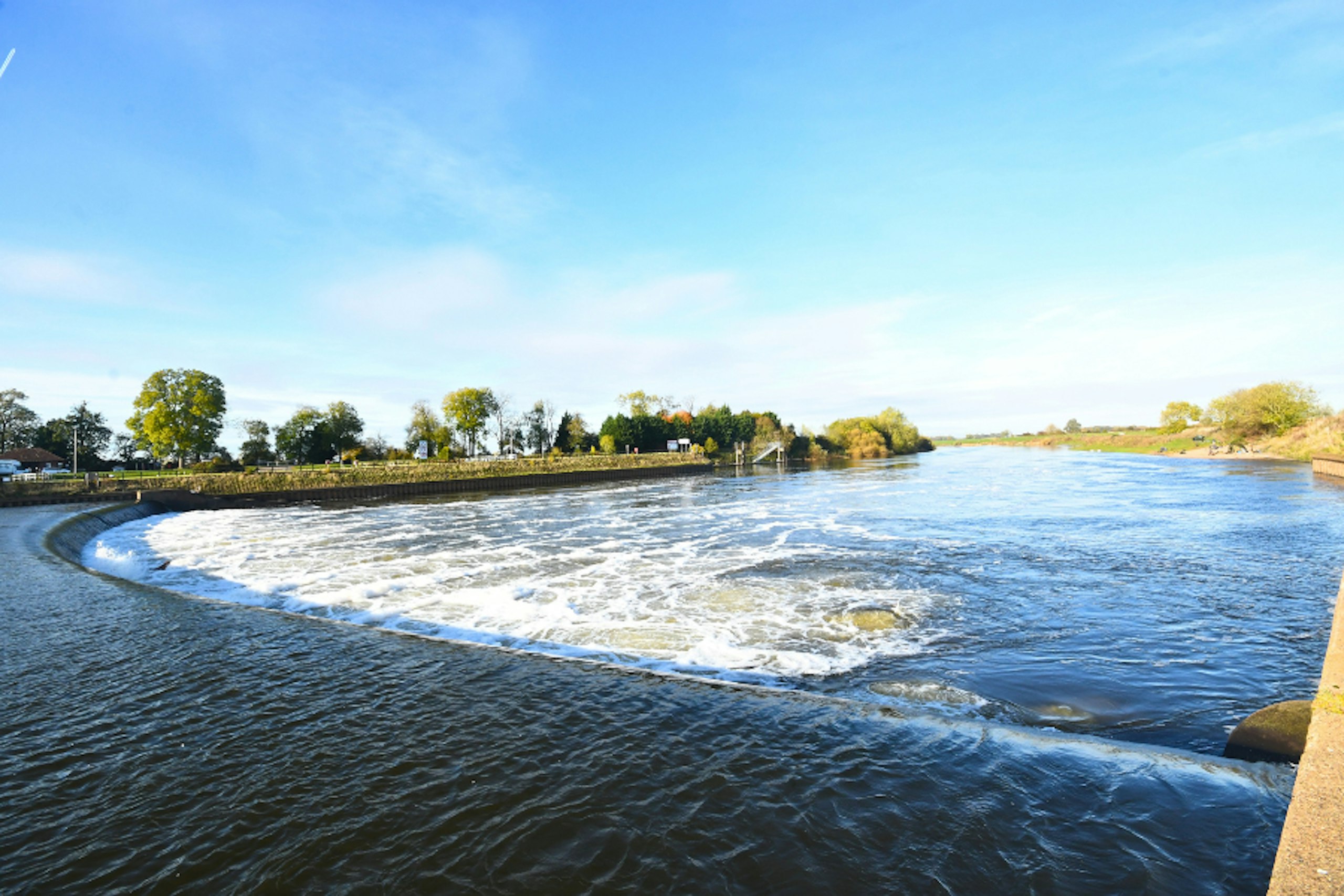
At first glance, a weir pool looks like a swirling cauldron of white water, but once you study it properly, you’ll start to pick out several distinctive areas in the flow. You want to cover more than one swim. The first is the most turbulent water where the weir pours in. Barbel often hold up there, waiting for food to come through.
The second is the foam line, where the current steadies slightly and the fish don’t have to work so hard. On some days, that’s where most of the bites will come from.
Further downstream, the water calms again, and you’ll sometimes find fish holding station there. By putting one rod in the rough stuff and the other along the foam line, you cover two of the best areas.
Use your eyes. Foam trails, bubbles and current seams all tell you exactly where to drop your rigs.
THE BEST SPECIMEN FISHING RODS ARE IDEAL TOOLS FOR CATCHING BARBEL.
Keep the attraction flowing
Loosefeeding with a catapult won’t work in weir pools, because the bait will wash well away before it settles. The same applies to anything that goes through a feeder. As soon as it leaves the frame, it will be gone, well out of your target zone.
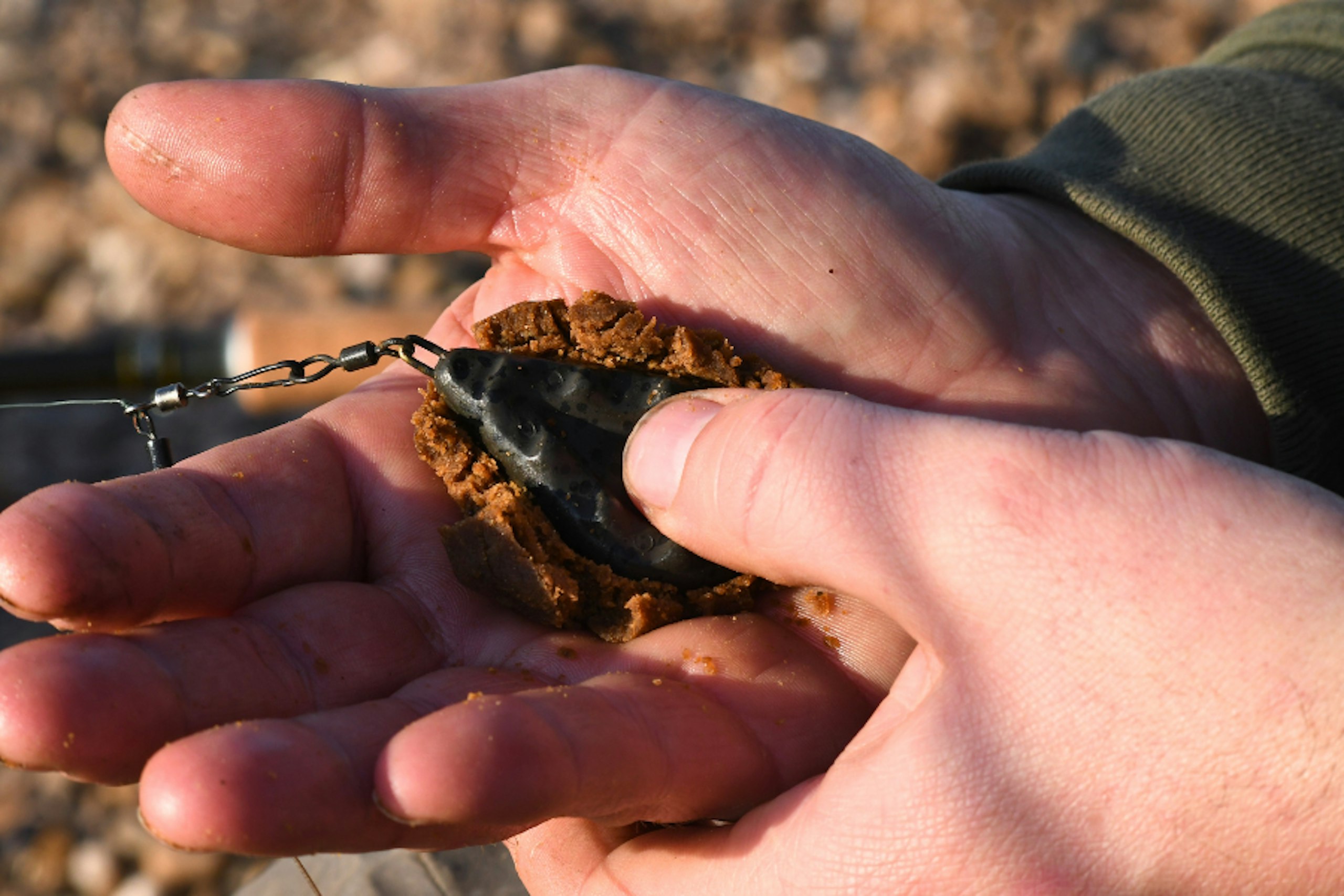
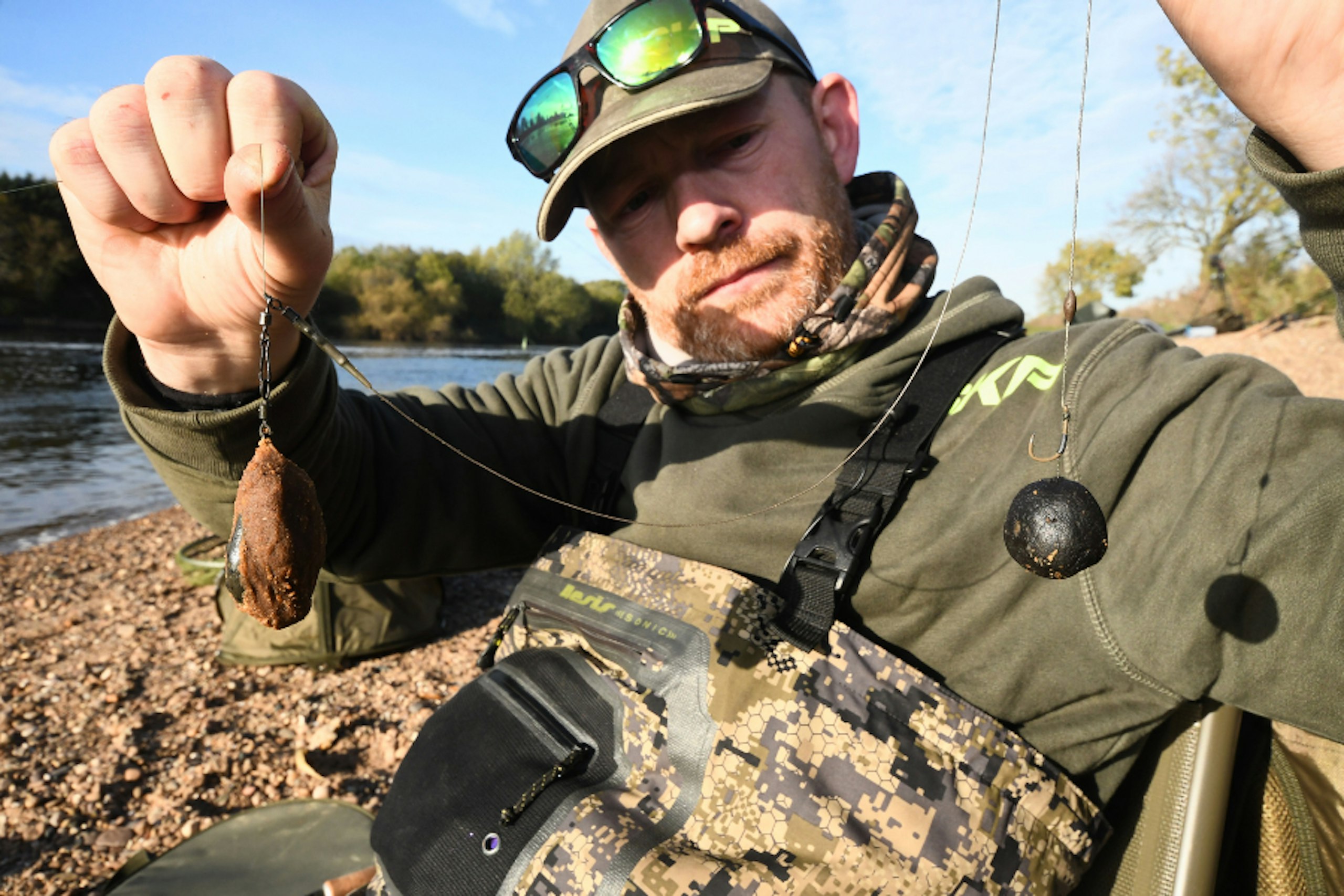
To combat this, turn your rig itself into the attractor. Mould a stiff, pungent paste around a 16mm boilie and also around the lead, so the whole set-up is pumping out flavour. Make each paste slightly different to add another layer of scent into the water column.
Paste clings well, even in turbulent water, but recast every 20 to 30 minutes so there’s always something fresh breaking down. Soak your boilies in pellet oilthe day before. By constantly topping up the swim with smell and attraction, you make sure that when a barbel drifts into the zone, it has a good reason to stay.
YOU NEED TO TRY A PASTE BOMB IF YOU WANT TO CATCH MORE BARBEL.
Anchor the rig down
Finding the barbel is only half the battle. As with any style of fishing, neat and tidy rig presentation is vital, and if your set-up isn’t nailed to the bottom, you’ll struggle to catch well.
Run leads of 4oz to 5oz. Anything lighter simply won’t hold bottom in such turbulent water. Use a gripper lead pattern for extra peace of mind, as the small nodules help to dig into the gravel and give more grip. A weir pool is no place for light leads, and these weights will hold in place even in the harshest currents.
LEARN HOW TO FISH THE RIVER TRENT IN THIS EXPERT GUIDE.
Take no chance with tackle
When you’re targeting barbel in powerful flows, you can’t cut corners on gear. Use a powerful 12ft rod with a 2.5lb test curve that is strong enough to launch heavy leads and give you the control you need in a brutal fight.
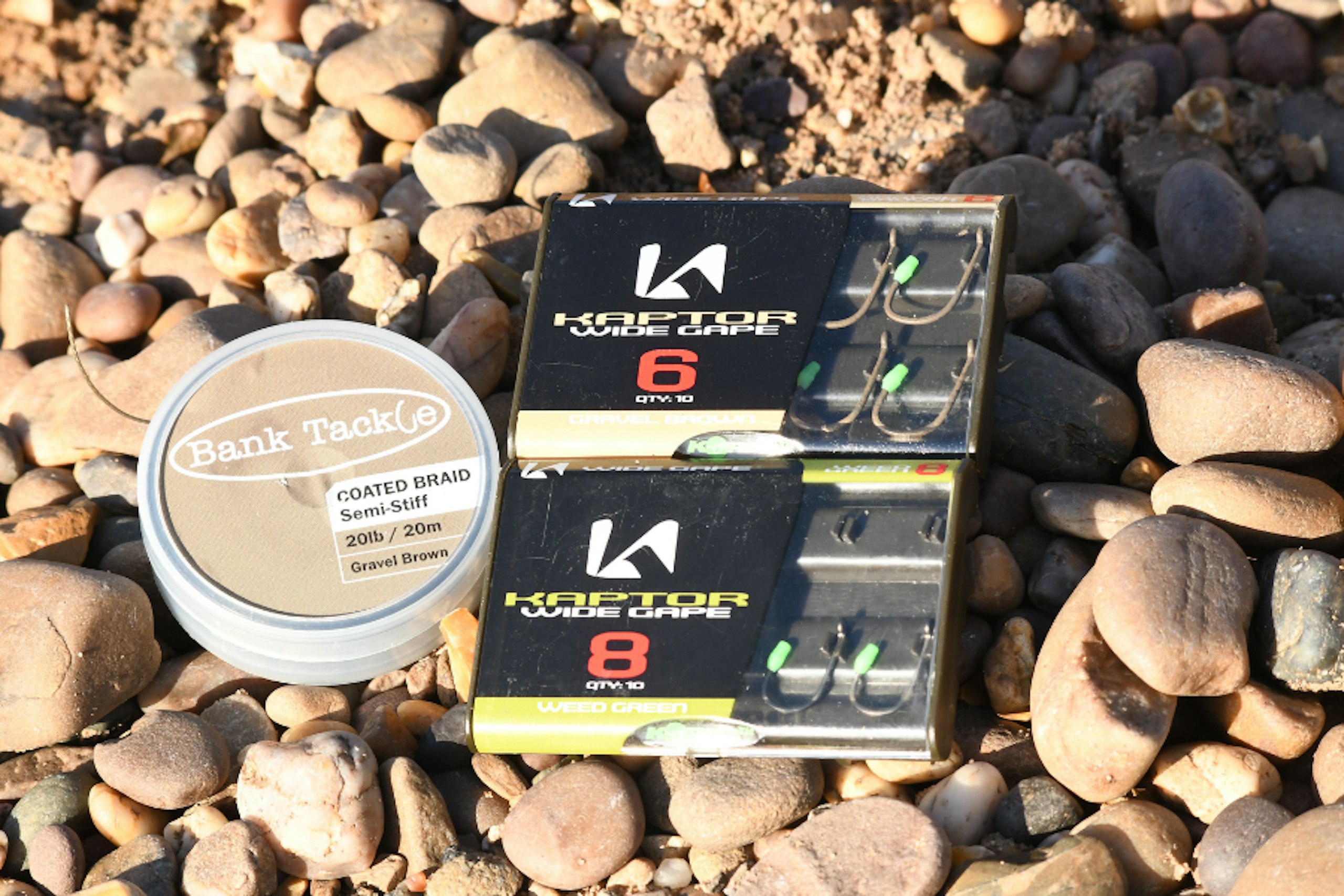
Pair it with a 6500-size reel loaded with 15lb mono. Barbel pull back hard and, when you add their power to the turbulent conditions, you need a reel with loads of cranking power. At the business end, run a 2ft 6ins hooklength of 20lb coated braid and finish with a size 6 or 8 wide gape hook.
Confidence in every part of your set-up lets you focus on the fishing, not on whether a double-figure fish tearing off downstream will leave you in bits.
THE BEST BARBEL FISHING REELS ARE LISTED IN THIS BUYERS GUIDE.
Be confident, but patient too
Fishing a weir pool isn’t always about constant action. It’s about setting up right and then waiting for the fish to switch on.
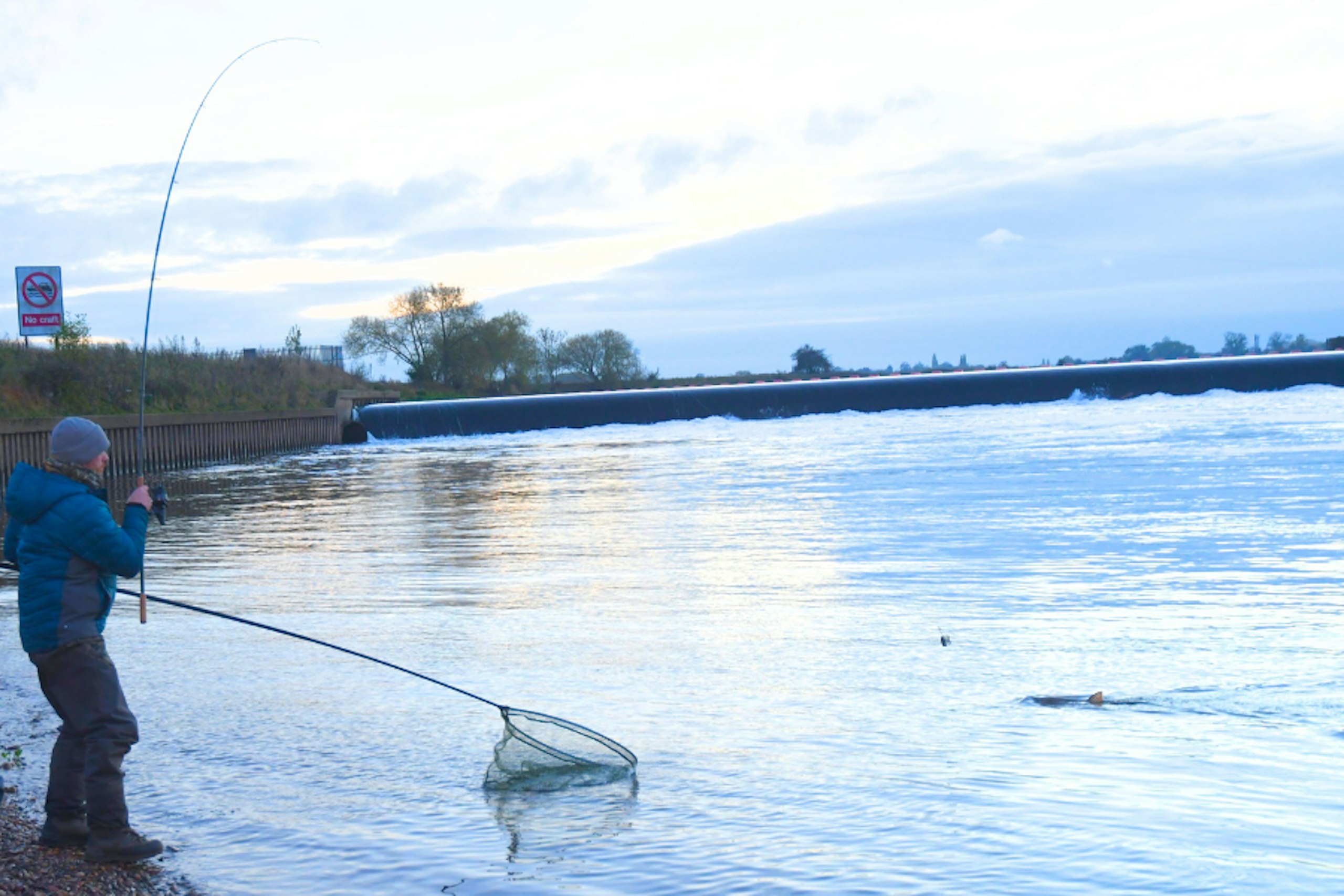
Cast two identical rigs into different zones and keep recasting to refresh the attraction. Point your rods skyward to keep line out of the water, and resist the temptation to keep tinkering. Patience is the name of the game. More often than not, things really come alive around dusk, and there will be sessions when you haven’t had a bite all day before being treated to plenty of action once daylight fades.
If you’ve got the right tackle, bait and rig, and you cast into the right spot, trust the process and the rewards will come.
SIT COMFORTABLE ON THE BEST FISHING CHAIRS WHILST PATIENTLY WAITING FOR A BITE.