- Home|
- Advice|
- Beginners
How to prevent 5 common fishing mistakes
Simple fixes to five common fishing mistakes that could be costing you bites and fish.

by Jonathan Longden |
Published on11th October 2025 at 2.00pm
Follow Angling Times on Google
We’ve all had those sessions where nothing quite clicks. You’re sat there convinced the fish just aren’t feeding, when in reality it’s probably something in your approach that’s holding you back. Every angler, no matter how experienced, falls into the same habits - feeding too heavily, fishing too far out, or ignoring the signs the fish are showing.
Here are five common fishing mistakes that are easy to make, but just as easy to fix once you realise what they are. Whether you’re on a commercial, canal, or river, getting the basics right can transform an average day into a great one. Here’s how to stop making the errors that could be costing you fish.
CHECK OUT THE 5 THINGS I WOULDN'T GO FISHING WITHOUT IN THIS ARTICLE.
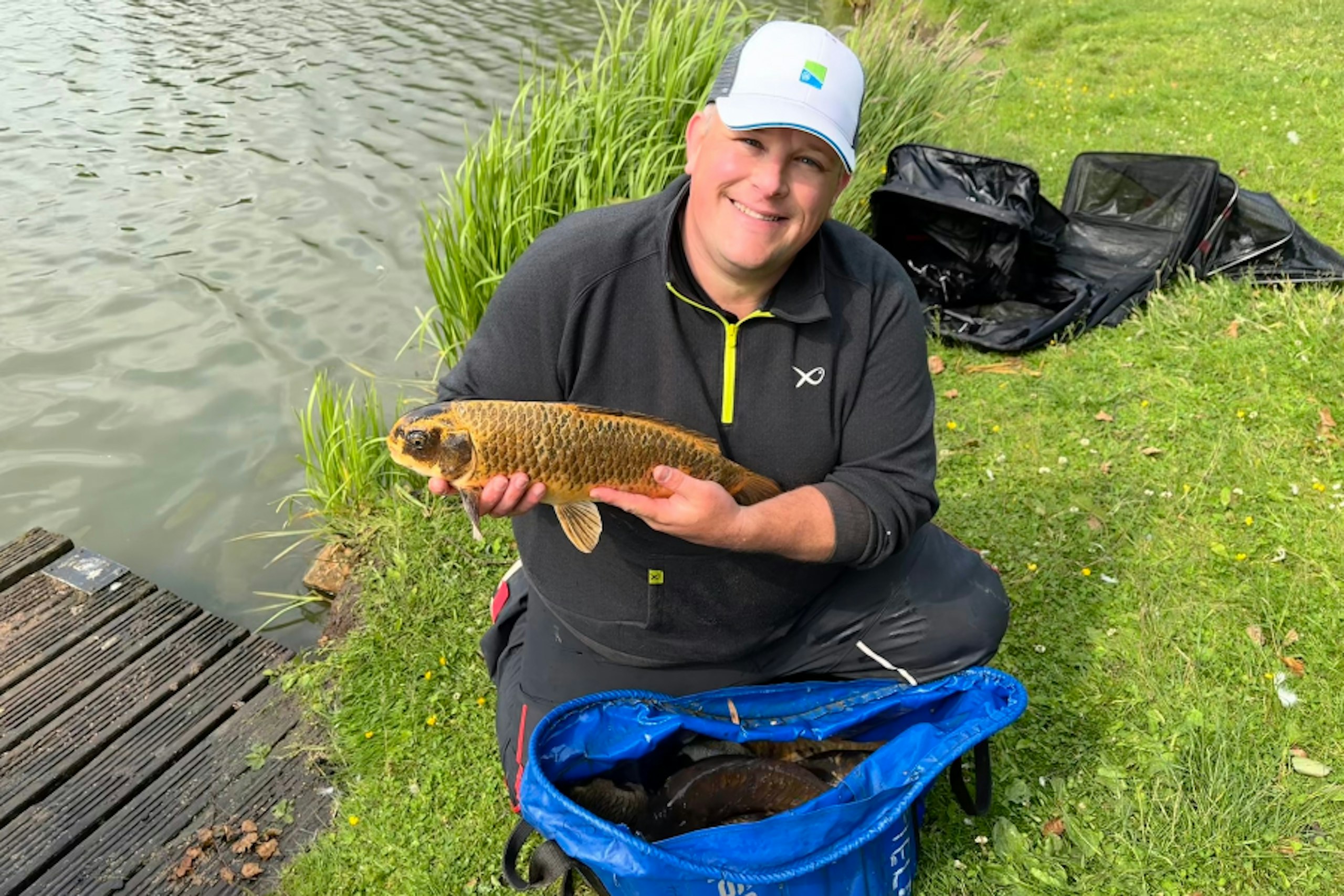
Feeding too much, too soon
The age-old saying, “You can put it in, but you can’t take it out,” rings true on just about every venue. It’s easy to get carried away when you’re feeling confident, but a heavy start can kill a swim before it’s begun.
Ease your way into a session instead. A few pellets or a small ball of groundbait at a time will tell you far more about what’s going on beneath the surface. If bites come quick, build it, gauge the response. If it’s slow, hold back, feed for a bite at a time. Let the fish set the pace, not what’s on your side tray.
PREPARE YOUR PELLETS FOR FISHING THE RIGHT WAY WITH THIS EXPERT GUIDE.
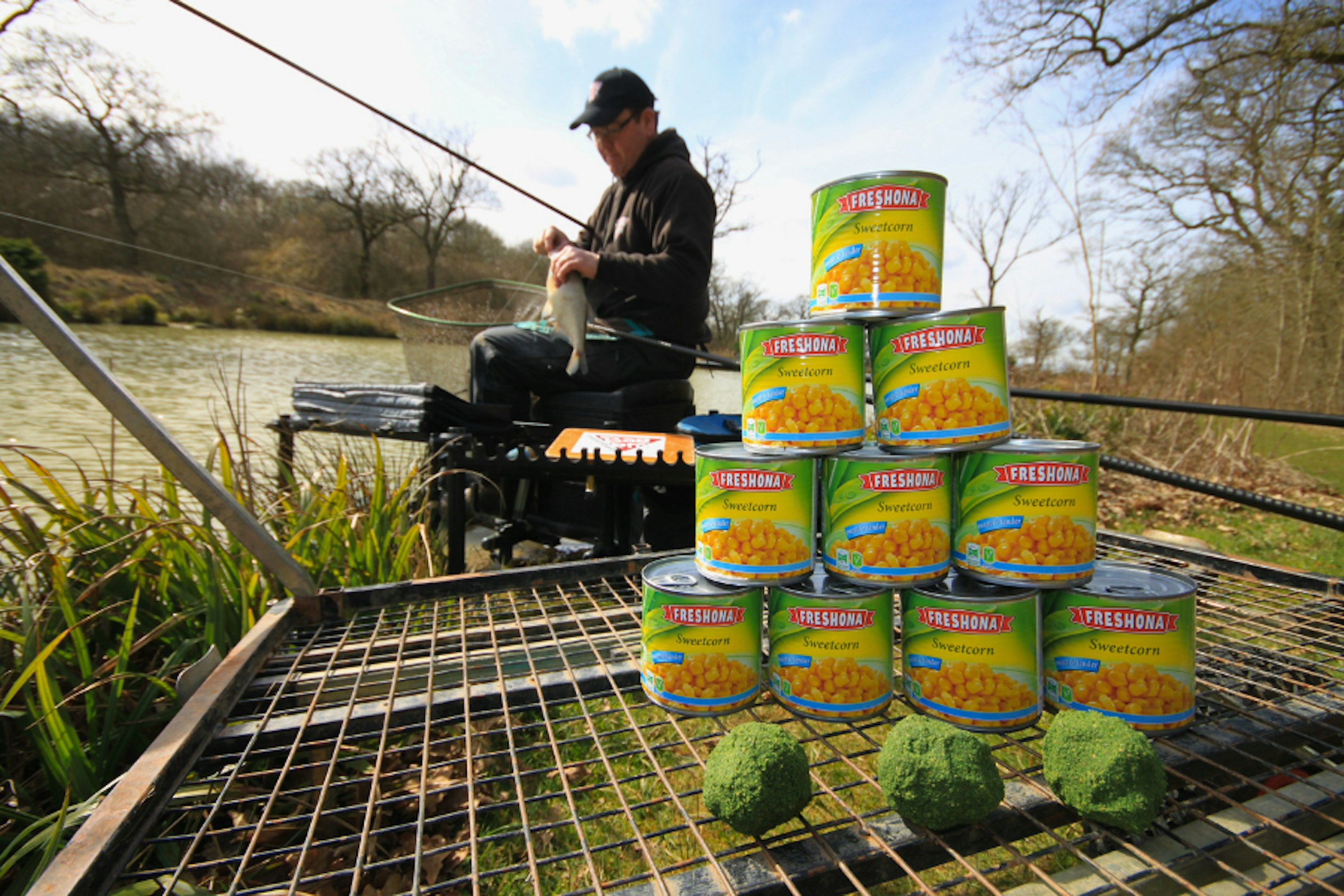
Fishing too far out
It’s easy to assume your presence alone will push fish away, so a common error is that anglers start by chucking as far as they can. In truth, that’s rarely necessary. Fish will often come in close to investigate the commotion and be looking for food, and you’ll miss them if you’re always looking to the horizon.
If there’s a good bit of depth 3ft or more right at the end of your rod tip, you’ll be surprised how productive that line can be. It’s often where fish feel safe to graze, especially on quiet banks or when conditions are settled.
We all know how good the margins can be late in the day, but many anglers go long early to leave them rested from any disturbance. More often than not, you’re casting over more fish than you’re casting to. Start short, build it steadily, and you’ll usually find that the fish were right under your nose all along, you can always push out further if these lines aren’t productive.
FISH SHORT WITH THE BEST SHORT FEEDER RODS.
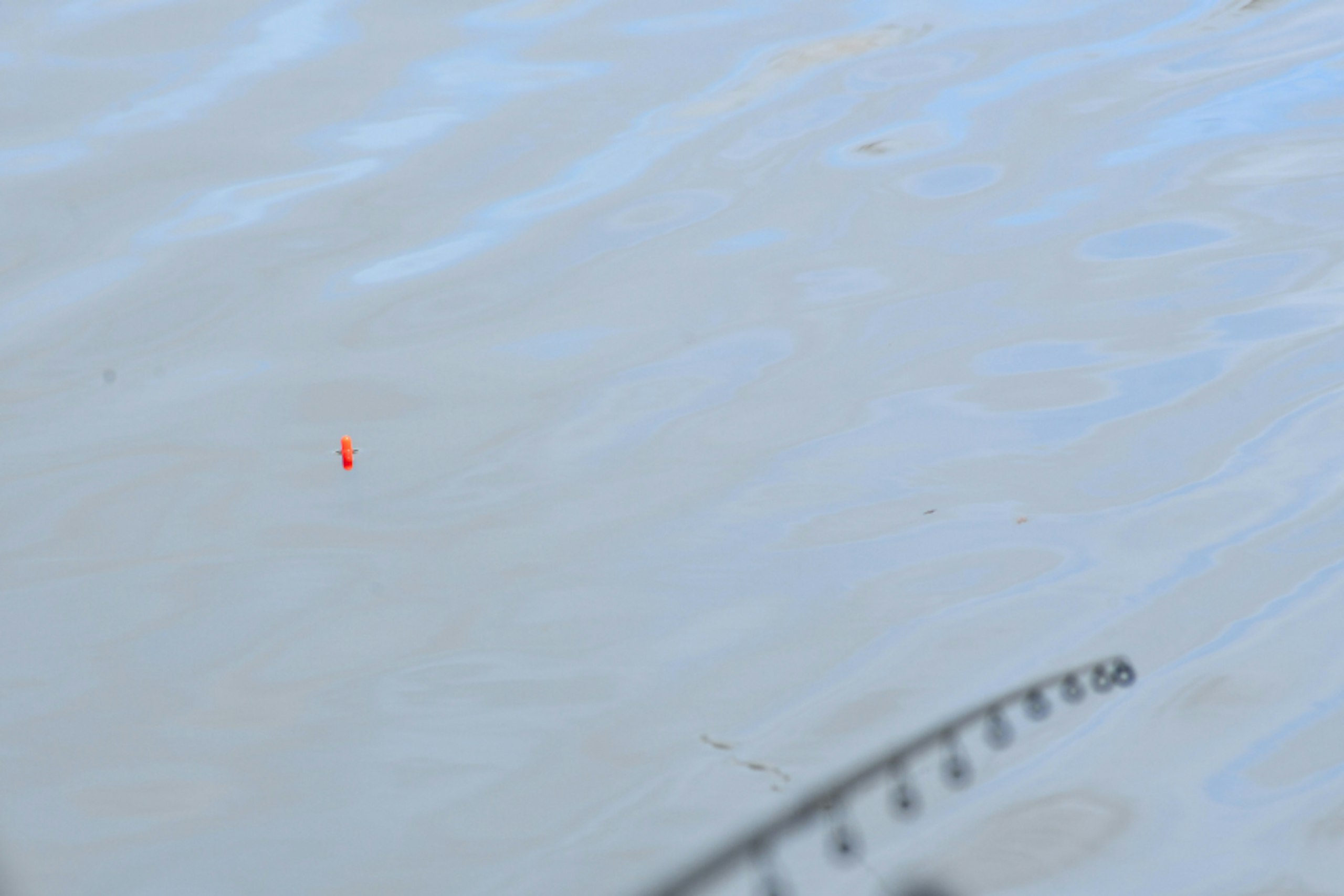
Ignoring what the fish are telling you
Fish will often give you little hints about where they are and how they’re feeding, but it’s easy to miss them when you’re locked into your plan. If you’re getting plenty of indications but not connecting with bites, chances are the fish are off the bottom. Swirls and tail patterns on the surface are a dead giveaway.
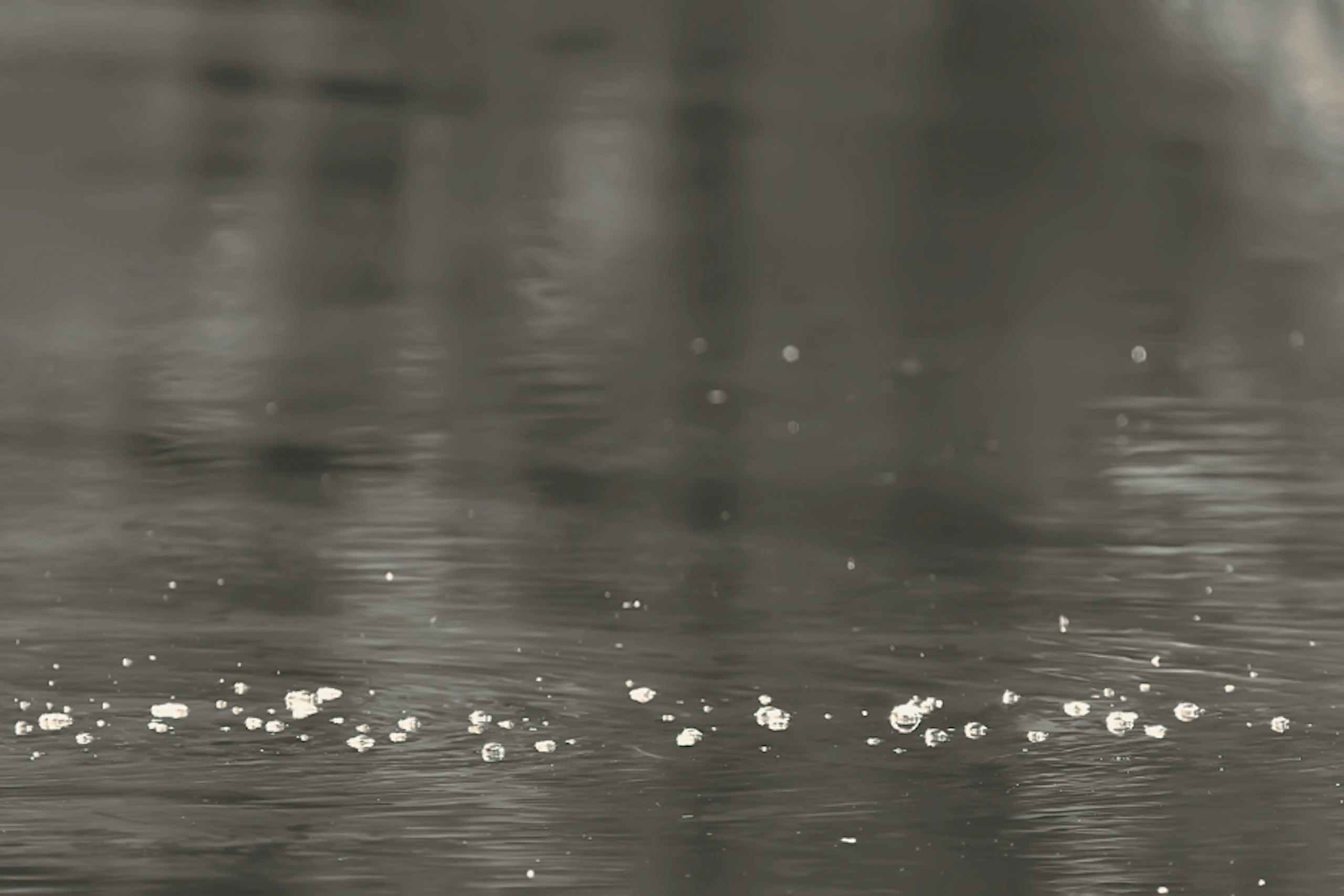
Rolling fish or bubbles breaking the surface can also point you straight to where the bulk of the shoal is sitting. When you see that sort of activity, it’s usually worth fishing over it, even if only for a few casts to test the water.
Just don’t forget the lines you’ve already fed. They’ll often come good again once the fish settle or conditions change. Watching and reacting to these signs is one of the best ways to turn a quiet session into a busy one.
THIS ARTICLE WILL HELP YOU FIND FEATURES AND CATCH MORE FISH.
Poor rig management
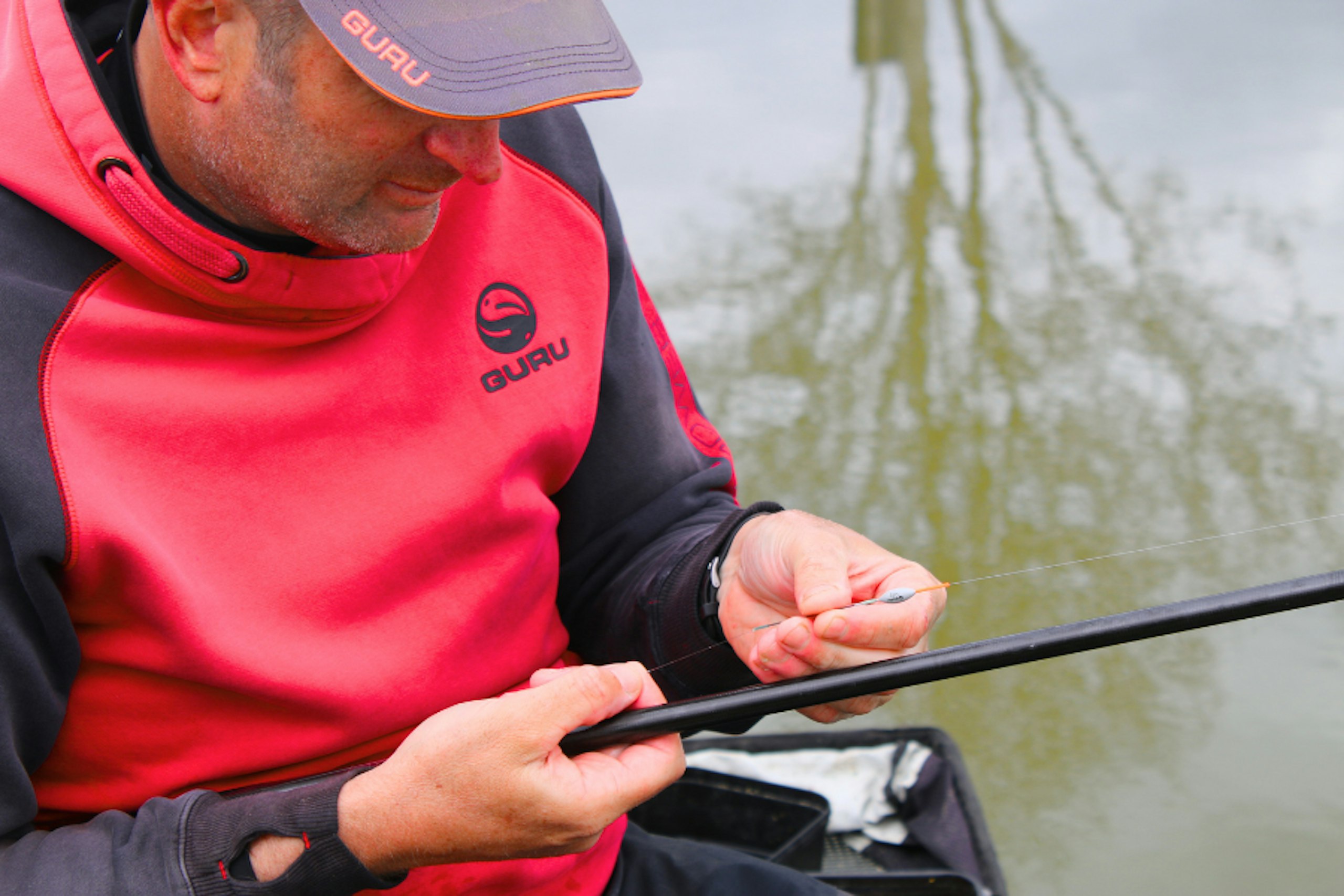
A common mistake when float fishing is not realising that your rig might have changed slightly as the session goes on. A shot can ping off, your float can move, or the line might twist without you noticing. Suddenly your presentation’s off, and the bites dry up.
If you spot anything odd - your float sitting up or sitting lower in the water, bites slowing or stopping completely, or the rig starts behaving strangely, take a moment to check it. Make sure the shotting pattern’s right, there are not shot missing, and re-plumb the depth if needed, the float could have moved.
Over silty bottoms you’ll be surprised how the depth can change subtly after feeding activity. It only takes a minute, but it can make all the difference. Most anglers lose more fish to lazy rig checks than they’ll ever admit.
CHECK OUT THIS EXPERT ADVICE AND TIPS ON RIG MAKING.
Not adapting as the session unfolds
Most of us are guilty of sitting it out on a line we’re convinced is going to come good. The truth is a more productive approach is often to rotate between a few lines. Doing so let’s each area rest and gives you a better chance of finding actively feeding fish when they move in.
Keep an eye on how the conditions are changing - light, wind, temperature - and be ready to respond. If one line goes quiet, switch to another that’s been rested after being fed. Fish may not stay in one place for long, and being prepared to move or change tactics will nearly always put more in the net by the end of the day.
CHECK OUT OUR PICK OF THE BEST FISHING CHAIRS IN THIS BUYERS GUIDE.

Just so you know, we may receive a commission or other compensation from the links on this website - read why you should trust us