- Home|
- News|
- News Stories
Study supports the benefits of fishing on mental health
Karen McEntegart, a psychology graduate at Wolverhampton University, provides an exclusive snapshot of her recent thesis investigating the relationship between fishing and men’s mental health. Her findings are overwhelmingly positive…
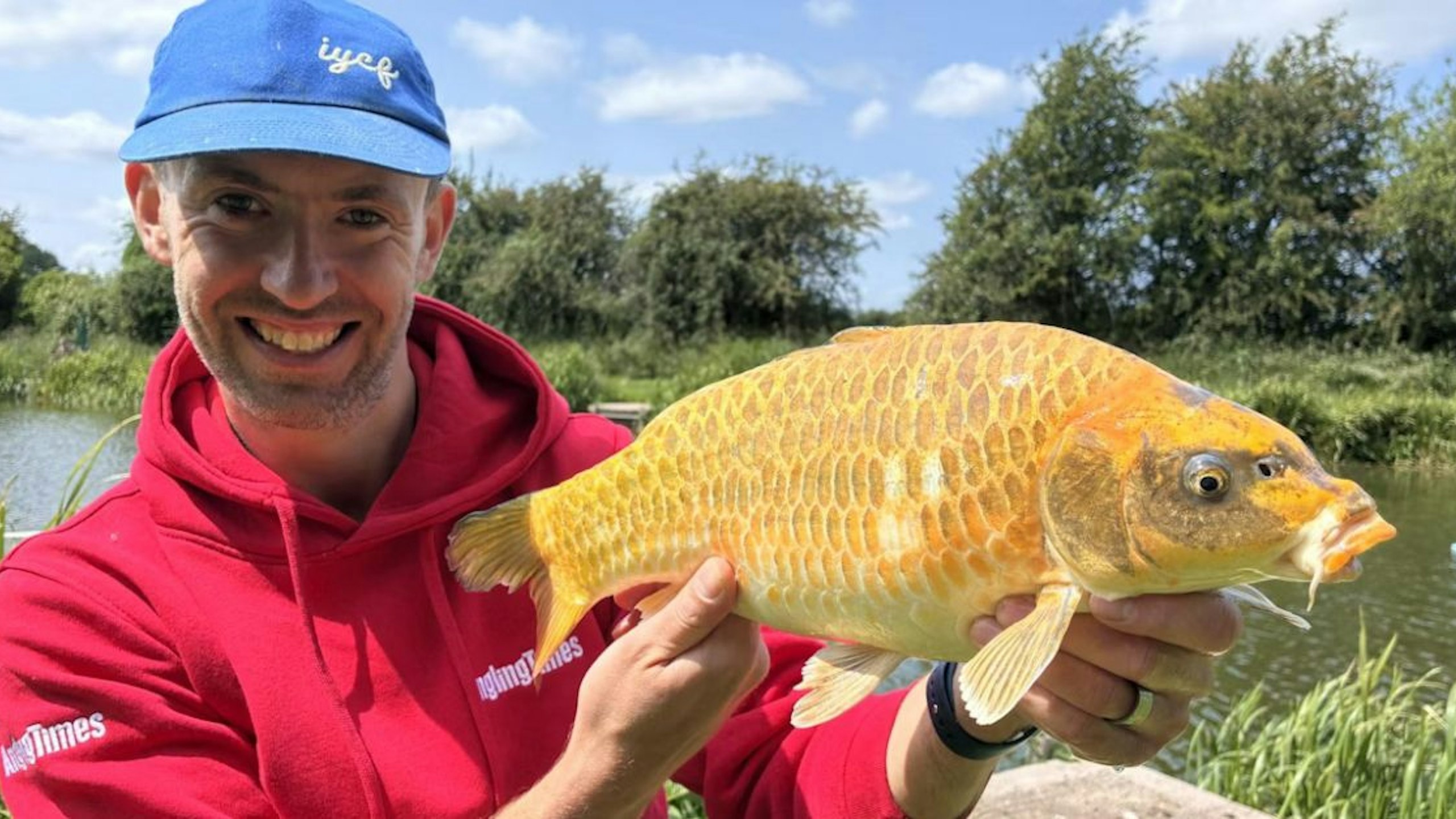
by Freddie Sandford |
Published on21st October 2025 at 12.54pm
Follow Angling Times on Google
As the daughter of an avid angler, and being a keen fisherwoman myself, I developed an early appreciation of the therapeutic benefits fishing can offer. A mother of two sons, I also gained insight into the mental health challenges men face in today’s ever-changing world, as traditional ideas of masculinity disappear.
So, wanting to both enhance my future employability and better understand the world we find ourselves in, I embarked on a psychology degree as a mature student at Wolverhampton University. This gave me the opportunity through my thesis study, Navigating Therapeutic Waters: The Relationship between Recreational Fishing and Men's Mental Health, to articulate the many positive mental health benefits fishing offers, and to promote its untapped potential for helping wellbeing in men.
Fundamentally, fishing encapsulates the psychological concept of self-efficacy; the confidence you have to handle a task, reach a goal, or overcome a challenge – with the act of catching a fish being the reward for your effort.
The study’s aim is to help health professionals understand the positive benefits of fishing so that men, and women, can be steered towards an activity that promotes this self-efficacy. My belief is that this could help to bypass the well-documented reluctance of men to seek mental health support.
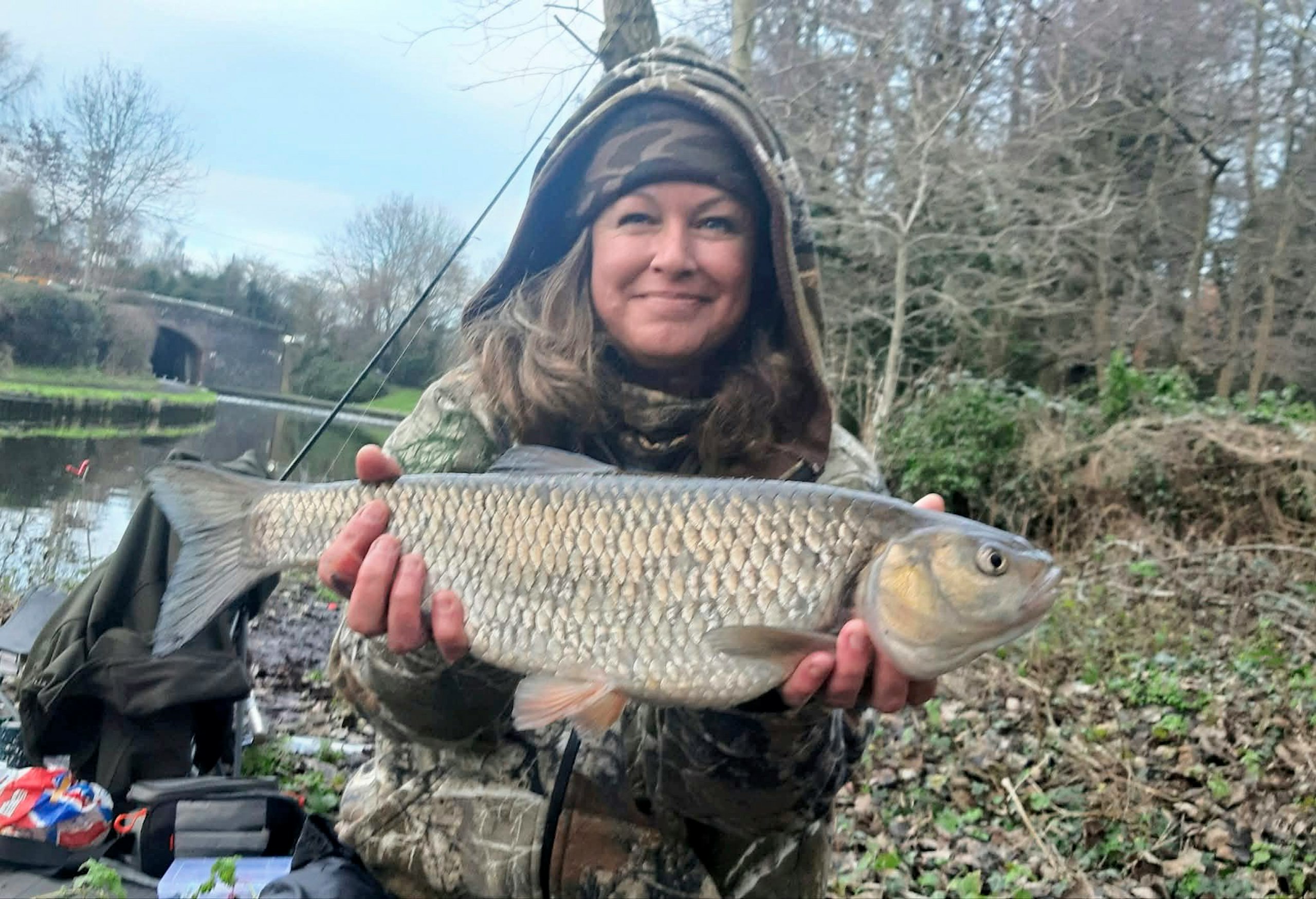
Karen is a keen angler herself
The men's mental health crisis
According to the Office for National Statistics, the age-standardised suicide rate for men in 2020 was 16.9 per 100,000, compared to 5.3 for women. The fact that, in the UK, more than 80 per cent of recreational anglers are male means that fishing is a unique pastime with the potential to reach some of the men in these statistics in a manner that current mental health systems cannot. Karen, the author of the thesis, is a keen angler herself.
The study and its findings
Candidates from all walks of life were recruited anonymously from popular Facebook fishing groups and interviewed to share their lived experiences of fishing. The content of these interviews was psychologically analysed using an academic research method called ‘thematic analysis’.
This allowed undercurrent feelings anglers may have had, yet not consciously expressed, to come to the surface. This analysis found that being outdoors strengthened a connection to nature, and this, in turn, encouraged a sense of calm and an escape from daily pressures.
Anglers described their use of fishing as a coping mechanism to manage stress and regulate emotions. Anyone familiar with ideas of mindfulness will quickly notice how closely fishing reflects its meditative practices.
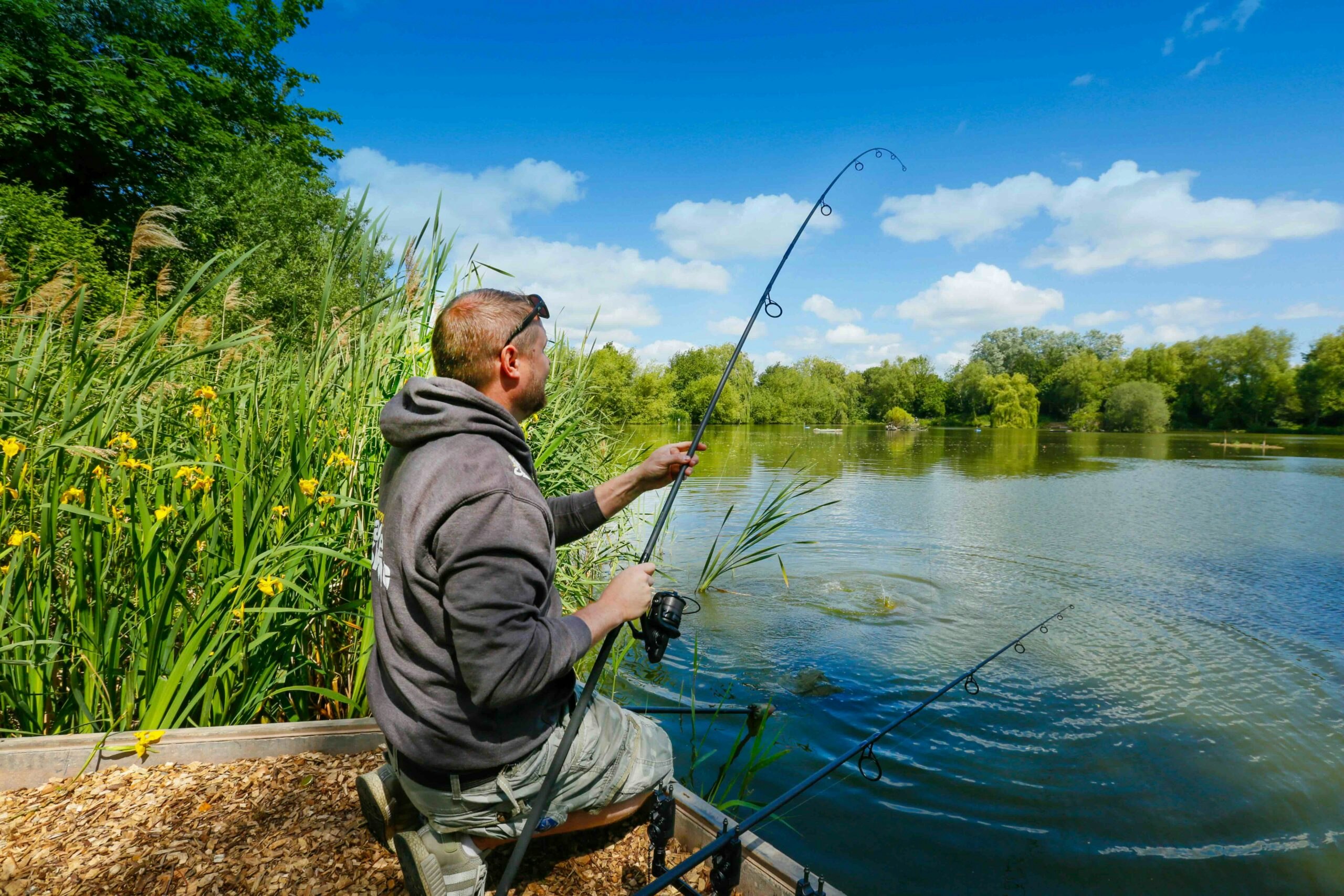
We love our fishing!
A bonding experience
Another theme that ran through interviews revealed that fishing is woven deeply into personal identity – often tied to memories of a father or mentor who taught the craft, or to the enduring bonds formed with those they once shared the water with.
Psychology shows that these shared learning experiences build self-confidence and, ultimately, a sense of mastery that fuels a reward cycle. With better casting, knot-tying and fishing methods, the individuals achieve a real sense of accomplishment. Another key insight to emerge found that fishing helped to build social bonds and a sense of camaraderie.
These friendships in turn helped to create a sense of community belonging through a shared love of fishing, often becoming vital support networks for individuals – something especially significant, given how reluctant many men are to talk about their feelings.
The last key insight of study is how accessible fishing is as a hobby. Unlike many sports or group activities, fishing accommodates people of all ages, abilities and health conditions. Given the UK’s extensive network of navigable waterways, commercial fisheries, rivers, and coastline, opportunities to fish are never far away. This inclusivity makes fishing ideal as a potential therapy for men who might otherwise avoid organised mental health interventions.
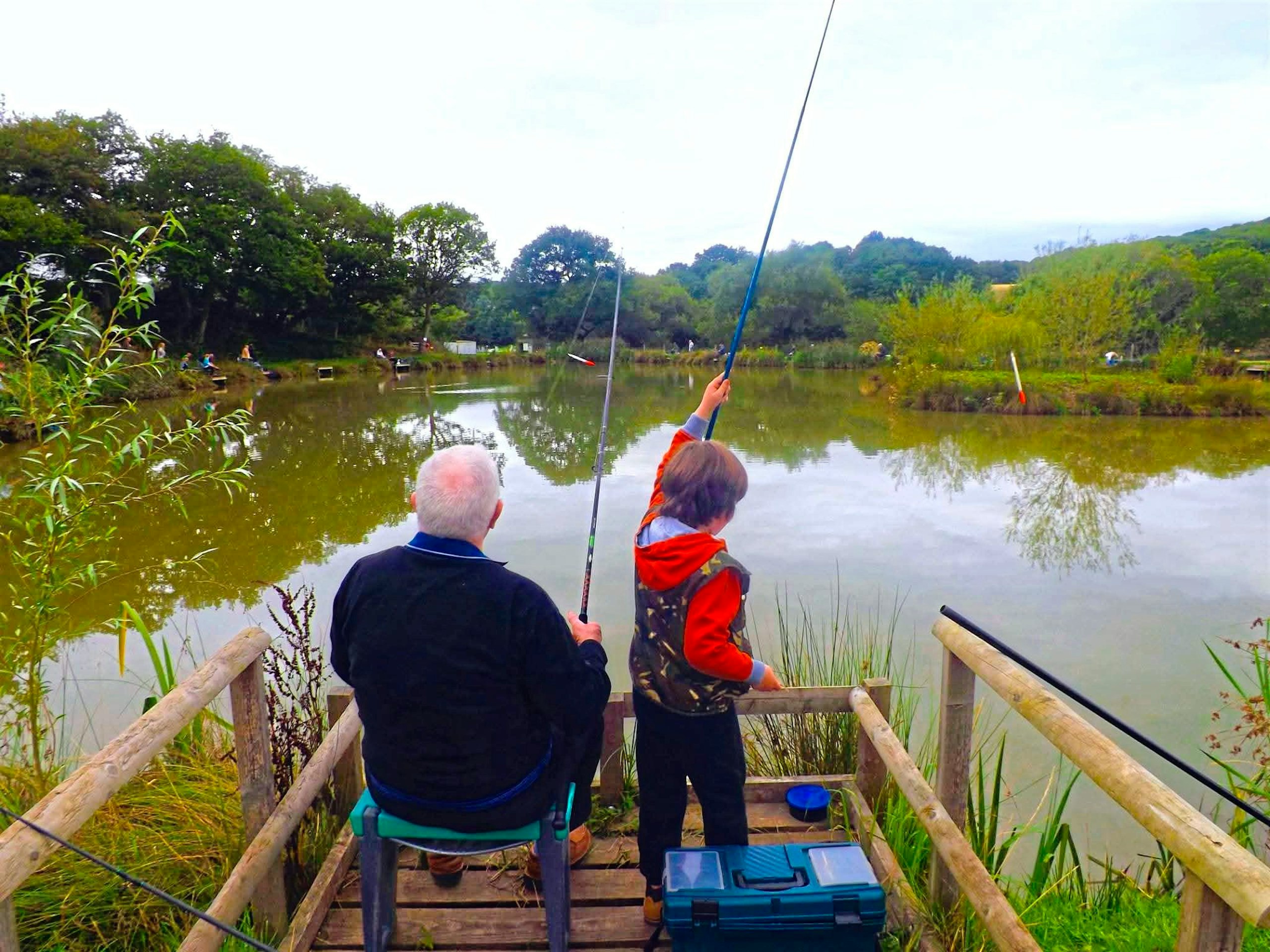
Potential impact
The hope is that, by sharing these results in academic journals, psychology literature, and with mental health providers and – importantly – within angling communities, the well-being benefits of fishing can be fully harnessed to support mental health. Initiatives like Tackling Minds, a programme that partners with the NHS, already demonstrate what’s possible when fishing and therapy intersect.
The hope is that this study will strengthen the case for similar initiatives, giving policymakers and practitioners evidence to back what anglers have long known – fishing is good for the soul.
The study is part of a growing body of research that looks at how natural, self-directed activities can improve mental health. Angling occupies a unique place in this conversation: it’s popular, accessible, and already embedded in men’s leisure culture.
If fishing can help even a fraction of those silently struggling, it could become one of the most unlikely but effective tools in tackling men’s mental health challenges. Fishing has always been about more than rods and reels.
This study suggests it might also be about resilience, recovery, and a path toward better mental health. For men who might not step into a therapist’s office, a quiet lake and line could be the therapy they didn’t know they needed.
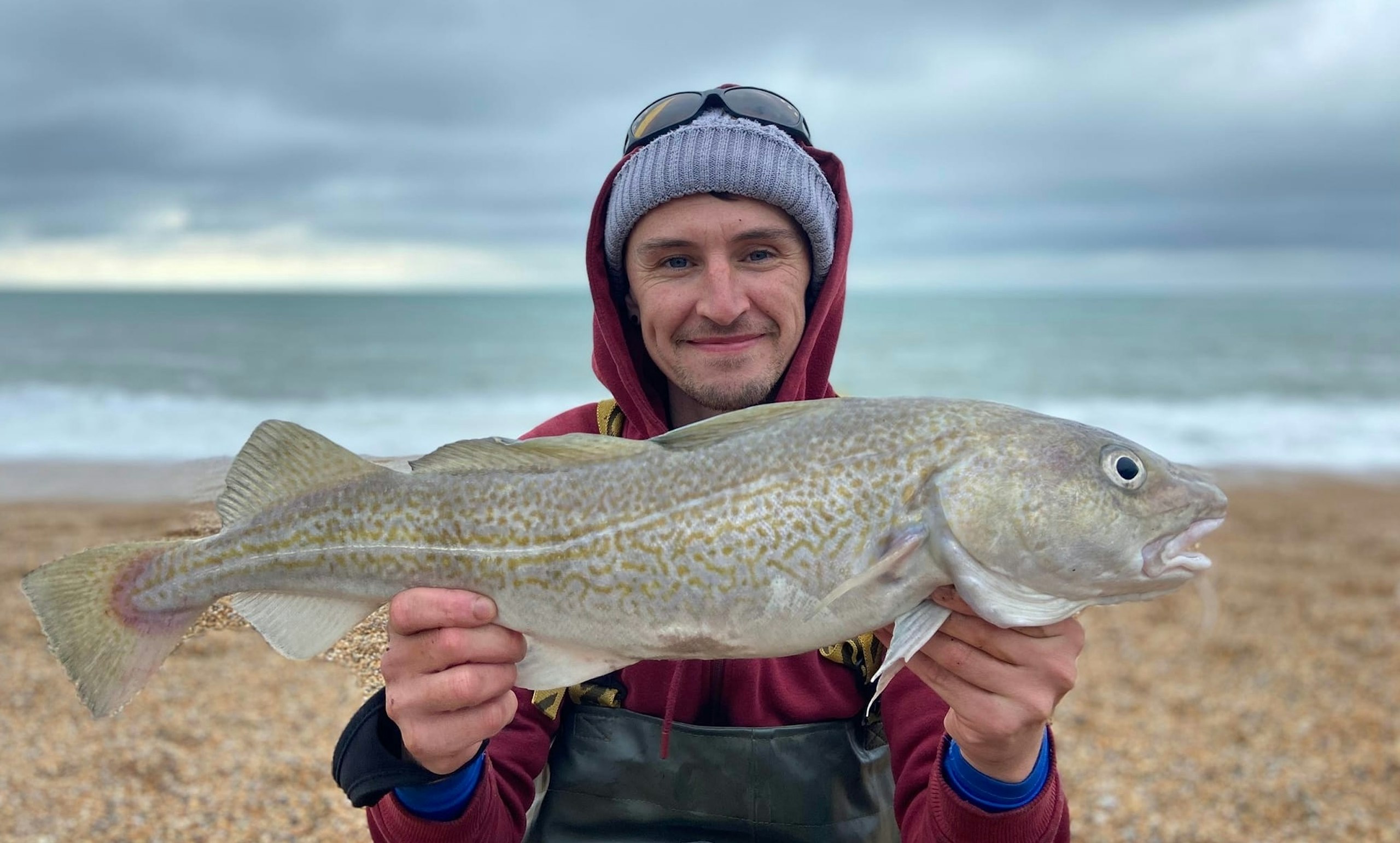
Fishing is the perfect remedy for many of life stressors
Just so you know, we may receive a commission or other compensation from the links on this website - read why you should trust us