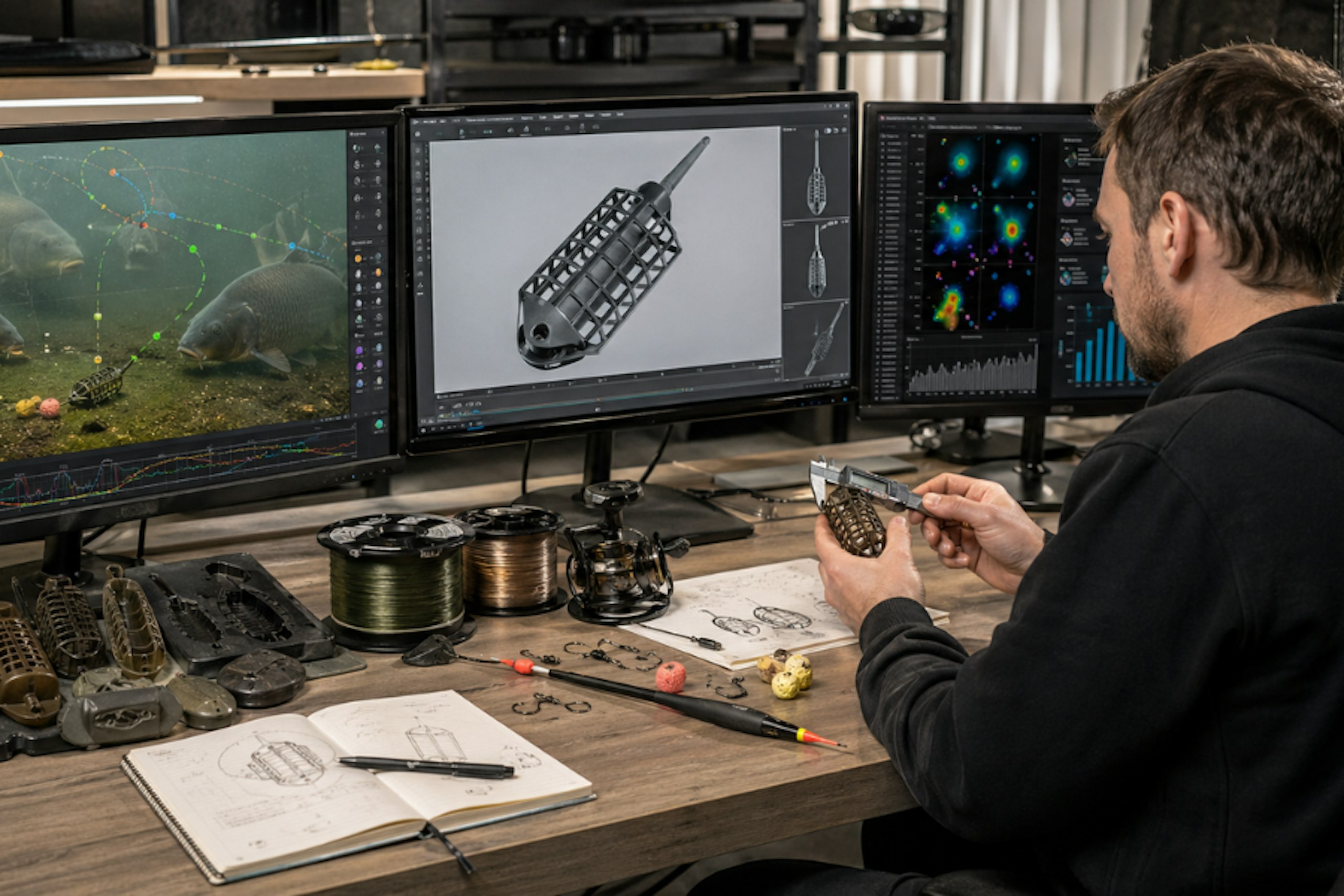
Coarse fishing tackle has never looked more advanced, but it is fair to ask whether it has also become harder to genuinely innovate.
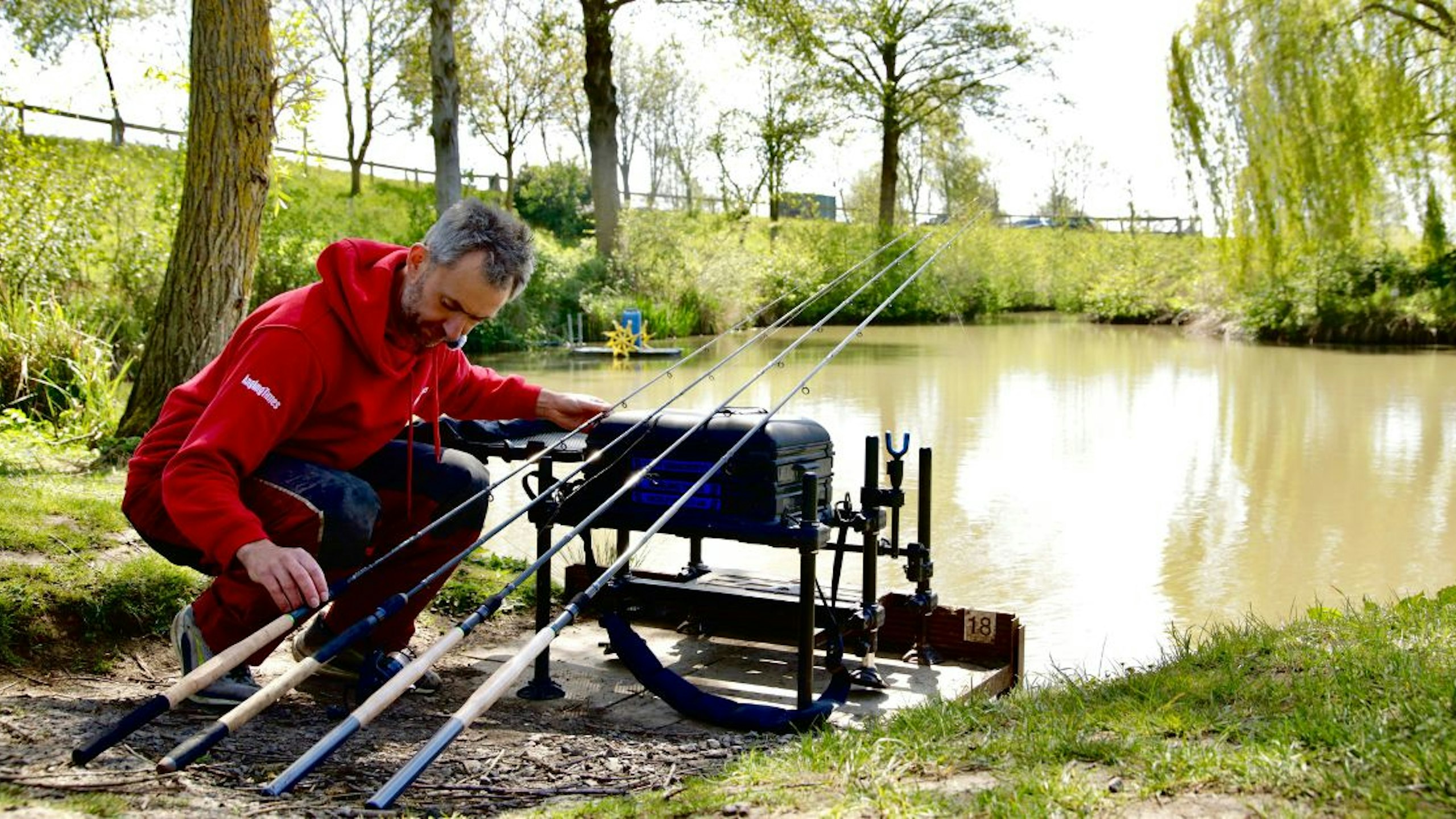
Walk into a tackle shop and you will find lighter and slimmer rods, smoother reels with better drags, lighter, stiffer, stronger and better-balanced poles, and end tackle that has been tweaked, refined and reworked from just about every angle imaginable. On paper, the sport has never had it so good. Yet for all the launches, updates and technical claims, genuine breakthroughs in coarse fishing feel harder to name than they once did.
In coarse and match fishing, it can often feel as though the biggest leaps are already behind us. Products such as the method feeder and the pulla bung did not just improve existing tactics, they genuinely changed the way people fished. Since then, much of what has arrived has felt more like refinement than revolution.
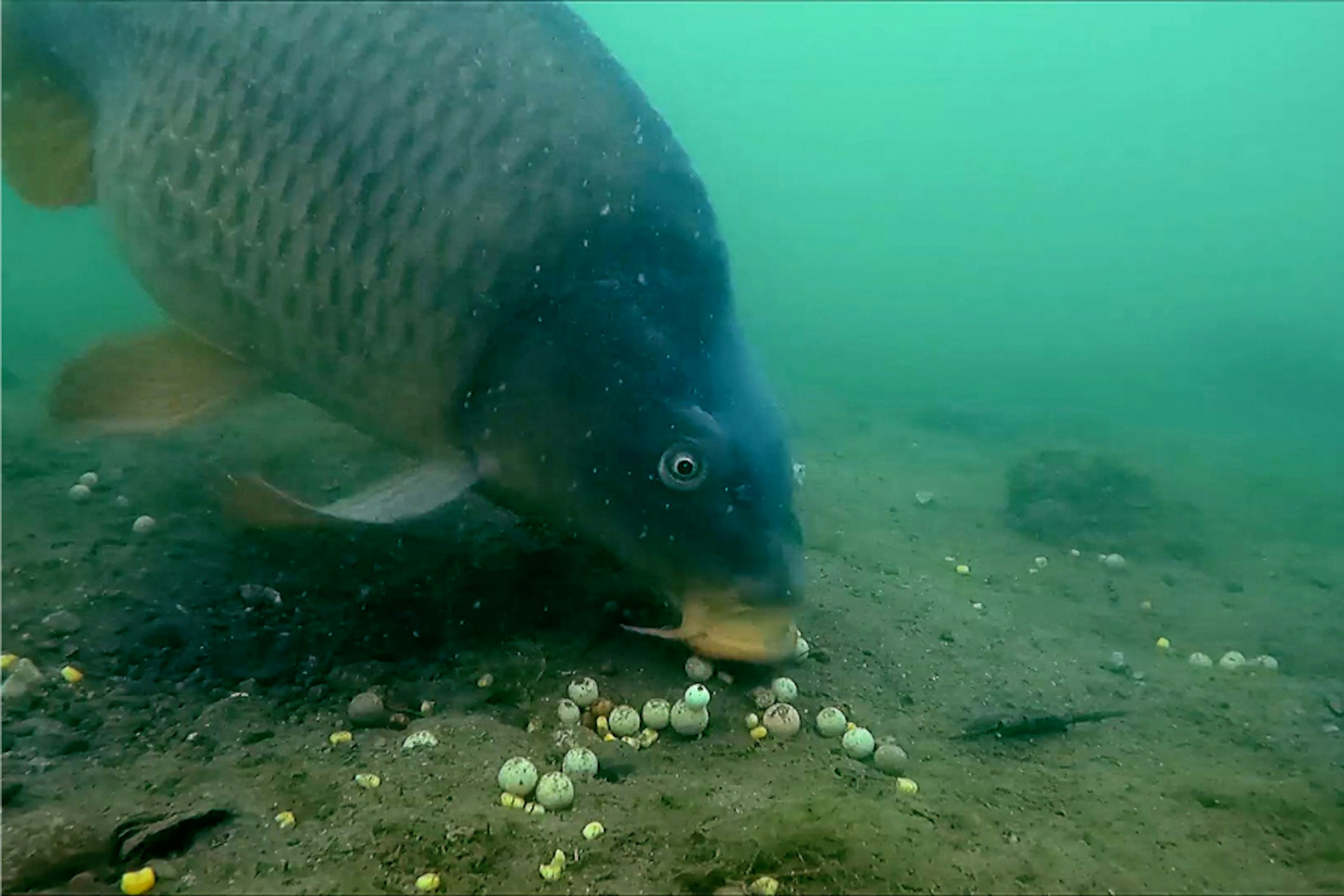
Carp fishing, on the other hand, still manages to present innovation as something live, visible and ongoing, driven by rig mechanics, underwater filming and the constant search for a better hook-up.
Korda’s Underwater series has now run for years, and Fox is openly tying product claims to its Edges Underwater content, while Guru has also used underwater filming to better understand what is happening beneath the surface, but coarse fishing presents different challenges to carp. Commercial waters are often far more coloured and difficult to film in than a clearer, lower-stocked carp lake.
THE BEST FISHING BEDCHAIRS ARE DEVELOPED FOR COMFORT AND GREAT SLEEP.
Modern coarse tackle relies on refinement, not revolution
The easy answer is to say coarse brands have run out of ideas, but that is too simplistic and too easy to pick apart. Coarse tackle is still improving, but the nature of that improvement has changed. Most of the obvious gains have already been made, and what is left tends to sit in finer margins, better materials, smarter design and small efficiencies that matter technically without always feeling dramatic in the hand or obvious on the bank.
In the UK, angling sold 934,000 rod licences in 2024 to 2025, while Angling Direct, the UK market leader, says it has 58 UK stores and more than 34,000 products across major brands.
In a category that broad and that crowded, every product area already has multiple established options, and that naturally makes it harder for anything genuinely new to stand out. From years in retail, that is the bit people outside the trade often miss. Once a category is mature, improvement rarely arrives in the form of a huge leap forward.
It comes as a rod that recovers a touch quicker thanks to carbon development, a reel that lays line more cleanly and efficiently with slower oscillations, a float range that suits certain situations better thanks to a better material, or a feeder that flies straighter, lands cleaner or sits more consistently because materials and processes have improved.
THE BEST DISTANCE FEEDER RODS HAVE COME A LONG WAY IN A SHORT SPACE OF TIME.
Why carp fishing still feels more innovative
Carp fishing has been better at turning development into a story anglers can actually see and relate to their own fishing.
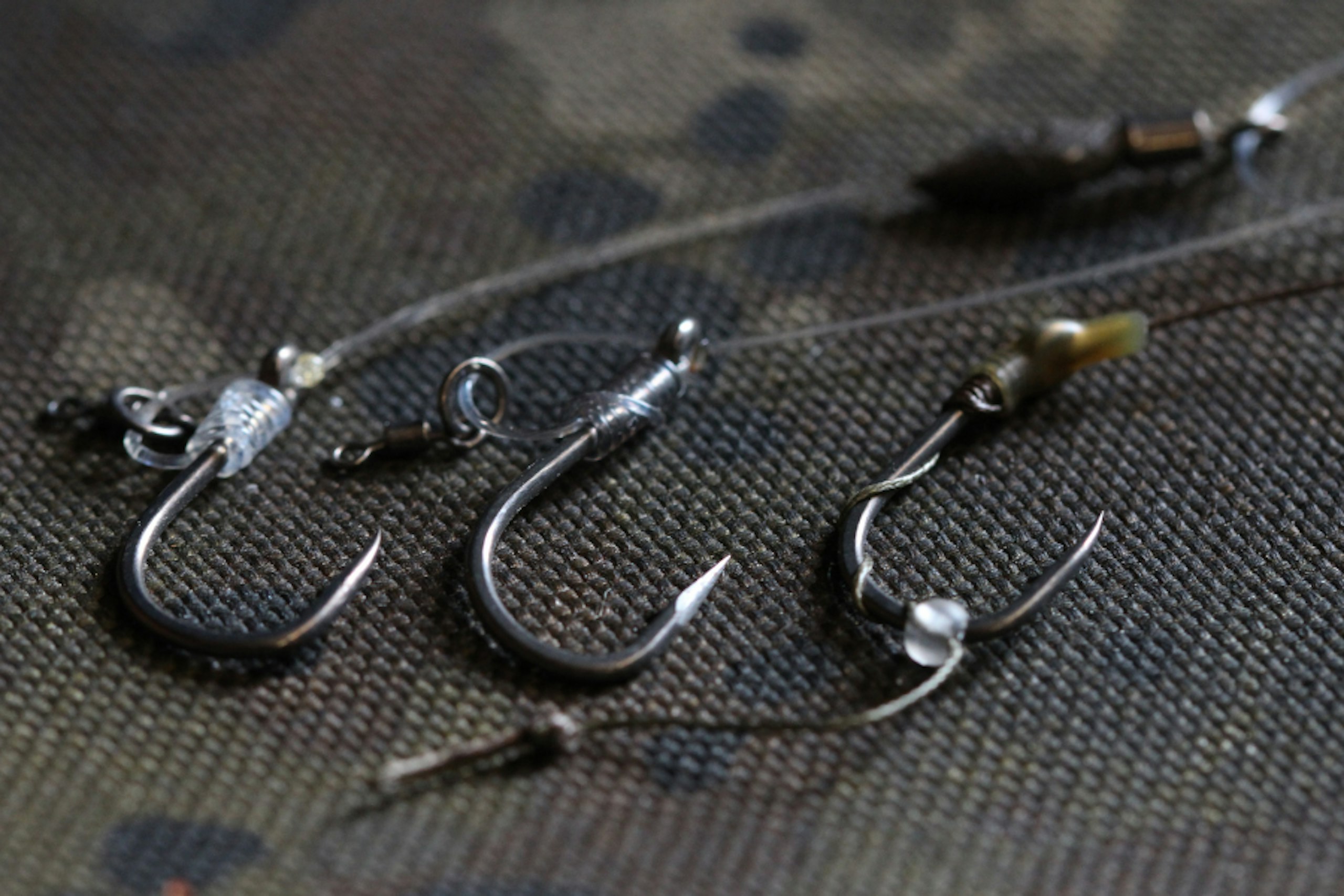
Carp brands do not just launch terminal bits and hope people believe the claims. They build a case around them. They show how a rig reacts, how it sits, how it resets, how a fish approaches it and where the hook takes hold. Underwater filming has become part of the argument, not just the education. It has allowed carp fishing to make technical changes look meaningful because anglers can watch the mechanics play out in front of them.
Carp anglers are not just being told that something works better. They are being shown why it might work better, and that gives the product a far stronger perceived benefit.
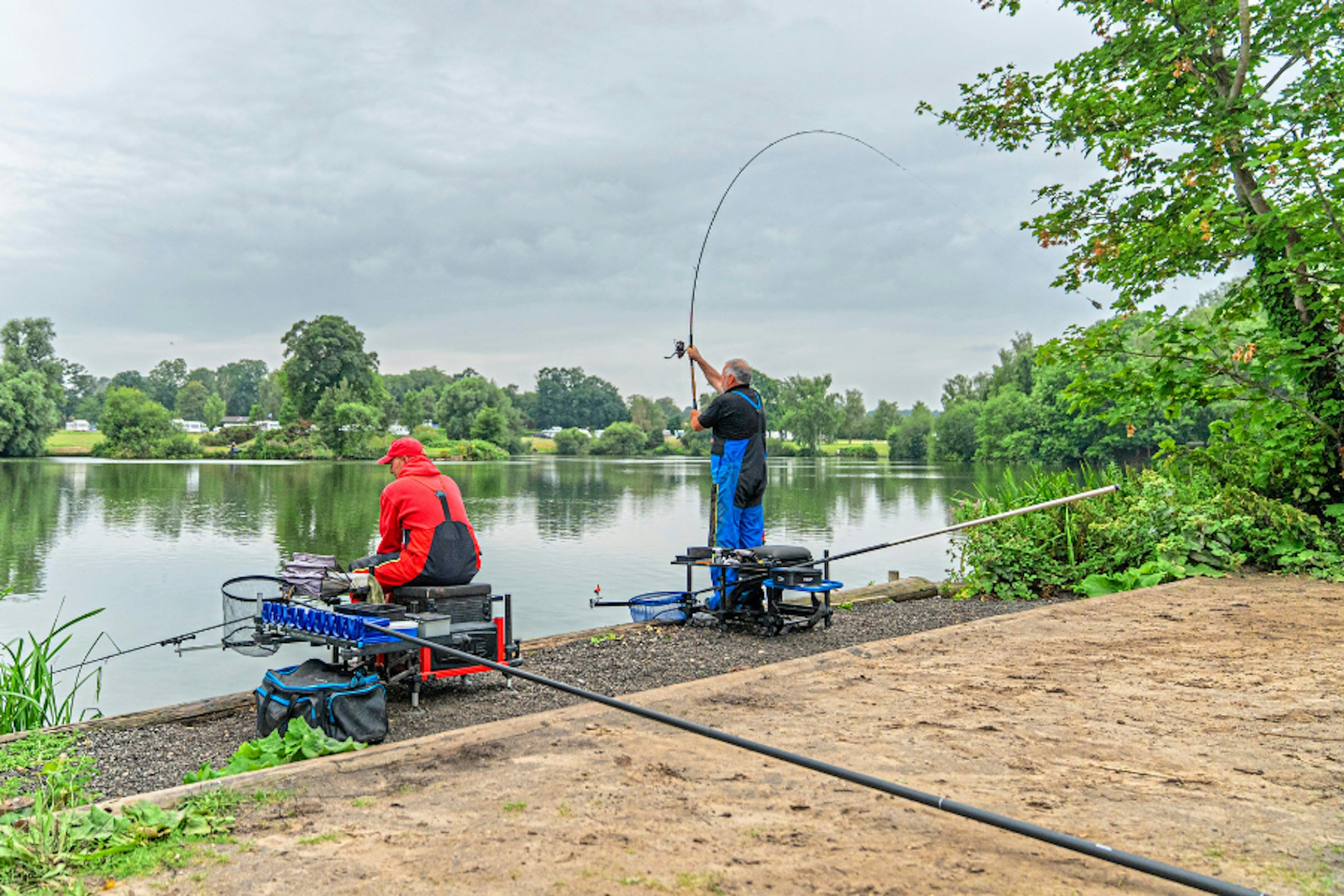
In coarse fishing, by contrast, improvement is often real but less theatrical. A float might register bites better, a new elastic material might help with control, or a particular hook pattern might suit a certain approach more effectively, but those gains are usually harder to dramatise and therefore harder to sell as breakthrough moments.
That does not mean coarse fishing is standing still. It means carp fishing has become much better at packaging innovation in a way anglers can immediately understand.
IN THIS ARTICLE WE LOOK AT THE BEST RIGS FOR CARP FISHING.
Perceived edges matters just as much as improvement
This is where psychology plays a huge part in the consumption of a product. Tackle doesn’t succeed simply because it is better. It succeeds because anglers believe it is better, understand why it matters and feel confident enough to move away from what they already trust.
Coarse anglers, particularly on the match and commercial side, can be highly pragmatic buyers. They want value, reliability and need a clear reason to change. If a new product offers only a small gain, and that gain is difficult to separate from watercraft, technique or simple angling ability, the hurdle becomes obvious. Incremental improvement is still improvement, but the modern consumer often wants more than that. They want gains they can see quickly, trust immediately and justify spending money on.
That is why so much coarse innovation can go under appreciated. It is not always that the development is weak, more often, it is that the benefit is too subtle to trigger the same excitement. A better-balanced pole is more manoeuvrable and efficient to use than one that isn’t. A hooklength material with more consistent diameter and knot strength is more reliable and predictable. A feeder rod that recovers cleaner and casts more accurately will help you catch more consistently.
THE BEST CARP FEEDER RODS ARE DEVELOPED TO CAST ACCURATELY AS POSSIBLE.
Confidence and habit are huge barriers
Anyone who has spent serious time in retail will know that anglers do not buy tackle in a purely rational way. They buy with memory, confidence and habits tied up in the decision.
Match anglers and experienced pleasure anglers build trust in certain floats, feeders, hooks, reels and rod actions, and if they all happen to come from the same brand then they will only usually buy within that brand. Once that confidence is there, change becomes difficult. A new product must do more than just be marginally better, as it must overcome an item that has already produced results, and where the angler has full confidence in it.
That, to me, is one of the biggest reasons coarse innovation can feel as though it has slowed down. It is not just that brands have fewer obvious gaps left to fill. It is that the customer has become harder to influence. In a developed and competitive market, where money matters and confidence matters even more, small gains can be swallowed up by scepticism.
THANKS TO TECHNOLOGY THE BEST FISHING POLES UNDER £1000 ARE BETTER THAN EVER.
Why brands will favour refinement over reinvention
When you understand that, it becomes much easier to see why many coarse brands refine rather than reinvent. Research and development costs money. Tooling and testing cost money. Then you need stock, marketing, field testers and finally you need the retailers to buy in. If the result is a product that is technically superior but not dramatically different in the eyes of the customer, the commercial risk is obvious.
In that sense, the consumer mindset itself can become a brake on innovation. Brands aren’t always short of ideas. Quite often they are responding rationally to a consumer base that only really shifts when the gain is immediate, visible and easy to trust.
THE BEST FISHING REELS USE NEW MATERIALS AND TECH TO IMPROVE PERFORMANCE.
Has coarse fishing tackle hit a ceiling?
There is a strong case that coarse fishing has reached a ceiling of obvious, mass-market innovation. Not because development has stopped, and not because brands have no ideas left, but because many of the gains still available are now smaller, subtler and harder to communicate. The engineering can still move on, but the commercial reward for doing so is not always there if the angler cannot clearly see the benefit.
That is why the comparison with carp fishing is so telling. Carp has not necessarily out-innovated coarse fishing across the board, but it has been far better at making innovation visible, believable and desirable. It has given anglers a story around the product.
So, has coarse fishing tackle hit a ceiling? Not entirely. But it may well have reached the point where the biggest limit is no longer design. It is perception. In a sport built on confidence, routine and belief, that can be just as restrictive as any technical barrier.
And that may be the real challenge facing coarse brands nowadays. It is not simply finding ways to improve or develop tackle but finding ways to make anglers believe those improvements are worth adopting.
That also raises the next question: where does the next real innovation come from? Does it lie in technology, better use of data, artificial intelligence that helps brands understand fish behaviour and refine product design, or advances in material science that improve performance while making tackle more sustainable and keeping costs under control? Whatever shape it takes, the next wave of coarse fishing innovation will need to do more than promise an edge. It will have to prove it.
THE BEST BAIT BOATS HAVE SONAR, GPS AND EVEN AUTOPILOT TO IMPROVE YOUR FISHING.