- Home|
- News|
- News Stories
What happens to tackle shops when brands sell direct?
As Leeda launches its “Shop Local, Online”. Where does that leave the local tackle shop, and who really owns the customer relationship?
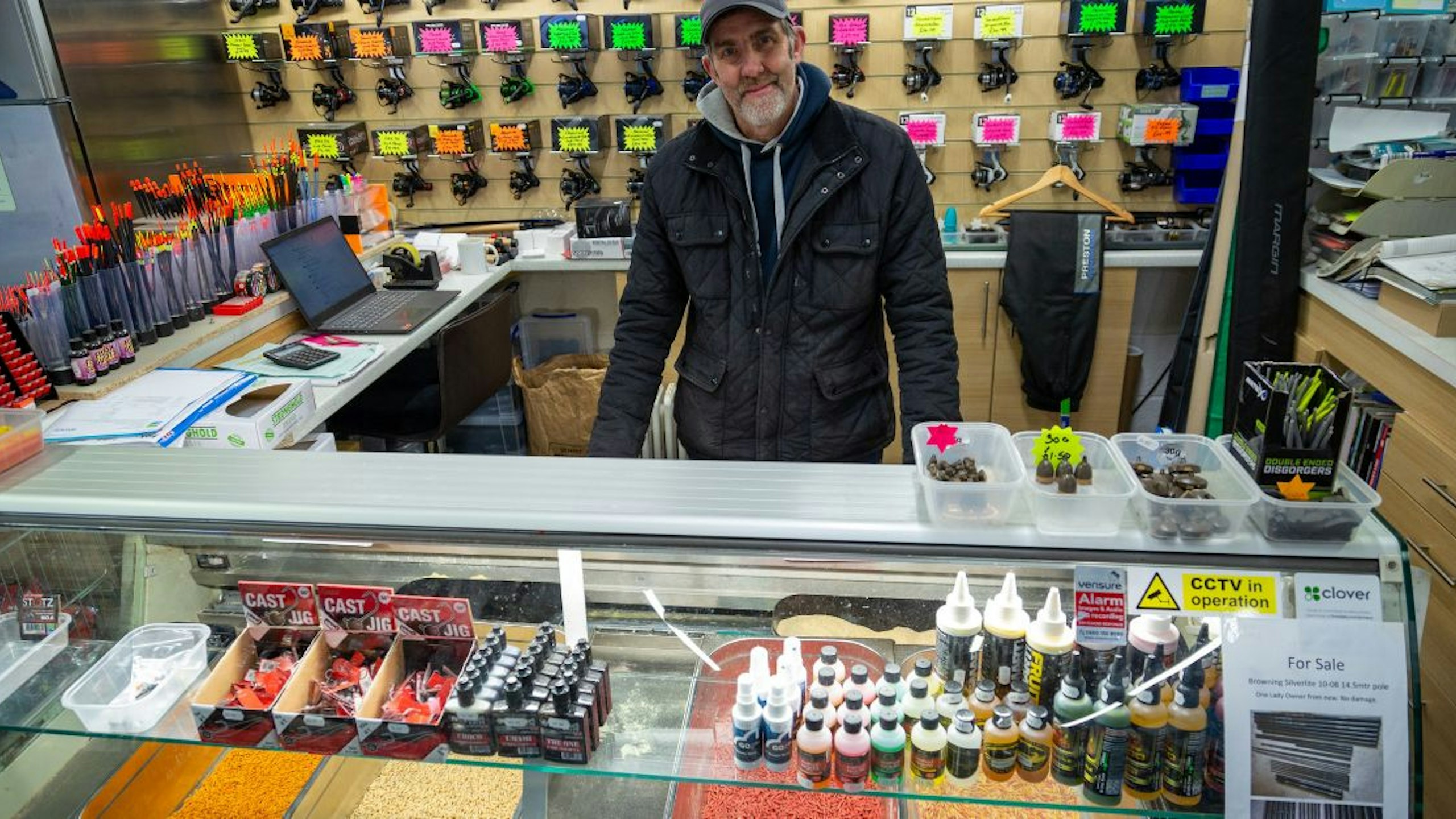
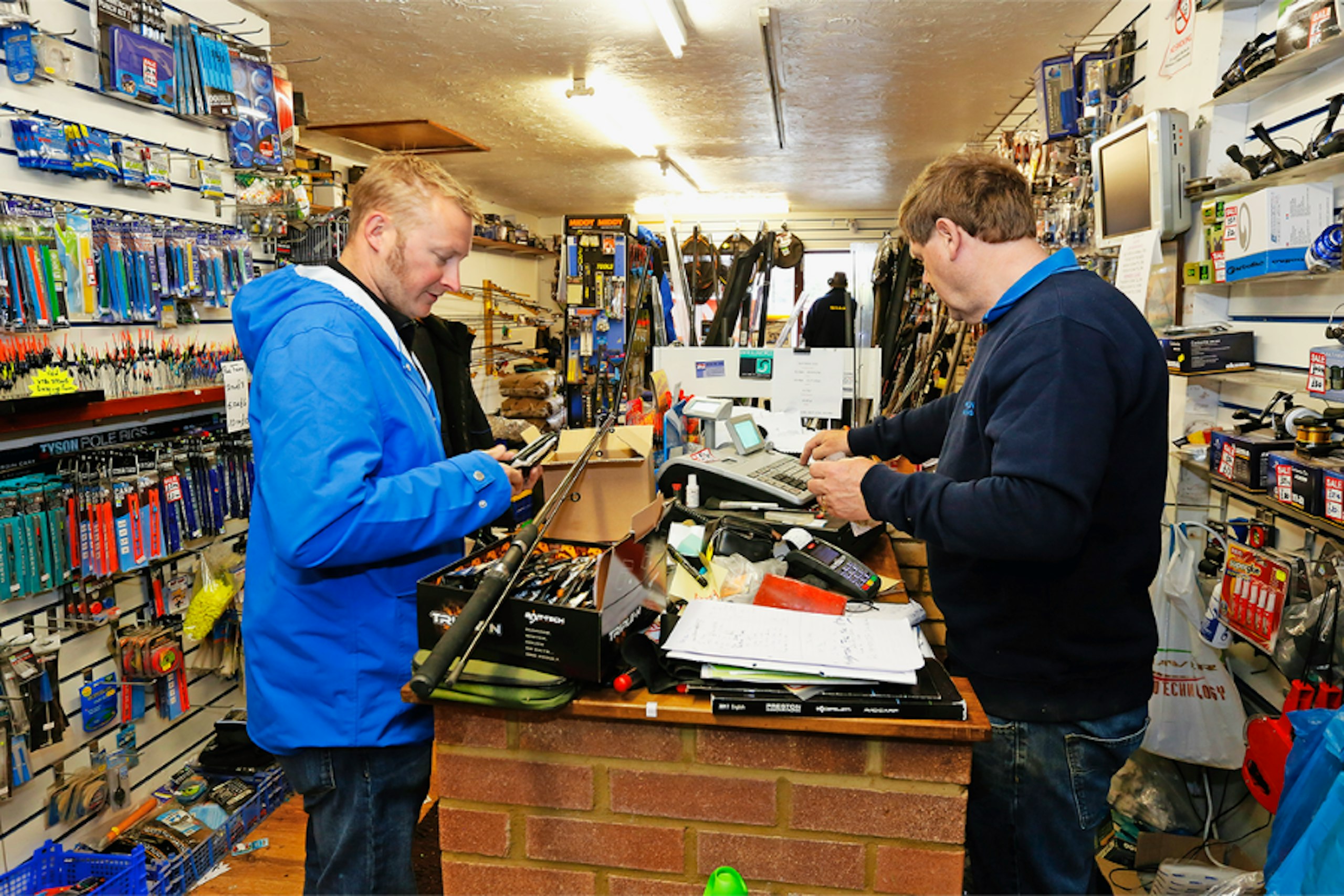
@Tom Humphreys/Whisby Angling
by Jonathan Longden |
Updated on1st June 2026 at 9.21am
Follow Angling Times on Google
The tackle trade is entering one of its biggest periods of change in decades. As more brands explore direct-to-consumer sales and increasingly seek to own the relationship with the angler, difficult questions are beginning to emerge about where that leaves the independent tackle shop and the dealer networks that helped build many of those brands in the first place.
Leeda’s new model raises bigger questions
Leeda and its brands MAP and Wychwood have become the latest names to push the conversation forward through what they describe as a “Shop Local, Online” strategy, combining digital retail with retailer participation through Click & Collect and commission-based fulfilment.
Under the system, anglers can buy online and either receive home delivery or nominate a local tackle shop for collection, with participating retailers receiving a percentage commission on the sale. According to Leeda, commission levels vary depending on product category, while the wider aim is to keep independent dealers involved and encourage additional footfall and purchases.
For Leeda, the strategy isn’t about bypassing the trade but responding to changing buying habits.
"As more anglers research and buy products digitally – we wanted to create a model that ensures independent tackle retailers benefit from that shift rather than lose out to it," explained Leeda Marketing Manager Pat Macinnes.
The company describes its new websites as complete brand hubs, offering product information, guides, specifications, FAQs and spare parts support while directing customers towards participating retailers.
"The websites are being built to support retailers, not replace them," Macinnes said.
Leeda argue that inconsistent stockholding and brand representation have often limited the in-store experience despite strong engagement with anglers through open days, social and digital channels.
"We’re looking to create a network of truly committed, supportive retailers who invest in our brands and feel supported by us," he added. "Our strategy is about creating stronger brands with more stable pricing so supporting the brands becomes commercially worthwhile for retailers."
The company has also introduced blackout periods on selected launches, meaning some new products are available exclusively through retailers before appearing online.
"The future of angling retail isn’t online versus local tackle shops," Macinnes said. "It’s using online platforms to help local tackle shops grow."
I recognise some of the commercial logic behind that thinking. MAP and Wychwood gradually lost floor space in my own shop, not through any deliberate decision or falling out with the brands, but through the natural economics of retail. Other manufacturers turned stock over quicker, delivered stable margins and generated bigger demand, and investment followed accordingly. That is simply how retail works. Floor space is earned, not guaranteed, and if that experience was repeated across enough dealers, it becomes easier to understand why a direct route to market might look attractive from Leeda’s side of the conversation.
Retailers have commercial pressures, but so do brands. When stockholding becomes inconsistent and products lose visibility in-store, manufacturers inevitably begin looking for alternative routes to market and closer relationships with the end user.
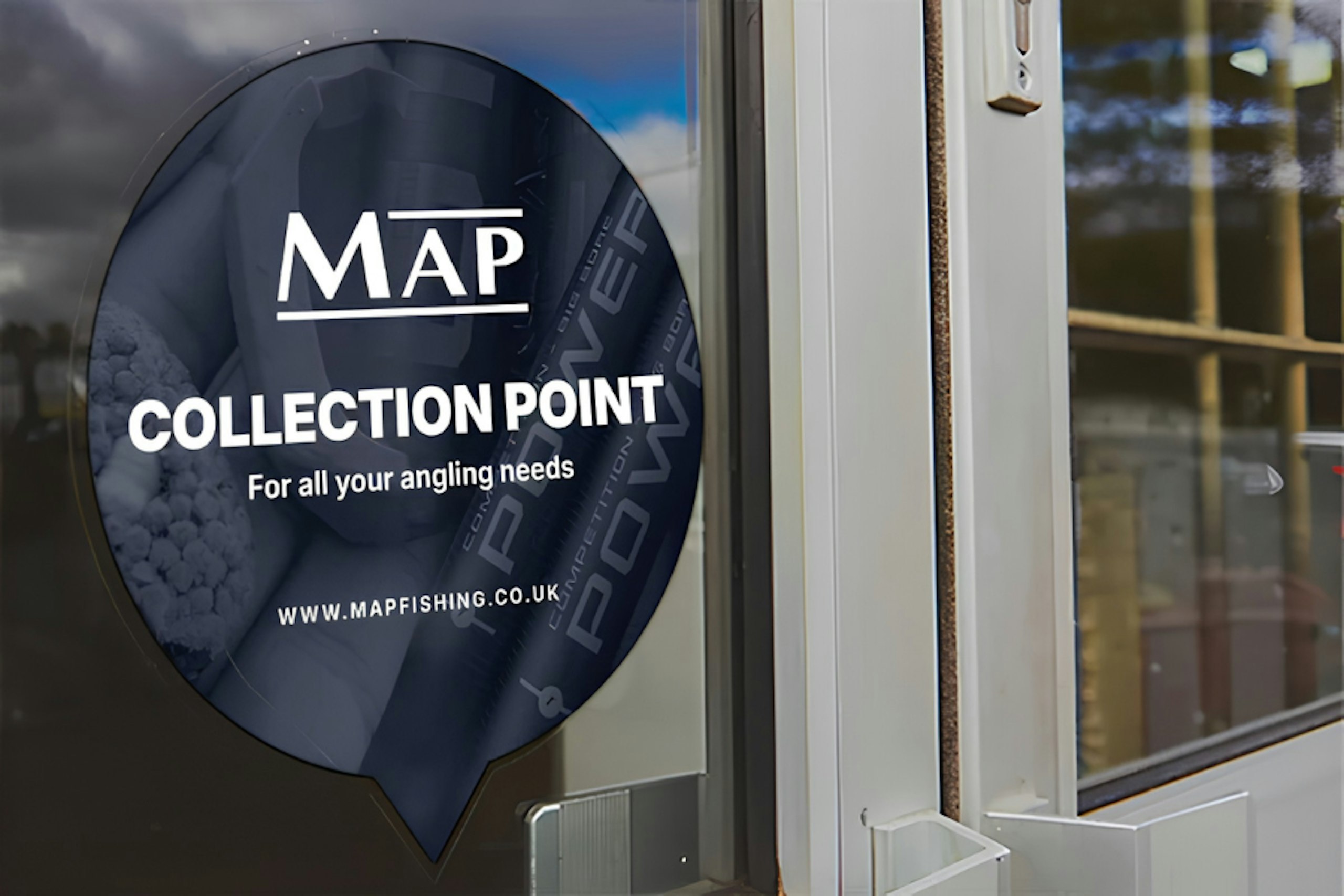
Leeda says its ‘Shop Local, Online’ strategy is designed to keep independent retailers involved in the customer journey rather than compete directly with them. Credit: MAP Fishing / Leeda
But does the relationship begin to change?
A retailer nominated for commission has a financial incentive to support products they may not have stocked or invested in themselves, which begins to resemble an affiliate-style relationship more than a traditional wholesale retail one.
That doesn’t automatically undermine the retailer or the advice being given, but it does introduce a different dynamic.
Imagine the conversation.
"If you buy the MAP G60 direct through MAP, nominate us as the collection retailer and we’ll knock 10% off elastic."
That is a very different retail relationship to the one many dealers have historically operated under.
The shop is no longer necessarily selling stock it has invested in and chosen to support. Instead, it becomes incentivised to facilitate a direct transaction in return for commission and potentially offer something back to the customer to secure that nomination.
Whether that is viewed as partnership, pragmatism or something closer to affiliate retailing will depend largely on perspective.
Leeda aren’t the first to explore this territory and they are unlikely to be the last. During Covid, Fox and Matrix trialled dealer-supported fulfilment models, while brands such as Korda and Tackle Guru have already built direct relationships with anglers through clothing, merchandise and spare parts sold through their own websites.
This is about more than selling tackle
The real shift taking place is not simply that brands are trying to sell more products directly. Increasingly, they are seeking to own the customer relationship in its entirety.
Traditionally, brands sold to distributors and retailers, who in turn sold to anglers. That model gave shops enormous influence because they often knew far more about the end user than the manufacturer did. They understood local demand, recognised repeat customers and played a major role in deciding which products gained traction and which failed to connect.
Direct-to-consumer changes that dynamic completely.
When anglers buy through a brand-owned platform, manufacturers gain access to purchase history, browsing habits, email marketing data, product interests and future buying behaviour. In modern retail, that information is powerful because it allows brands to market with greater precision, promote complementary or associated products, advertise spare parts and launch new tackle directly to anglers already invested in the brand.
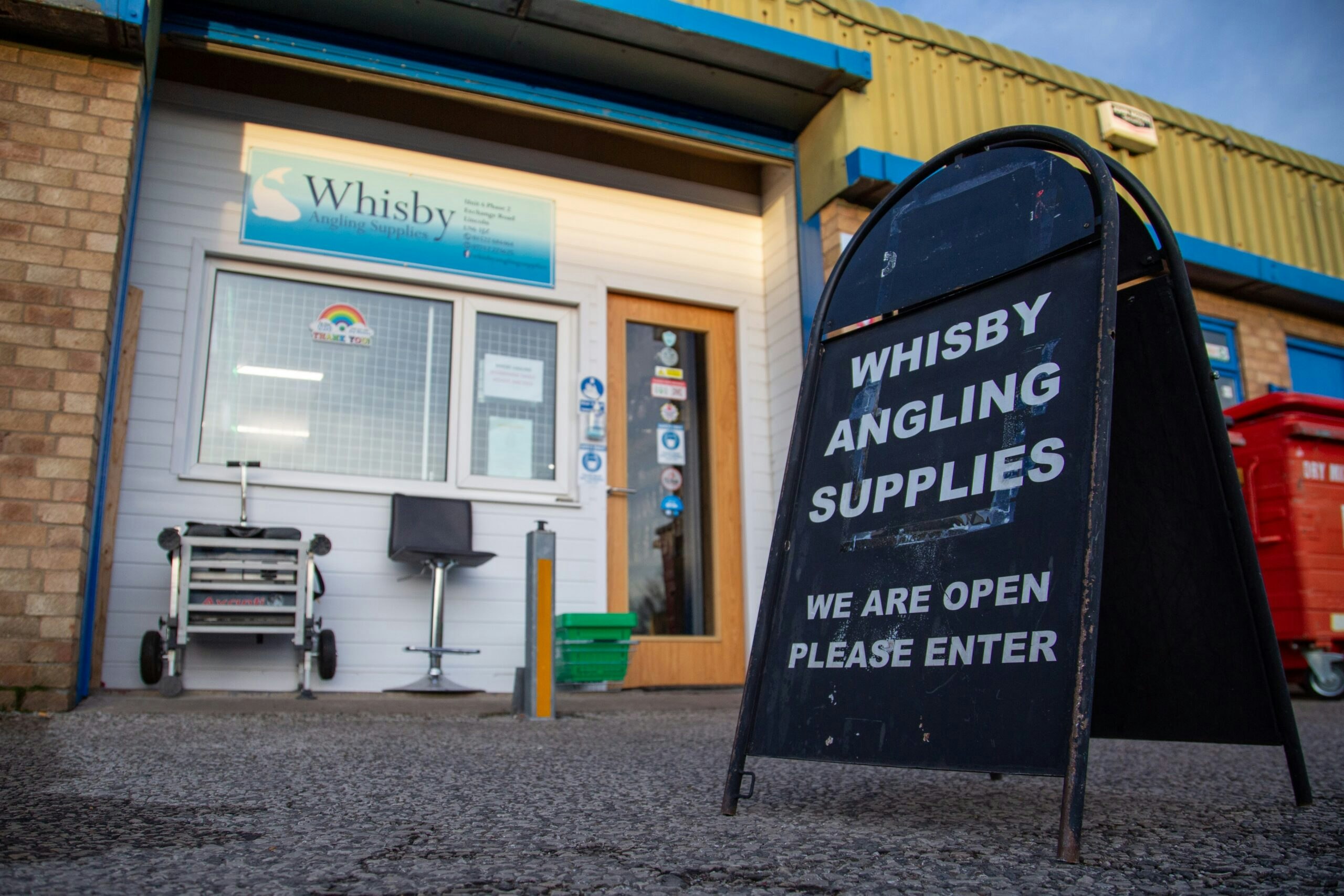
Could this signal even bigger challenges or work in the favour of our local shops? | Credit: Tom Humphrey
Owning the customer relationship
A lost transaction is one thing, but losing ownership of the customer relationship is something else entirely.
Pat Macinnes openly acknowledges that Leeda already engages directly with anglers through social media and digital platforms, and the company sees its websites as a way of converting that engagement into a retail opportunity that still involves local dealers.
This reflects a broader shift taking place across the industry.
For years, brands have invested heavily in social media, video content, consultants and digital marketing designed to build direct loyalty with anglers. Increasingly, some retailers have realised they must do the same, building e-commerce platforms, YouTube channels and social followings of their own simply to remain competitive.
The difference now is that engagement is no longer just about awareness. Increasingly, it is becoming the transaction itself.
Across retail, brands are seeking to gather first-party customer data, strengthen their digital presence and reduce reliance on third-party sellers, and angling may simply be following the same commercial direction as many other industries.
That raises a more uncomfortable long-term question. If brands own the audience, control the marketing and increasingly facilitate the sale, where does that ultimately leave the retailer?
For now, Leeda insists the dealer remains central to the process, but some may still wonder whether retailers risk gradually being viewed less as essential partners and more as a margin within the supply chain that can be continually refined and squeezed.
Tackle shops still offer what websites can’t
The difference is that tackle retail has traditionally provided something far more valuable than floor space.
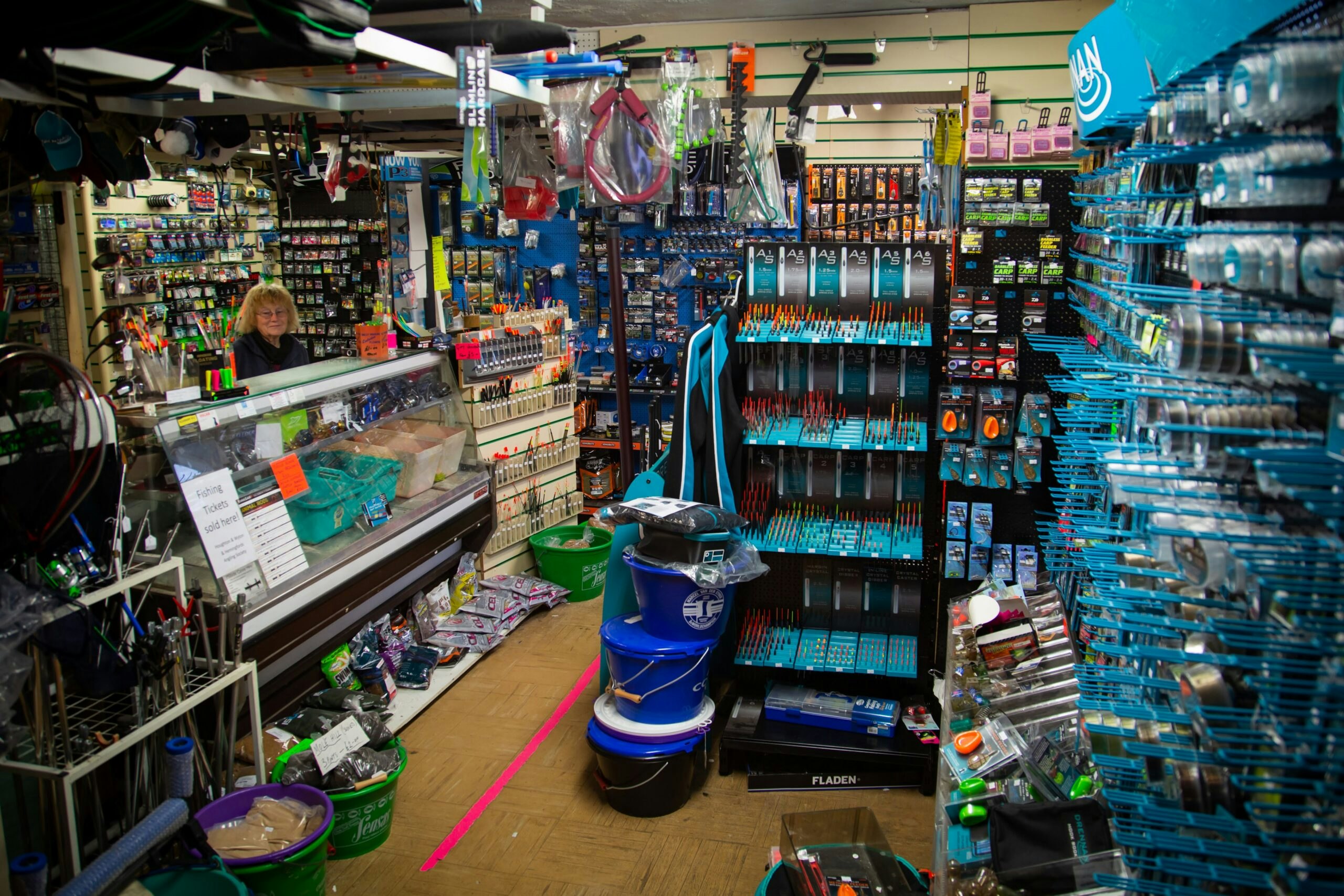
For all the convenience of e-commerce, there are still parts of the tackle shop experience that remain difficult to replicate online.
Live bait can’t be delivered at five on a Friday afternoon when you have forgotten the maggots. Neither can the local knowledge that points you towards the right peg, explains why the canal is fishing well using bread or that tiny snippet of advice that saves a wasted session.
A website can recommend a feeder rod based on browsing history, but it can’t replace the trust built through years of face-to-face conversations and genuine experience.
Independent tackle shops have rarely competed on price alone. Their value has always been tied to immediacy, expertise and community, which is why many anglers still rely on them despite the rise of online retail.
Partnership or slow erosion?
Brands have understandable reasons for wanting greater control over the customer relationships and marketing data, particularly in a marketplace where digital engagement increasingly drives sales. Equally, Leeda’s model demonstrates that some companies are actively trying to keep retailers involved rather than bypassing them altogether.
The question is whether those partnerships remain commercially meaningful over the long term.
For independent dealers, the concern is rarely a single lost sale. Most have been competing with online pricing for years and understand the realities of the market. The bigger fear is gradual marginalisation, where the retailer remains involved in the transaction but steadily loses control of the sale, the customer data and the long-term relationship that once gave the shop value beyond the till.
If the retailer becomes little more than a collection point receiving commission while the brand owns the transaction and future marketing relationship, some dealers may understandably question where that leaves them.
The future is unlikely to be entirely dealer-led or purely direct-to-consumer. More realistically, the trade may be moving towards a hybrid model where brands increasingly sell through their own channels while retailers lean harder into bait, expertise, service and community.
Whether that becomes a genuine partnership or the slow erosion of the independent tackle shop may ultimately depend on the choices made by brands, retailers and anglers alike.
Once the tackle shop disappears, anglers may discover that replacing decades of knowledge, service and community is considerably harder than replacing a packet of hooks.
Just so you know, we may receive a commission or other compensation from the links on this website - read why you should trust us