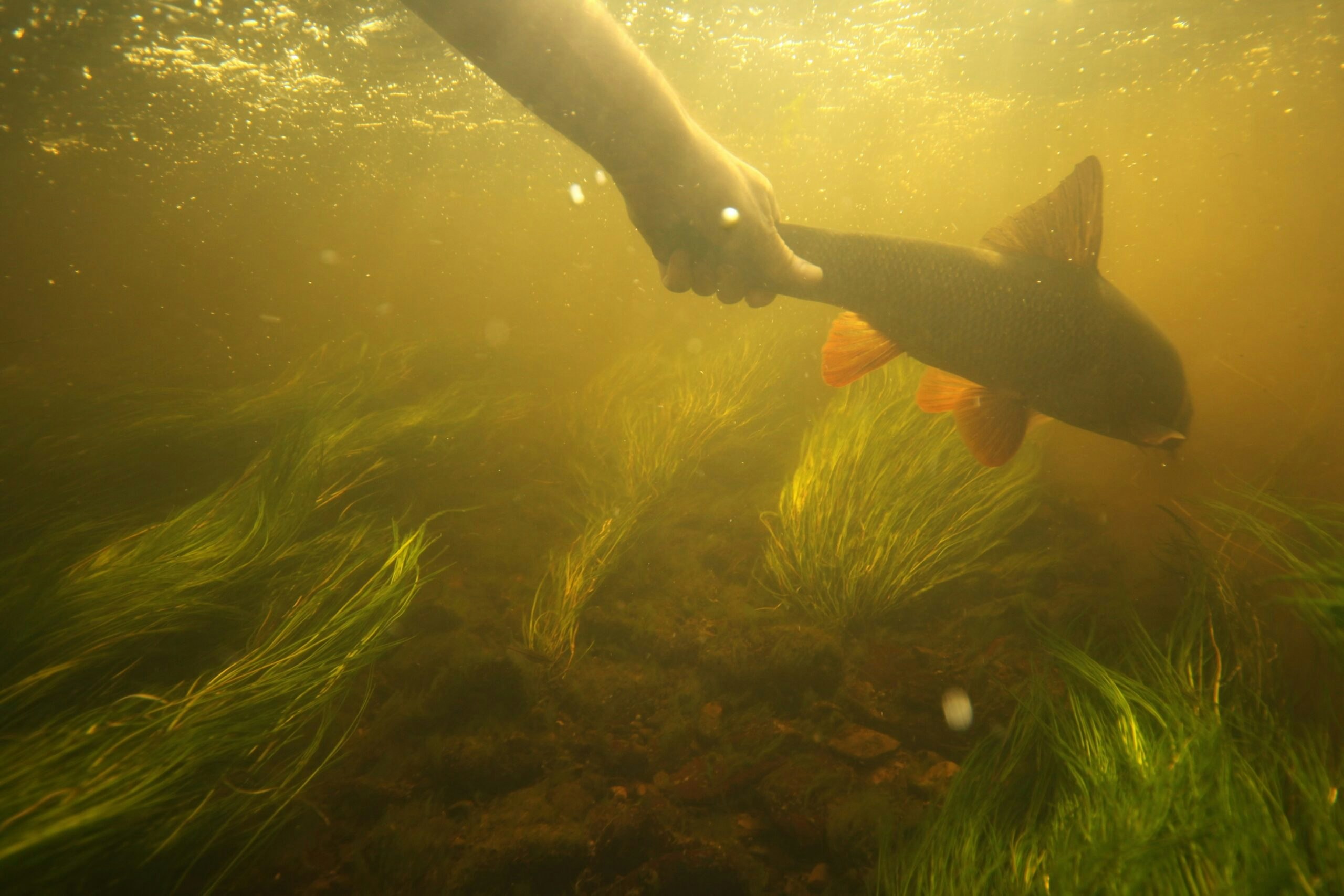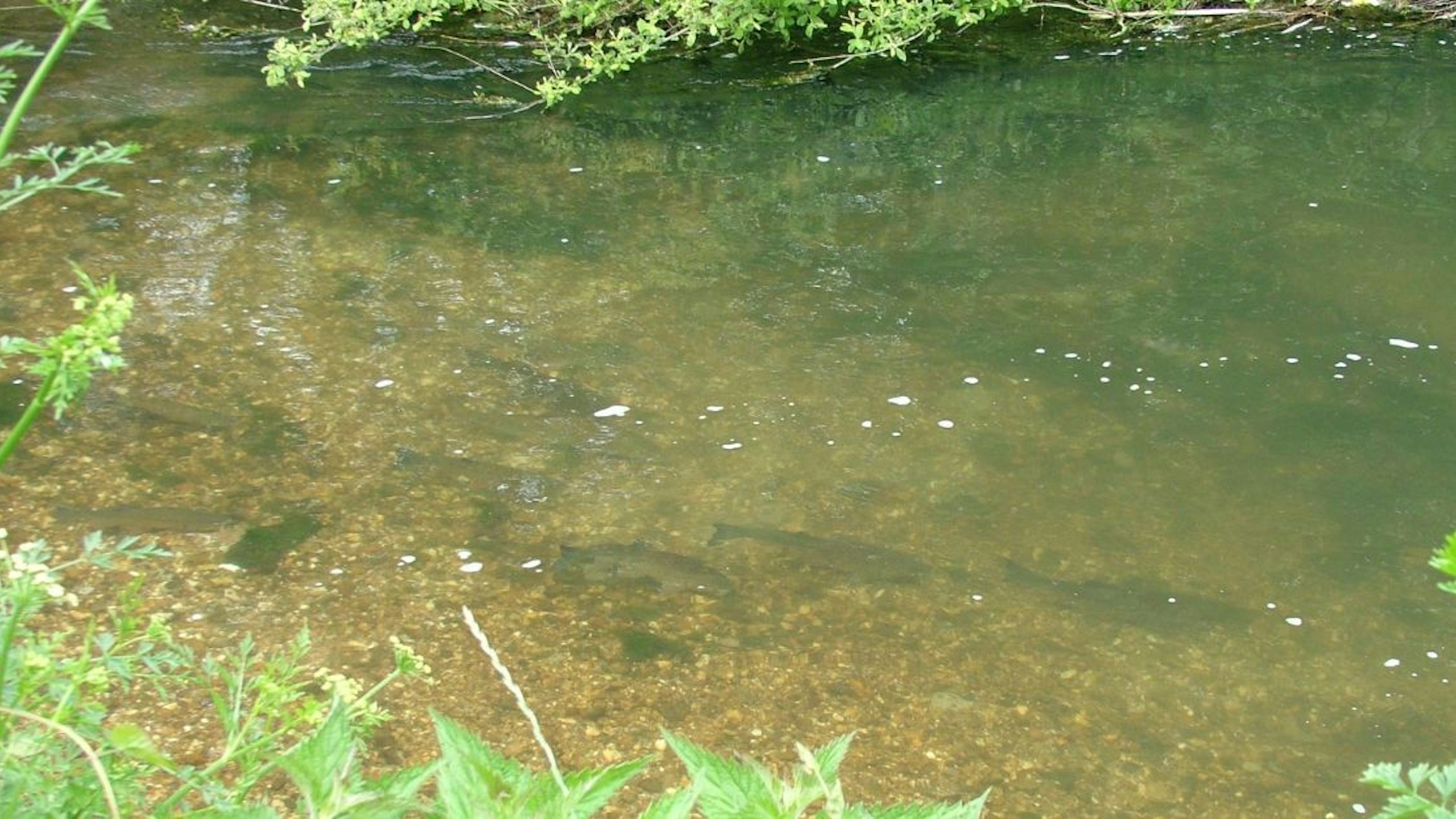
Recent research has raised concerns over whether drugs entering rivers could be affecting fish behaviour. Scientists are now exploring how recreational substances such as cocaine, even when detected at low levels, may be influencing movement and activity in aquatic species, particularly salmon.
While the findings are still emerging, the study has prompted wider discussion among environmental experts and anglers about the potential long-term impact of pharmaceutical pollution in rivers.
As anglers we all would have experienced it at some point where a favoured area of a lake or river suddenly seem devoid of fish. Most anglers hear the word pollution and think of dead fish, oxygen crashes and habitat damage. But that may not always be the entire story. Sometimes pollution may not kill fish, but instead, could be changing their behaviour enough to make a once-reliable swim feel like it is barren.
That is what makes a new study led by Australian scientists so interesting. Published in Current Biology, it found that juvenile Atlantic salmon exposed to benzoylecgonine, the main metabolite of cocaine, swam farther and dispersed more widely in the wild. Researchers tracked 105 fish over eight weeks in Sweden’s Lake Vättern and found exposed salmon swam up to 1.9 times farther per week and dispersed up to 12.3km farther than unexposed fish.
This doesn’t prove cocaine pollution is why a favoured area suddenly stops producing. But it does support a broader and uncomfortable idea, that pollution may not always remove fish from a system through mortalities alone. In some cases, it may alter distribution, habitat use and behaviour enough that fish are no longer where anglers expect them to be, or simply makes them more susceptible to predation.
This is a reminder that not all pollution comes from slurry, sewage solids or visible contamination. Some of it is chemical, harder to detect and potentially changing fish behaviour in ways we are only just starting to understand.
It also raises particular concerns for migratory fish, especially species like Atlantic salmon, where these types of chemical pollutants may disrupt their ability to navigate to saltwater and back into rivers to spawn.