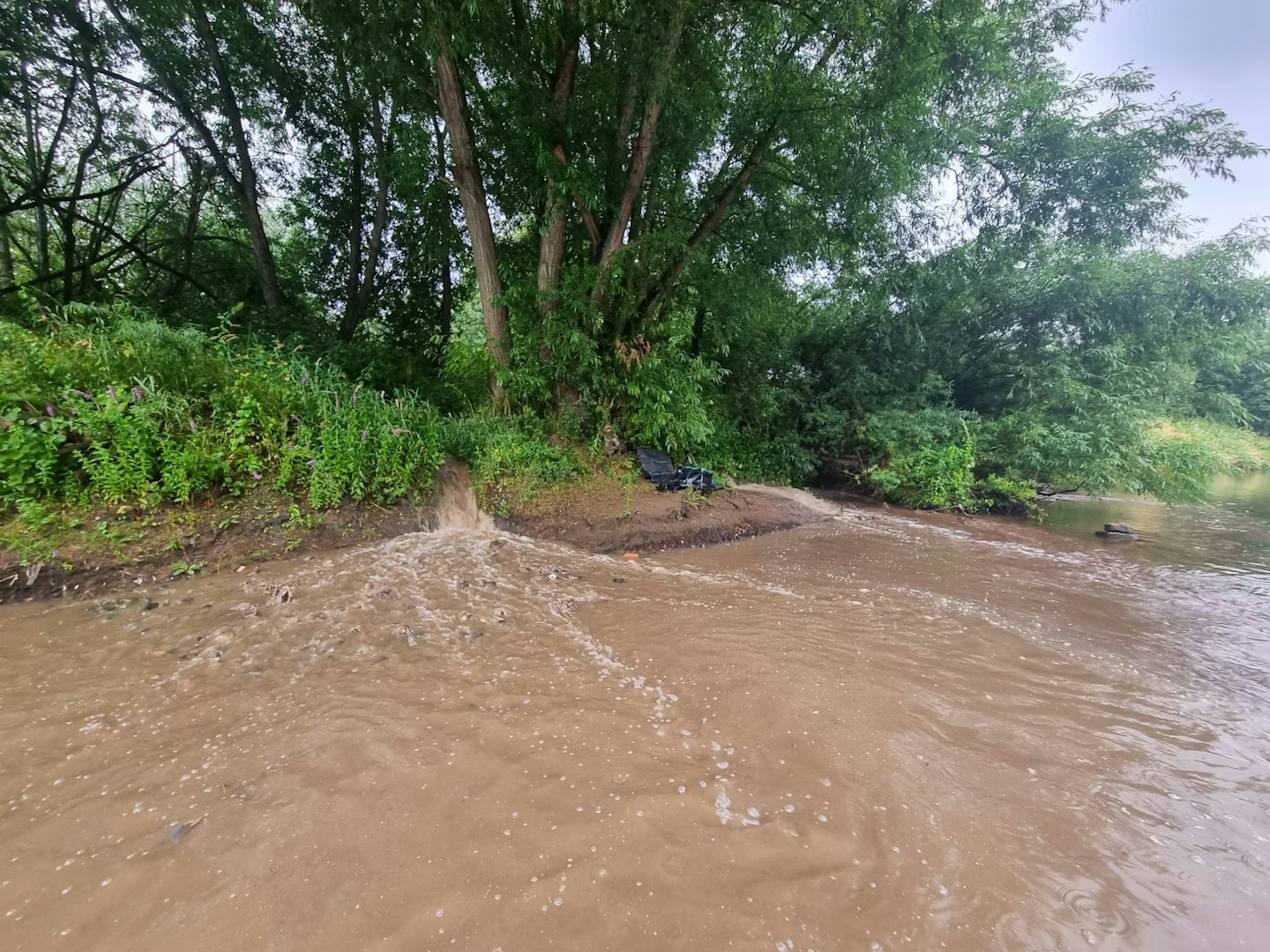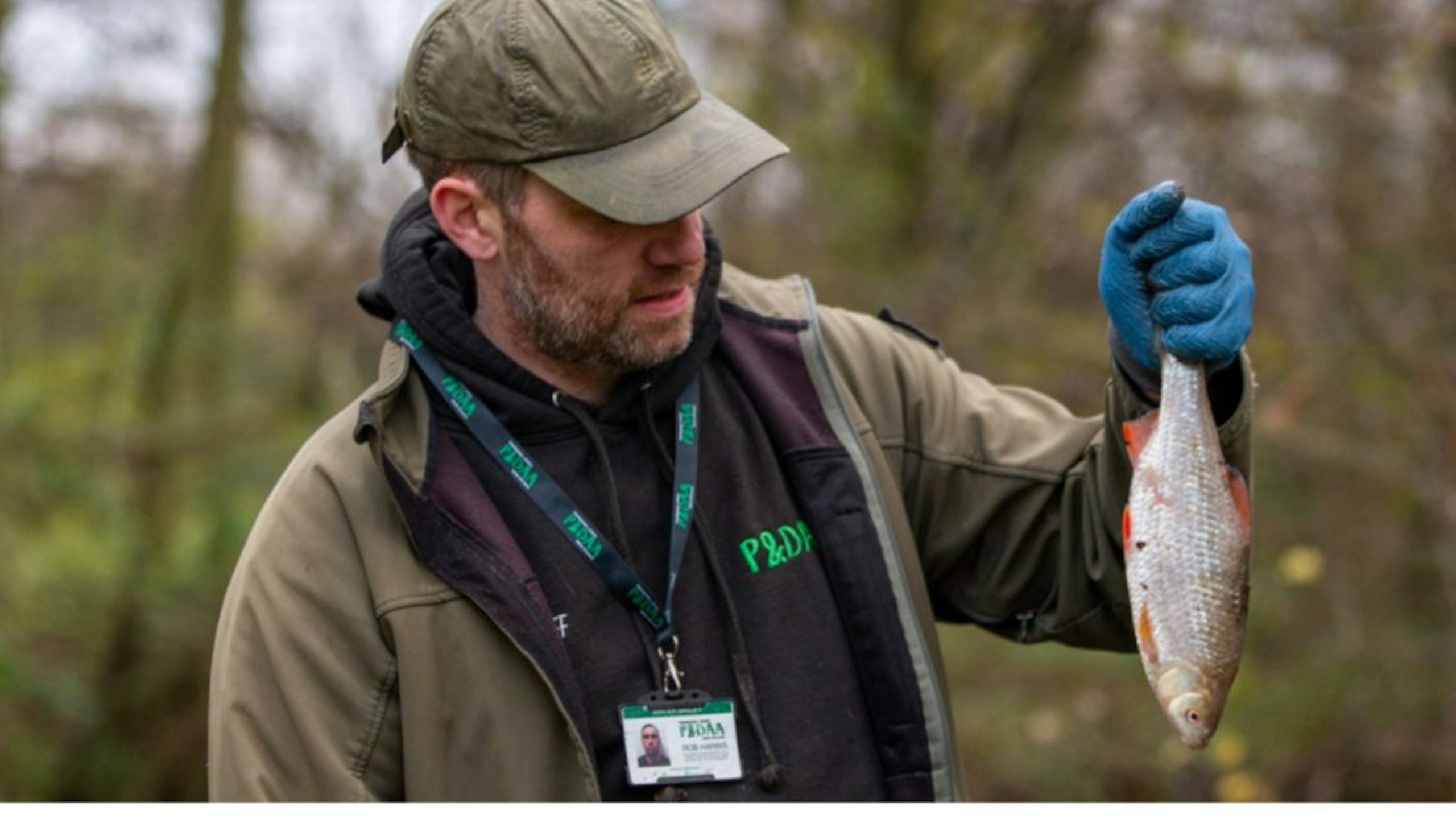
A citizen science drive, led by anglers, has gathered the largest ever dataset on water quality in UK rivers. The Water Quality Monitoring Network (WQMN) is an Angling Trust drive that has taken place over the last three years.
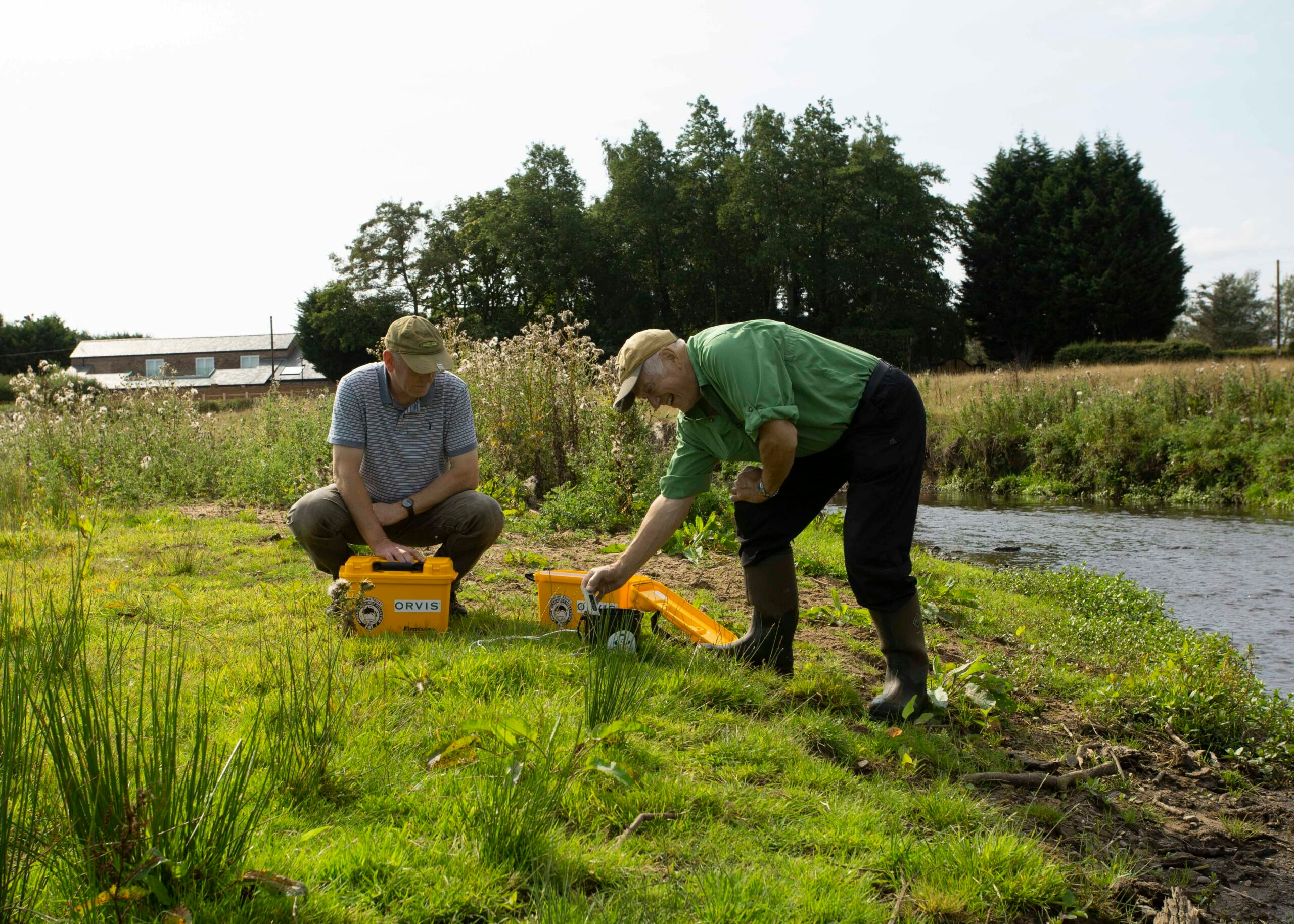
Mobilising volunteers from angling clubs across the country, the initiative inspires people to venture out to their local river and collect water samples. These are used to measure a range of key factors that indicate its health, including water temperature, nutrient levels, and electrical conductivity.
More than 800 people have given up over 40,000 hours of their time to the cause across 80 different river catchments, with their efforts generating over 12,000 water samples providing a valuable insight into water quality.
Since its inception in 2022, findings generated by the WQMN have painted a grim picture, and today, there is continued decline.
Nitrates on the rise
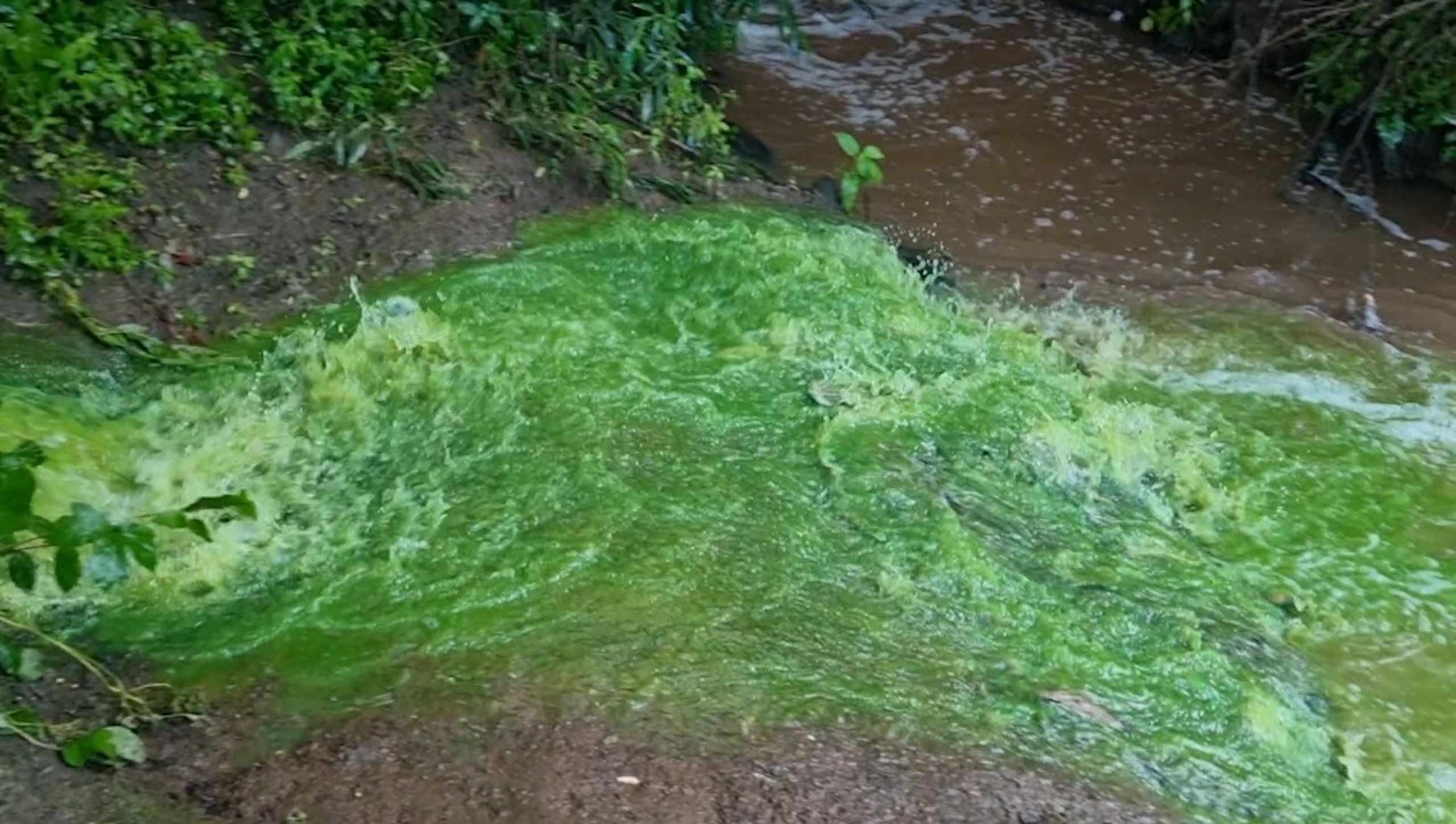
Data gathered by the WQMN was analysed by independent researcher Isla Thorpe of the University of York. One of the most concerning trends revealed was the continual rise in levels of nitrate concentrations.
When present in excess, nitrates can cause explosive growth of algae and plants, which can subsequently destroy biodiversity. Over the three years the report has spanned, the percentage of sites monitored that have breached safe limits has risen each time.
In Year 1, 44 per cent of sites exceeded the ‘safe limits’ threshold for nitrates. This climbed to 46 per cent in Year 2, and in Year 3, this has now risen again to just under 50 per cent.
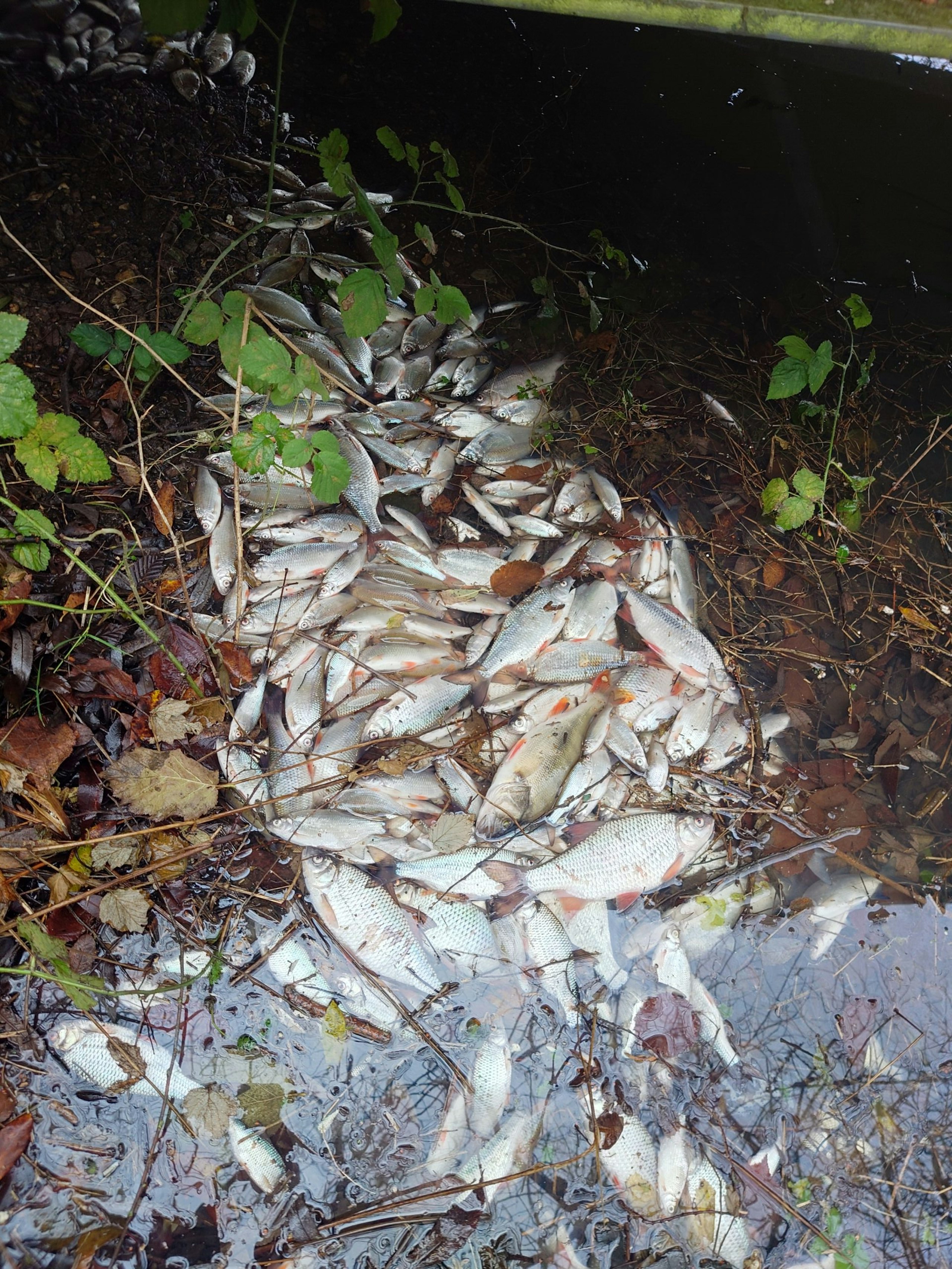
“Excess nutrients on the scale revealed translate into algal blooms and fish without enough oxygen to survive,” explains Alex Farquhar, Angling Trust Freshwater Campaigns Officer.
“Ecosystems have spent thousands of years finding their balance, but after just a few decades of mismanagement and profiteering at the expense of the environment, the impacts are clear to see."
Further threats
Additionally, the Year 3 water samples showed that lethal ammonia concentrations are rising, with nearly five per cent of sites breaching safety thresholds in Year 3 of the WQMN.
While this may not sound a lot compared to those with excess nitrates, ammonia is highly toxic to fish, even at low levels, causing severe damage to respiration and nervous systems. Warmer weather makes ammonia more soluble and significantly more toxic, so with rising water temperatures over our increasingly hot and dry summers, its threat is amplified.
Across almost all catchments sampled, a clear and worrying increase in chemical pollution has been reportedover the last three years. These range from household chemicals through to pesticides and veterinary products, which have a wide range of impacts on fish and the broader aquatic environment.
On the figures, Will Millard, writer, broadcaster and angler, says: “Firstly, I want to extend my thanks to the volunteers and the Angling Trust for their execution of this survey. If anything can be gleaned from these results, it’s that a great deal of people care about our river catchments. Without their effort and dedication, this simply would not be possible.
“Ultimately though, this depressing picture underlines firmly that the time for intervention and investment is now. This is no longer an abstract issue: we are at tipping point.
“The health of our freshwater continues to decline and the time for direct action, at the very root of the causes, has come.”
Anglers leading the line
While the figures from the WQMN are damaging, they are a vital tool in pushing for real change. Without the efforts of anglers, the data wouldn’t exist, a factor that Jamie Cook, Angling Trust CEO, highlighted.
“The third WQMN report once again shows how anglers are leading the way in the fight against river pollution,” he says.
“Citizen science initiatives have been instrumental in pushing river pollution up the political agenda, with all major political parties highlighting the issue in their 2024 election manifestos.
“A total overhaul of the way we manage the water environment is needed. Fish, fishing, and the environment cannot wait any longer for these changes. We urge the government to match its rhetoricwith concrete action.”