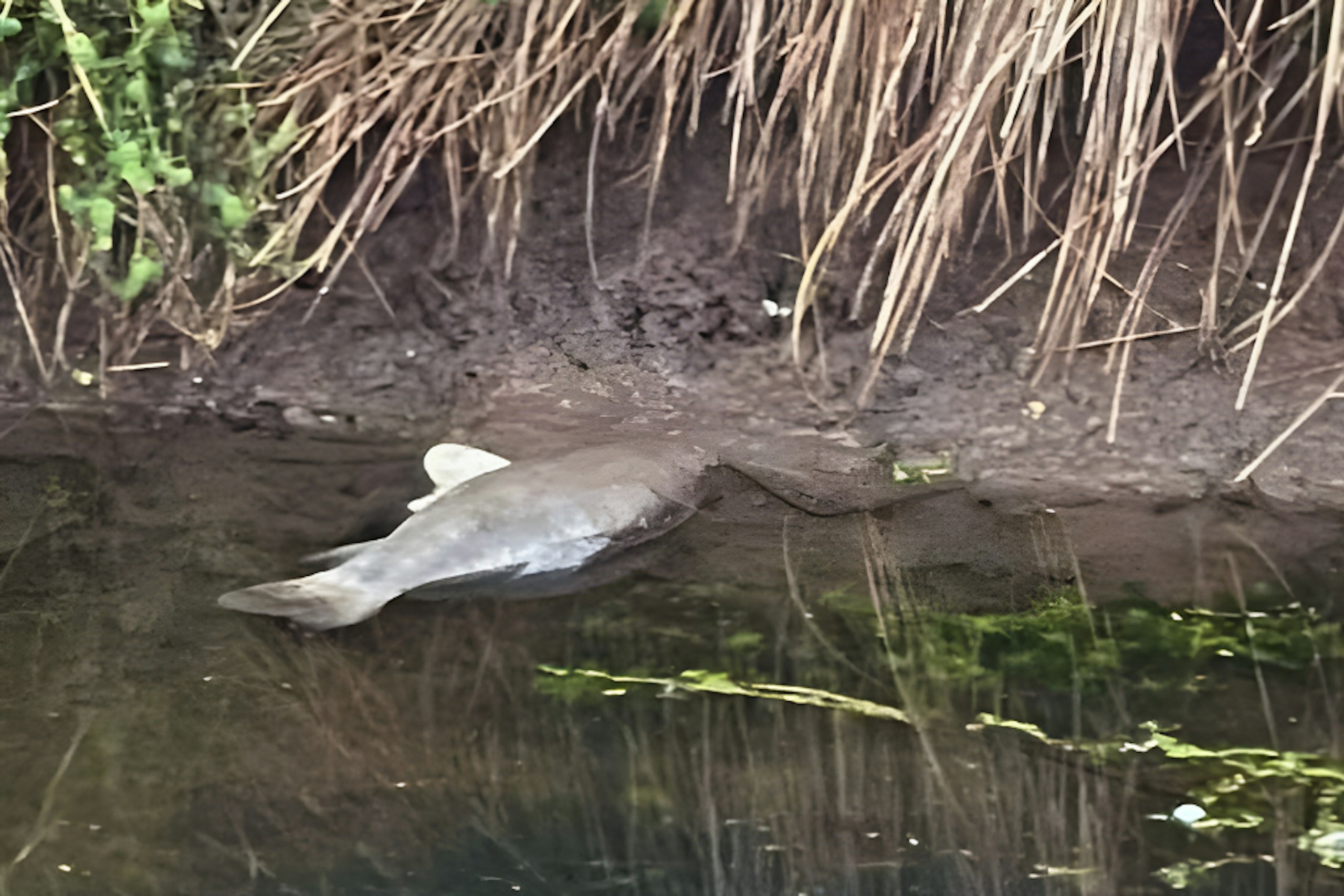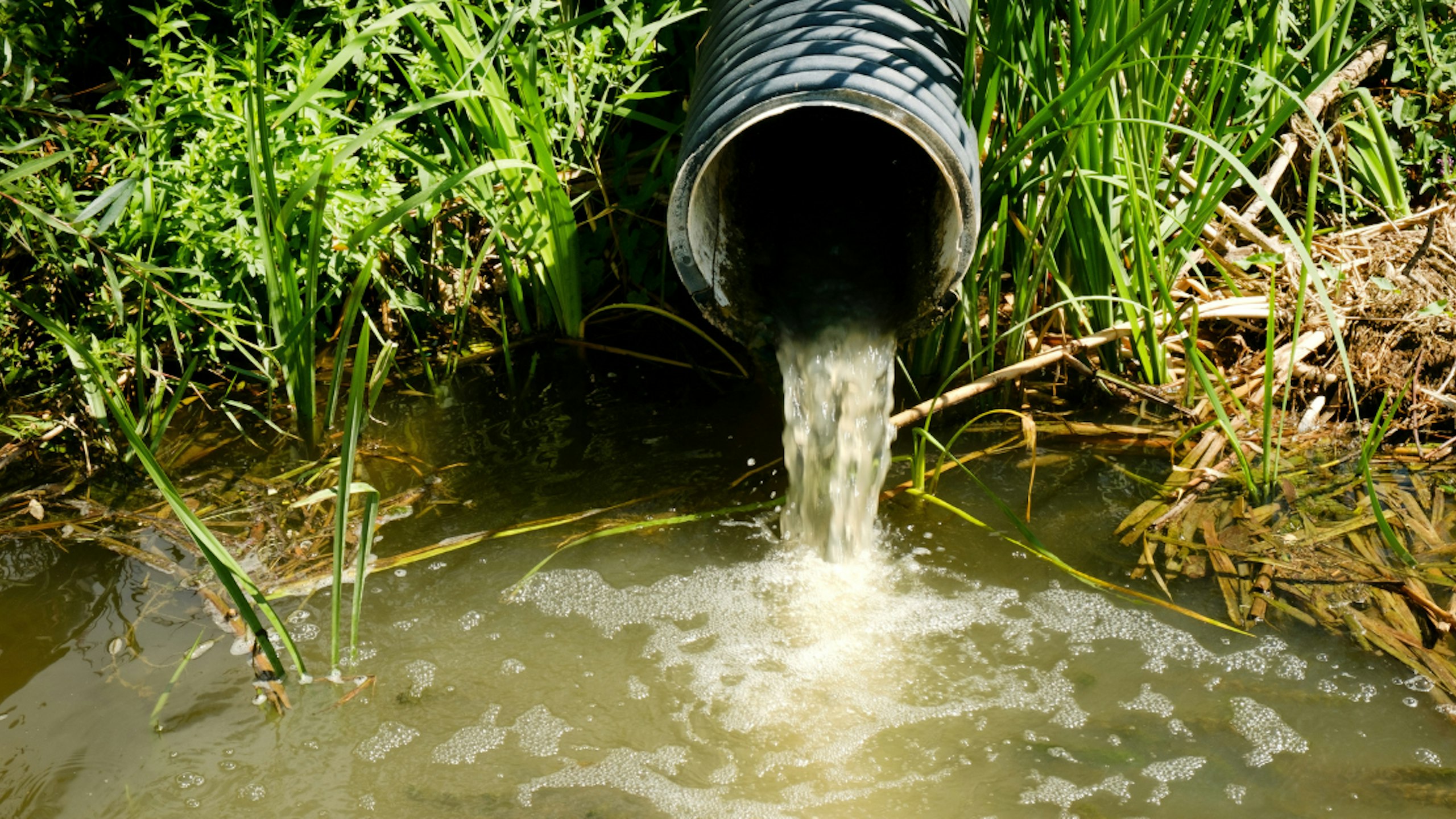
As anglers we are usually the first to identify the tell-tale signs that something is wrong on a stretch of river, canal or drain. Fish that should be queuing up stop feeding, shoals disappear, the water takes on a dull, lifeless look, and before long you are witness to fish gasping on the surface or mortalities in the margins. It is one of the most sickening sights in angling.
What stings even more is that it is not just bad luck. The Environment Agency’s own data shows serious pollution incidents are on the rise, and a growing number of the worst events now end with no one able to say what actually went into the water.
Serious pollution incidents: What the numbers say
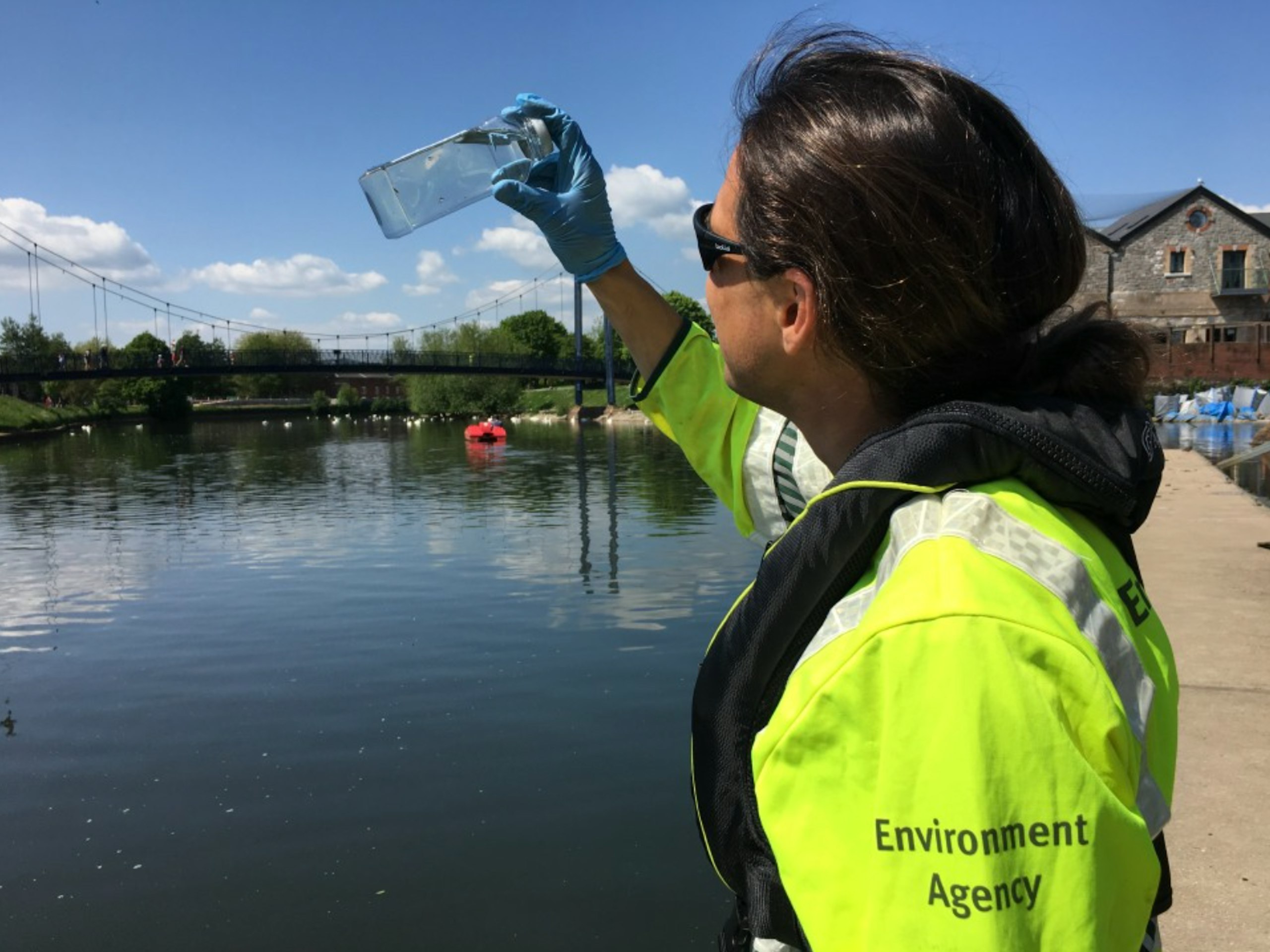
I looked at Environment Agency pollution event data for the last 25 years, concentrating specifically on Category 1 and Category 2 water pollution incidents over the last decade.
Category 1 covers major events that have a serious impact on fish and ecology. Category 2 covers significant incidents that still do real damage.
In angling terms, these are the fish killers and oxygen crashers that can ruin sport for months or longer.
Between 2015 and 2019 there were 1,484 Category 1 and 2 incidents impacting water.
From 2020 to 2024 that climbs to 1,677.
That is a 13 percent increase in serious pollution incidents in less than a decade, using the same definitions and classification system. This is mirrored by Defra’s ‘serious pollution incidents to water’ indicator, which also shows an increase in Category 1 and 2 water incidents in 2023, the worst year since 2009.
What do these totals mean?
Category 1 incidents may have fallen, from 256 in 2015–2019 to 232 in 2020–2024, a 10 percent drop.
Category 2 incidents, however, increased. They rise from 1,228 to 1,445, an 18 percent increase in significant pollution. So, there may have been fewer outright catastrophes, but more events that directly hit water quality, fish stocks and, ultimately, the quality of the fishing.
Unknown pollutants on the rise
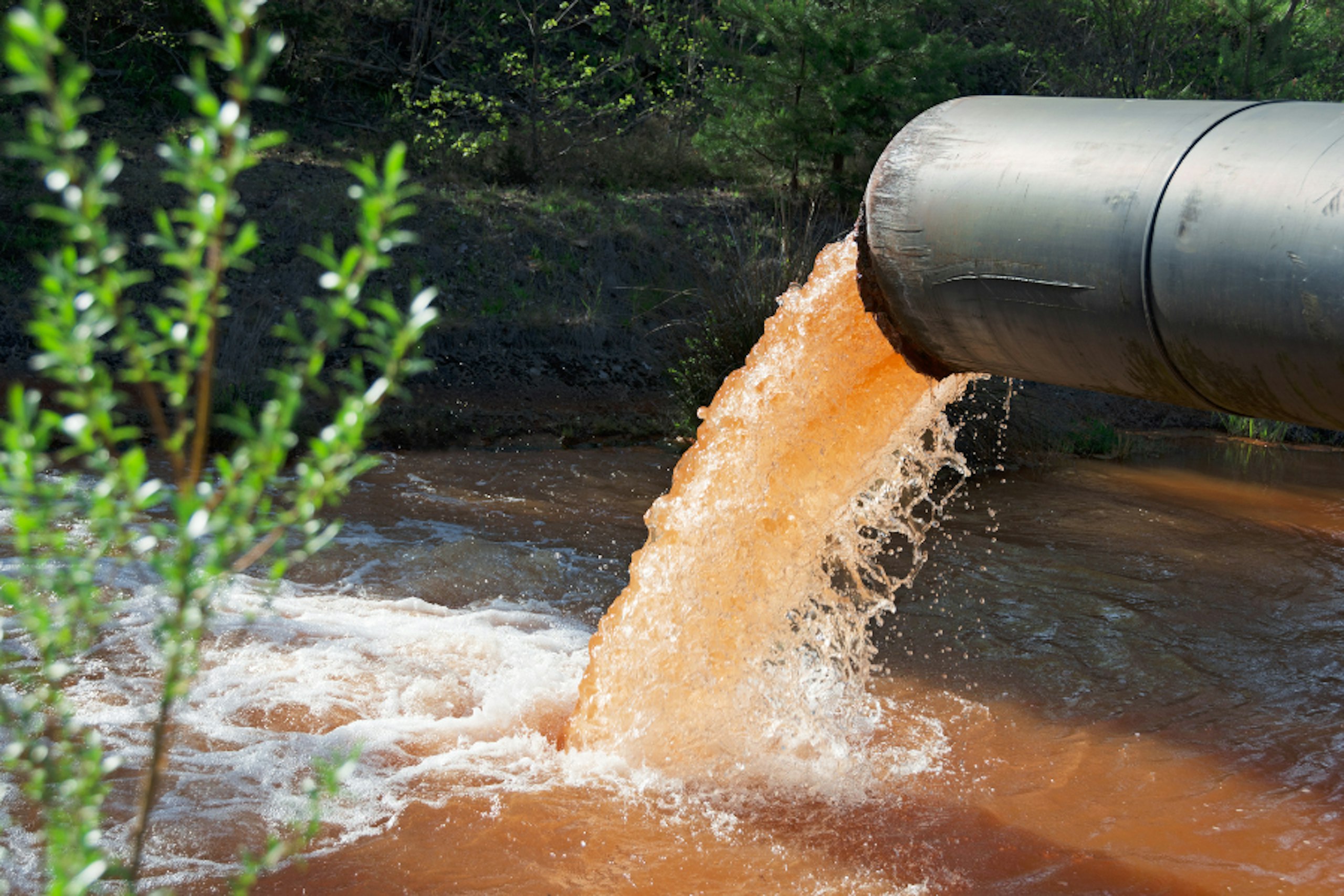
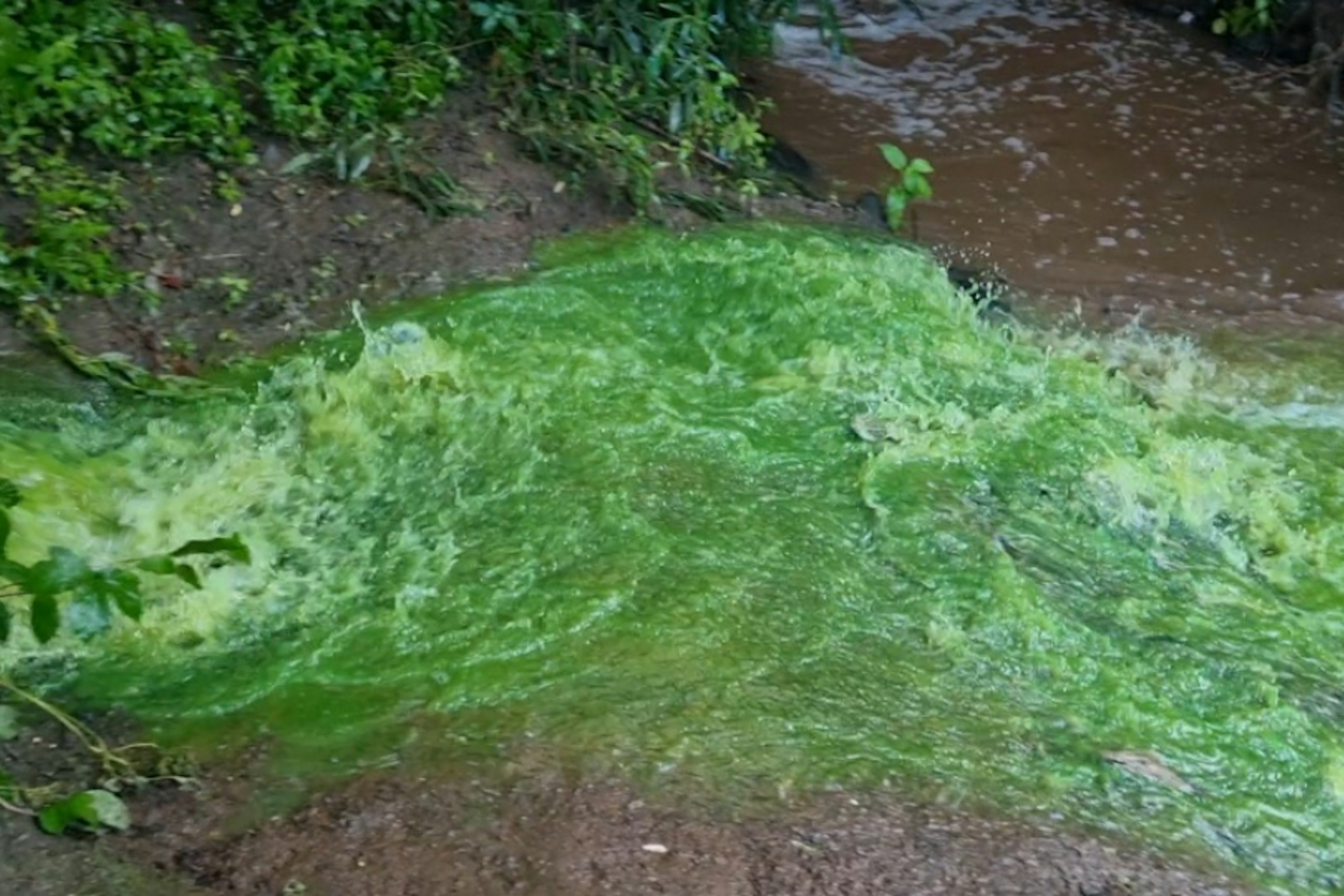
The real worry is that, for a large share of these events, the Environment Agency does not even know what the pollutant was.
Between 2015 and 2019 there were 203 serious incidents where the pollutant is recorded simply as “pollutant not identified”. From 2020 to 2024 that rises to 295.
So, while serious incidents overall are up by 13 percent, serious incidents with no identified pollutant are up by around 45 percent.
Back in 2015–2019, unknowns made up just under 14 percent of all serious incidents. In 2020–2024 they account for about 18 percent. Nearly one in five major or significant pollution events now ends with a question mark in the Environment Agency’s own data.
For anglers or clubs trying to protect rivers, canals and drains, that matters. You cannot fix or prevent what you cannot properly identify.
A national problem, not a local anomaly
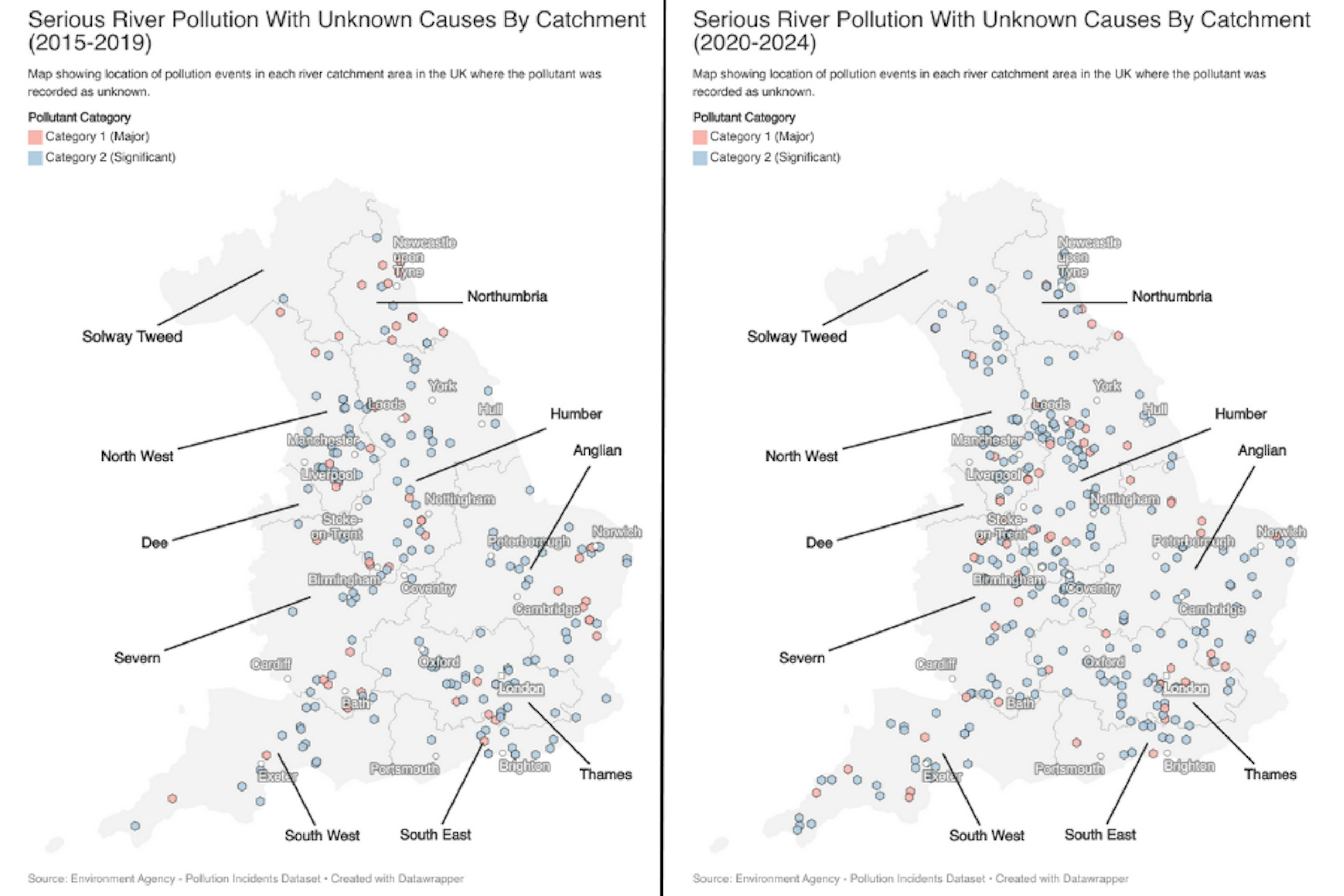
Maps of these “pollutant not identified” incidents show how widespread the issue has become.
In 2015–2019 there are mystery spills in every major river catchment: Solway Tweed, Northumbria, Humber, North West, Dee, Severn, Thames, Anglian, South West and South East. You can see clear clusters on rivers and canals that many of us fish.
In 2020–2024 those clusters thicken, with more incidents recorded as “pollutant not identified” across the same catchments.
Wherever you fish, the odds are that your catchment has seen a serious pollution incident in the last decade that went into the record with no confirmed cause.
Recovery on paper might not mean recovery on the bank
Once the aerators and incident vans have gone, clubs are left with one blunt question.
When will this stretch fish properly again?
For the Canal & River Trust (CRT), that answer comes from a combination of science and what ends up in keepnets. CRT Fisheries and Angling Technical Specialist Adam Dowd spends a lot of time watching polluted waters come back to life.
“Fish surveys ultimately give us the best indication as to the number of fish in that section,” he said. “Anglers’ catches and match results, helps us build up a picture of how that stretch is recovering over time.”
That mix of survey work and real-world catch data is how fisheries teams judge whether a section is genuinely bouncing back in a way that matters to anglers, not just a box-ticking exercise.
The problem with “pollutant not identified” incidents is that nobody knows exactly what they are dealing with.
A diesel film, a high ammonia spike, a pesticide hit and a discharge of slurry all behave differently. Some damage is slow and silent, stripping out entire year classes or wiping out the invertebrates that everything else feeds on. If the pollutant is never confirmed, any recovery plan is guesswork, and proper preventative measures are almost impossible to formulate.
Unknown cause, unknown risk
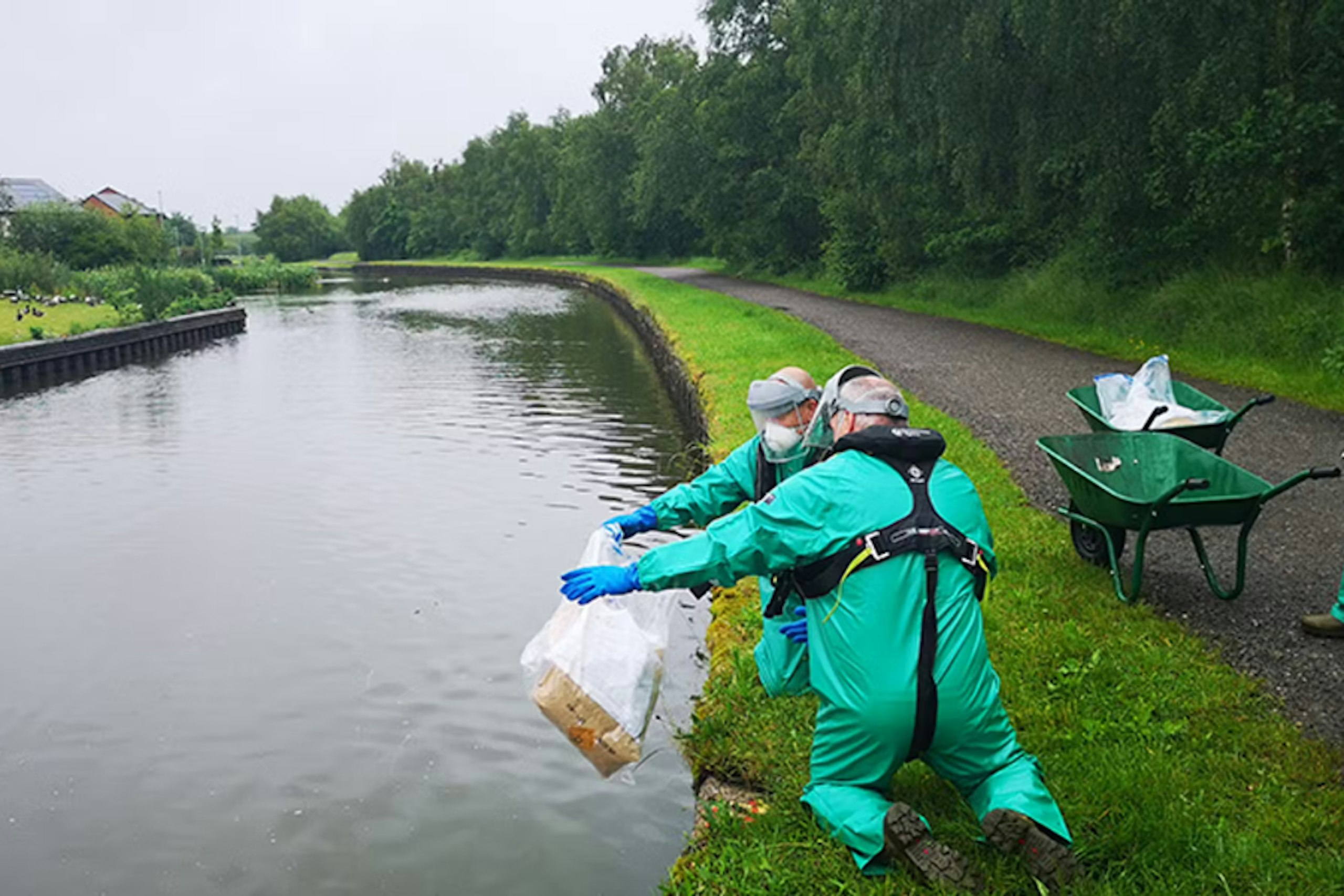
From the Trust’s side, the first job is always to stabilise the water and keep as many fish alive as possible. That means working closely with the Environment Agency and, where needed, bringing in aeration and emergency support.
“With unknown sources, the reality is we do not know if it is a one-off or if it is likely to happen again at the same location,” Adam said. “So, it is vital for us to be able to work with the EA and try to find the source of the pollution and reduce the chance of it happening again.”
That uncertainty is evident in the data. As more serious events slip into the “unknown” column, more stretches are left living with the risk.
If serious incidents where the pollutant is never identified keep stacking up, how are we ever meant to move from firefighting to prevention? You cannot design effective measures, infrastructure upgrades or practical on-the-ground changes around a pollutant if you never managed to pin down the root cause.
Without knowing what caused the damage, “preventative measures” are little more than educated guesses, and clubs are left hoping that luck, rather than planning, stops it happening again.
What river pollution does to angling clubs
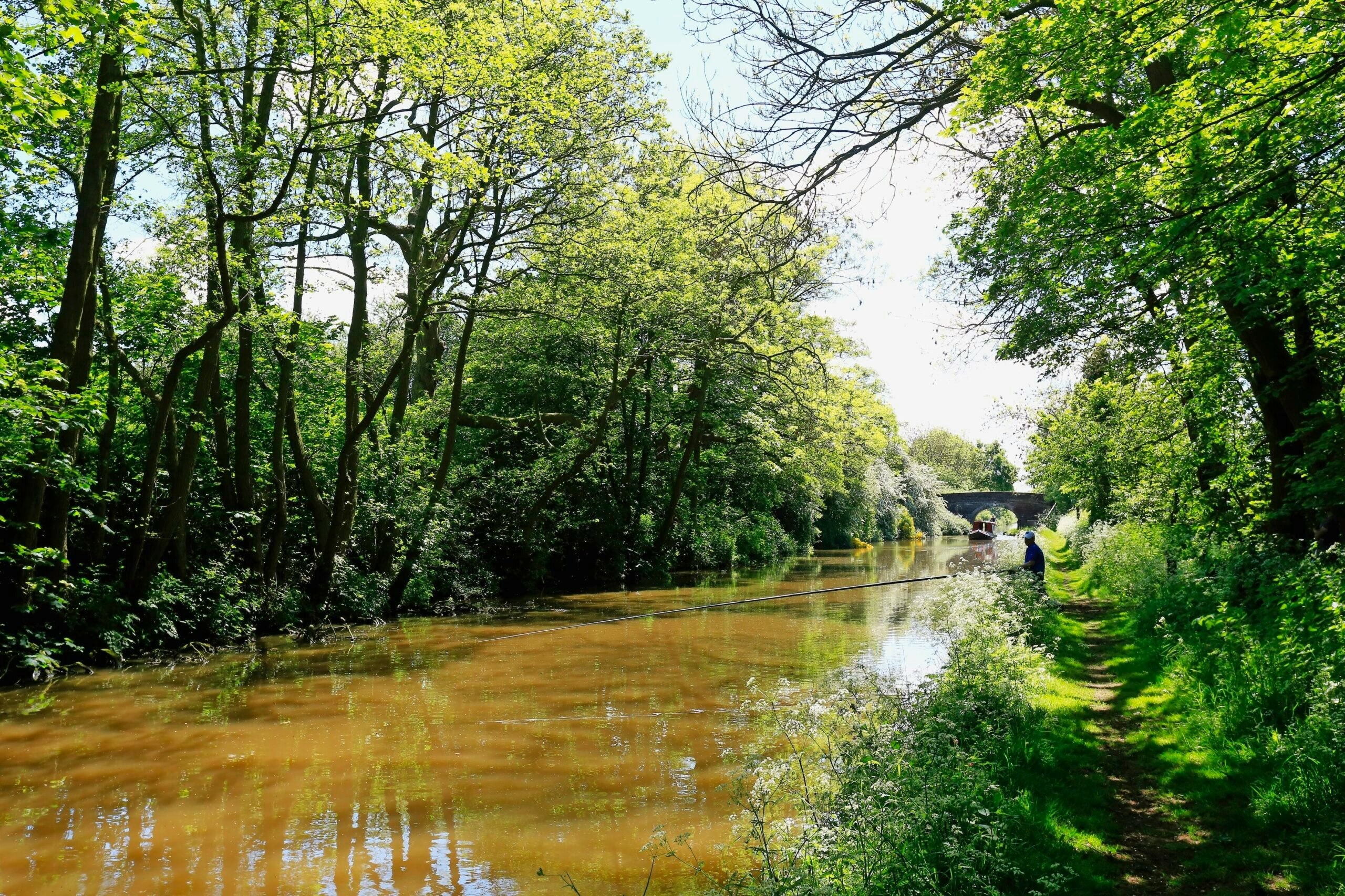
For clubs that lease or rent stretches, a serious pollution incident is not just an ecological knock. It is a direct hit on membership, match bookings and anglers confidence.
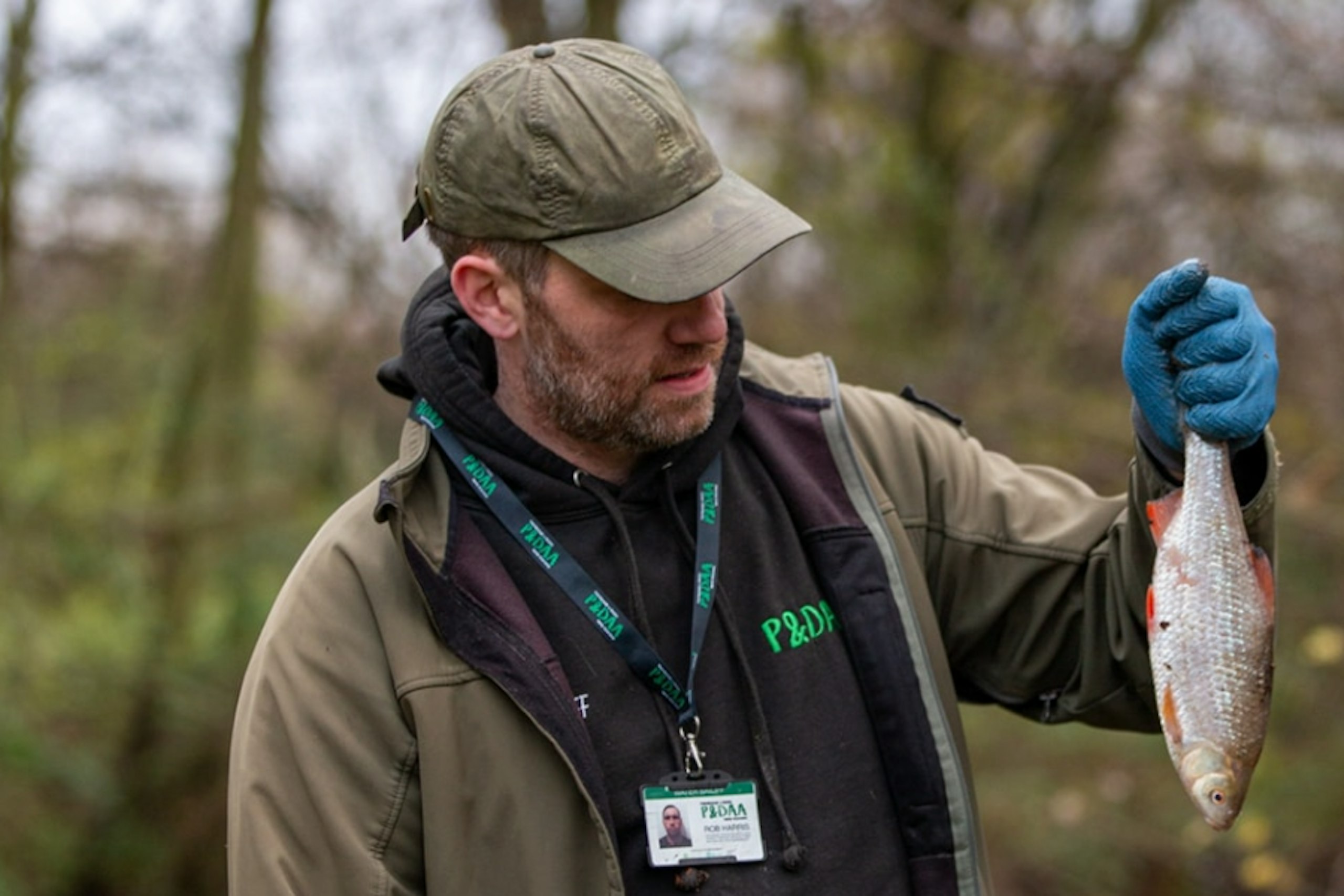
Peterborough & District Angling Association (P&DAA) chairman Rob Harris says serious pollution incidents “have been a major issue at times over the last few years”, with two notable events on their waters. One incident two years ago resulted in “the death of over 5 tonnes of overwintering roach”. The direct loss was bad enough, but the reputational damage lingered long after the fish were cleared.
“It is notable that anglers mention they are not coming as ‘that’s the place where all the fish died’,” Rob said. In a more recent case on the River Nene, media reports using the line “near Ferry Meadows” meant P&DAA saw “an immediate impact on anglers fishing the lakes despite them being unaffected”.
Once the immediate incident response is over, P&DAA then has to pick up the pieces. Rob explains how the club assesses the short and long term impact on stock and habitat, looks at what can be done through habitat improvement and restocking, and works with the Environment Agency to see whether rod licence money and schemes such as the Fisheries Improvement Programme can help fund recovery. He also questions whether, with so many high category incidents now occurring, there should be some form of wider “disaster fund” to support fisheries that take the hit.
For Rob, the rise in “unknown pollutant” incidents makes that whole job even harder. “How do you protect against something if you do not know what it is?” he said. Without that knowledge, it is difficult to justify spending anglers’ hard-earned money on measures that might be entirely ineffective. He also questions why, in 2024, pollutants so often remain unidentified at all, and whether this points to a need for faster and more effective incident response so samples can be taken before pollution becomes too diluted.
When nearly one in five serious incidents now carries “pollutant not identified”, that job gets harder for every club in the same position, because nobody can honestly say that the same thing will not happen again.
Where anglers fit in
The rise in “unknown pollutant” incidents will have lots of causes. Some spills disperse or dilute before officers arrive. Some come from intermittent sources that are awkward to trace. Investigation resources are not limitless.
What the numbers show, though, is that the unknown column is growing fast. Serious incidents are up 13 percent. Serious unknowns are up 45 percent. Their share of the total has climbed from 14 to 18 percent. If that trend continues, our ability to put proper preventative measures in place will shrink, not grow, because more of the real causes will never be nailed down.
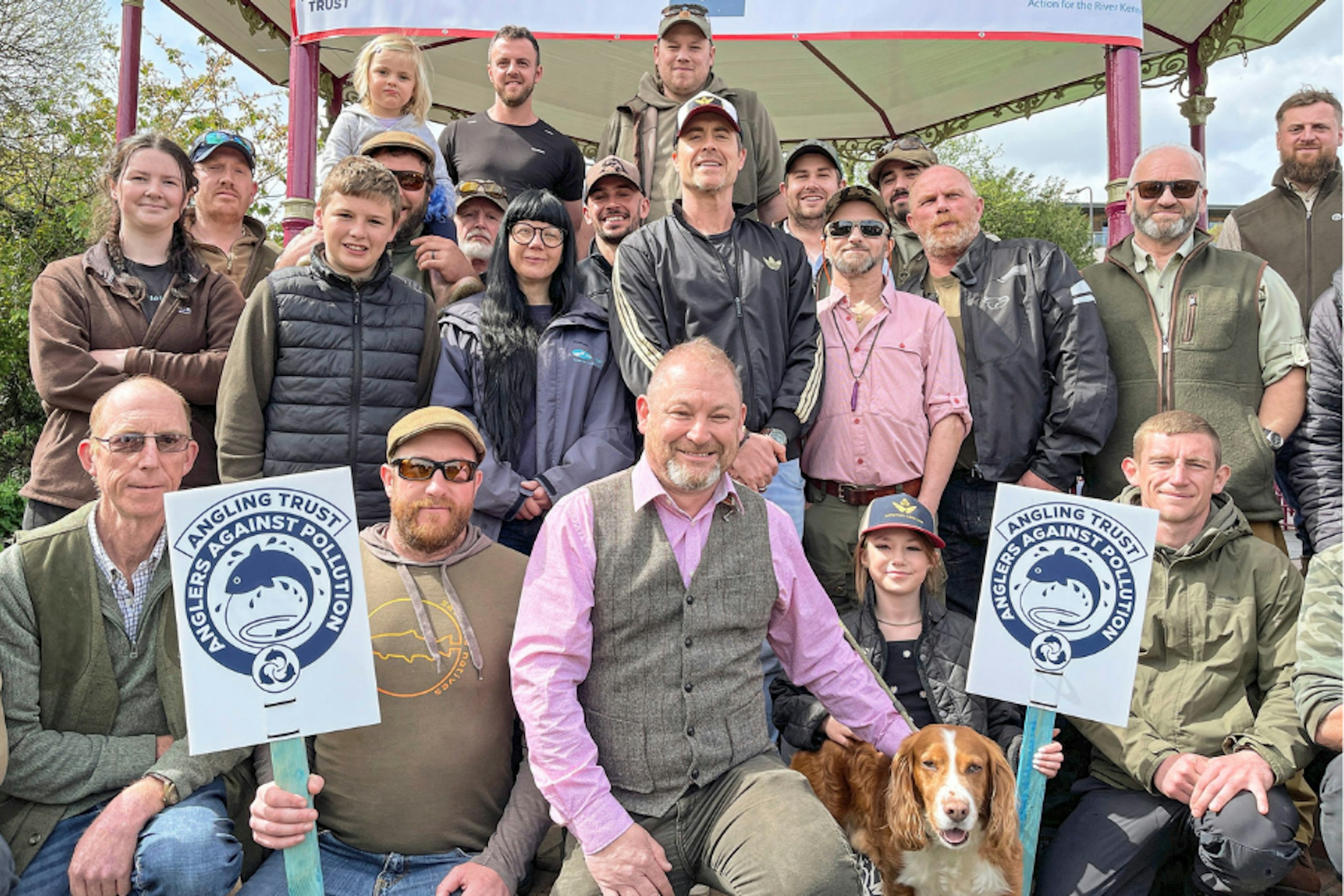
The one group that is almost always on the bank early enough to help change those figures is us.
Both the Environment Agency and the Canal & River Trust stress the same basics. If you see anything suspicious, report it straight away. Give the exact location, time, what the water looks and smells like, any obvious discharge point, and whether fish or wildlife are in distress. You can report it online by visiting GOV.UK or contact 0800 807060.
The more future incidents we can help move from “pollutant not identified” to “this is what it was, and this is who caused it”, the better chance our rivers, canals and angling clubs have of bouncing back when things go wrong, and the better shot we have at stopping the same damage happening again.
What “unknown” looks like on the bank
In early November the Environment Agency issued a factsheet about a major fish kill on the River Wantsum at Sarre, classing it as a Category 1 “Major” incident after a number of fish died along several kilometres of river. Officers attended daily, rescued and relocated fish, and took water samples for lab analysis. The Agency says investigations are continuing to identify the pollution and its source, but no pollutant has yet been named.
For anglers on that stretch, the pattern will feel very familiar: a serious incident, a big loss of fish, and a recovery plan built around dilution and monitoring while the cause remains unclear. If this event ultimately joins the growing list of Category 1 and 2 incidents logged as “pollutant not identified” in EA data, it will be another example of a major fish kill that clubs and local communities must recover from while the official record ends in a question mark.