- Home|
- News|
- News Stories
Water companies flushing antibiotic-resistant bacteria into UK rivers
@Mark Barrow
by Freddie Sandford |
Published on26th February 2026 at 10.05am
Follow Angling Times on Google
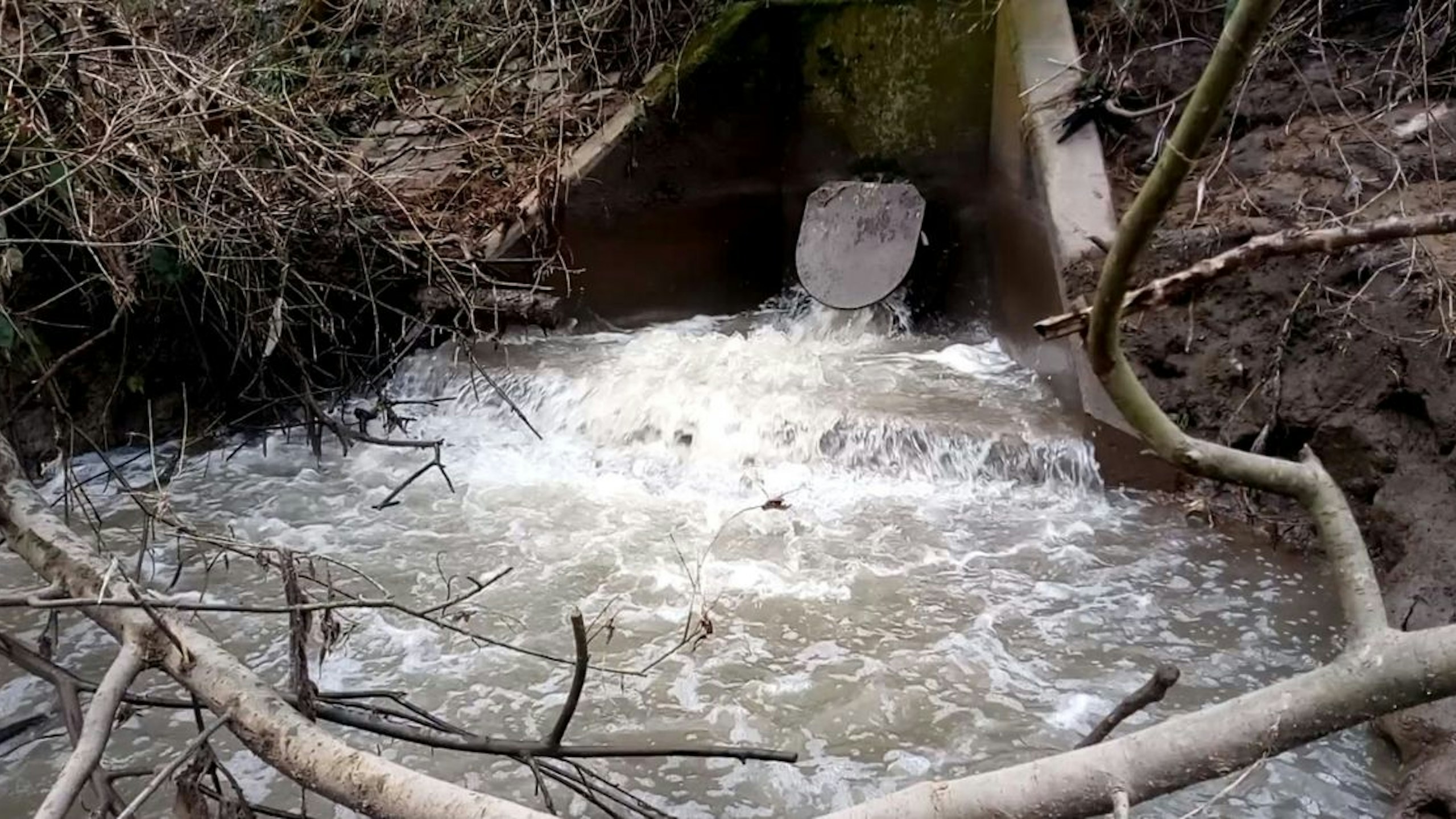
A pilot study of the rivers in a major UK city has found high concentrations of harmful bacteria that pose a huge risk to anglers and the wider public.
The study, led by Dr Rob Morley of Index Microbiology and supported by Windrush Against Sewage Pollution (WASP), the Angling Trust and HoT Water, investigated the presence of ESBL-producing bacteria in the rivers of Oxford. This bacteria is resistant to many common antibiotics, and the World Health Organisation has designated antimicrobial resistance as one of its top priorities.
Of the samples, 97% tested positive for ESBLs, with the highest concentrations near major sewage outfalls.
“Our government and regulators seem to be ignoring a serious and invisible health risk – one that is avoidable," said Ash Smith, co-founder of WASP.
“They know that antibiotic resistance is a global crisis, but water companies are flushing it into our rivers without even a warning sign in high-risk areas.”
Alex Farquhar of the Angling Trust said: “Not only does the river pose a risk to anglers encountering polluted water and contaminated fish, but we also have no idea of the impact of these pathogens on the broader ecosystem.”
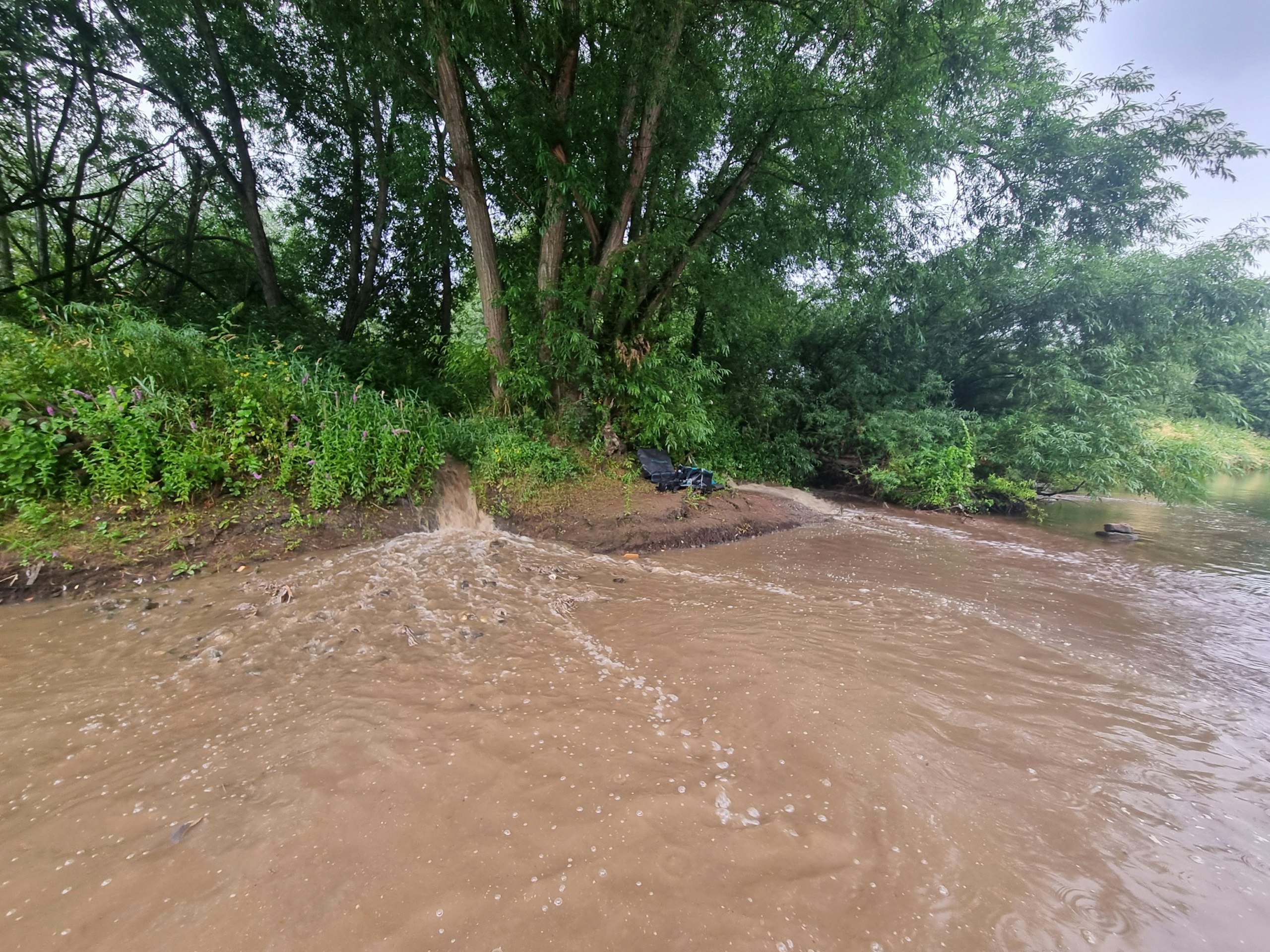
This sewage outfall almost swept an angler and his fishing tackle away in Bridgnorth!
Just so you know, we may receive a commission or other compensation from the links on this website - read why you should trust us