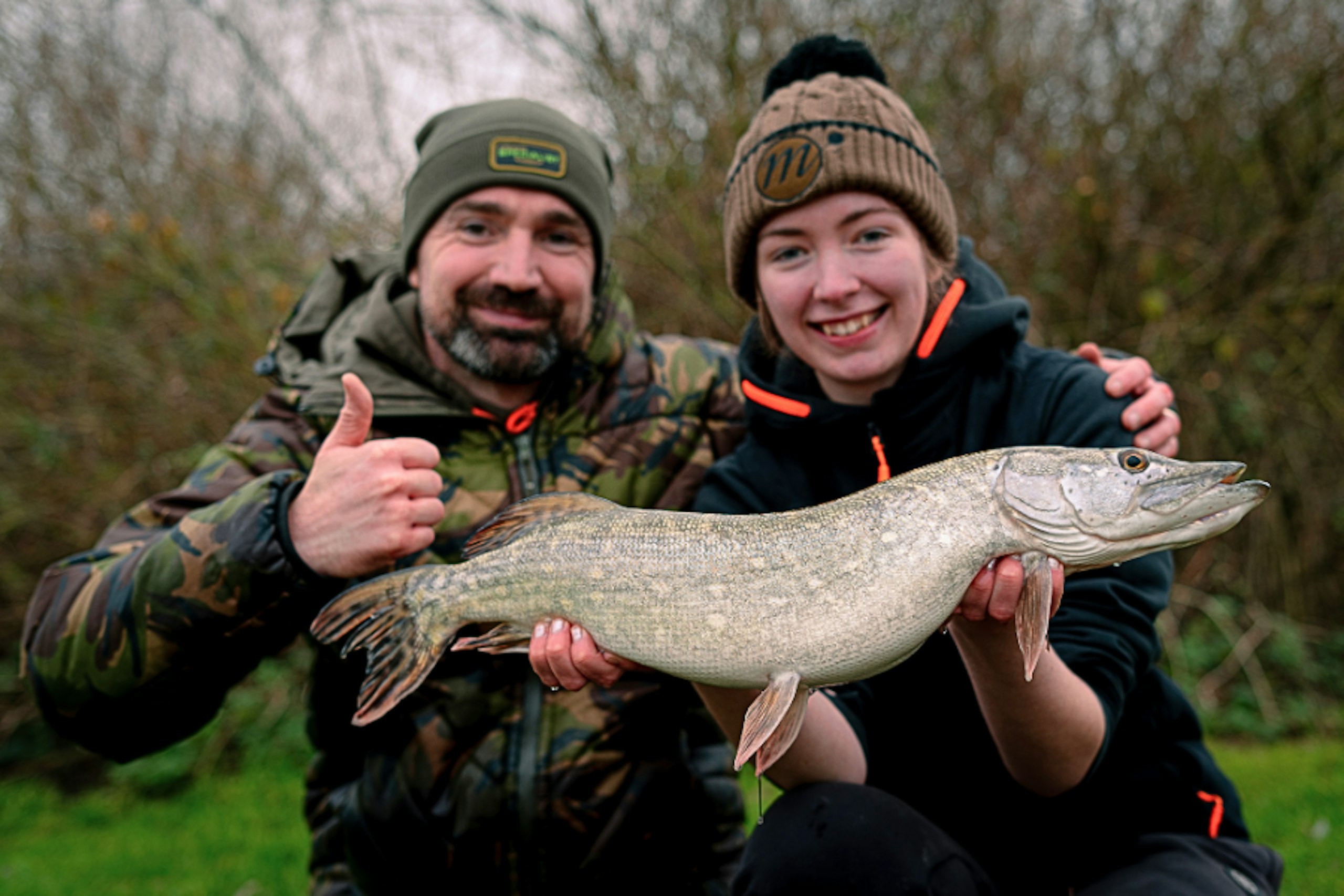
While we may be getting closer to the end of the traditional predator fishing season, there’s still plenty of time to have a go at catching your first-ever pike.
They are such an obliging fish and can be caught in the harshest of conditions, which makes them a perfect target during the colder months.
They can also be caught on relatively short sessions, which means you can get out for a couple of hours, catch a fish and be home before it gets dark, with no need for long overnight trips. If you have never caught a pike before, now is the perfect time to change that. Here are a few basics that can help you put one of these magnificent predators on the bank.
THE BEST PIKE FISHING RODS ARE BUILT TO TAME THESE POWERFUL PREDATORS.
Find the prey, find the pike
A major factor which makes pike such an accessible winter target is that almost every single type of water holds them. Whether it be a lake, canal or on a river, your nearest venue will almost certainly contain pike. Their size and numbers can vary, but you are always in with a good chance of catching one.
As with any species, they will favour certain areas, and with pike it can often be a case of tracking down the baitfish that they feed upon.
In the winter, silverfish such as roach, rudd and skimmers will shoal up in certain areas of the lake and the pike will never be far behind. If you walk the water at dawn or dusk, these silvers will often give themselves away by splashing on the surface. Once you have found them you can be confident that the pike will be close-by.
Pike are highly evolved predators, and areas of cover where they can hide and wait to ambush these shoals of silverfish with their lightning-fast pace are often good spots to target. Reed beds, fallen trees and any structures offering hiding places from which to flash out and grab a passing meal should all be investigated thoroughly, and make a great starting point.
THESE VENUES OFFER A REALLY GREAT CHANCE OF CATCHING YOUR FIRST PIKE...
Tackle & tactics
There are two main ways of baitfishing for pike – either with a float, or by legering. Regardless of which method you choose, there are a few important essentials to remember. Pike have row upon row of razor-sharp teeth which will easily cut through normal line.
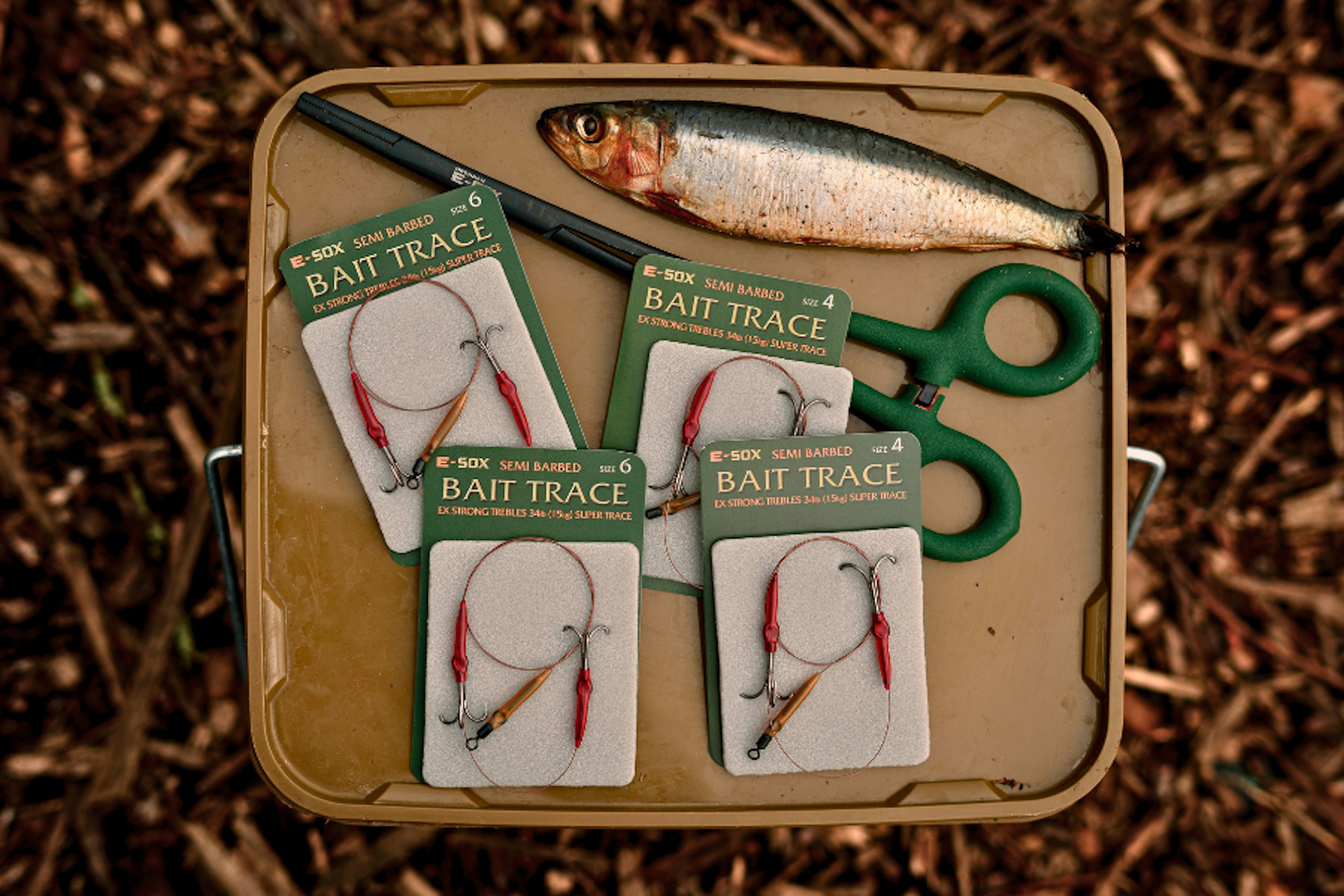
Therefore, a wire trace is an absolute must. Ready-made traces are available, and perfect for those new to pike angling. Additionally, strength is important, as you don’t want to risk leaving hooks in a pike. Therefore, your mainline should be a minimum of 20lb if using monofilament, or 50lb-60lb if using braid. This will ensure you can retrieve your tackle from even the fiercest snags.
If float fishing, use a nice bright, buoyant float, a weight to hold the bait down and a snap swivel to attach your trace. A sliding stop knot and bead above your float enables you to quickly change the depth your bait is presented at, and allow you to target different areas.
LEARN HOW TO TIE AN EFFECTIVE FLOAT FISHING RIG FOR PIKE IN THIS GUIDE...
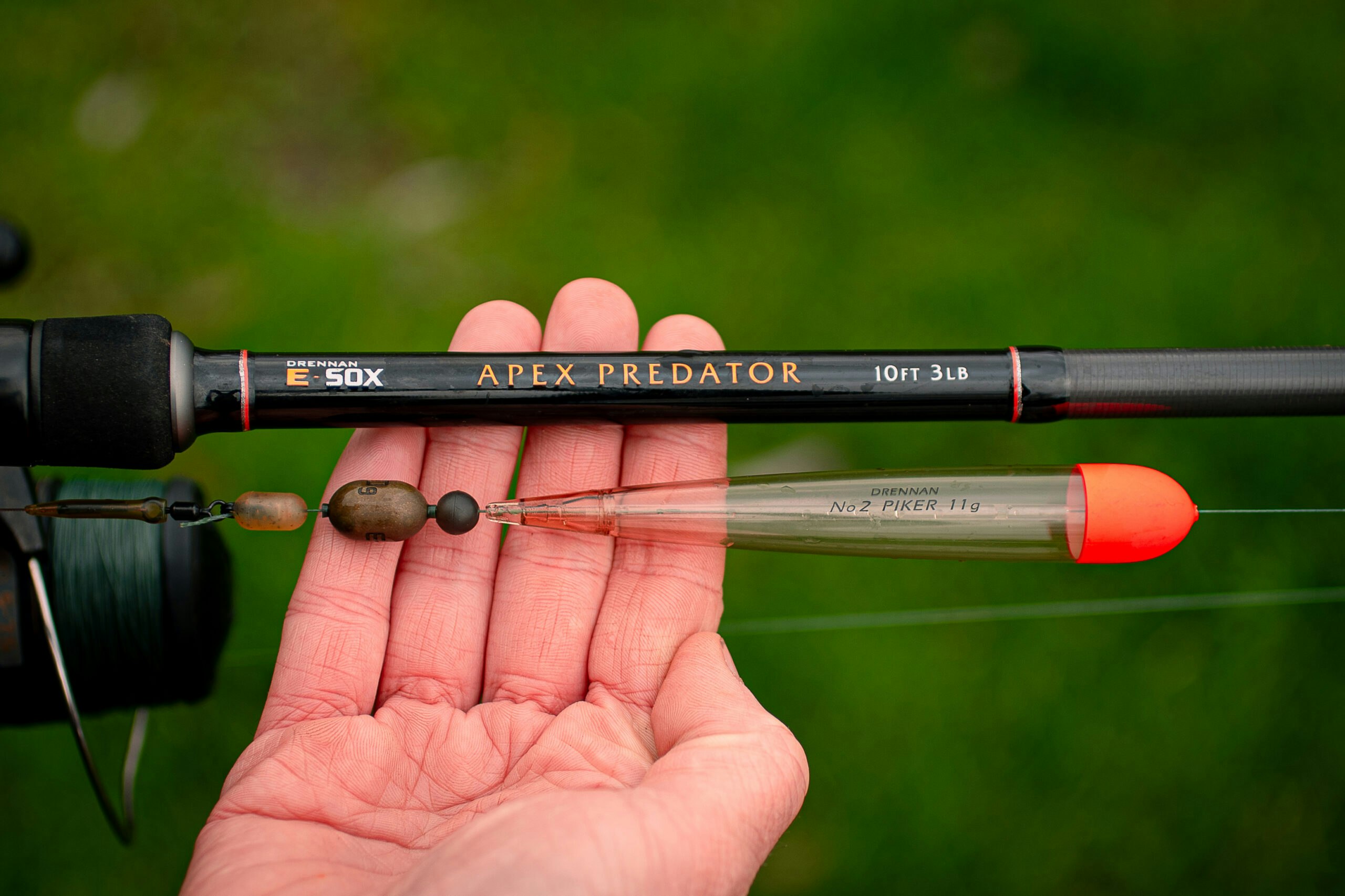
When it comes to legering the rigs are equally simple – a large bore run ring, a bead to protect the swivel and again a wire trace. Pike do not tolerate resistance, so bite indication is a little more complicated. Any normal bite alarm can be used and, if it has sensitivity control, then turn it up to maximum.
A drop-off indicator positioned behind the reel will show both full-blooded runs and drop-backs without offering too much resistance, which could result in the pike dropping the bait.
Finally, using a heavier lead over a lighter one will make sure the line runs freely through the run ring, rather than having the lead skipping across the bottom.
IN THIS BEGINNERS GUIDE DISCOVER EXACTLY WHAT YOU NEED TO START PIKE FISHING.
Tools of the trade
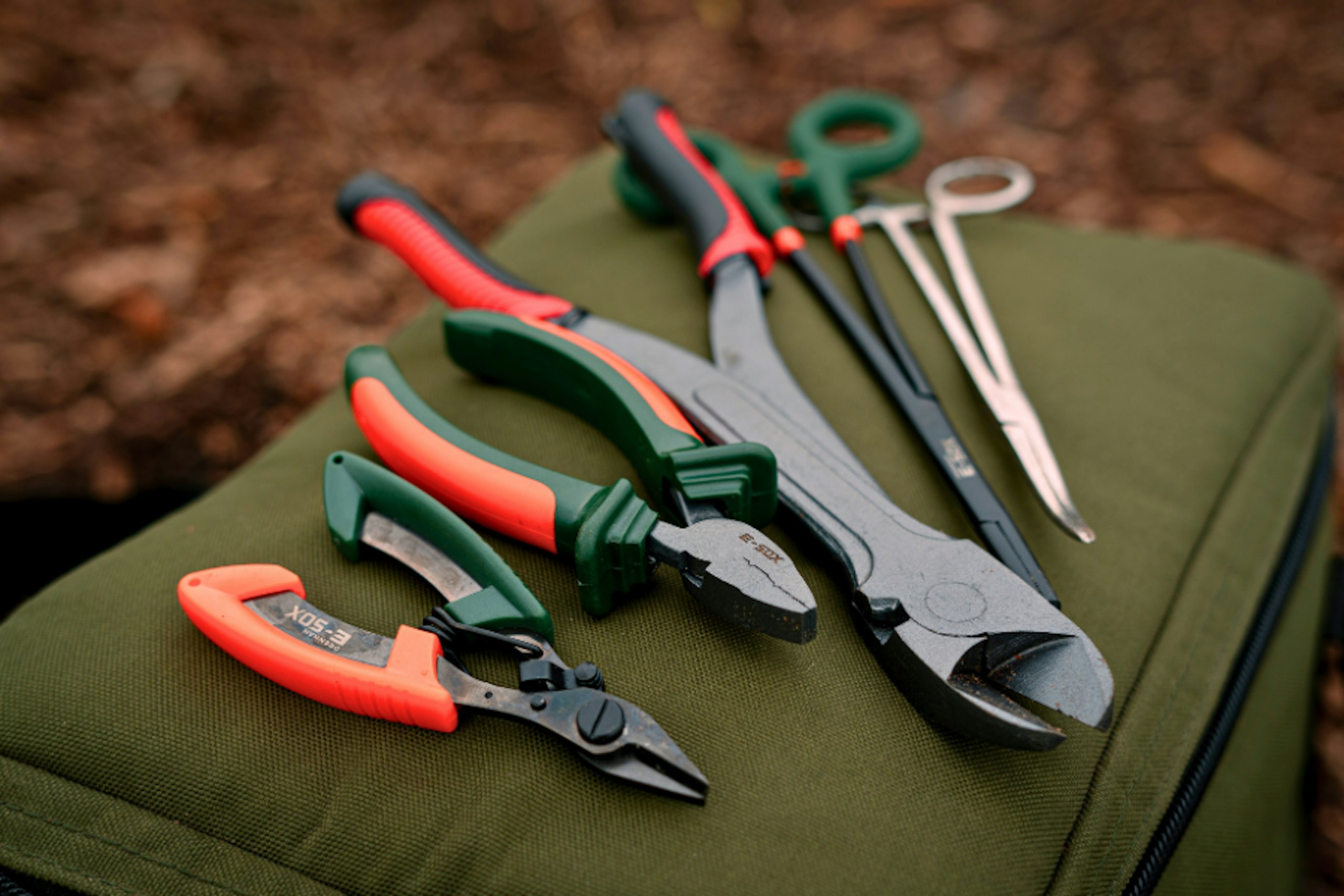
Another essential that every pike angler must carry is a good selection of unhooking tools. It is dangerous to both the fish and angler to attempt to unhook one without them.
There are multiple different types which all serve a slightly different purpose, but as a minimum you should carry long forceps and wire cutters. The forceps enable you to remove hooks from inside the mouth without having to put your hand among those sharp teeth, while the cutter enables you to cut hooks that have become too deeply embedded to remove safely.
If possible, it is always best to go out with an experienced pike angler for your fist couple of trips until you can confidently unhook your prize – while pike may look pretty ferocious, they’re actually very fragile.
HANDLING PIKE CAN BE PRECARIOUS LEARN HOW TO HANDLE AND UNHOOK PIKE PROPERLY.