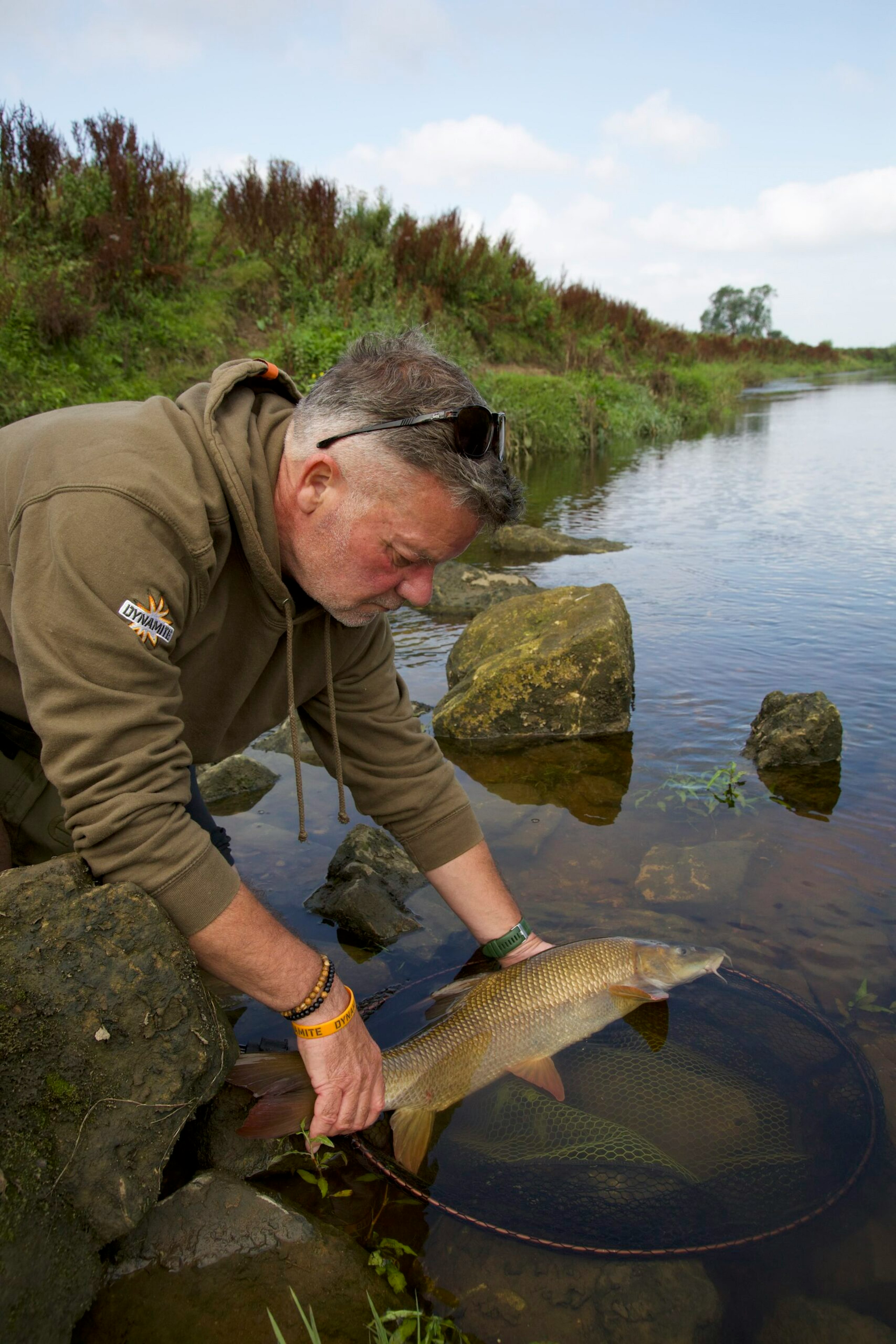
Regardless of the species being targeted, the following general fish-care guidelines will stand you in good stead and make sure that every fish you catch goes back to its watery home in the best health possible.
Prior preparation
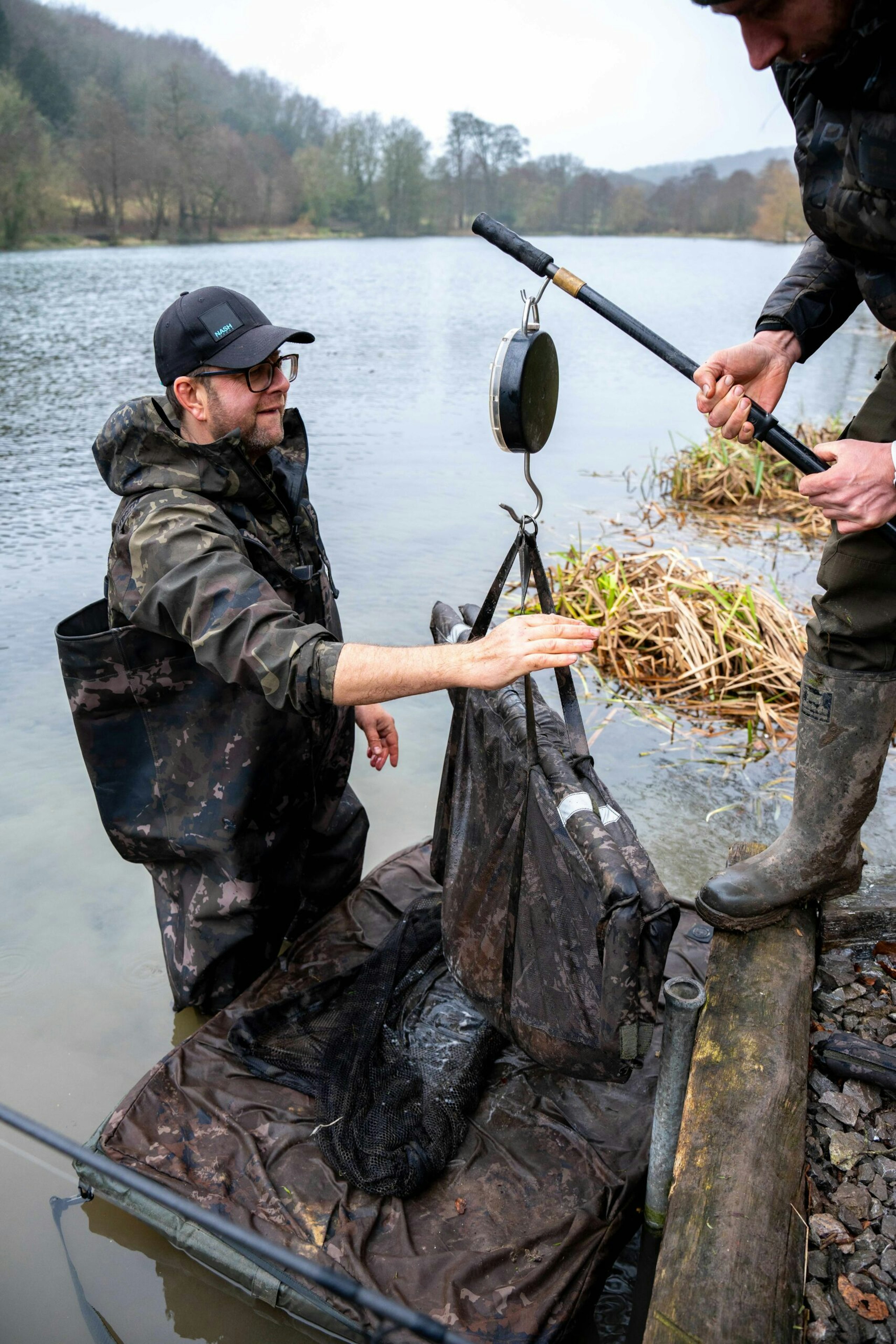
The way you treat your catch starts before it is even hooked. Always use an unhooking mat (modern ones can often be rolled up and attached to your rucksack with a carabiner clip), and have a safe, flat area earmarked for the unhooking process, with other necessary gear such as disgorger (or forceps) and weigh scales at the ready.
THE BEST UNHOOKING MATS ARE ESSENTIAL FOR KEEPING FISH SAFE ON THE BANK!
Wet hands for handling
Handle fish with dry hands and you risk removing their protective slime – they will wriggle more too! Use wet hands, never a towel or rag of any kind, to hold a fish, because this will also remove the slime and leave it vulnerable to infection. If a fish flaps about on the mat, cover its eyes with the landing net mesh to calm it down.
Keep your catch in the water
The ultimate way to ensure the welfare of a netted fish is not to remove it from the drink at all. If you fish a river or lake with shallow margins, you might be able to simply slip the hook out and release the fish without ever taking it ashore.
IF YOU CATCH A PIKE, FOLLOW THESE TIPS TO HANDLE AND UNHOOK IT SAFELY!
Kneel, and cradle
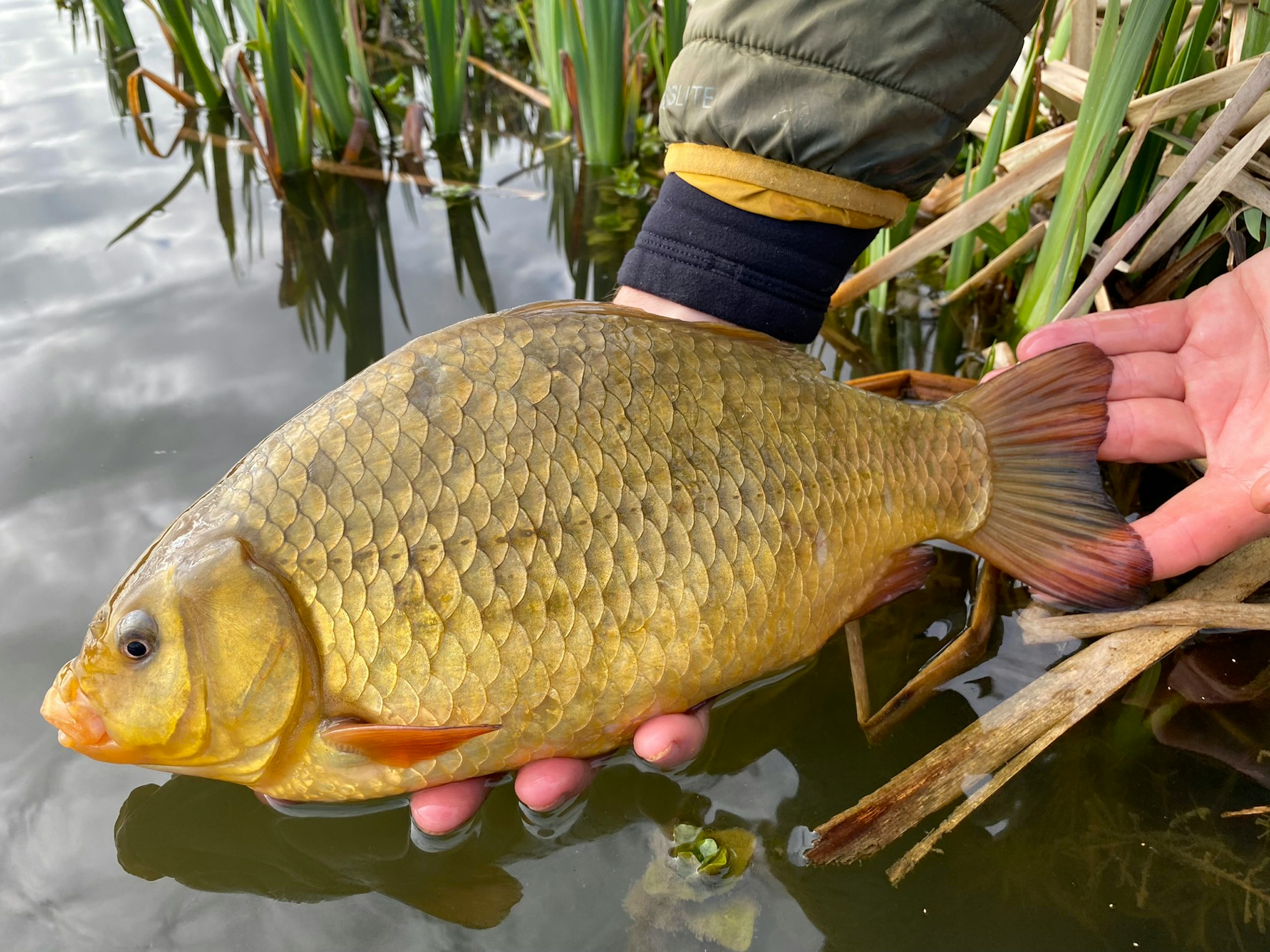
Always kneel when holding a fish up for a picture. Drop it when kneeling over an unhooking mat and it’s unlikely to come to harm. If you are standing up and it flips, it could be disastrous. Some anglers squeeze fish into unnatural poses for catch shots, but most of the fish’s vital organs are below the gills and towards the front, so avoid pressure on this area. Instead, use a cupped hand, perhaps holding the wrist of the tail with your other.

Revive and return
A fish that has fought hard might be too tired to swim off strongly right away. So, be prepared to hold it upright in the water, facing it into the current if it’s a river fish. Barbel, pike and grayling require extra-special care, so be patient until the fish’s fins start rippling and it attempts to swim off with a kick.