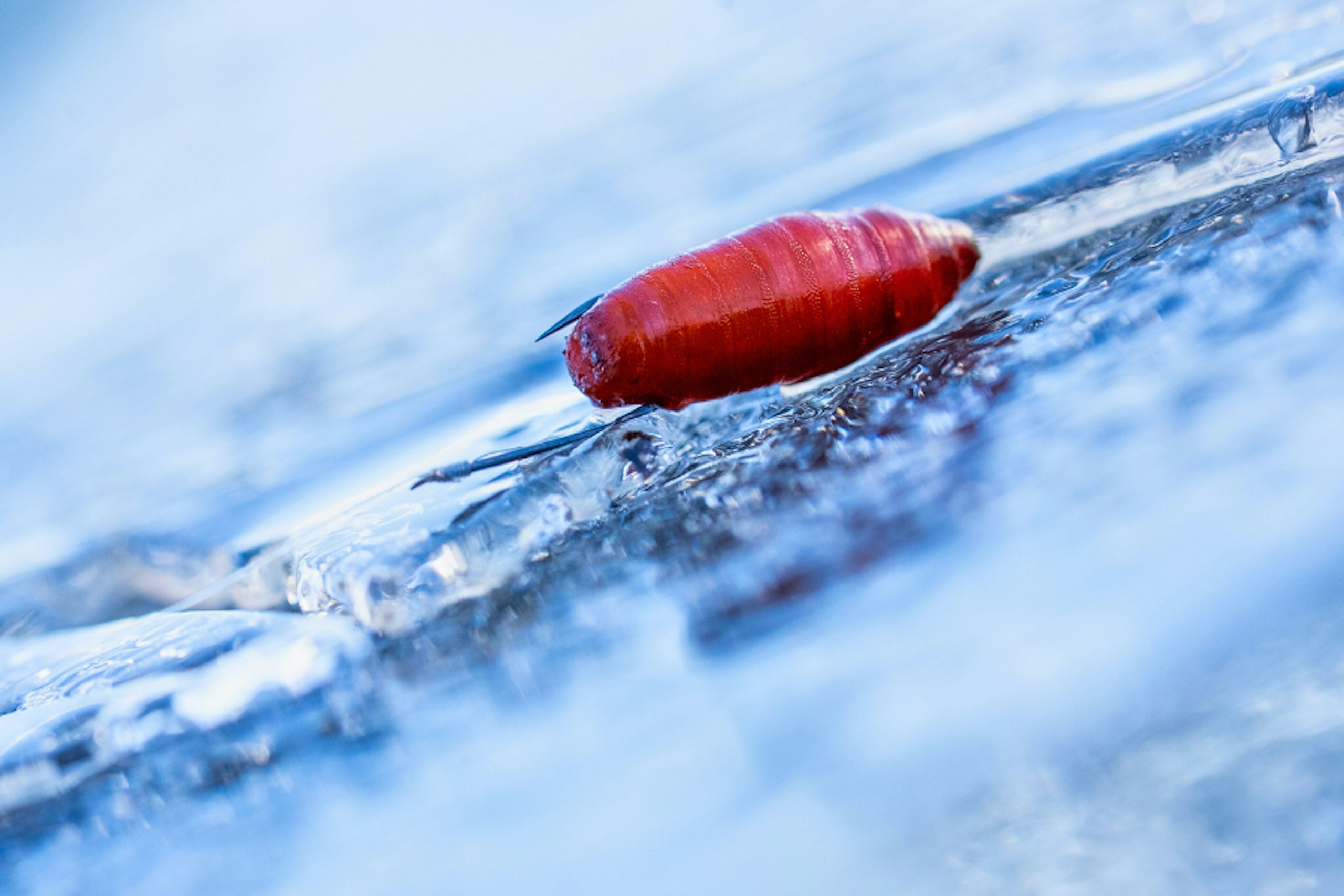
At some point every winter, we are usually faced with a good few weeks of bitterly cold weather, and with that, our favourite lakes usually ice over. When such arctic conditions do hit, battled-hardened anglers who don’t fear the cold will be left with a decision to make. Stay at home and put fishing on the back burner for a bit, or tackle the conditions head-on and use a breaker to smash through the ice.
One man that never shies away from such a challenge is Frankie Gianoncelli, and he’s urging other anglers to give it a go, should the situation arise again.
THE BEST FISHING POLES WILL MAKE FISHING THROUGH THE ICE MUCH EASIER.
Break the ice properly
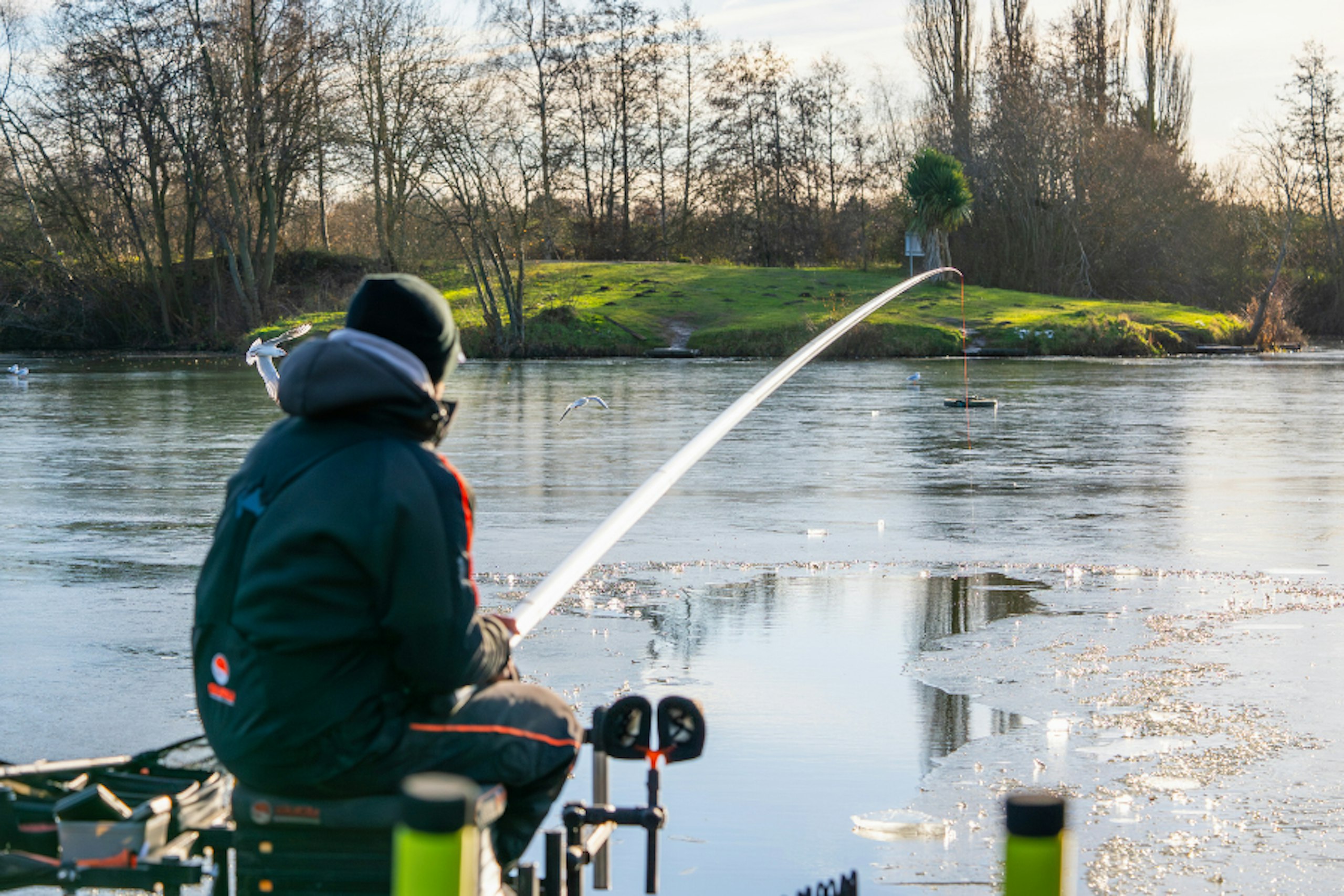
Always use a proper ice breaker, typically in the 6lb–8lb weight range, with a short chain attached. The chain allows you to cut the ice in a controlled manner, rather than smashing random holes and creating unnecessary vibration.
Thin rope is essential as it ‘casts’ better, is easier to handle, and doesn’t absorb too much water. Gloves are also non-negotiable, and a heavy-duty waterproof pair protects against rope friction burns.
Throw the ice breaker at least 13m, allowing you to reach spots where the fish feel safe. You throw it to the distance you intend to fish and then use the chain to cut back to the edge. If the ice is exceptionally thick, you’ll start closer in and gradually work your way out, carefully widening the channel.
The width of the channel matters, and keeping it narrow preserves cover while still giving you room to fish properly. Fish feel secure under ice, and a tidy channel encourages them to feed rather than scatter.
Once the channel is cut, remove any loose ice. You use a landing net for pieces close-in and a pole with a cup for the sheets further out. Keeping the swim tidy reduces interference, and can be the difference between a few bites and a frustrating session.
STAY WARM AND DRY WITH THE BEST WINTER WATERPROOFS.
Kick start the swim
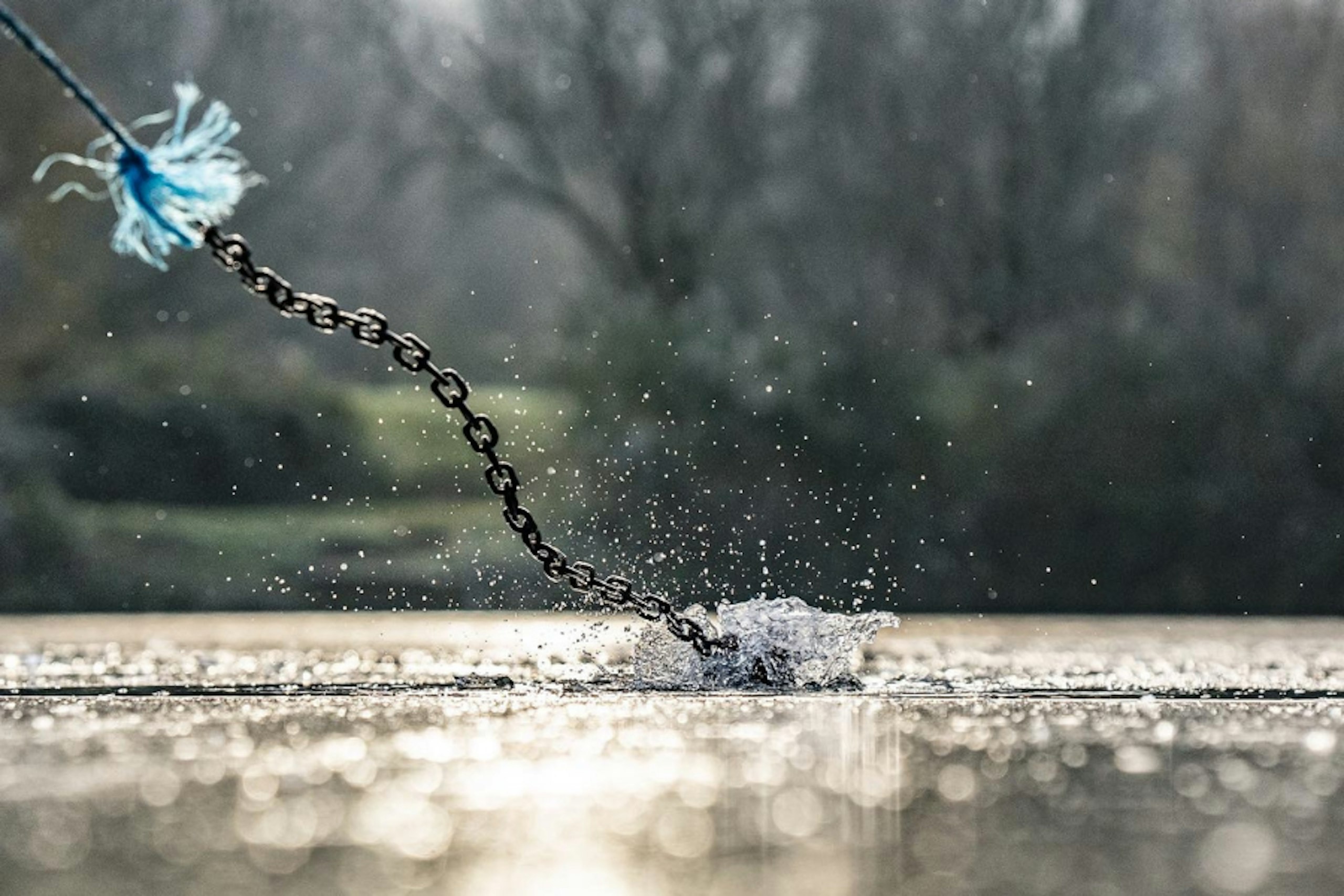
When it comes to the fishing, select a spot, usually on a long pole line as far from the bank as possible and tight to the ice edge, and then commit to it.
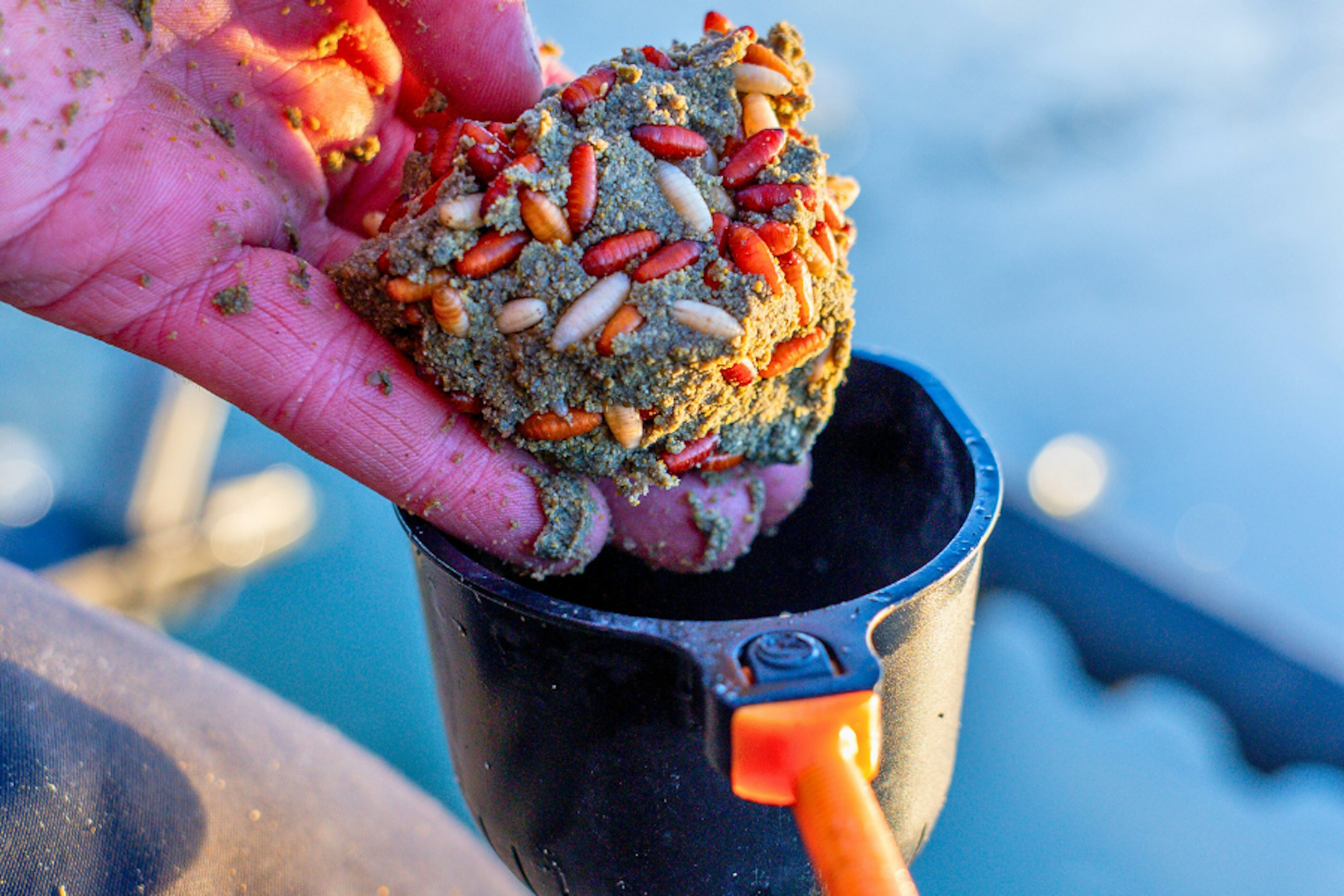
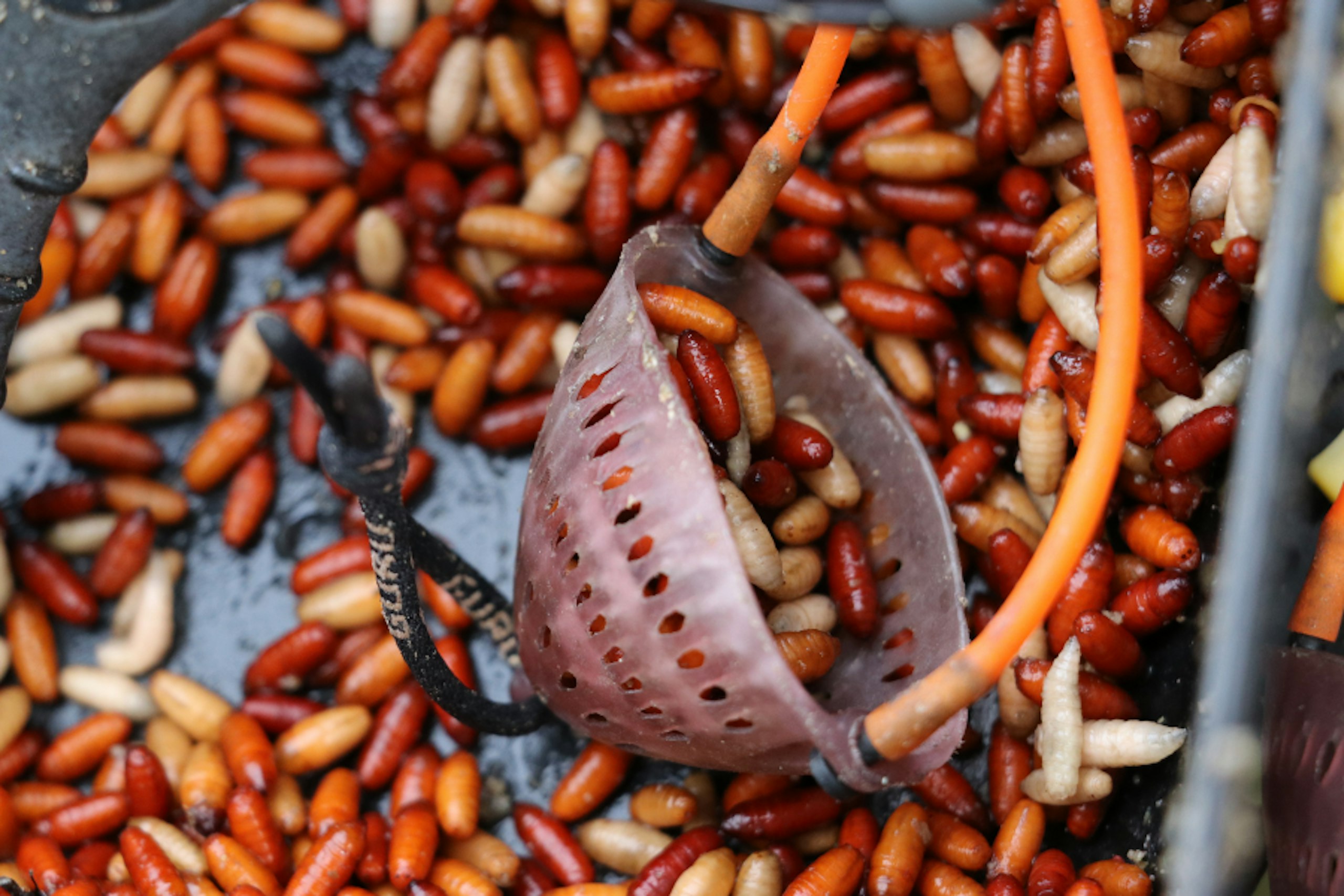
Groundbait is essential, as it holds fish in the area without filling them up. A good mix is a small ball of 50/50 Mainline Match F1 Dark and 100 per cent Ground Expander, with a pinch of pinkies, maggots, and a few casters. This will activate the swim without overdoing it.
Let the peg settle for at least 30 minutes after feeding and if you anticipate a struggle, don’t hesitate to leave it for an hour. Fish need time to explore the baited area and get comfortable before they start feeding in earnest.
LEARN HOW TO PREPARE YOUR GROUNDBAIT PROPERLY WITH THIS EXPET GUIDE.
Keep the shoal stimulated
Groundbait will get the fish into your swim, but there is a risk they’ll soon just sit dormant over the top of the carpet of small particles.
Keeping a trickle going in via a catapult will stop this from happening and make sure the fish in front of you are regularly stimulated by food falling past their noses.
The noise created by loosefeeding is a surprisingly effective tool in winter conditions too. Regularly feed maggots and casters, with the latter being particularly effective because they make a louder splash and catch the attention of feeding fish.
It’s important not to overdo it, though, and 20–30 casters every five minutes will usually be enough.
FEED ACCURATELY WHILST SAT ON THE BEST FISHING SEATBOXES.
Lighter rigs rule
Bites when fishing in the ice tend to be subtle, so rig choice is critical. Scale everything back slightly to match the conditions.
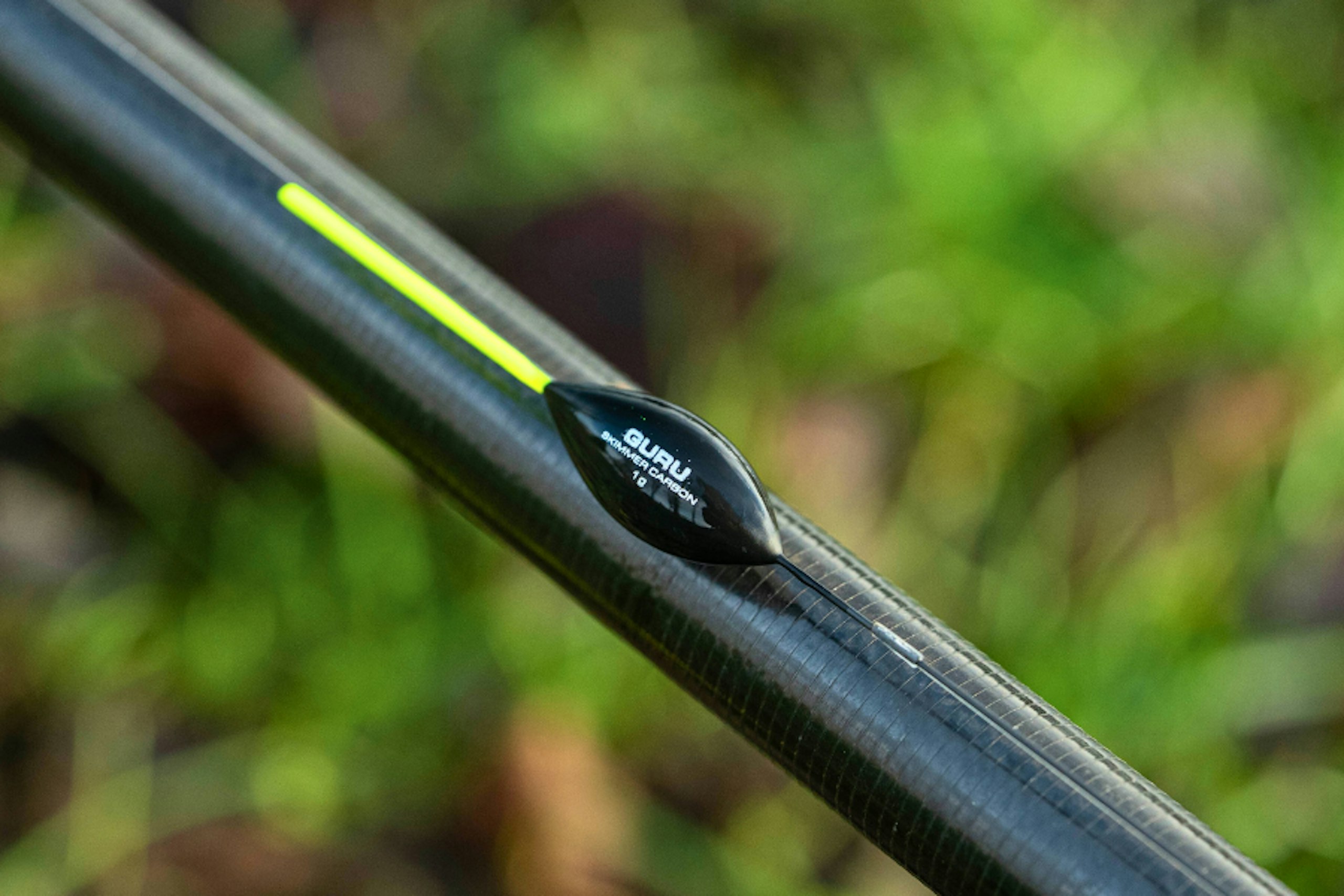
Elastic is a grade six for mixed bags, and in swims up to around 10ft deep a Guru Skimmer Carbon float with a round body and fine fibreglass bristle is ideal. Use between 0.75g and 1g. When in doubt, you always err on the lighter side as it will generally get you more bites on those difficult days.
The shotting pattern is a 50cm reversed taper, which is made up of a bulk of No9s and four No13 Guru Micro Cube trimming shots, followed by a strung taper of No9 dropper shots with gaps increasing down to 6ins.
A 6ins hooklength of 0.09mm goes on at the business end to a size 16 Guru Fine Wide Gape hook.
CHECK OUT THE 5 MUST HAVE SILVERFISH POLE RIGS IN THIS HELPFUL GUIDE.
Rotate three hookbaits
Maggots, pinkies and casters all come into the equation on the hookbait front, with the latter being a favourite of the three.
Casters are ideal for attracting the better stamp of the species that you are likely to encounter in the cold, and big roach and perch are more than happy to eat them.
If the going gets really tough, maggots and pinkies are more reliable. It can often be a case of starting on these and getting the small fish to compete, before switching to casters later in the session once you’ve sparked a little competition.
IN THIS ARTICLE WE GIVE SIX ESSENTIAL TIPS TO CATCH MORE FISH IN THE WINTER.