- Home|
- Advice|
- Tips
Elasticated vs inline Method and Hybrid feeders
Where fishery rules allow both, which is best. An elasticated or inline method or hybrid feeder?

by Tony Grigorjevs |
Published on21st April 2026 at 10.44am
Follow Angling Times on Google
Ask a group of feeder anglers whether they prefer an elasticated Method or Hybrid feeder or an inline version, and most will already have a firm answer.
For plenty, that choice is based on preference first and foremost, even if that preference has been shaped over time by fishery rules and the confidence built on certain venues. But where both are permitted, the decision is worth more thought than it often gets.
Fishery rules can rule out elasticated versions, and I’ve noticed that anglers in the North show a marked preference for inline, while in the Midlands it’s elasticated.
I’m sure this is caused by the fact that most fisheries in the Midlands allow elasticated feeders, whereas those in the North don’t!
CHECK OUT OUR PICK OF THE BEST CARP FEEDER RODS.
First choice
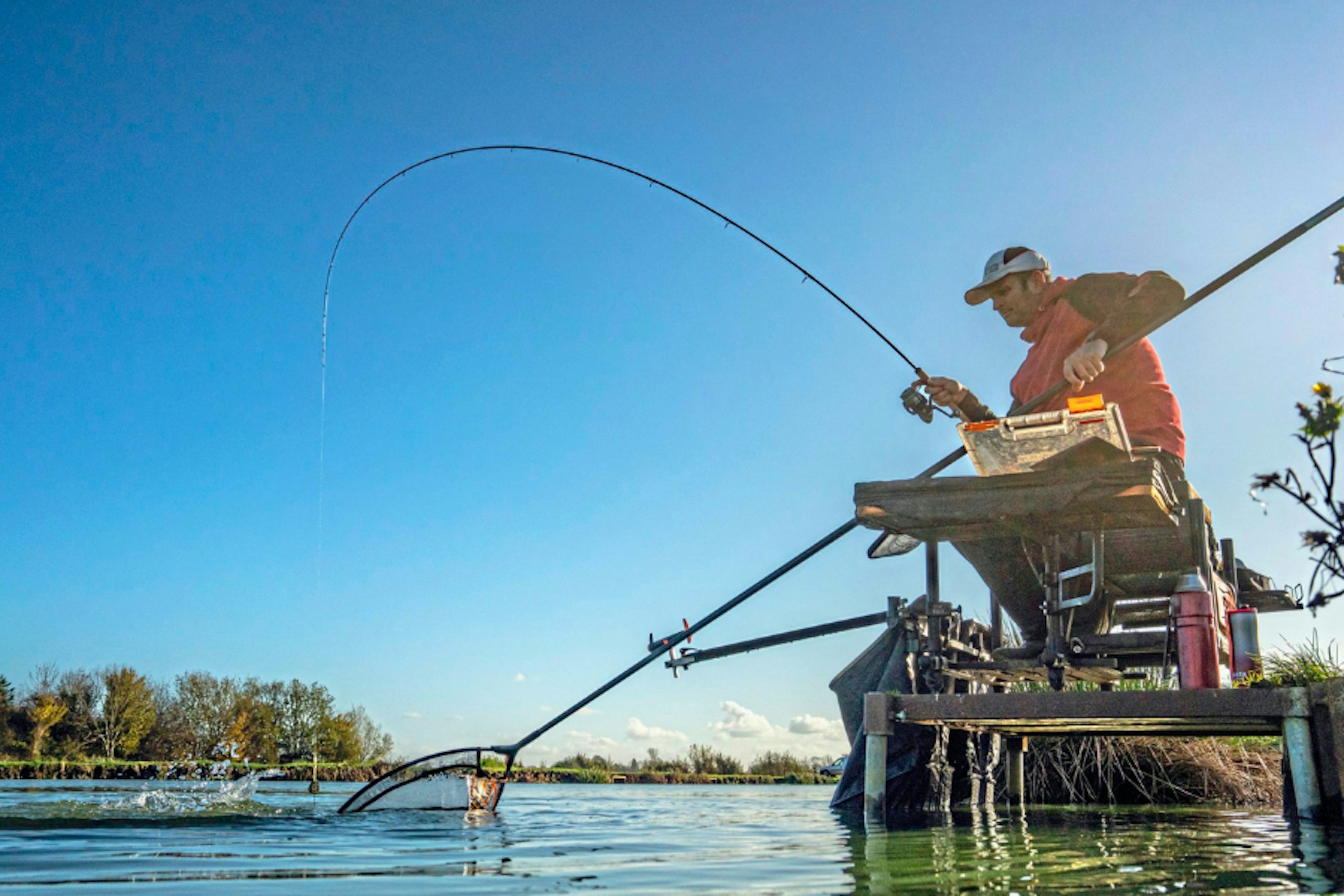
If both were allowed, then I would usually go with an elasticated Hybrid or Method feeder. There are a couple of reasons for this, and the first is that I can quickly change an elasticated feeder.
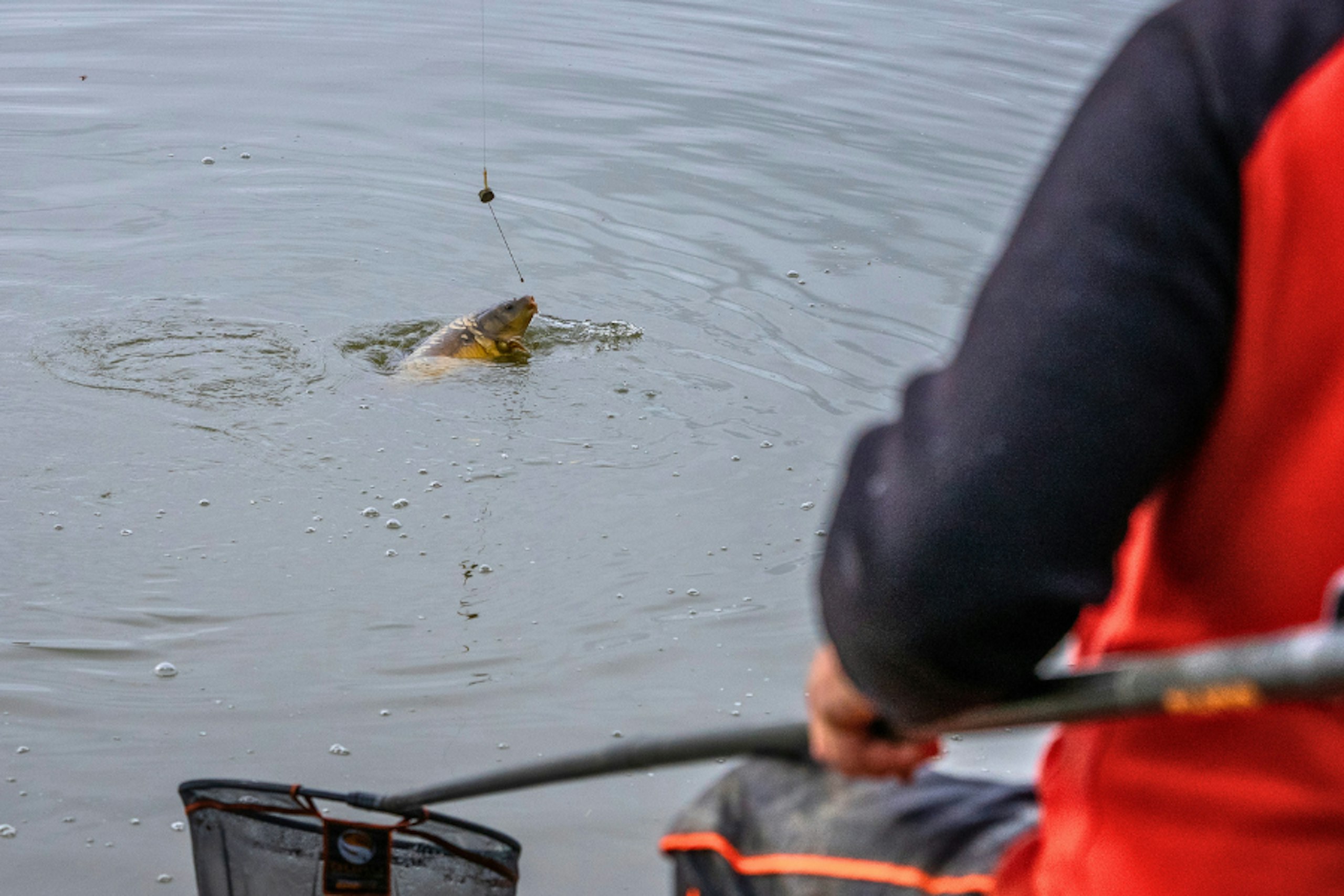
They allow me to reel in, clip the feeder off and instantly replace it with another of any size or weight, should I decide that a change is needed. The second reason is that I lose far fewer fish with them. The elastic acts as a shock absorber, which helps prevent hook pulls, particularly when playing fish under your feet.
IN THIS BUYERS GUIDE YOU HAVE OUR CHOICE OF THE BEST METHOD FEEDER REELS.
Keeping it safe
Elasticated feeders have had a lot of bad press due to the fact that if you break off, you are potentially leaving a rig in the water that a hooked fish would find difficult to rid itself of.
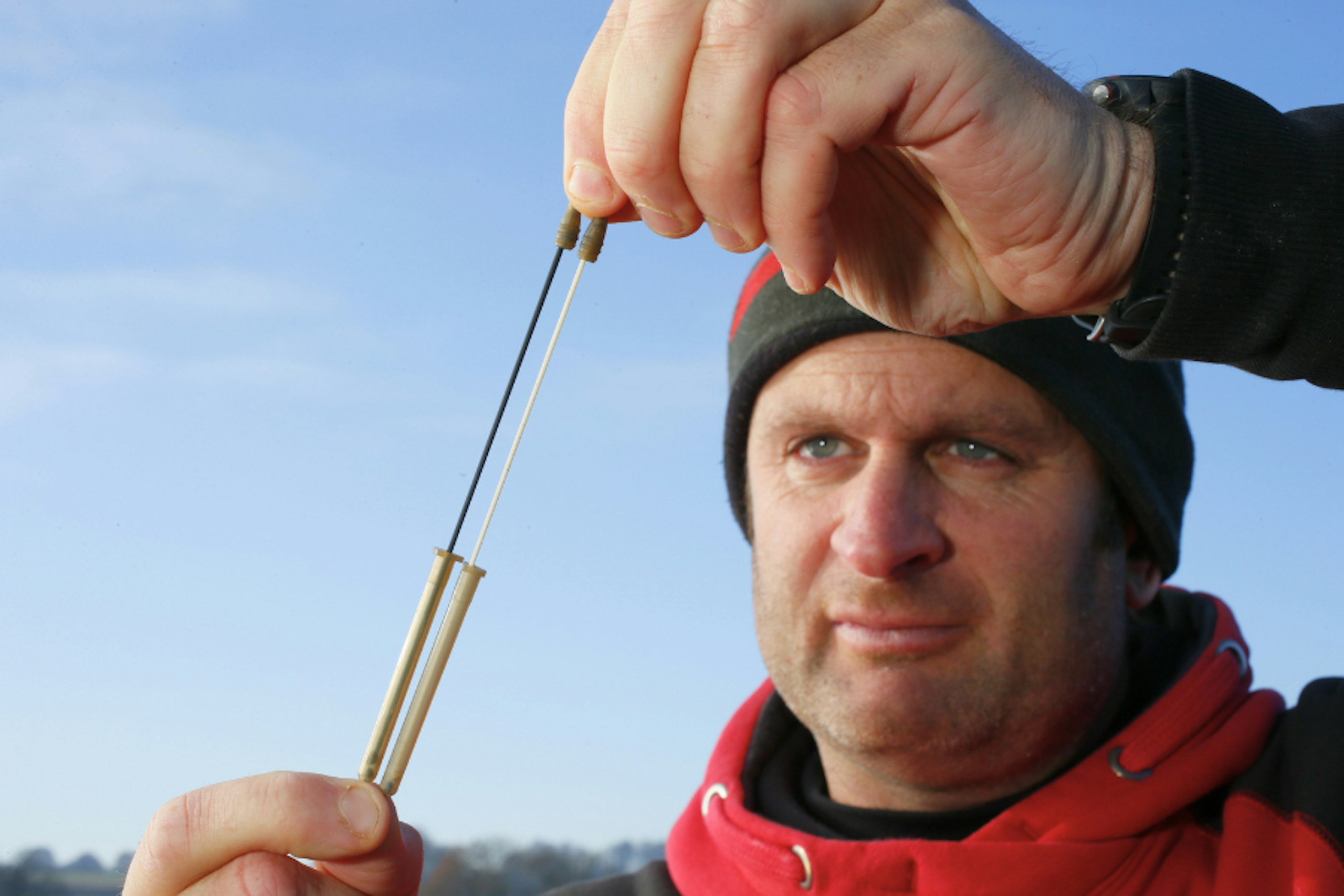
It was for this reason that Guru came up with the X-Safe system, whereby if the line breaks, you still lose your feeder, but the elastic can pull free. This means that any fish that picks up the bait won’t be tethered, and will find the rig a lot easier to get rid of.
I like to use two elastic strengths – black, which is heavy and suitable for carp from 2lb-15lb, and light, which is ideal for skimmers and small F1s.
The reason I need a lighter elastic is that small fish won’t stretch the heavy version, leading to a loss of the benefit that elastic offers.
IN THIS HELPFUL GUIDE FIND THE BEST BAITS TO IMPROVE YOUR METHOD FEEDER FISHING.
Simple set-ups
Setting up both inline and elasticated feeders is simple. If it’s elastic, I simply choose the elasticated stem, insert it into my chosen feeder and finally attach my hooklength to the quick-change bead at the bottom.
I then thread the tail rubber on to my mainline before tying an overhand loop about 1.5ins below this. The loop then attaches to the clip on top of the feeder, and I pull the tail rubber down to hold everything in place.
Inline feeders are arguably even easier to set up. I thread the feeder on to the mainline and tie a quick-change Guru Speed Bead below it.
My hooklength then clips on to the bead, and my feeder rests on top of it when in the casting position.
NEW TO THE METHOD? THIS ARTICLE WILL LEARN YOU HOW TO RIG UP THE METHOD FEEDER.
Exception to the rule
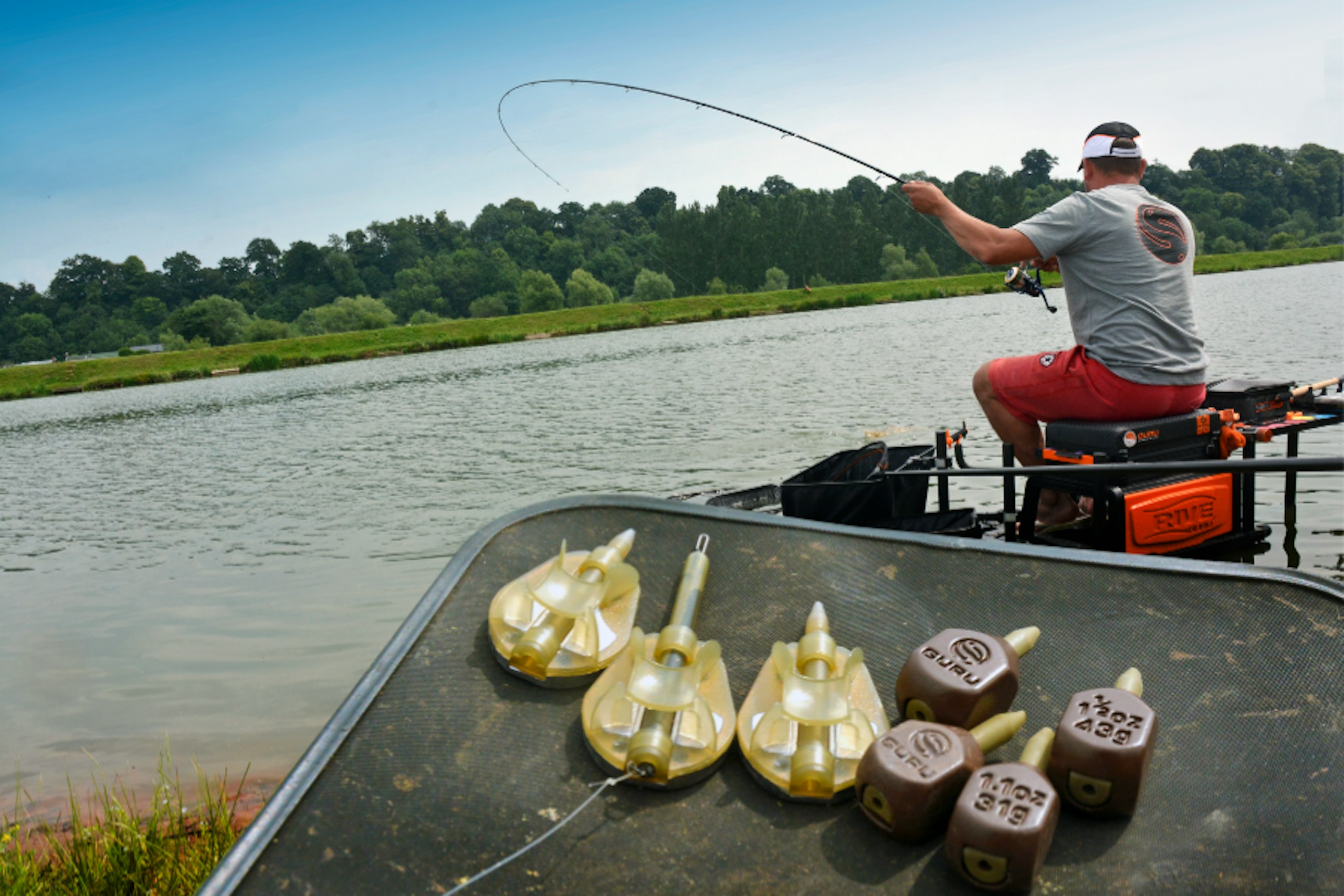
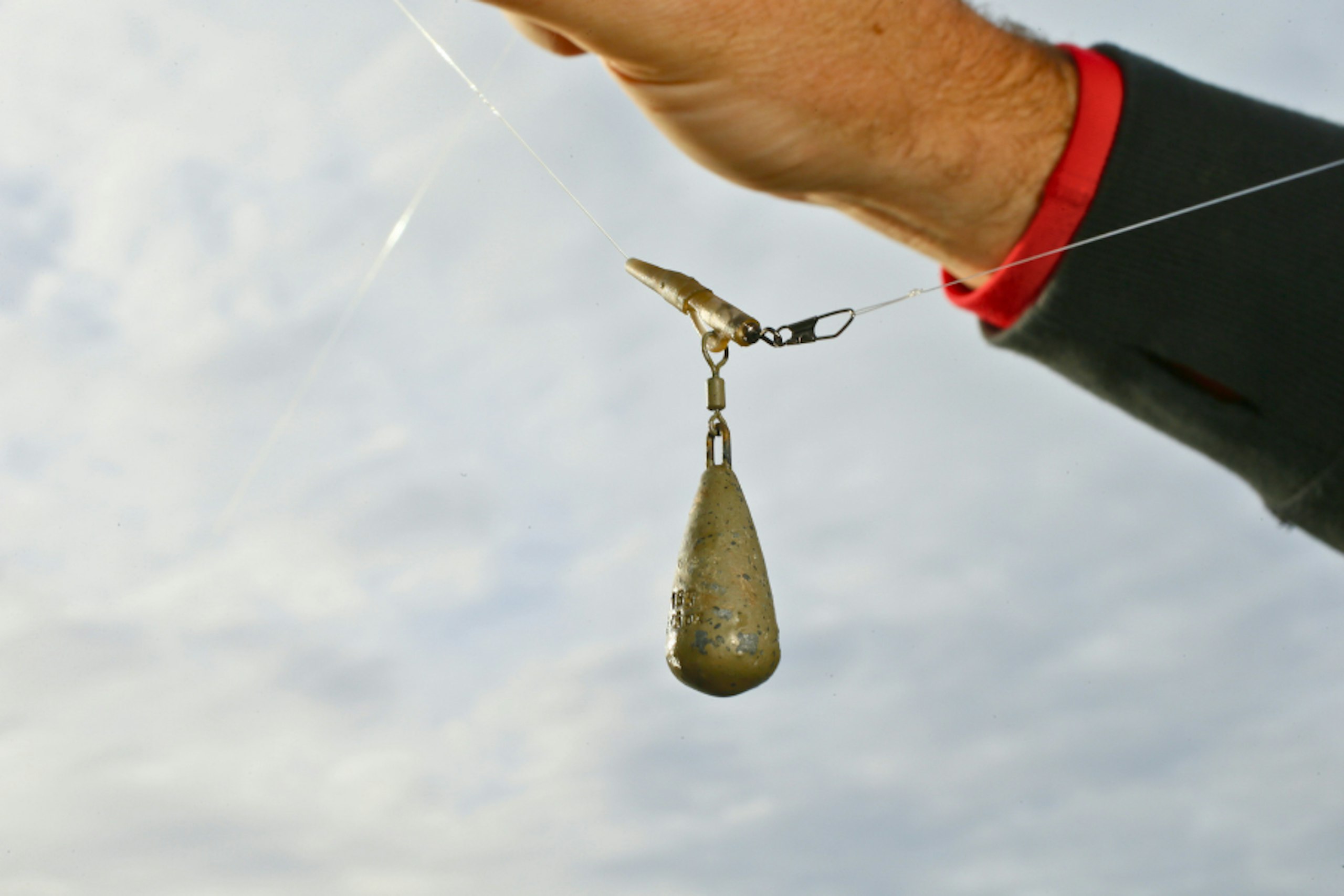
It isn’t just feeders that you can buy elasticated – leads also benefit from this technology. There is one instance when I prefer an inline lead, and this is when I’m using PVA bags alongside my hookbait.
I then like to use a running lead clip, and fish locked-up, as in my experience the carp find a running rig hard to deal with, leading to me hooking and landing a higher percentage of carp.
The lead size is important, too, and I use a version that is at least 2oz – anything lighter can lead to the fish picking up the hookbait and spitting it out without it even feeling the resistance or a bite showing.
Once again, setting the rig up is simple. I thread a Guru Mini Lead Clip on to the mainline and the lead attaches to this. I then take the snap link swivel it comes with and crimp the swivel itself so that it is narrower.
It should then fit in the clip but not grip, and this makes it free-running. Venues such as Barston Lakes and Boddington Reservoir respond well to this approach.
FISH THE METHOD, HYBRID OR BOMB AT DISTANCE WITH THE BEST DISTANCE FEEDER RODS.
Just so you know, we may receive a commission or other compensation from the links on this website - read why you should trust us