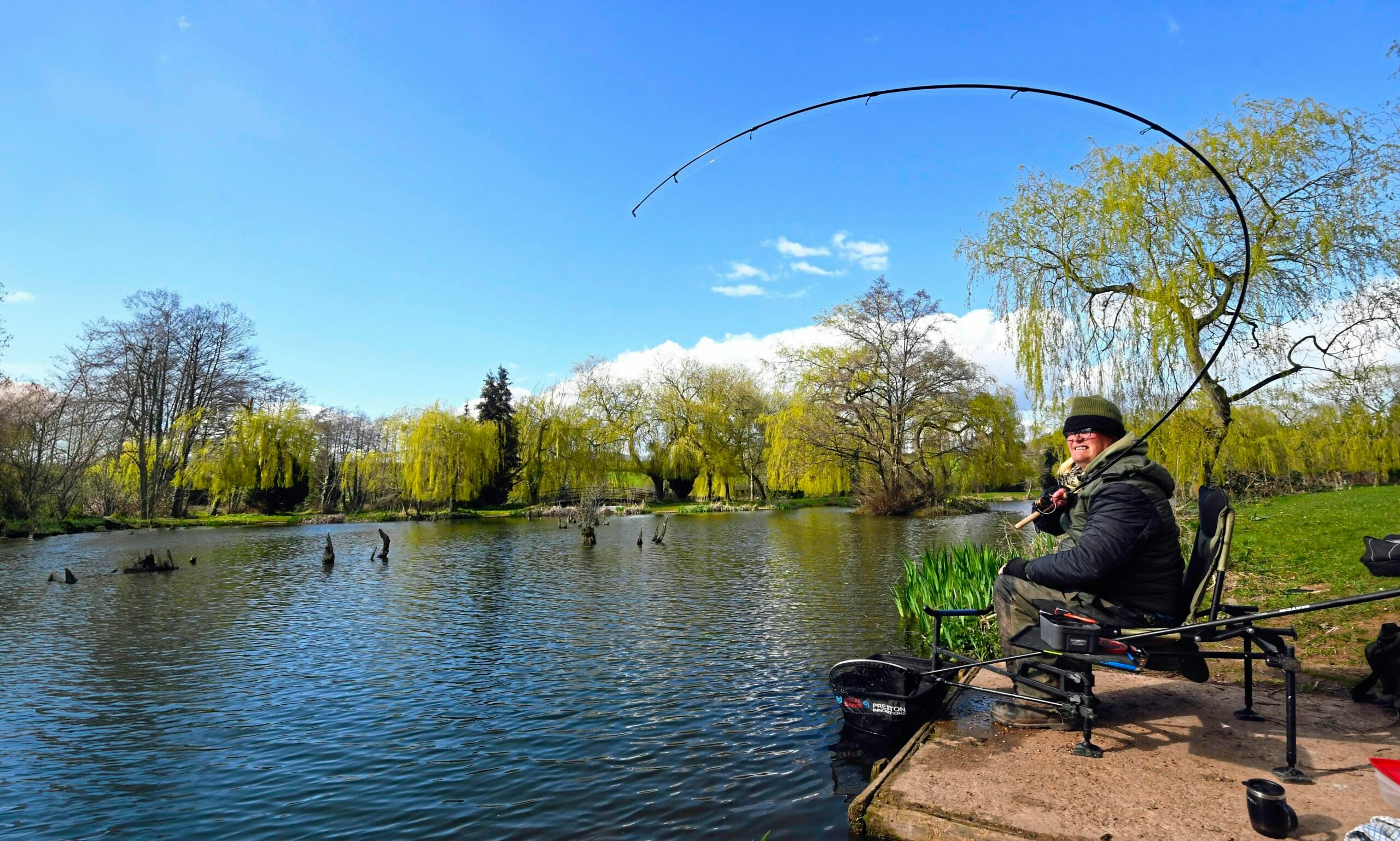
These days the waggler has become something of a forgotten art – pole and feeder tactics are now the most commonly employed on commercials and large stillwaters. Quite why is a bit of a mystery, as ‘the wag’ can still be a nigh-on unbeatable approach, given the right conditions.
This is also among the best times of year to use it, as it allows you to fish beyond pole range while removing the length of carbon that otherwise looms over the heads of the fish in the increasingly clear water.
A WAGGLER IS BEST FISHED IN CONJUNCTION WITH THE BEST FLOAT RODS...
Select a sensitive float
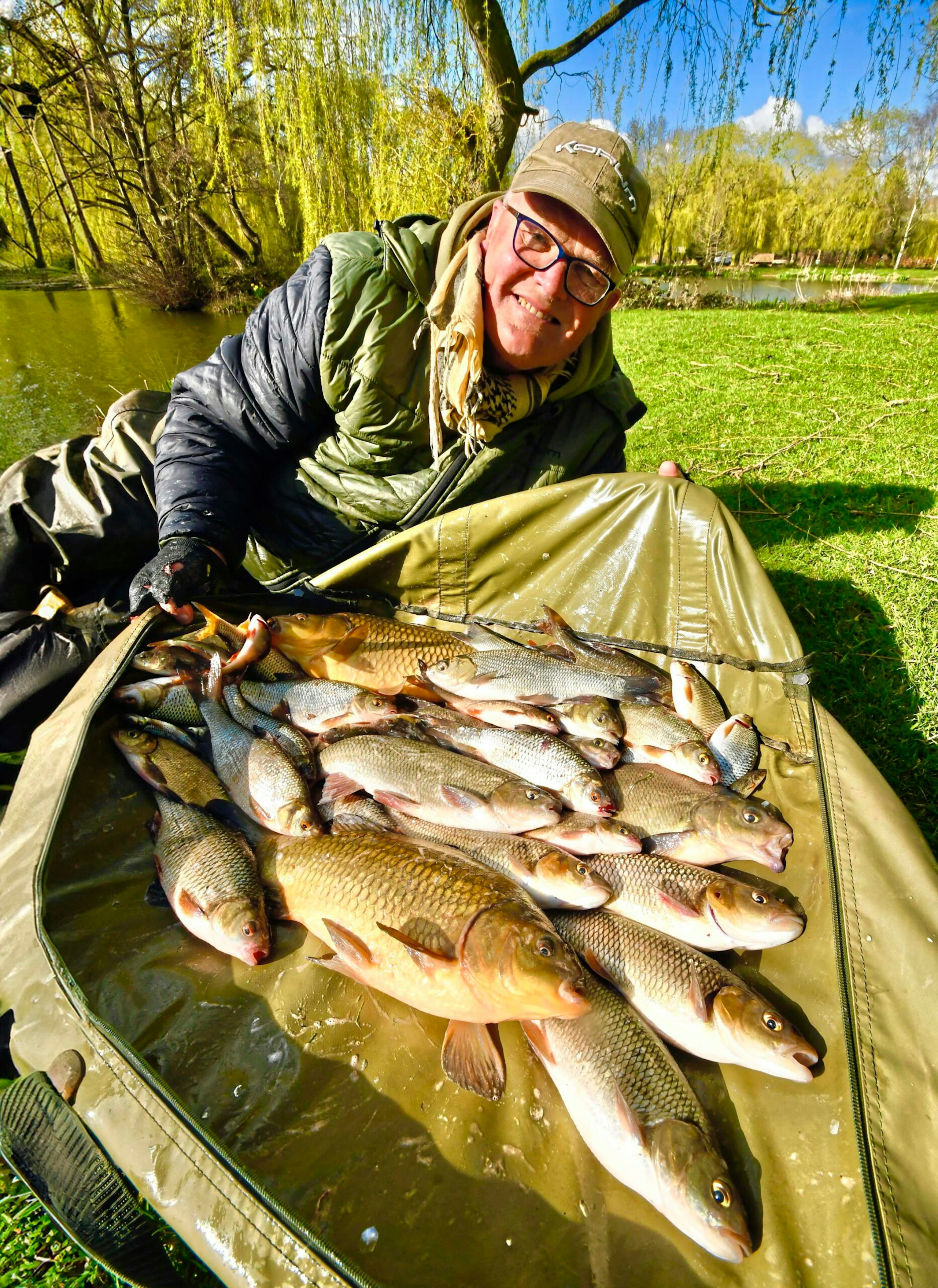
There are lots of different wagglers on the market, and my favourites are a homemade pattern by a maker called John Bull. They have a slimline antenna, reducing the amount of resistance that a fish feels when it takes the hookbait. They are also loaded, removing the need for lots of big shot that can damage the mainline, especially when they are moved to make depth adjustments to the rig.
I run a feeder bead on to the mainline and clip the float on to the attached swivel. This allows me to switch sizes, should conditions change. The bead is locked in place by float stops either side.
Spread five or six small shot down the mainline to keep it tight and it’ll add to the number of bites that you see and hit. They help to remove any slack in the mainline, stopping fish from intercepting the hookbait without it registering.
Use the lightest float that you can get away with, while making sure you are in full control of it, and that any tow or ripple isn’t dragging it out of the target zone soon after it lands.
HERE ARE SOME GREAT TIPS FOR FISHING THE WAGGLER ON COMMERCIALS.
Tackle up for all species
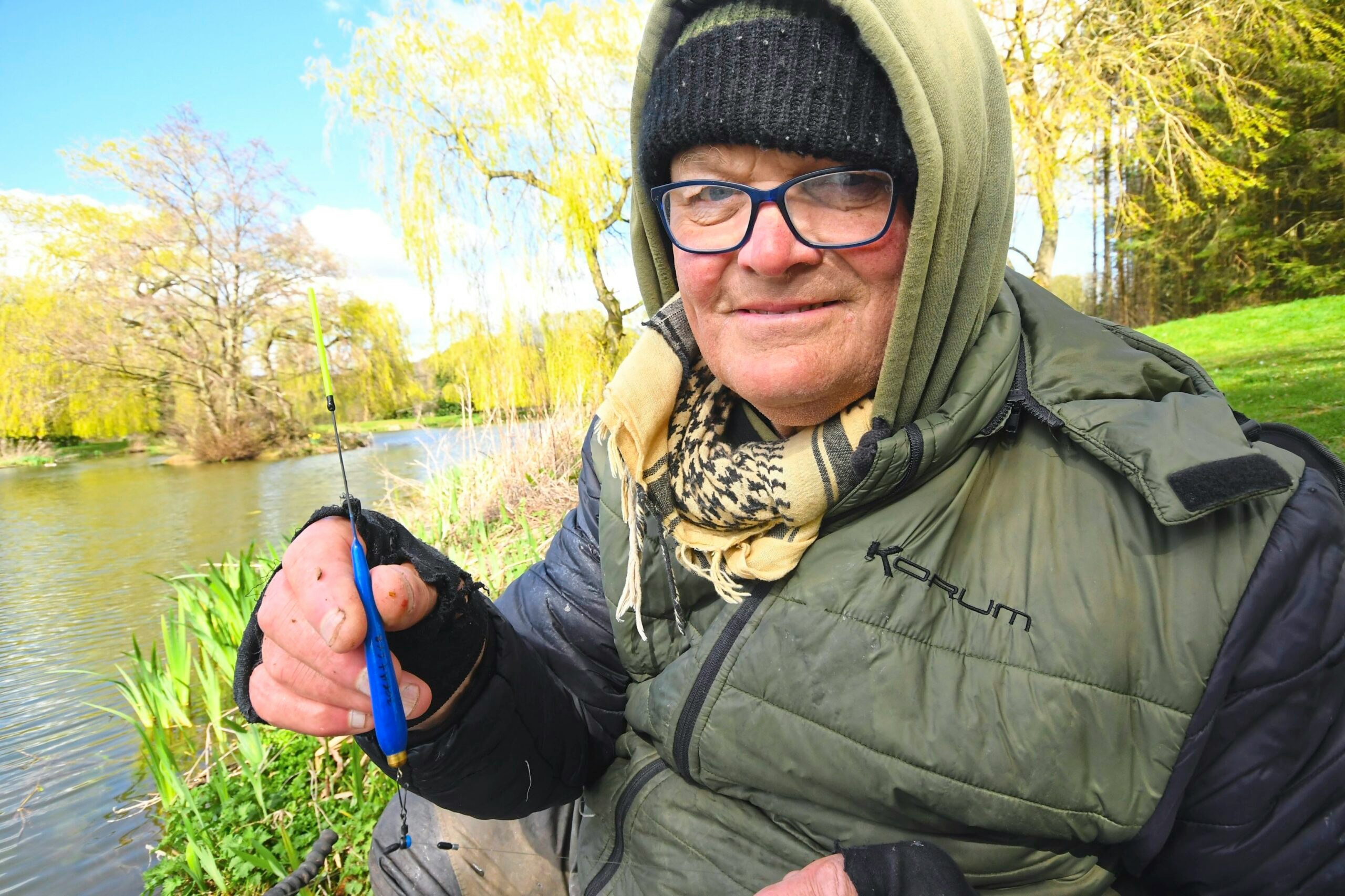
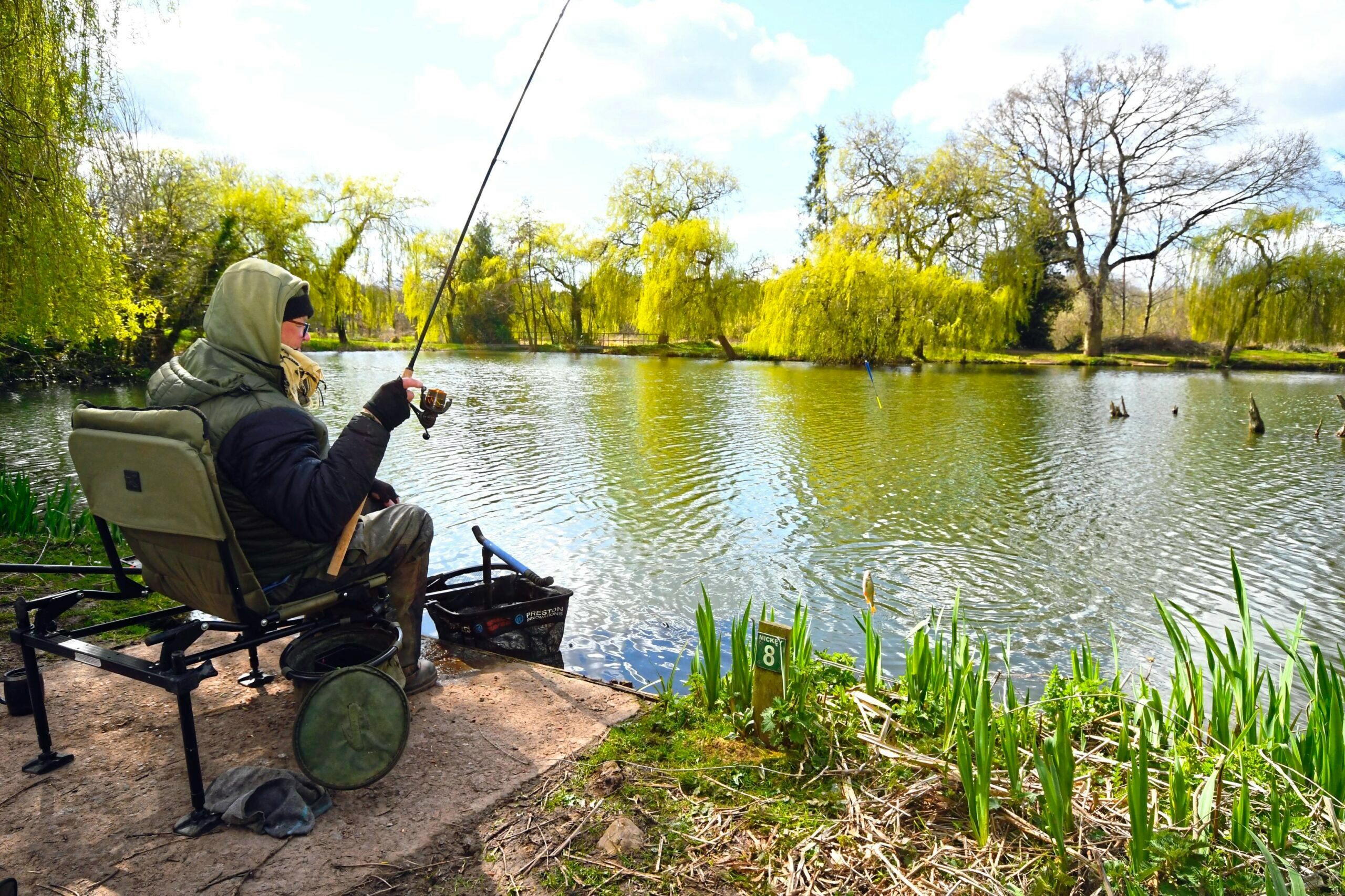
If you’re fishing a commercial like here, on Mickey Mouse at Docklow Pools, it’s anyone’s guess what you could hook.
It’s packed with an array of different species, meaning you could go from catching a small roach one chuck to a double-figure carp the next. With that in mind, your tackle needs to be well balanced to give you the best shot at landing everything.
Depending on how far out I’m fishing, I’ll use either an 11ft or 12ft float rod that has quite a soft action at the top end to cushion the fight. A 4lb mono mainline to a 0.12mm hooklength and a size 16 hook finishes up the set-up.
Allow any big fish you hook to take a little line by setting the clutch on the loose side. The soft action of the rod should then prevent terminal tackle breakages from occurring.
SIT COMFORTABLY ON ONE OF THE BEST FISHING CHAIRS...
Casters are king
I carry only two baits with me, and they each have a different role.
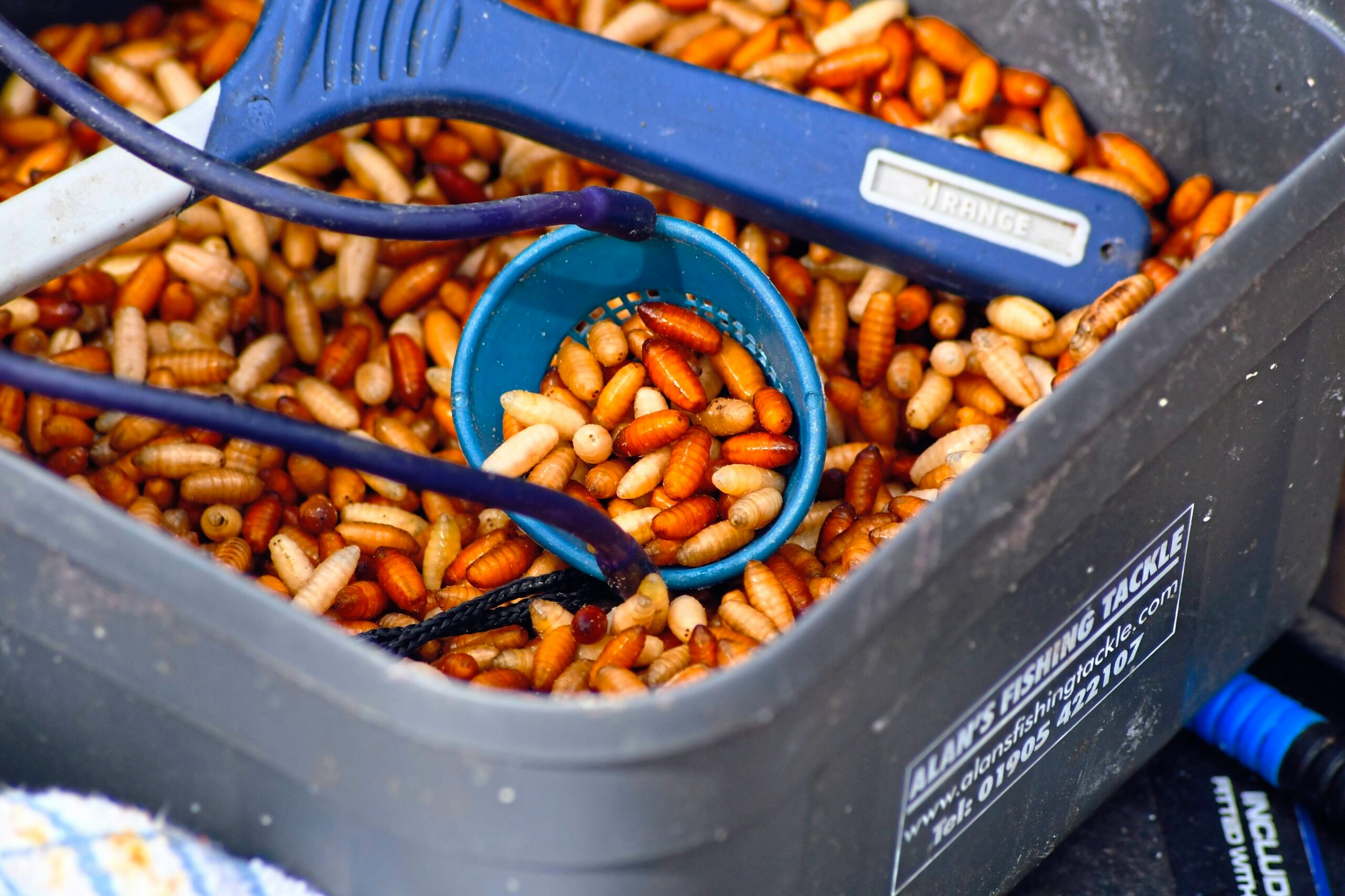
Casters are exceptional for loosefeeding because they make a slightly louder noise than maggots when they break the surface, alerting fish to the fact that the next lot of food has arrived in the swim. They’re also slightly heavier, and that leads to better accuracy when trying to group them in the target zone. Finally, they have a habit of drawing in the bigger stamp of fish, which is always a bonus!
I’ll start by feeding 10 each time just before I cast out, aiming to get the hookbait sinking at the same pace as the freebies to make it harder for the fish to spot the trap.
Maggots come into play as a hookbait because they are more durable. If a fish swipes at a caster there’s a chance it’ll smash the shell and need changing. That will slow you down and lead to less fishing time if you are doing that a lot. Maggots, on the other hand, are tougher and less likely to burst.
Two or three pints of casters and a pint of maggots should be enough for a session.
LEARN HOW TO HOOK BAITS LIKE MAGGOTS AND CASTERS HERE...
Search the swim
I’ll always try to group my loosefeed quite tightly, but when you are fishing 20m–25m out from the bank, it’s impossible to get every caster to land on a sixpence.
A percentage will either drop slightly short or beyond, and bigger fish will often sit and graze on them, rather than get involved with competing in the main area of feed.
Casting just a few feet short, or beyond where most of the loosefeed lands, can bring an immediate bite if you are either struggling or getting ‘bitted out’.
Make sure you explore the whole area that the loosefeed could land in and you’ll put more fish in your net.
Make depth adjustments
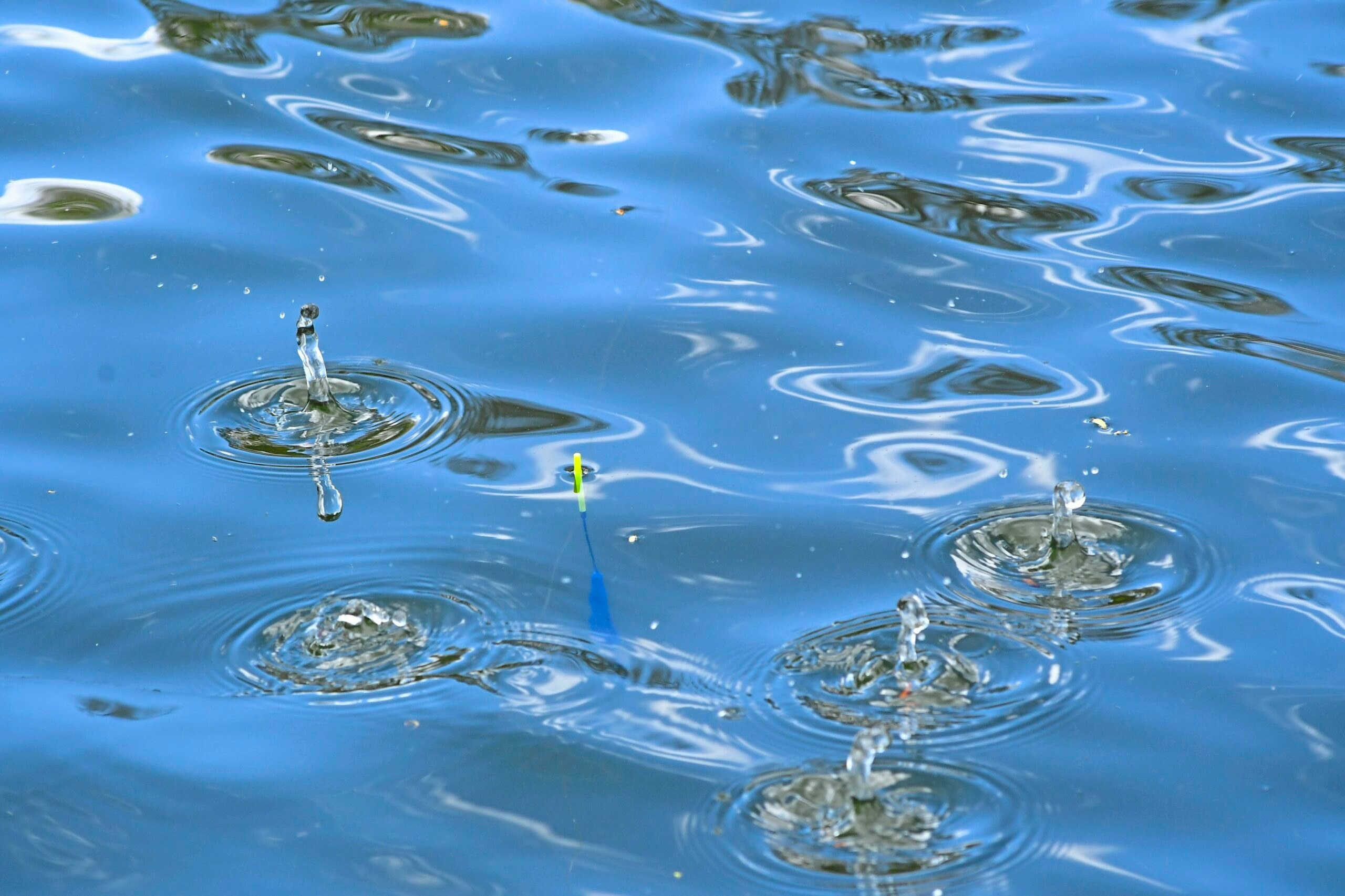
A regular trickle of loosefeed can lead to fish coming up off the bottom. This is because they start to compete with one another, and getting closer to the surface boosts their chances of getting to the food first.
I’ll plumb up so that I am fishing at dead depth at the start, but I’ll look for signs that I need to shallow up. The first is missed bites. If the float is flying under and you can’t hit bites, then the fish have come shallower, brushing up against the mainline as they race around.
The second sign is obvious, and that’s if you see swirls. These tell you that you’ve got a mountain of fish sat just below the surface!
Finally, if you are catching a decent stamp of fish on the bottom and the action suddenly drops off, there is a chance the bigger ones have come off the deck. Shallow up by 6ins at a time until you start catching the size of fish that you are happy with.