From Let’s Fish sessions on canal towpaths to junior matches on commercials, fishing is attracting youngsters once again. The question is what happens after that first catch, and whether we are keeping them once life starts competing for their time.
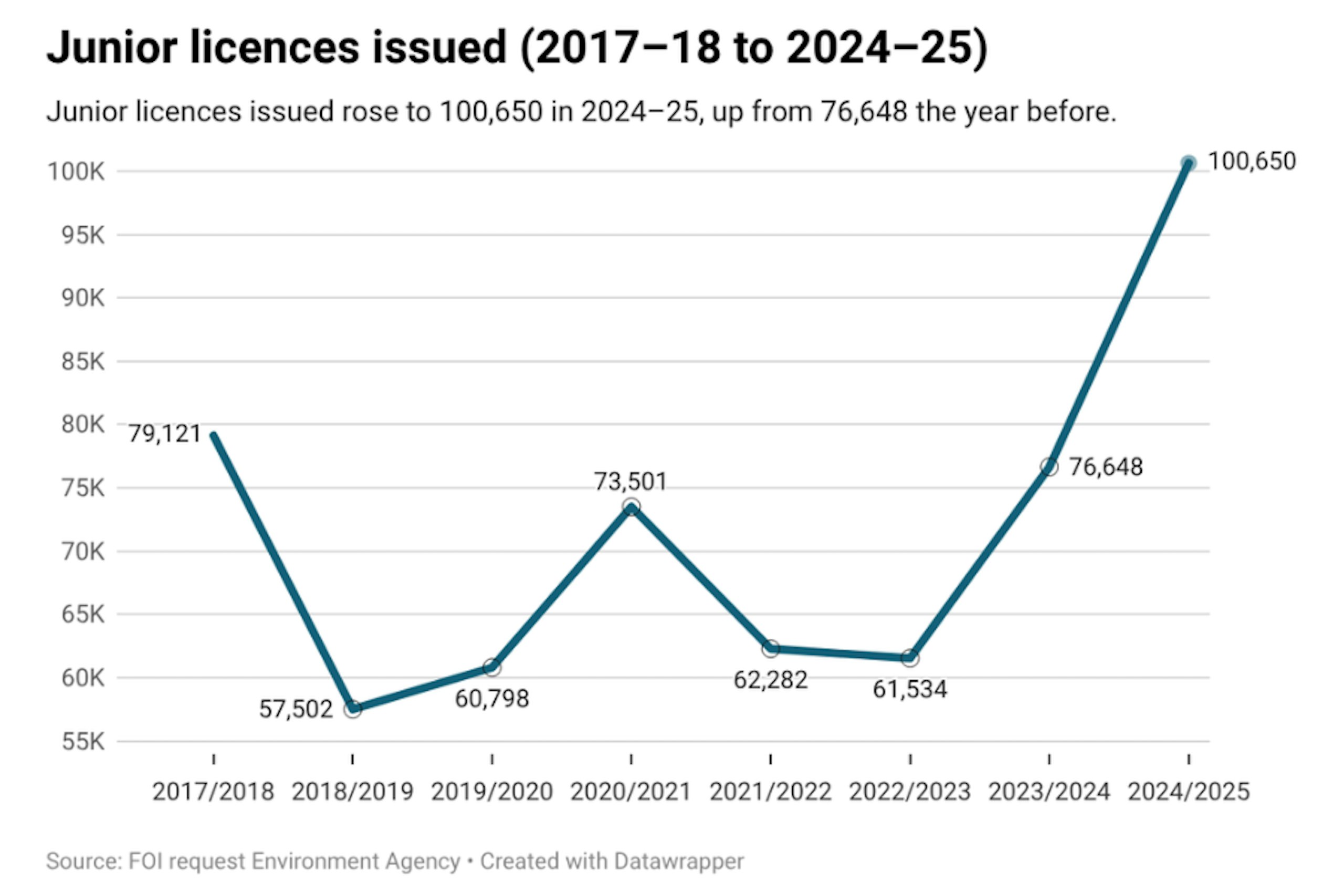
Environment Agency data released under FOI shows junior licences issued have climbed sharply. In 2024 to 2025, 100,650 junior licences were issued, up from 76,648 the year before, a rise of around 31%. Juniors now account for just over 10% of all licences issued, compared with roughly 6% to 7% through most of the previous decade.
However, what it does not prove is retention, and it doesn't capture under-13s who do not need a licence, but it backs up the fact we are seeing more youngsters on the bank.
The harder part to measure is the one that matters most. Are we turning introductions into a habit, or are we simply winning the first session before other distractions fight for their attention?
The first win is easier than the second
Recruitment is not the hard sell it once was. Children under 13 do not need a licence and junior licences for 13 to 16-year-olds are free, although they still need to be registered. That removes one barrier straight away, but it does not solve the biggest ones: confidence, belonging, and having a reason to go again.
John Ellis, Canal & River Trust Fisheries and Angling Manager behind Let’s Fish, believes retention has to be built into the structure from day one, not bolted on later. The scheme delivers coached beginner sessions on canals and rivers.
“Regional celebrations are important because it’s got a league structure, so people come back time and time again,” he told me. “We have a Let’s Fish certificate programme. By kids working through that and ticking the boxes in that, hopefully it’s really cementing that habit.”
That word habit is key. A taster day can be brilliant, but if it is not followed by something repeatable, it stays a one-off memory rather than becoming part of a routine.
Matt Godfrey works as Marketing and Media Coordinator at Tackle Guru and sits at the centre of the Angling Trust talent pathway. He sees the trade and media side up close and thinks the bigger picture is moving in the right direction.
“I think there is increasing participation in young people in England at the moment,” he said, adding that he does not see it “coming tumbling down”.
His most useful point, though, is why retention is hard to engineer. He described modern angling as a network of entry points rather than a single journey.
“It’s an absolute maze of ways that people get into it,” Godfrey said. “As an industry, we have to cover ground on a massive variety of touch points to try and retain it. That’s through fisheries, through events and through media.”
That is why recruitment can look strong while retention is harder to judge. The entry points are multiplying. The question is whether the journey continues after the first one.
The age drop-off is real, even if it is not the whole story
Ellis put his finger on the age bracket everyone worries about.
“One of the things that you touched on is what happens when they’re 16, 17, 18, 19,” he said. “Some of them are without a doubt moving away from Let’s Fish.”
Not always because they have fallen out of love with fishing, but because they outgrow the pathway and life starts competing for their time.
That pattern is one I recognised from my years in the trade. When I ran a tackle shop and managed a commercial fishery, I saw mad-keen youngsters who lived for it through their early teens, then fade at 18 when money, social life and work weekends took over. Many would come back later, often when life settled and they had more time or even a family of their own.
Ellis does not pretend there is a magic fix. His argument is that early routine still matters, even if stepping away for a period is inevitable. “If kids go regularly when they are young, you have a better chance of getting those kids when they’re adults,” he said.
You are sowing the seeds of a pastime, something that sticks with them.
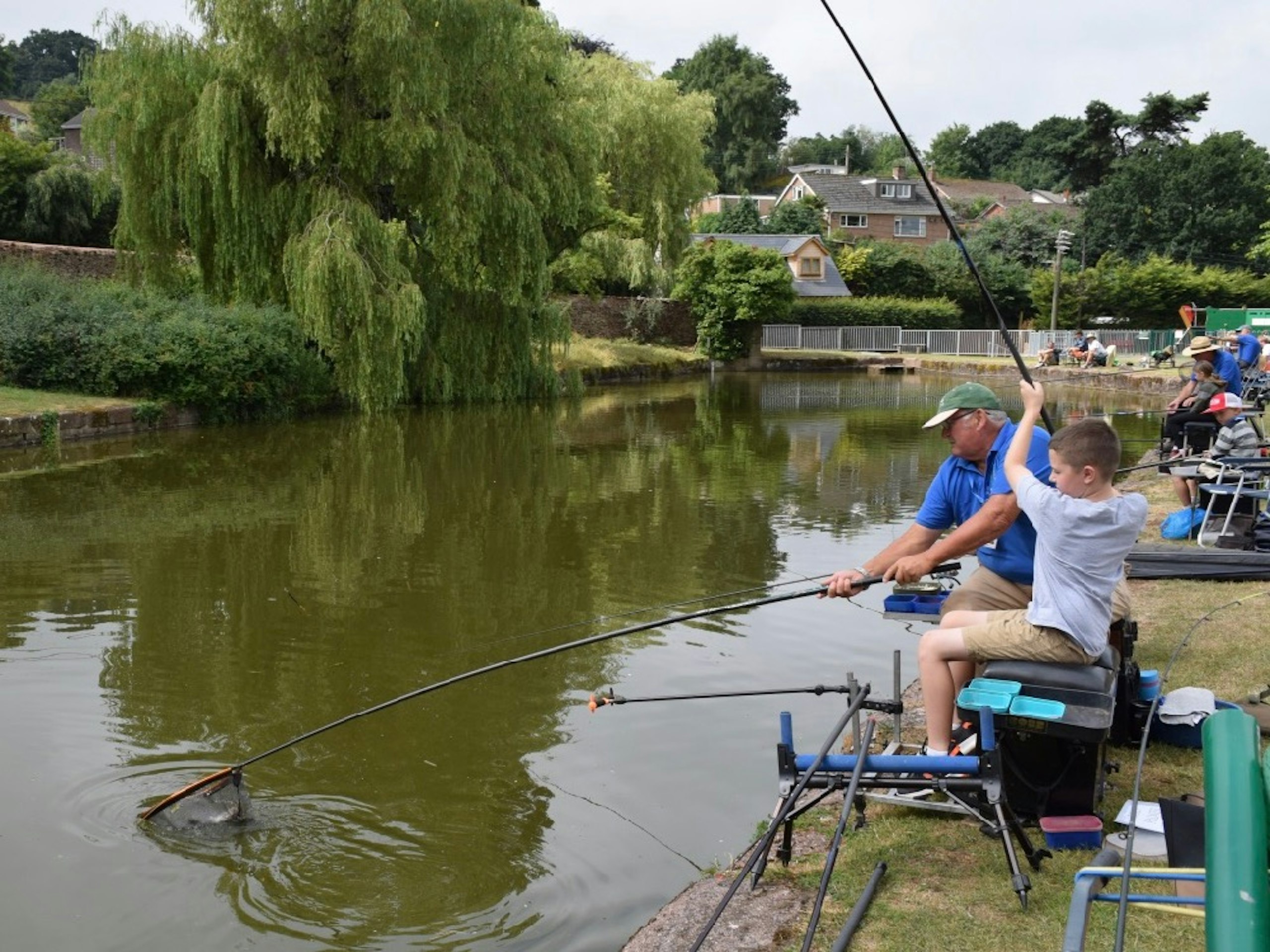
Why some youngsters never return to fishing
One of the most revealing parts of this is how often the sport itself creates the conditions that push youngsters away.
Jonathan Wormley, known online as Original Jonnyboy, has a large following across Facebook, Instagram and TikTok (237k, 102k and 190k respectively at the time of writing) and also manages the carp fishery Willow Farm in South Yorkshire. He told me he regularly hears from parents who feel shut out locally.
“I get a lot of messages saying that I wish that you were closer to where we live so my son could come and fish your pond,” he said, “because the fisheries down where they live… they don’t make them feel comfortable… they don’t give them a chance.”
His fix is almost embarrassingly simple, and it sits right at the heart of retention.
“It doesn’t cost anything and it doesn’t take much out of your time,” he said.
“Instead of going round and chastising them for doing something wrong… explain to them why the rule is put in place… all it needs is five minutes… just have five minutes a day with a young’un, just to chat to them and come down to their level.”
That lands with me, because I have been on the other side of the fence as a fishery manager. I had a hard rule that under-16s were accompanied by an adult. Safeguarding requirements under current guidance mean venues carrying junior sessions have clear responsibilities around supervision and duty of care, not just common-sense policies - and rightly so. Thirty years ago, I could vanish with a rod, and nobody thought twice. That is not the world we live in now. But even with rules in place, there is still a choice in how we treat youngsters when they do visit venues. Warm, clear, respectful interaction costs nothing and has the biggest impact.
Jonnyboy also makes another point that matters for older teens. Retention is social.
“It’s all about making friends as well and connecting with other anglers,” he said. “If you’ve got young fishermen… connecting with older anglers… then they are going to stick with that sport.”
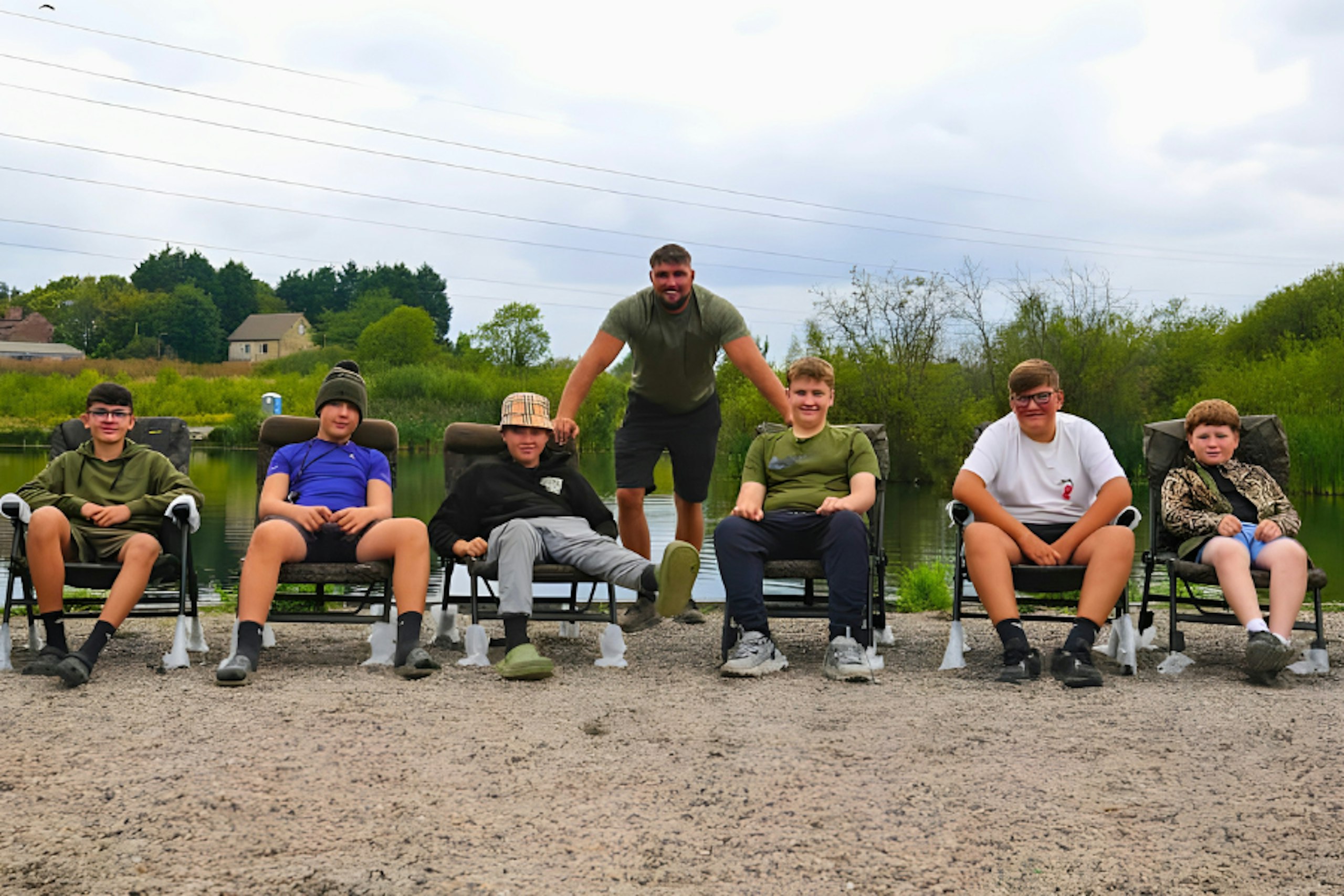
Angling clubs and programs supporting young anglers
At Lakeview Fishery, owner Ross Jelfs sees the same trend. He has had “definite uptake, especially with dads and lads”, helped by matches and coaching they run. More importantly, he has seen youngsters return after those sessions, which is about as real as retention evidence gets when you are looking at behaviour rather than social media engagement.
He also understands the cost fear that stops families committing. He has helped reduce that barrier by handing out whips to kids who did not have much tackle, simply to give them a fair chance and keep them engaged.
And he nailed something many adults forget. “Tackle prizes are all well and good, but a trophy means something different,” he said. “I used to love winning trophies when I was a kid.” It’s motivation. Recognition creates memories, and memories create returns. Ross was left some money by a regular angler after he passed away and he uses this to purchase trophies to give out at these events.
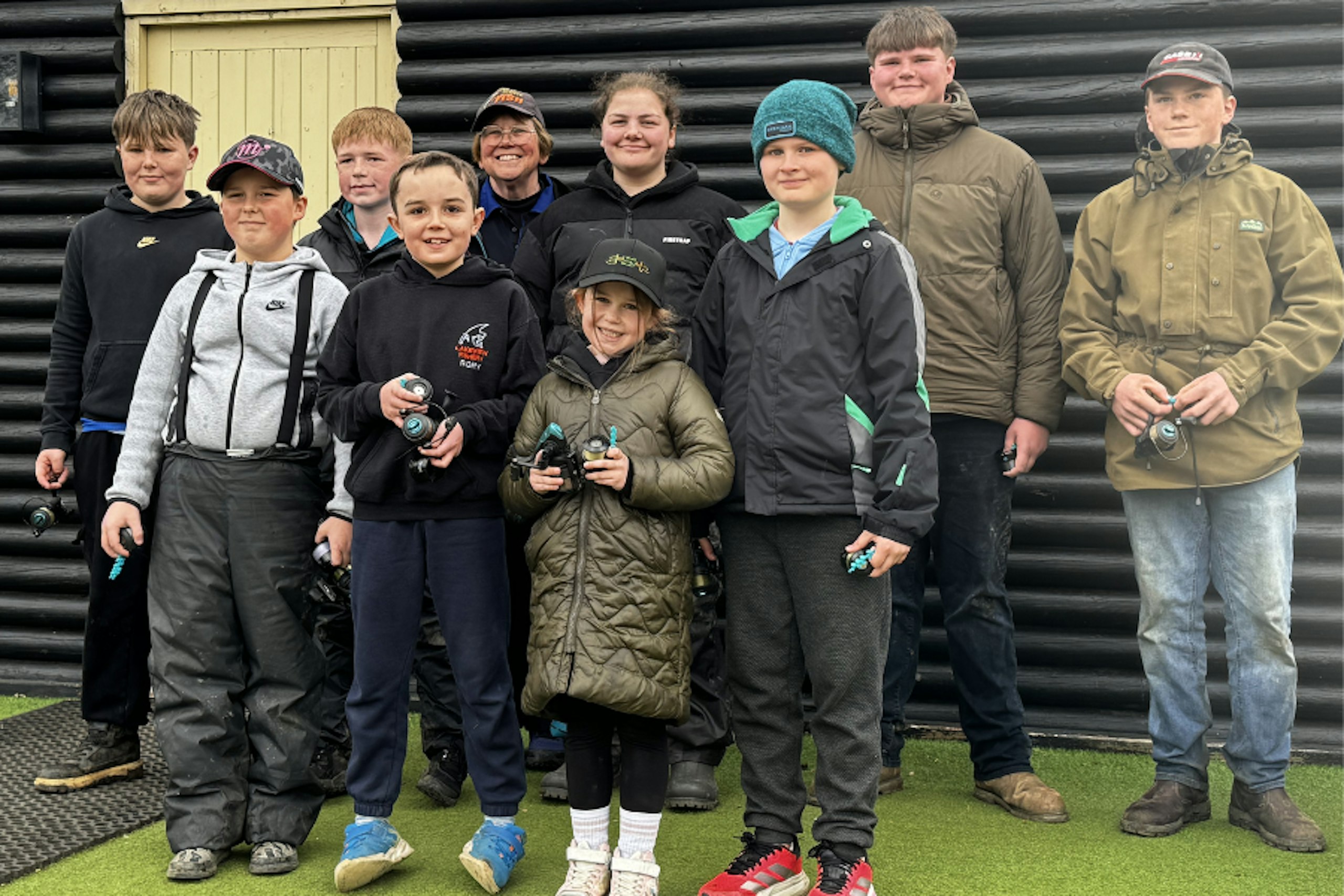
Schools might be the missing link
Compared with other delivery methods, Ellis told me the schools programme delivers better value “for each quid spent”, partly because schools provide a stamp of approval that reassures parents who would otherwise be sceptical. He illustrated just how far perception still has to shift with one story from early in the programme.
“One of the headmistresses turned up… and said… ‘I think Mr Ellis, you’re wasting your time. Because to me, fishing is nothing more than old blokes, asleep, drinking beer, in tents… and I cannot see where the educational value is going to be for my pupils in that.’”
That preconception is still out there, and it kills retention before recruitment even starts, because it shapes whether parents support the second and third trip.
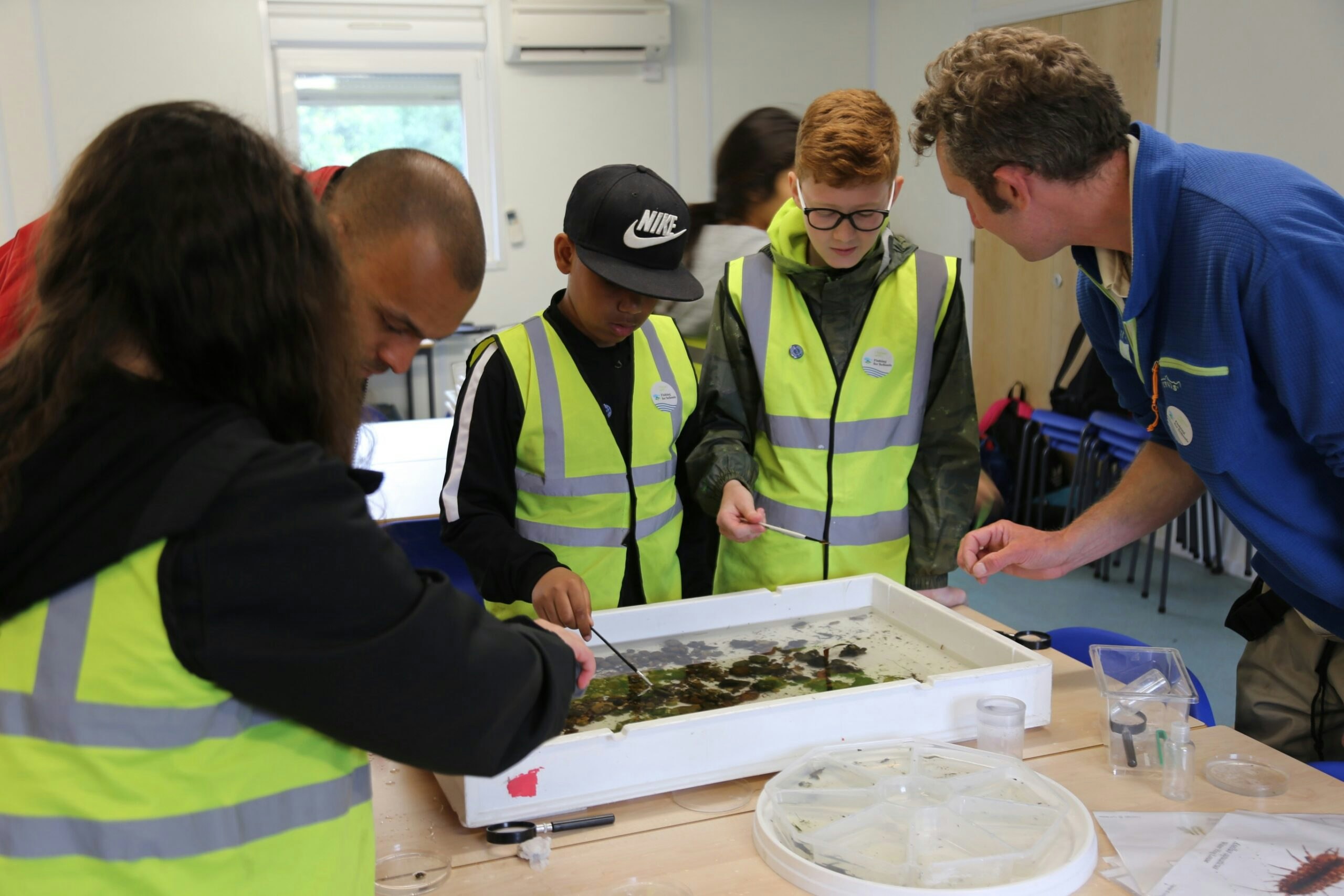
This is why school-linked angling matters and could be a poweful driver for recruitment and retnetion. The Countryside Alliance Foundation’s Fishing for Schools programme is developing an “Angling and the Countryside” qualification, with pilot delivery planned from September 2026, subject to centre approvals. Whatever you think of qualifications, the retention value is obvious. It gives youngsters a reason to return, a sense of progress, and something parents can see as structured and worthwhile, rather than a hobby they worry will be dropped in a month.
The means of retention are simple, but they take effort
If you boil all this down, the things that improve retention are not complicated. They are practical, human, and often inexpensive.
Ellis described a good first experience as one where the coaching is competent and the youngster catches enough fish to feel it working. “To catch 3, 4, 5, 6 fish, ideally two or three different species.” He wants it “not too easy, not too difficult.” Even framing it as learning from the very first hour, if the presentation is right the float goes under, if it is wrong it doesn’t. That is how you build competence, and competence is the fuel of retention.
He also made a point that should be written on a board at every junior day. Involve parents, because if mum buys into it, “that’s almost battle over.” Most retention under 16 is driven by adults. The child can be desperate to go, but if the parent does not feel confident, safe or welcome, the second trip is never going to happen.
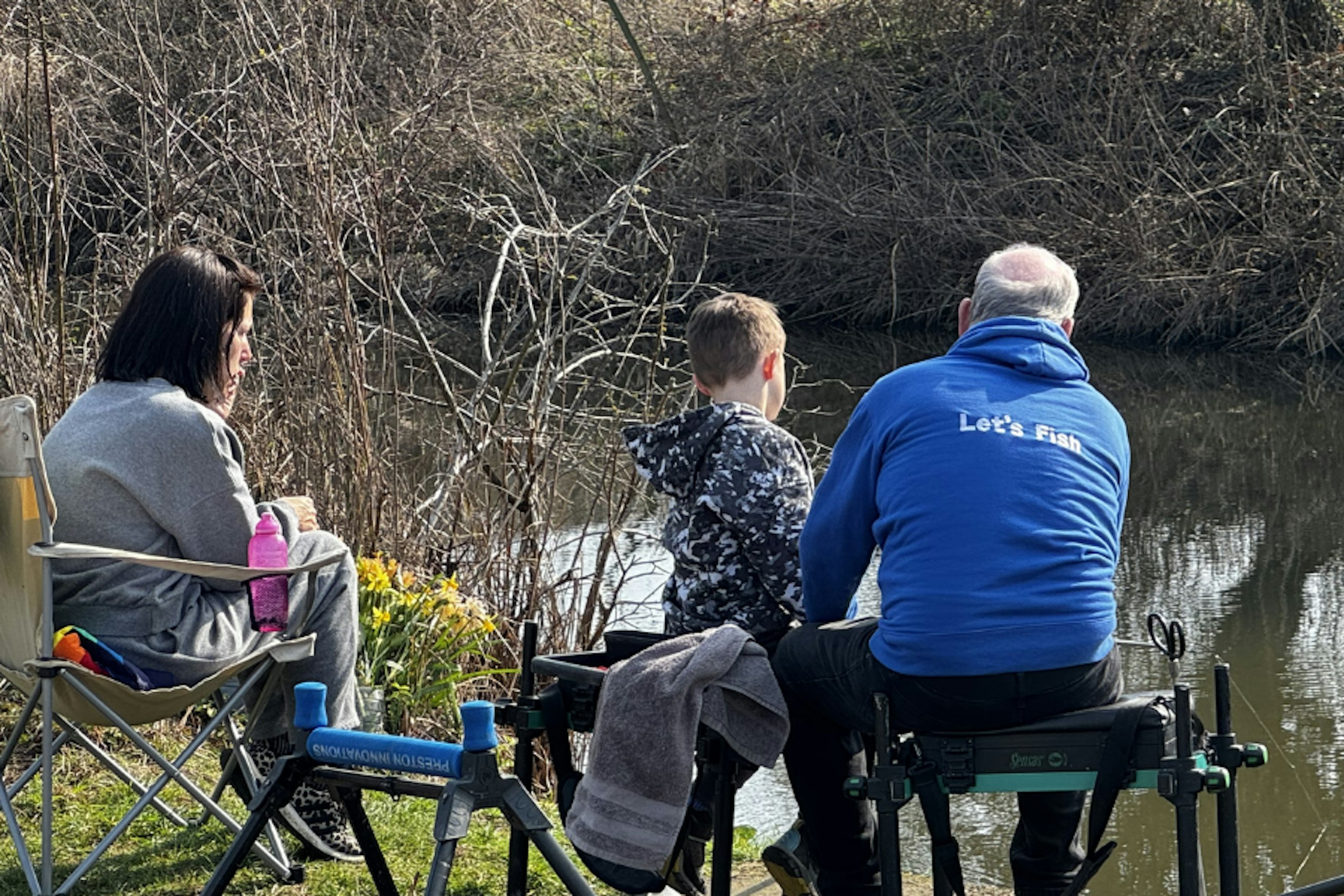
The future of fishing means keeping young anglers engaged
Getting a rod into a child’s hand is a win, but angling faces its biggest challenge when those youngsters hit 16 and beyond. That’s the point where structure starts to thin out, a rod licence is no longer free at 17, and the competing pressures of exams, first jobs, money and social life begin to crowd out time on the bank.
At that point you get a perfect storm of pressures that fishing struggles to compete with. Education ramps up, whether that’s GCSEs rolling into A-Levels, college or an apprenticeship, and suddenly a long session on the bank has to fight for space in a week that already feels full.
Money tightens too. Turning 17 can mean cars, insurance and fuel, and the cost of tackle, bait and day tickets gets weighed against everything else teenagers want to do with their first proper income. Then there’s the social pull. Angling can still feel solitary, and in the late teens the centre of gravity shifts towards mates. If their friends do not fish, a day on the bank can start to feel like opting out rather than joining in.
Jamie Cook, CEO of the Angling Trust, sums up the retention problem. “Retention remains the bigger long-term challenge. Getting young people into angling is only the first step; keeping them engaged as they get older depends on affordable access to fishing opportunities, supportive clubs and healthy rivers.” It’s a reminder that it’s not just about enthusiasm. It’s about whether the sport stays easy to access, welcoming to newcomers, and worth sticking with.
The wider participation signals suggest we are attracting people into the sport. But as Matt Godfrey put it, the pathway isn’t a straight line, it’s a maze. If angling does not offer a clear step on from junior sessions into something that feels like it belongs to older teens, we should not be surprised when they drift away.
Retention is not about one-off experience days. It is about culture. It is about whether a 17-year-old turns up at a fishery and feels welcome, or feels like an outsider surrounded by matching luggage and expensive carbon. It is about whether someone takes five minutes to help, explain, and encourage, rather than making them feel like they are in the way. Older teens need belonging, a reason to return, and a route that feels like it’s theirs, not something they have outgrown.
The first cast is the easy part. What happens next is what the sport is made of. Get that right and the future will look after itself.