A groundbreaking portfolio of fishing-based qualifications has just been launched — and it’s set to transform education for thousands of young people.
Named Angling and Countryside, the new qualifications are officially regulated by Ofqual, the government body responsible for overseeing exams and assessments in England.
The programme spans from Level 1 (Introduction) to Level 3 (Advanced Skills), aligning with the structure and difficulty of GCSE, BTEC, and A-Level frameworks. Importantly, students who complete Level 3 will be able to earn UCAS points, giving them a recognised route into university or other vocational opportunities.
The qualifications will be available in schools and training centres across the UK from autumn 2026, with a pilot scheme beginning this year. Four schools have already committed to taking part.
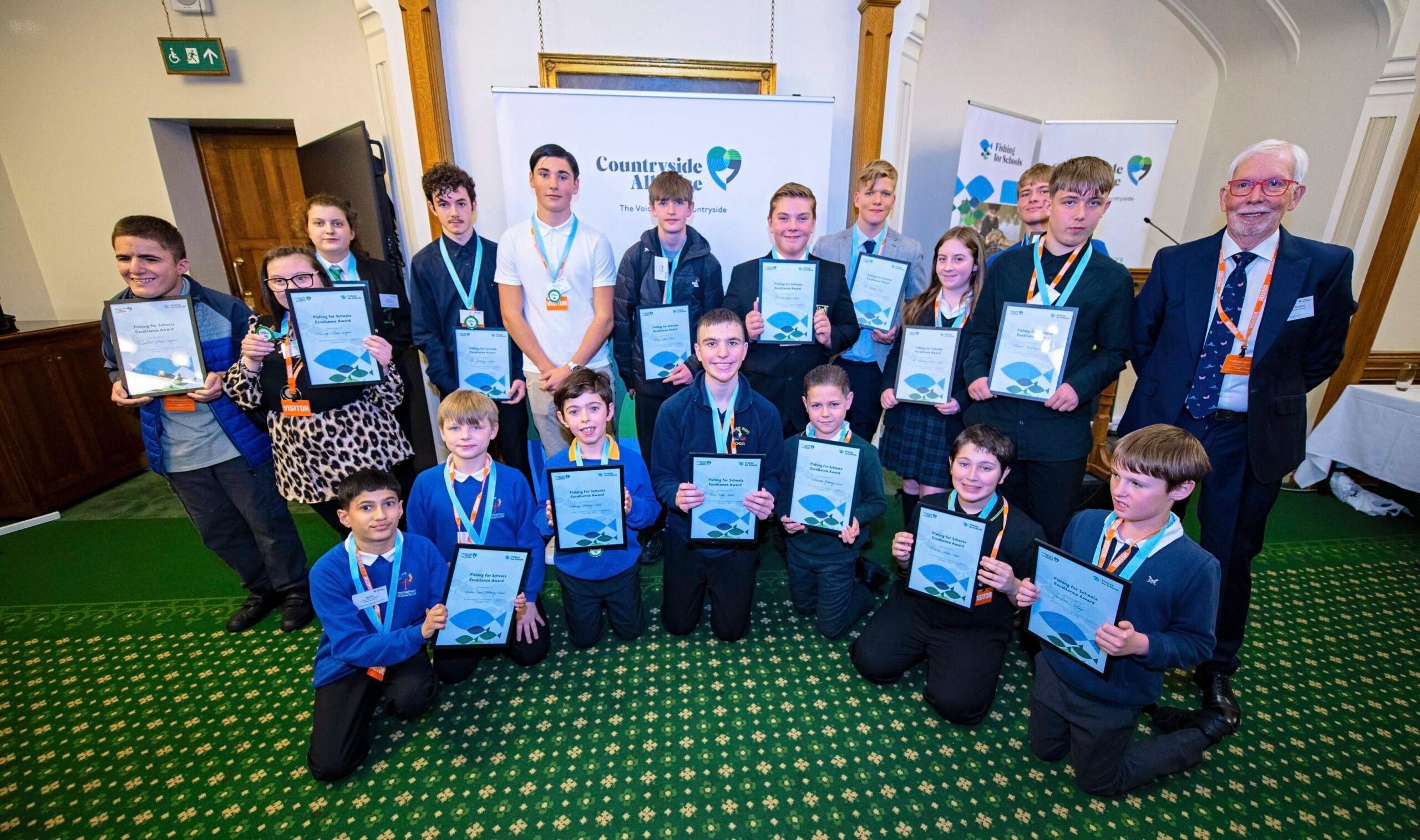
The initiative was formally launched at a Parliamentary reception, and has been developed through the Countryside Alliance Foundation’s long-running Fishing for Schools programme, directed by Charles Jardine for nearly two decades.
“In some ways, this is the crystallisation of Fishing for Schools’ growth and a natural progression from what we’re doing,” Charles told us.
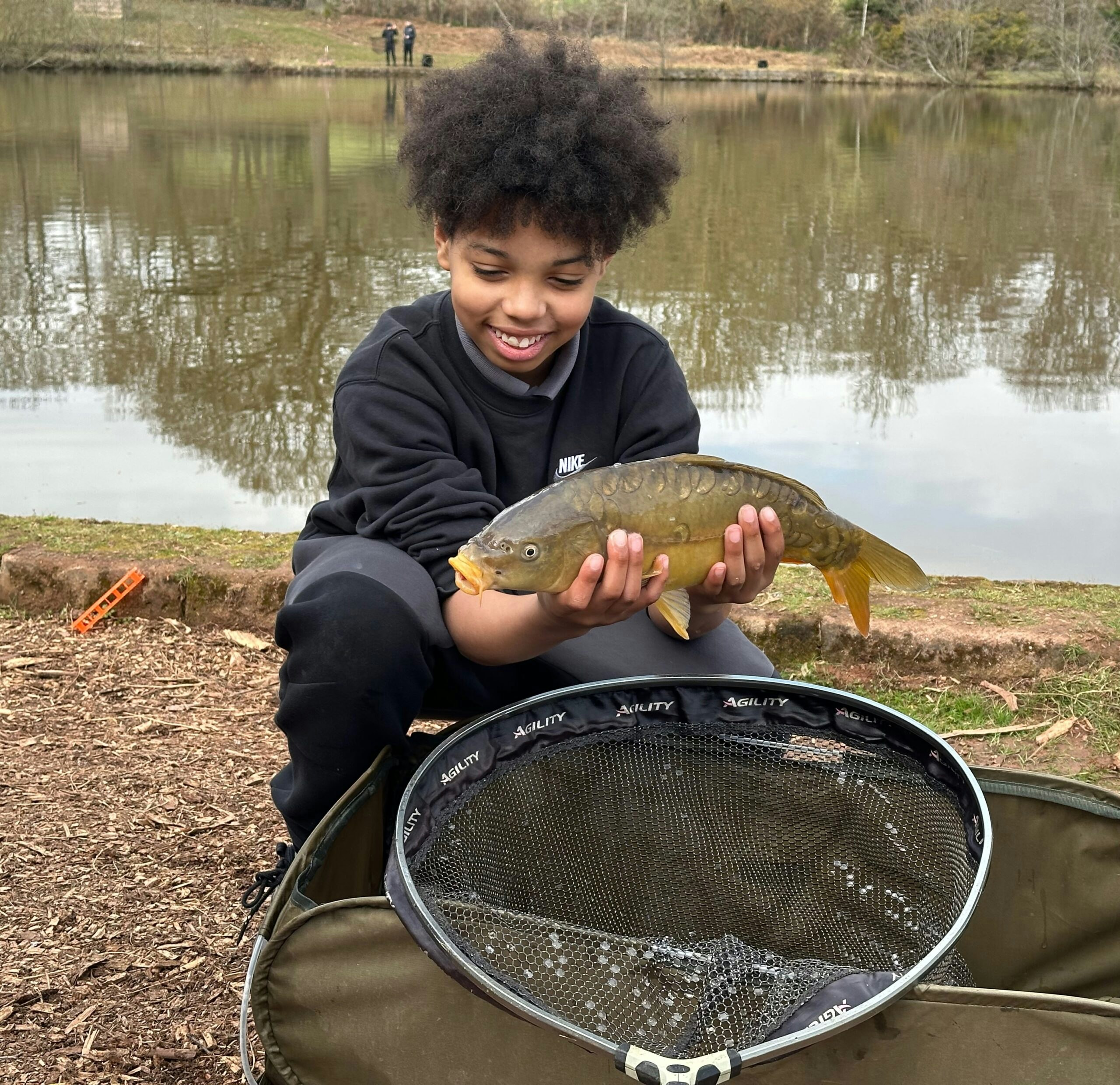
“The qualification is a proper thing and is not just classroom based. Participants will go outside, smell the bait and catch the fish.”
How it works
Open to any school and any young person, the qualification is aligned with national standards, but also offers participants the freedom to explore specific areas of interest.
“Early on, different types of angling will be covered but, as students develop, things get more involved,” Charles explained. “For example, drop shotting in an urban environment could be covered, where the kit you need and the impact of fishing in such a setting must be considered.
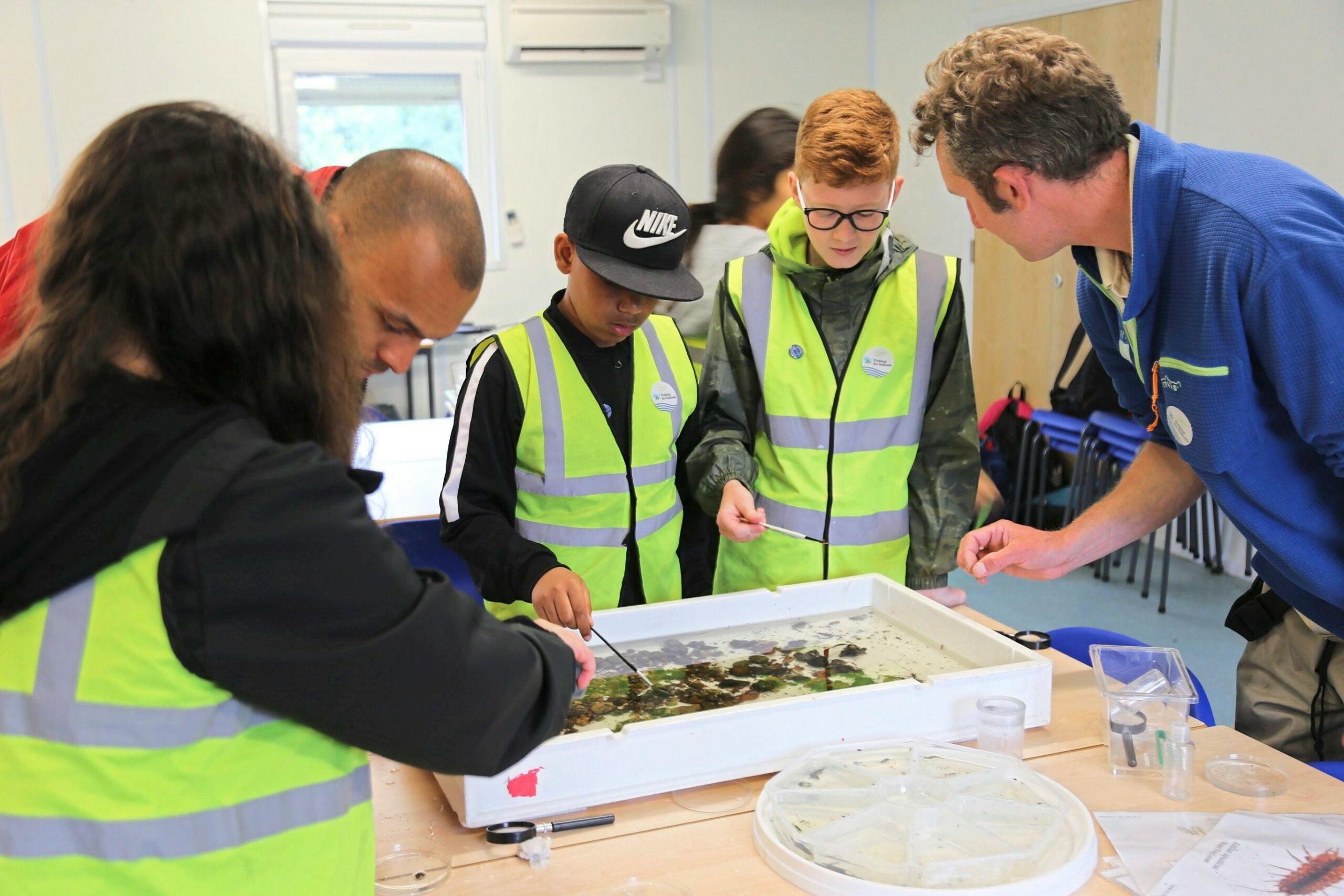
“Participants will learn to distinguish the species they fish for and what its habits are, as well as the state of the waterway it lives in. What impact are pollutants having, for example?
“It’s a bit like a Lego set, in which students can build the course how they want. If somebody wants to learn more about something like fish biology, that can be accommodated too.”
Charles knew that the programme couldn’t be released half-baked, so it was developed alongside and accredited by the Crossfields Institute, a specialist in holistic and integrative qualifications who, crucially, knew little about fishing.
“As anglers, we take certain knowledge for granted, so developing the course alongside non-anglers forced us to analyse what we’re saying and really break fishing down,” Charles explained. “Ofqual are happy with what we’ve done, so the programme will be accepted across England, Wales, and Northern Ireland.”
Assessment is evidence-based and may include practical demonstrations, independent projects, or reflective journals, giving centres the flexibility to tailor delivery to students’ individual learning needs.
“It will be delivered both in the classroom and outside and, unlike most things in angling, it is possible to fail,” Charles added.
“But this allows participants to really learn, as their teachers and coaches monitor progress and assist when required.
“Teachers I’ve spoken to are really excited about the qualification, as it enables them to be with students in a different setting.”
Long-term impact
The qualification will offer young people a route into areas such as environmental science, outdoor education, and fisheries management, and while Charles knows it will benefit anglers of the future, he also believes it can be a powerful influence for any young person.
“The biggest problem we all had at school was boredom, but through this qualification, we want to excite people and eradicate that,” he enthused.
“I go into my local town and see kids in balaclavas riding around on electric scooters, who could also be engaging with a much darker world.
“Seeing this young part of society erode is saddening, but there’s no point in just saying to them, ‘it’s anti-social, stop’ – we need to offer them an alternative.
“Young people aren’t instinctively bad, and they never were. This qualification is a social opportunity to get young people back into enjoying the countryside, enjoying sport.
“I want them to feel the joy of going out with their mates and catching fish, a joy I and many others were privileged to experience as children.”
Charles is also keen that the qualification highlights the wider environmental benefits of angling. “We want to show that it’s not a bad thing to catch a fish. What we do enhances the countryside. Most of my natural history was learned through fishing. I wondered what was going on under the surface and bothered to find out.
“Through this qualification, we want to inspire young people across the nation to do the same.”