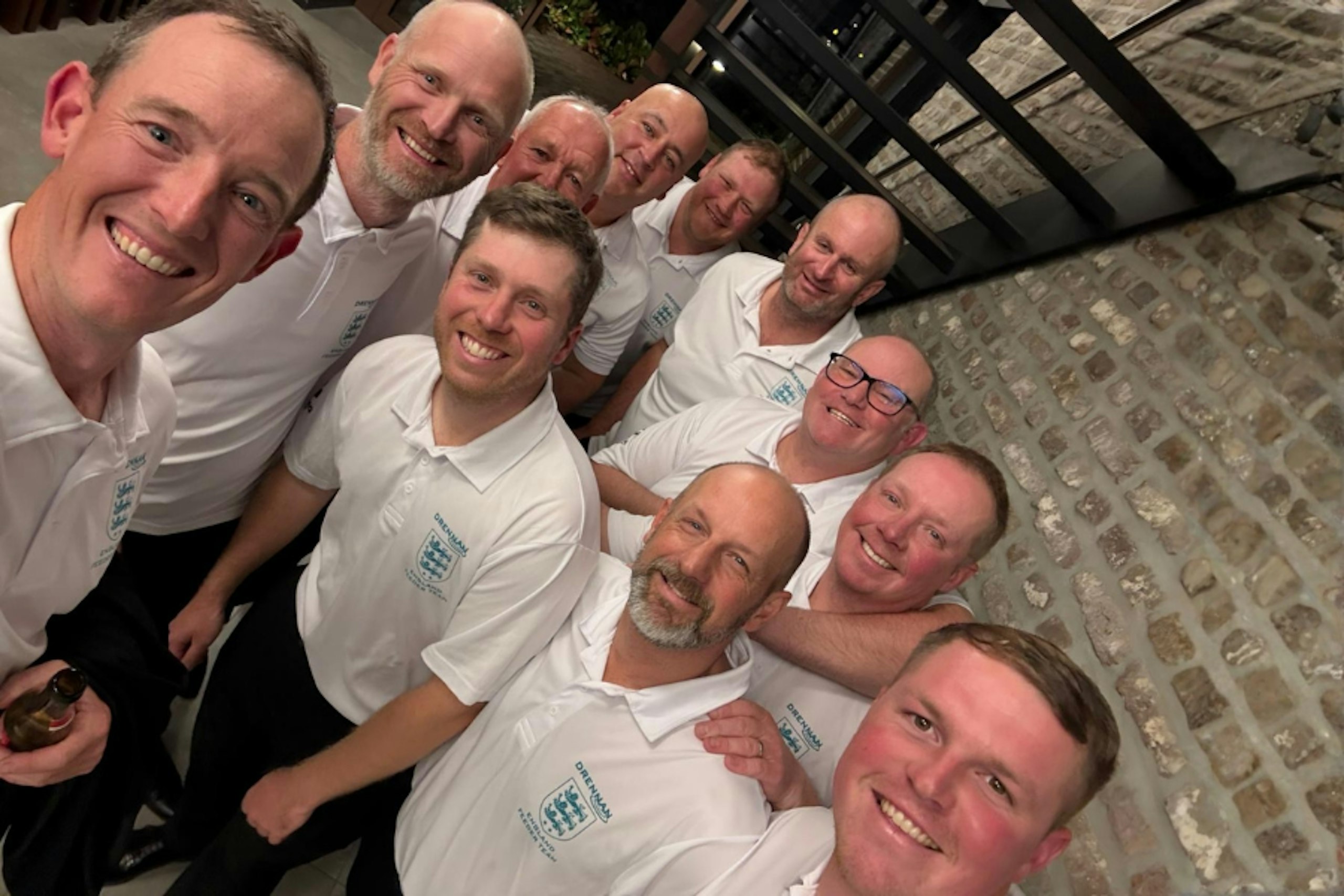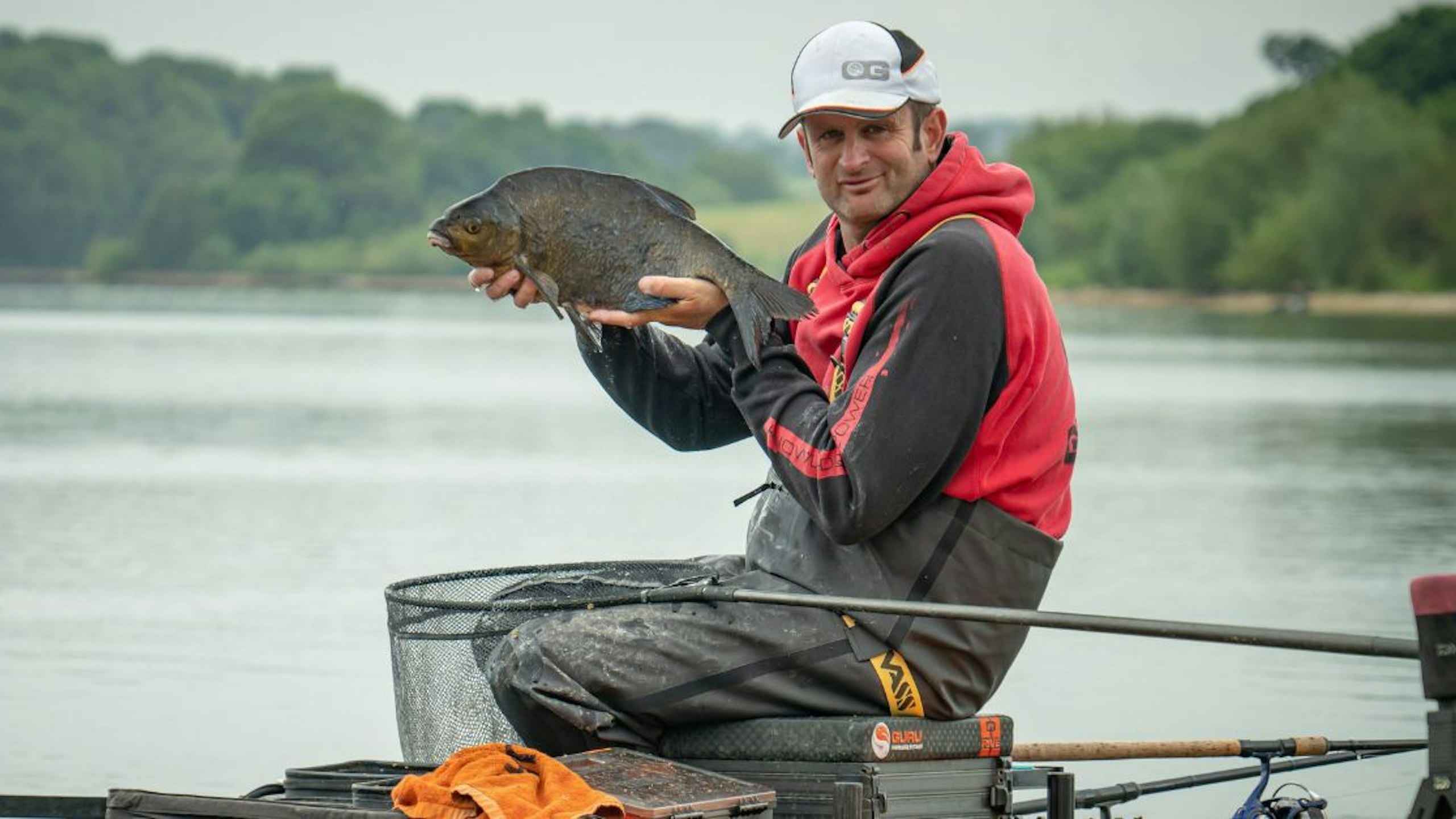
I’ve just returned from the European Feeder Cup match in Geistingen, Belgium, where I represented England, and we won the gold medal!
Although team glory is top of the agenda, I was proud to finish as the top individual in this teams of six event, staged on a huge water that looks like an inland sea.
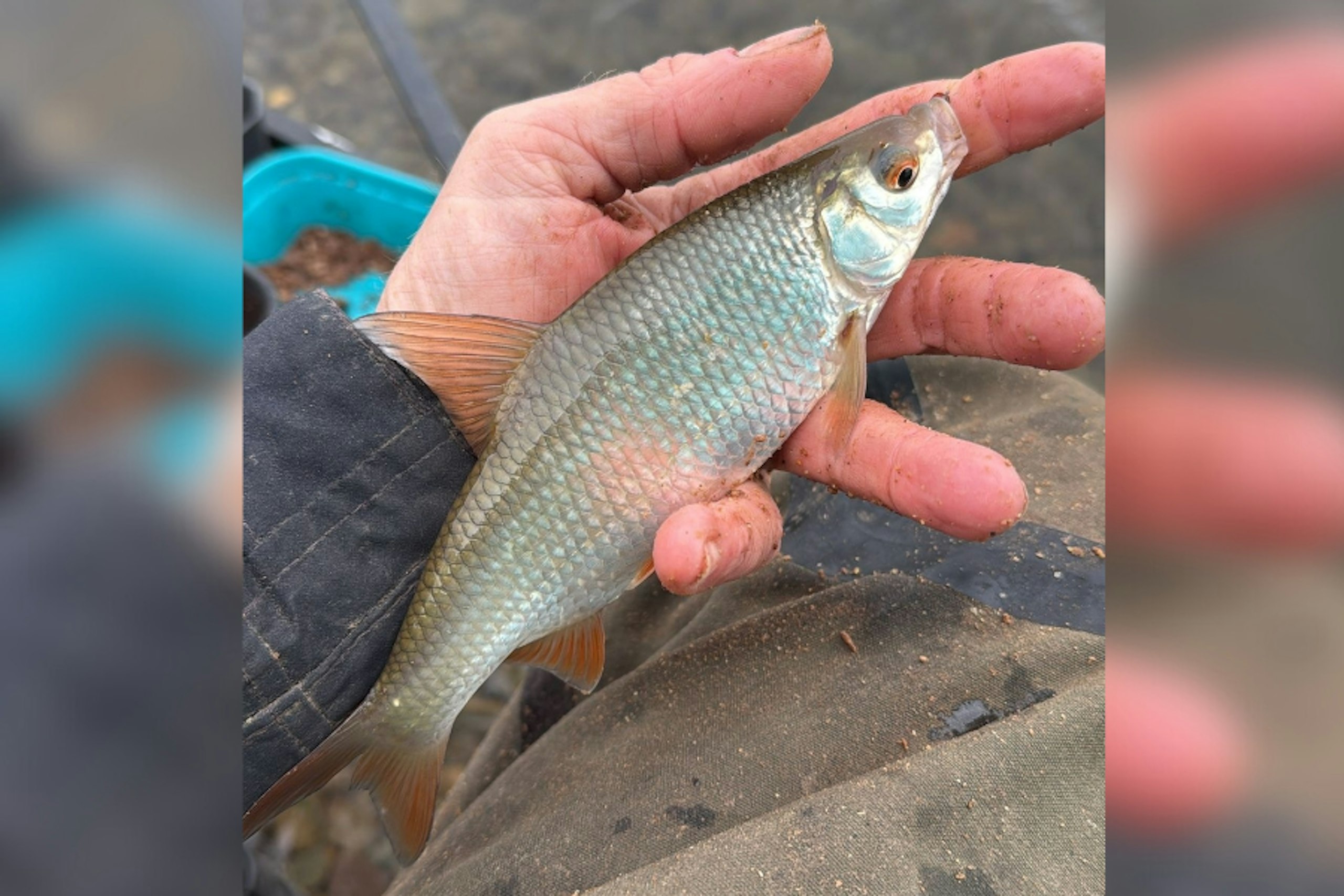
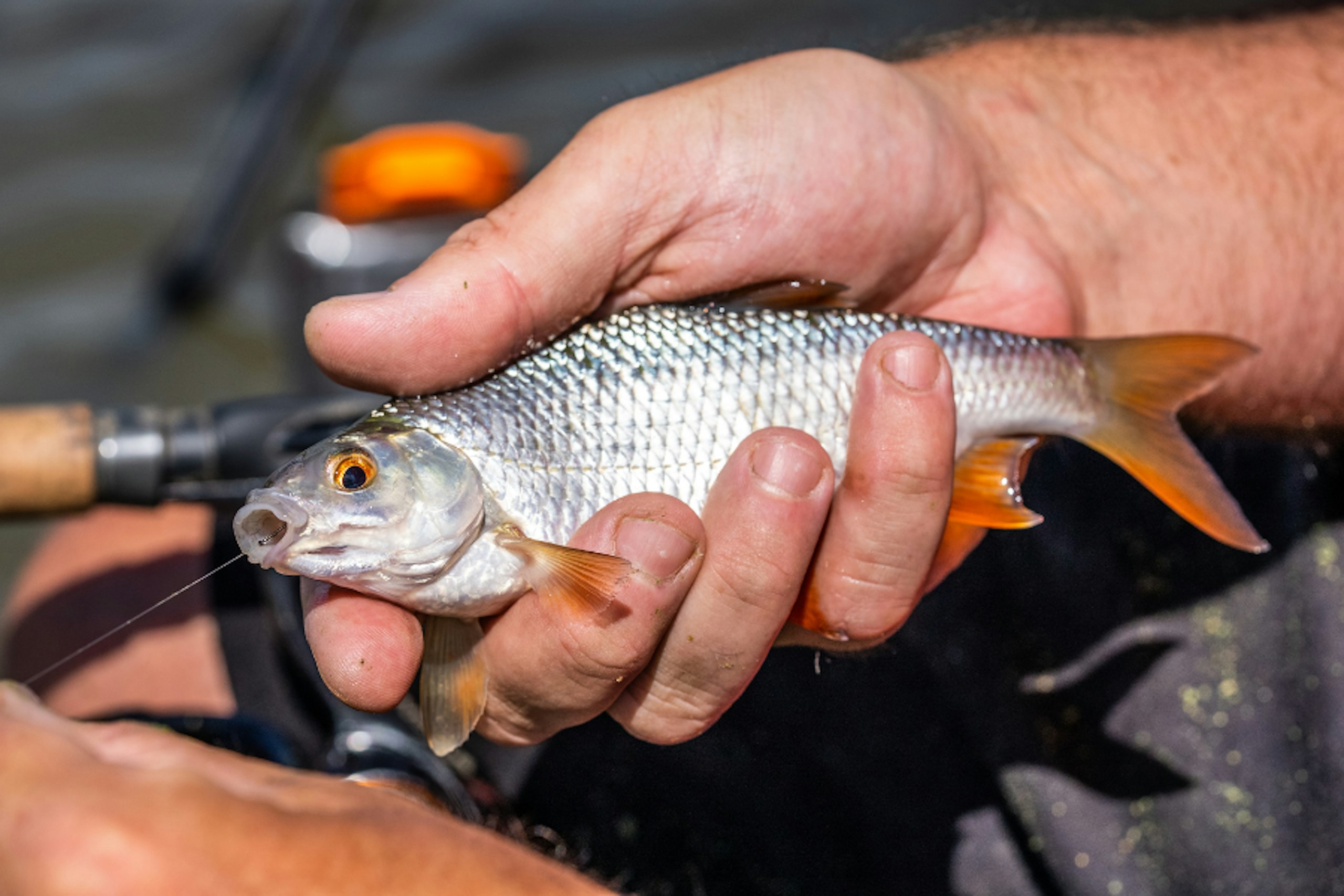
The main species were roach, bream and perch. A total of 12 teams competed, and it was fished over three competition days, with two practice days beforehand.
CHECK OUT OUR PICK OF THE BEST FEEDER FISHING REELS IN THIS BUYERS GUIDE.
Practice sessions
The 2024 tournament was also staged on this venue, and that meant we weren’t going in blind. That said, it felt a different place to what we’d previously seen. The water was far clearer and, as a result, roach seemed to be the dominant species.
The skimmers we’d previously become accustomed to catching were only in pegs where the depth was right. It’s a huge venue with massive variation, and to guarantee skimmers you needed an eight count when plumbing up with a bomb around 40m out.
The problem with fishing in this depth was that it was too deep for bream, and we soon decided that the redfins were a safer bet.
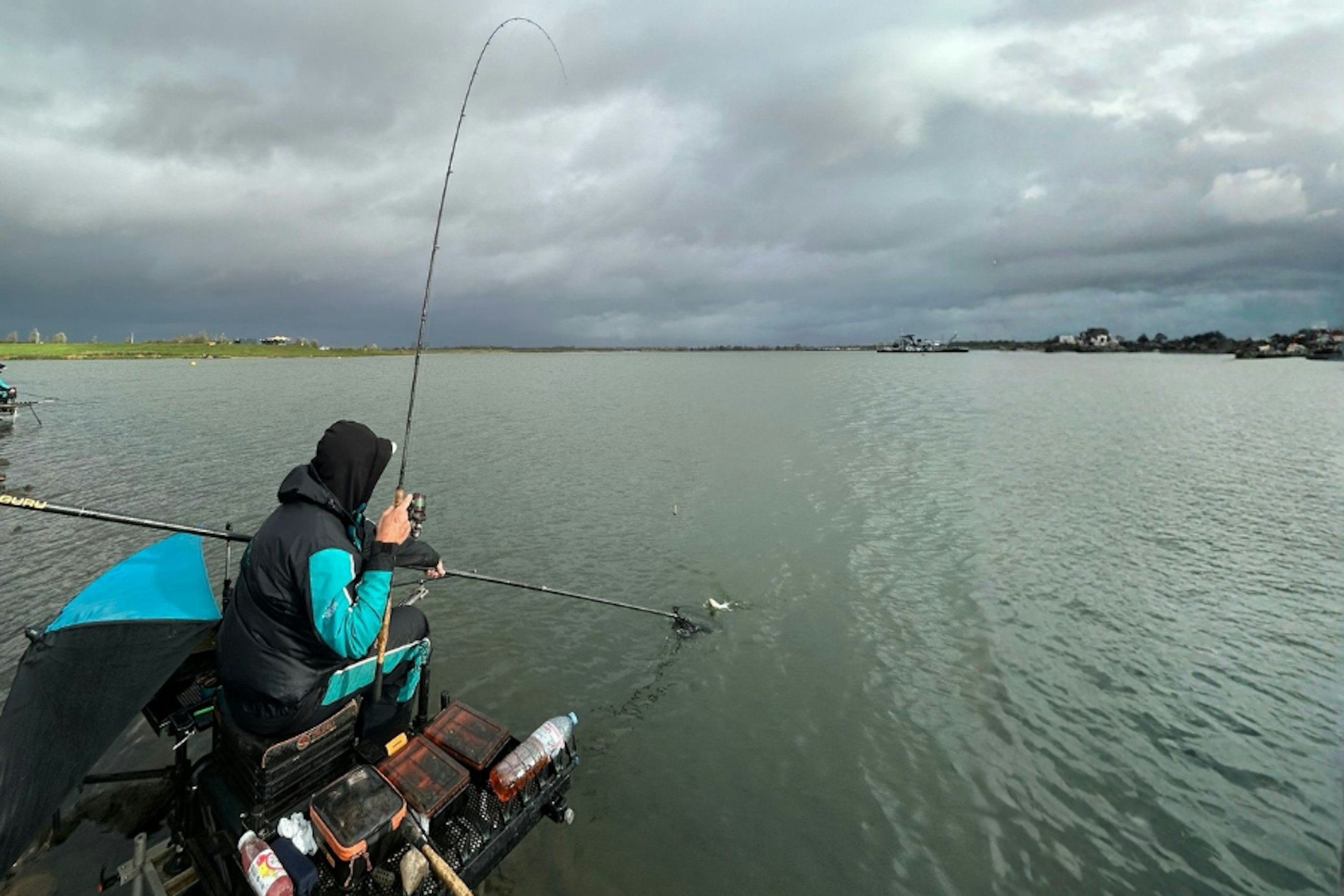
Casters and groundbait with a little hemp was the way forward, using large and medium window feeders. We also had worms, but they were used purely to make an impact for short spells to try and make something happen.
ALWAYS SELECT THE BEST FEEDER ROD FOR THE JOB IN THIS HELFUL GUIDE.
Day one
Peg F82 in the narrow channel was my home for the day. I say ‘narrow’, but it was probably 120m wide, so that gives you an idea what the rest of the lake is like!
In quite a shallow area, the maximum count I could get with a 1.5oz bomb was six. The problem I envisaged was that the roach are rarely in the channel at the start and only tend to push in later.
I went with an area at 40m because team mates Lee Kerry and Rob Wootton had practised this the day before with some success.
I set up three 12ft rods, all with 0.08mm Pulse 8 braid to a braided leader. The rest of the rig was a running paternoster incorporating a Guru Super Fine Feeder Link, a 25cm boom of 0.22mm Pure Fluorocarbon, and a 65cm hooklength of 0.14mm mono to a size 14 Pole Special hook.
I put in five large Guru 40g caged windows of groundbait, casters and hemp during the pre-baiting period, and once the match started I didn’t get a sign for the first 40 minutes. In fact, I didn’t see a fish caught! I then set up a 10ft Aventus rod to catch two asp in the rocks. They were tiny, but the blank was avoided.
Peg 80 then caught a roach, then peg 81, and they soon found their way down to me. I ticked over for two hours, but the roach wouldn’t settle.
I dropped down to a 40g medium caged window and that worked better, but it still lacked consistency.
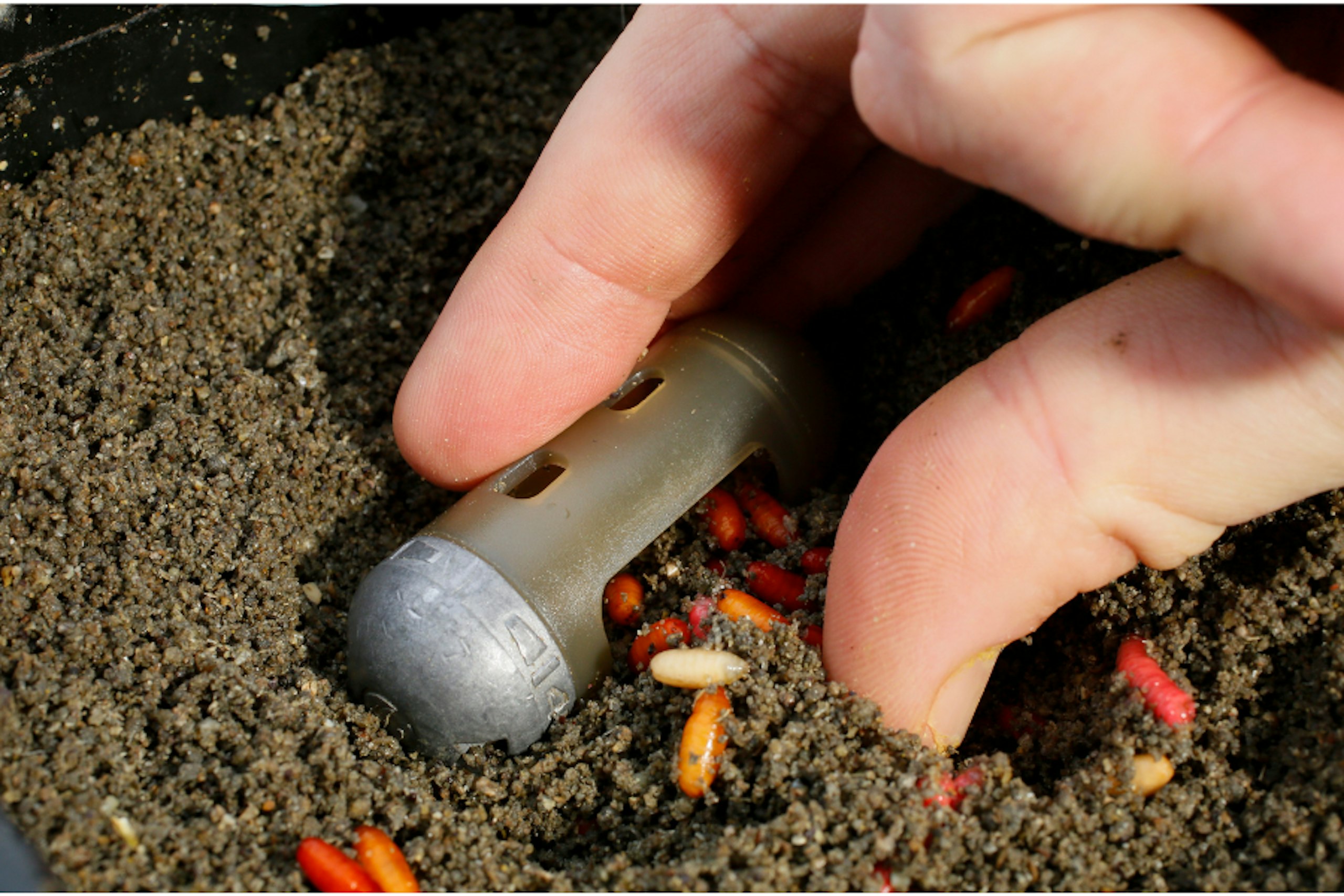
Changing how I loaded the feeder proved key. I lightly touched the loose feed in, allowing a quick release, and it worked a treat. It felt like the roach were off bottom, and you needed to release some bait on the way down. Bites were instant, which tied in with this. I missed a few bites, but switching to a size 12 hook with a single caster tipped with a white pinkie improved thing.
The pinkie offered a little bit of colour that the roach seemed to home in on.
I finished up with 114 roach and a rogue bream for 13kg 330g, which was enough to win the section.
SEE OUR CHOICE OF THE BEST GROUNDBAITS FOR FEEDER FISHING.
Day two
Peg E73 was in front of the island and it wasn’t a bad draw, but I felt others in my section were potentially better for bigger fish.
I set up just as I had on day one to fish a six count depth, which I found at 30m. I had an eight count at 42m, which had skimmer potential, but in a team match I felt roach were the safer option.
Using what I’d learned on the first outing, I had a good match, loading the feeder lightly to keep bites coming all day. The roach were of a smaller stamp, but my 156 fish went 9kg 430g for second in section. The zone was won with 13kg of bream and big perch and, without big fish, that was a near-impossible target for me to match.
THE BEST BAIT UP RODS ARE BECOMING MORE AND MORE IMPORTANT IN FEEDER FISHING.
Day three
I was back in the channel on peg F83 and, while generally happy with that, my concern was how long it would take for the roach to arrive. On day two, anglers reported it took two hours!
I mirrored what I did on day one and, after 30 minutes without a bite, I came short for 10 tiny asp to avoid the blank again. The roach eventually arrived, and I caught steadily for two hours, but it became apparent it was fishing a lot better than on day one and anglers were catching shorter, which meant they were quicker.
I had to react, and rather than come back from 40m to 30m, I simply wound in two turns and clipped up again. This worked, and by repeating that process twice more I was able to catch a little quicker.
My stamp dropped, though, whereas in the high 80s pegs, the roach were both closer and bigger. My early lead evaporated, as the area just didn’t seem to have the same stamp. I managed 126 roach for 12kg 940g, which was worth second.
The news of the team going one better than our silver last year was an incredible feeling. The icing on the cake then was to learn I had won the individual title for a second year on the spin, just about pipping team mate Adam Wakelin on weight, with Germany’s Marc Steck in third.
It was an amazing trip to a truly challenging venue where little tweaks ended up making a huge difference.
LEARN HOW TO EFFECTIVELY USE A BAIT UP FEEDER TO CATCH MORE FISH IN THIS ARTICLE.