- Home|
- News|
- News Stories
Is it time to abolish the closed season?
As March 15 looms, we examine the potted history of one of angling’s perennial talking points...
by Freddie Sandford |
Updated on6th March 2026 at 3.34pm
Follow Angling Times on Google
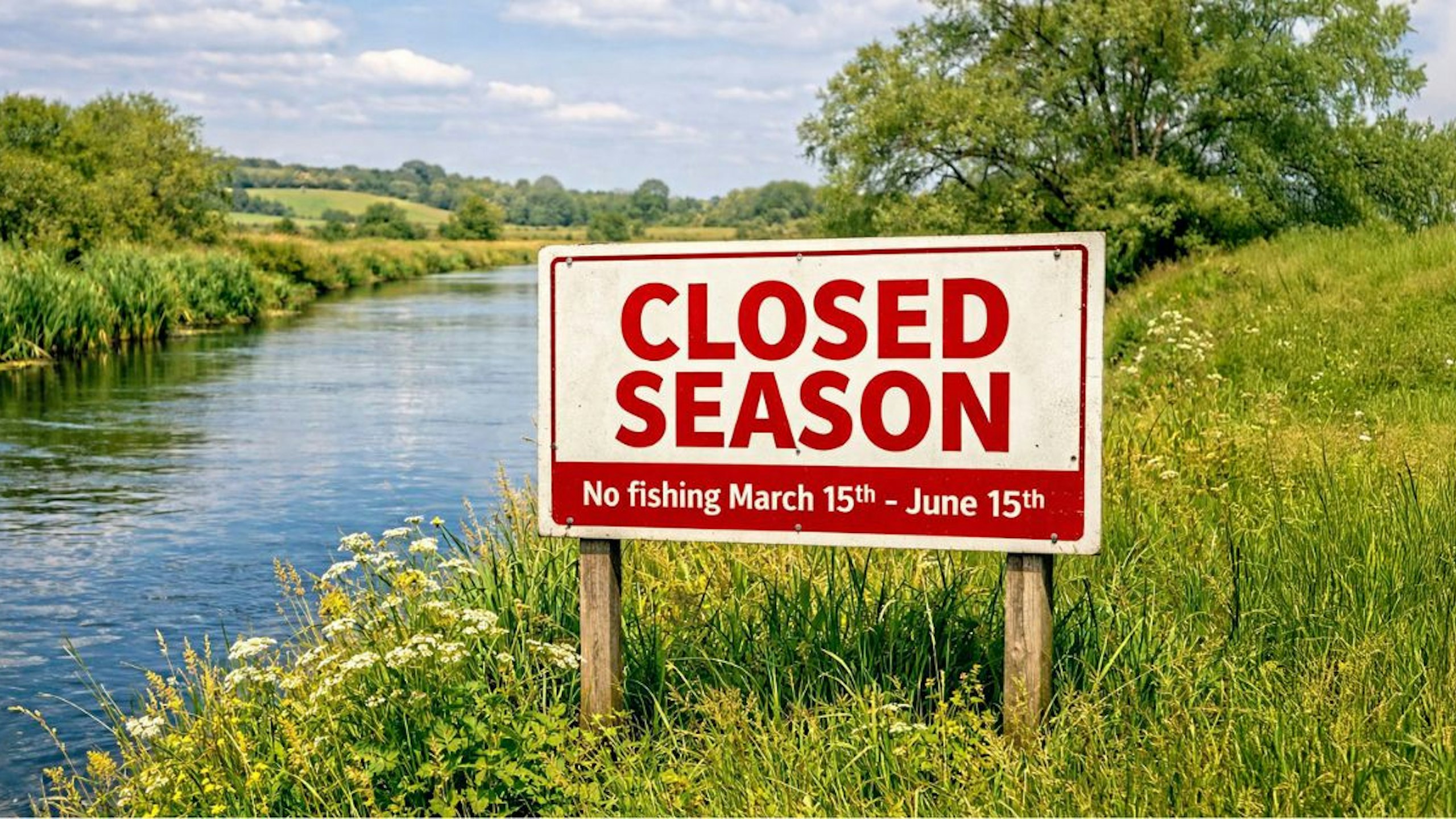
The prohibition of coarse fishing on the rivers of England and Wales between March 15 and June 15 is one of the longest-standing and most hotly disputed regulations in British sport.
Introduced nearly 150 years ago through the Mundella Act of 1878, it stands virtually unchanged to this day. Arguments for and against its existence, and relevance, are widely documented every year, with many prominent names in fishing calling for its eradication. But its origins are also the topic of intense debate, and over the past century-and-a-half there have been a few evolutions, not to mention quirks and loopholes along the way…

Anthony Mundella, the man who imposed the initial closed season
The North-South divide
The origins of the closed season stem from the desires of Sheffield’s match anglers in the 1870s. Back then, competition fishing was very popular, but keepnets hadn’t yet been invented (they arrived in the early 20th Century), so any fish caught in matches would be killed for the weigh-in. Recognising that their local fisheries were declining under the strain of competitive fishing, which continued throughout the spawning period, the Sheffield anglers began lobbying their local member of Parliament, Anthony Mundella, for legislative protection.
They proposed closing fishing in March, April and May, and adding species-specific variations according to spawning times – for example, no taking of barbel or carp in May or June. However, the anglers of London disagreed, and wanted the closed season to cover April, May and June.
Bitter debate followed, with ‘experts’ offering different opinions on the spawning habits of different species – hardly surprising, given the lack of scientific knowledge available at the time.
Mr Philip Green of the London Anglers Association travelled north to agree the dates with the Sheffield anglers. They agreed, somewhat unscientifically, to ‘split the difference’ and settle on March 15 to June 15.
After a little more controversy, as the Sheffield anglers tried once more to push through their original suggestion of March to May, the dates we follow today were agreed upon when the Freshwater Fisheries Act, or Mundella Act, was adopted.
THE SEASON IS NEARLY OVER, HEAD TO ONE OF THESE STRETCHES TO END ON A HIGH...
Evolution and quirks
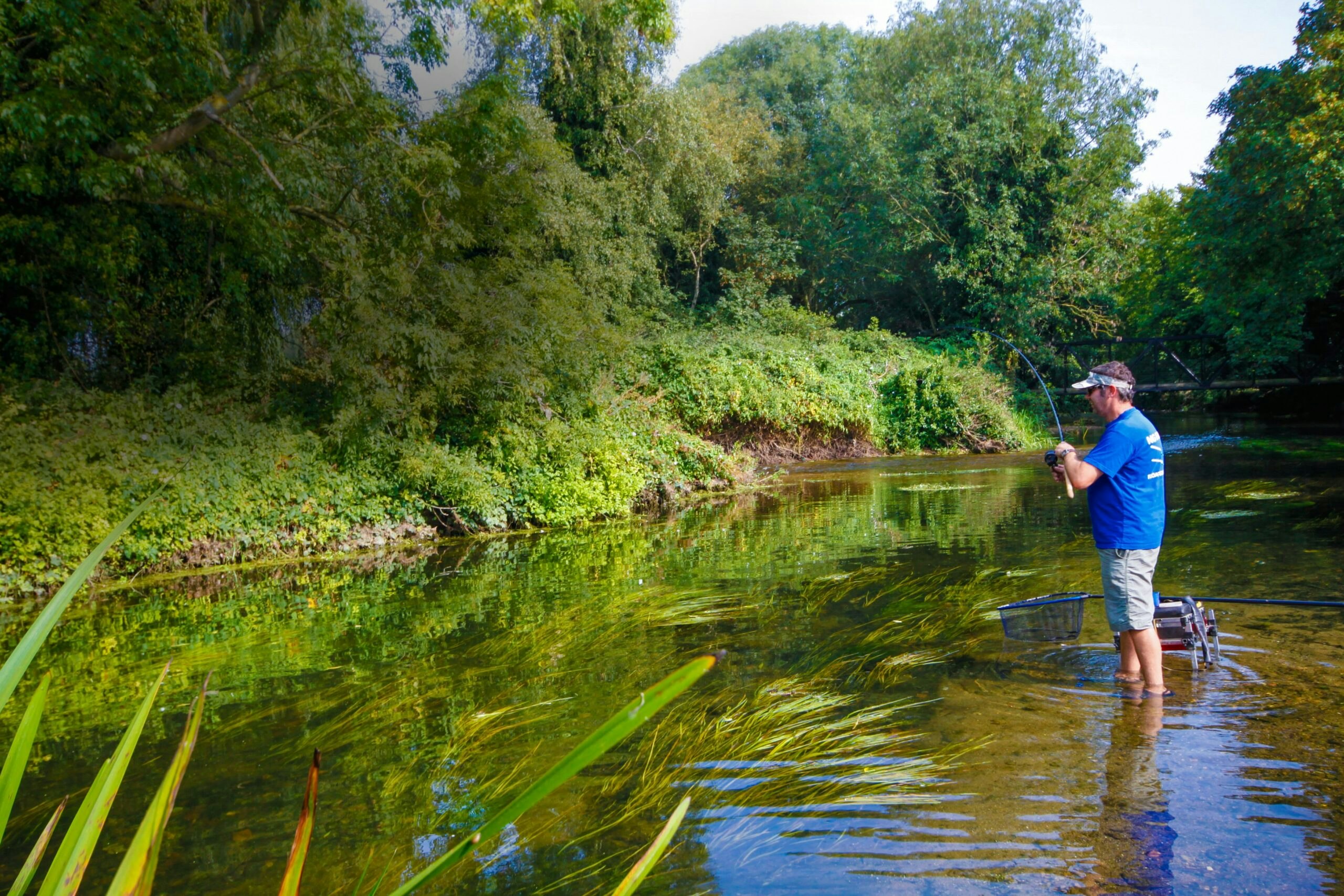
The river boards formed early in the 20th Century were allowed to vary the closed season as long as it followed the set number of 93 days. In Yorkshire, the authorities allowed anglers to begin fishing on June 1 in what became known as the ‘stolen fortnight’. This, however, meant that Yorkshire anglers would miss out on fishing in early March.
Aside from such regional quirks, the closed season remained intact across waters of all types until 1995, when the government removed it on stillwaters. The rationale for doing so was twofold – most stillwater owners could apply their own restrictions and impose a closed season when it suited their circumstances. Additionally, the closed season had already been removed from some stillwaters prior to 1995 without any obvious detriment to the fisheries.
In 2000, the closed season was also scrapped on canals, following a project by the Environment Agency (EA) that found no justification for maintaining it. There are still some canal sections that meet rivers where fishing is prohibited during the period, including the Kennet & Avon, Lea Navigation, and Basingstoke Canal.
Rivers and drains retain the same restrictions as they did in the 19th Century, although there are some unusual rules in certain regions. For example, in the Midlands, Yorkshire, North East and North West of England, anglers can target game fish with not only artificial flies and lures, but also minnows, worms, shrimps, prawns or sandeels during the closed season! As a result, pictures of anglers ‘fishing for trout’ often emerge on social media between March and June, supposedly targeting these game fish using two barbel rods on a pod and lobworm hookbaits…
THESE TIPS WILL HELP YOU LAND A LATE-SEASON BARBEL...
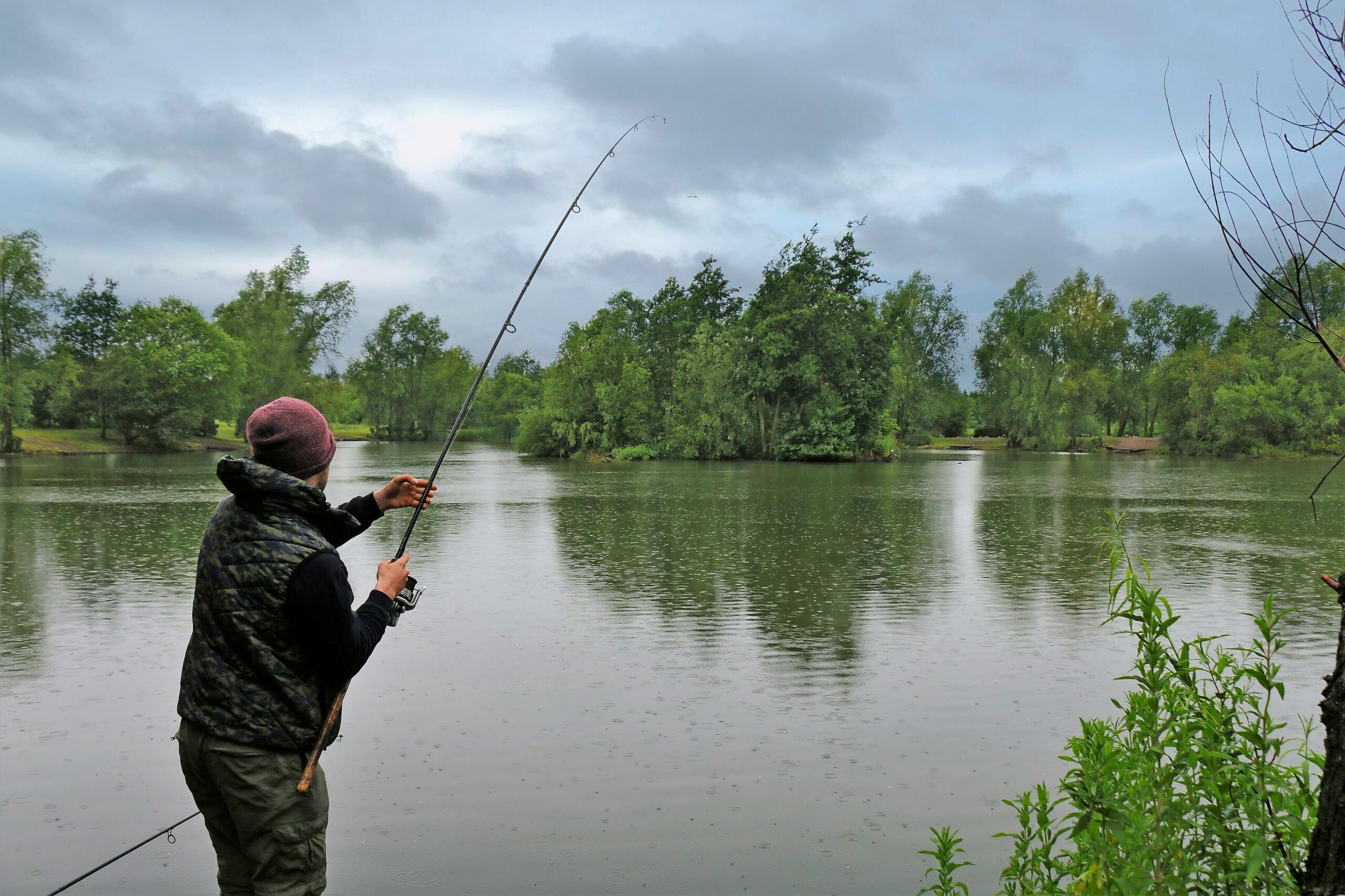
The majority of lakes and canals are now closed-season free
Pushing for change
In recent years there has been no shortage of strong campaigning for changes to be made to the historic act. In 2019 the Environment Agency ran a consultation to help it determine whether there was a case for altering the closed season
From the estimated one million coarse anglers in England and Wales, the EA received 13,680 responses. Of these, 49.2 per cent supported removing the closed season, 38.8 per cent supported retaining it, and 9.2 per cent wanted to change the dates. The remainder were ‘undecided’.
Given the relative balance among responders, and with a lack of evidence provided to support their views, the EA determined that there was not a strong case for changing the current closed season.
Although that consultation only took place six years ago, in that short timeframe, demand for change has arguably grown to an all-time high level. With increasingly extreme climatic conditions, many clubs have closed their stretches to fishing during hot weather and low summer water levels in order to protect their stocks.
At the other end of the season, many rivers are rendered unfishable over winter due to increasingly common flood conditions. This has a detrimental impact on tackle shops, that rely on the trade from river anglers before the spring break. When the 2019 consultation was put to bed, the EA said that they would ‘consider any new information on the closed season as and when it becomes available.’
If there was another consultation today, the results may not be quite so divided…
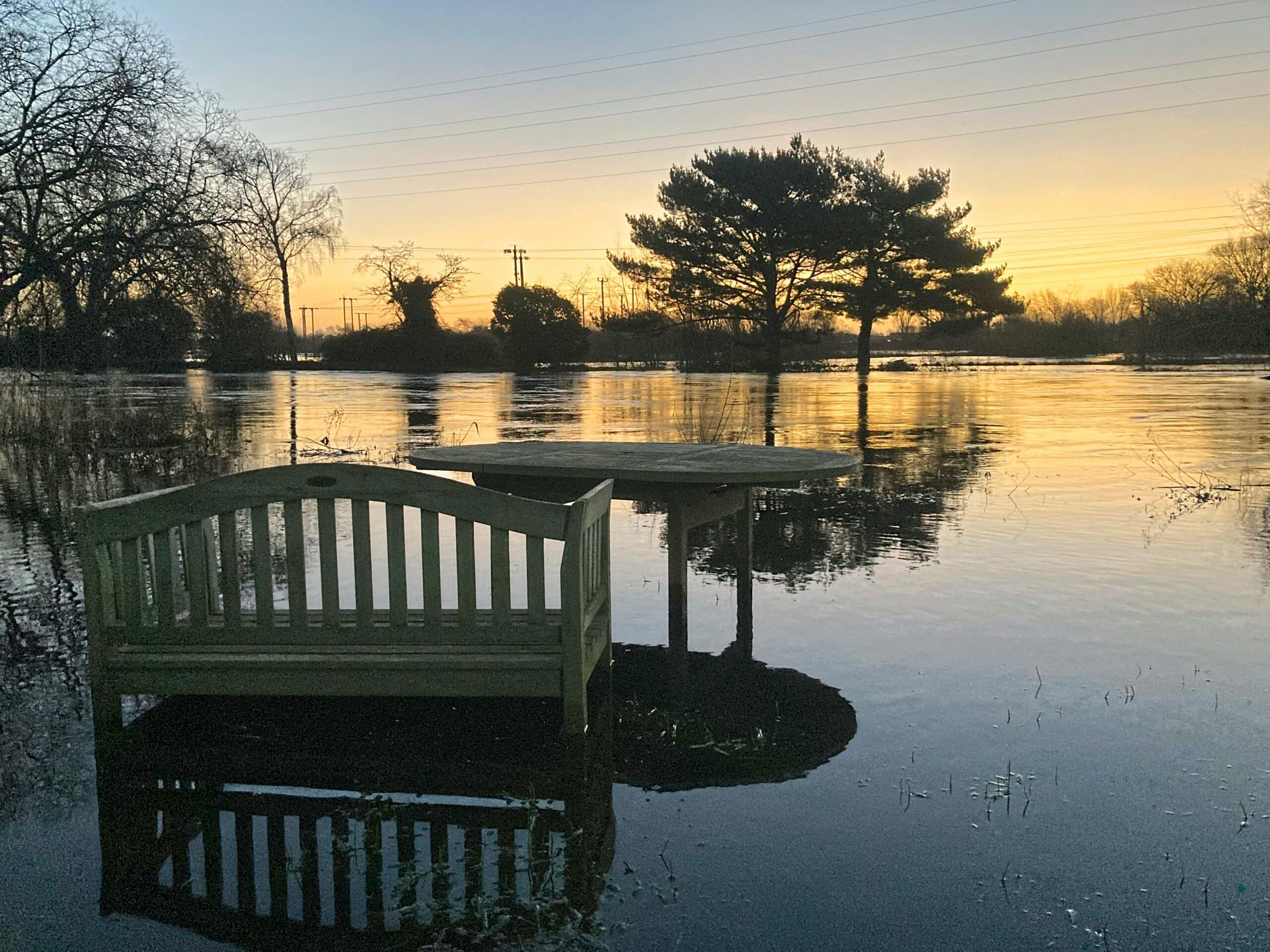
Flooded rivers can wipe weeks off the season | Credit: Dan Gale
Just so you know, we may receive a commission or other compensation from the links on this website - read why you should trust us