- Home|
- News|
- News Stories
We’re getting juniors on the bank, but are we missing the adults?
Junior fishing is growing, but are grassroots events doing enough with the parent standing behind the child?
by Jonathan Longden |
Updated on19th May 2026 at 12.06pm
Follow Angling Times on Google
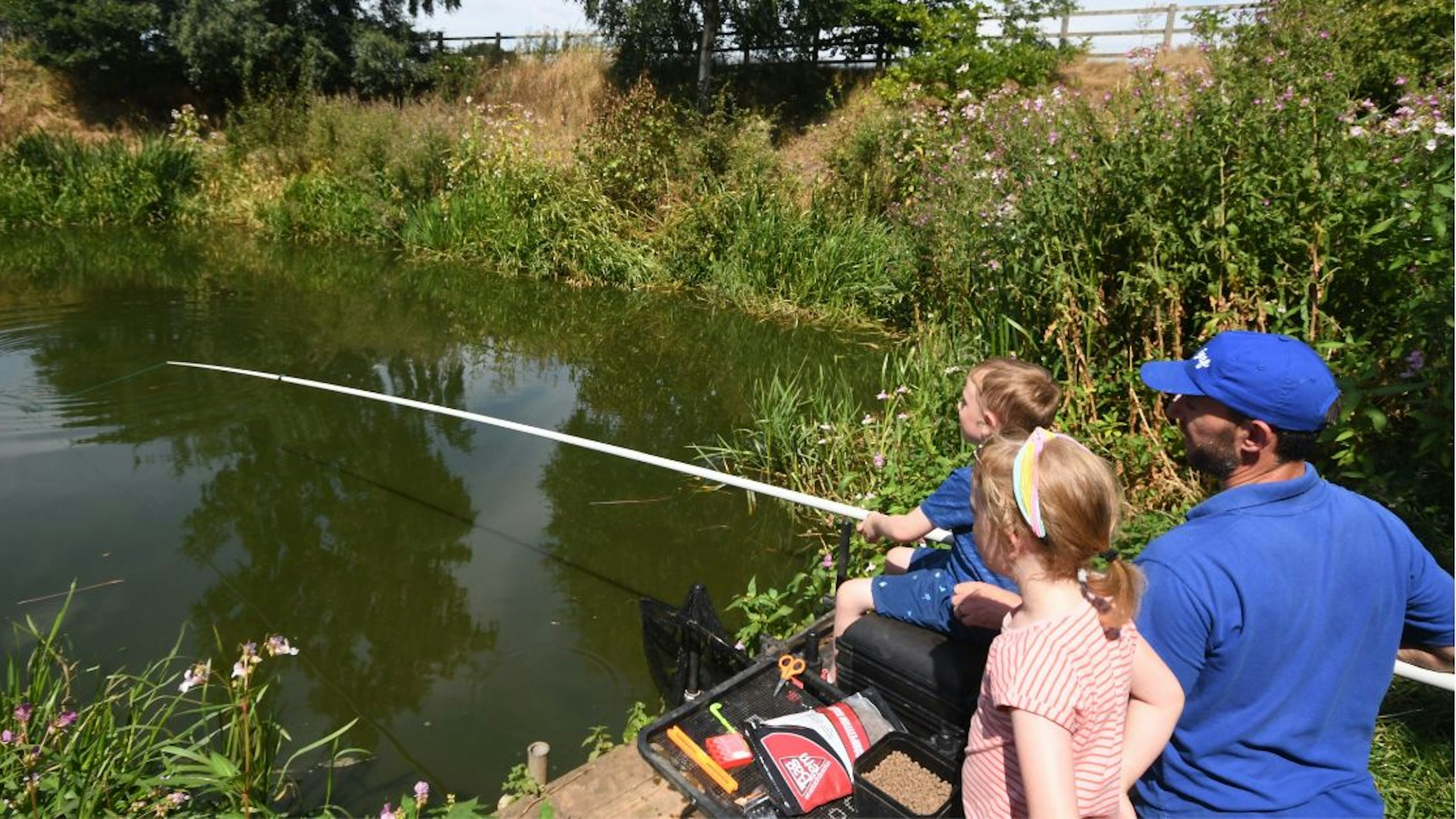
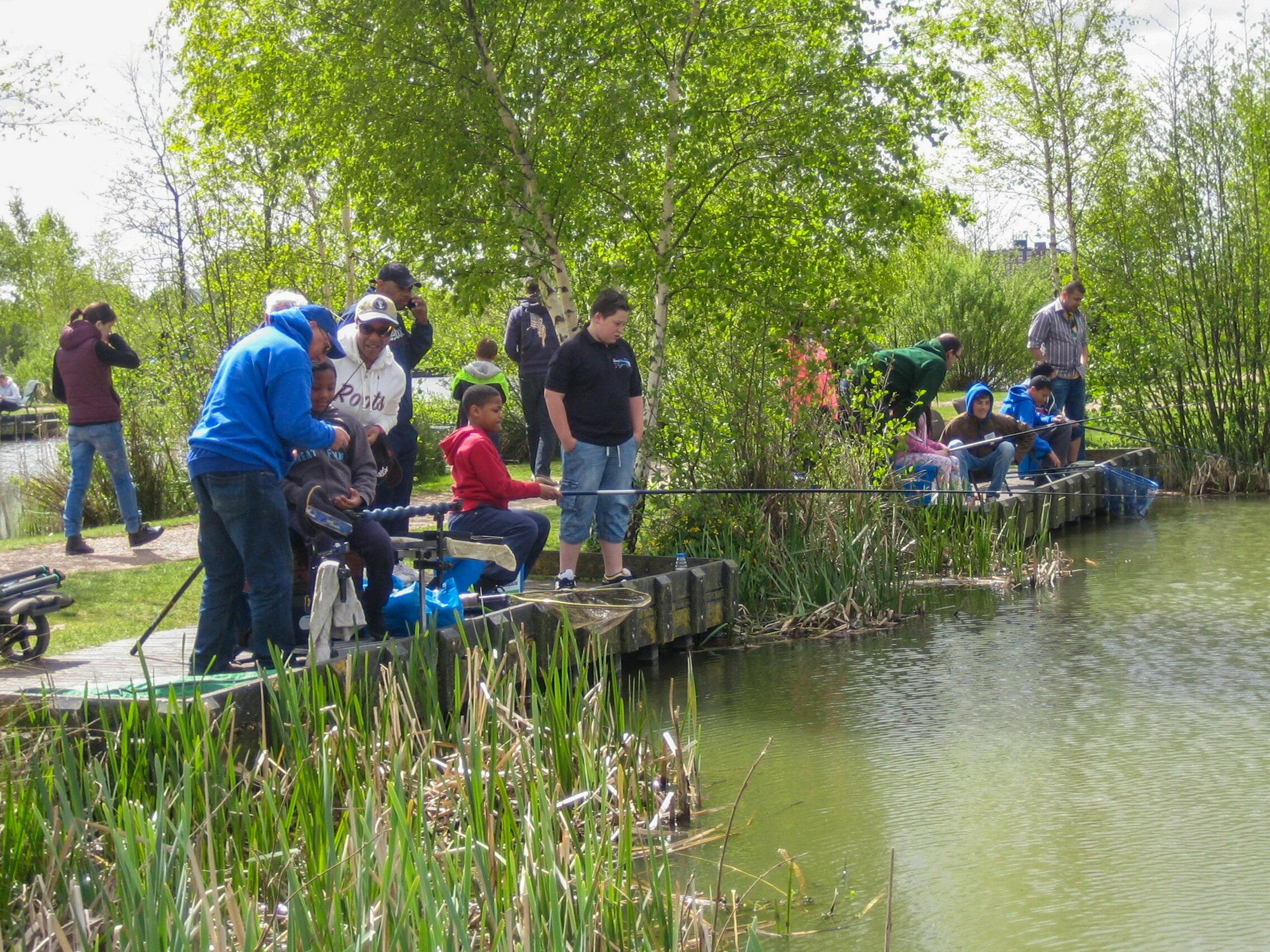
The youngster is the one holding the whip, catching their first roach, asking if a perch will spike them, or discovering that maggots are not quite as bad as they first thought they were.
The parent, grandparent or guardian are usually just behind them, observing, taking photos, carrying bags, keeping younger siblings occupied, sorting out snacks and making sure the day doesn’t fall apart before the float has even settled.
This role matters more than you might actually think, because without the adult there, most children would never get to the bank in the first place. But if angling only sees that person as transport and supervision, it risks wasting one of the best recruitment opportunities the industry will ever get.
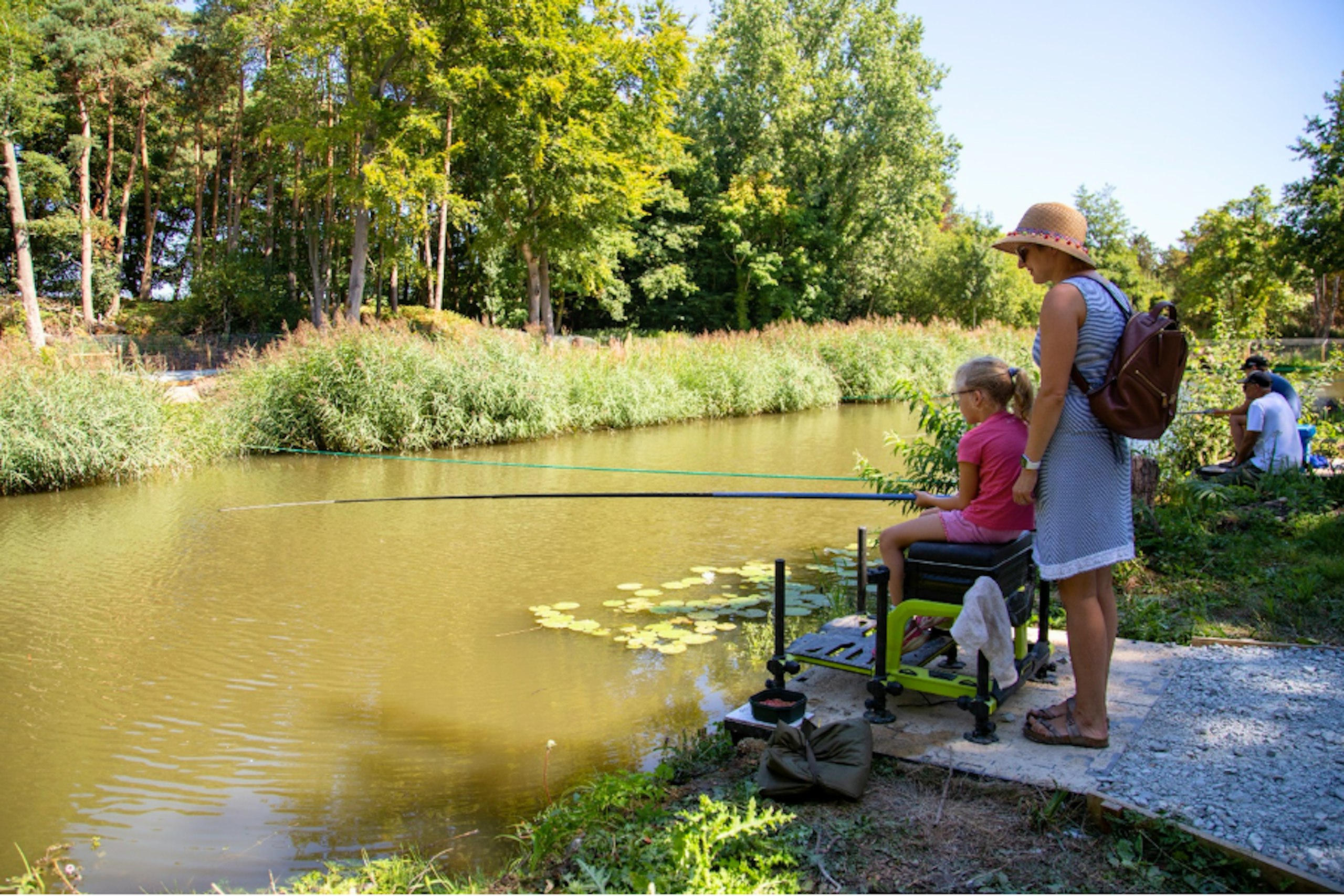
The adult on the bank matters too
The efforts in grassroots angling are working, and it deserves credit for that. The Environment Agency issued 100,650 junior licences in 2024-25, a rise of 31.3 per cent on the 76,648 recorded the previous season. Junior licences now account for roughly one in ten of all rod licences issued in England, up from around one in twelve the year before. Alongside that, the Get Fishing Awards scheme saw 3,178 people complete the full three-session course and obtain their first fishing licence in 2024-25, while Reel Education reached 32 schools and 6,276 pupils in the same period.
The Covid years gave the sport a stark reminder of what happens when people suddenly rediscover water, space and time outdoors, but the harder job was always going to come afterwards. Getting people to try fishing is only one of the challenges. Giving them enough confidence, guidance and reason to keep going is the factor that decides whether a short-term interest becomes a lasting hobby.
That makes this a retention question just as much as it is a recruitment one, and the adult standing behind the child deserves far more attention than they’re currently getting.
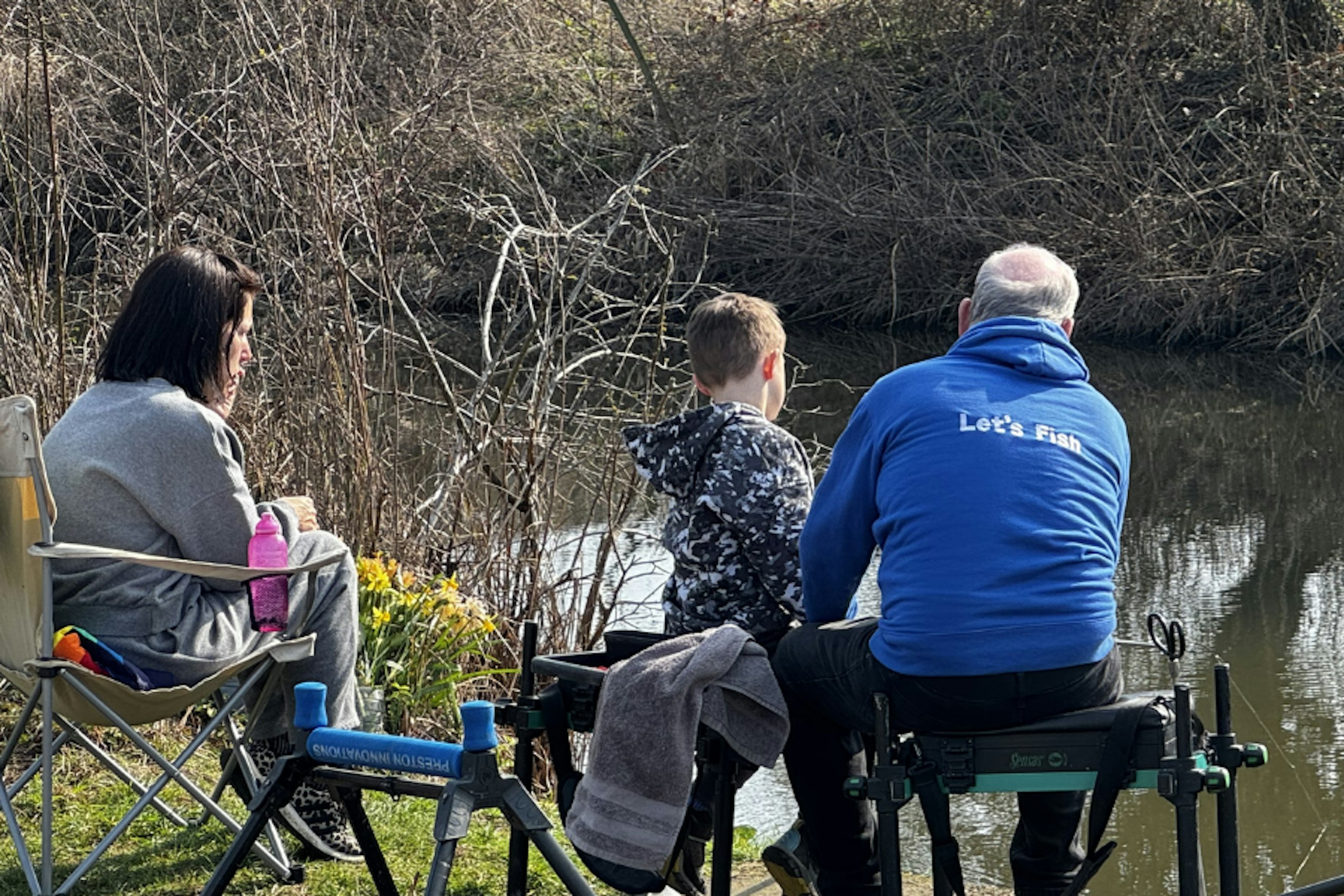
When parents buy in, the second and third trip becomes far more likely.
The adult is the smarter recruit
The opportunity to recruit parents as participants is larger than it appears. There are numerous ‘lapsed anglers’, people who have fished at some point in their lives, drifted away and just need the right reason to get back on the bank. Older Angling Trust participation research, carried out by Substance in 2016, supported that pattern, although it should now be treated as context rather than current evidence.
Even without leaning too heavily on the older data, the observation is still obvious. The parent on the bank at a junior event is often not completely new to fishing. They may have fished as a child, had a grandparent who took them, bought a rod years ago and never got round to using it properly, it’s probably part of the reason they are there with their child, they have some past affinity with angling.
Having spent years behind a tackle shop counter I recognise those people immediately. Beginners and returners rarely walk in as blank slates. They arrive with half-memories, old habits, confusion, curiosity and often a bit of embarrassment because they feel they should know more than they do.
The biggest barrier is rarely a complete lack of interest. More often, it is not knowing where to go, what to buy, what licence they need, where to get it, or whether they will look stupid turning up somewhere on their own.
A good junior event already removes most of that fear. It puts the adult on the bank, provides the venue, creates the welcome and gives the family a reason to be there. The missing piece is whether the adult gets a proper invitation into the sport too.
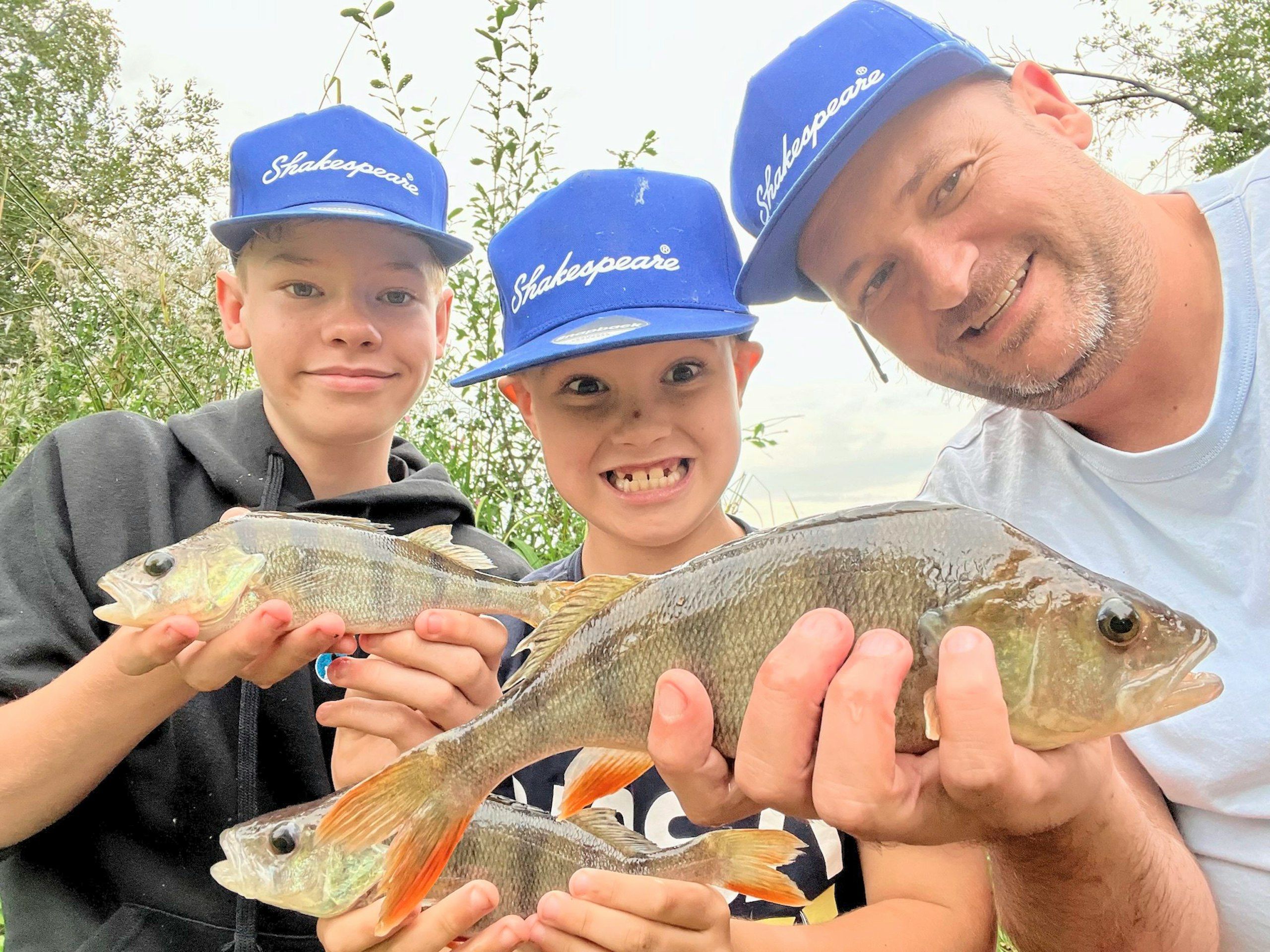
Family time can be part of the answer
Family commitments are often treated as one of the reasons adults don’t fish more often, and anybody with children, work pressure and a full weekend of commitments will understand why. Time gets tight, Saturdays are gone in a flash and what once felt like a simple trip to the bank can start to feel like one more thing that needs organising.
But that is exactly why family-centred angling deserves more attention than it currently gets. If the obstacle is time with family, then the answer is not always to separate fishing from family life. In many cases, the answer is to make fishing fit within it.
In the Angling Trust research from 2016, anglers were asked what would encourage them to go more often, 56 per cent said events where they could fish with family and friends, 45.6 per cent said events where family could do other things, and 70 per cent said provision that combined angling with short breaks and other activities. That research is now approaching a decade old, but the consensus is consistent with the broader logic - family-centred formats are not a distraction from growing participation, they are one of the more obvious routes into angling.
This is where angling needs to think a step further. A children's taster session is valuable, but a family recruitment session is potentially far more powerful. The child gets their first experience, but the adult gets to give it a go too.
Get a rod in their hands, shown them how simple a rig can be, talk through the licences and how to obtain them, give an idea of the local fisheries and the next realistic step. Not in a way that overwhelms, but in a way that treats them as a potential angler, not as a spectator.
Fo all the progress made with junior recruitment - this shift in how angling is presented to families rather than just children would be a far better retention model.
Angling is still passed on through people
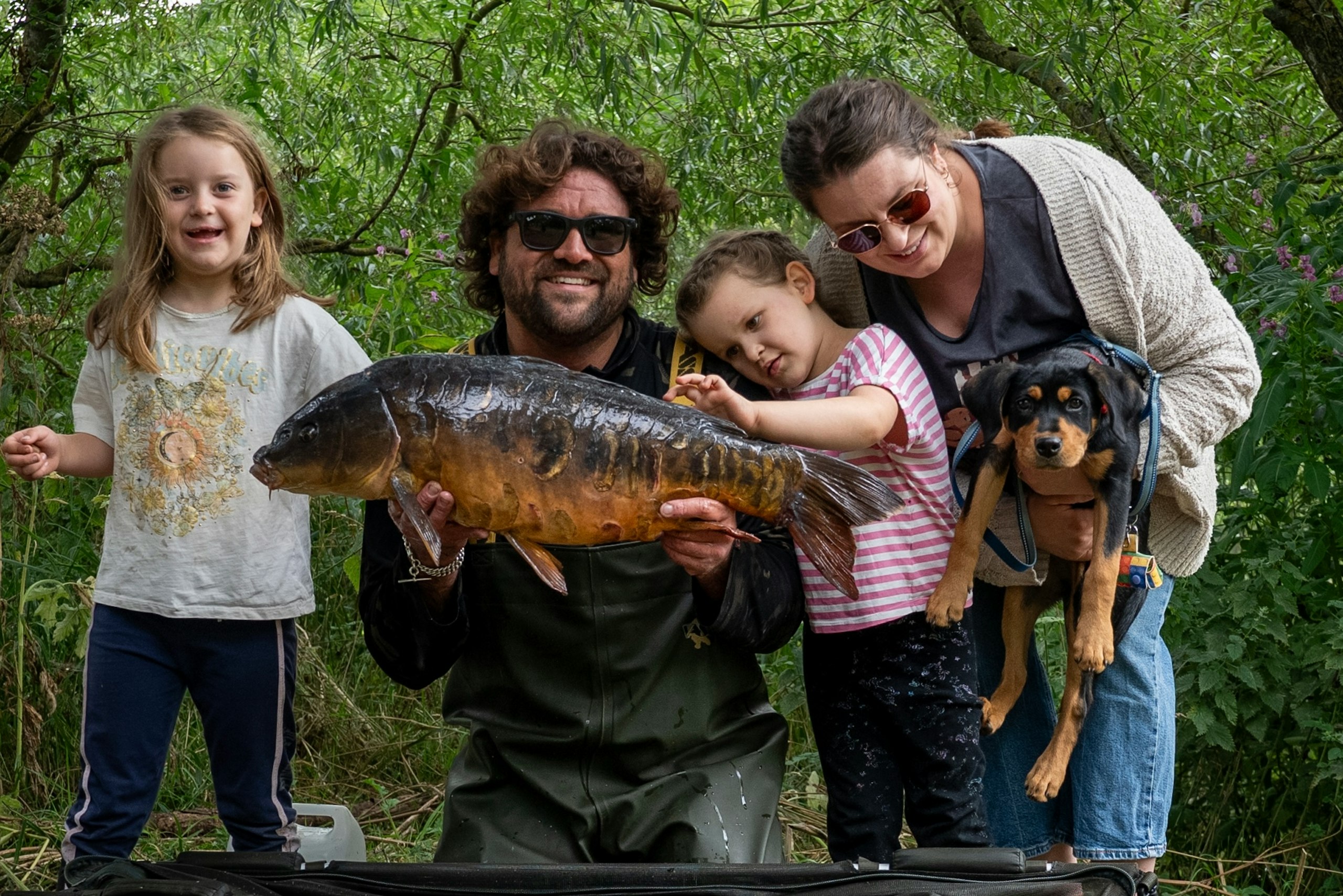
Angling is still, in many cases, handed from one person to another rather than picked up from a passing interest, a video or a social media post. Old research into young people involved in Get Hooked on Fishing programmes points strongly towards the importance of family influence, although that work is now historical and was based on the programme participants rather than the general angling population.
Even with that caveat, the wider truth is still hard to ignore. Most anglers can name the person who first took them fishing. A dad, mum, grandad, uncle, neighbour, or friend.
That is why the parent, grandparent or guardian at a junior event is an easy recruitment target. They are already at the venue, already have a reason to listen and are already seeing the child engage with the water, the wildlife, and the tackle. If they have fished before, the event might reactivate them. If they have never fished, it might give them a safe first step. If the child later drifts away, and plenty will when school, work, friends, and adult life start competing for their time, the adult may continue to go fishing.
Fishing gives adults a reason to return
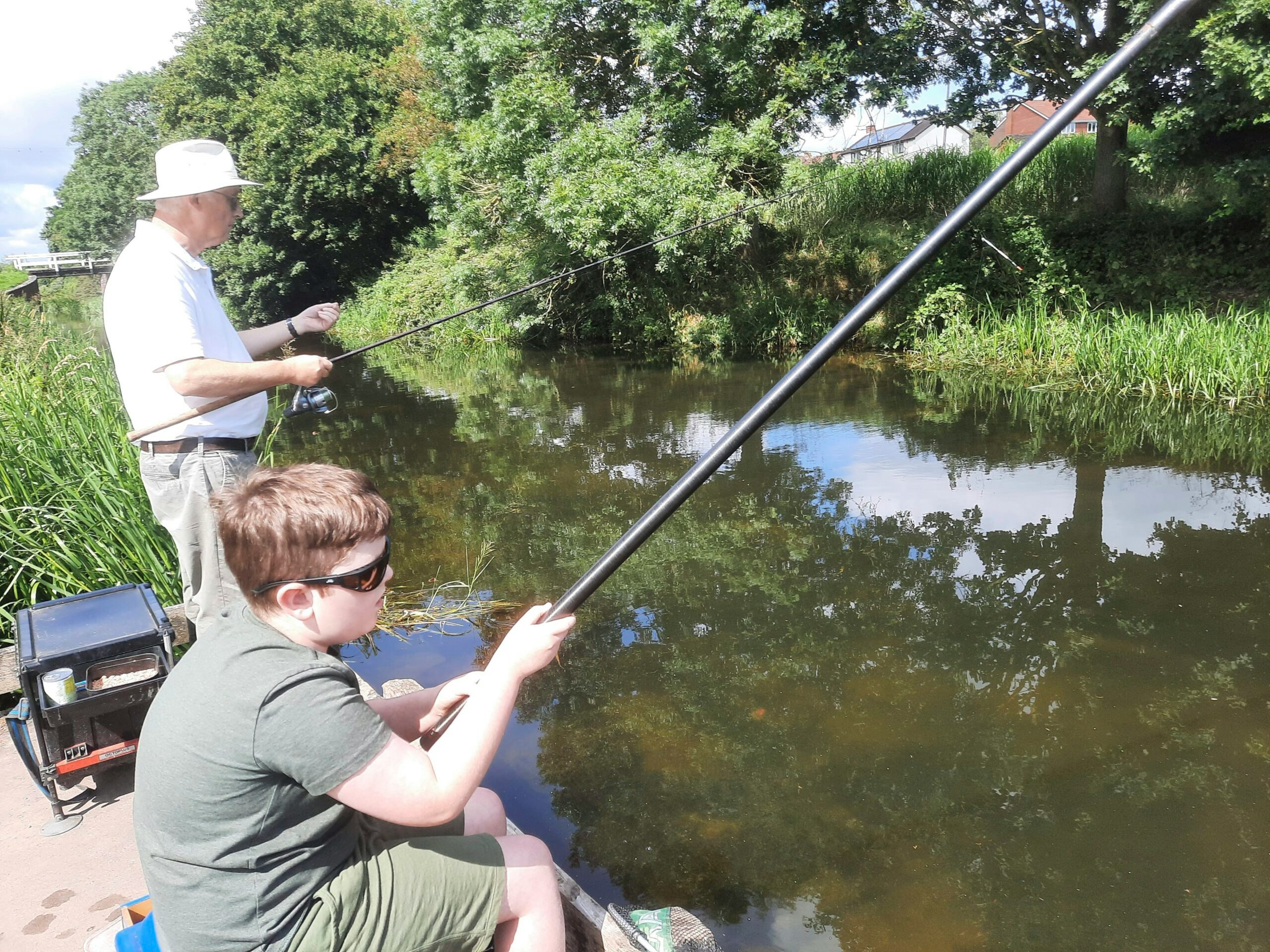
There is a wellbeing argument here too that shouldn’t be ignored. Survey findings reported by Anglia Ruskin University in November 2022, based on work with Angling Direct and Tackling Minds, suggested that UK adults who fished were less likely than non-anglers to report anxiety disorder, suicide attempts and deliberate self-harm.
Although these are only survey results rather than a peer-reviewed study, they still align with a stronger evidence base. A separate cross-sectional study of 1,752 UK adult male anglers, published in Epidemiologia in 2023, found that those who fished more regularly had reduced odds of depression, suicidal thoughts and deliberate self-harm, along with higher mental wellbeing and lower symptoms of depression and anxiety compared with those who fished less frequently.
Those are solid associations, and I’m not saying it’s proof that fishing cures anything. But most anglers including myself recognise the truth with their own experiences. It gives a busy adult space, routine, fresh air, purpose and a bit of quiet focus in a life that often has too little of it. For a parent juggling work, children, money and the general noise of modern life, angling is a powerful reason to keep doing it.
Make junior events work harder
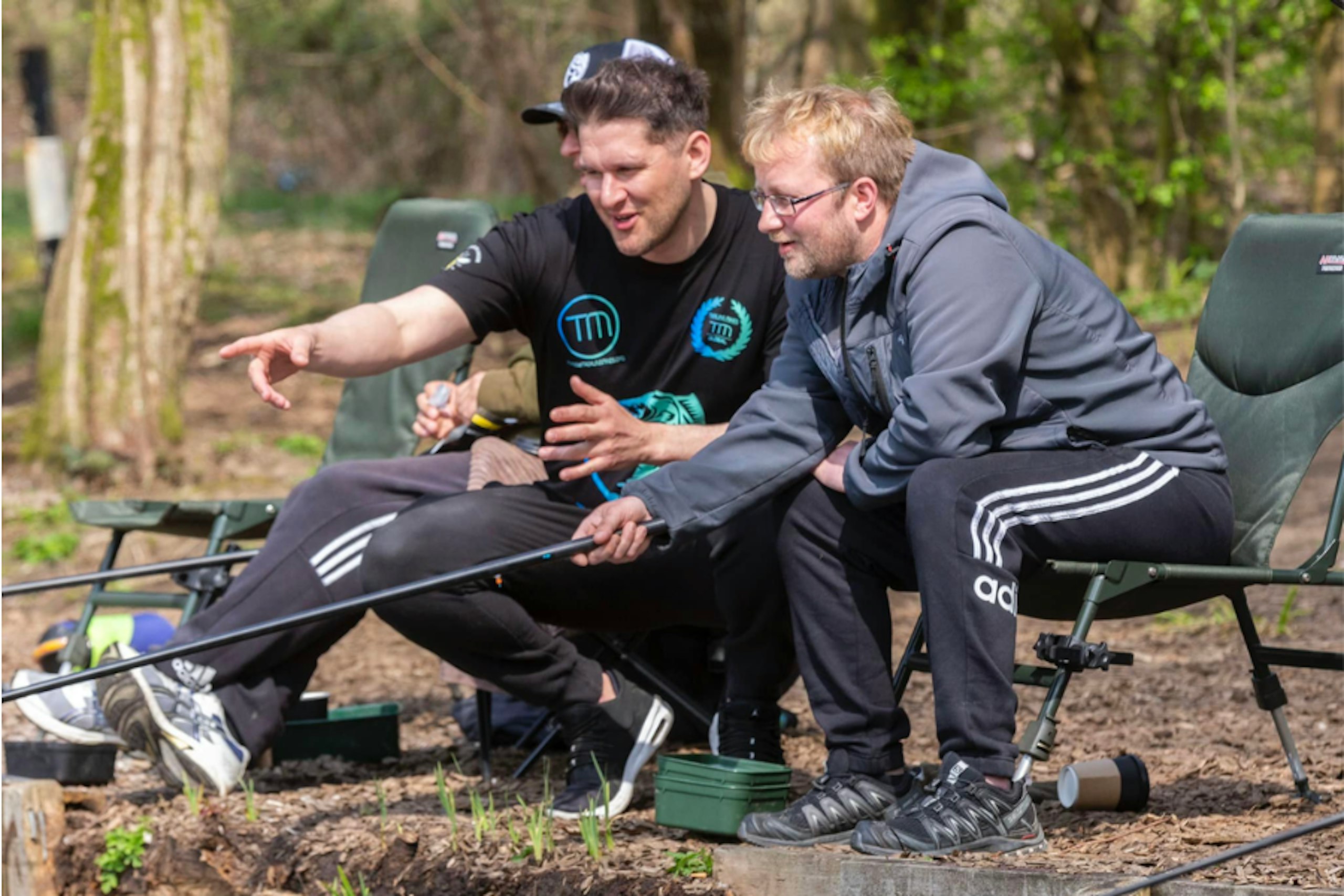
Family fishing venues lower the barrier that is often perceived. Initiatives like Get Hooked on Fishing brings adults and children into the same learning space. Asfordby and Melton society of anglers provided coaching sessions aimed at mums, and the results of that not only introduced kids to the sport it got more women involved too, this shows what can happen when the adult gets a deliberate invitation rather than a passive role of chauffeur or chaperone.
Every junior event should be treated as a dual-entry event. Ask the adult at booking whether they want to fish too. Put a rod in their hand, give them their own coach-led moment rather than just leaving them to watch. End the session with clear next steps, including where to fish locally, what tackle they need, local retailers to go browse and buy tackle, how to obtain a fishing license and when the next beginner-friendly opportunity is happening. Then follow up with them too, not just the child.
One quick win would be simple - at every junior session, a coach should spend five minutes with the parent, away from the child, and pose one direct question: "What stops you from going fishing yourself?" The answer will usually be more useful than another flyer or leaflet because it identifies what the barrier is.
Retail needs to play a part too
The retail side of the industry should be paying attention too, because every new or reactivated adult angler has greater direct value to the sport than a child who may only fish when someone else takes them. Adults buy licences, rods, bait, day-tickets, clothing, and luggage. They choose the venues, book holidays, take the children, invite their friends and, in many cases, become the household influence that keeps fishing present long after an event.
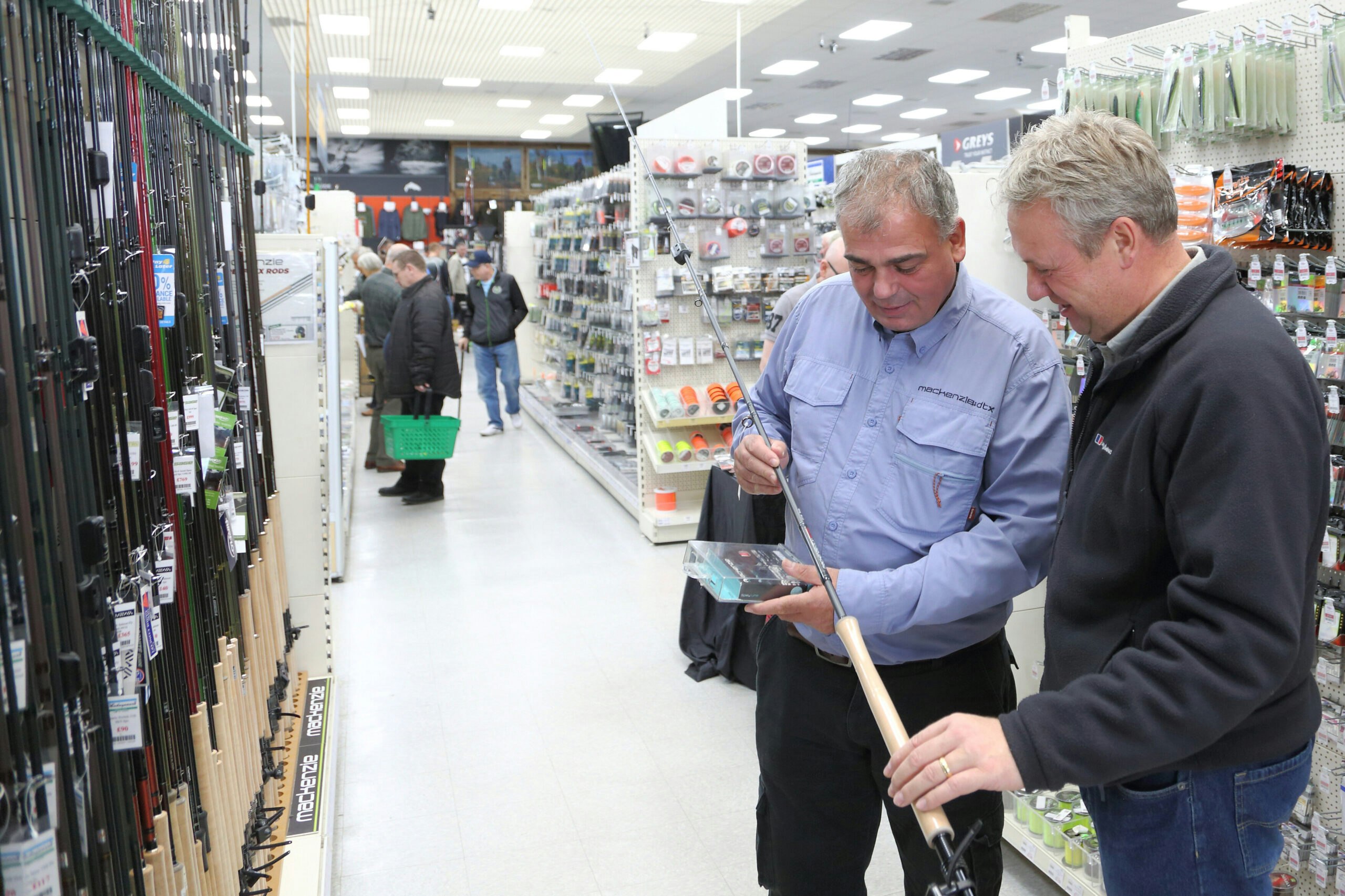
Beginners aren’t lost through lack of enthusiasm - it’s more a lack of information and confusion. For a returning angler, modern tackle can feel alien and the perception that anglers talk in a foreign language, it can be difficult for newcomers to see the wood for the trees with aisles of rods, reels, nets, luggage, terminal tackle and groundbaits that make the simple act of starting again feel harder than it needs to be. Too much choice, too much jargon and too little guidance can instantly kill momentum.
The easiest recruit is already there
Angling has a substantial base, a working grassroots engine and a warm adult audience that is closer than many people realise.
Parents, grandparents and guardians are already turning up. Some are lapsed anglers, some are curious beginners, and some are simply busy adults who have not yet realised that fishing might give them the same thing it gives the child - time outside, a bit of calm, a challenge to learn a new skill and a reason to keep coming back.
If angling is serious about recruitment, reactivation and retention, it needs to stop seeing those adults as spectators and as potential anglers. They are not just there to carry the tackle. They are the easiest recruits the sport has.
Just so you know, we may receive a commission or other compensation from the links on this website - read why you should trust us