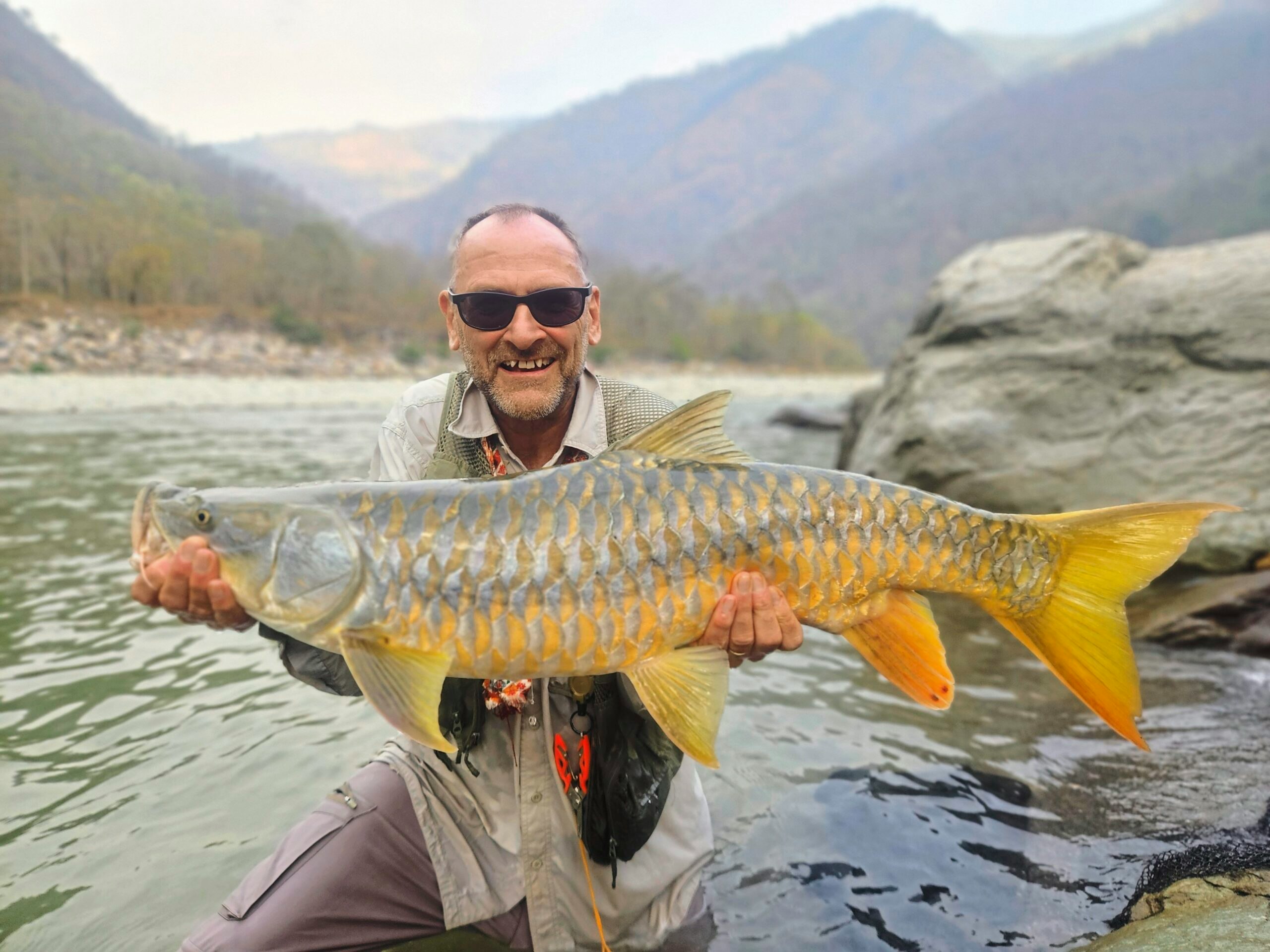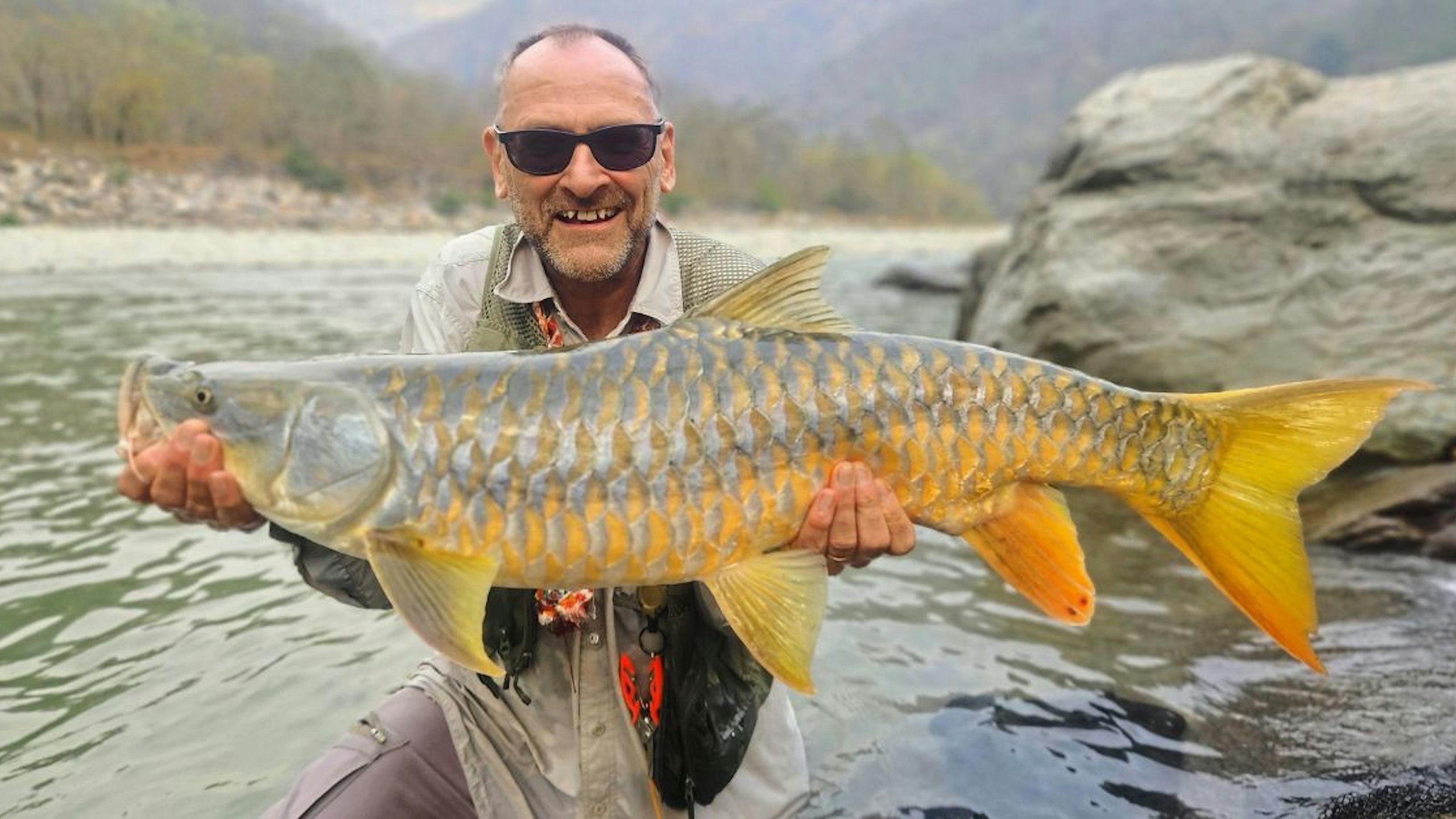
Of all the freshwater fish on the planet, the mythical mahseer has to be one of the most awe-inspiring.
Inhabiting the wild, fast-flowing rivers of the Himalayas, the species has captured the imagination of anglers for centuries. However, they are facing an uncertain future, with hydropower dams destroying their habitat on a vast scale.
To highlight the growing issues that the species is facing, the International Mahseer Angling Challenge was launched this year. Bringing together 25 anglers from eight nations on the West Seti River in Nepal – the last remaining watercourse in the country not impacted by dams – it promoted angling as a sustainable resource for the remote communities through which these rivers flow.
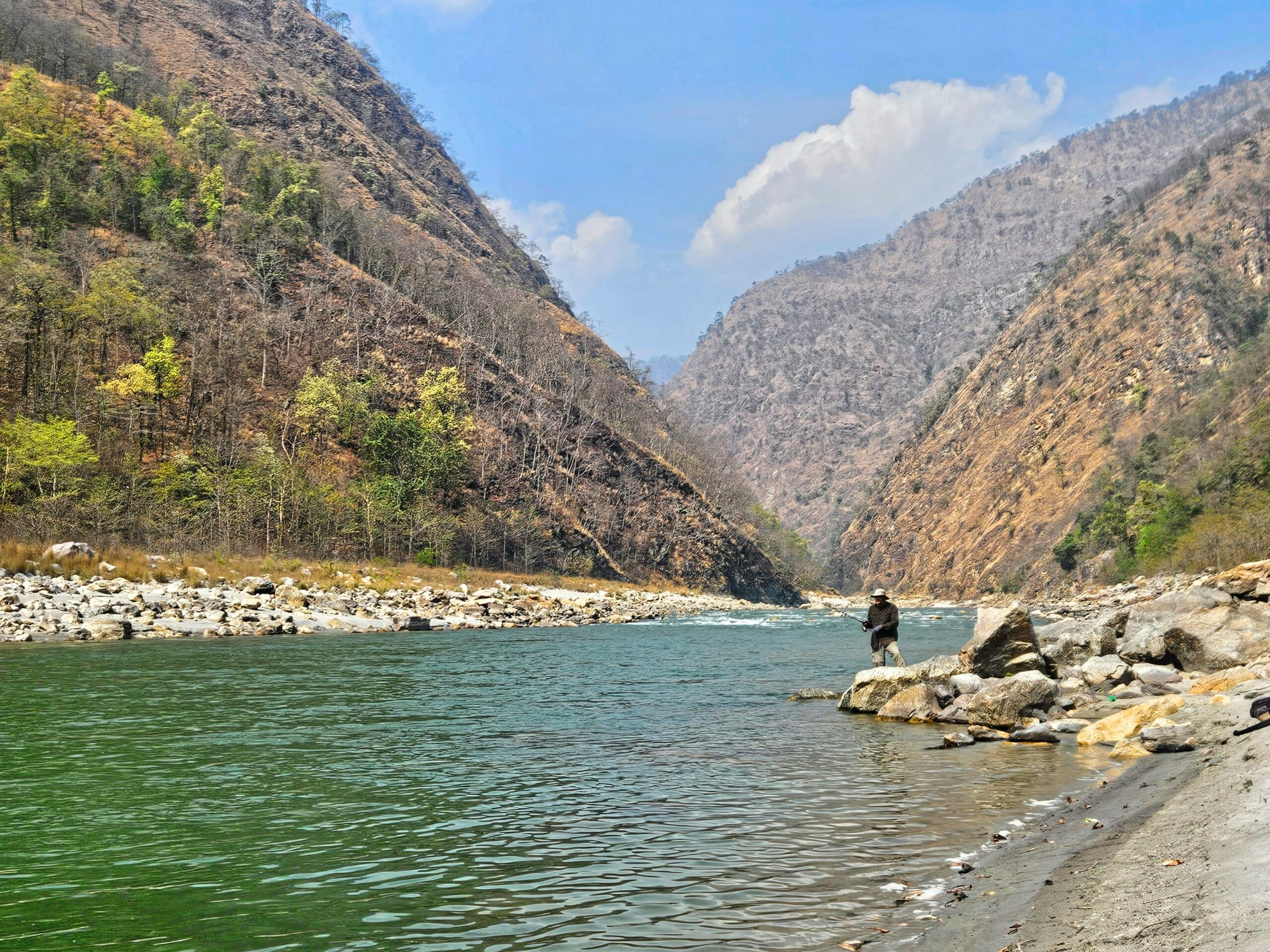
Prizes were awarded in three categories – largest mahseer, most mahseer caught, and for the largest goonch catfish – another legendary species that inhabits these waters. Taking place over 12 days, British brothers John and Roger Tilbrook took part, with John winning the ‘most mahseer’ prize.
“I focused on lure fishing to cover the water,” John told us.
“Just 22 mahseer were caught over the event, of which I caught six, the largest weighing 26lb. All my fish were caught on spoons, and the most productive areas were the tails of pools, where the river shallowed before rapids. The whole event was a big deal in Nepal, and opening and closing ceremonies were attended by local dignitaries.”
Additionally, there was a research element to the event, as John explained.
“Alongside anglers, the trip was attended by three scientists, led by Dr Adrian Pinder of Bournemouth University and chair of the Mahseer Trust. They carried out numerous fish-fry surveys in the tributaries of the West Seti to reinforce the importance of natural flow to these majestic, endangered fish.”
For more on the Mahseer Trust, visit www.mahseertrust.org