Angling has long been a sport built on experience, with the older generations of anglers often shaping its traditions and trajectory. However, as the spotlight has begun to shift towards younger audiences and fast-paced content, some of the older anglers are feeling left behind.
Ian Wright bought his rod licence in March last year at the age of 57, having not fished since he was a teenager. He was not coming back to relive childhood memories or chase nostalgia. He needed something for himself. Something that got him out of the house, cleared his head and gave him a reason to do more than stare at the same four walls.
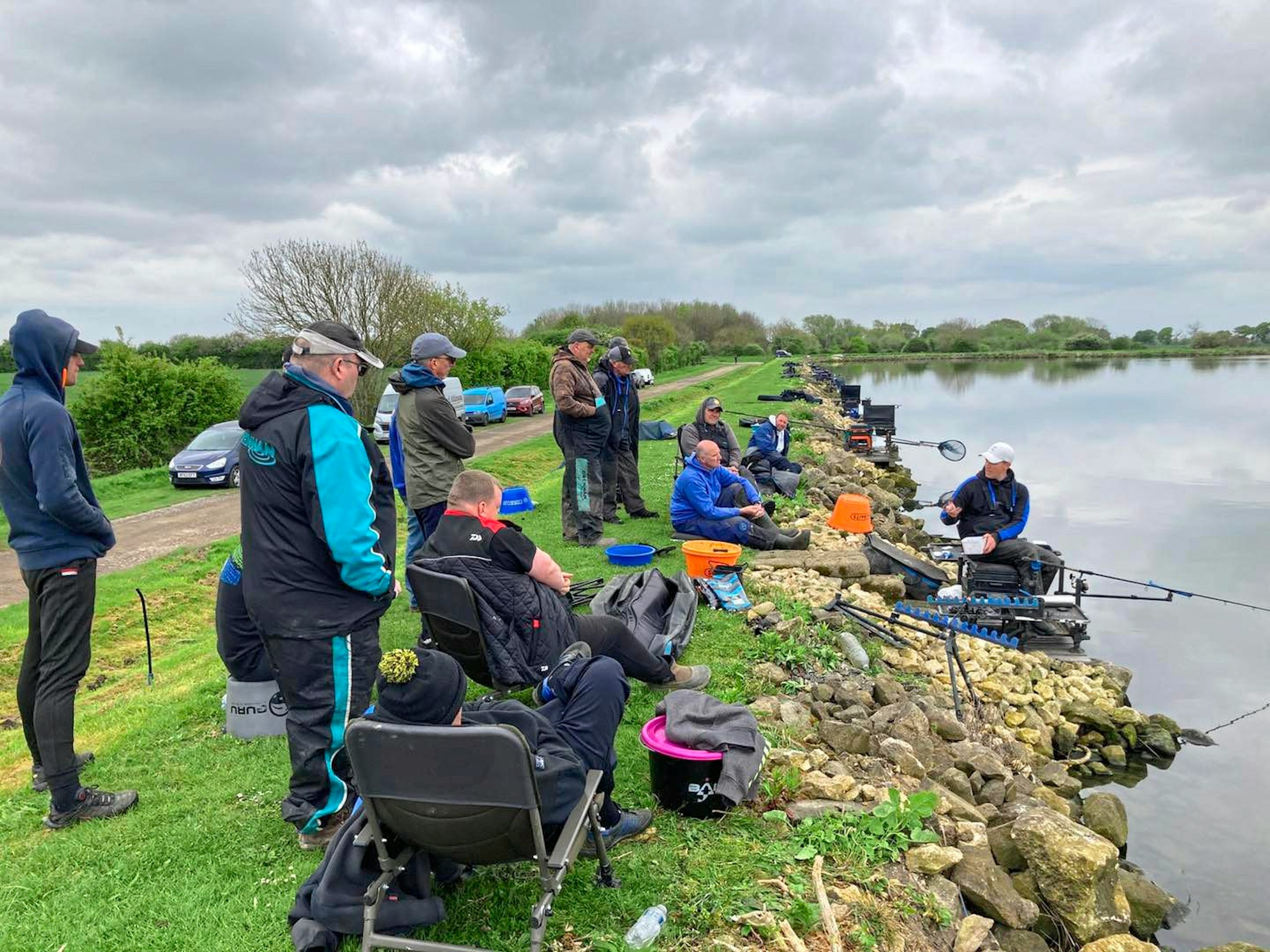
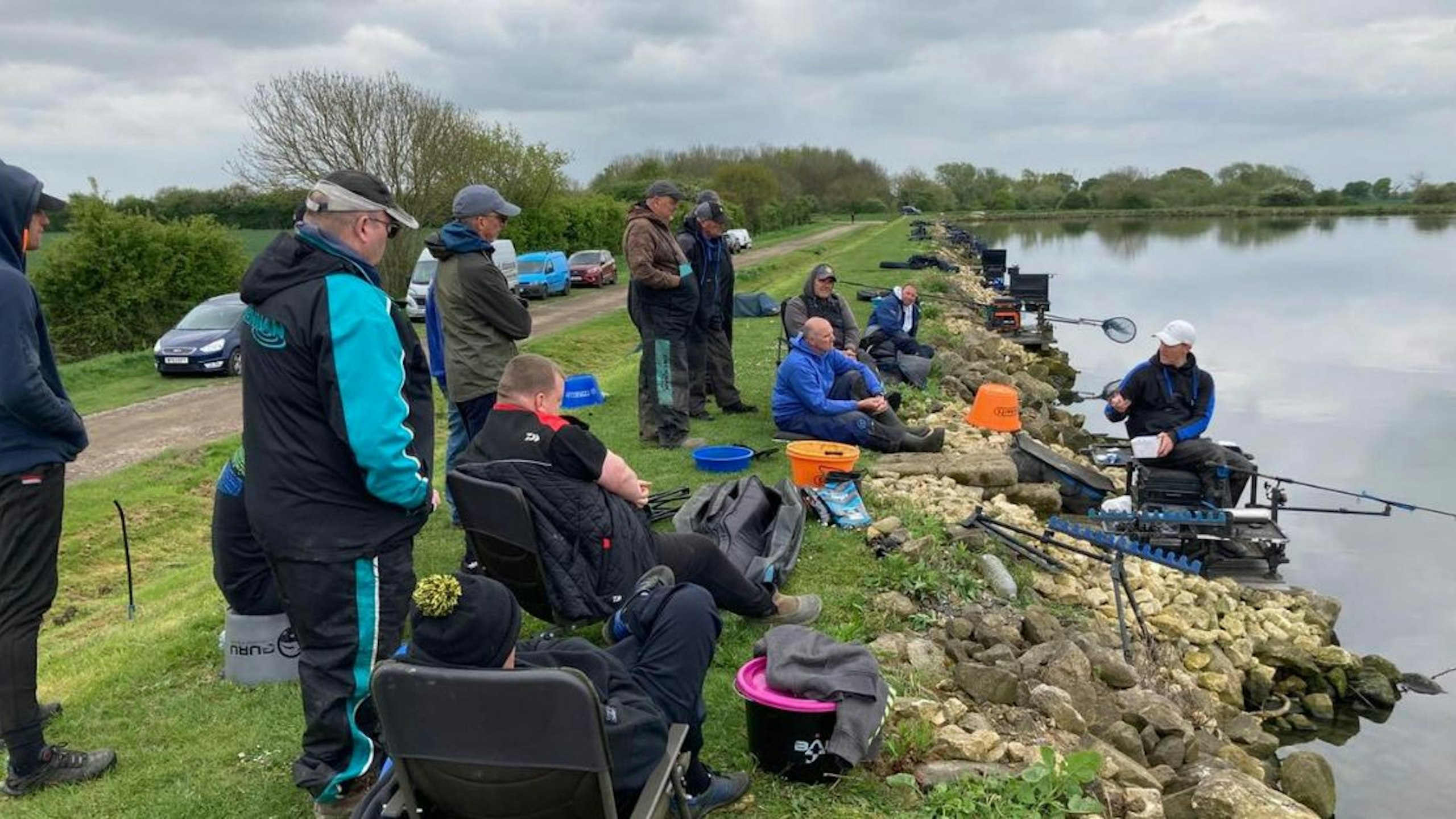
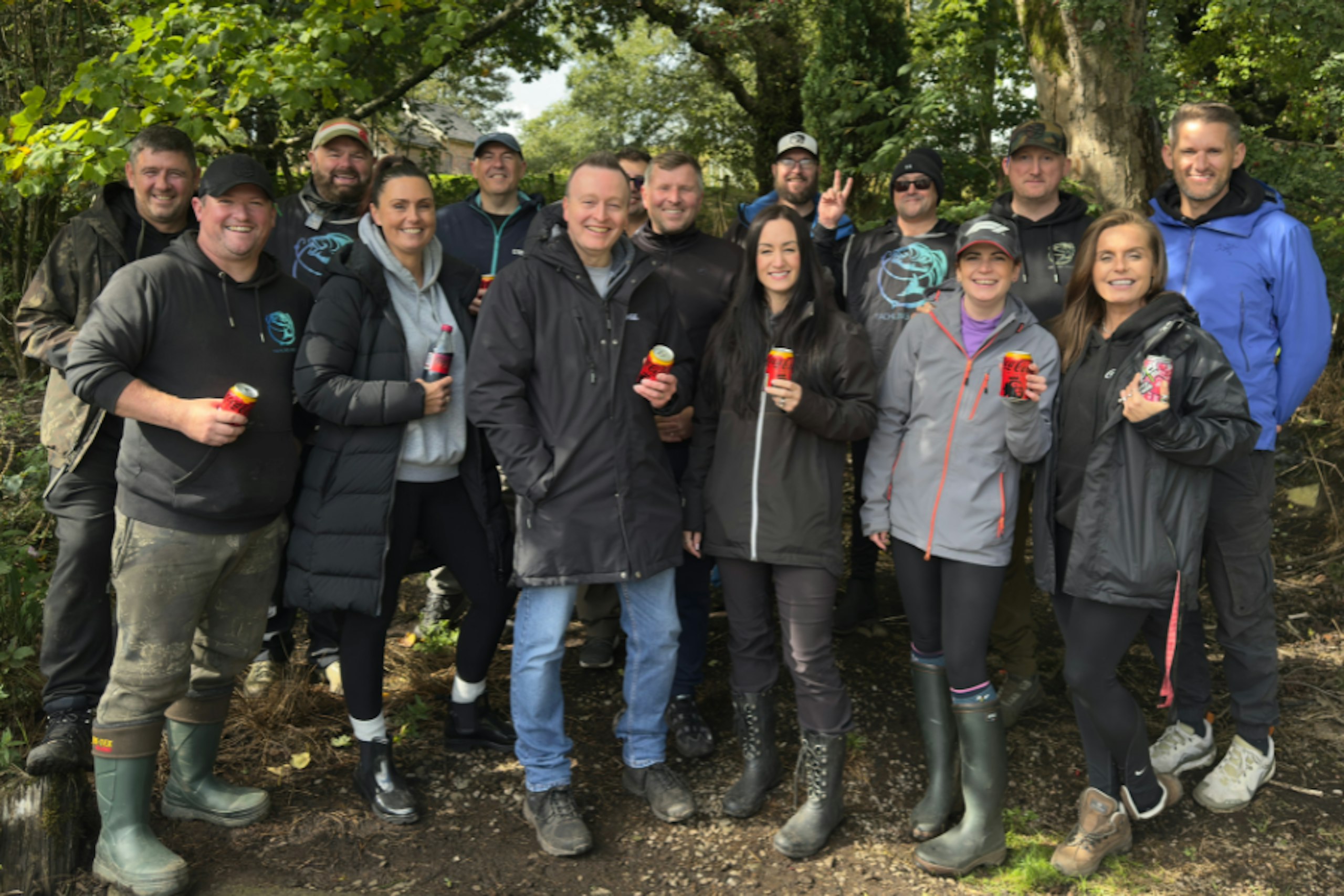
What he found was FjukaAnglers, a Facebook group built around the bait brand founded by Dave Preston, the man behind Preston Innovations. It was not created as a formal participation scheme. Preston simply needed anglers to test baits, and the group grew from there. It has since become a community of 25,000 anglers, with members organising their own social fish-ins and matches. Many, he says, now tell him it has changed their lives, either by bringing them back into fishing or by giving them social contact they did not have before.
That matters because it tells you something straight away: this audience does not need inventing.
Ian was so nervous before his first Fjuka Anglers session at Aston Park Fisheries in Sheffield that he booked a hotel nearby and stayed over the night before. He lay there wondering whether he would look out of place, whether everyone else would know exactly what they were doing and whether he was about to make a fool of himself.
Instead, he found it friendly, welcoming and free of judgement. He went home and booked the next one.
When winter arrived and the calendar went quiet, he felt the change immediately.
“I could feel myself going back into my shell,” he says. “In six months time the next one comes up. Am I going to go? I don’t want to go through making friends again.”
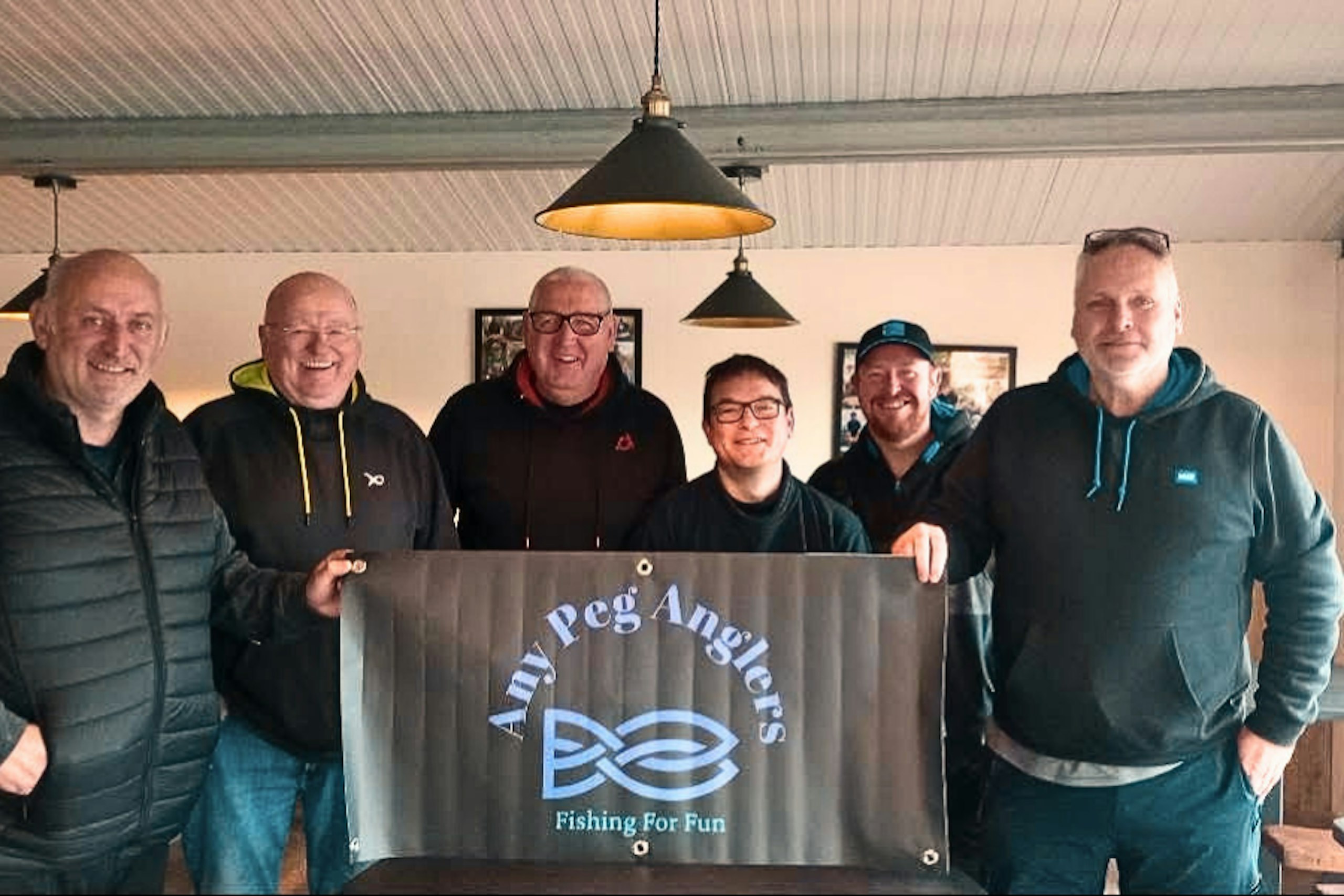
Rather than wait for something else to happen, he started his own group, Any PegAnglers.
That is not just one man taking initiative. It is a sign of something angling should be paying far more attention to.
Angling is only looking one way
British angling has put a lot of effort into juniors in recent years, and rightly so. Free junior licences, Let’s Fish sessions, coaching and schools work have all helped create a stronger route into the sport than existed before. Environment Agency figures show 934,000 fishing licences were sold in England in 2024-25, the second straight year of growth.
That is encouraging, but it only tells part of the story.
While the sport has been busy improving one end of the pathway, it has done far less to speak to another obvious audience: older adults returning to fishing later in life.
And the scale of that opportunity is hard to ignore. According to the Office for NationalStatistics, more than 26 million people in the UK are aged 50 and over. Recruit even a small fraction of that audience and the impact on participation, clubs, fisheries and the wider trade would be significant.
The annual participation figure also masks something important. People do not move through angling in a straight line. Many fish when they are young, drift away through work or family, then return years later when time, interest or need pull them back.
That points to an area the sport still does too little with. Not just recruitment, but reactivation.
Anyone who has spent time in the trade will recognise the pattern. Adults coming into the sport later in life often behave differently from juniors or occasional anglers. They may not spend heavily on day one, but once they settle and gain confidence, many become regular anglers who buy carefully and keep coming back. Most are not looking for a formal pathway. They are looking for a welcome, a bit of guidance and the confidence to feel they are not about to make a fool of themselves.
The real barrier is confidence
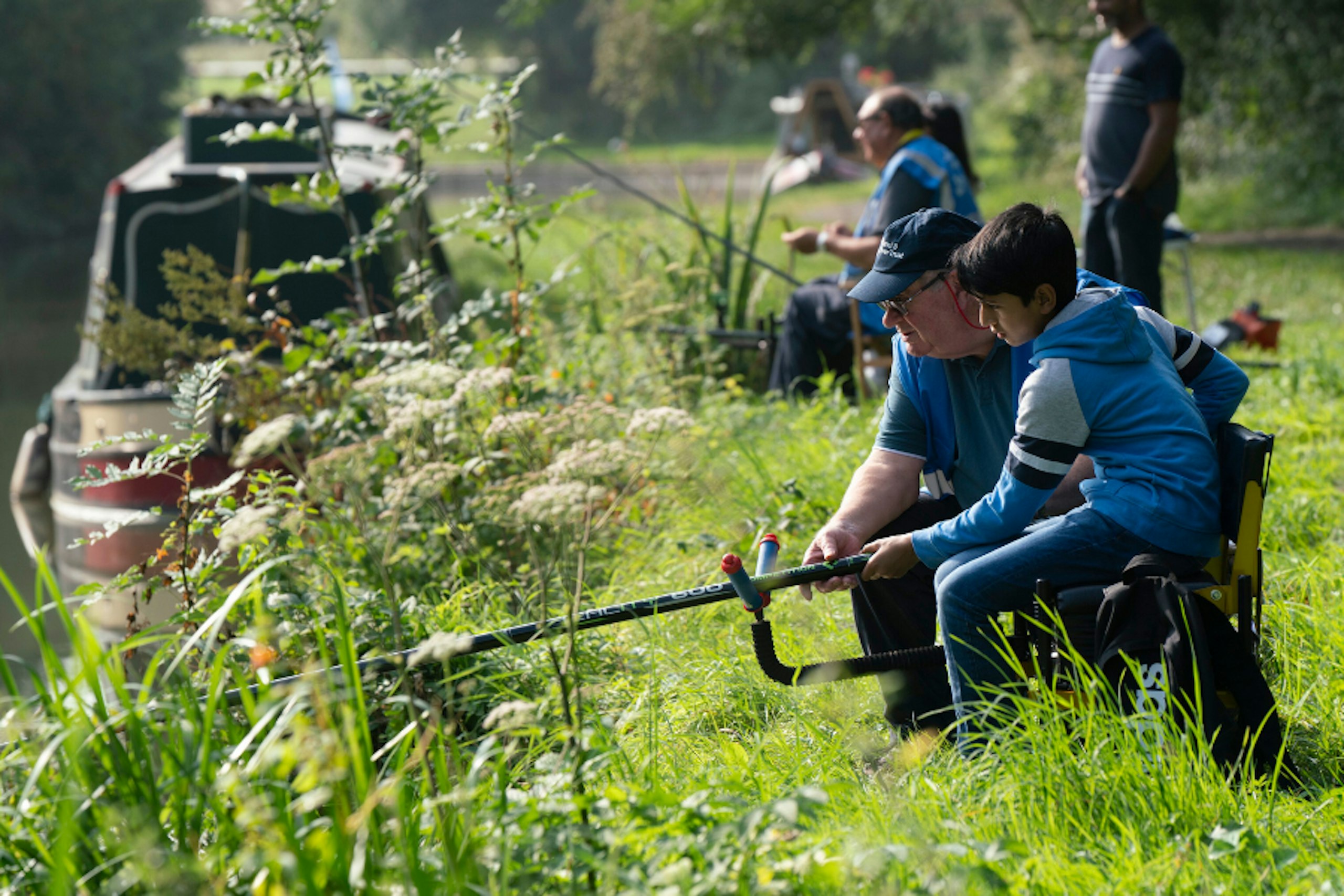
For somebody trying fishing for the first time at 55, or returning after 30 years away, angling can look like a world of its own. It has its own language, its own etiquette and plenty of unwritten rules. If you arrive at a fishery wondering whether you have brought the wrong gear, it does not take much for uncertainty to turn into embarrassment.
That was exactly what Ian wrestled with.
“The hardest thing for me to break was worrying about what everybody else was thinking,” he says. “People are going to laugh at me, people are going to laugh at my tackle.”
At one point he drove to a fishery, sat in the car park and left without unloading.
That is the part angling still underestimates. The barrier is often not fishing itself. It is how the sport feels from the outside looking in.
Dave Lyons of Tackling Minds sees the same pattern among people coming into fishing later in life or returning after years away.
“A lot of the people we support carry that same worry,” he says. “It’s not really about the fishing, it’s about how they feel walking into that environment. Feeling like they might be judged, not knowing the unwritten rules, or just not wanting to stand out.”
For some, he says, that first interaction decides everything.
“That first welcome is everything. If someone is dealing with isolation, bereavement or low confidence, that initial interaction can decide whether they stay or never come back.”
Once that barrier is broken, the pattern is familiar. Ian started with a licence, then Angling Trust membership, then a second-hand whip. As confidence built, so did his tackle. A feeder rod, reel, line and bait.
“I know I’ve got to go and get line, bombs, feeders,” he says. “It snowballs.”
That matters because returning anglers do not just reappear. They often become committed participants.
For some, it is about much more than fishing
Some of the people standing on the edge of angling are not simply looking for a hobby. They are dealing with retirement, bereavement, isolation or the sort of empty space that opens up when work and long-established routines fall away.
Age UK estimates that 1.4 million older people in England are chronically lonely, while a further 1.9 million say they often feel ignored and invisible. By 2026, the number experiencing loneliness is projected to reach 2 million.
That matters here because angling offers things many people are short of: routine, time outdoors, quiet company and a reason to go somewhere with purpose.
Ruth Lowe, Head of Loneliness Services at Age UK, says major life changes such as retirement, bereavement or changes in physical health can seriously affect confidence and make it harder for people to put themselves out there. When they do, that first welcome matters. A simple conversation, a bit of encouragement and a sense that they belong can make the difference between coming back or not.
Elsewhere, it has been treated as a real opportunity
This is not something unique to the UK.
In the United States, angling bodies spent years working around what became known as Recruitment, Retention and Reactivation, or R3. The thinking was straightforward. Anglers drift in and out of the sport over time, and many of the people worth targeting are not new to fishing at all, just absent from it.
That led to a deliberate focus on reactivation, bringing back people who had fished before but drifted away.
Angling International reported that 57.7 million Americans fished in 2023 and 57.9 million in 2024, both record highs.
That programme has since lost funding, but the lesson remains. Returning anglers are a serious growth opportunity when a sport makes room for them properly.
In the UK, people do come back, but more often than not they find their own way in through friends, family or small communities like Fjuka Anglers. Very little of it feels structured.
The appetite is there, but the route isn’t
There is already evidence that this audience will engage with angling when it is presented in the right way.
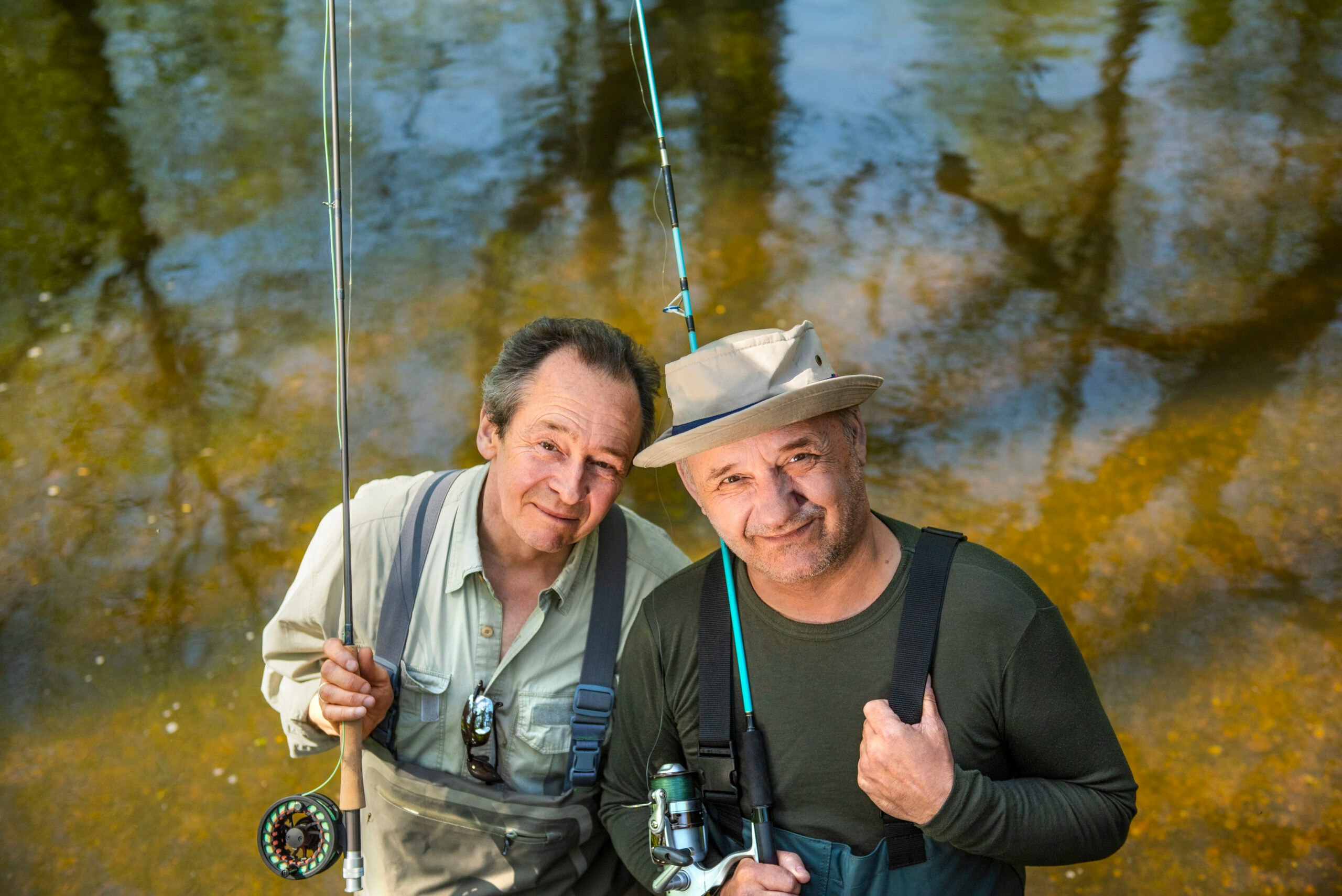
The success of Mortimer and Whitehouse: Gone Fishing has shown that clearly enough. It centres on two men in the same broad age bracket and leans as much on companionship, conversation and wellbeing as it does on the fishing itself.
That does not prove passive viewers will become anglers, but it does show the appeal is there. The challenge is turning that interest into participation and making the sport feel accessible to people who may already be curious, but unsure how to begin.
A missed opportunity in plain sight
None of this reduces the importance of getting young people into angling. That work matters and needs to continue.
But older adults are not some side audience to think about later. They are one of the clearest growth opportunities the sport has right now. Not just because many have more time, but because a lot of them are at a point in life where getting outdoors, finding structure and feeling part of something starts to matter more.
Angling already offers all of that. What it has not done well enough is make clear that these people belong too.
Ian renewed his licence this year without needing a reminder. He now runs Any Peg Anglers, organises matches and helps create exactly the kind of welcome he once needed himself.
The audience is already there. Angling just hasn’t met it properly yet.