- Home|
- News|
- News Stories
Bait bans at commercial fisheries – justified or overreaction?
by Freddie Sandford |
Published on10th June 2026 at 11.14am
Follow Angling Times on Google
If you have any interest in the world of commercial fisheries, there’s a fair chance you’ll have heard about what some anglers are calling ‘musselgate’.
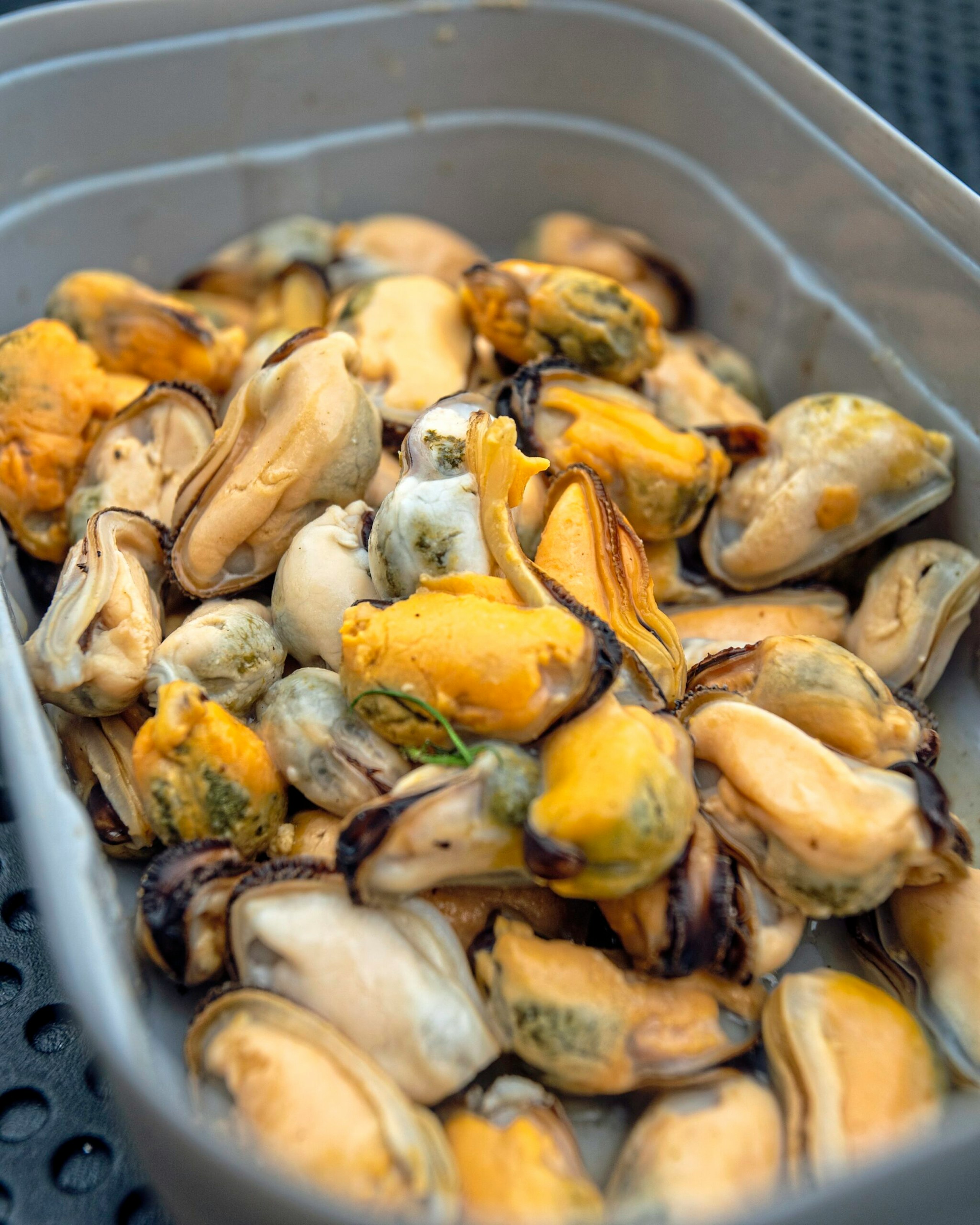
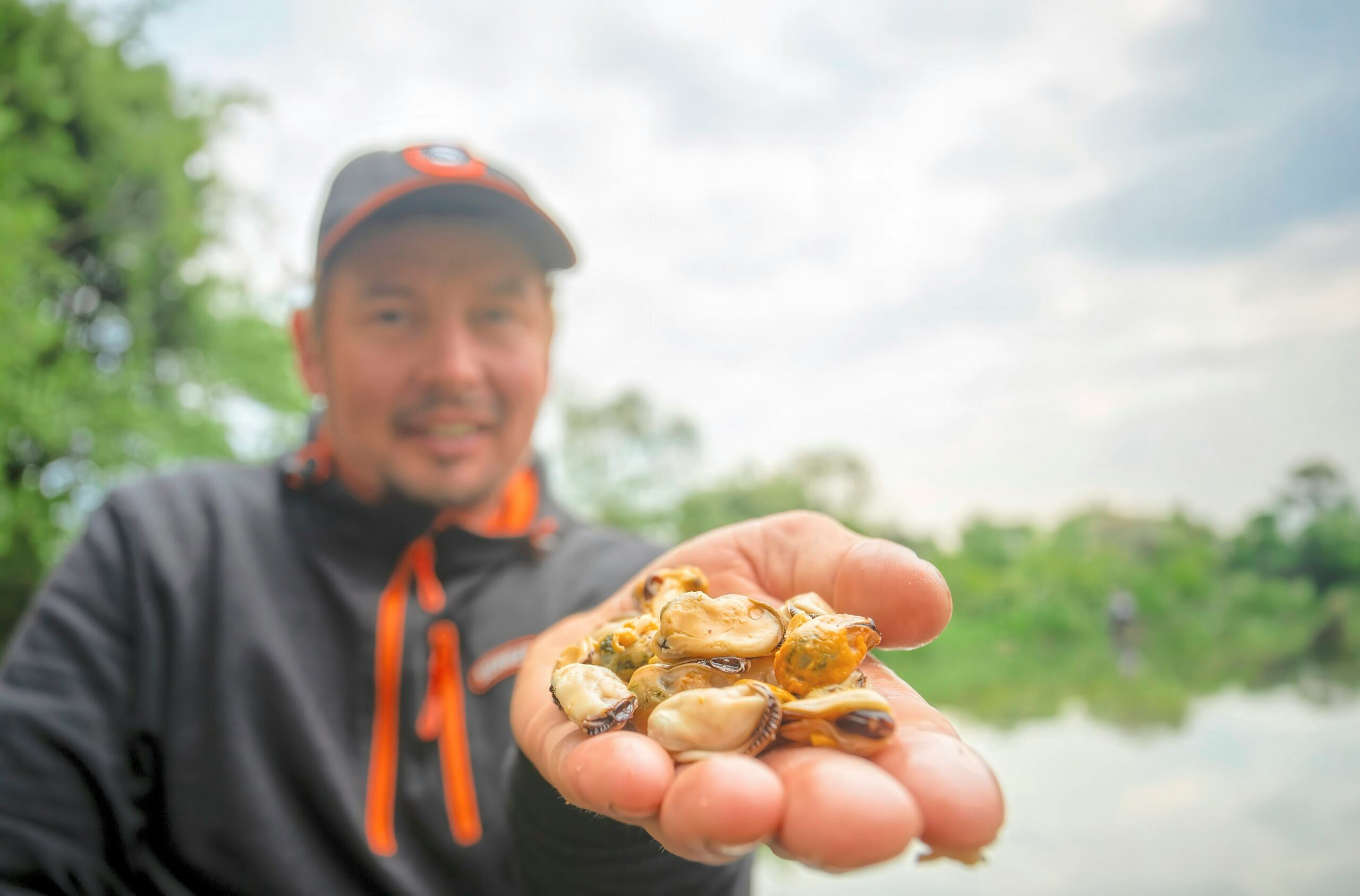
Over the past year or so mussels have risen in popularity as both hookbait and feed on venues up and down the land, and numerous big matches have been won by anglers using this readily available supermarket bait.
Indeed, in a four-page feature in last week’s Angling Times, commercial ace Kieran Marsden even revealed his top tips on how to make the most of this seafood offering.
However, lately their use has been banned at some of our most popular venues, including Weston Pools and Woodside Fisheries.
Conversely, other venues are allowing anglers to continue using them – in fact, some, such as Cheshire’s Partridge Lakes even sells mussels in its on-site shop for anglers to use, although plans are in place to undertake water tests over the coming weeks to assess the impact.
While they’re nothing new in coarse fishing – mussels have been used to catch fish for centuries – their current boom in popularity has certainly divided opinion.
So, this week, we spoke to Iain Turner, Director of Operations at the Institute of Fisheries Management (IFM), who gave us an insight into the bait in question, and the broader issues that cast a shadow over the health of many commercial fisheries.
Challenges of management
When it comes to baits, the IFM tells coarse fisheries to avoid the use of too many oily baits, such as catfood, luncheon meat and halibut pellets.
Some of these are already banned, if not limited, at most fisheries.
“Oily baits can impact water quality if left uneaten and can impact the whole food web of a lake, not just the fish,” Iain explained.
“Each lake has a biological oxygen demand, which is the amount of dissolved oxygen required by bacteria to break down organic matter in the water.
“Oily baits require more oxygen to break down, which therefore increases the biological oxygen demand and reduces the dissolved oxygen available for other aquatic wildlife, which can have severe consequences.
“Mussels, however, are not a particularly oily bait, and native ones, bought or foraged yourself, are a natural thing for fish to feed on.”
However, Iain can understand why some fishery owners may have concerns about anglers using shellfish baits.
“There are things such as the oyster herpes virus that are shellfish-based, and we do also have invasive zebra and quagga mussels, which are a concern, so I can see why fishery owners would want to avoid them,” he added.
The bigger picture
Interestingly, when we asked Iain about the wider subject of bait bans, he was keen to highlight that, while certain baits can cause issues, the IFM is more interested in promoting healthy, balanced and sustainable fisheries, than getting bogged down in the latest angling fad.
“Stress is the biggest precursor to disease in fish and usually, overstocking is the cause,” he revealed.
“Of course, some highly-stocked commercials can function very well, but they are often on a knife edge.
“Fishing is unique, as owners can’t see their fish beneath the surface, and if they don’t survey their stocks before adding more fish, they could continually degrade the habitat of a lake.
Often then, the IFM will advise to ‘crop’ rather than to ‘stock’.
“By reducing competition, stress among fish goes down, and there can be massive benefits,” Iain added.
“For example, in 2006 there was a KHV outbreak at a grossly-overstocked fishery.
For years, I had been telling the owner to reduce the stock levels, but he hadn’t followed my advice.
“They lost 80 per cent of their stock during the outbreak, and when I returned a few months later to check on things, the owner told me that the place was fishing its head off – better than it had for years, all because of the massive reduction to its stock.
“He wished he had listened to our advice earlier.”
Creating healthy fisheries
So, for the IFM, rather than getting embroiled in debates about the latest bait trend, it would prefer for fishery owners to focus on creating healthy environments that provide a balance of natural food.
“We ask fishery owners: would your waters survive without anglers’ bait? If the answer is no, then let’s work to create somewhere that can,” Iain said.
“A balance of natural food is the priority, as things like zooplankton, for which you can build refuges, will keep on top of algae which, as we all know too well, can lead to oxygen crashes when present in abundance.
“Of course, many commercial fisheries do not and will not operate in this way, but it’s good to hear that some venues closed this year when fish spawned during the hot spell.
“This is a practice we’ve seen on big-carp venues for many years, and it’s done to protect fish during what is a stressful time for them.
Hopefully, we’ll see more commercials acting this way in the years to come.
“Climate change is the big one to keep an eye on – we’re seeing catfish spawn regularly in canals and rivers, which we weren’t worried about at all 20 years ago,” Iain added.
“KHV took off in 2006, which was a particularly hot year, and while we’ve not seen an explosion of it over recent seasons, we’re always on the lookout for what the next ‘big thing’ might be.
“One thing’s for sure, though – having a balanced and sustainable fishery is one of the best ways to handle whatever comes next.”
For info on the Institute of Fisheries Management or advice on your venue, visit www.ifm.org.uk
Just so you know, we may receive a commission or other compensation from the links on this website - read why you should trust us