- Home|
- Advice|
- Bait
You need to try mussels to catch more fish

by Tony Grigorjevs |
Published on8th June 2026 at 1.58pm
Follow Angling Times on Google
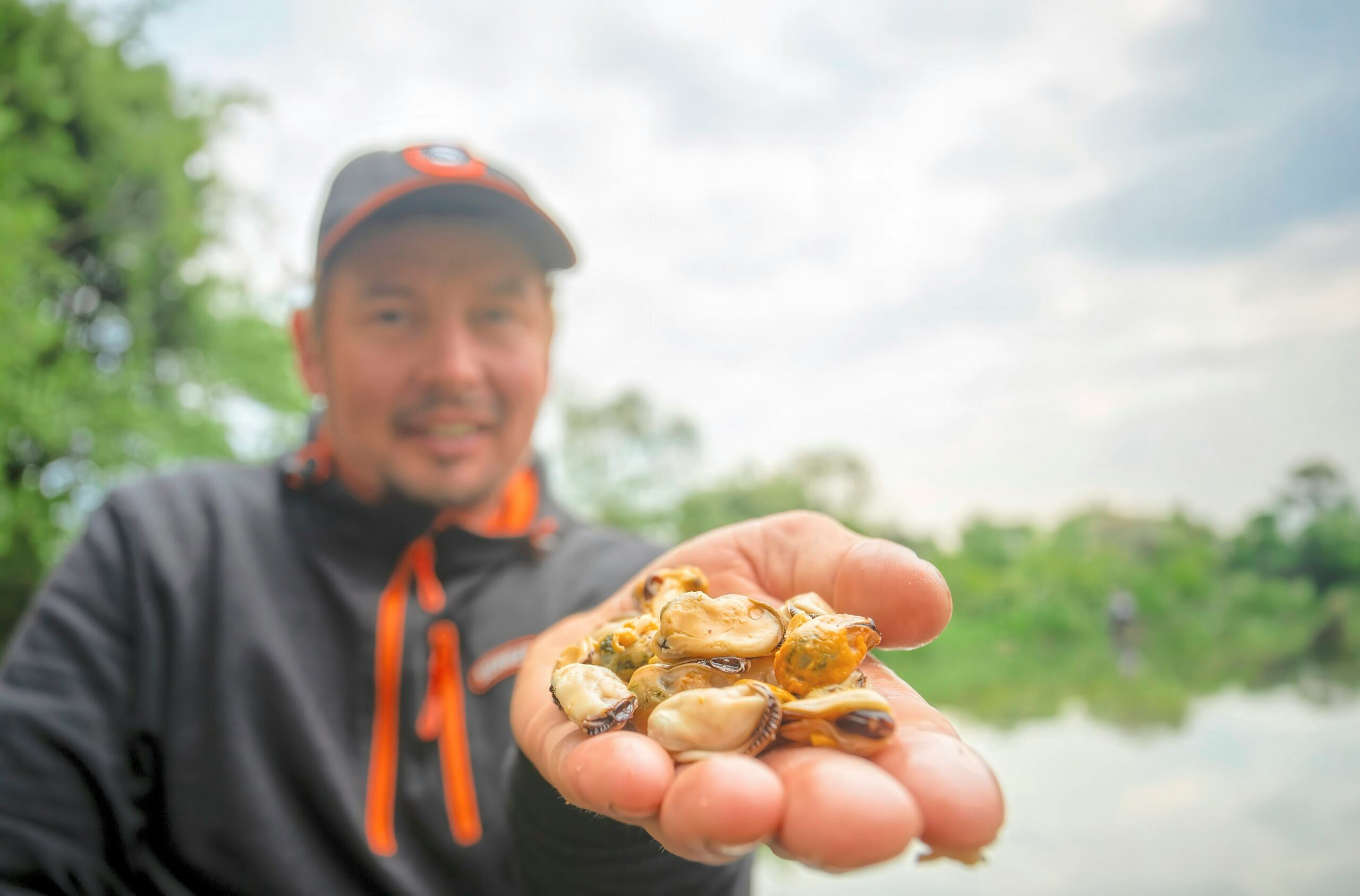
Supermarket bait staples like sweetcorn, meat, and bread remain popular with anglers, sometimes working even better because fish are less familiar with them. Mussels are now also gaining popularity, especially for carp and F1 fishing on commercial waters, thanks to their availability and effectiveness.
Top anglers, including Kieran Marsden, have started using mussels to gain an edge in pressured fisheries. Though initially met with scepticism, he says they consistently produce lots of bites and have become a reliable, confident choice after refining his approach.
Create your loosefeed
A couple of bags of frozen mussels and a bag of groundbait are all you need for a session, and these baits will provide you with the versatility to feed in different ways.
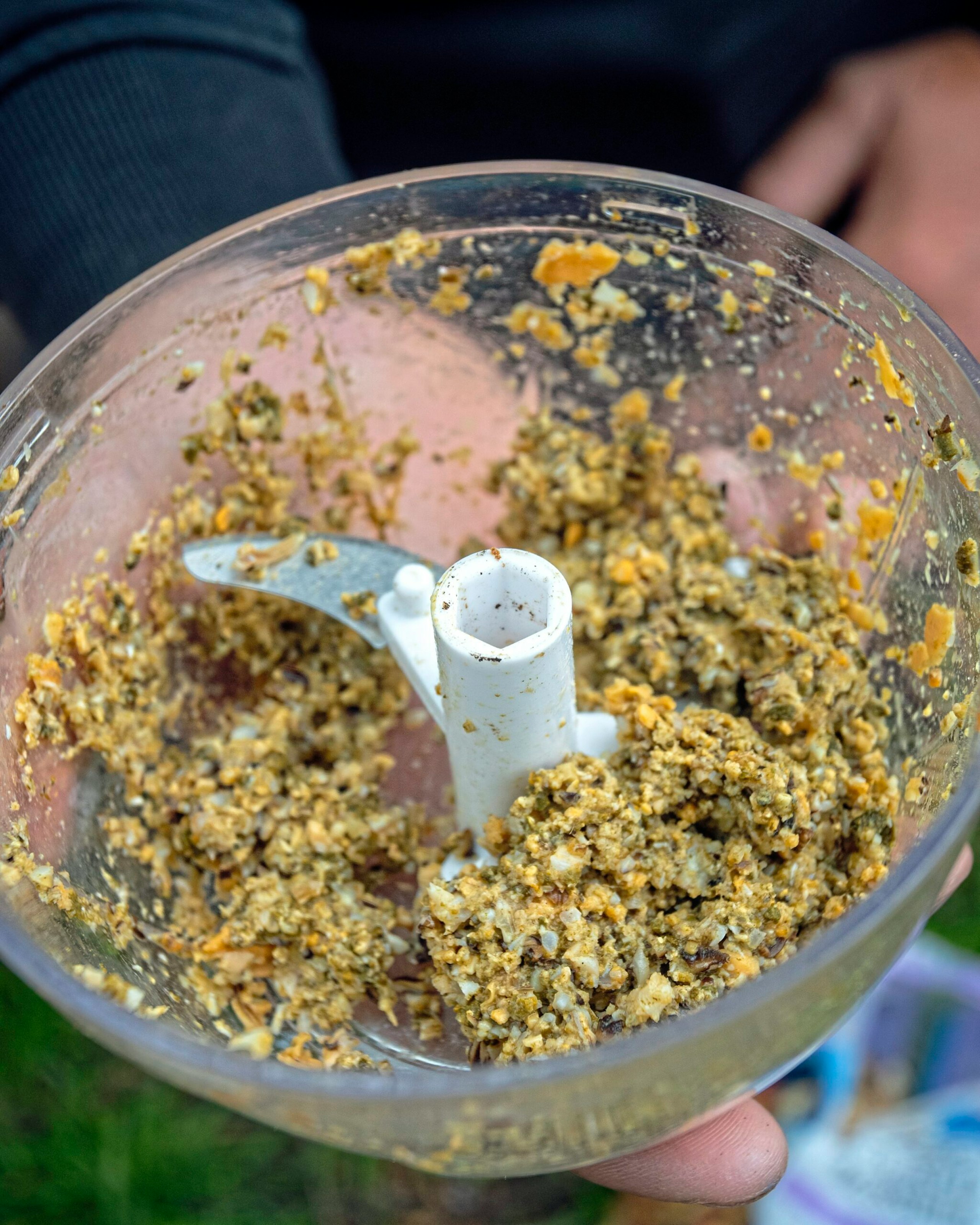
I tip a bag of mussels into a tub and use a hand blender to create small batches of mush.
I also whip up a bag of SonuBaits Meaty Mussel groundbait which has plenty of mussel content in it, mixing four pints of dry groundbait with three-and-a-half pints of water in a bucket to attain the perfect consistency.
All my feeding is done with a small pot, but I am constantly changing the ratios.
For example, in very shallow water tight to the bank, I’ll often feed just the groundbait, but if I am fishing down the slope in 2ft 6ins of water, as I am today, I will mix the groundbait and mush to create a pasty texture that sinks quickly, getting the parcel to the deck in one.
But these are only starting points, and I will regularly experiment with how much of each is fed when I ship out.
You’ll often find that one blend works well for a while before the fish wise up and you need to adjust things slightly.
THE BEST FISHING POLES ARE EXCELLENT FOR CATCHING FISH ON COMMERCIALS...
Use different shades
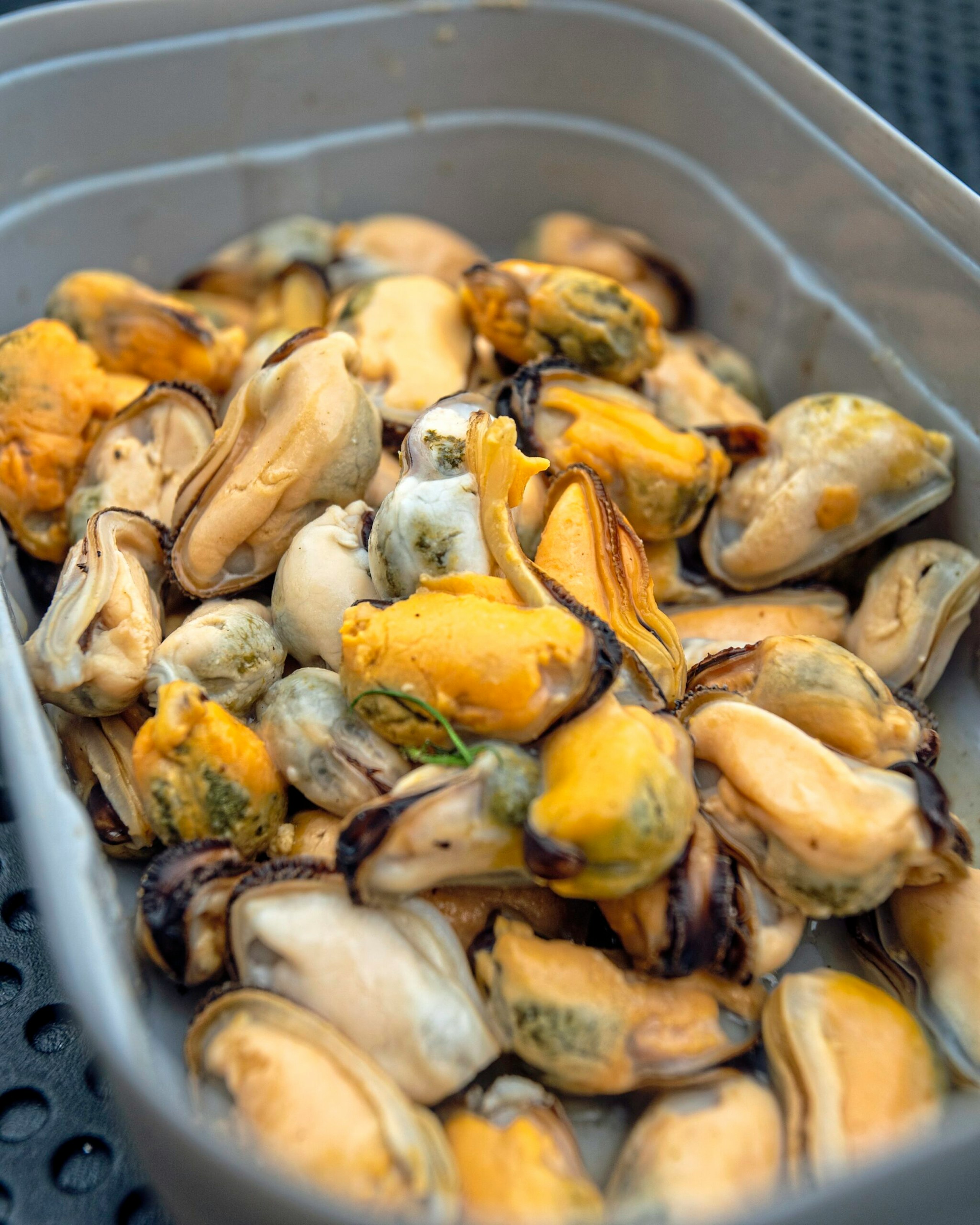
Once you’ve opened a bag of mussels, you’ll notice that there are various different shades to them.
Just as you would if you were fishing casters, it pays to rotate which shade you use, because what works best will change as the session progresses.
The size of hookbait that you should work with depends upon the species that are top of the agenda.
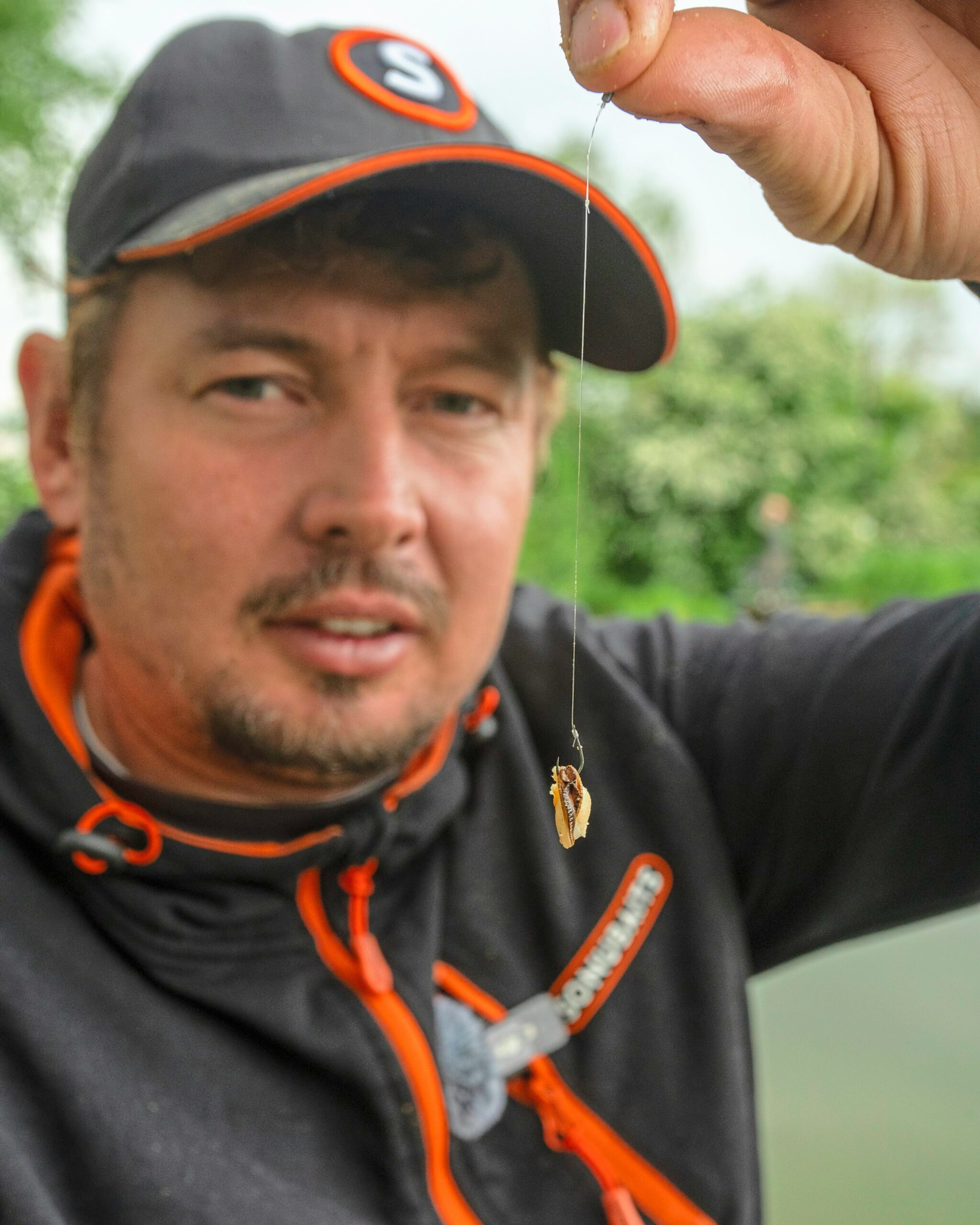
A big carp will easily hoover up a whole mussel, but today at Firswood, where F1s are the dominant species, I prefer to trim the mussel down so that it is perhaps the size of a 6mm hard pellet.
Hook the mussel first, making sure the point penetrates the toughest part so that it doesn’t come off if you happen to miss a bite, and then trim it down to the size you want.
IF YOU WANT TO CATCH MORE F1'S FOLLOW THIS EXPERT GUIDE.
Gear up appropriately
I always use mussels down the margins, and as I am going to be fishing close to cover, that means using durable gear.
I use grade 12-14 Matrix Slik elastic through a 2m-long match kit, and this allows me to have more elastic, making it a little softer initially to help fish vacate the area quickly once they are hooked.
Mainline is 0.18mm to a 4ins hooklink of 0.14mm and a size 14 Matrix X1 Commercial Carp hook. The float is a 0.3g Stubby Slim float shotted with a bulk of No9s and a single dropper a few inches below.
BECOME AN EXPERT AT CHOOSING AND FITTING THE RIGHT ELASTIC.
Keep resetting the trap
I view my feeding and presentation in a similar manner to when fishing with a Method feeder, making sure my hookbait is directly on top of a tight pile of food.
If I miss a bite, the fish that was responsible is going to spook off, wafting up the loosefeed that I have fed and spreading it over a bigger area.
That, in turn, spreads the fish out, increasing the chances of my foul hooking them. With that in mind, I will always feed again if I miss a bite.
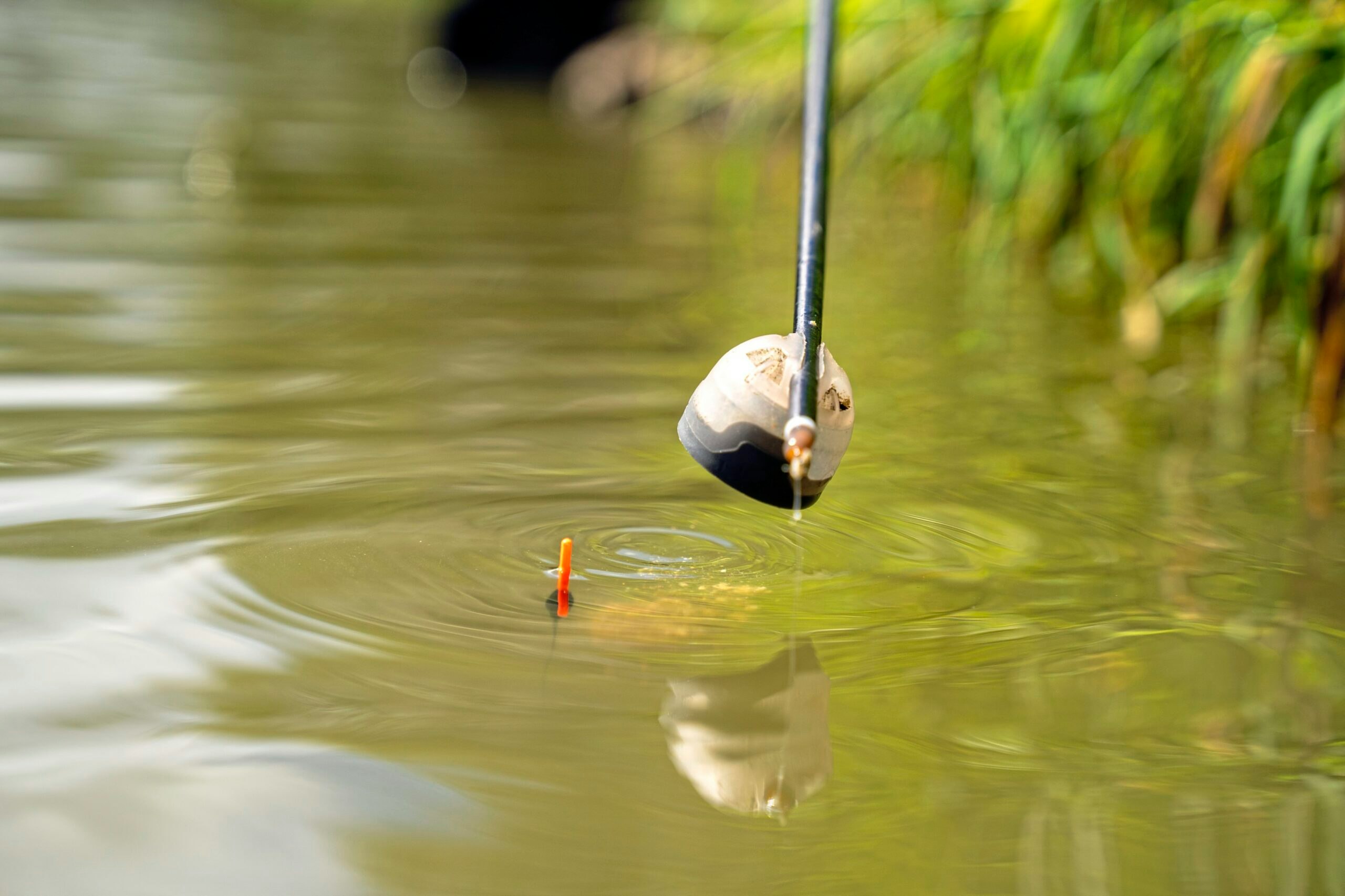
Shipping back and filling the small pot with whatever is working best at that moment helps to refocus the fish over a tighter area again.
I’ll also do this after a three-minute wait without a bite, just so I know for sure I am always fishing over a parcel. Fishing quite close to you speeds up this process, and today at Firswoood I am going just 4m-5m down my margins.
IF YOU ENJOY FISHING DOWN THE EDGE, CONSIDER INVESTING IN A MARGIN POLE...
Read your indications
Fish grubbing around in shallow water are bound to lead to a few false indications, and it is important that you can distinguish between liners and a proper bite. Failing to do so is a recipe for foul hooking fish.
Leaving plenty of float bristle showing is the best way to do this. Small knocks and slight bobs on the float should be ignored, only striking when it flies under convincingly. If you had just a pimple of the bristle showing, then it would be impossible to make a confident call over what each dip is telling you, but it becomes much easier to read the situation if you leave half the bristle above the surface.
Just so you know, we may receive a commission or other compensation from the links on this website - read why you should trust us