- Home|
- Advice|
- Tips
Try micro lures for big perch
Discover why micro-sized lures can be so effective for these spiky little predators!

by Angling Times |
Published on25th December 2025 at 11.00am
Follow Angling Times on Google
You might have noticed a recent trend in perch lure fishing that has been well documented in the news pages of Angling Times.
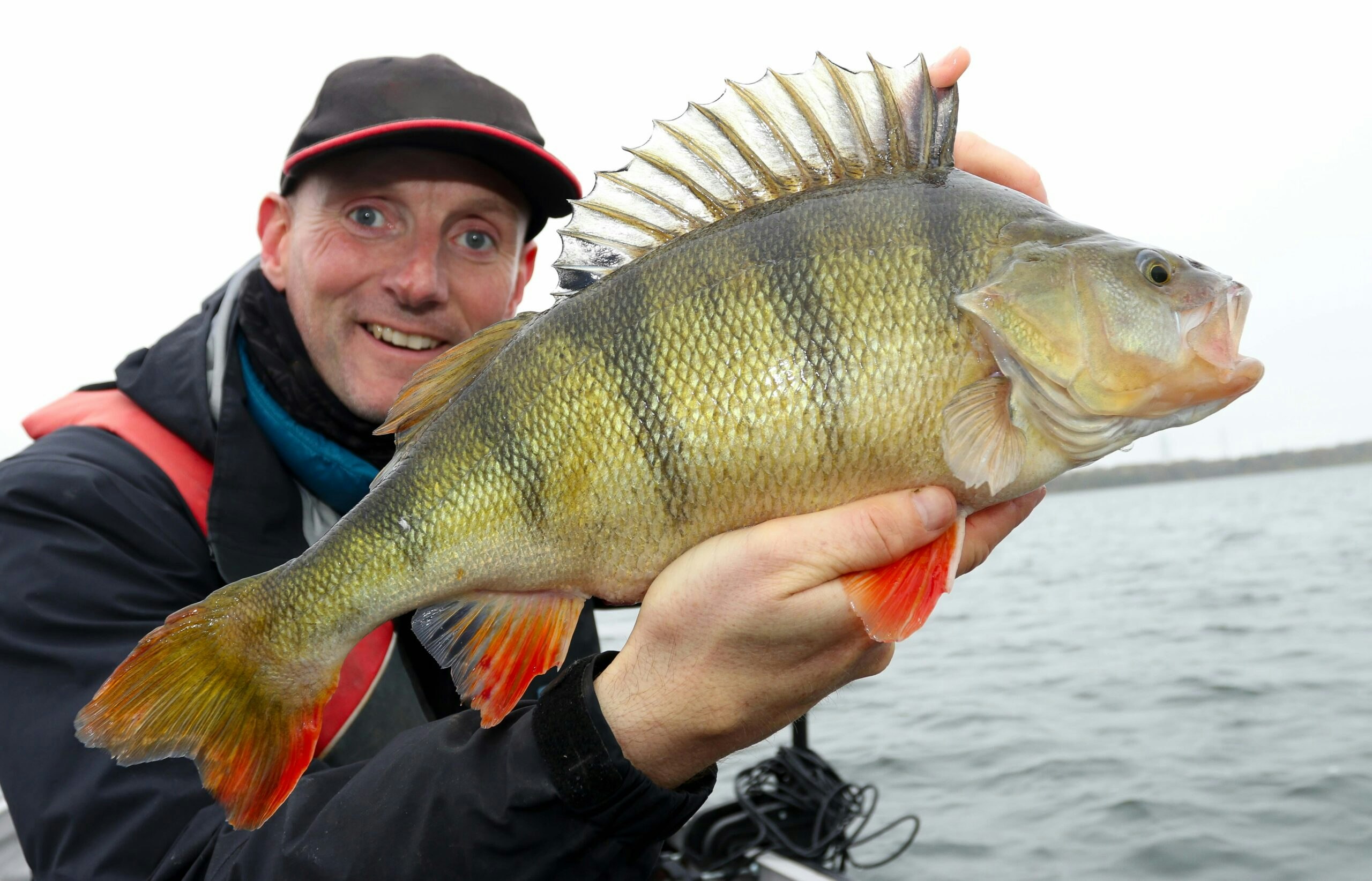
Increasingly, specimen perch are falling for micro-sized lures, with the tactic often proving effective when all else fails. I often write about using larger baits to single out bigger fish, so why is it that the opposite can be true?
I can’t say that I have all the answers, but I do have a few theories as to why tiny lures can be so productive at times.
CHECK OUT THIS BUYERS GUIDE TO THE BEST FISHING LURE RODS.
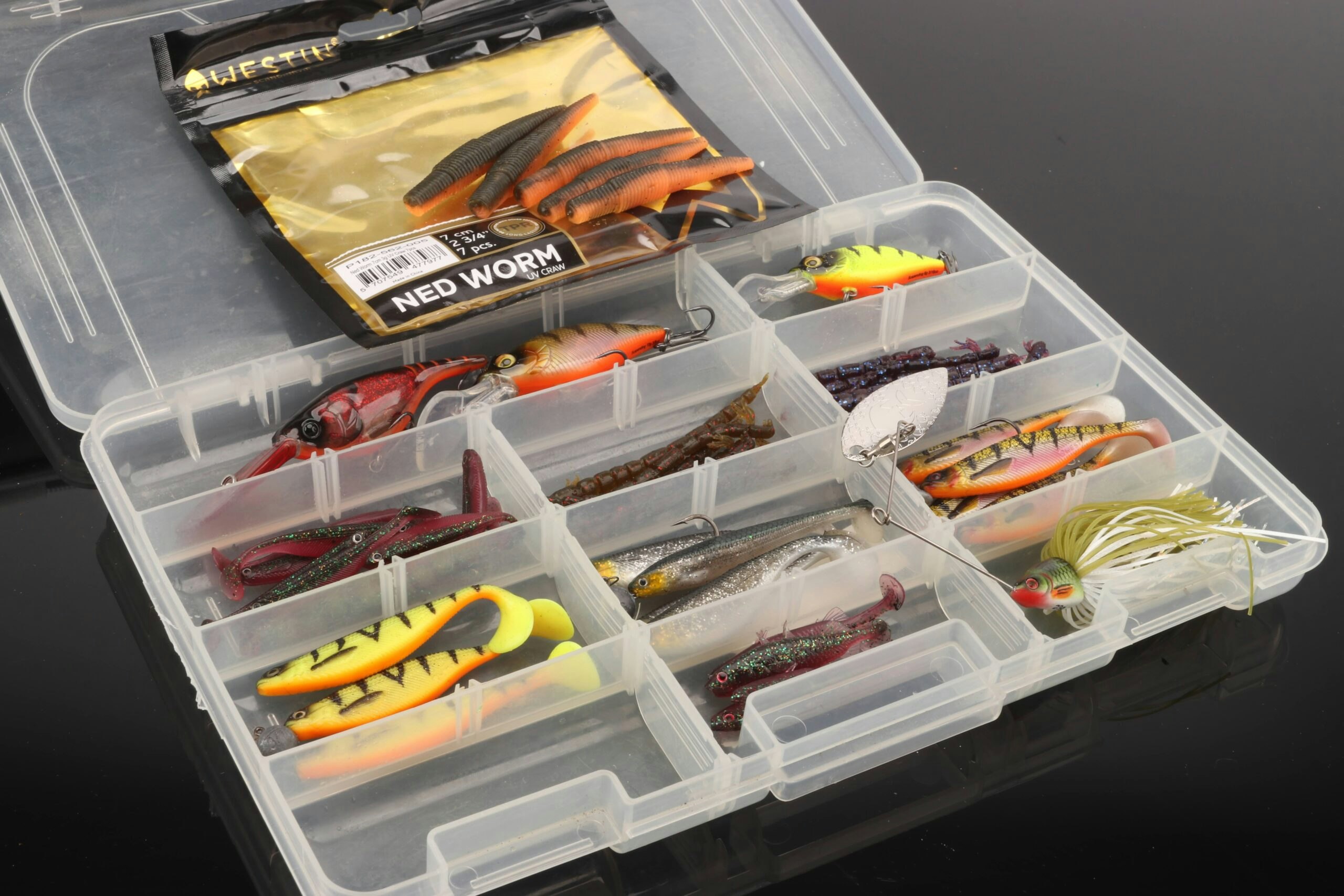
You dont need a huge selection of lures for perch
Downsize to keep bites coming
Smaller-than-normal lures can prove effective for all types of predators on occasion, often when the fish have been subjected to a fair bit of angler pressure.
Even if they haven’t been caught on a normal-sized lure, after a few weeks of seeing lures moving past them, predators can be disinclined to eat a blatant bait. However, a more subtle approach presented close to them can make all the difference. If I find myself on a venue that has been fished a lot, then I will have in mind that maybe I need to adopt a slightly more refined approach. This isn’t always the case – there will still be ‘red letter’ days when the fish throw caution to the wind, but such days are rare.
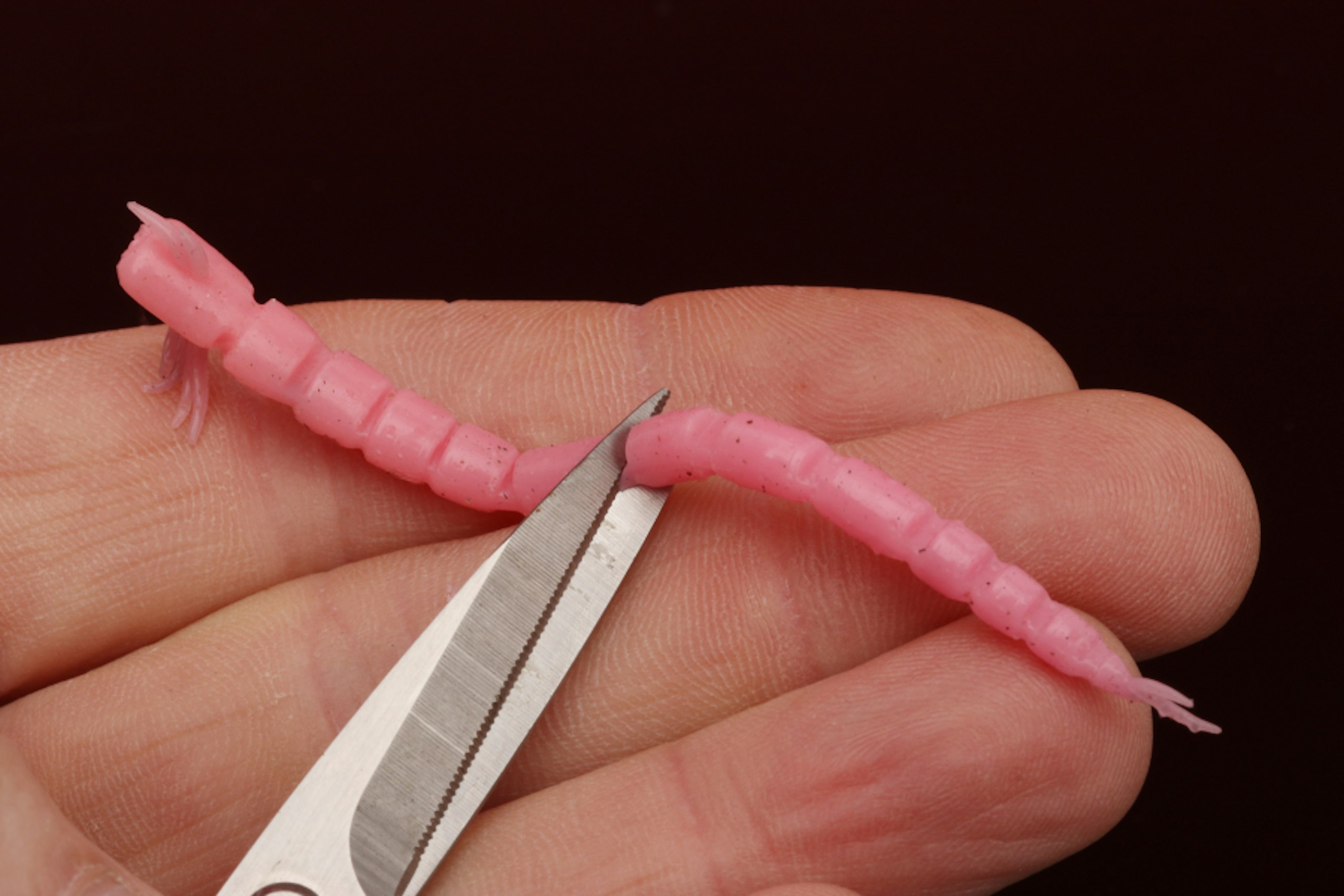
Reducing lure size by as much as half can make a big difference on tricky days.
WHEN RETRIEVING LURES YOU'LL NEED THE BEST SPINNING REELS.
Match the hatch with tiny lures
The other time I believe small tiny lures can be effective is when the fish are preoccupied with small prey items.
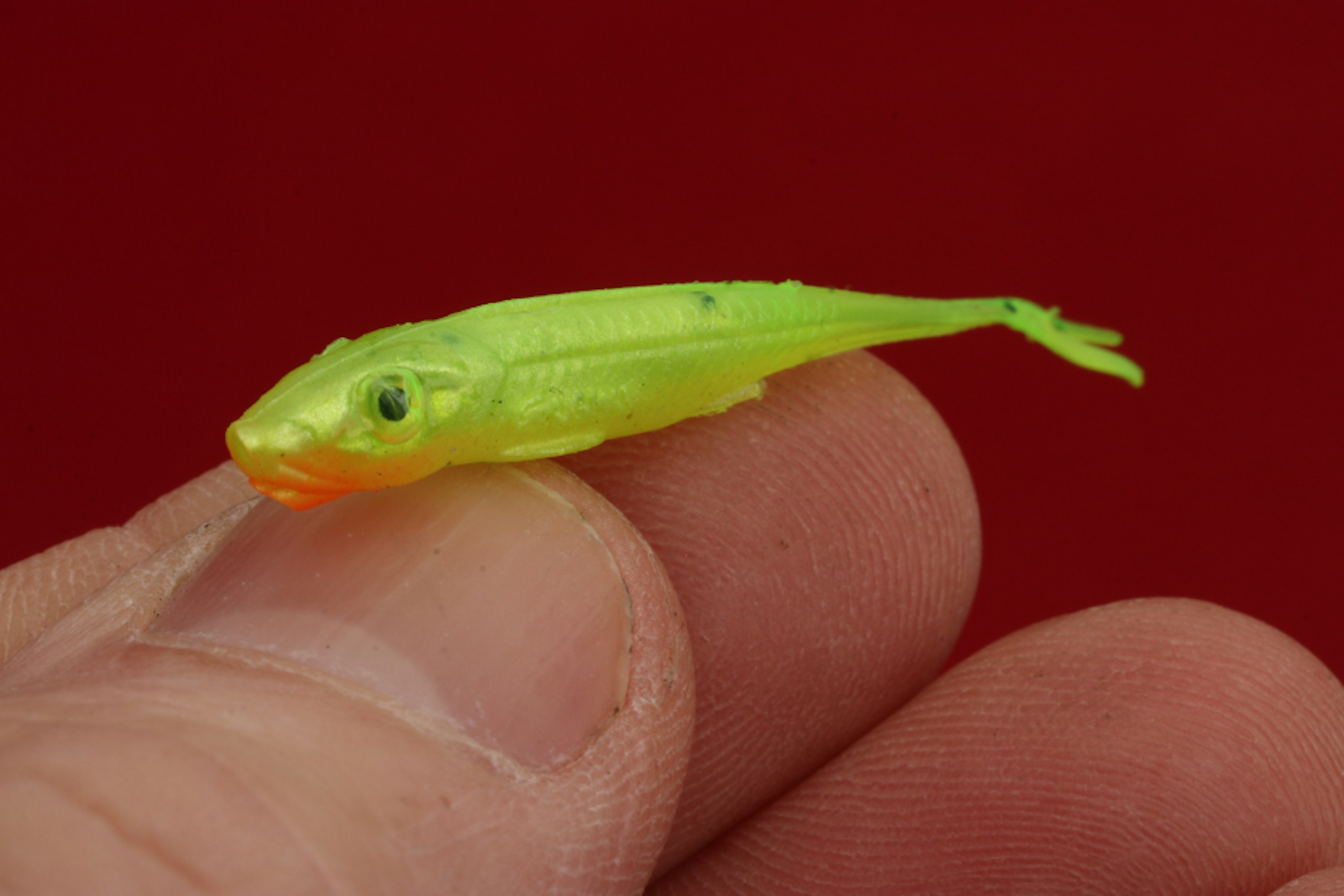
Young of the current year’s roach will be around 45mm long over winter, other species often smaller. A bait of a similar size can be beneficial, perhaps with a different colour profile that makes it stand out from natural prey.
If perch are feeding on invertebrates, then lure size can be much smaller. Using patterns in the 20mm to 50mm range enables us to ‘match the hatch’.
Fortunately, in recent years, many smaller lures have become available. There was a time when even baits designed for perch were quite large, as they were often what sold best in Europe.
However, with the growth of ‘street fishing’ on canals, where often the fish are quite small, micro lures have become a growing trend.
IN THIS BEGINNERS GUIDE LEARN HOW TO FISH WITH SPINNERS.
How to rig micro lures for perch
Tiny lures often require a rethink of tackle and rigging in order to preserve their actions, without compromising strength. Fortunately, there are plenty of options we can use that keep everything in balance.
One of the most important points to bear in mind is that most bites from perch come when the lure is paused and hovering, or sinking slowly.
Traditional soft lures tend to sink, while super-stretchy lures made from TPE are more buoyant, which affects the behaviour of the lure.
I will also briefly mention fly fishing as the ultimate subtle approach with tiny prey imitations. The fine degree of control that fly fishing can give to your presentation really is second to none.
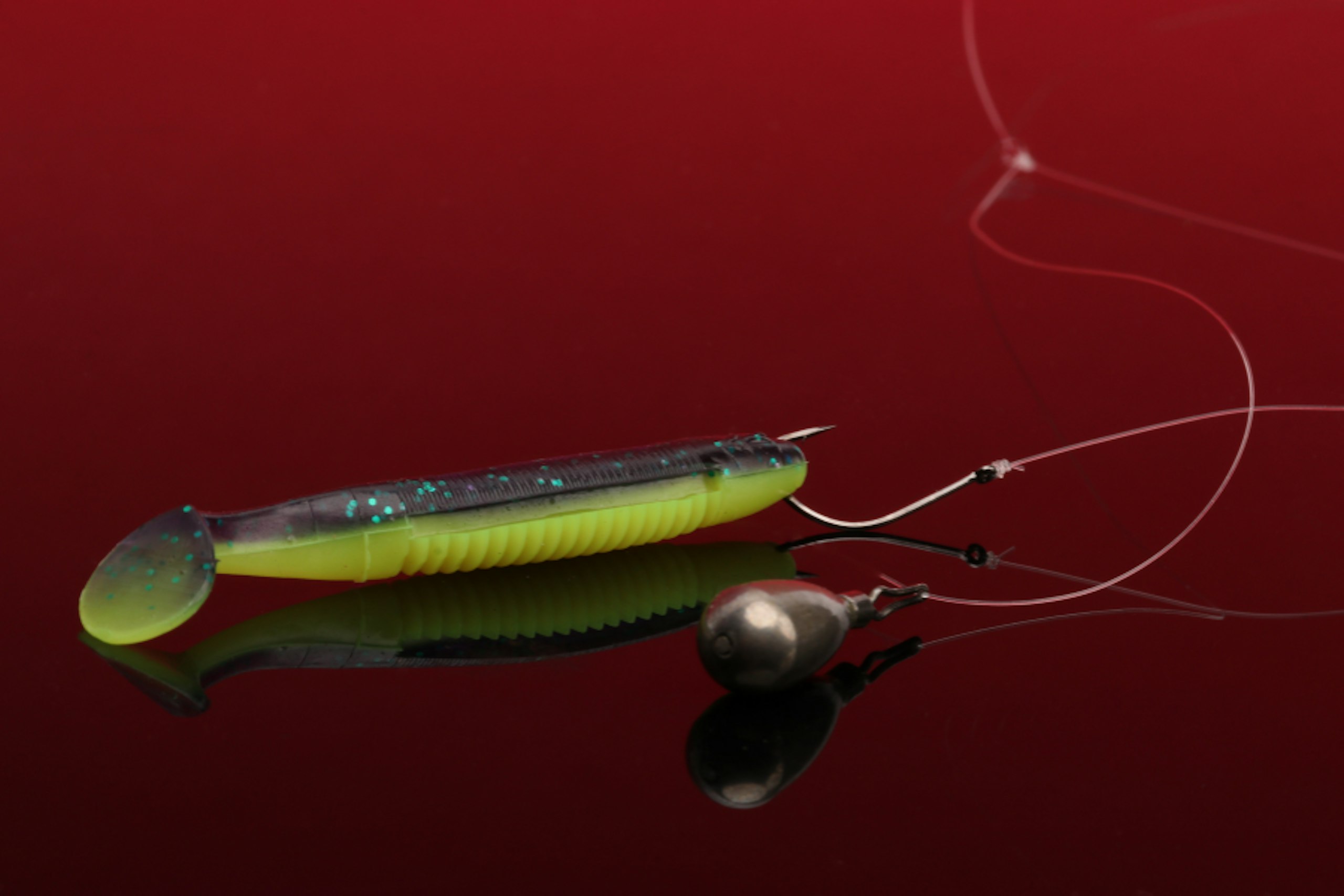
The simplest and one of the most effective rigs for micro lures is a drop shot. Because the weight is away from the lure it has no effect on the sink-rate of the bait. In fact, we can use more weight than is absolutely necessary if we want more feel, or when fishing in deep or flowing water. With drop shots, varying the size of the hook can alter the sink rate of the lure, allowing us to fine-tune the presentation.
While we tend to think of drop shotting as a super-slow presentation, when using micro lures that doesn’t have to be the case. A faster stop-start retrieve works well with tiny paddle tail lures fished on a drop shot rig, and you can incorporate a paternoster link to move the lure further away from the mainline to improve the presentation still further.
Another very useful tactic, which I rarely see being used in the UK, is a Carolina rig. Once again this presentation moves the weight away from the lure, making it much easier to fish a balanced slow-sinking presentation even when a bulky weight is required. I always check out the sink rate of my lures in the margins, and achieving as slow a fall as possible is a key edge that will catch you more fish.
I suspect we will see a lot more micro lures, and the rigs required to fish them effectively, hitting the market in the next couple of years.
If you habitually fish canals and smaller venues, then you are probably already well acquainted with this approach, but with the huge rise in the popularity of lure fishing I am sure that a more subtle approach will soon become the norm on many pressurised venues.
WANT TO START LURE FISHING? TAKE A LOOK AT THIS BEGINNERS GUIDE TO LURE FISHING.
Just so you know, we may receive a commission or other compensation from the links on this website - read why you should trust us