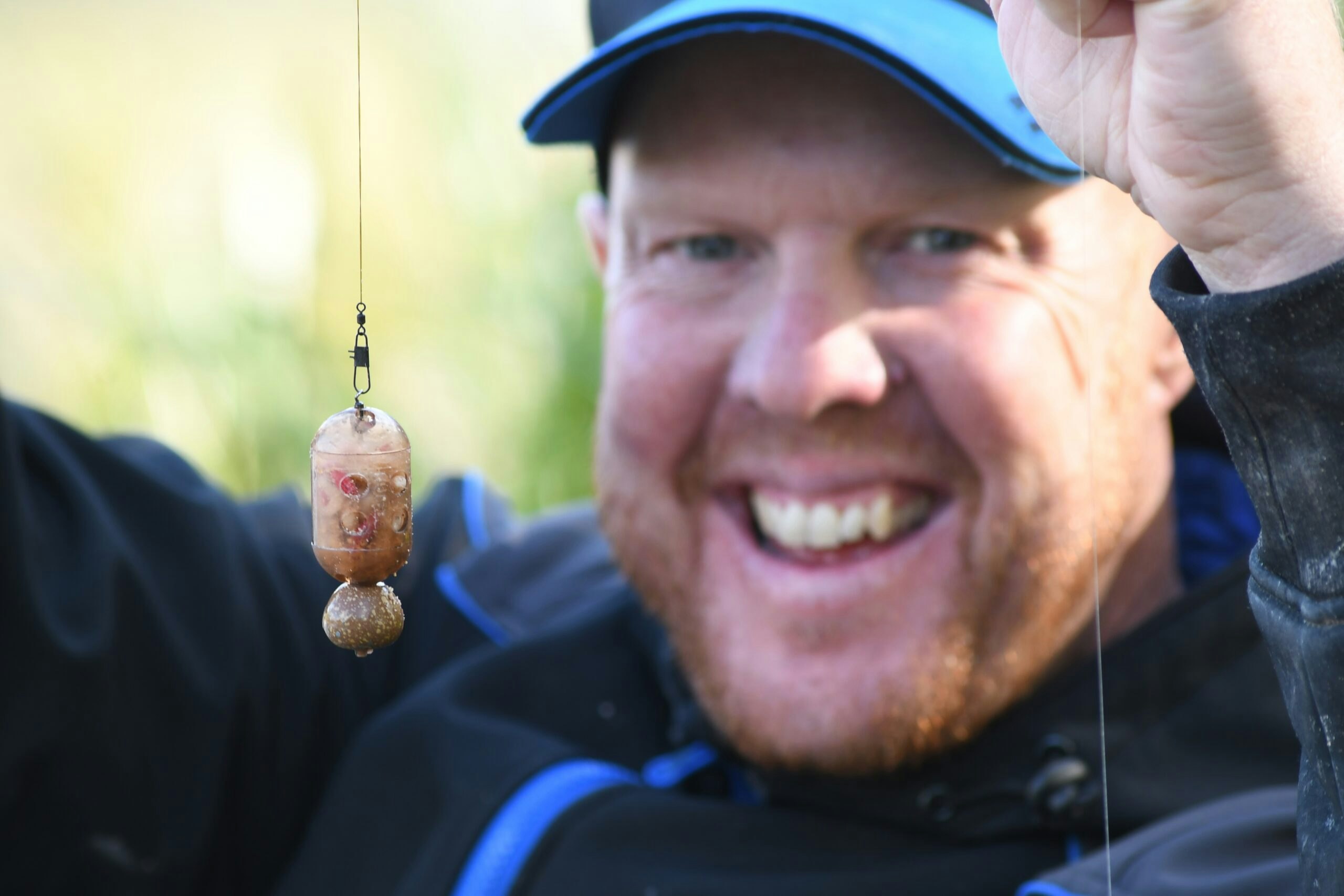
As the water starts to cool down, many anglers turn their attention to the silverfish species like roach, ide and skimmers that inhabit fisheries around the country. We caught up with top match angler Andy May, to find out how he goes about targeting them to help put more fish in your net...
Play it safe for skimmers
A lot of anglers pile the bait in when trying to draw skimmers into their swim, but this is a sure-fire recipe for disaster. It might create a frantic first hour, but the action will peter out as the fish eat the lot and leave your swim.
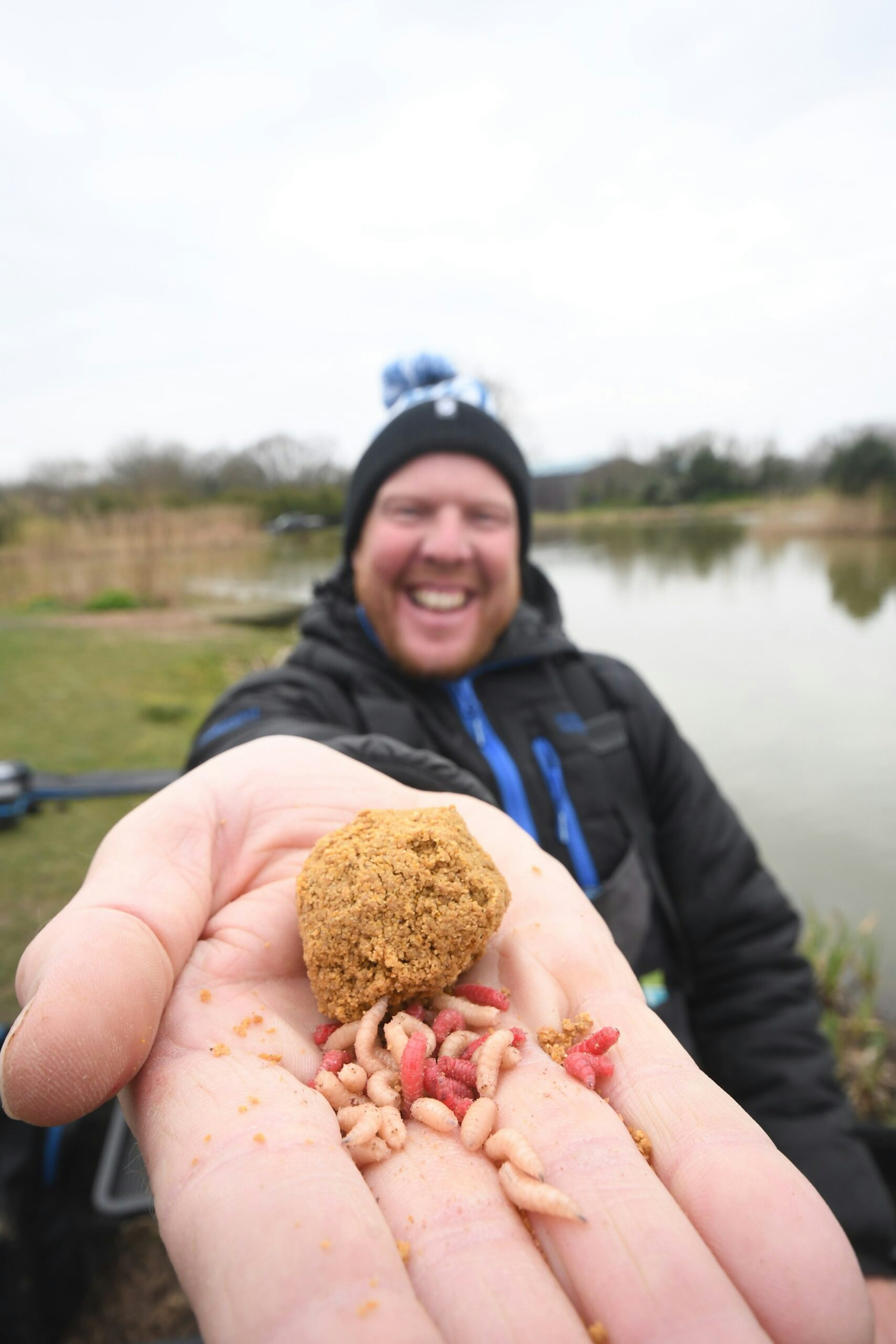
A small golf ball-sized nugget of groundbait with a few dead maggots or pinkies packed into the middle of it is enough to draw a response. Once the action slows, add another of a similar size. This way of feeding creates competition, as the quantity of food on the deck is always minimal.
HEAD TO ONE OF THESE VENUES TO CATCH A VARIETY OF FISH ON YOUR NEXT SESSION.
Work around the feed
Fishing directly over the top of your groundbait is the way to get bites at the start of a silverfish session, but it pays to explore all around it later in the day. Roach and skimmers will soon get cagey once there’s been a bit of commotion, and that can lead to them backing off.
They’ll remain in the swim, though, sitting just off the main carpet and feeding on scraps that come their way. Try fishing a couple of feet beyond or to the left or right of the area and it can transform your fortunes.
Use a long lash
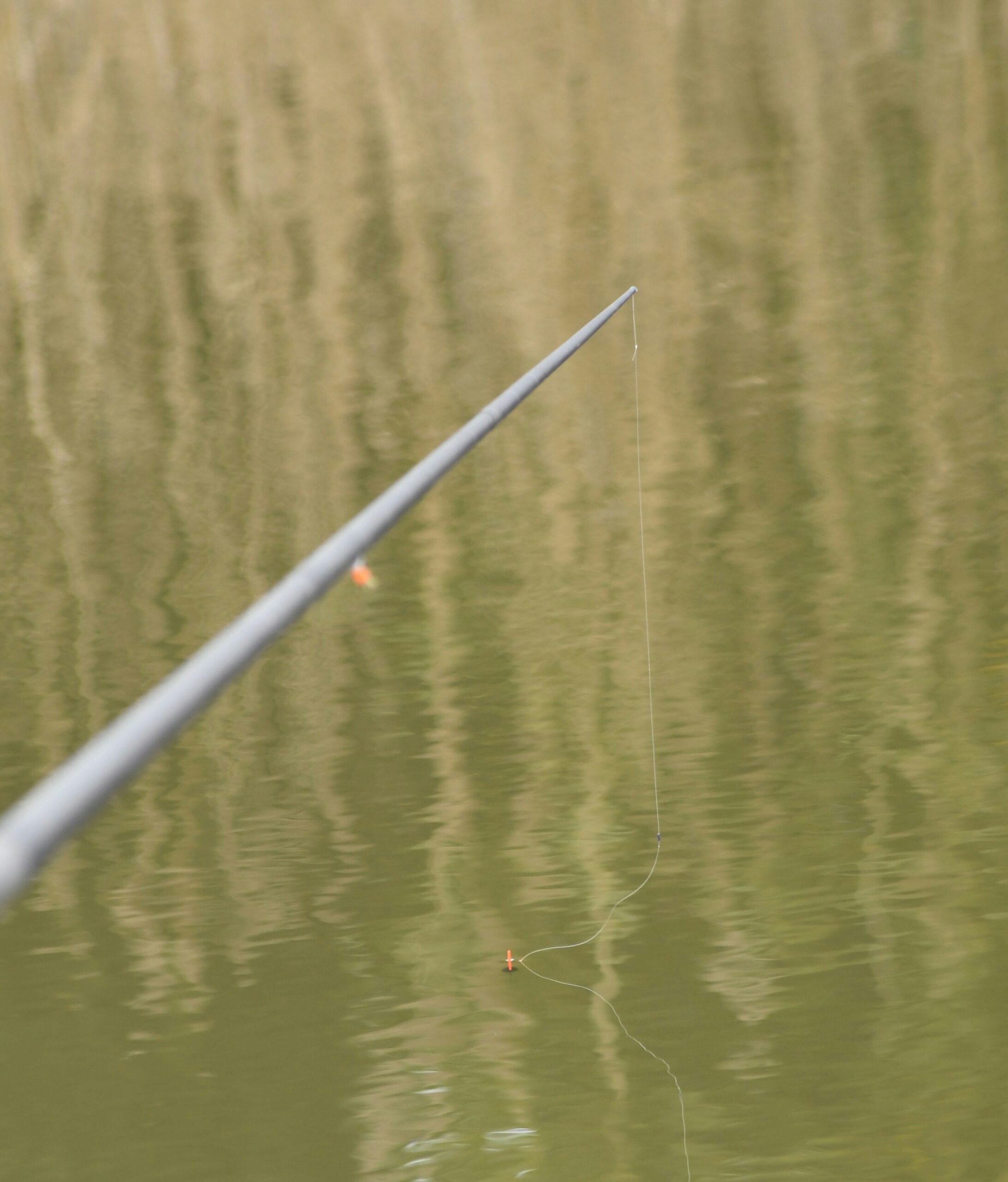
The water will soon be quite clear, making it easier for fish to detect what’s going on above the surface. A pole waving over their heads will create a shadow and make the shoal move off.
A 2ft-3ft length ofline between pole-tip and float will help to stop this from happening. Place a couple of No8 shot halfway down that length of line and this will create enough tension to make sure you still hit most bites.
THE BEST FISHING POLES WILL MAKE FISHING AT LONG LENGTHS MUCH EASIER.
Prime a short line
Roach are often willing to come close to the bank, but it will take a little time to pin them down in this area of the swim. Hand-feeding a regular trickle of casters 5m from the bank will soon get them interested, but it’s important to let the roach settle before fishing for them.
Attack it too soon and the rest of the shoal will spook after a couple have been caught. Leave it at least an hour before placing a baited rig over the top.
Never bump another fish
When fishing for roach and skimmers, which have soft mouths, the elastic needs to have enough grunt to set the hook, but be forgiving enough to keep it in place. Use a solid grade 4/5 for roach and a 6 for bream and bigger silvers.
Maggot colour matters!
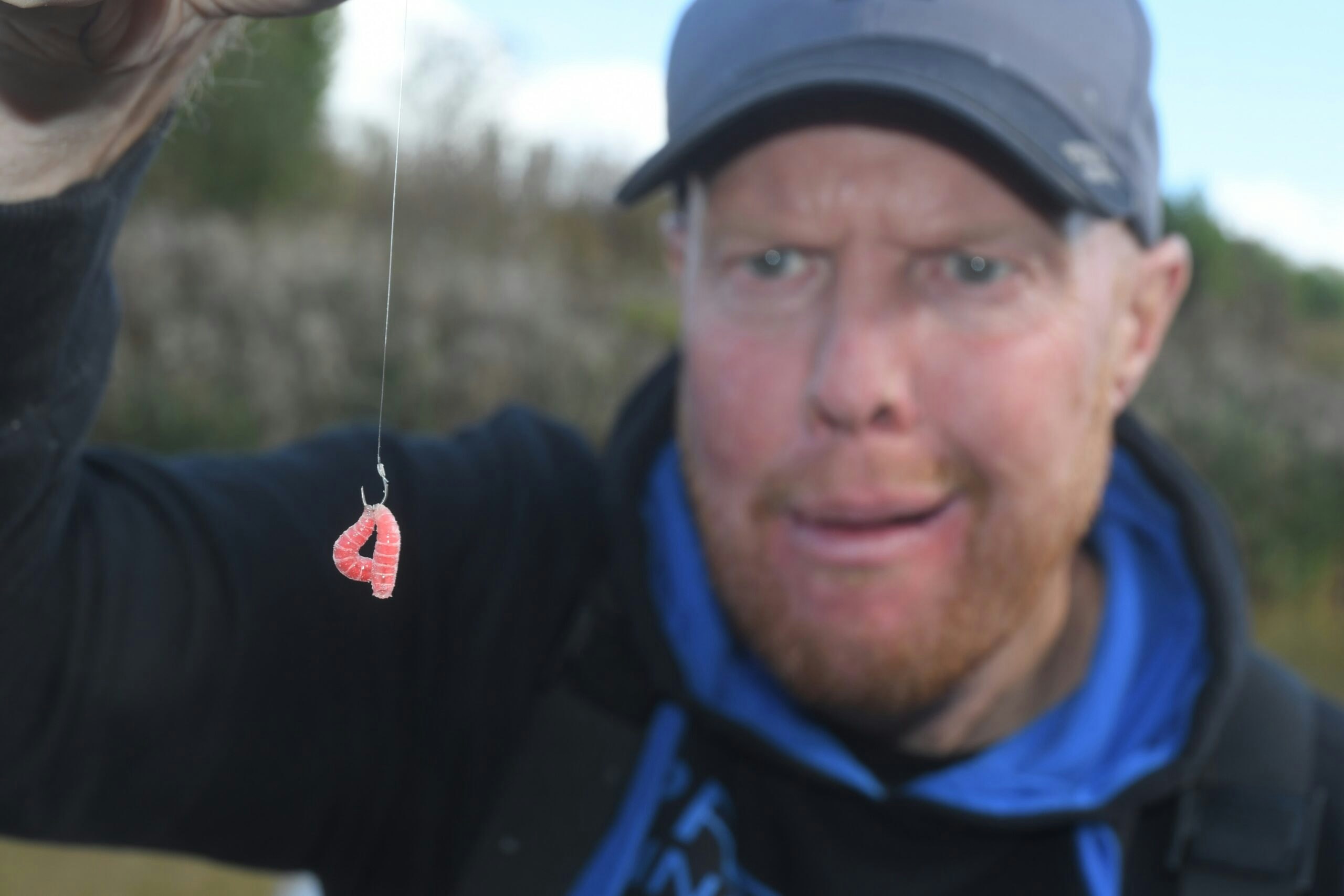
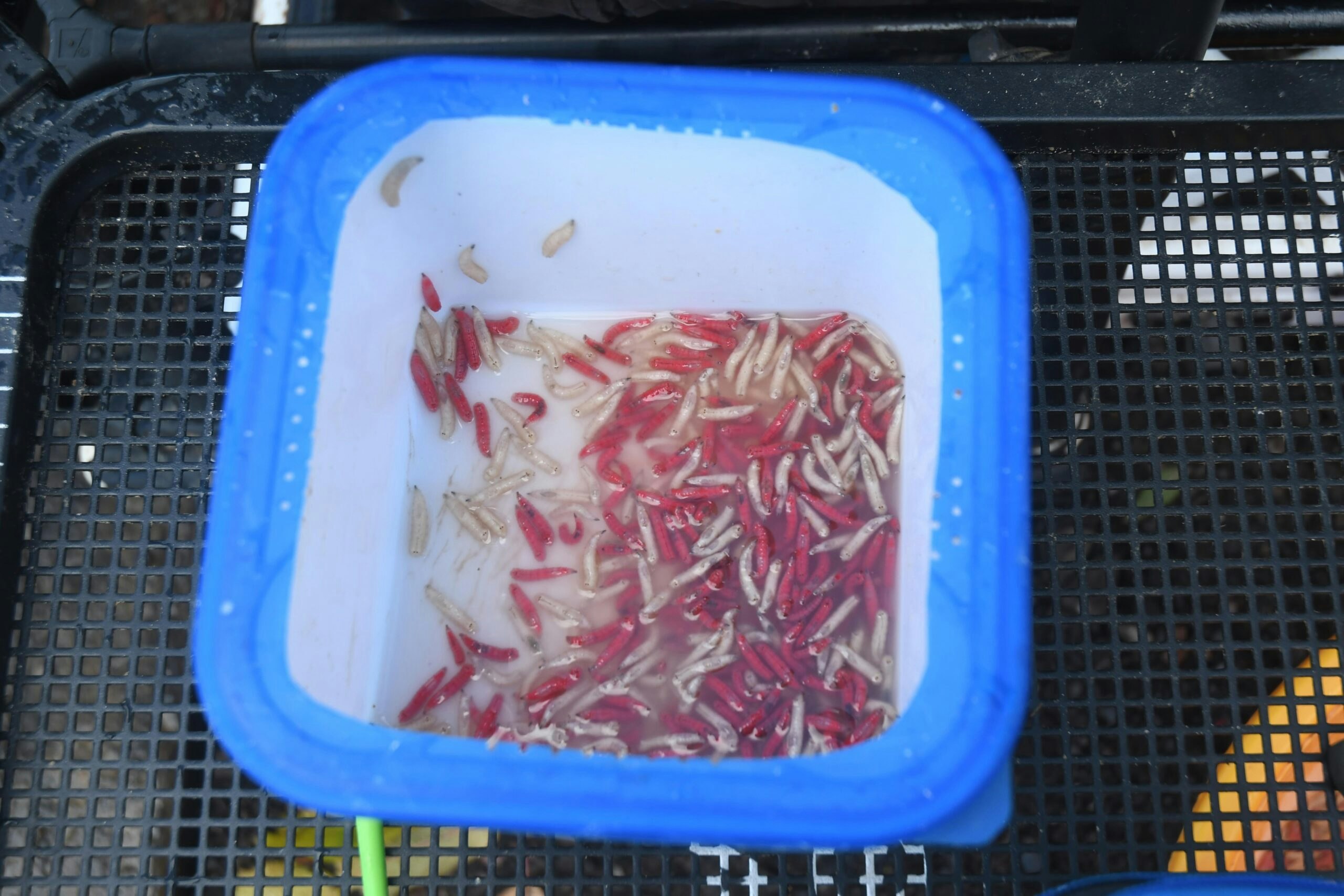
Red and white are the most commonly used maggot colours, and I’ve realised over time that it is far from pot luck which one will work on the day.
The species that you are targeting should dictate your starting point. White maggots work best for ide and chub, while red should get the nod if you are primarily targeting roach and skimmers.
IDE WILL FEED IN ALL WEATHER CONDITIONS, FIND OUT HOW TO CATCH THEM HERE...
Add shot to the hooklength
Placing shot on your hooklength is generally seen as bad practice. This is because the low-diameter line is prone to breakages, and the pressure of a shot exacerbates that. There is an exception to that rule, though, and this applies when trying to catch small skimmers.
The bites they give can be almost impossible to spot at times, as they’ll sit just off bottom, gently mouth the hookbait, and rise up. More often than not they spit it back out before the float registers anything.
Placing a small shot just 2ins from the hook will register an indication on the float almost immediately, and give them very little chance of escape.
Try floating maggots
Silverfish often sit off the deck, and a slow-falling hookbait will give them plenty of chance to snaffle it up mid-water. Floating maggots are extremely buoyant, and on the hook they’ll sink very slowly.
Place a handful in a bait tub and add enough water so that it doesn’t quite cover them, then cut out the middle of the tub’s lid to stop them from escaping. They’ll soon be ready for use.
THE BEST WATERPROOFS WILL KEEP YOU WARM AND DRY SO YOU CAN FISH AT YOUR BEST.
Nail the bait down
Skimmers can be very particular about what they eat, and a hookbait that is bouncing around on the bottom is likely to be ignored. They prefer a static offering, and using the correct float will help you to achieve this.
A reasonably heavy rugby ball-shaped version with a wire stem is ideal. Start with a 4x16 float in 4ft-6ft of water, but don’t hesitate to step up a size if the wind is still pushing the rig through your swim.
Try the maggot feeder
The maggot feeder is a brilliant tactic for roach, chub and ide at this time of year. They’re all species that continue to feed well in winter. Frequent casting is essential to keep a trickle of grubs going into the swim and ensure the fish remain occupied. Aim to cast every two to three minutes, even on the chilliest of winter days.
WILL RAISON GIVES HIS BEST TIPS ON FISHING THE MAGGOT FEEDER.