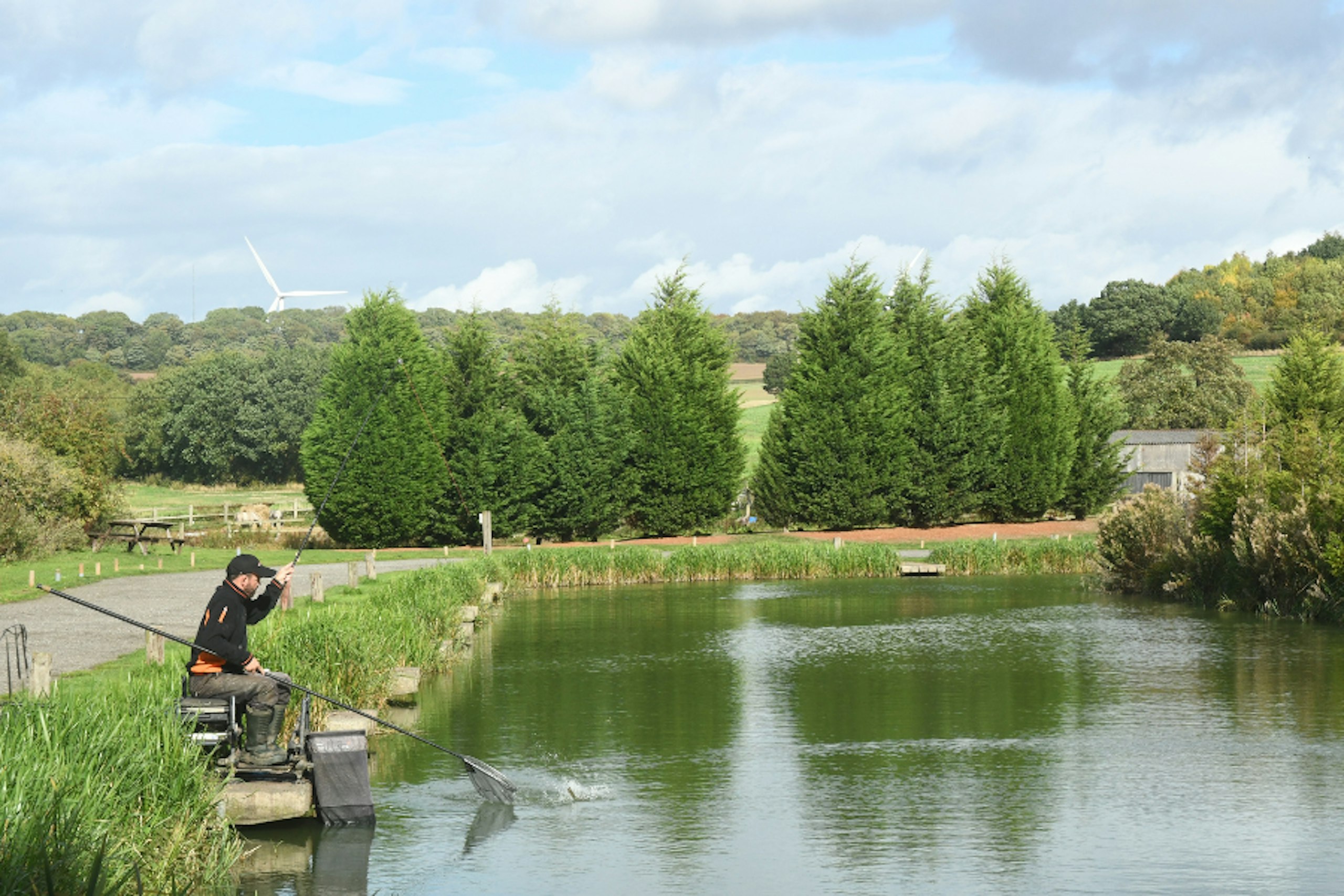
All species display behavioural changes as water temperatures fall, but few react as sharply as F1s. Renowned for feeding aggressively, often shallow through the summer, their appetite fades fast when the weather cools, and they become noticeably more cautious. They’ll still feed, but summer tactics need fine-tuning. Finesse becomes essential, and maggots take centre stage as the only bait needed to keep the float dipping.
Commercial fishery expert Andy Quarmby believes that anglers willing to stay active and adapt will be the ones who keep catching. Each autumn, he switches from pellets to maggots as soon as the leaves begin to drop, confident it makes the difference between steady sport and a dry net. According to Andy, maggots are all that’s needed for F1s from autumn onwards - provided they’re fished correctly.
YOU CAN FIND THE BEST F1 VENUES IN THE UK IN OUR WHERE TO FISH GUIDE.
Choose a peg with options
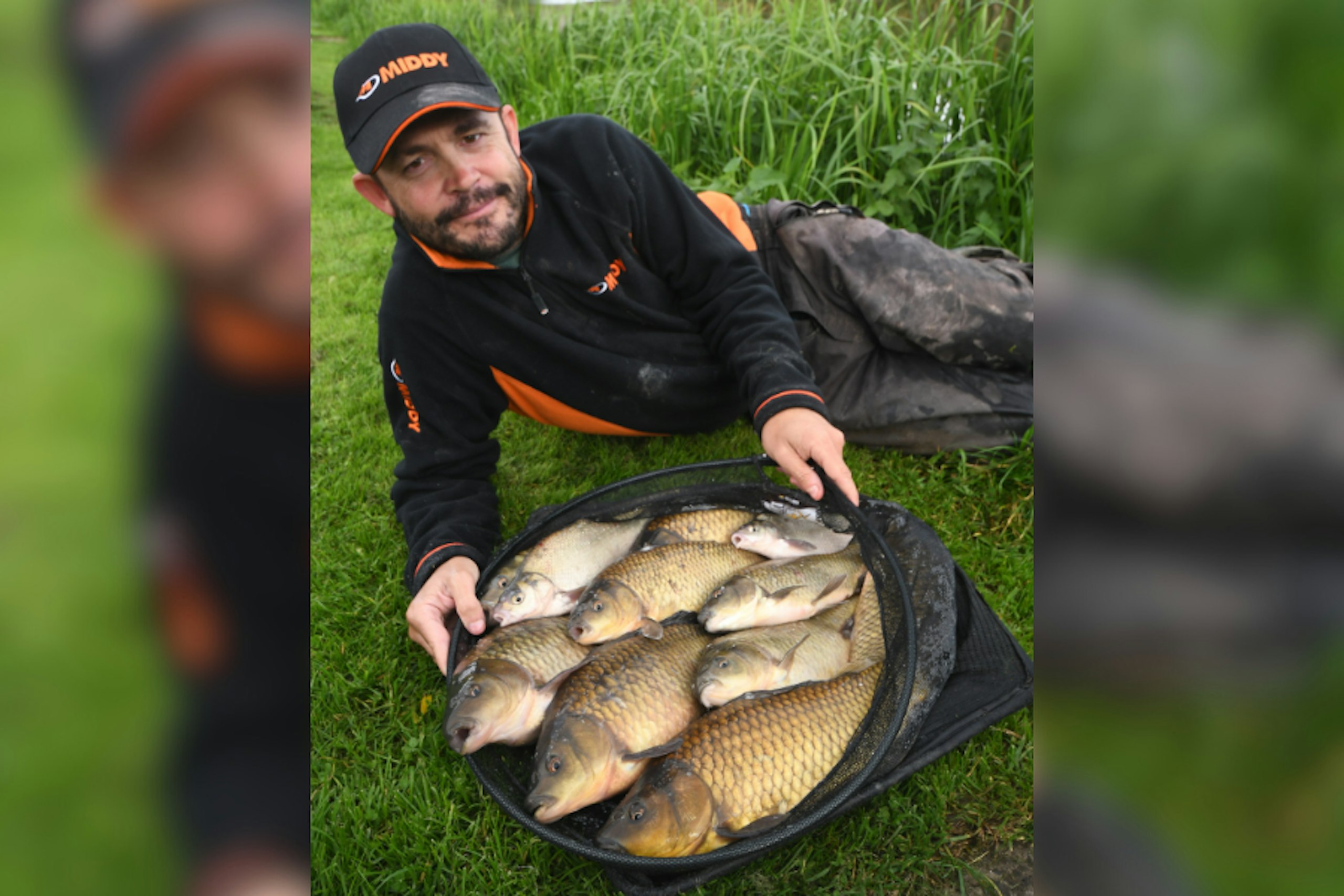
F1s are known for shoaling tightly once temperatures fall, so choosing the right peg is crucial. Andy looks for areas offering a mix of depths, ideally between 2ft 6ins and 4ft against far-bank cover or near an island on a snake lake. This depth, often a metre or two off any main feature, regularly holds F1s and has produced results for him at venues such as Barnburgh Lakes. A
way from the far bank, he also targets his short line around 6m out, typically finding 5ft to 7ft of water. The key, he says, is to avoid locking into one area - F1s can quickly spook once a few have been caught. By setting multiple lines to the left, right, and straight ahead at similar ranges, it’s easier to rotate and rest swims throughout the session.
GET THE BEST OUT OF YOUR POLE FISHING WITH THESE EXPERT TIPS.
Get into a feeding routine
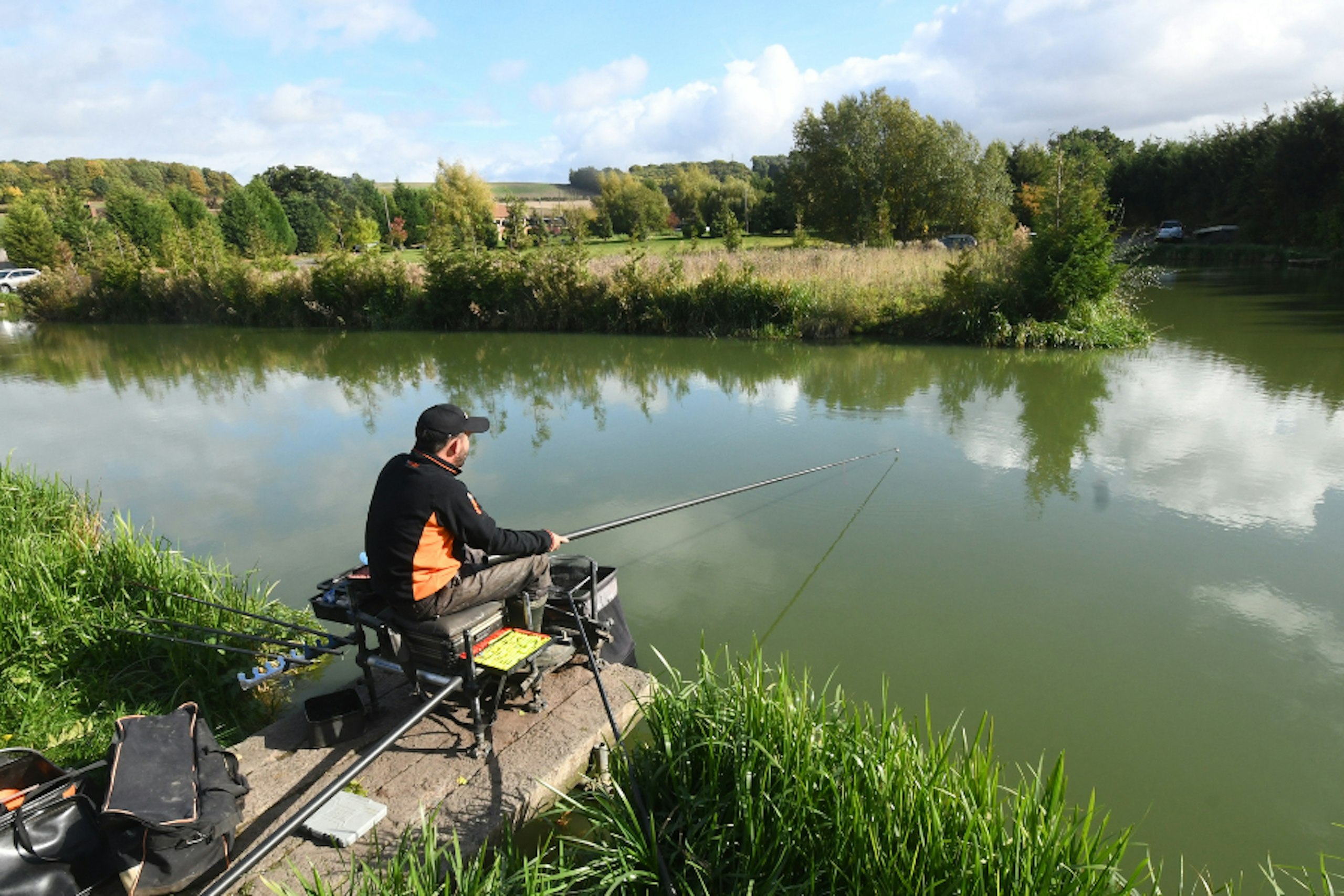
Maggots, he adds, are ideal in cold water because F1s can consume plenty without becoming full as quickly as they do on pellets. He feeds a small cup of roughly 50 maggots each time he ships out, topping up with a few more every five minutes to maintain a steady trickle.
When fishing short, he prefers to prime the area early, throwing in around 30 maggots by hand every five minutes to build a carpet of feed that draws fish and keeps them settled. In swims packed with small fish, he increases this to 80 maggots, ensuring enough bait reaches the F1s despite interference from silvers.
IF THE MAGGOTS AREN'T WORKING, TRY THESE BAITS INSTEAD.
Time your moves
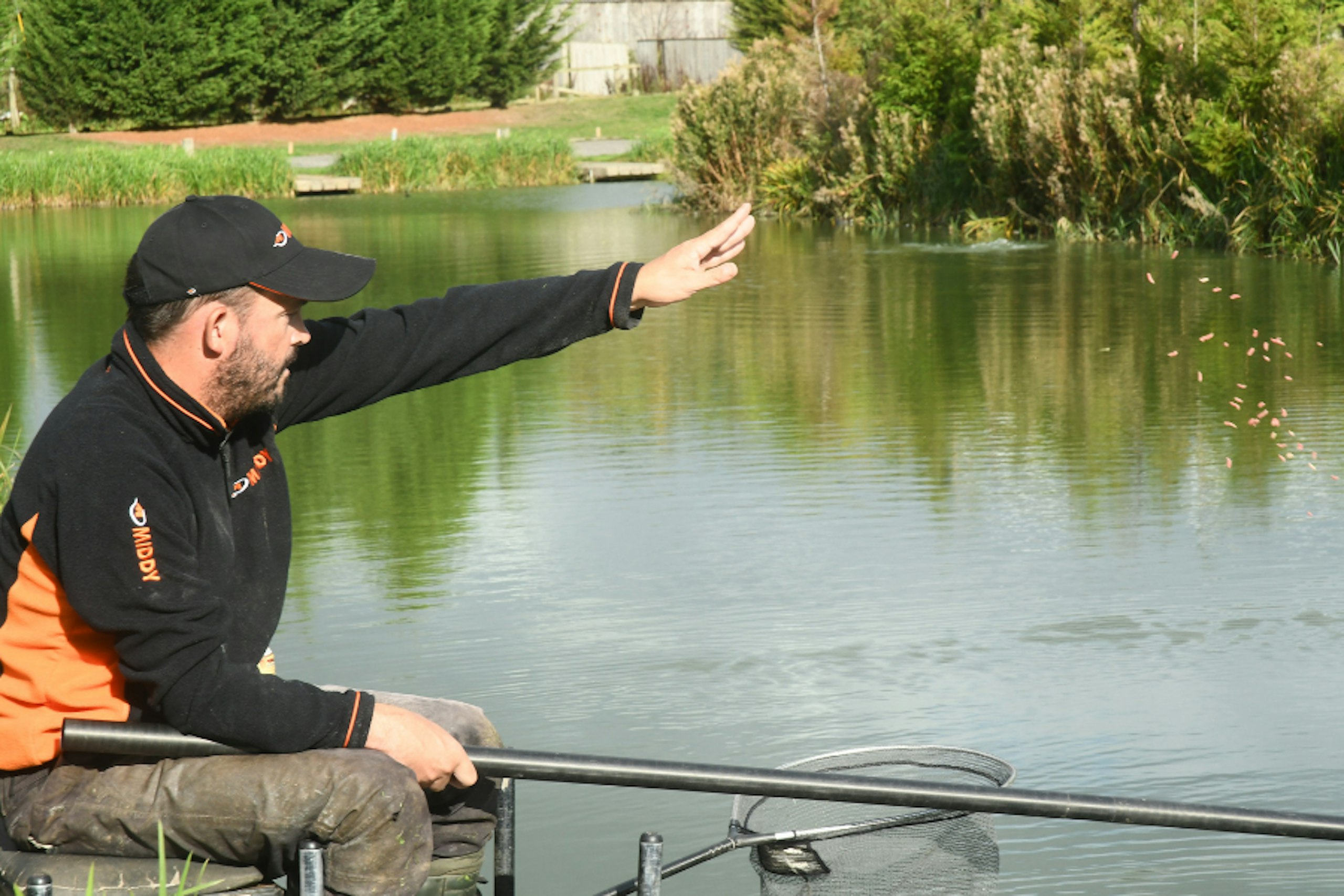
Lines towards the far bank tend to be his main focus, but timing the switch to the short line is vital. Move too soon and the shoal may scatter; leave it too late and part of the “golden period” is missed. Andy recommends feeding short for two hours before lowering a rig over the top.
The patience, he says, usually pays off, with F1s settling confidently and providing fast bites. In the right conditions, he’s taken 20 F1s in an hour on this line - often doubling his earlier catch rate. If no bite comes within a couple of minutes, he returns to the far line, keeps feeding short, and tries again 15 minutes later.
MAKE SURE YOU NET EVERY FISH EFFECTIVELY WITH THE BEST COARSE FISHING NETS.
Sensitivity is key
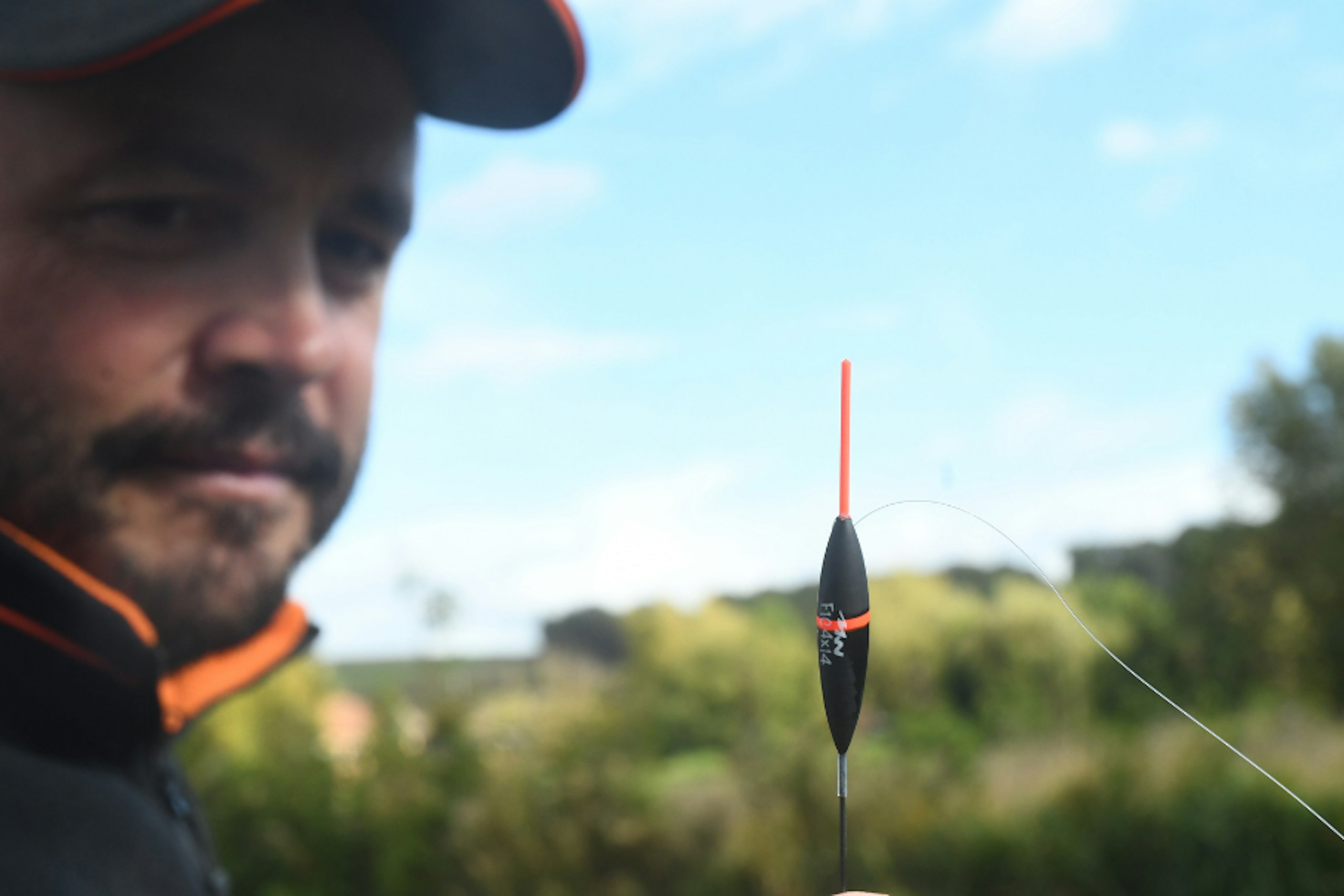
Because F1s often mouth baits delicately, a sensitive rig is vital to detect shy bites. Andy uses a 4x12 carbon-stemmed float on the long pole in shallow water and a 4x14 on his shorter 6m line. His shotting pattern consists of a bulk 18ins above the hook with two small droppers below, allowing the bait to fall slowly and naturally perfect for F1s that hover just off the bottom.
He fishes 0.14mm mainline to a 0.12mm hooklength with a size 18 hook, offering neat presentation yet enough strength to land bigger F1s or rogue carp.
TIE THE BEST POLE FISHING RIGS WITH THIS HELPFUL GUIDE.
Strike the right balance
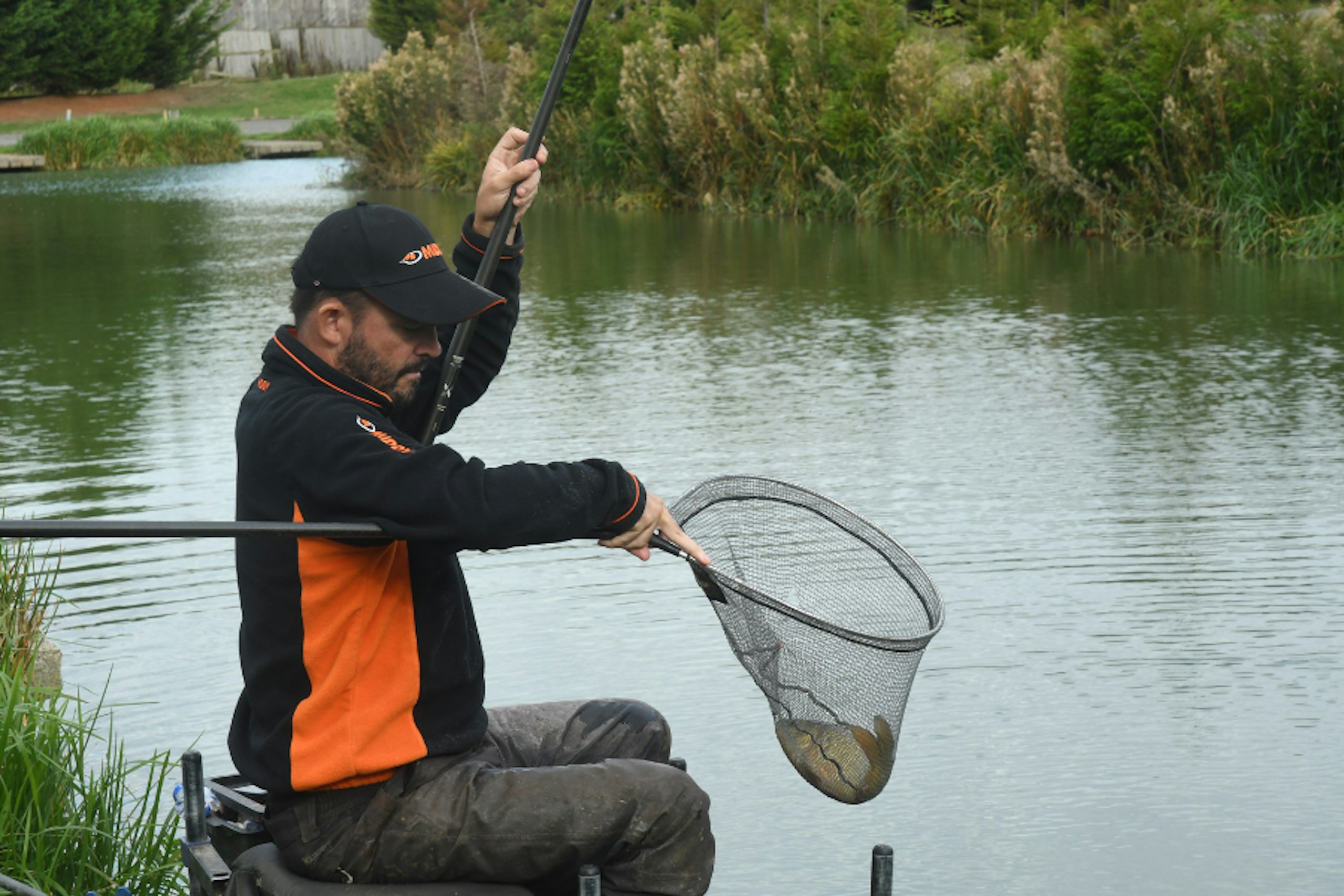
To avoid spooking the shoal, Andy aims to get each hooked fish out of the swim quickly. The right elastic plays a major role here. He prefers grades between 8-12, soft enough to let hooked fish bolt clear yet firm enough to bring them under control near the net. On harder days, he drops to a 6-10 elastic to reduce pressure on the hookhold and further cut down on losses.
SIT COMFORTABLY AND STABLE ON ONE OF THE BEST FISHING SEATBOXES.