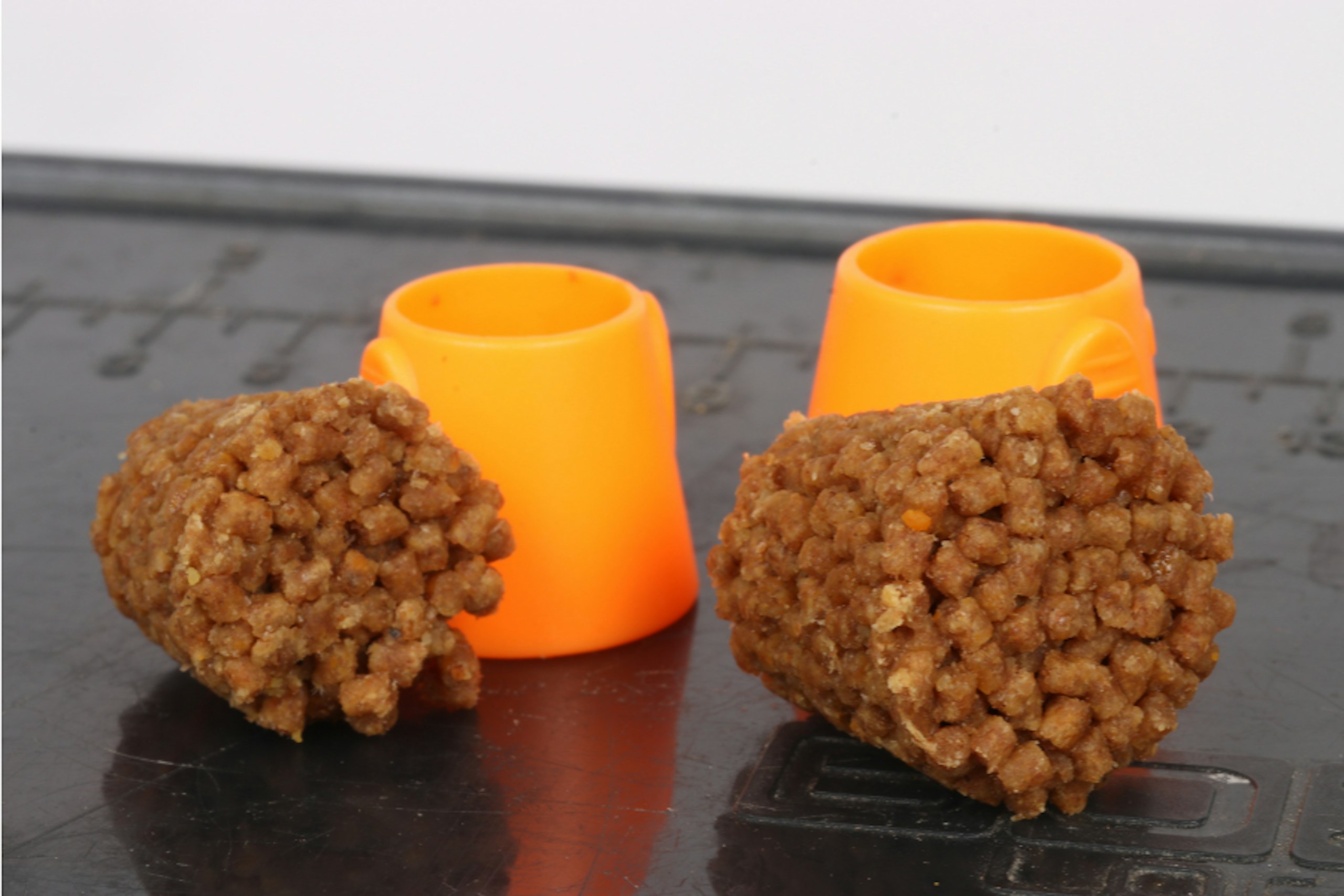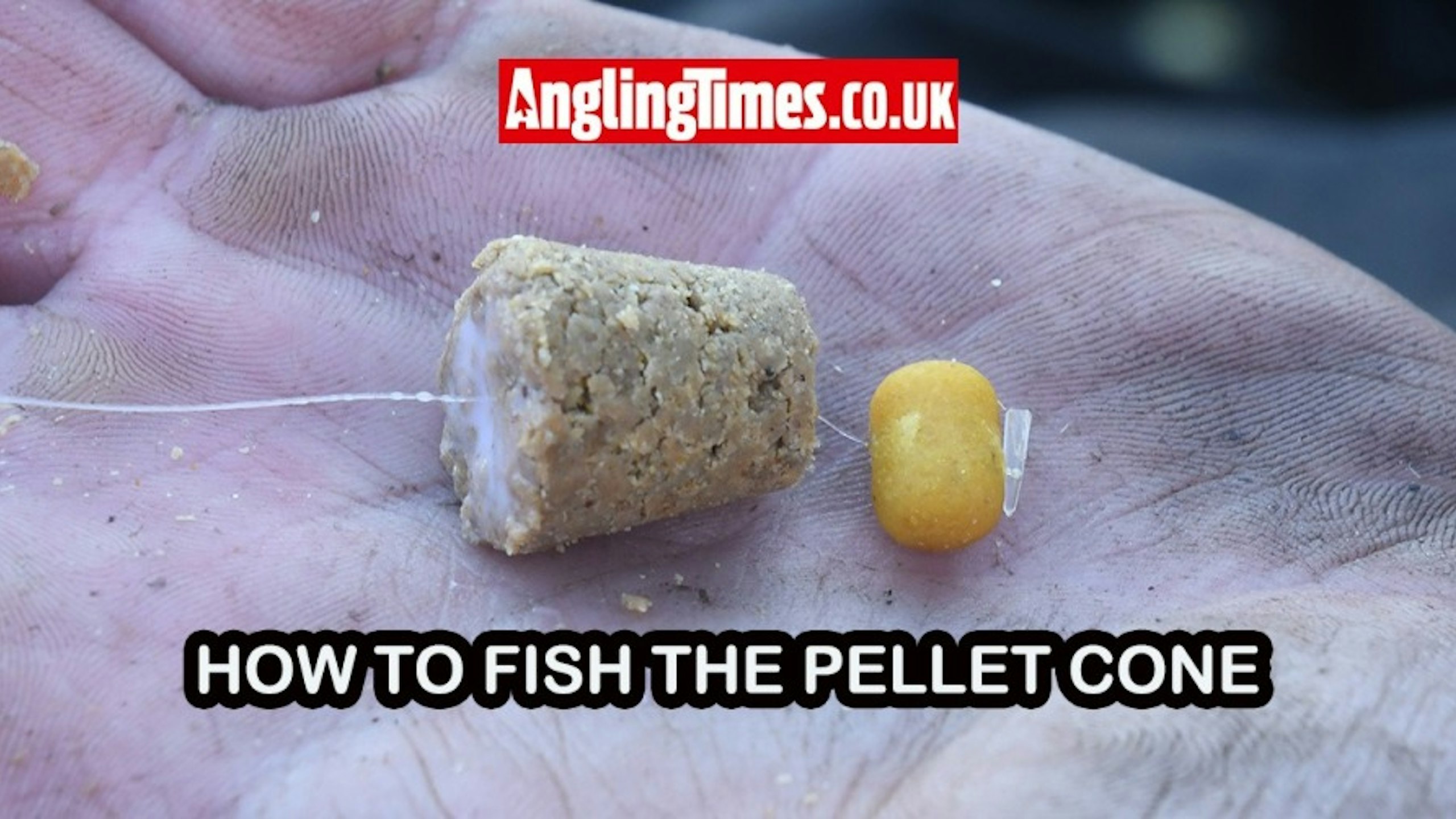
The pellet cone is a technique that has fallen out of favour in recent years, but in winter into early spring it can be the difference between a bite or a blank on commercials. When fish are only just waking up, a single hookbait can feel a bit too isolated, yet a feeder can be too much in cold, clear water. Step up the pellet cone - the perfect middle ground. It concentrates a small amount of bait right next to the hookbait, very similar to a method feeder, but with far less feed and a much stealthier presentation.
In cooler conditions fishing becomes a lot more challenging, no question. Water clears, bites are harder earned, and carp and F1s often respond better to neat, low-feed tactics than anything heavy. The pellet cone is basically bomb fishing, but with a compressed cone of micro pellets sat just above the hookbait. Cast it out and you are placing a tight little patch of feed exactly where you want the bite, without having to pile bait in or make a big disturbance.
USE ONE OF THE BEST CARP FEEDER RODS TO FISH THE PELLET CONE.
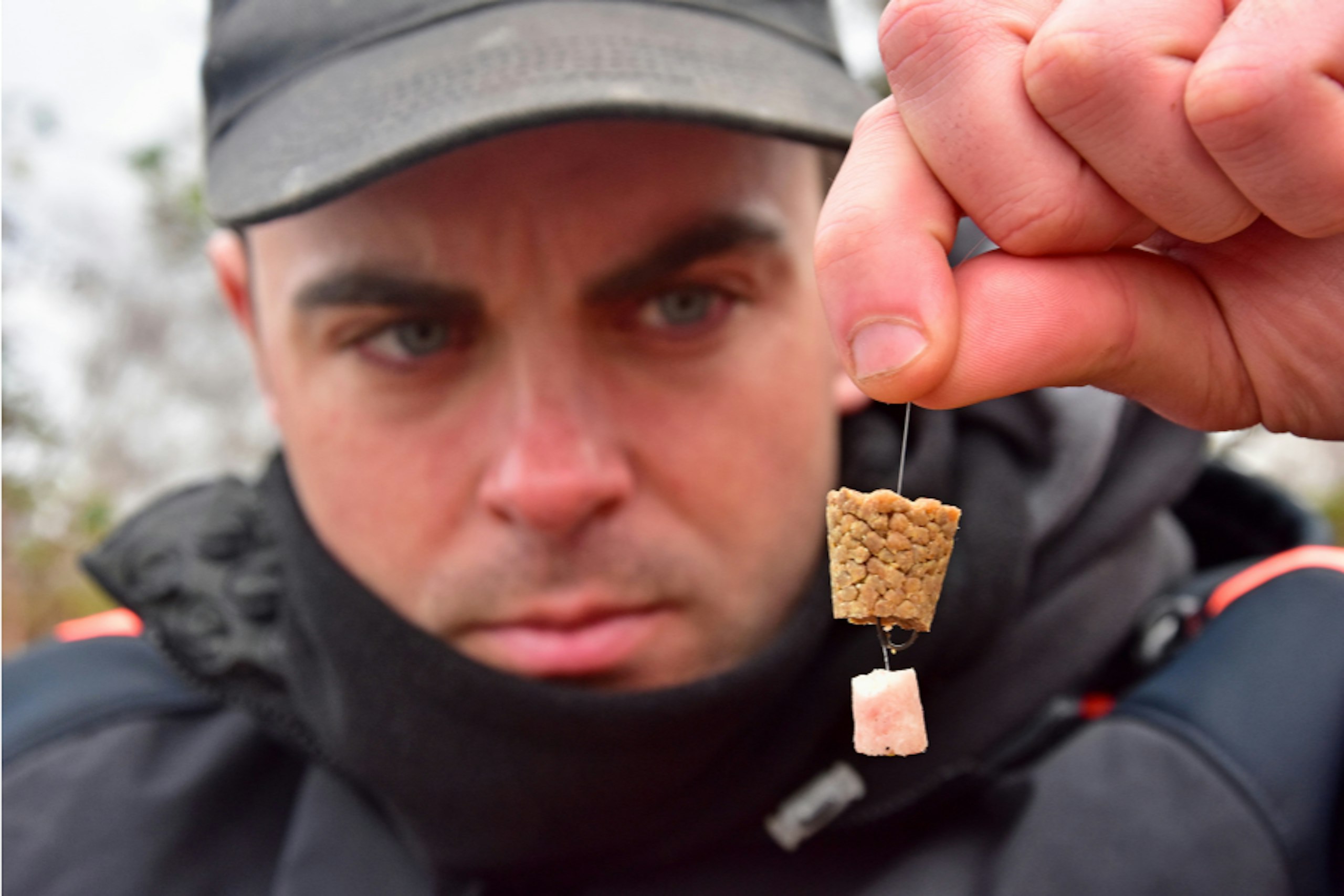
How to make a pellet cone
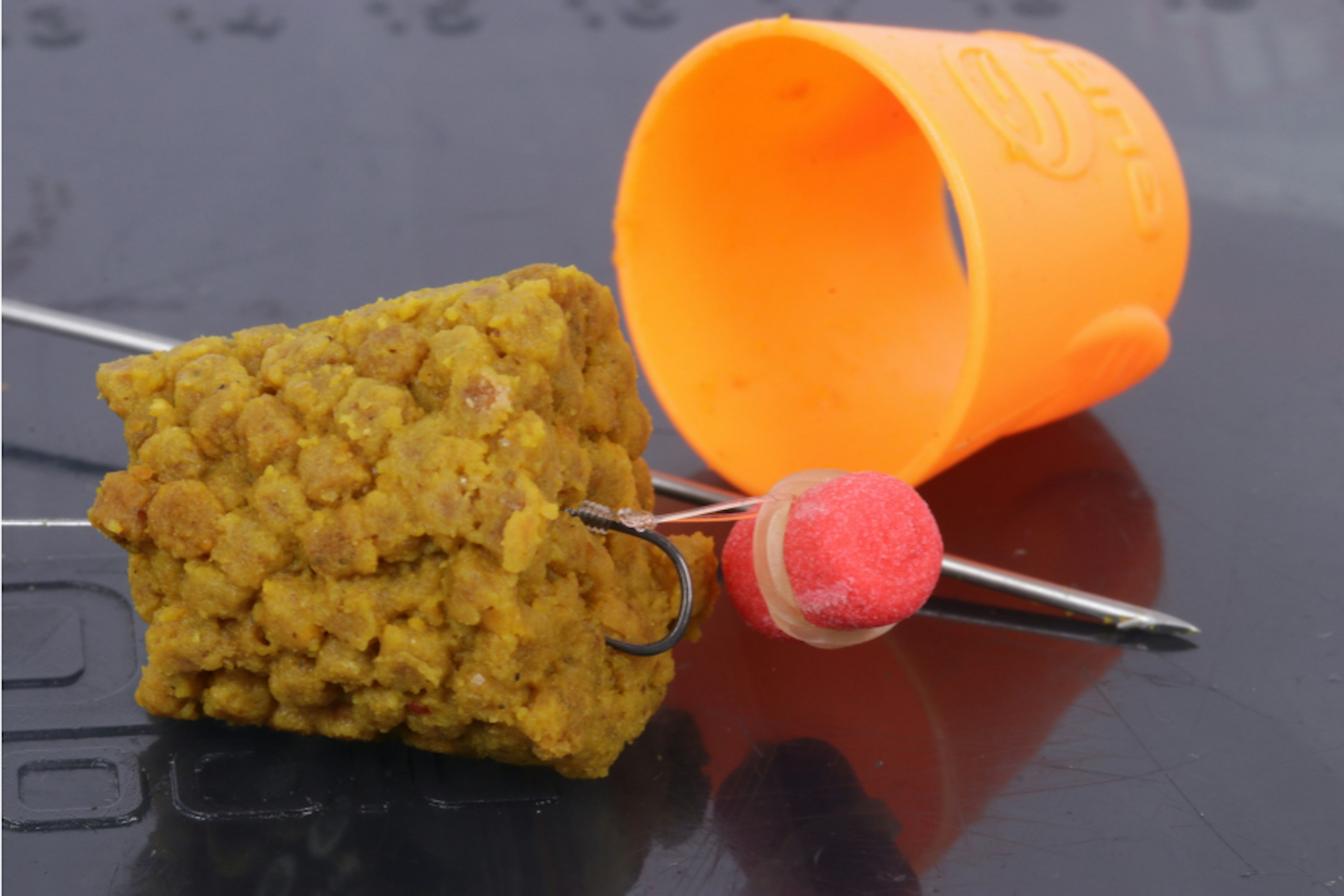
Start by filling your cone with prepared micro pellets. You can buy purpose-made cones, or you can improvise a cone by simply trimming a section off an old winder bung.
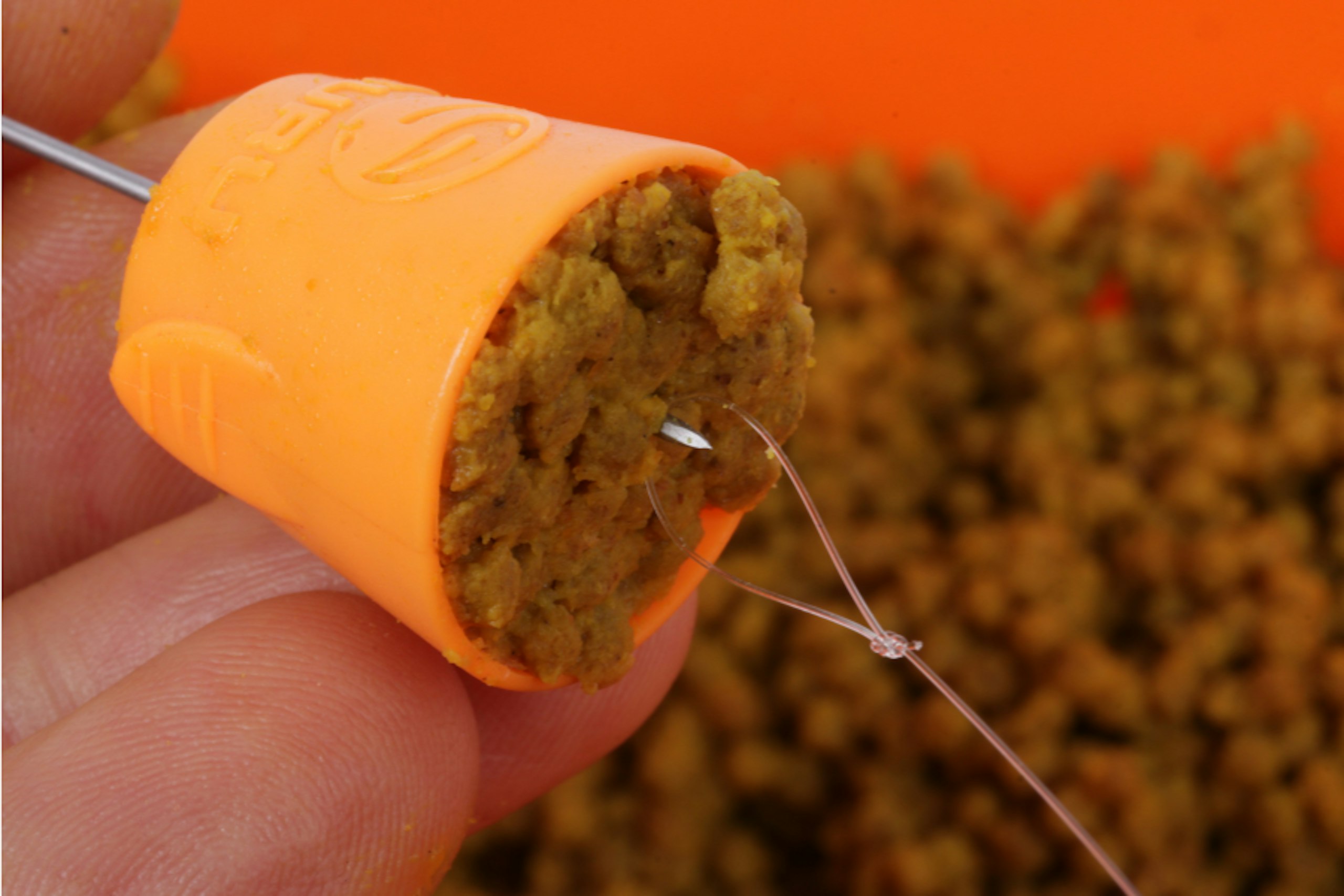
Once the cone is packed, push a latch baiting needle through the wider end and draw your hooklength back through so the cone sits on the hooklength.
Slide it down the hooklength until it is positioned just above the hookbait, then attach the hooklength to your mainline. On the cast the cone stays intact long enough to get down cleanly, then breaks down around the hookbait to leave a tight patch of micros.
IN THIS BUYERS GUIDE YOU'LL FIND OUR PICK OF THE BEST FISHING REELS.
How to tie the pellet cone rig
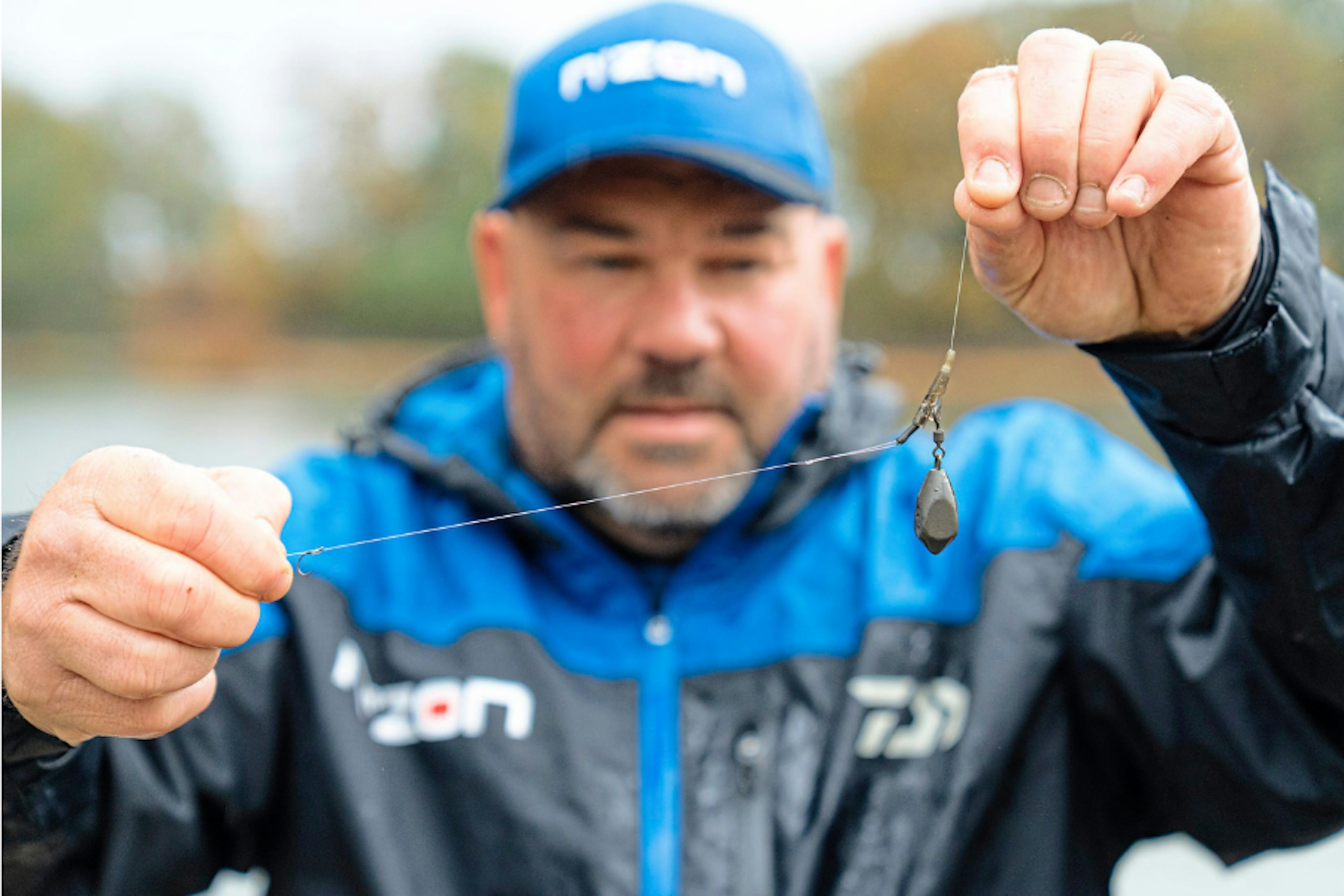
This is a simple running lead set-up with the hooklength carrying the cone. Thread the inline lead onto the mainline, then tie on a hooklength swivel or quick-change bead so you can swap hooklengths quickly. Keep it tidy and it casts well, settles quickly, and gives you that method-style dinner plate with a fraction of the bait. The only real difference is you are putting the feed on the hooklength instead of delivering it in a feeder.
THE BEST SHORT FEEDER RODS ARE PERFECT FOR SMALL COMMERCIAL VENUES.
Lead choice
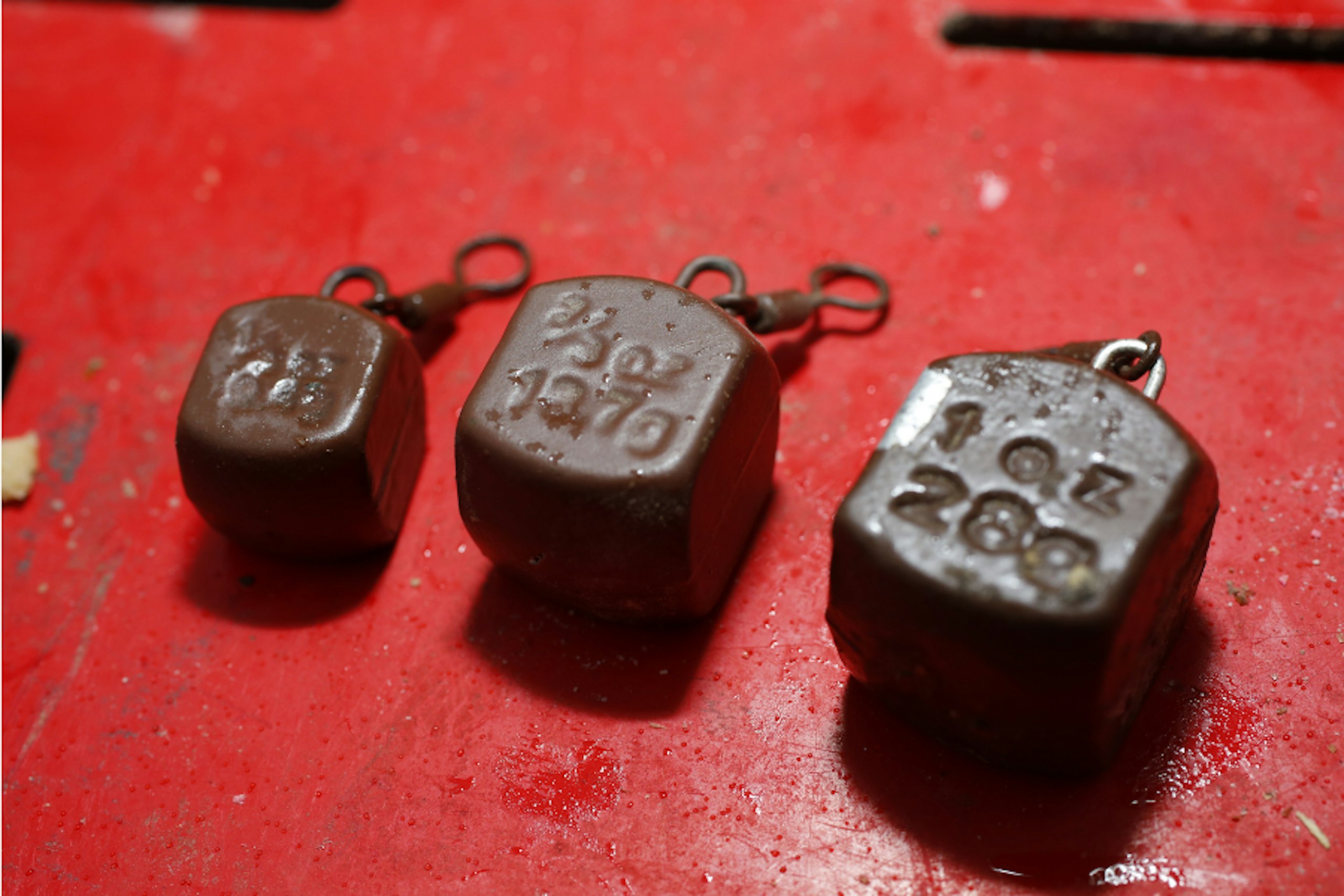
The size of lead you use is dictated by distance, but also by the size of the cone. A bigger cone is harder to punch out there, and if the lead and cone are somersaulting on the cast the lead is too light. As a guide, a 1oz (30g) lead is about right for most commercial work, but if you are casting further, fishing into a crosswind, or using a larger cone, go heavier so it flies straight and lands cleanly. On bigger open venues, stepping up to 2oz (60g) can make everything behave.
BE COMFORTABLE ON THE BANK SITTING ON ONE OF THE BEST FISHING SEATBOXES.
Hooklink length
Eight inches to a foot is about the right length for the pellet cone. It keeps the lead away from the cone and hookbait, which matters in clear water, and it also helps reduce tangles. Go too short and the hooklength can wrap around the lead on the cast, especially when you are punching a cone any distance.
PREFER TO SIT ON A CHAIR WHEN FISHING? CHECK OUT THE BEST FEEDER FISHING CHAIRS.
Which pellets and how to prepare
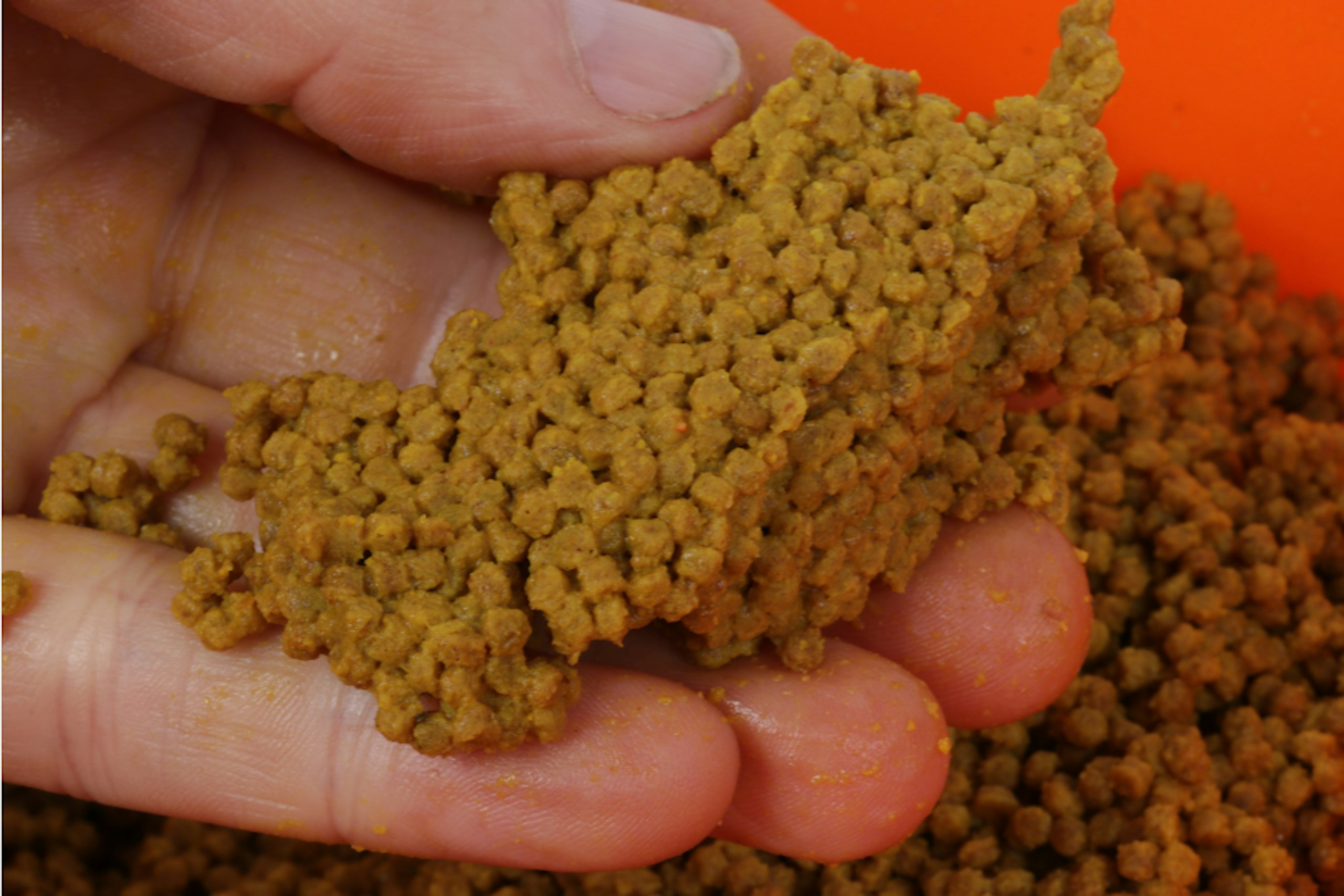
Micro pellets are the only sensible size for a cone, but they need prepping so they bind. Flash soak them for a minute, drain them, then leave them to stand so the moisture fully absorbs. You should then have softened pellets that are tacky and compressible. Rush this and the cone will not compress consistently, or it will explode too quickly. For longer casts, you can use a sticky liquid or binding powder, to really consolidate the cone, but be mindful it will take longer to break down.
TAKE A LOOK AT THESE SIX ESSENTIAL WINTER FISHING TIPS IN THIS HELFUL ARTICLE.
Pellet cone sizes
Most commercially available cones come with size options and, just like feeder fishing, the size you pick governs how much bait you are feeding. The smallest cone is ideal on cold, hard days when you are trying to nick bites without feeding them, while the biggest size is worth reaching for when you get a milder spell, when fish are more willing to have a feed, or if you plan on leaving the rig out for longer between casts.
WINTER IS COLD AND WET SO HAVING THE BEST FISHING WELLIES IS ESSENTIAL.