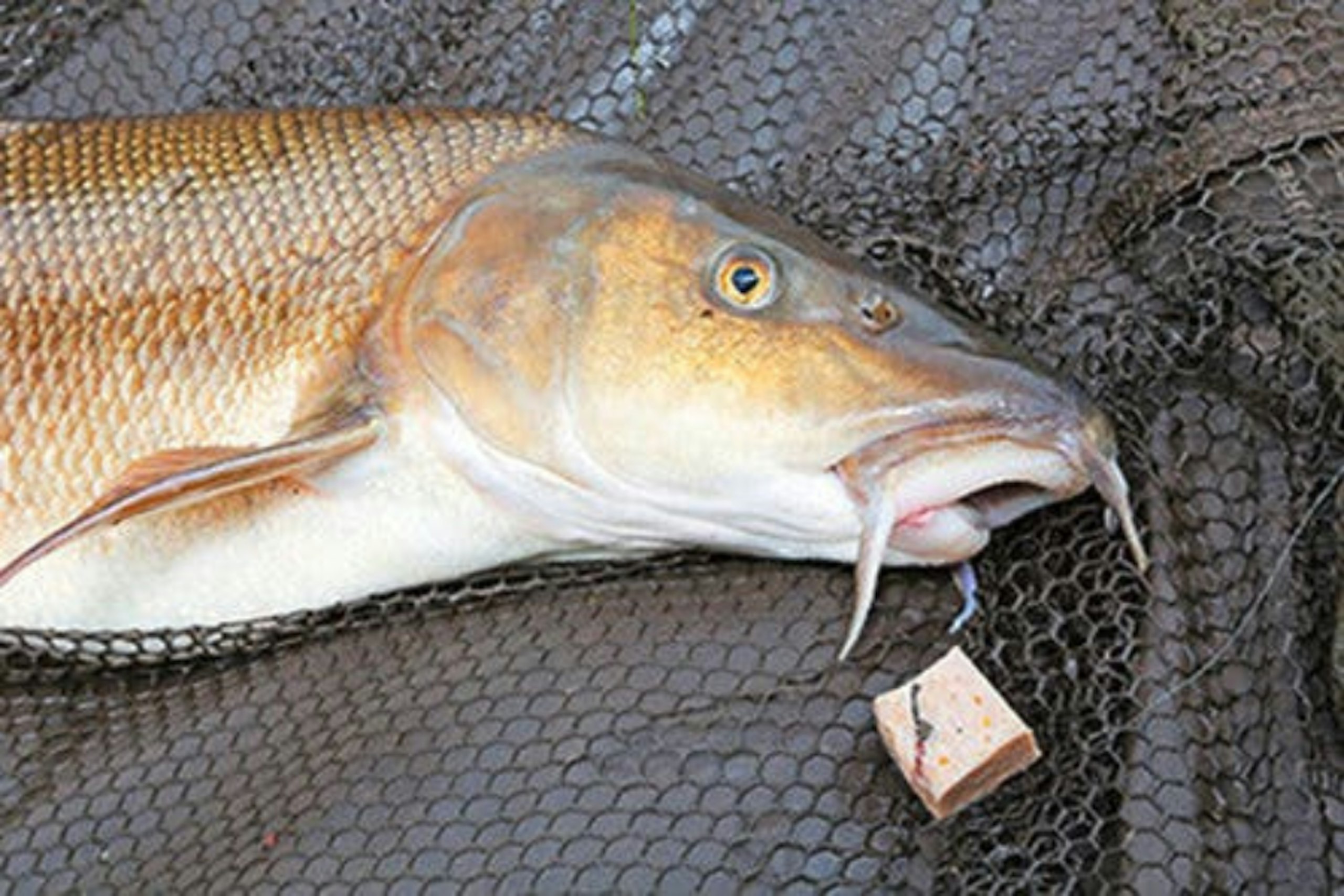
Finding a likely-looking swim is only half the battle when it comes to catching barbel. What you do after you've chosen your spot can often determine whether you end up with a memorable catch picture or a big fat blank.
To be successful you need to think carefully about where you cast in the swim, how much bait you introduce, how long you stay in each swim before moving and how the river is behaving throughout the session. Follow our simple session plan and you'll give yourself a great chance of catching your first barbel.
Watch the water
On arrival, don’t rush into setting up – spend 5 or 10 minutes observing the river. Look for changes in flow, overhanging cover, weedbeds, crease lines and any obvious deeper water.
Watch how leaves, foam and other floating debris travel downstream. This will often reveal current lines that aren't immediately obvious.
Barbel will usually be found where food naturally accumulates, where oxygen levels are good and where they can shelter from the strongest currents. Time spent reading a swim is never wasted.
NEVER CAUGHT A BARBEL? HERE IS A GREAT BEGINNERS GUIDE...
Pick a target
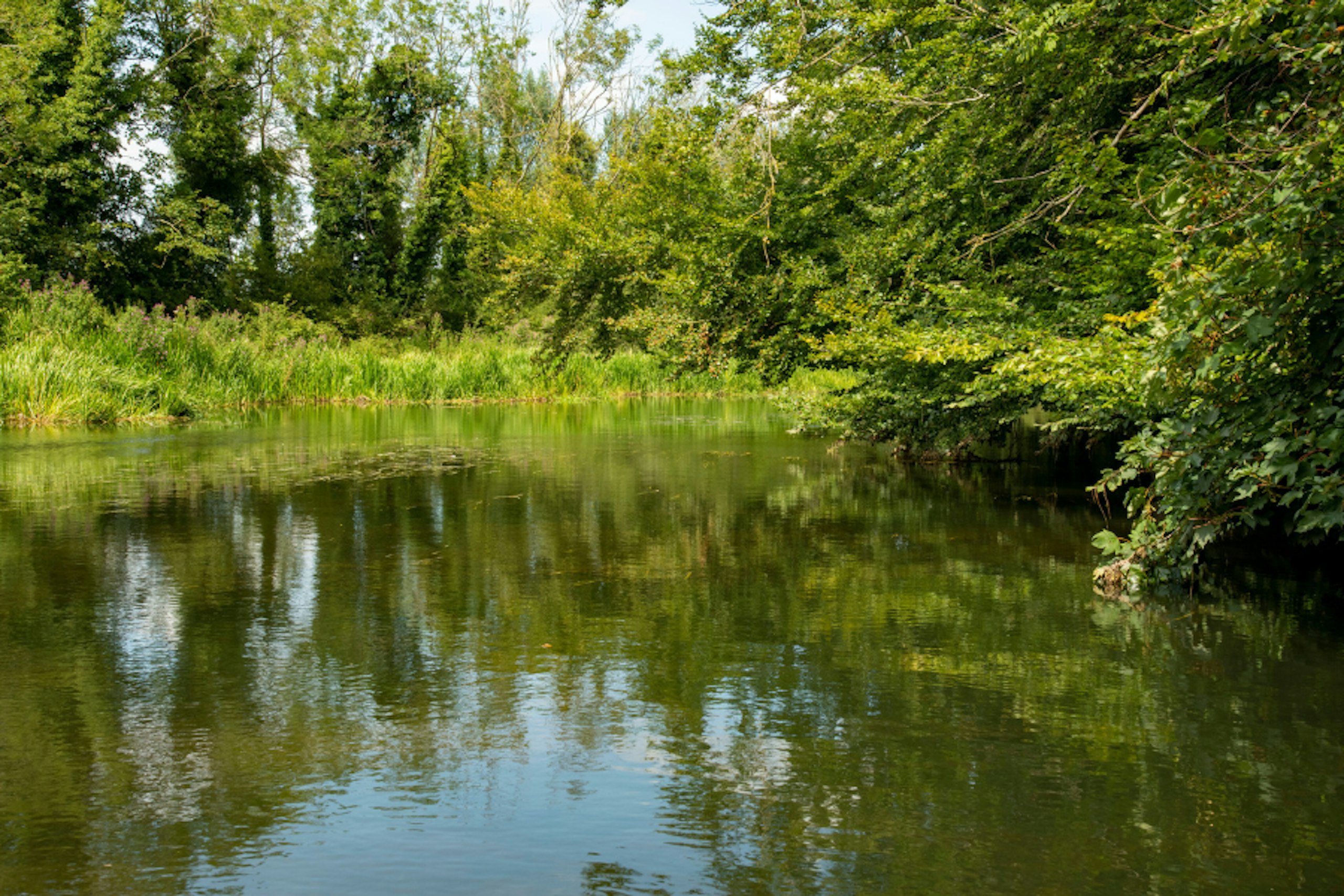
Once you’ve studied the swim, choose a specific target to initially focus on. This could be the edge of a weedbed, the crease between fast and slow water, an overhanging tree or a depression in the river bed.
Once you’ve selected your target feature, aim to repeatedly land your feeder in exactly the same area. This will ensure your bait is tightly grouped and not spread haphazardly all over the swim.
Don't cast too far
When faced with a far bank, anglers often have the urge to cast as close to it as possible as they assume this is where most of the fish will be held up.
However, barbel often patrol surprisingly close to the near-bank margin, particularly where there is cover, depth or a crease in the flow.
So, before launching a cast all the way across the river, consider the water directly in front of you, as many barbel are caught within just a rod-length or two of the bank.
THE BEST BARBEL RODS WILL HELP YOU LAND ANY BARBEL YOU HOOK!

Bait up conservatively
Barbel can be enthusiastic feeders, but that doesn’t mean you need to introduce huge quantities of bait to catch one.
A feeder filled with pellets or groundbait on every cast is usually enough to create a decent bed of bait that will attract fish to feed over it.
Remember, you are not trying to give the barbel a free meal; you want the loosefeed to draw the fish to your spot and for them to then hopefully your hookbait.
It’s therefore best to start cautiously and only increase the amount of bait you’re introducing if fish are clearly feeding and competing for food over your spot.
Correct rod positioning
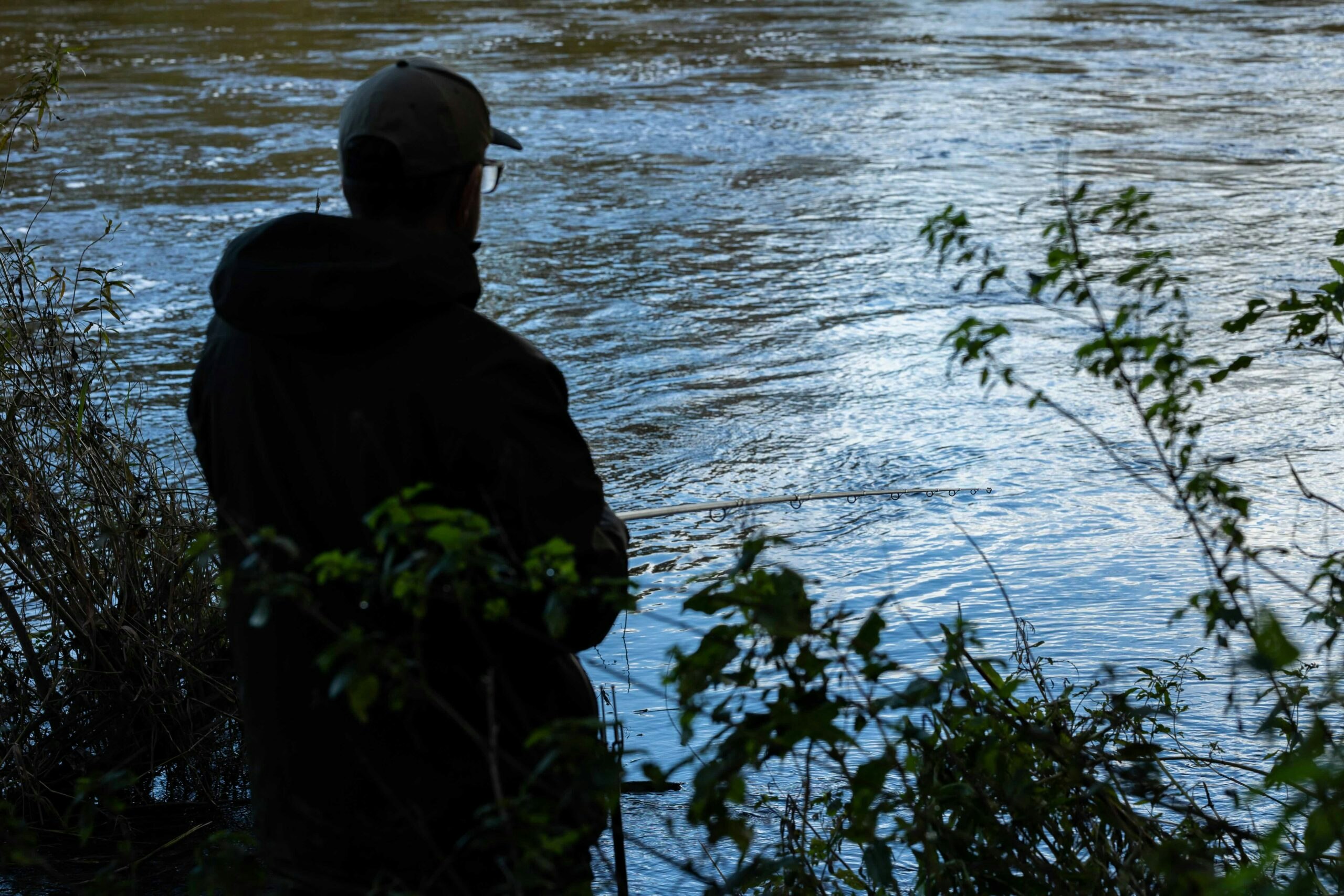
Rod positioning is an often-overlooked aspect of barbel fishing. Generally speaking, if you’re fishing halfway across the river or more, your rod should be positioned high enough to keep as much line as possible out of the flow. This reduces drag from the current and improves bite indication.
A rod pointed directly at the feeder or lead can also help maintain better contact with the rig. The exact position will vary depending on conditions, but the goal should always be to minimise the effect of the current on your line and improve your ability to detect bites.
THESE ARE THE ONLY BARBEL RIGS YOU WILL EVER NEED!
Move or stay put?
There’s a fine line between patience and stubbornness. If you've fished a swim thoroughly, introduced bait accurately and seen no signs of fish activity, don't be afraid to move.
As with all species, location when fishing for barbel is crucial, and finding the fish is usually more important than tweaking rigs, changing hookbaits or swapping feeders.
Many successful barbel anglers would rather fish three or four likely areas during a day than spend eight hours in one, hoping fish will eventually turn up.
Adapt to the river
No two river sessions are identical, as these waterways are constantly changing. Water levels rise and fall, weed grows and dies back and fish move between different areas throughout the season. To catch consistently you need to be able to continually adapt to these changes.
For example, if debris starts catching on your line, move your casting position. If the flow increases, switch to a heavier feeder. If fish are rolling or showing elsewhere, consider relocating.
All the information you need will be provided by the river – you just need to make sure you’re constantly paying attention to what it’s telling you. The better you are at doing this, the more you will catch.