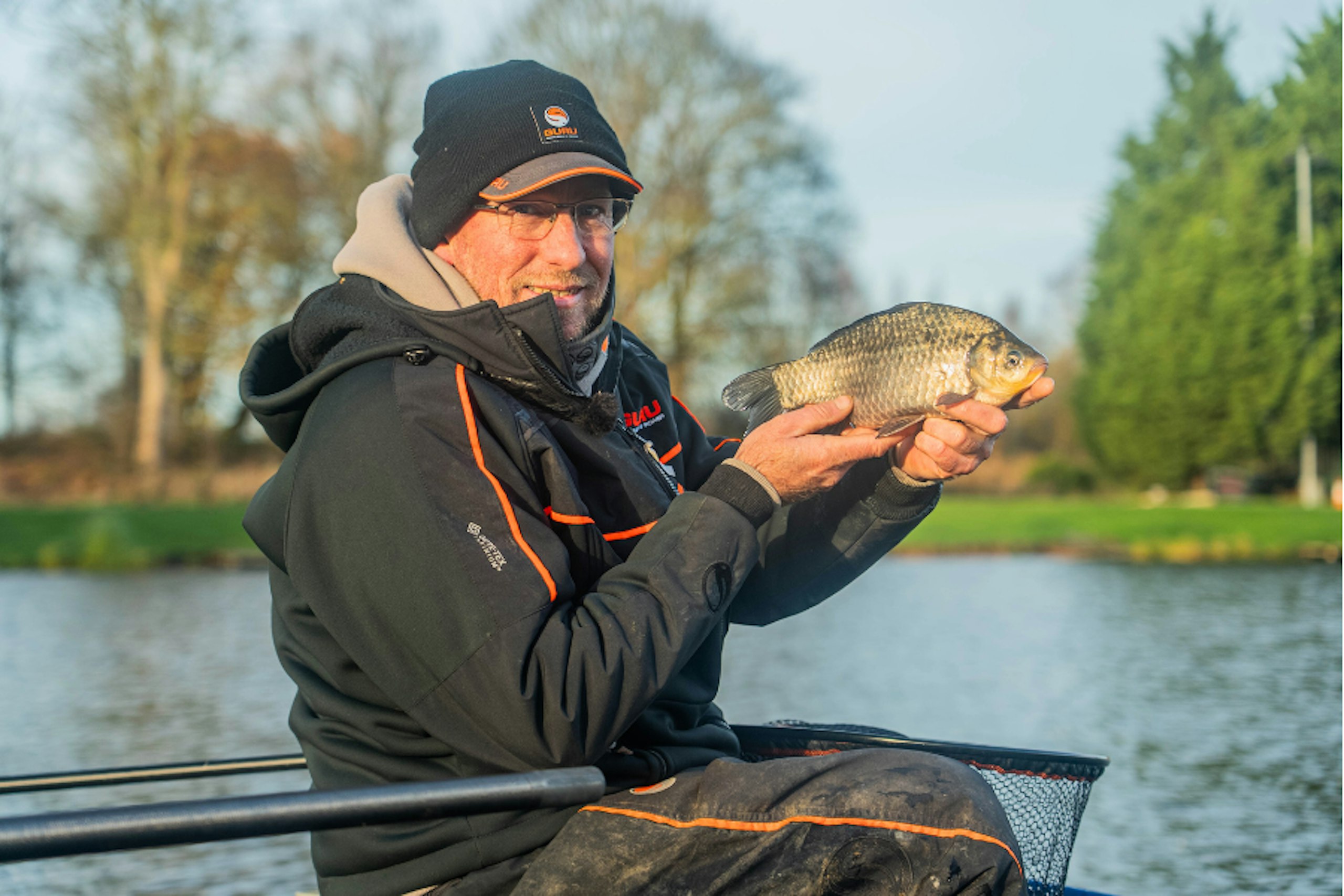
If there’s one bait combination that Andy Bennett swears by when going in search of a decent winter mixed bag from deep water, it’s micro pellets and groundbait.
The two-time Fish O’Mania champion and all-round commercial fishery master knows only too well that the secret to unlocking your peg when the going gets tough is to use an approach that will appeal to plenty of species.
Whether your favourite deep-water venue is home to carp, F1s, carassio, roach, skimmers or a combination of all these, his tried-and-tested tactics will work the oracle.
“At venues like Hayfield, large areas of open water need to be approached differently to more intimate complexes that hold the same species,” explained Andy.
“Perhaps the most important element of this style of fishing is to feed the swim correctly.
“I’ve established a few guidelines over the years that I work by, and if you integrate them into your fishing, I’m pretty sure you’ll see your catches improve.”
SIT COMFORTABLY ON THE BEST FISHING SEATBOX.
Find a flat spot
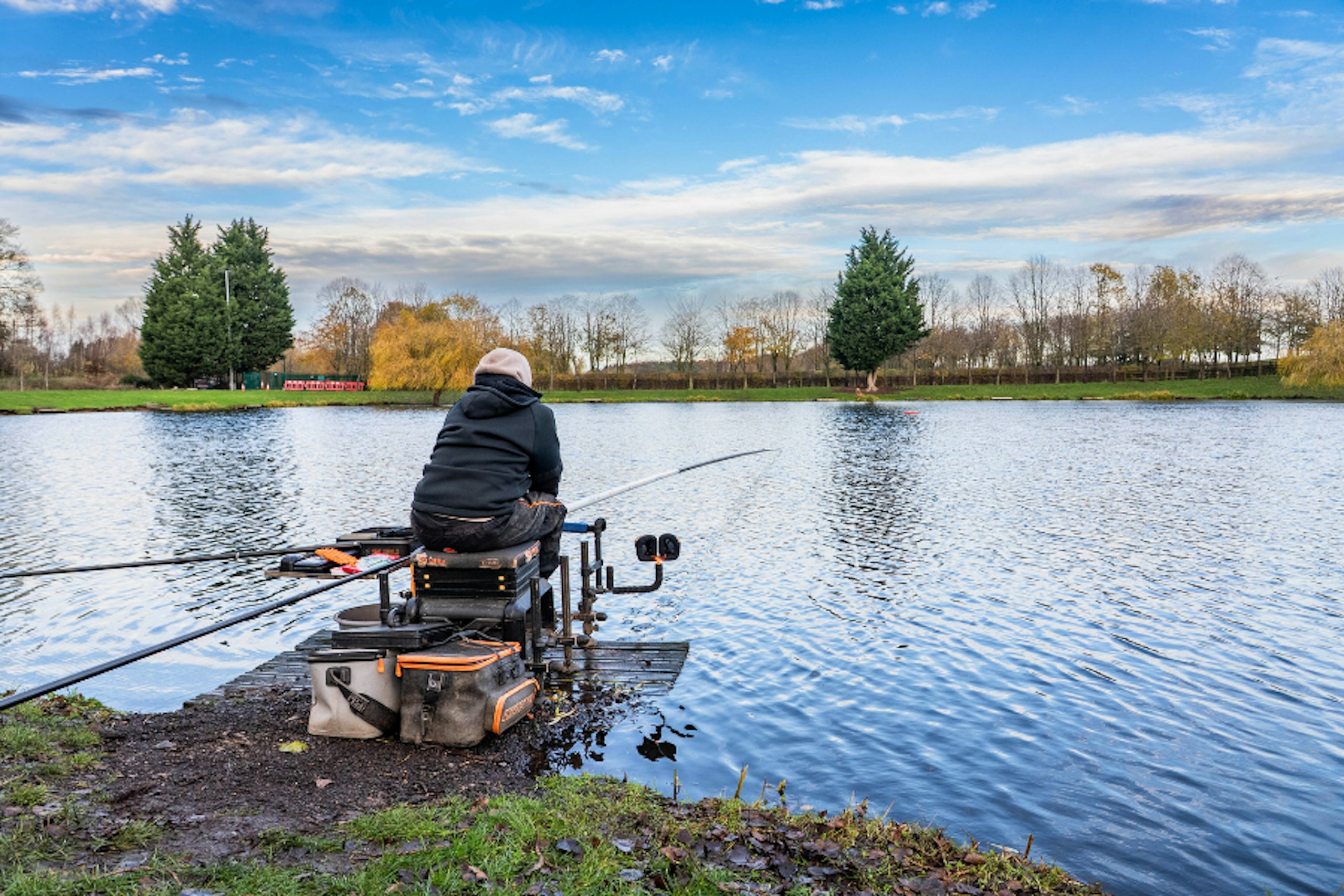
Hayfield has a long slope that runs from the margins to the middle of the lake. It’s quite steep until you get about 13m out, where the gradient starts to become less harsh. I always want to fish on the flattest bottom possible in winter so that I can lay down a carpet of bait and be confident that it stays in the area where it went in.
If you fish on a steep slope, a lot of the feed will roll away from your target zone, potentially taking the fish with it. Today, I’m fishing just beyond 14.5m to get on to the terrain that suits my approach.
So, my advice is always to plumb up thoroughly to find a flat area that’s well out from the bank, as the fish will feel more comfortable there, and settle for longer periods.
I have a dolly butt in, and I’ll feed with my elbow on the end of the 14.5m section before fishing the pole at full length with my elbow on the end of the dolly. This makes sure that I am always fishing on the back edge of the feed, where there are fewer loose offerings, increasing the chances of a quicker bite.
IN THIS BUYERS GUIDE WE HAVE CHOSEN WHAT WE THINK ARE THE BEST FISHING POLES.
Prime the peg
I’m a big believer in being positive with ‘negative baits’ on this type of venue. That basically means feeding reasonably frequently with offerings that are centred around attraction as opposed to providing lots of food content.
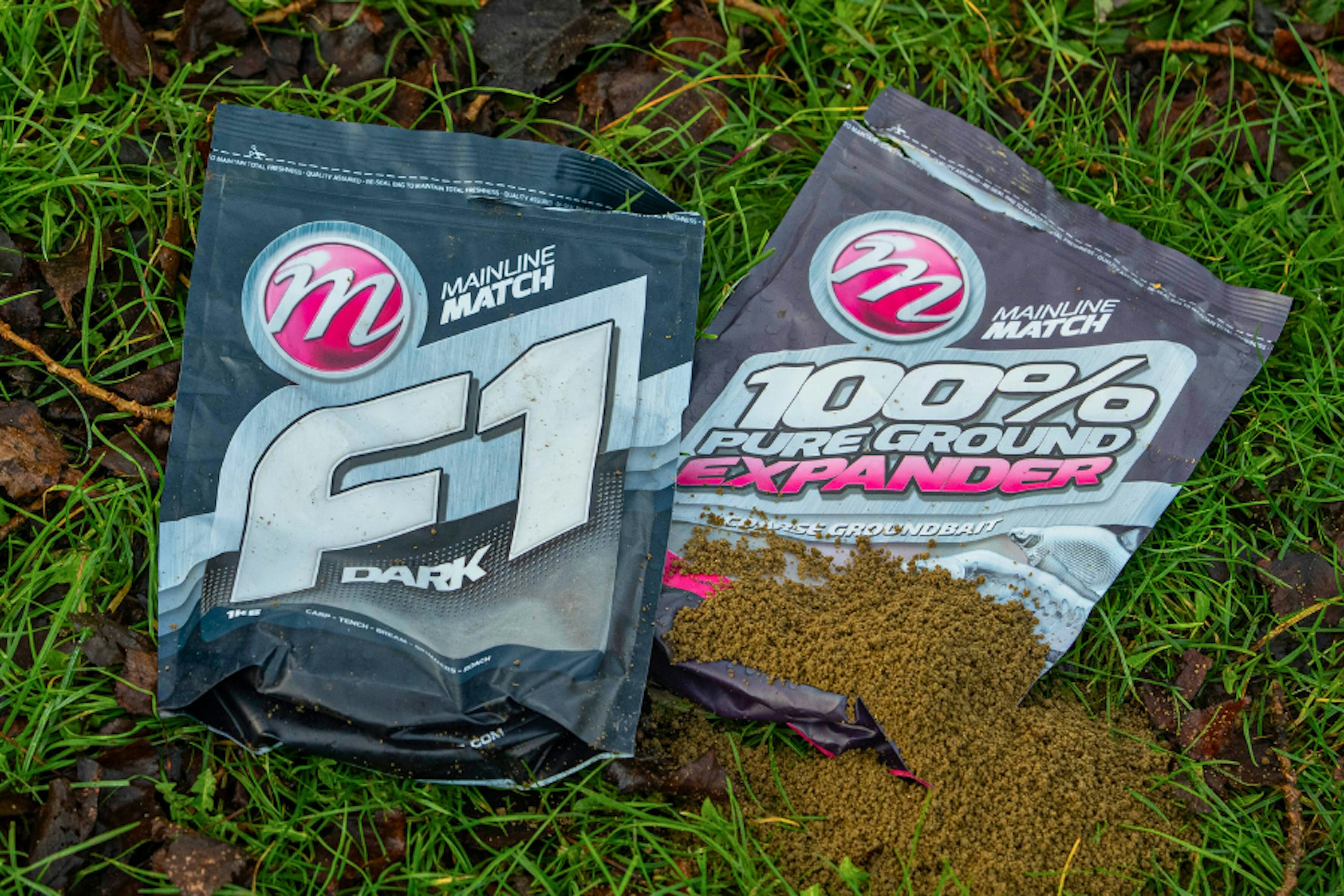
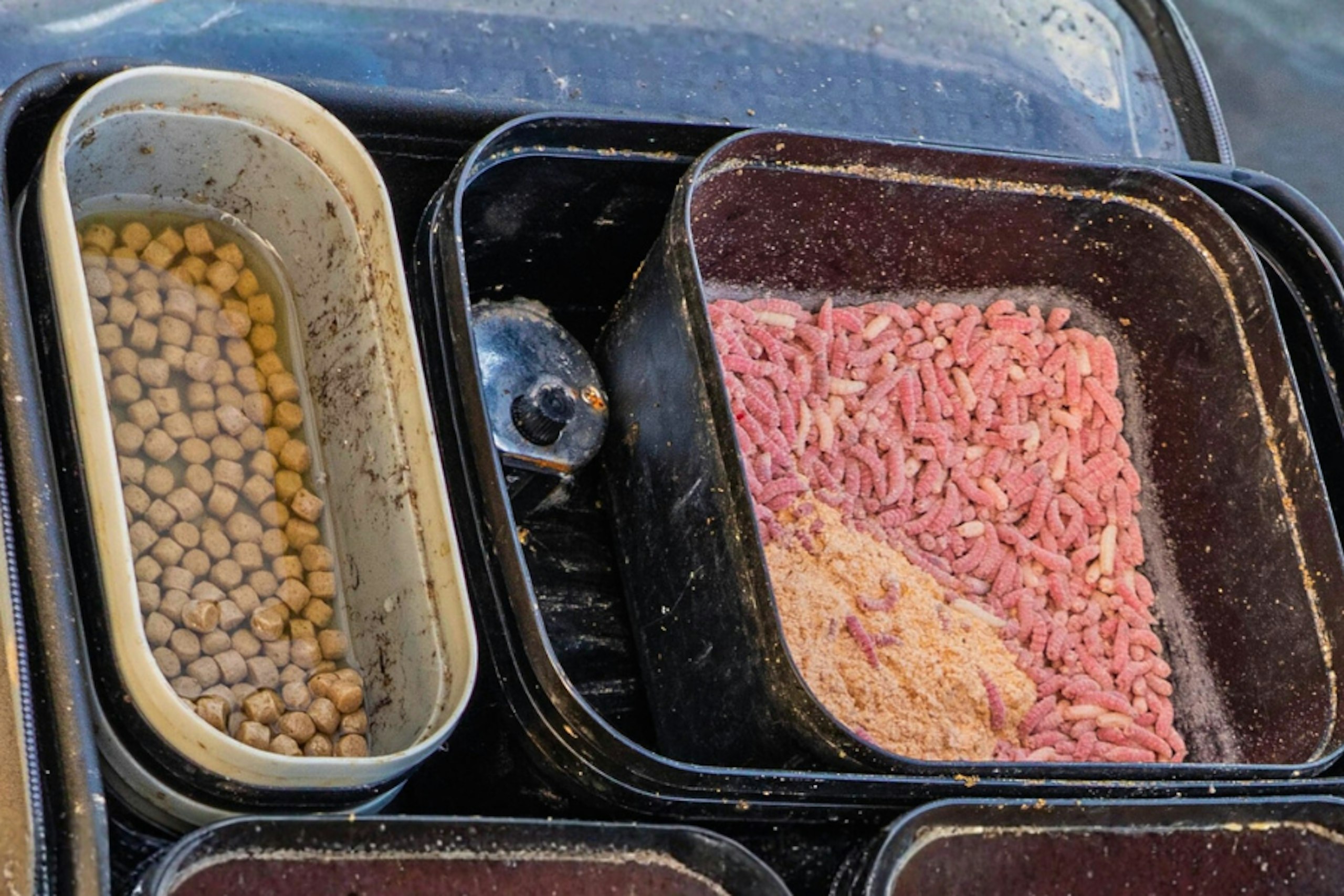
All my feeding is done via a cup to help accurately build up an area that I can work off from start to finish. My mix is an even blend of Mainline Match 100% Pure Crushed Expander and F1 Dark. The former is light and fluffy, helping the mix to break down on the bottom, while the latter adds a slightly sweet note and darkens the blend off a little.
It’s got plenty of attractants and a little bit of fishmeal to help stimulate a response, without ever risking overfeeding.
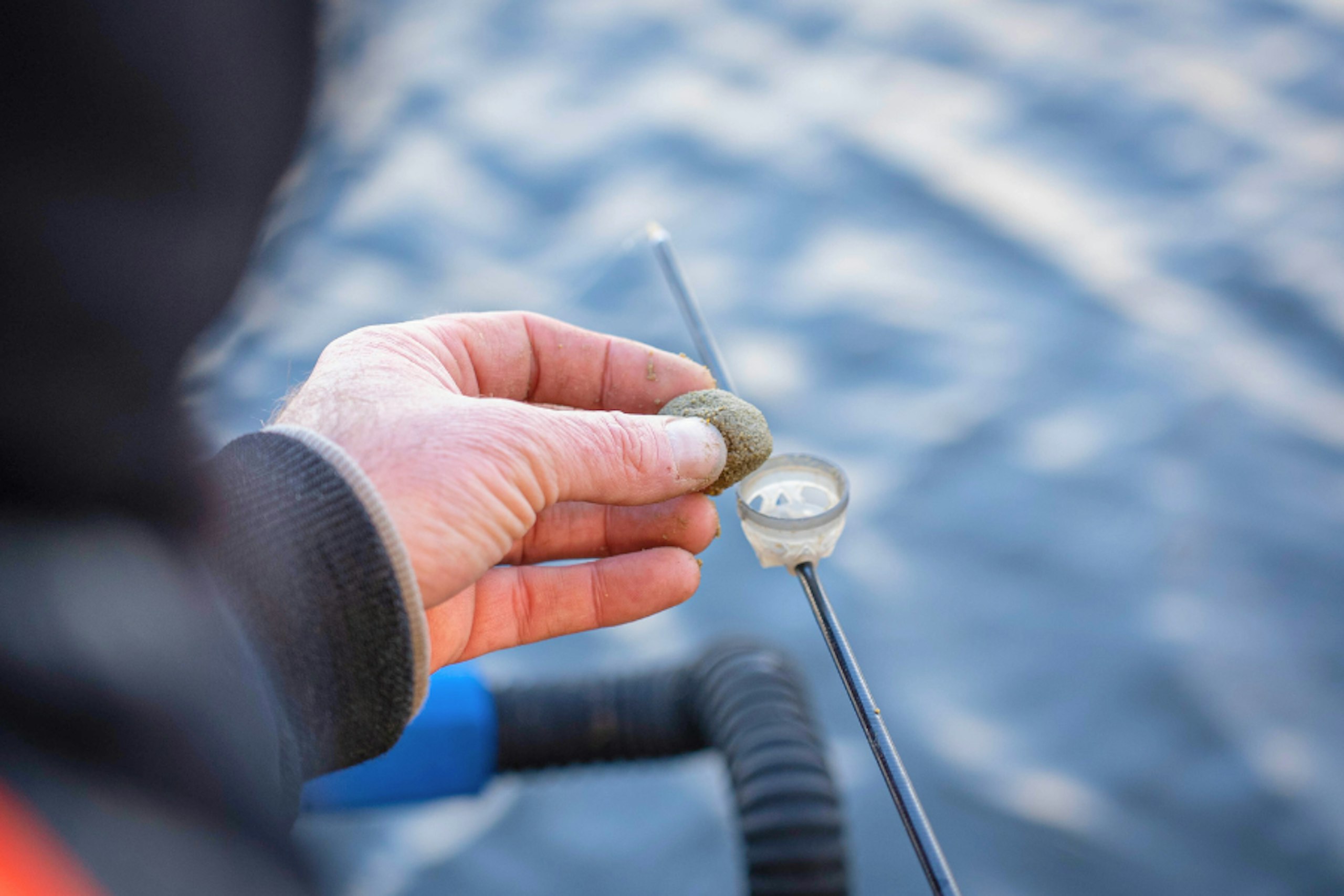
I’ll feed around 400ml or so of groundbait along with a handful of micros at the start to try and kick-start the session.
DISCOVER HOW AND WHEN TO USE FISHMEAL GROUNDBAITS IN THIS EXPERT GUIDE.
Get the rig right
A versatile set-up that won’t bump off hand-sized skimmers while also giving you a chance of landing big carp is essential.
I find yellow Daiwa Hydrolastic is perfect when combined with 0.15mm mainline to either a 0.10mm (mainly silvers) or 0.11mm hooklength and a size 16 Guru F1 Pellet hook. This pattern is suitable for both maggot and expander hookbaits.
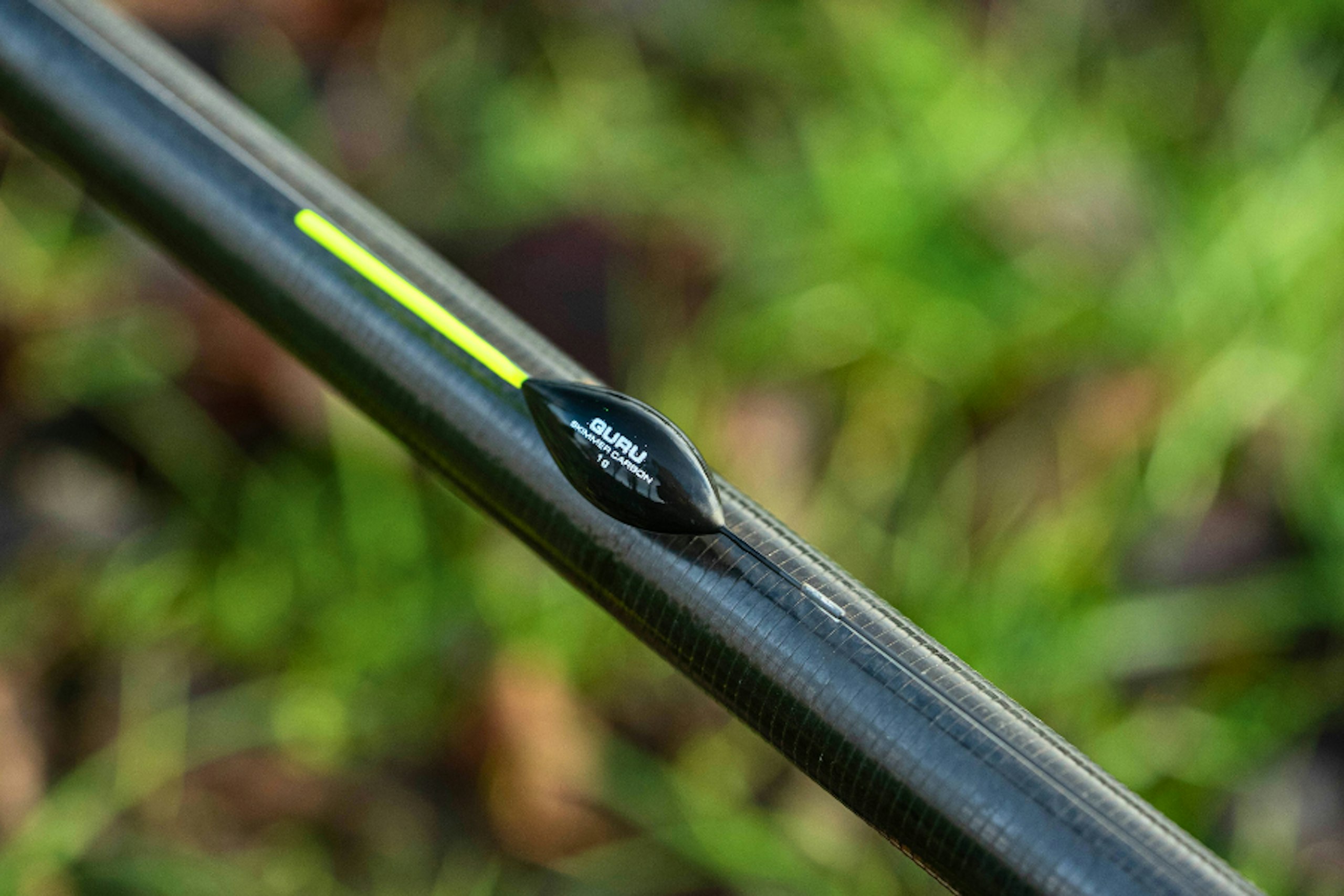
I prefer carbon-stemmed floats when the conditions allow as they are a little more sensitive, and my 1g Guru Skimmer Carbon is shotted with an olivette set 2ft from the hook, with three No10 droppers spread below.
I ship out and swing the rig beyond where I’m fishing, in line with a far bank marker, then place the pole on the bump bar before lowering the float just beyond the baited area.
DISCOVER THE 5 MUST HAVE CARP POLE FISHING RIGS IN THIS HOW TO GUIDE.
Trust in two hookbaits
I’ll always start with maggots on the hook as quite literally anything will eat them and that will give you a good feel for what’s in your peg.
This helps you make decisions about how to feed going forward, as getting no bites at all or just catching small roach is a sign that there are probably no quality fish in your swim.
In that scenario, switching to an expander pellet will either confirm that theory or lead to you catching the odd better fish now that they have a little more time to get to the hookbait because it’s more selective. I’ll still have a go on an expander pellet if I’m catching a good stamp on maggots, simply to see whether the speed that I can get a bite at increases or if there are even bigger fish nearby.”
ALWAYS PICK THE RIGHT BAITS TO TAKE ON YOUR SESSION IN THIS HELPFUL ARTICLE.
Have a top-up strategy
There are no hard and fast rules when it comes to topping up your peg, and it’s all about reading how your session is going.
The stamp of fish that you’re catching will have a say in how much you need to feed each time. If you’re catching skimmers up to 1lb then a small marble-sized nugget is best, while carp will need a golf-ball sized offering to keep them occupied without filling them up.
It’s often a case of taking it easy in the early stages and catching perhaps three or four fish over one feed. Once the light starts to dip, the fish become more confident. You can then use a small cup on the end of your top kit to add a nugget each time you ship out to stimulate more competition at the peak stage of the session.
The groundbait that I feed via my top-ups is slightly overwetted to create a stodgy, jelly-like consistency. This sinks like a stone and the fish will need to work a little to break it down on the bottom, stimulating competition as they get stuck in.
ON A BUDGET? THE BEST SUB £1000 FISHING POLES ARE VERY CAPABLE TOOLS.