- Home|
- Advice|
- Tips
How to target cold water carp with maggots
Dan Shipp explains why he wouldn’t be without maggots when the temperatures plummet

by James Furness |
Published on24th January 2026 at 11.00am
Follow Angling Times on Google
One of the great things about maggots is that every fish species loves them, and a big carp will happily graze over a bed of grubs just as readily as any silverfish.
That universal appeal, of course, is also their biggest drawback. Over the years I’ve heard countless carp anglers say they avoid maggots because they don’t want to be pestered by bream, tench or smaller fish. In the depths of winter, though, that downside all but disappears.
When water temperatures drop, activity levels across the board are reduced, and that gives you a far better chance of a carp picking up a maggot hookbait without too much interference.
That’s exactly why, rules permitting, I’ve always relied on maggots during the colder months. Whether I’m simply tipping a hookbait with them or fishing over a more concentrated bed of freebies, they’re a key part of my winter approach.
STAY WARM AND SHELTERED IN THE BEST FISHING BIVVIES.
Keeping the bait bill down
One concern anglers often raise is cost. Maggots aren’t the cheapest bait around, but you don’t need to spend a fortune. For an average session I’d take around six pints with me. At around three pounds a pint, that’s no more expensive than a decent bag of boilies or pellets, and any leftovers can be frozen for future trips.
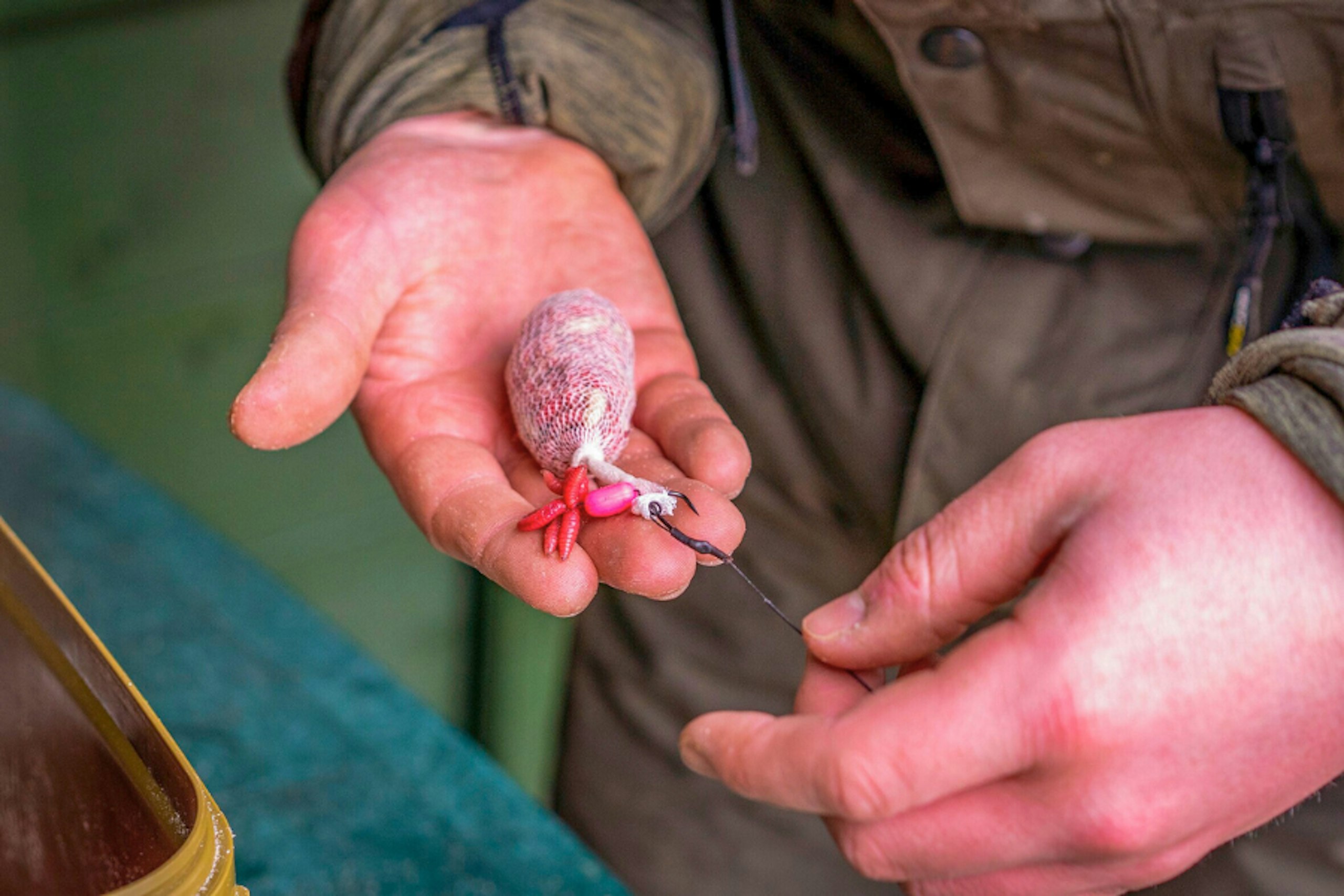
I’ve never felt the need to pile bait in either. Most of my fishing is done with small PVA mesh bags, roughly the size of a golf ball, containing enough maggots to create a little bed of bait once the mesh melts, but without overfeeding fish that may only be having very short feeding spells.
CHECK OUT THESE 10 TOP TIPS TO IMPROVE YOUR CARP RIGS.
Get your bait in the right spot
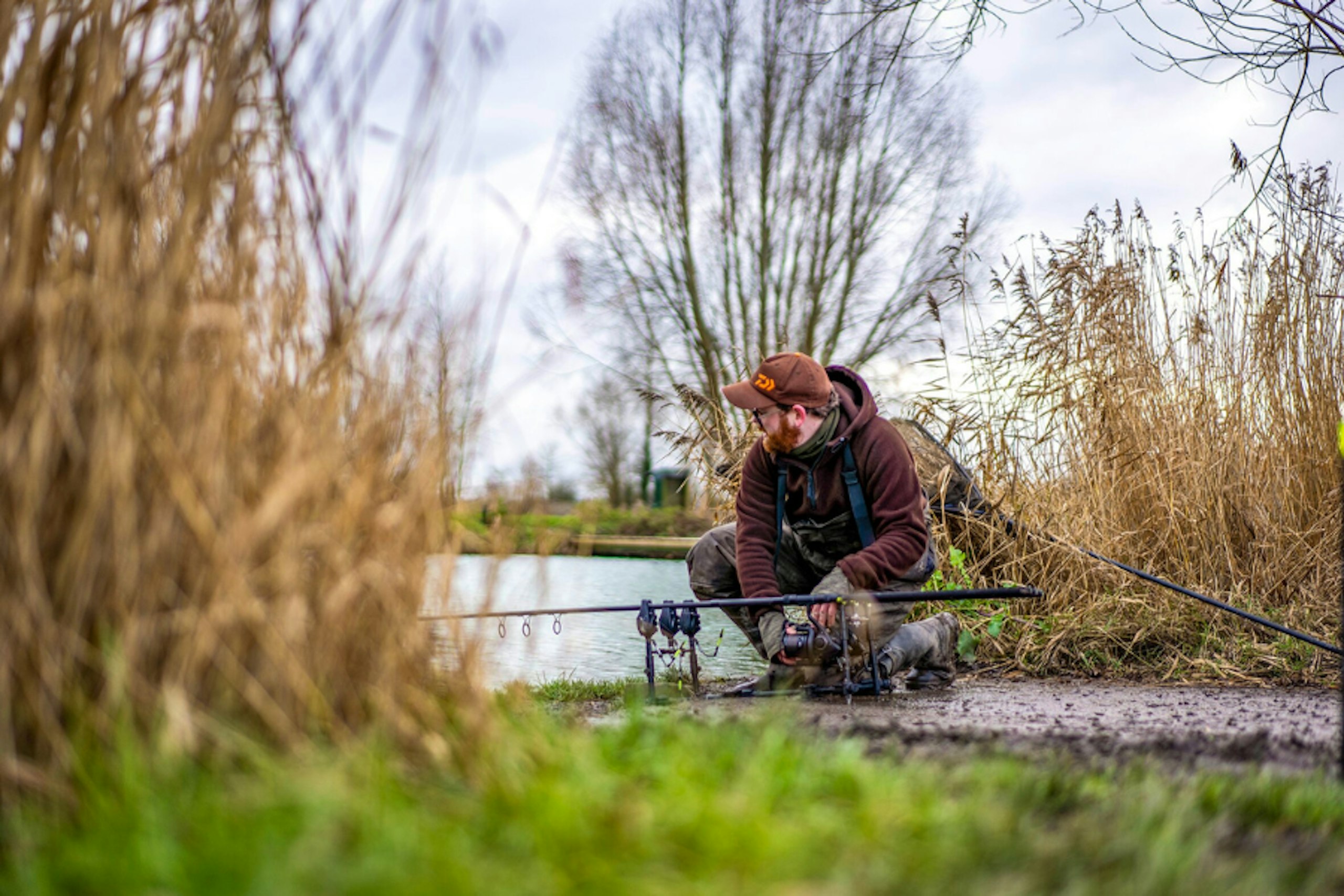
Winter fishing is all about location. Carp tend to group up tightly at this time of year, so finding them is far more important than the bait itself. I start by casting small PVA bags to a number of different spots rather than committing to one area straight away.
My lines are always set fairly tight so that I can register any line bites that might give away fish location, and I spend plenty of time watching the water for subtle signs. If I haven’t had indications or seen anything after 45 minutes to an hour, I’ll recast to a new spot.
Once I’ve worked out where the carp are holding up, only then do I think about feeding more heavily. How much I put in always depends on stock levels. On a lake with plenty of carp and some smaller fish, I’m happy to introduce more bait than I would on a low-stock water. As a general rule, I begin with around 10 medium Spombs of maggots and then top up with a couple more after a capture, or if it feels like a bite should have happened, but hasn’t.
One thing that has always stuck with me is just how often a recast can make the difference. A rig can sit untouched for an hour, yet a fresh cast combined with a little loosefeed fluttering through the water can suddenly trigger a response.
During winter, feeding spells can be incredibly short, so I like to keep all three rods as tight together as possible. If one fish slips up, there’s a real chance another rod will follow shortly after.
IN THIS BUYERS GUIDE WE HAVE OUR PICK OF THE BEST CARP FISHING RODS.
Good as they are
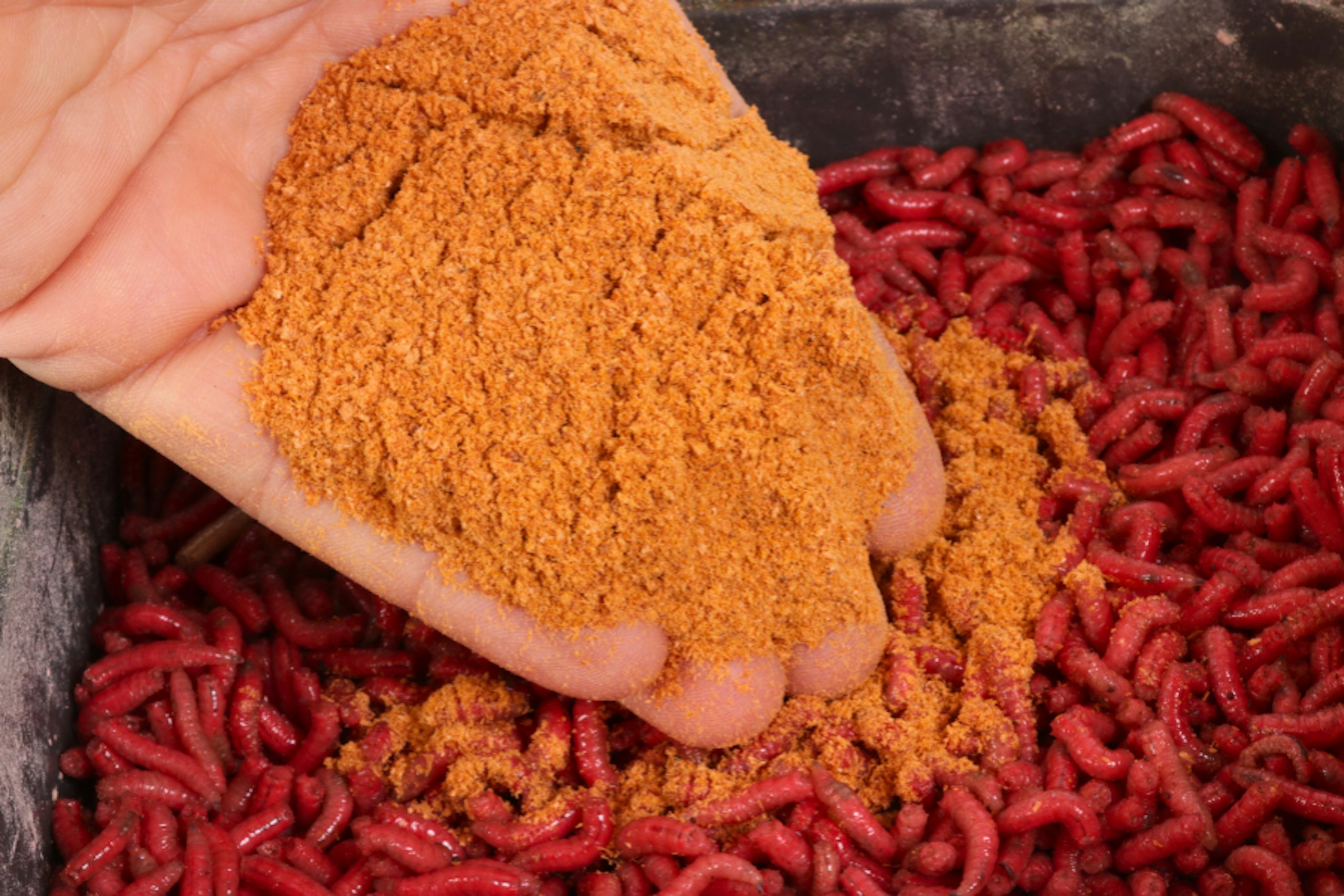
Despite the modern obsession with strong-smelling boilies and exotic liquids, I’ve never felt maggots needed much help in that department. Fish are naturally drawn to them. I’ll sometimes add a small glug to the hookbait if I’m fishing over a bed of grubs, simply to help the carp home in on it more quickly, but that’s as far as it goes.
Coming from a match fishing background, I’m also very particular about bait quality. I’ll often add a little maize meal or stick mix powder to stop maggots sweating, and I always ask tackle shop staff to clean them before purchase. Kept cool, they’ll stay in perfect condition for a good while.
GIVE YOUR BAITS A BOOST WITH THE BEST LIQUIDS, ADDITIVES, AND BAIT BOOSTERS.
Hiding the hook
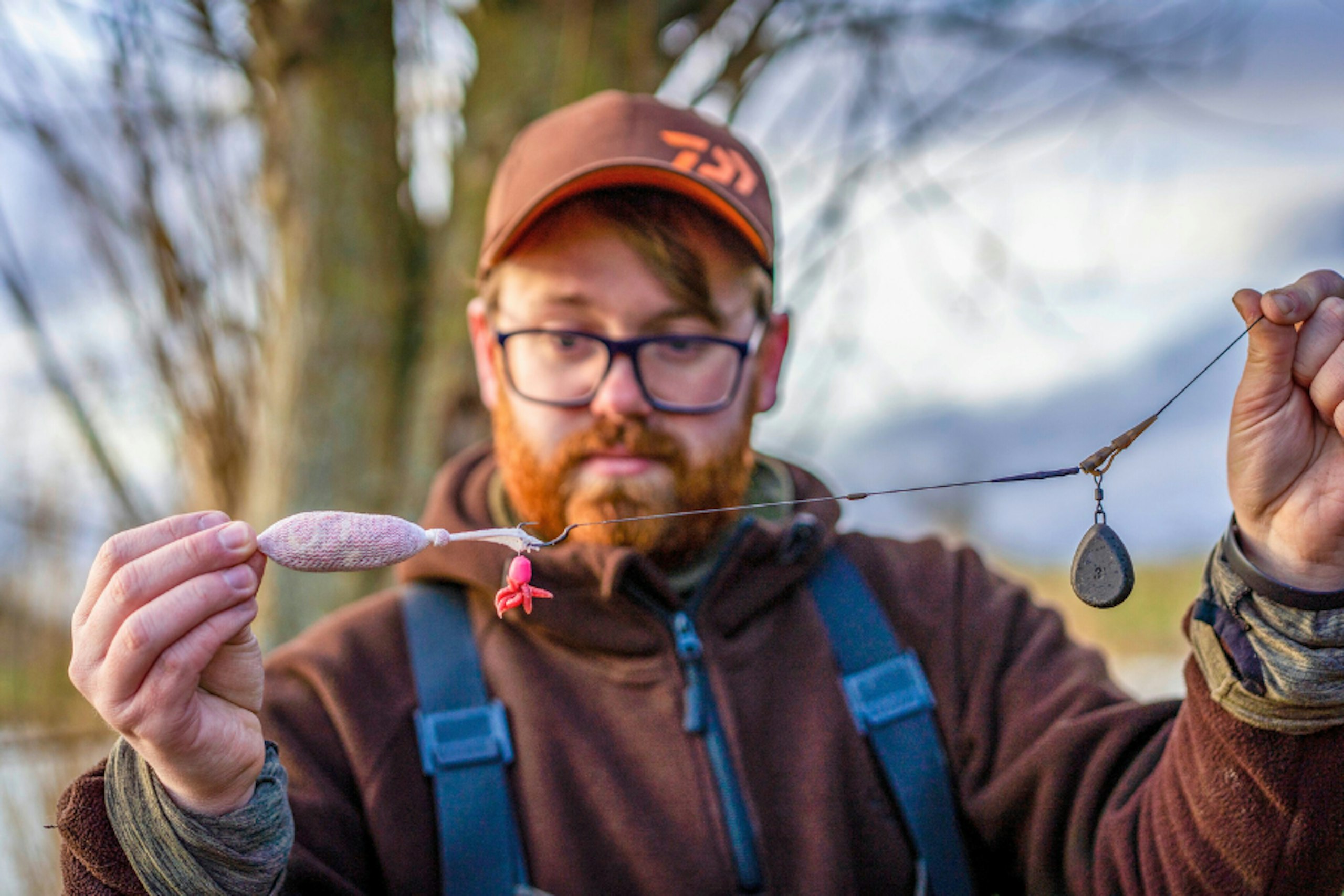
When it comes to rigs, I’ve long since moved away from the idea that everything needs to be scaled right down in winter, which was once the accepted wisdom. Times have changed and some of the country’s most prolific carp haulers have proven that there’s often no need to start digging out packets of small hooks. I much prefer a size 6 hook that I know will go in and stay in the carp’s mouth.
I don’t see the point in using a smaller hook that, while it may result in a couple more pick-ups, is far more likely to be easily ejected. My hookbait is usually six or seven maggots tipped onto a slow-sinking piece of artificial corn, which helps conceal the hook completely once it settles on the bottom.
The rest of my rig comprises a coated braid hooklink with a short section of coating removed just above the hook for the hair, and a 3oz lead on a safety clip.
It’s important when casting out with a PVA bag attached to hit the line clip correctly or feather the cast down so that everything lands gently on the water. If it hits the clip too hard the weight of the bag can force the lead to be ejected from the rig.
CAST OUT THE RIGS WITH CONFIDENCE USING THE BEST CARP FISHING REELS.
Just so you know, we may receive a commission or other compensation from the links on this website - read why you should trust us