- Home|
- Advice|
- Tips
Doing less in winter can catch you more carp
When it comes to catching carp in cold water, sometimes less really can be more...

by James Furness |
Published on21st January 2026 at 1.34pm
Follow Angling Times on Google
In summer, you can often ‘get away with’ a lot of things. Extra bait. Overcomplicated rigs. Sitting in the wrong swim for too long. When the water is warm and carp are feeding confidently and being highly mobile, these mistakes are frequently masked.
But that isn’t the case at this time of year. Cold water slows everything down. The carp move less, feed less and make fewer errors. As a result, any flaws in your approach will be readily exposed.
One of the biggest mistakes in winter is fishing as if it’s still autumn. Turning up with three rods, a spod, and a plan to ‘build a swim’ rarely ends well in January. More often than not, you just end up feeding carp you never see, or putting out an easy meal for the grateful local birdlife.
STAY SAFE AND WARM IN YOUR BIVVY THIS WINTER WITH THIS HELPFUL GUIDE.
Ditch a rod
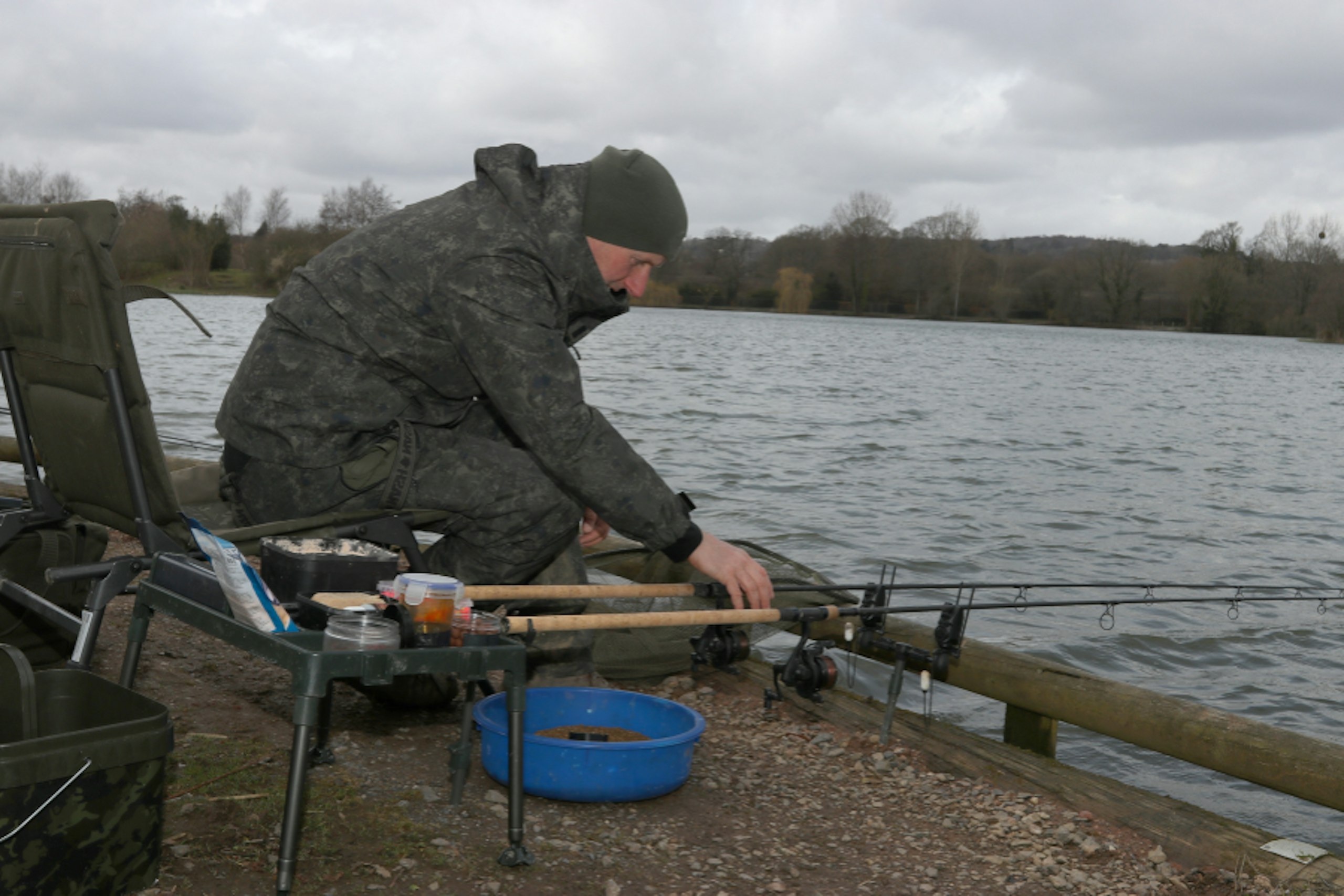
A minimalist approach starts with rods. Do you really need to use three? In most cases, two is plenty. Fewer rods force you to think harder about where they go. And during the colder months, accurate placement matters far more than covering as many spots as possible. And let’s be honest, how often is the third rod just pub-chucked out as more of a ‘hit and hope’ opportunity?
The goal right now is not to try and intercept moving fish. Instead, you’re basically trying to drop a bait in front of a carp that’s already there.
CHECK OUT OUR BUYERS GUIDE TO THE BEST CARP FISHING RODS.
Feed accordingly
That last point is also why your bait strategy needs a rethink. Carp digestion slows right down in coldwater and as such they don’t want big meals. Overdoing bait is one of the quickest ways to kill your chances stone dead, as the carp are far less likely to find your hookbait before they’re filled up.
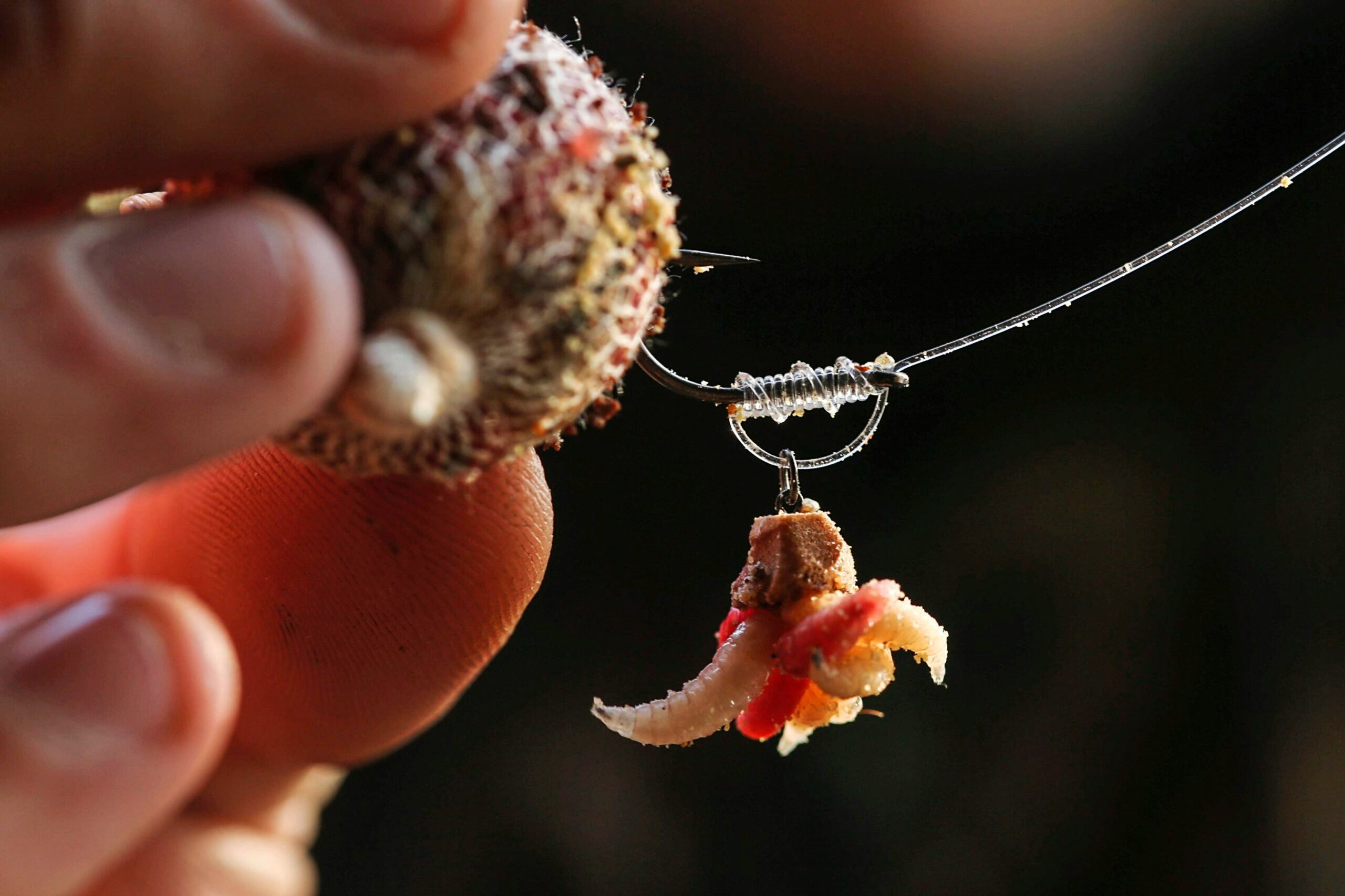
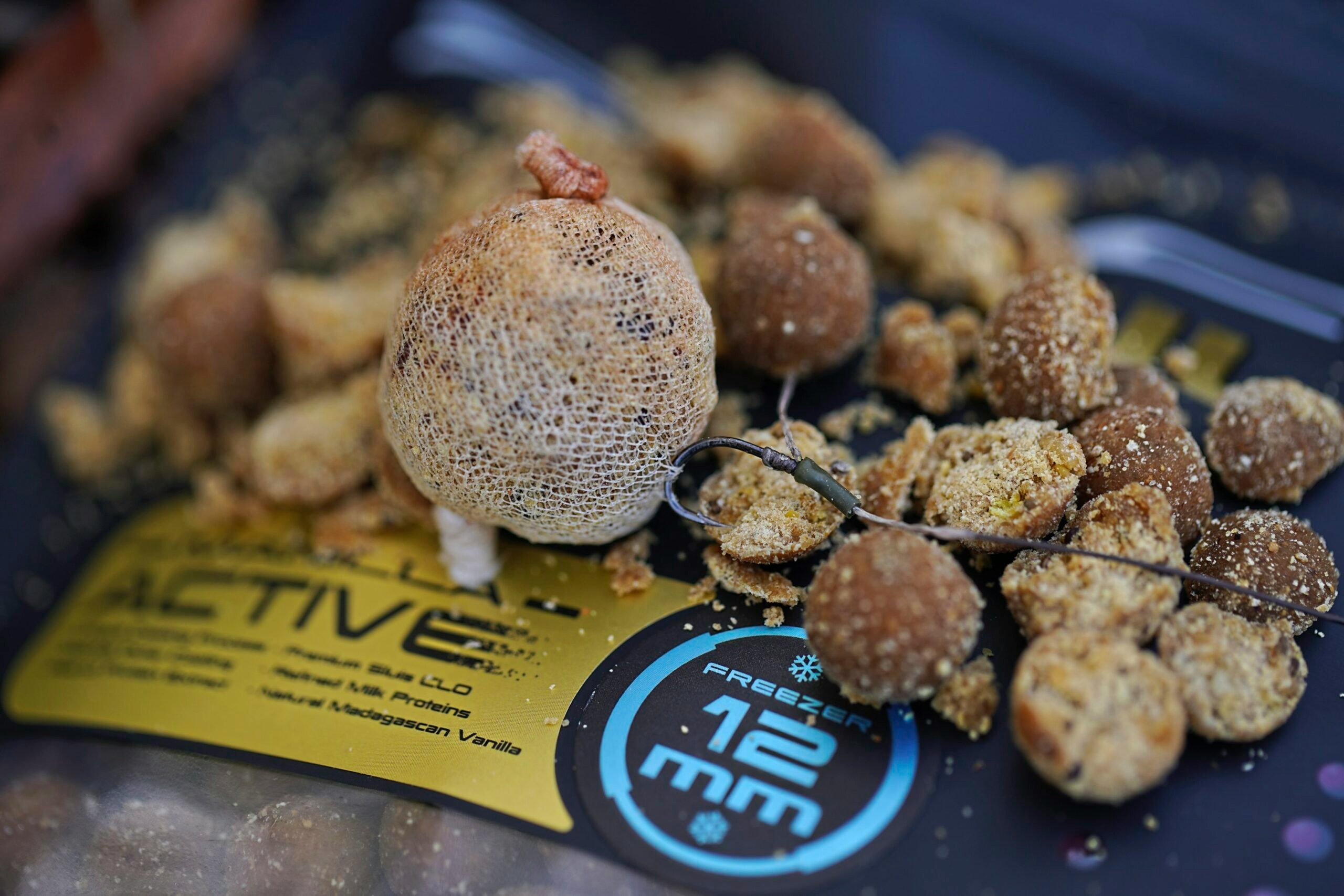
A single hookbait or a small PVA mesh bag is ample. The idea isn’t to feed carp and create competition between multiple fish. It’s to give them something easy to pick up if they come across it.
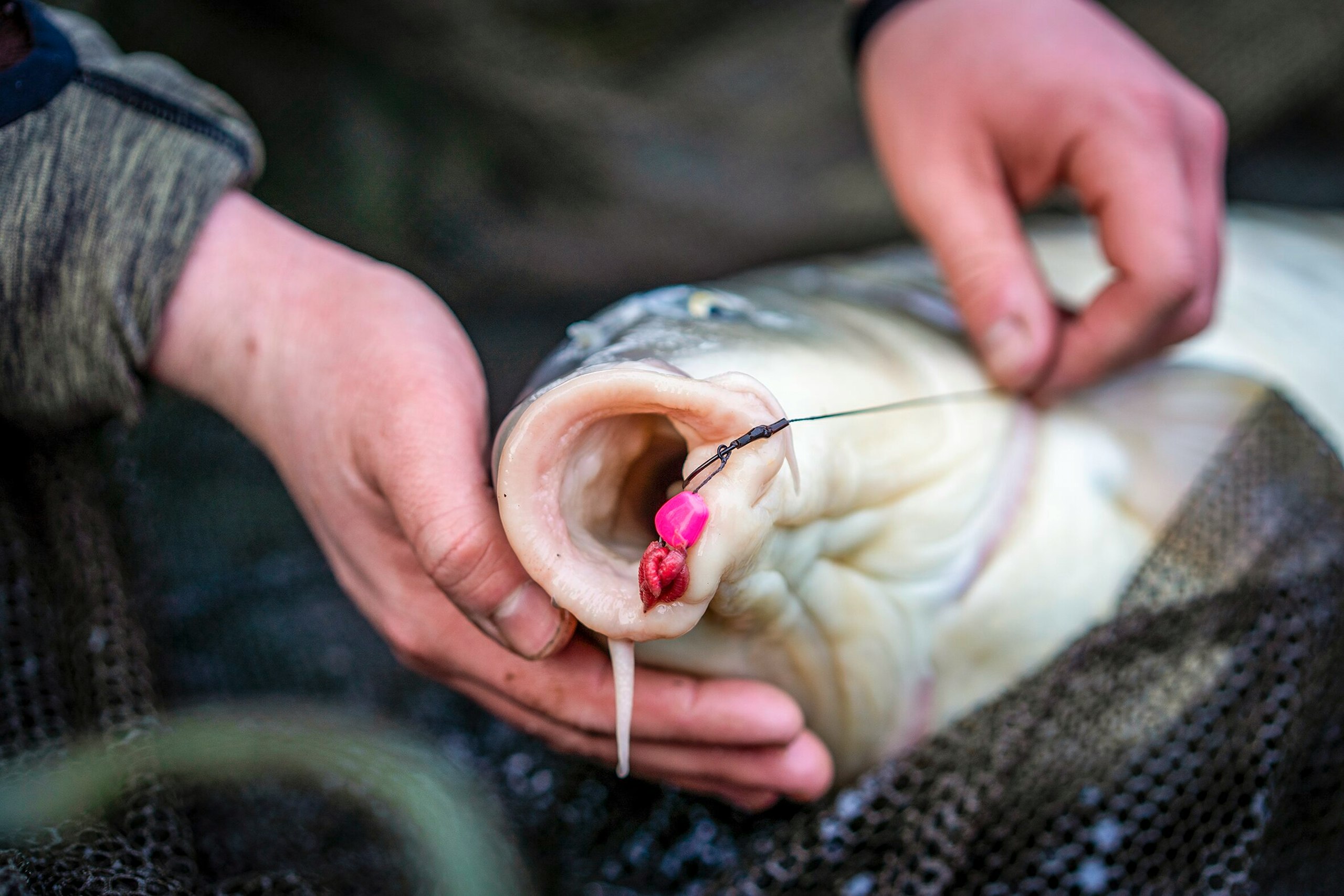
This is why small, attractive baits work well. A bright pop-up, a grain of plastic corn, or a trimmed-down wafter tipped with a few maggots is quick to inspect and easy to eat, which can make a huge difference when faced with carp that are cautious and pretty inactive.
Even on the more heavily-stocked waters where you can perhaps get away with introducing a bit more bait, it still pays to scale things right back.
A few crushed boilies, a pinch of pellets or a handful of maggots is more than enough to create interest.
IN THIS BUYERS GUIDE WE LIST THE BEST CARP FISHING BOILIES.
Avoid experimenting
Rigs are another area where anglers often overthink things in winter. Cold water isn’t the time for experimenting with the latest presentation that you’ve seen on social media. Keep things simple and use rigs that have worked for you in the past and that you have 100% confidence in.
Focus on the key factors such as your hook sharpness and presentation, but beyond that keep everything as simple as possible.
Confidence matters a lot more than people realise. If you’re constantly changing rigs, baits or spots, you’re rarely fishing effectively and can end up second guessing yourself or not really being sure why you’re doing something. Pick a set-up that you trust and stick with it unless there is a clear reason to change.
HERE YOU'LL FIND THE ALL TIME BEST RIGS FOR CARP FISHING.
Move for the right reason
Location still comes first, of course, but a stripped-back, simple approach doesn’t mean sitting on your hands. It means only moving for the right reasons. Carp will give themselves away far less but if you keep your eyes on the water rather than scrolling on your phone, you’ll still be likely to spot a subtle show, a small patch of fizzing or even a bird diving and spooking off something below it. One little sign is often all that’s needed in winter to pinpoint where the carp are held up.
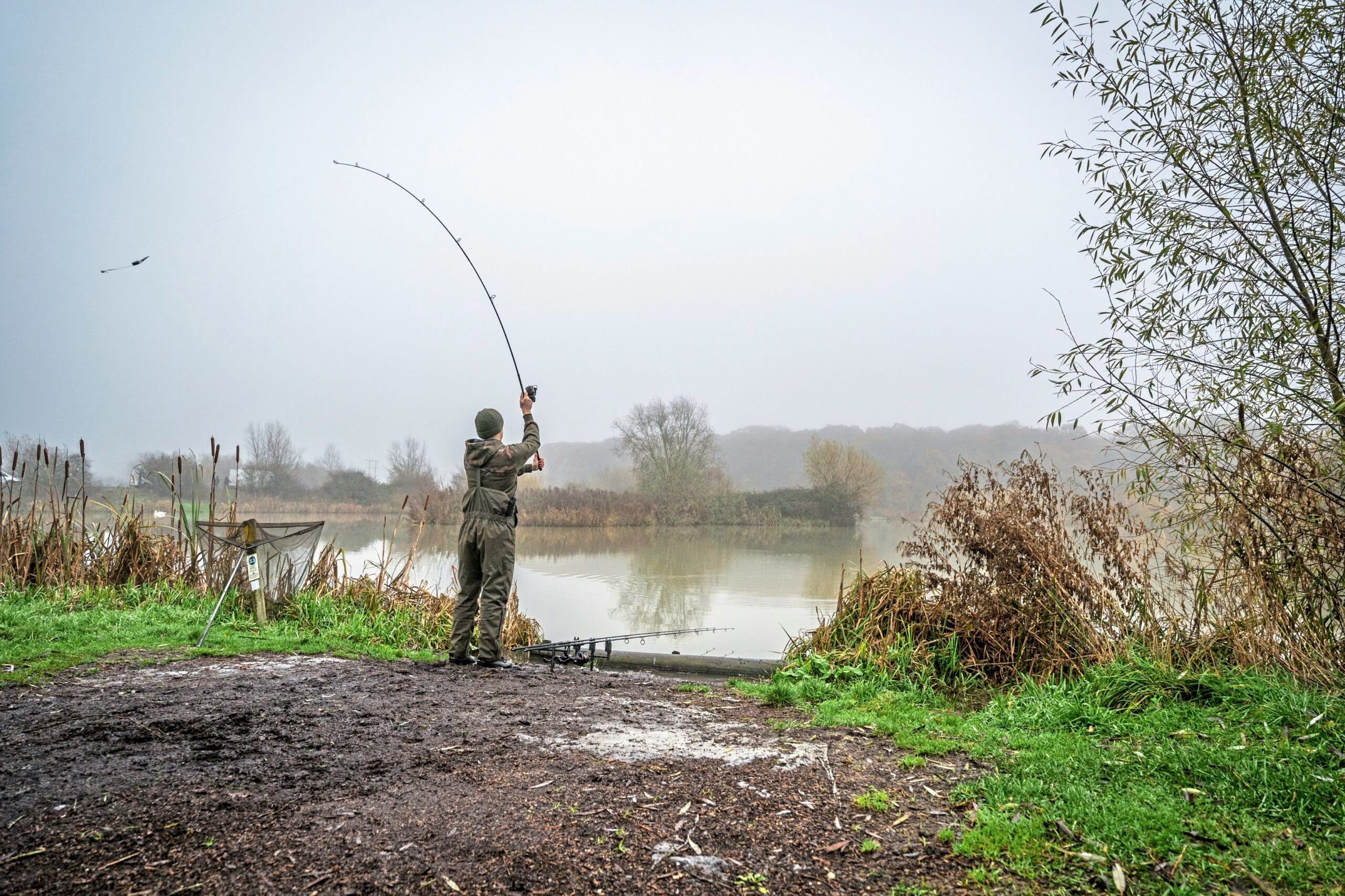
What doesn’t help is constant recasting for no real reason. Every time you wind in, you disturb the swim and that could be enough to push any carp in the vicinity away. Once you’re happy that your rods are in the right place, leave them alone.
MAKE THE MOVE USING THE BEST CARP FISHING BARROW.
Fish at the right time
Session length is another habit worth questioning. Longer sessions can be hard work in January. Long hours of darkness and temperatures hovering just above zero aren’t necessarily a recipe for an enjoyable stay on the bank, especially when the carp are only likely to feed for short spells. If you can work out when these feeding windows occur, you can time your sessions accordingly. Being there at the right time certainly matters more than being there for longer at this time of year.
Perhaps the hardest thing to scale back is expectation. Many anglers will start the winter full of optimism that they’ll cash in on the quieter banks, only to end up feeling dejected after a few cold, blank trips. Winter carping isn’t a numbers game or a time to bolster your album of catches. One bite can be a ‘result’ and one carp held up for the cameras in its winter colours can make a month.
So if your winter carping is beginning to feel like a bit of a battle, it could well be a sign that you need to strip everything back, go back to basics and make sure you’re ready for a chance when it does come along.
BE COMFORTABLE ON THE BANK IN ONE OF THE BEST FISHING BIVVIES.

1.tif
Just so you know, we may receive a commission or other compensation from the links on this website - read why you should trust us