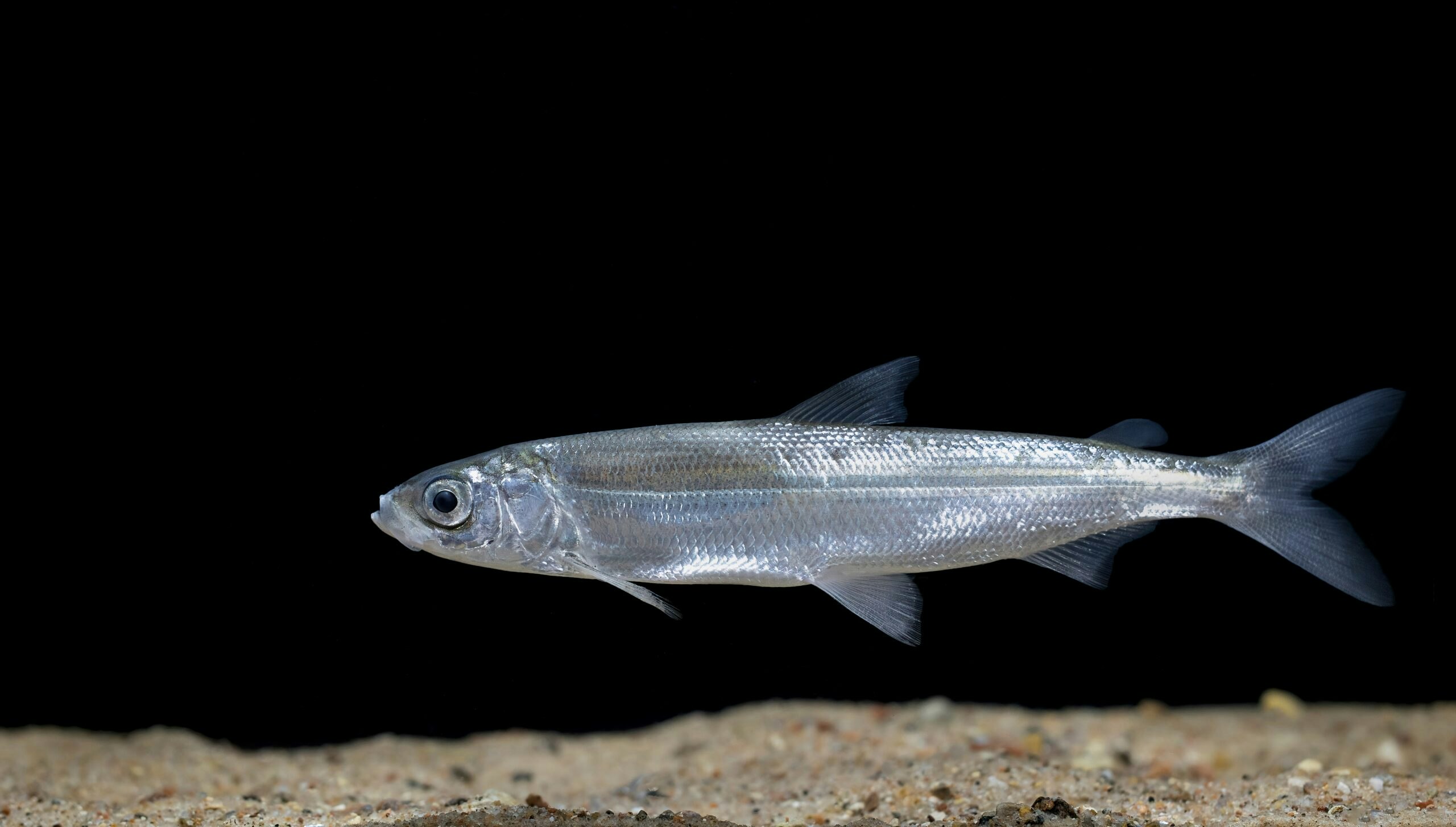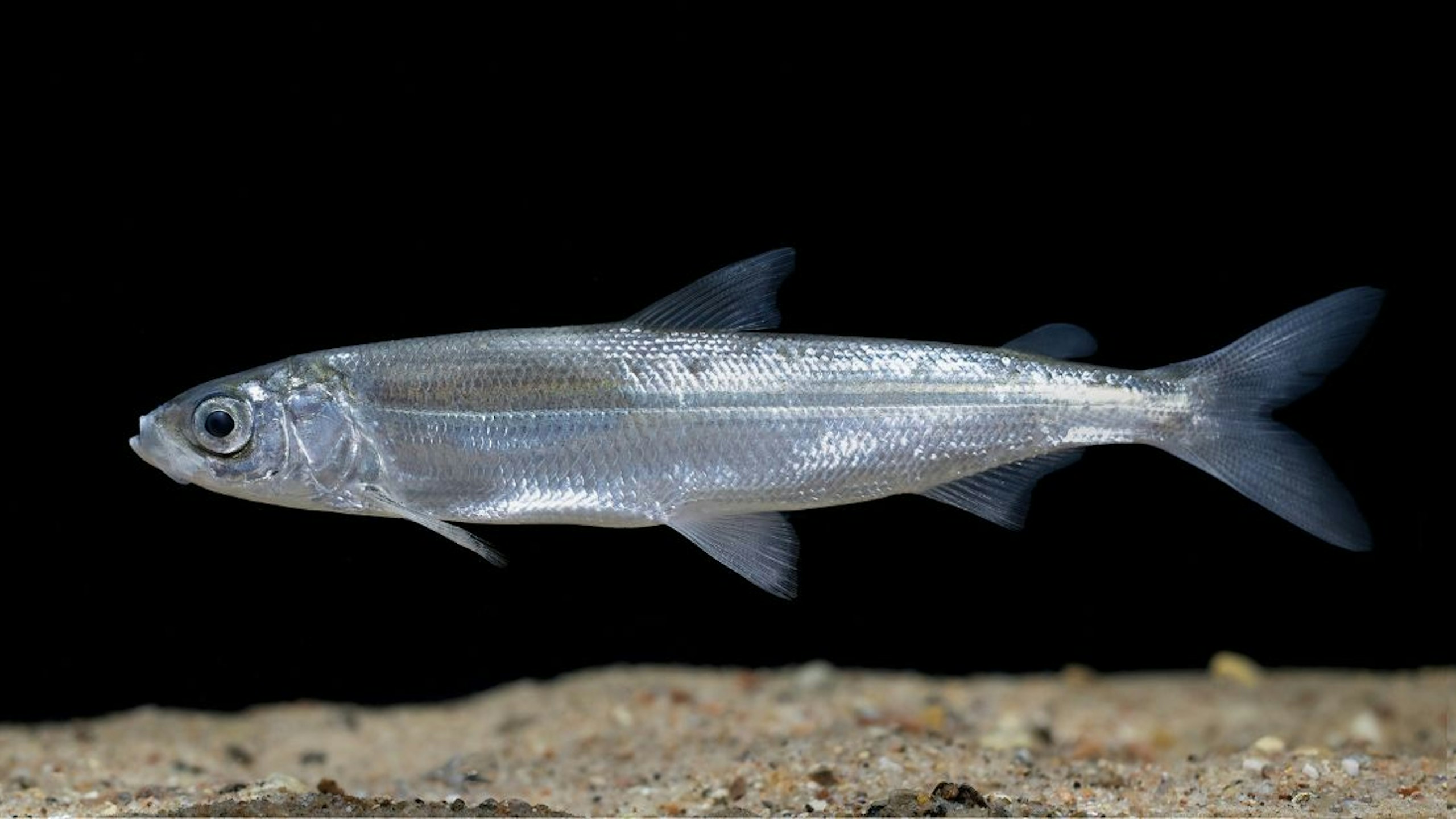
The UK is fortunate to have an abundance of freshwater fish for anglers to target. Yet among the familiar species are some exceptionally rare fish that most people will never see, let alone catch.
One of these species is now in focus after a remarkable comeback in a select few UK waters, raising hopes it may be encountered more widely again. Conservation and reintroduction efforts are thought to be playing a key role in its return.
Of those that inhabit Britain’s waterways, the vendace is the rarest freshwater fish. Requiring very specific habitat conditions, including deep, cold water, it can survive only in a small number of suitable lakes. Such is its scarcity, vendace was known to exist in just four sites across the UK, with Derwent Water in the Lake District the most notable population stronghold.
After becoming extinct in Scotland in the 20th century, efforts to re-establish a population of vendace increased. However, because of their particular habitat requirements, only a few lochs were deemed suitable, with Loch Skeen in Dumfries and Galloway found to be a perfect waterbody for the species.
In the 1990s, Scottish Natural Heritage (now NatureScot) reintroduced vendace to Loch Skeen, part of the Trust’s Grey Mare’s Tail Nature Reserve, using fish from Bassenthwaite and Derwent Water.
A recent survey has found that Loch Skeen now supports a healthy population of vendace, making it one of the few remaining strongholds of the species. The only naturally occurring population now remains in Derwent Water, but this success story proves that, with a little help, even the most endangered species can flourish when given the right conditions.
With the help of National Trust of Scotland, researchers from University of Glasgow took to the loch in a boat and results showed Skeen had a healthy and abundant population of vendace.
Ciaran Hatsell, Head Ranger at Grey Mare’s Tail Nature Reserve, said: ’The vendace is an incredibly rare and iconic species, and we are very fortunate to have them present here in the depths of Loch Skeen at Grey Mare’s Tail."
"The species faces many threats, including invasive species and water pollution, but climate change is among its biggest challenges. Loch Skeen is currently the perfect environment for them, but warming temperatures could change this for the species in the future."
"We are therefore delighted to confirm that the population is in good health. It is a huge collaborative effort to continue protecting and conserving our places and species, and it is an honour to champion the vendace in Scotland."
Dan Watson, Senior Nature Conservation Officer at the National Trust for Scotland, went on to say:
"The success of the vendace population at Loch Skeen is a testament to the hard work and skill of dedicated staff, volunteers and specialist contractors and highlights the Trust’s role in protecting and conserving wildlife in Scotland’s changing natural environment through targeted conservation efforts, including habitat restoration and monitoring programmes."