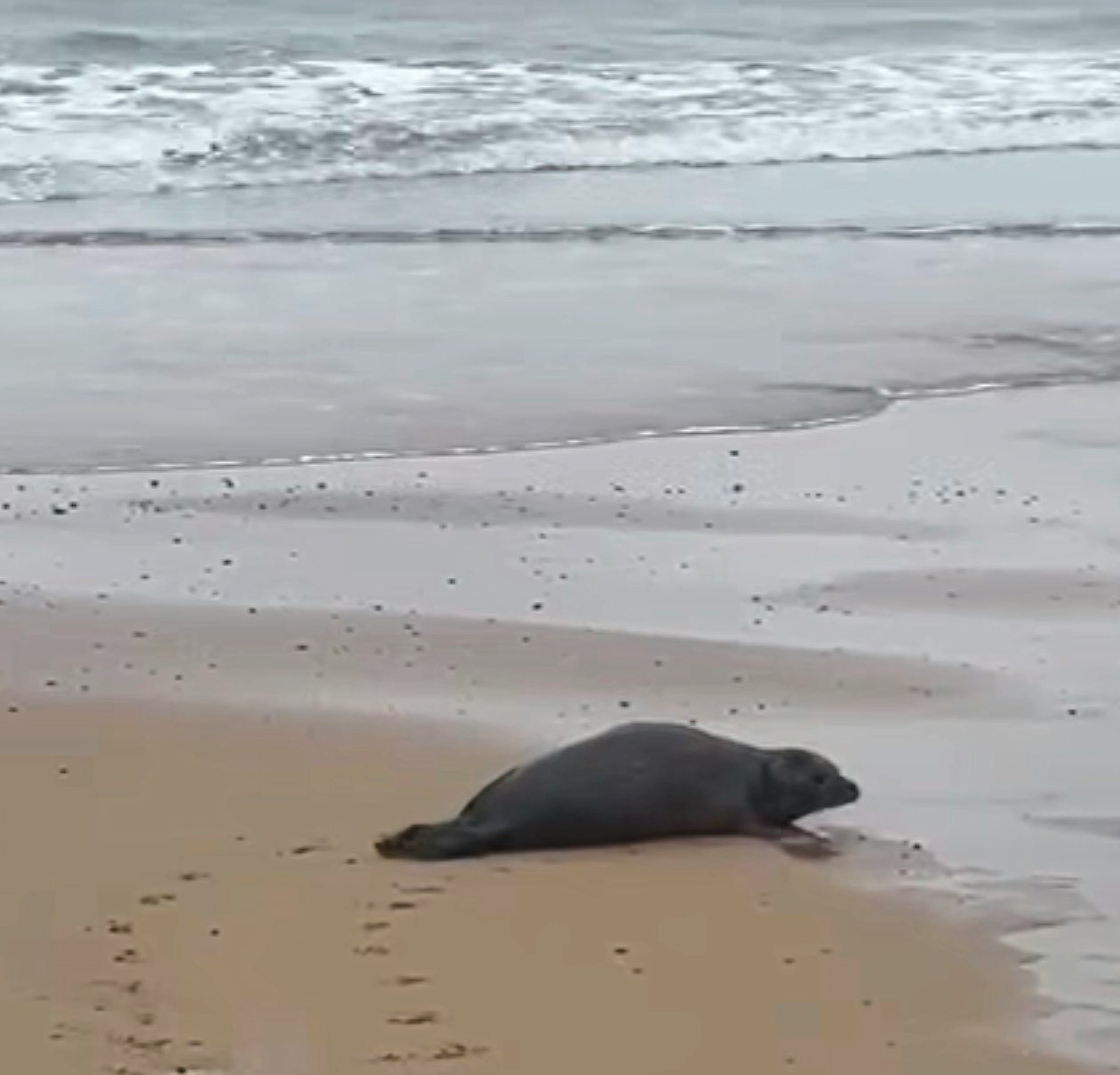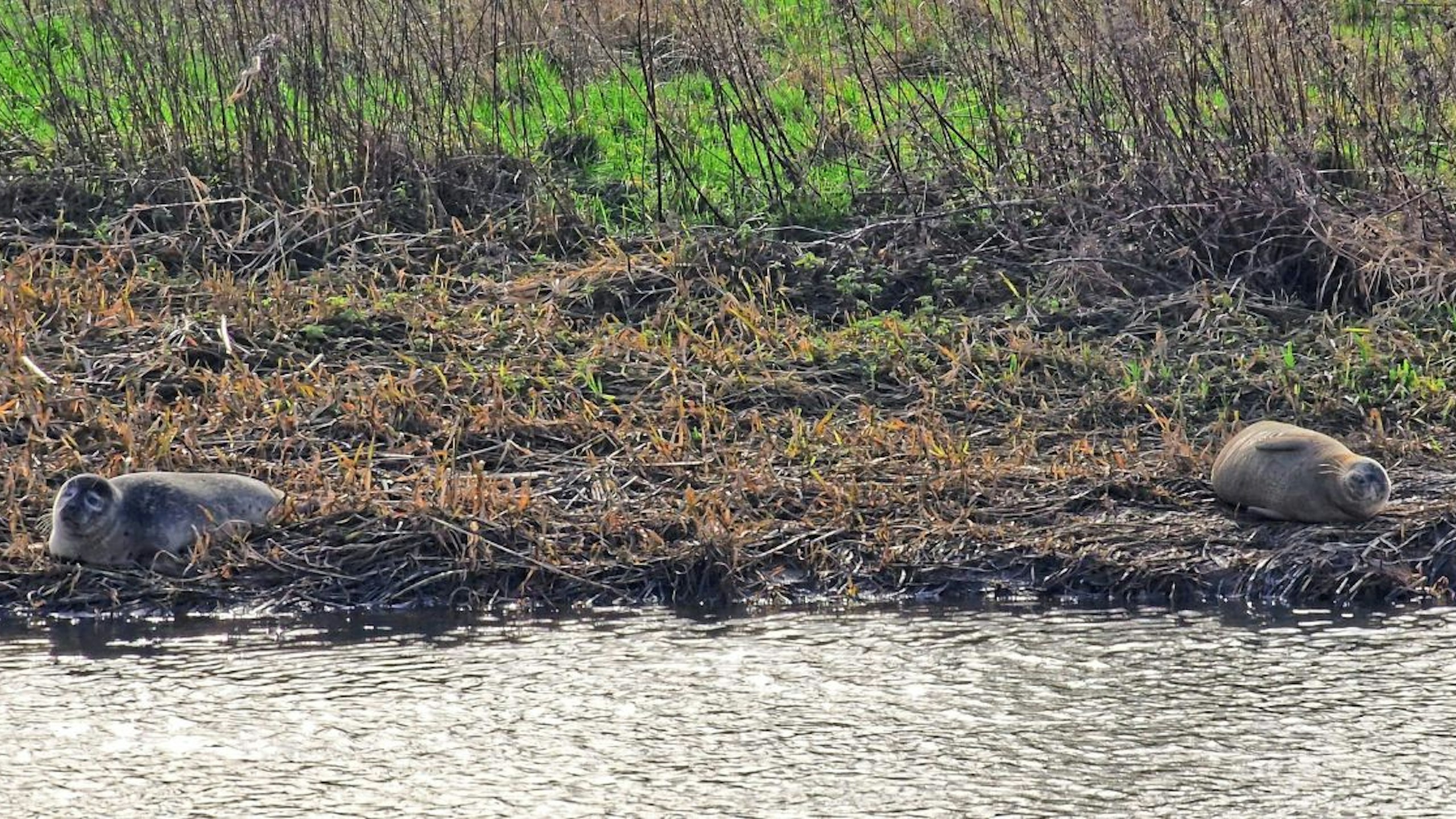
After years of effort at a huge cost, the seals that hammered fish stocks in the River Nene have been safely returned to the coast.
The development has been warmly welcomed by anglers nationwide, with Peterborough & District Angling Association (P&DAA) playing a crucial role in driving their rescue with additional support from the Angling Trust.
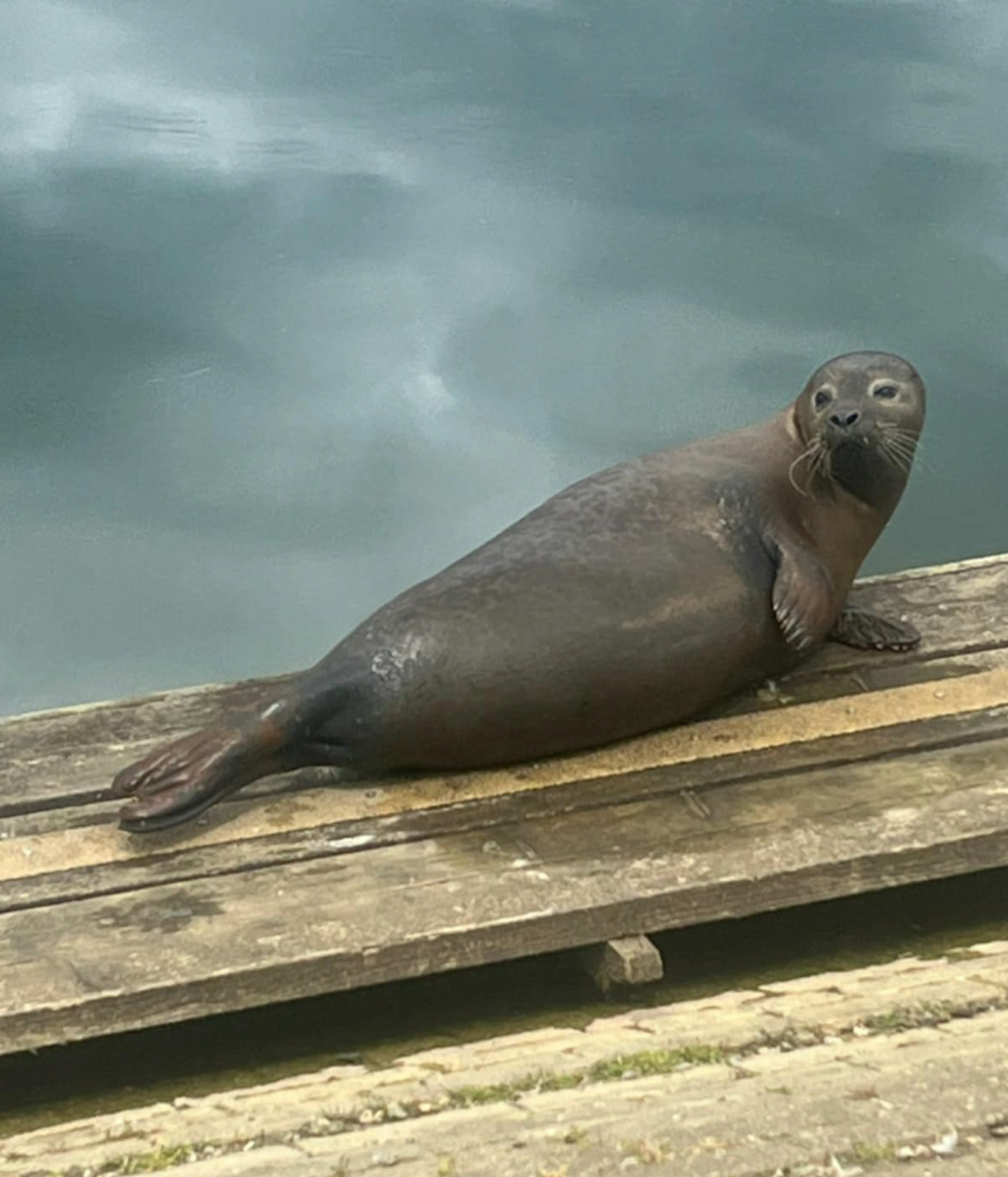
The club have been campaigning since 2022, when several ‘rehabilitated’ seals became resident in the Nene, resulting in plummeting fish stocks. P&DAA now hope that the lessons they learned can help other clubs and have commissioned a case study showing exactly how they were successful.
HEAD TO ONE OF THESE STRETCHES FOR AN EXCELLENT DAY ON THE BANK.
“The challenge was getting a licence from Natural England for their rescue, which is a long process,” Rob Harris, club chairman, explained.
“We provided evidence of more than 300 sightings and reports, plus data from an Environment Agency survey. Once the licence was obtained, we enlisted the services of International Zoo Veterinary Group and Marine and Wildlife Rescue who safely and successfully relocated the seals. No tranquilisers were used in the process – an acoustic deterrent was used to push the seals into an area they could be rescued. Qualified vets were on site throughout.”
The licence was granted for the safety of the seals that were going to starve in the virtually fishless river, and for the safety of the public. After years of effort, the seals are finally home. Additionally, despite claims from some agencies that rivers are ‘a natural habitat for seals’, it seems that this wasn’t the case for them all.
“One of the rescued seals was blind in one eye and may require surgery,” Rob revealed.
“When a vet that checked it over (all rescued seals were examined at RSPCA East Winch) they believed this was likely to have been caused by prolonged exposure to freshwater, as it’s not of a high enough salinity to clean the seal’s eye.”
P&DAA now start a long journey of restoring their fisheries, which will take decades to achieve.
“The cost is hard to quantify but taking in the loss of fish and revenue to the club, the whole rescue operation and much more, it's in the hundreds of thousands,” Rob stated.
“That’s a stark figure for a volunteer-led club, but what we’ve achieved is groundbreaking, particularly when there was no structure in place to support the environment and ecology in such a situation. It took far too long for common sense to win out.