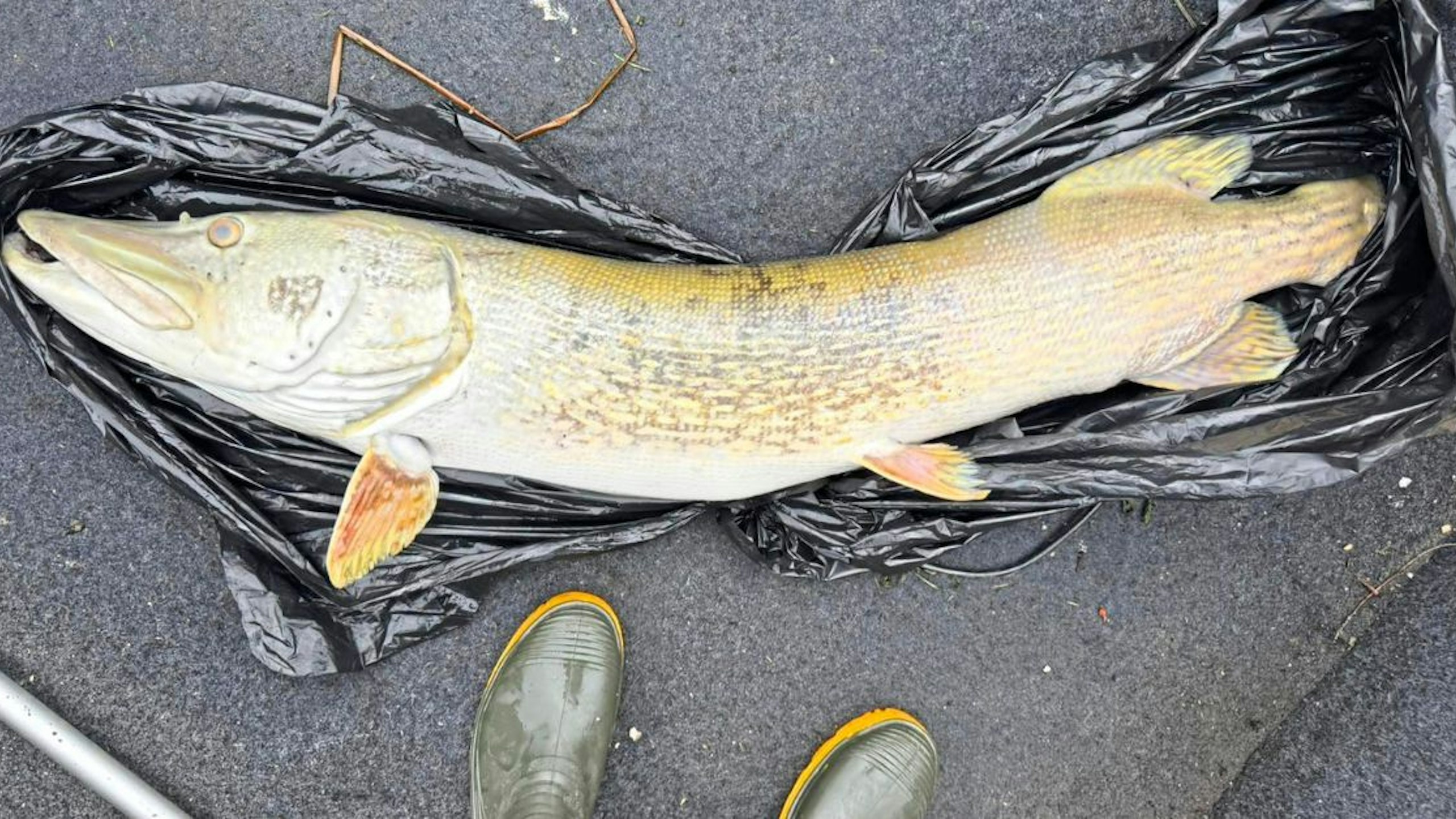
One of the most famous fisheries in the UK has been hit by a lethal surge of salt water, causing the deaths of thousands of fish. The world-renowned Norfolk Broads offers first-class angling for pleasure, match and specimen anglers alike. Fishing on the system contributes an estimated £150m to the local economy, plus thousands of jobs, according to a recent study.
The area has been in fantastic form for big pike over recent seasons, but last week a surge of salt water, which travelled around 23 miles inland, caused widespread devastation.
“This was the worst salt incursion since monitoring began, and the worst in living memory,” said John Currie, chairman of the Norwich and District Pike Club who monitors saline surges for the Environment Agency (EA).
“It’s been happening for hundreds of years, but usually the surges don’t go river-wide, leaving the margins for the fish to shelter in. This one did, and caused a lot of damage.”
Many big pike have been found dead, the biggest being a 37-pounder, plus large perch and thousands of silverfish. “While we’ll never know how many fish were lost, I reckon it will be in the thousands,” he added.
What frustrates John and other local anglers the most is that there is a solution to the problem, which although expensive, could save this iconic fishery from a repeat of the disaster in the future.
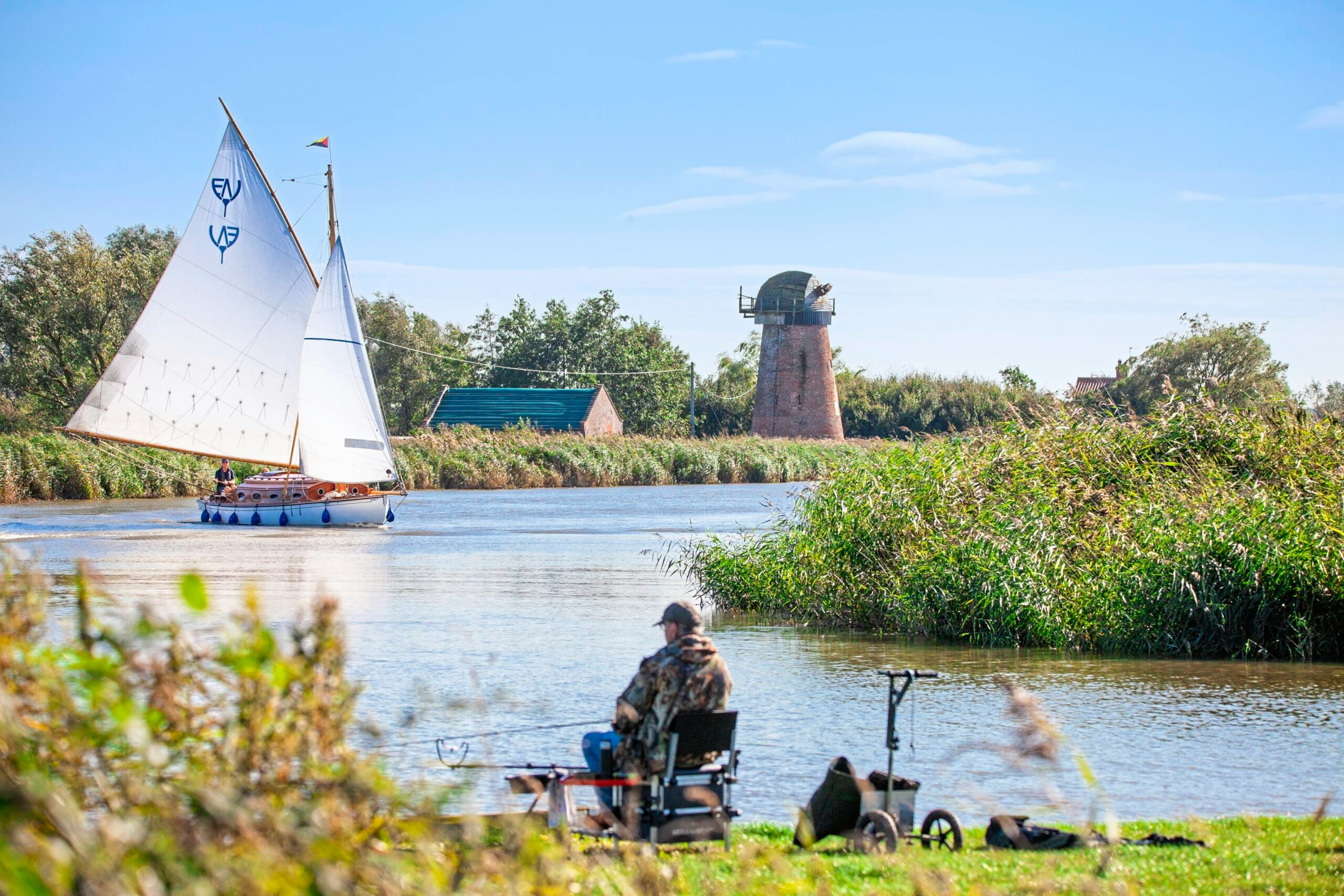
What happened and why?
A salt incursion is a sudden influx of salt water, generally caused by high tides, storm surges, or high winds. In Norfolk, north-westerly winds can be the kiss of death, and while these have caused many surges in the past, local expert and guide Robbie Northman said other factors were at play this time around.
“It was a perfect storm of bad luck for the Broads, as we were already sat on over-extracted rivers in drought condition when the first tide hit and, with no water pushing back, the surge hit hard,” he revealed.
“It attacked both the northern and southern systems, covering the Thurne system and affecting the Rivers Bure and Ant right up to Barton and Hoveton Great Broad. I believe that fish have ways to cope with and avoid the salt over one or two tides, but this wasn’t a fast surge. The tide came in with strong winds and, with restricted river flow, the salt was locked in and penetrated an area a usual tide would not,” Robbie said.
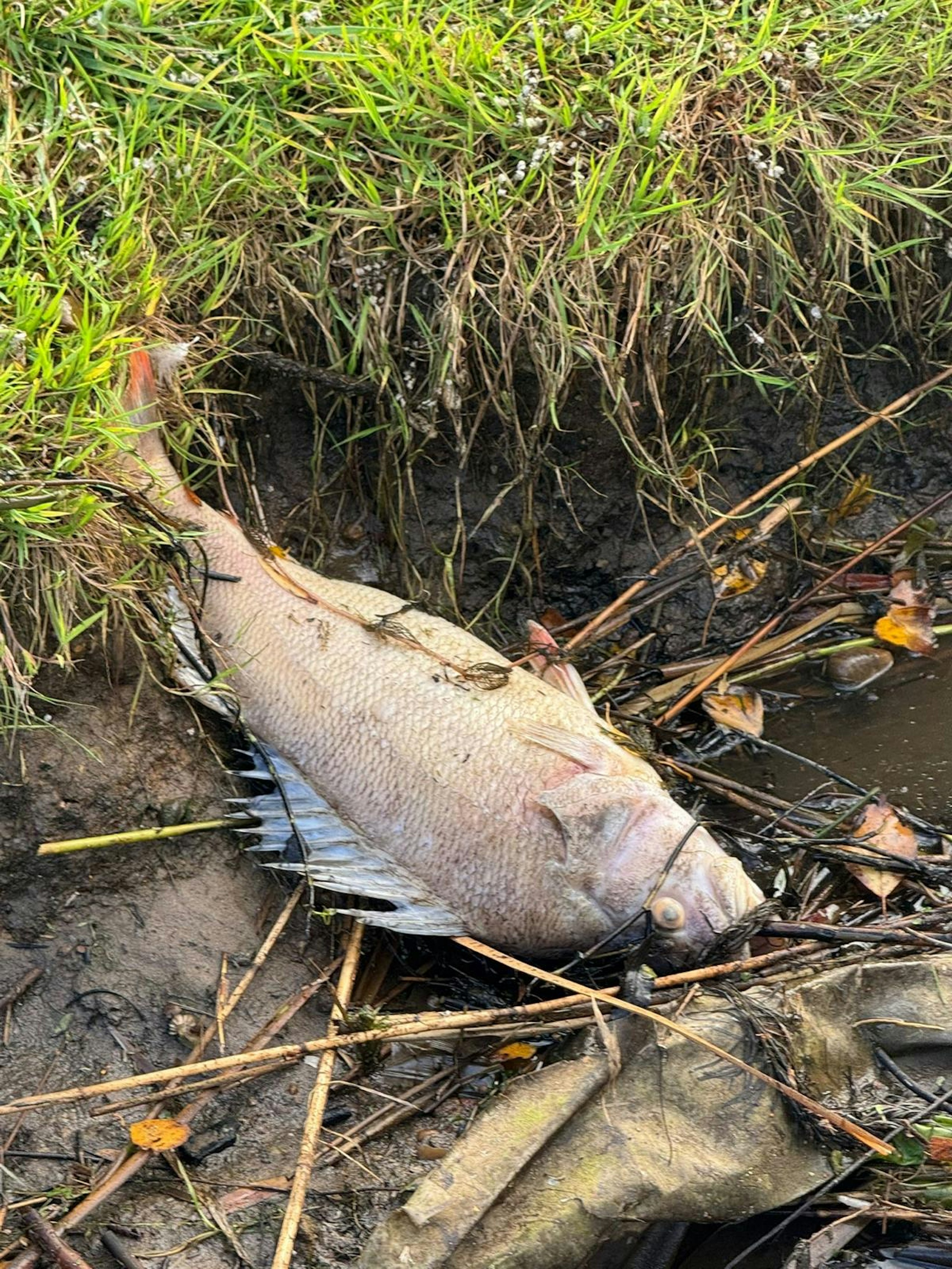
Within a week, the bodies of smaller dead coarse fish, followed by larger pike and perch, began to build up. “It wasn’t just fish – miles of freshwater ecosystem were devastated,” Robbie added.
“Thankfully, rain came and, combined with lower tides and winds, the salt receded, but just when we thought it was over a second storm hit, pushing salt water even further in than before. Levels are now dropping, but huge damage has been done. We could be looking at a decade to recover, and that’s not taking into account the impact of further incursions.”
“B & Bs and hotels in the area are already being hit with cancellations.” Angling plays a pivotal role in the local economy.
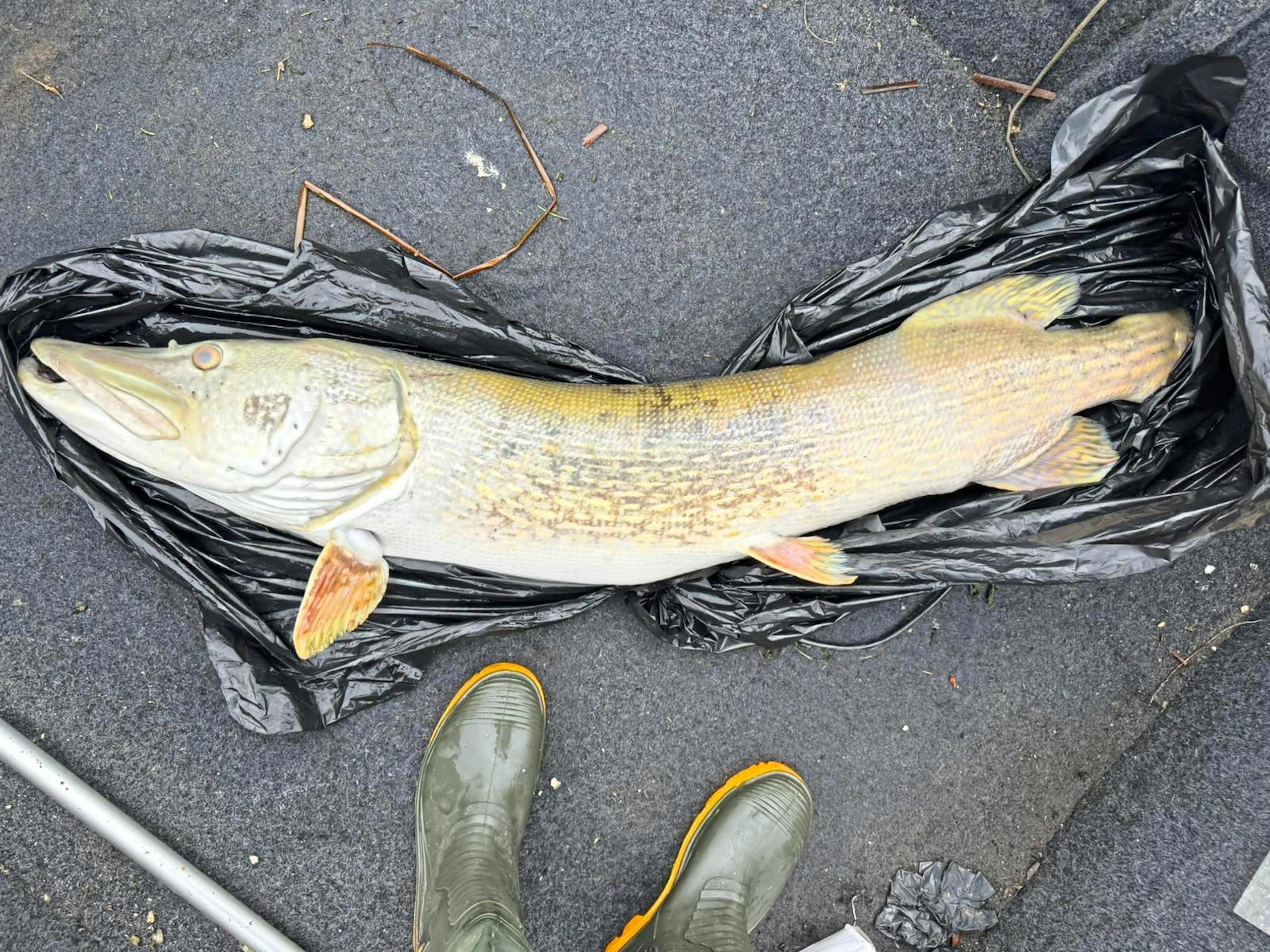
Speaking to local specimen ace Phil Spinks, he had this to say on the recent devastation:
"Probably some of the worst salt surges I’ve seen on the Norfolk Broads. A combination of back to back storms, high tides and a lack of natural flow caused salt water to be pushed further in land causing huge fish kills," he explained.
"It’s no surprise this has happened and will happen again! Surely it’s time to consider how we can reduce the risk of the damage to all wildlife these salt tides cause? Salt water barriers, flood plains? I don’t have the answers…but it’s devastating to see the damage."
A possible solution
Although the surge caused carnage, if it had reached Wroxham, which it nearly did, it would have killed thousands more fish sheltering in dykes and boatyards.
“It was near enough pure sea water coming in – two more tides at such lethal levels would have hit Wroxham, and hit it hard,” John Currie said.
“The pike have taken a hit, and while we won’t know the full extent of the damage until next summer, the Yare was hit by a bad surge nearly 20 years ago and still hasn’t recovered.
“The Broads shouldn’t be written off for fishing, but we can’t take many more incursions like these.”
John believes one possible solution to the salt issue is to build what’s known as a ‘bubble curtain’.
“This is essentially perforated pipe that lies on the bottom and is fed with compressed air, which releases a continuous stream of bubbles through the water column. They’re used in Rotterdam to stop salt water from coming inland, and can also stop oil and litter. Fish can pass through them. The EA investigated having one installed to protect the Broads eight years ago, but nothing ever came of it.”
While a bubble curtain isn’t cheap, when the huge economic influence of angling in the region is taken into account, the cost is put into perspective. “B & Bs and hotels in the area are already being hit with cancellations, as visiting anglers turn away from the area,” John added
“The under-investment to protect angling on the Broads and the economy it supports is shameful. We need action, now.”
The EA on a rescue mission
The EA’s fisheries officers rescued approximately 100,000 fish at Womack Water after high tides pushed saltwater into the nearby Rivers Ant, Bure and Thurne.
“We have raised the fish barrier at Potter Heigham boatyard to help reduce the impact of saline-rich water and create refuge for the remaining fish,” an EA spokesman told us.
“Although salt incursion is a natural event, climate change is already bringing more extreme weather.
“Our specialist fisheries officers remain in the area to monitor conditions and rescue more fish if needed. If anyone spots fish in distress, call our 24-hour hotline: 0800 807060.”