- Home|
- News|
- News Stories
Feeder rod ratings are a mess: Is NuFish’s BTC the fix?
by Jonathan Longden |
Updated on23rd January 2026 at 7.15am
Follow Angling Times on Google
Two feeder rods can both carry the same casting weight on the blank, yet behave completely differently. One feels crisp and responsive, the sort that recovers fast and snaps back straight, while the other feels softer, slower, and needs a different casting rhythm altogether.
That inconsistency is exactly why NuFish’s BTC (Butt Tip Curve) rating has got people talking. Done properly, it gives anglers a repeatable benchmark, and that’s something we’ve been short on for years.
IN THIS BUYERS GUIDE WE LIST OUR PICK OF THE BEST CARP FEEDER RODS.
What BTC actually measures
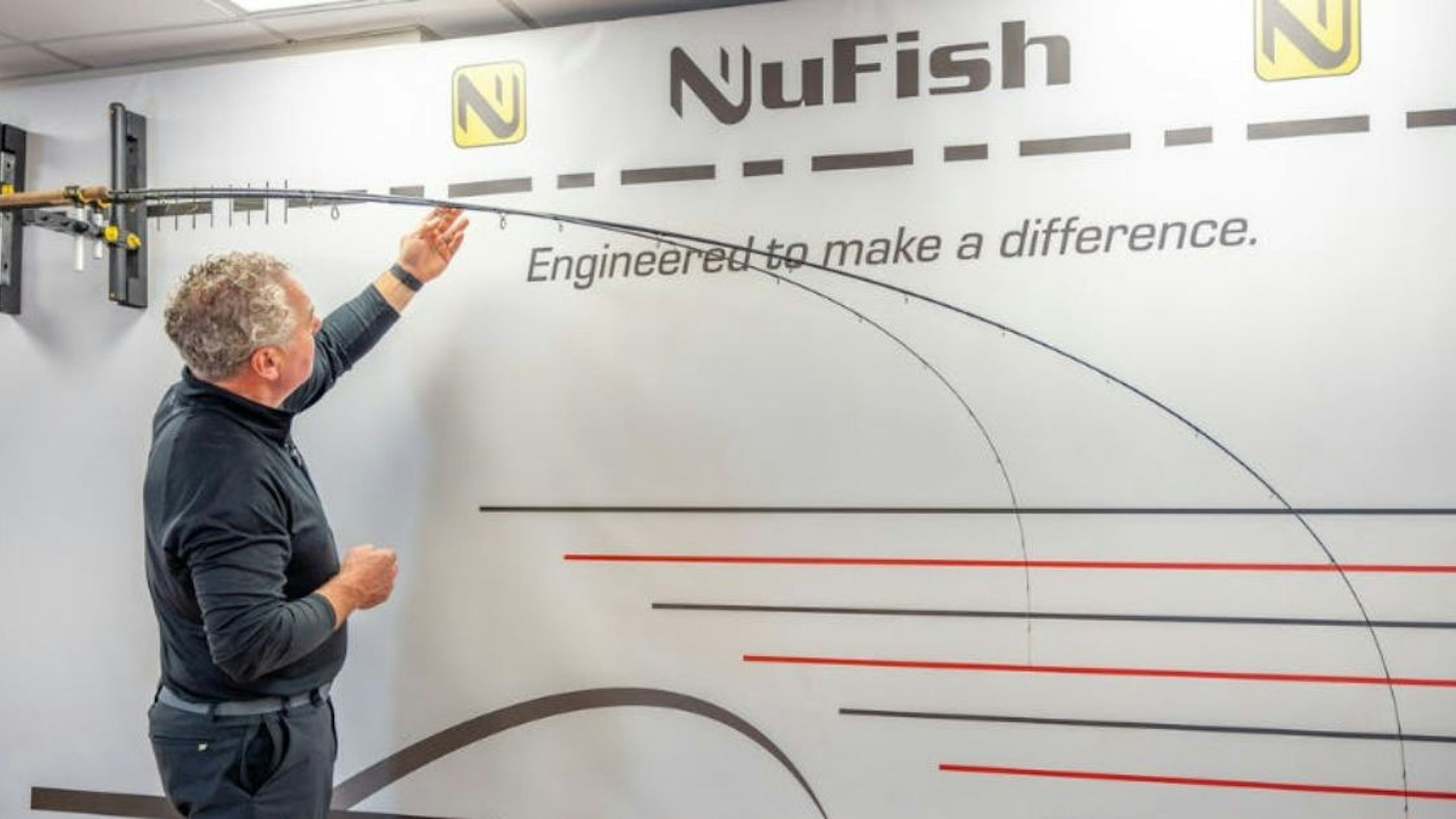
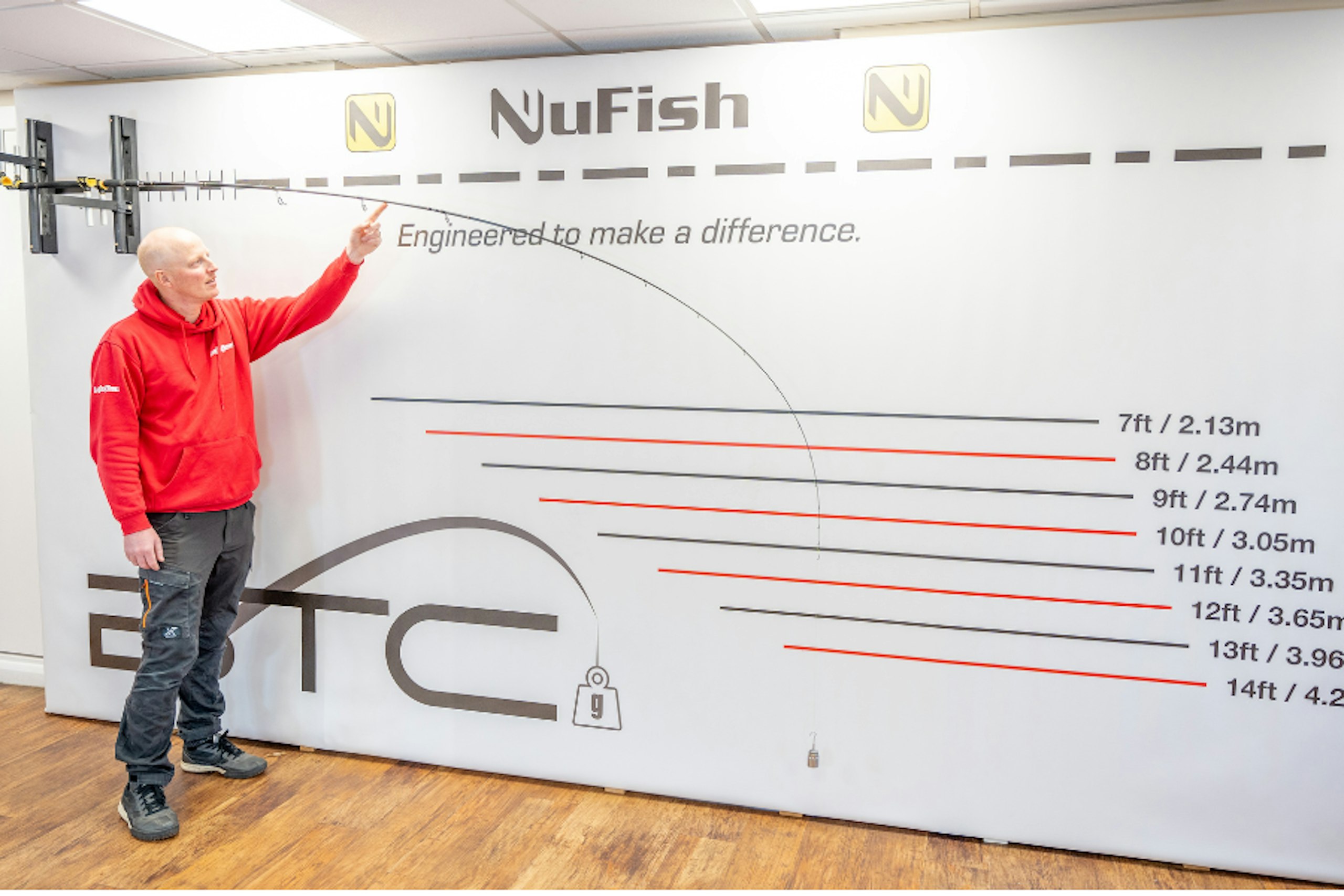
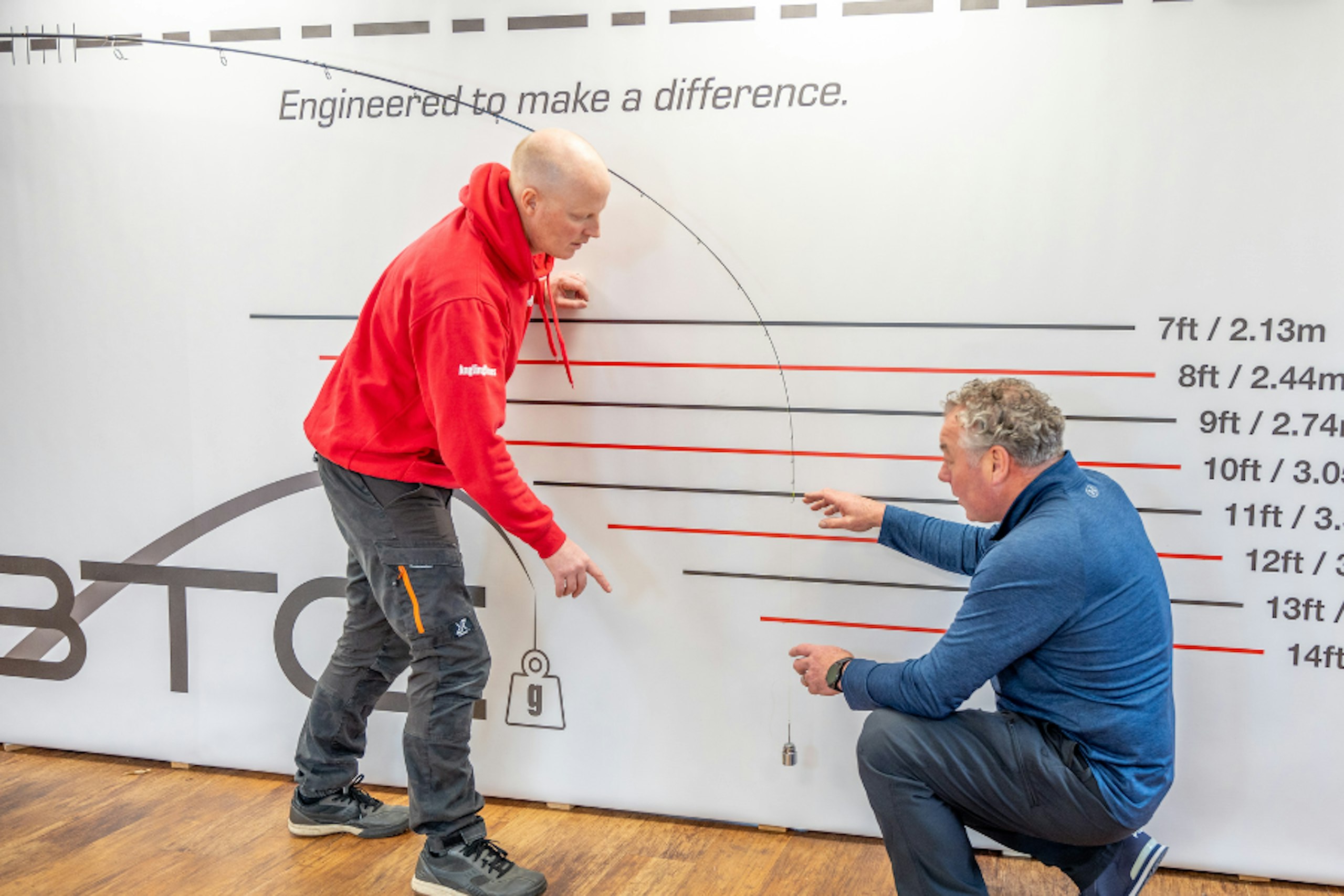
BTC is a static deflection test. The butt is fixed, the rod is set horizontal, and weight is added to the tip until it deflects by one third of the rod’s total length. The grams required to reach that point become the BTC rating.
In plain terms, it’s a stiffness index. It tells you how much load is required to pull that blank into a standardised bend. It doesn’t tell you how far it will cast, how quickly it will recover, nor does it reveal how it will behave with a bulky method feeder, but it does give you something objective, and that matters.
One small but important detail is how this is described. The “one third” refers to how far the tip moves, not where along the blank the bend occurs. It’s a measurement of resistance, not a statement that the rod “bends through a third” in some uniform way.
It’s also worth saying clearly that NuFish haven’t invented this idea. One third deflection is a standardised way of comparing blank power and stiffness. What’s new is seeing it presented clearly for feeder anglers, in grams, as an easy benchmark.
THE BEST DISTANCE FEEDER RODS WILL BE STIFFER TO CAST FURTHER.
Why it matters to feeder anglers
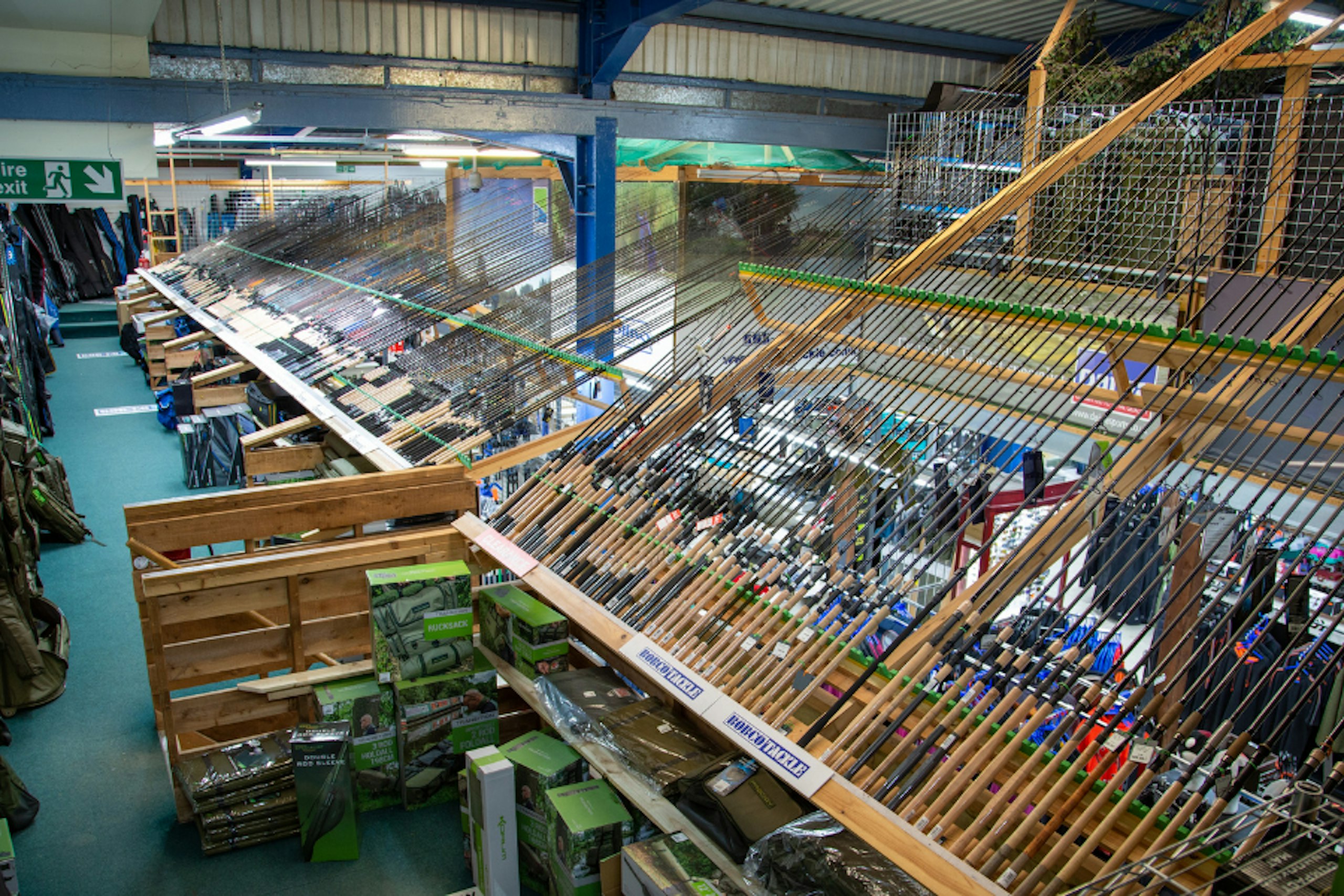
Rod ratings, as they stand, are ambiguous at best and while some brands are transparent about how they arrive at their casting ranges, others are less clear. Even when the printed casting range is broadly sensible, it doesn’t always help you compare across different manufacturers because not everyone has the same interpretation.
A grams-to-deflection benchmark has real value here. If Rod A needs more grams than Rod B to hit the same deflection point, Rod A is stiffer in that static sense. That’s a useful reference for feeder fishing, where most of us live in the grey area between flicking light cages accurately for silvers and leaning into heavier method feeders when fishing at distance or the wind demands it.
It also gives you a clearer starting point on the shop floor. Instead of squinting at “30-60g” and hoping it means the same thing as the rod next to it, you can start to compare the backbone in a way that translates.
THE BEST SHORT FEEDER RODS HAVE A DIFFERENT ACTION TO LONGER FEEDER RODS.
The problem with “uniform loading”
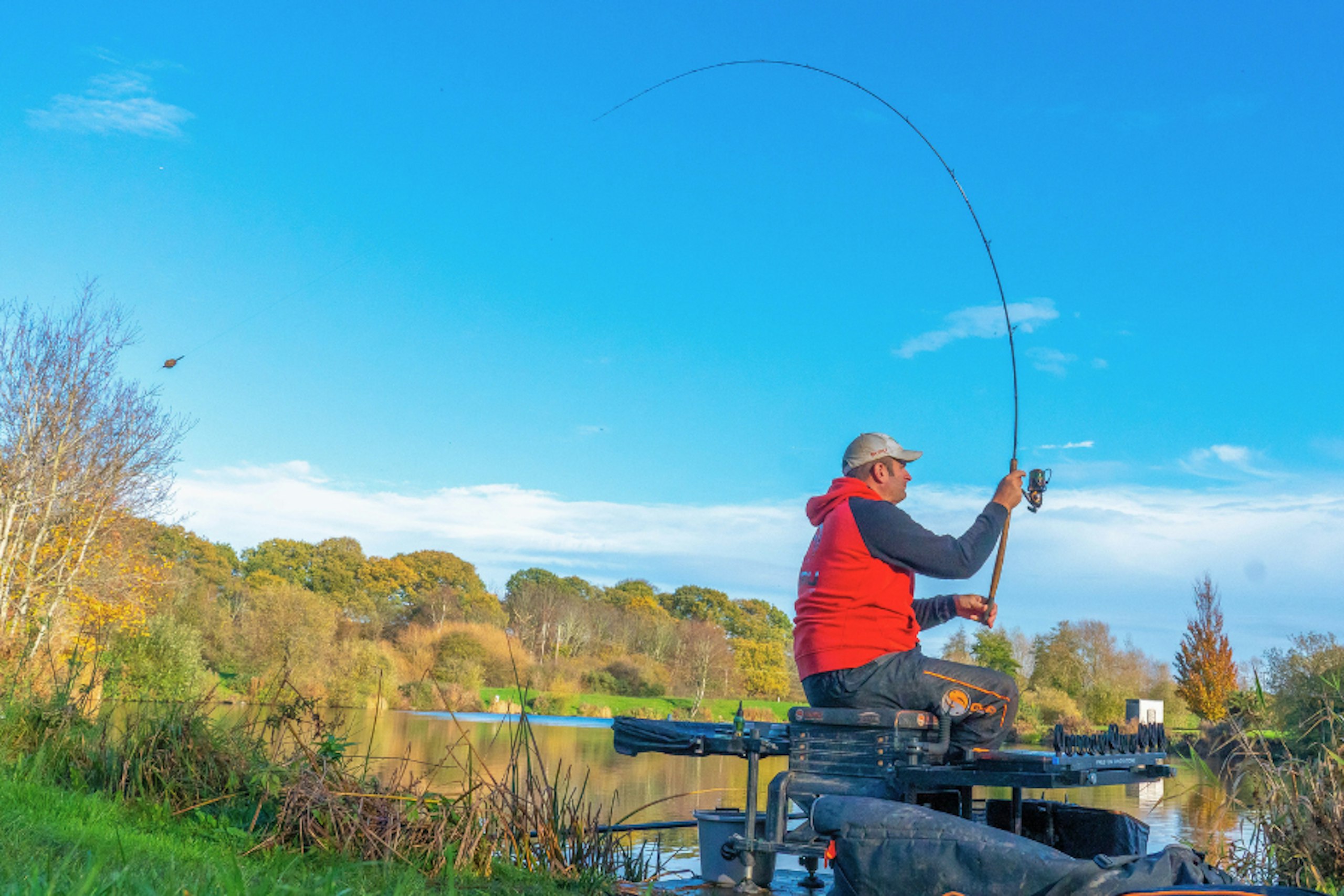
A feeder rod does not load during a cast the way it bends on a workbench. On the bench, the load is steady, applied in one clean direction, whereas on the bank, loading is dynamic. Often as you accelerate, you change direction, and as the feeder is trying to keep forward momentum going, the line is moving through guides, friction is building, and the blank is storing and releasing energy at speed.
That’s why two rods can share a similar casting weight and still feel worlds apart. Taper, wall thickness, how the blank behaves, carbon grade and how its layered all influence a rod’s character and action. One might be fast and tip-driven, snapping back cleanly and suiting casting. Another might be more progressive, bending deeper and feeling more forgiving, which can be a joy with lighter hooklengths.
BTC doesn’t solve that. It can’t, because it is not designed to measure it.
HAVING THE BEST FEEDER FISHNG REEL WILL ALSO ASSIST CASTING.
The stuff a static test doesn’t measure
Although difficult to see blanks don’t just bend when cast, they twist under load, especially when you hit them hard or when your casting movement drifts slightly left or right. That twist can steal energy and, more importantly, it can make the tip of the rod track off line. You feel it as wobble, inconsistency, and the odd cast that kicks off target for no obvious reason.
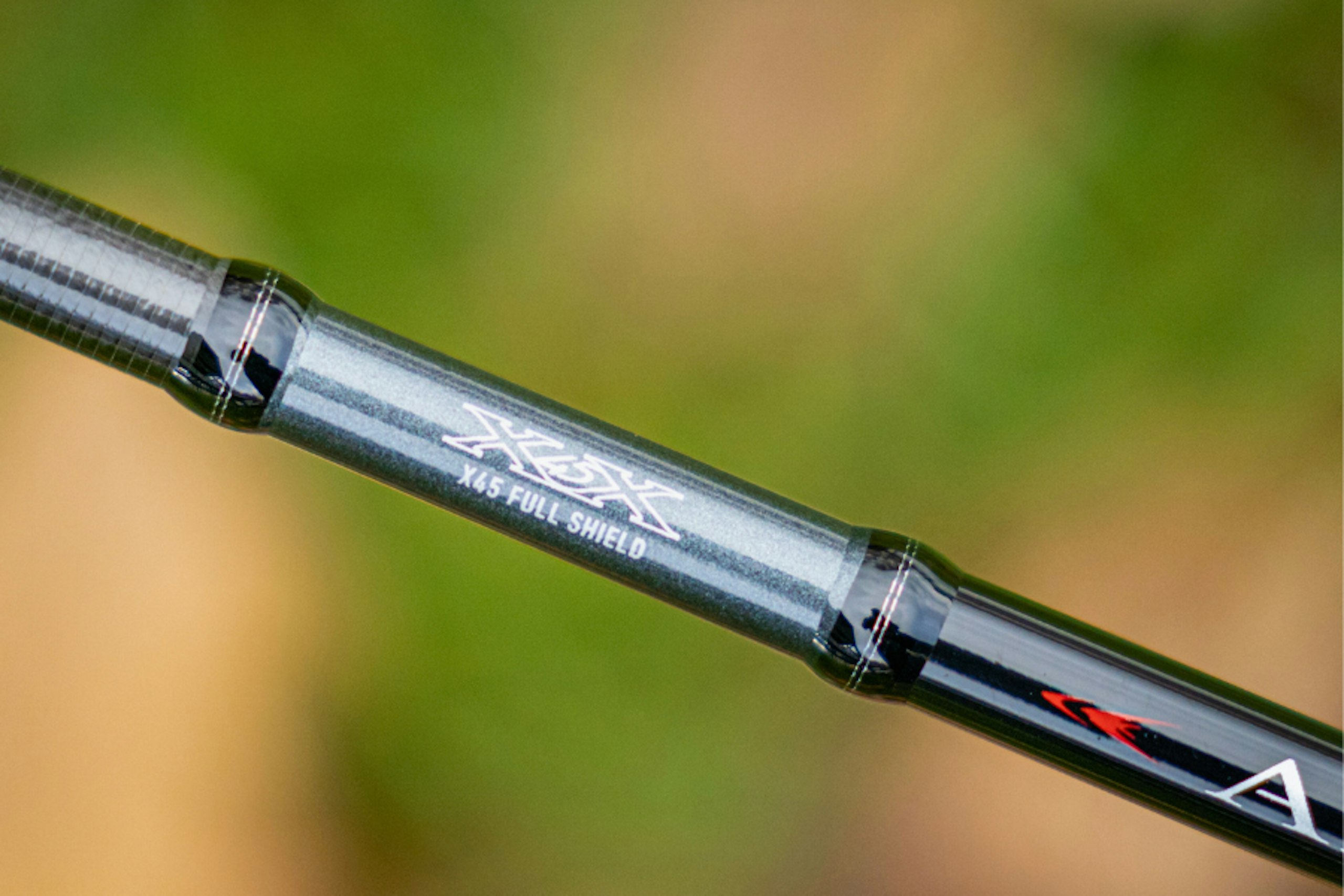
This is where blank engineering can matter more than any single number. Bias-wrap carbon designs, such as Daiwa’s X45X, are designed specifically to resist torsional twist during the cast so the blank stays straighter.
Joint design matters too. Technologies such as V-Joint aim to make the rod joint flex more progressively with the blank, reducing the dead spot some multi-piece rods may develop under loading and it is those details which can massively influence how a rod feels and performs, even if two models share a BTC.
Guide layout is another one. Ring height and spacing affect how the line carries the load into the blank, so two feeder rods can show a slightly different curve. A closely spaced set-up supports the line more often and can smooth the bend out, while wider spacing leaves longer spans between rings and can concentrate load in different places.
That’s why BTC only really compares cleanly when the whole test is standardised, and that’s the problem. Across brands, guide patterns, joints and carbon layups are part of what gives a rod its character, so a true one-size-fits-all test set-up is never likely.
So yes, BTC can tell you something meaningful, but it can’t tell you everything meaningful.
THE BEST FISHING RODS CONTAIN THE BEST CARBON TECH FOR PERFORMANCE.
Three specs that can help inform anglers
If BTC is going to do any real good for the wider market, it shouldn’t replace existing ratings. It should sit alongside them, as part of a simple three-point spec that matches how anglers choose rods in real life.
First, the casting weight range. It’s still the most practical guide because it relates to what you can actually do with a feeder rod – accelerate a known weight. It gives the buyer an immediate sense of the window the rod is designed to work in.
Second, BTC, when used correctly, offers a universal stiffness measure. It helps you compare backbone across different ranges and manufacturers, rather than being trapped inside whatever rating language a brand happens to use.
Thirdly action, the missing piece in most rod specifications. A fast action generally points to a crisper feel and quicker recovery, where as a progressive or through (parabolic) action tells you the rod will bend deeper and feel more forgiving under load. Action gives context to stiffness. Without it, a BTC number is only ever half the story.
For example, if you mostly fish 25 to 40 metres with 30 to 45 gram method feeders, you might shortlist rods with a casting range that comfortably covers that weight, then use BTC to compare backbone across brands, and finally choose action based on your preferences, whether that’s a crisp, quick, fast tip (often called “tippy”) action rod or a softer, more through action and more forgiving blank.
NEW TO FEEDER FISHING? SEE HERE HOW TO SET UP A ROD FOR FEEDER FISHING.
The retail reality
As a retailer, I found that this is exactly what most anglers wanted. Not vague promises and not marketing phrases that sound good but mean very little, they wanted to understand how one rod differed from another in a way they could picture.
Would it handle a heavy method feeder? Would it cushion a light hooklength under the tip? Would it recover quickly enough to keep everything tight and accurate at range?
If brands gave anglers casting weight, BTC, and rod action together, it would finally make rod choice easier to translate across manufacturers. It turns a guess purchase based on how the rod feels on the shop floor into an informed decision.
Right now, the big limitation with BTC is that only NuFish are publishing the numbers. That means, at the moment, a BTC rating is really only useful inside their own range. It tells you which NuFish rod is stiffer than another NuFish rod, but it doesn’t automatically help you compare across the wider market.
For BTC to become genuinely valuable to anglers, it needs either wider adoption from other manufacturers, or some meaningful cross-brand comparison data. That could be NuFish testing and publishing BTC figures for popular competing models, or even retailers setting up a simple deflection rig on the shop floor so customers can see stiffness differences for themselves. Until then, BTC is a promising reference point, but it’s not yet a universal language.
YOU CAN WATCH THE FULL VIDEO EXPLAINING BTC HERE...
Just so you know, we may receive a commission or other compensation from the links on this website - read why you should trust us