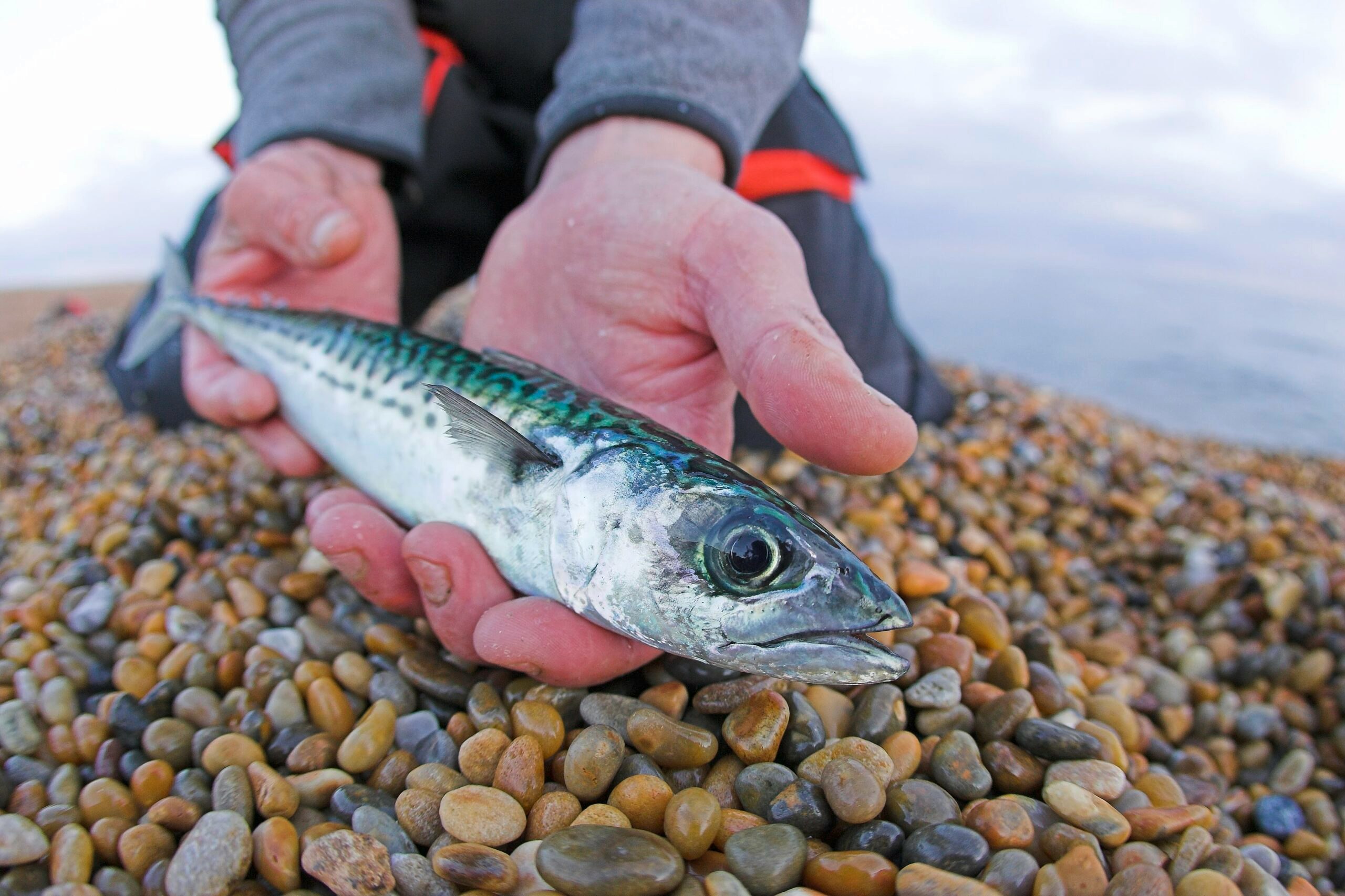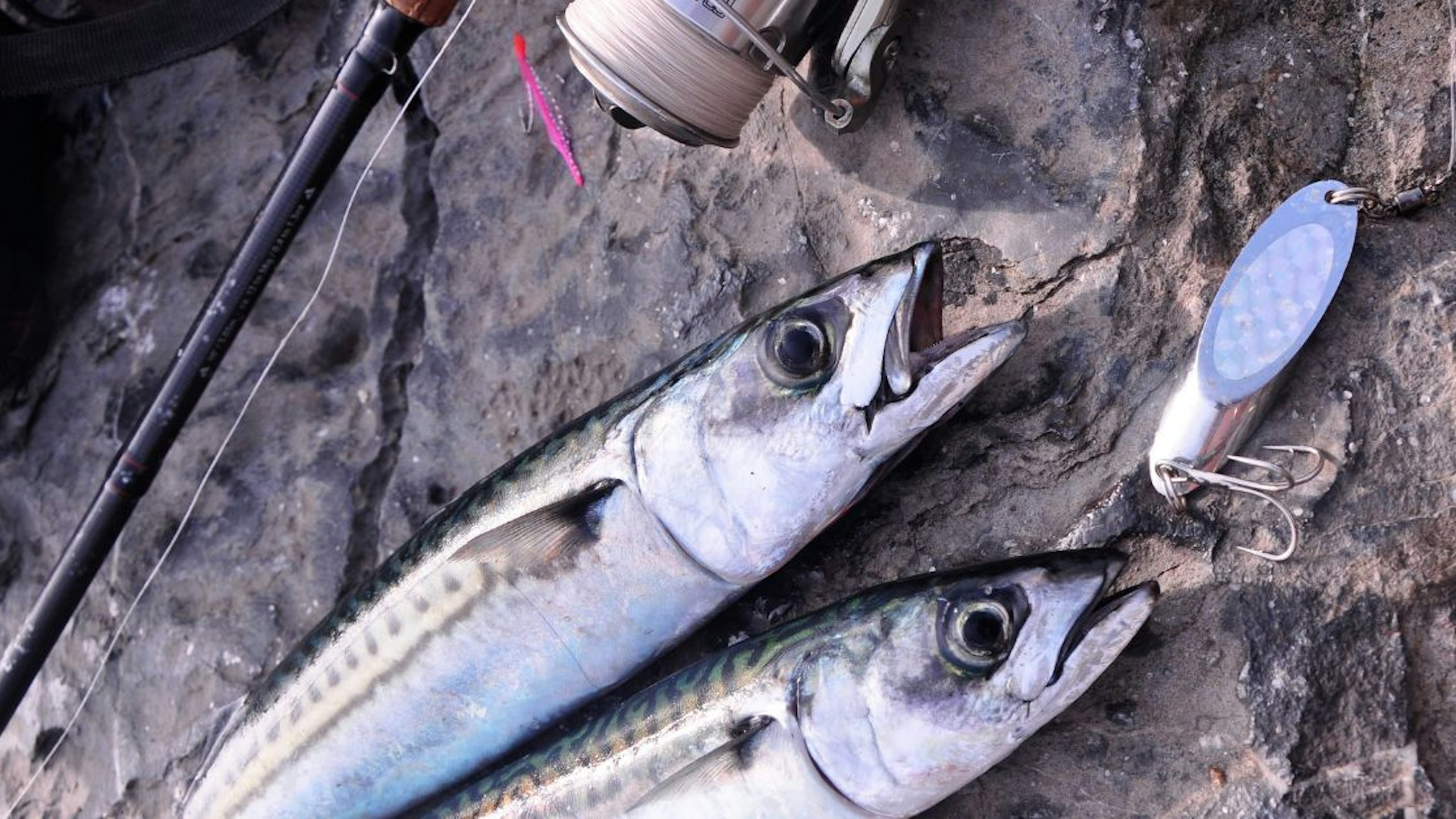
Mackerel fishing is facing an uncertain future as stocks continue to decline and pressure from commercial fleets shows no sign of easing. Once seen as one of the most sustainable and accessible sea fish, mackerel is now at the centre of growing concern, with warnings that current catch levels could cause serious long-term damage.
Worries have intensified in recent months, with ongoing debate around catch limits and whether enough is being done to protect the stock, after reports show a 77% decline in stocks over the last decade.
For anglers and coastal communities alike, the question is no longer hypothetical, it’s becoming increasingly urgent, as anxiety grows that the species is being pushed towards the brink of collapse.
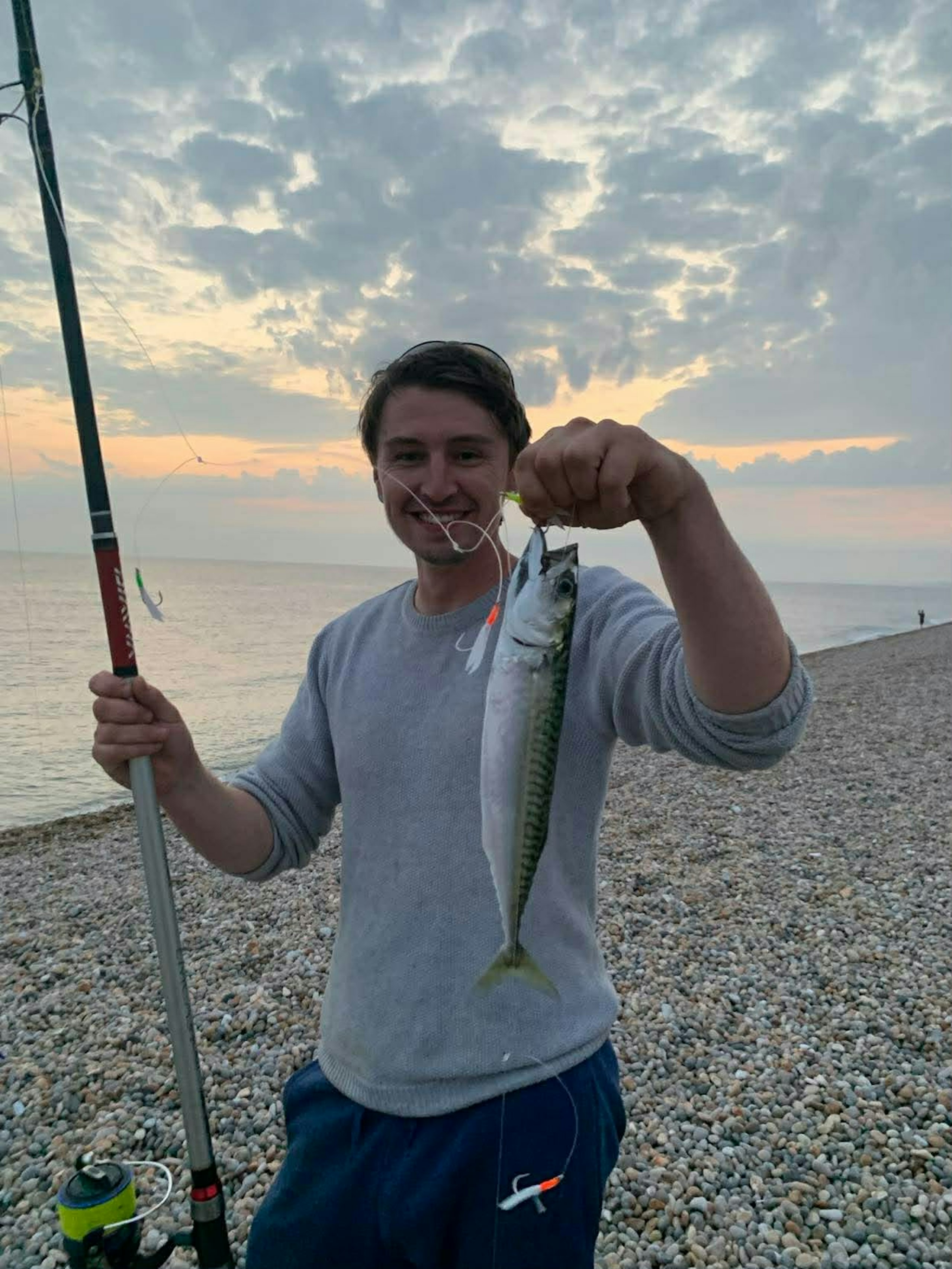
The mackerel has long been the fish that ignited passion for sea angling, even for those who rarely fish. Once a symbol of summer fishing and a healthy ecosystem, this iconic species now faces growing uncertainty.
However over the past decade in particular, catches have become less predictable, shoals more dispersed, and the summer run noticeably smaller. When policymakers and industrial fleets disregard the science, as usual, it is the local anglers and coastal communities who bear the consequences.
What is going wrong?
Scientists raised the alarm earlier in 2025, warning that commercial catches must be cut by a minimum of 77% to halt the decline.
The European Union also proposed a 77% reduction in commercial mackerel catches, directly reflecting the latest ICES (International Council for the Exploration of the Sea) guidance, in what could have been a crucial step to end years of chronic overfishing and set the stock on a path to recovery.
Instead, the UK joined most other coastal states in rejecting the proposal, and was criticised for voting against aligning quotas with this scientific advice, instead opting to reduce by 48%.
This stance is nothing new and since 2010, international quotas have exceeded scientific advice every year, by an average of 40%, as mackerel were seen as 'too sustainable'. As a result, the mackerel stock has been depleted, with scientists warning that continued inaction could push the species to the brink of collapse, allowing greed to prevail at the detriment of the species
Why the crisis is worsening
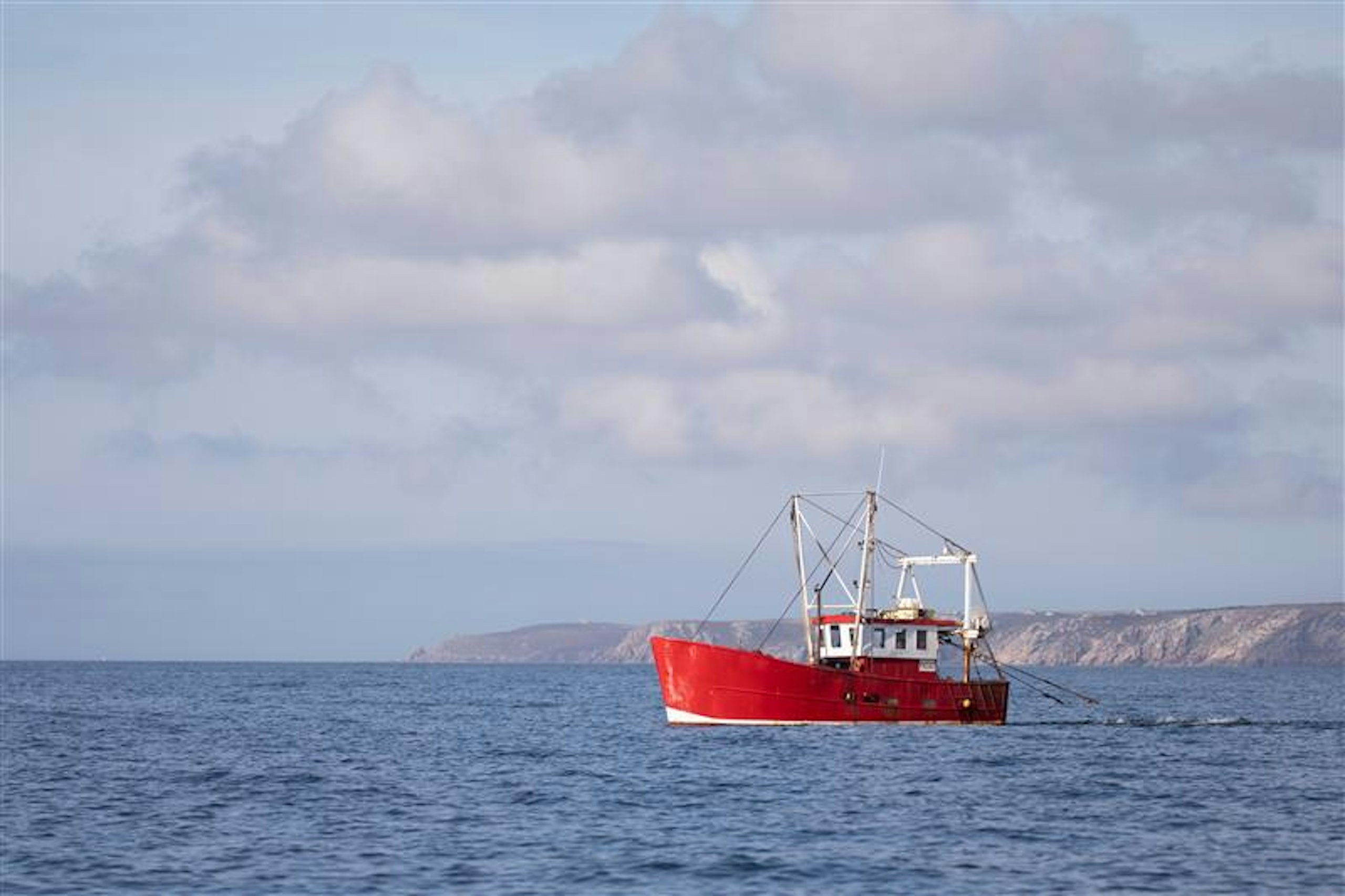
The improvement of sonar and fish finding capabilities of huge trawlers have enabled fishing vessels to scoop up entire shoals, with 150-250 tonnes not uncommon. When you consider this could equate to more than 1 million individual fish, you can see why this crisis is deepening as the fish stand little chance.
While there has been some calls that the return of the Bluefin tuna to our shores has contributed, their impact is thought to be minimal, especially when you consider how efficient modern fishing vessels are. No doubt, once again recreational anglers who catch a few fish from the beach for food and bait will be scapegoated before too long.
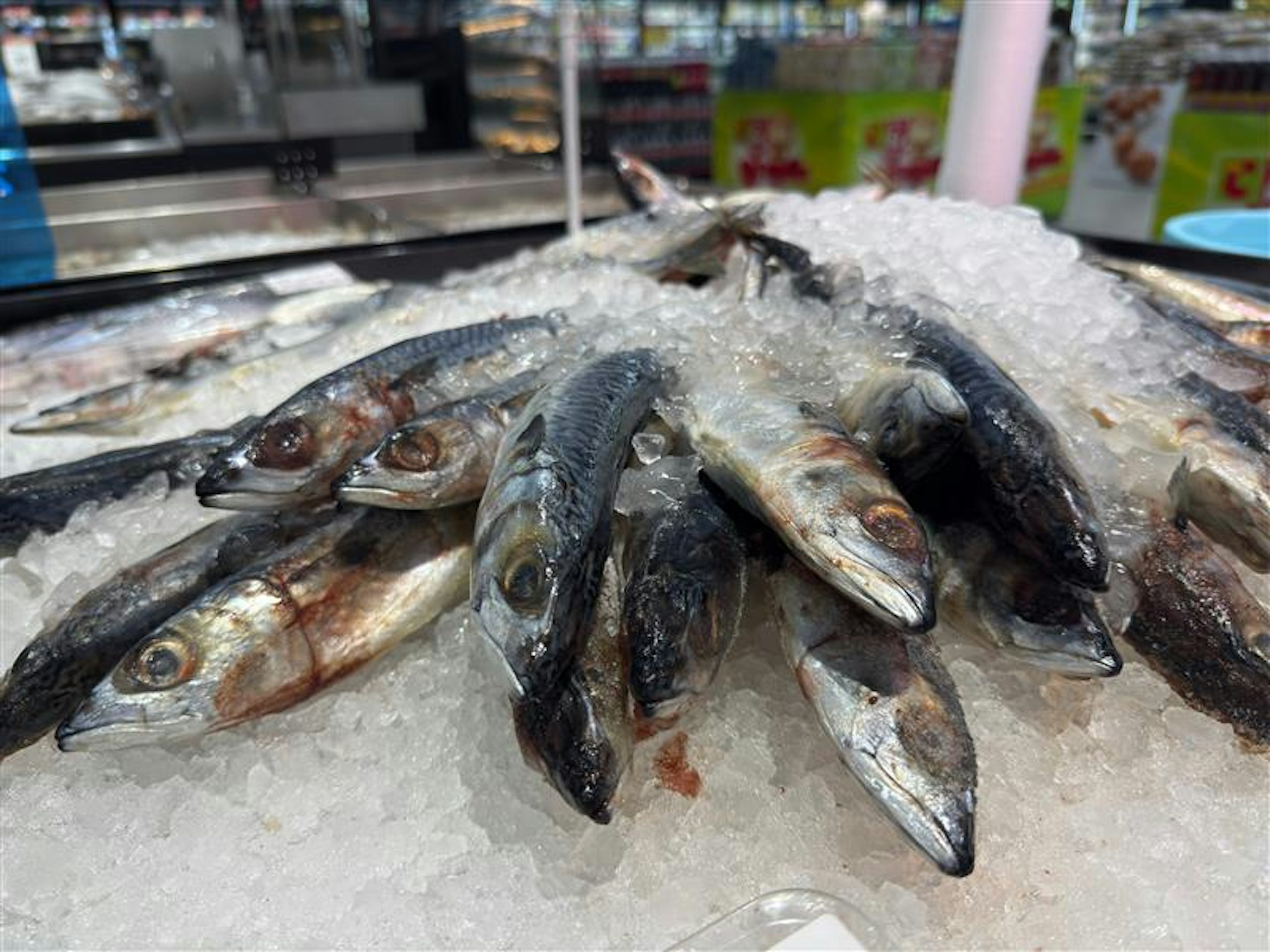
Retail takes action
In a bold and decisive move, UK supermarket Waitrose stepped in where the government had not, taking responsibility away from consumers in the hope that reduced retail demand could help relieve pressure on struggling fish stocks.
The supermarket has become the first to suspend sourcing of fresh, chilled and frozen mackerel by 29th April 2026, with tinned mackerel following once the current stock has sold, choosing to promote the sale of herrings and sardines as sustainable and nutrient dense alternatives to mackerel.
Jake Pickering, Head of Agriculture, Aquaculture & Fisheries at Waitrose, said: “By suspending sourcing of mackerel at Waitrose we are reinforcing our ethical and sustainable business commitments, acting to tackle overfishing and protect the long-term health of our oceans and this crucial fish.
"Our customers trust us to source responsibly, and we are closely monitoring the fishery. We look forward to bringing mackerel back to our shelves once it meets our high sourcing standards.”
Is the situation overblown?
Mackerel have always been pushed as sustainable, and when you envisage images of multiple fish being lifted over the side of the boat or landed on the beach, it is clear to see why. It has been advocated for years that these fish are the best option to eat if you want to make an better choice for protecting other fish stocks, however as we have seen with other stock collapses, this is often the first warning sign.
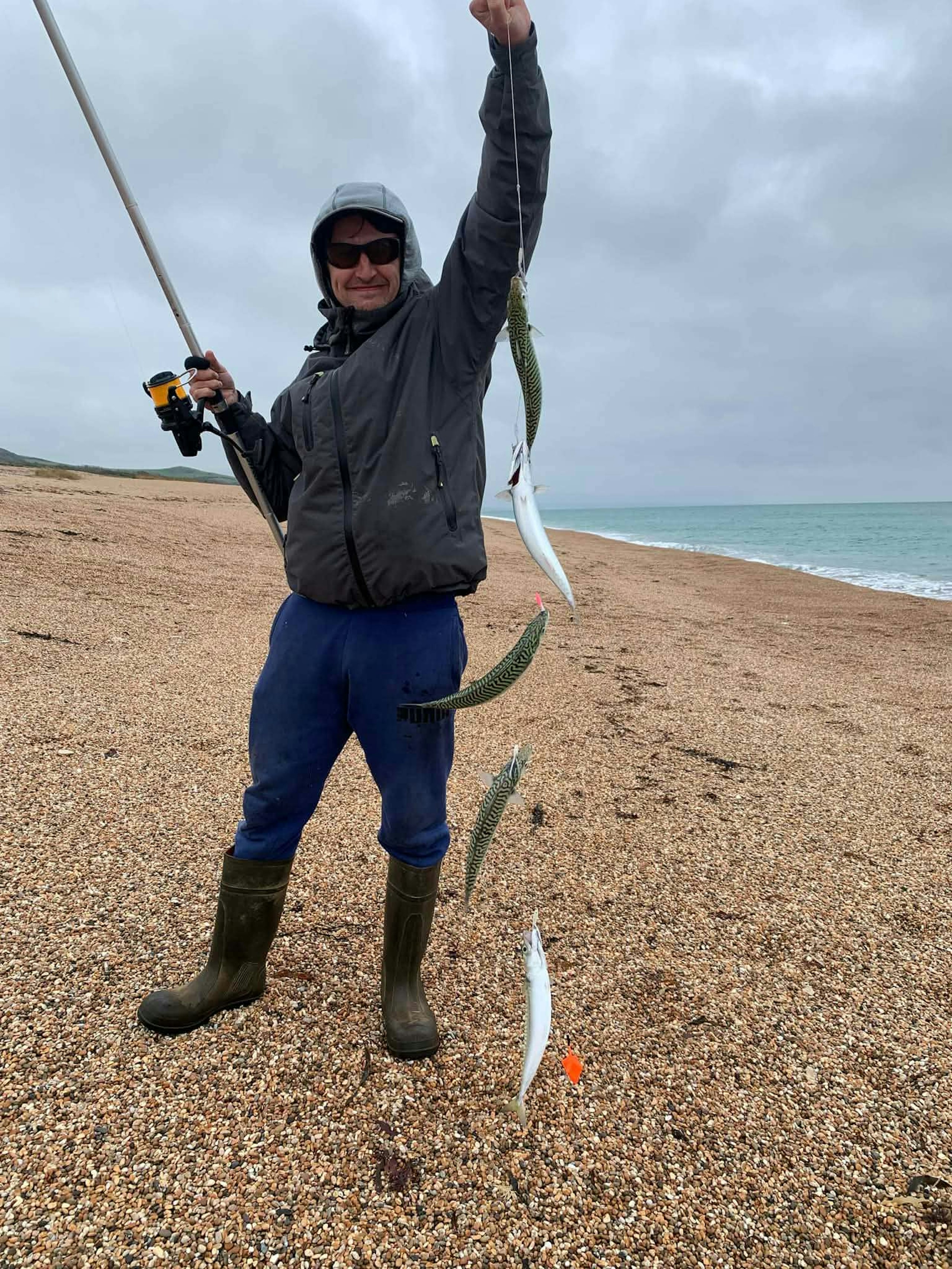
Being a keen sea angler myself, I have never known the mackerel fishing to be as difficult, and speaking to other anglers and seeing what others are catching it seems to be a common theme. Yes, there will be occasional good days, but gone are the sessions you could rely on catching a few with regularity and for those who charter boats or have recreational vessels, they are stating the same.
What this means for the future
Without urgent action, scientists warn that continued overfishing could push mackerel to the brink of collapse, threatening ecosystems and the livelihoods of those who rely on this iconic species. France has recently implemented a five fish per day quota for recreational anglers, which has seen strong backlash, with those under fire pointing the finger at the destructive practices of trawling if any meaningful recovery is to be seen.