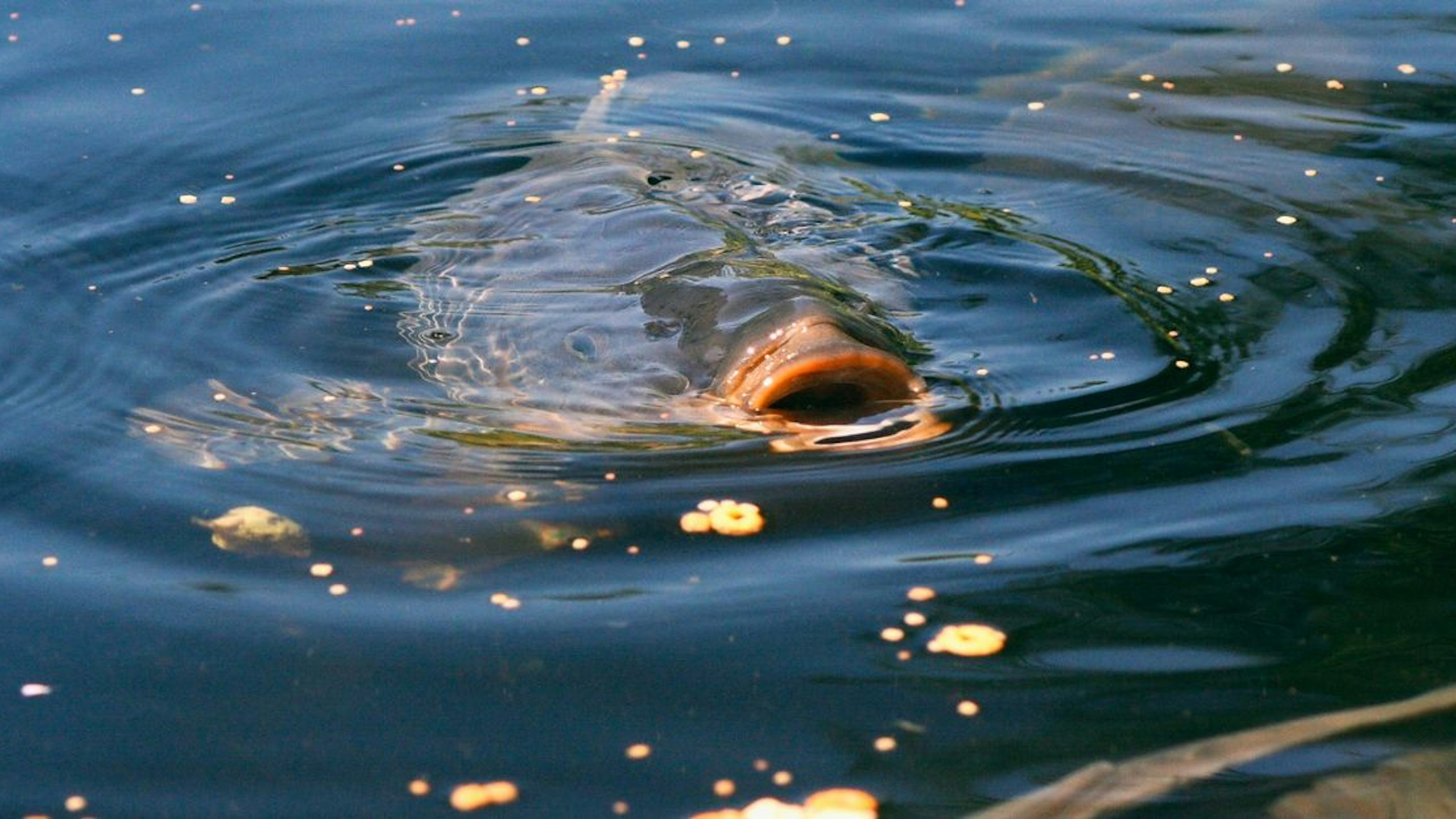
The range of baits at our disposal is now almost limitless – everything from carefully formulated coarse fish pellets to supermarket specials designed for human consumption without a thought for fish at all.
In most venues the fish will be eating a range of different foods, mainly consisting of invertebrates, detritus and plant material, perhaps supplemented by bait. In fisheries like this, the type and amount of bait used will probably have little effect on the fish, but where the fish are more reliant on anglers’ bait, or where large amounts are being used, then what we feed can have a far bigger impact.
Varied diet
Most coarse fish, with the exception of predators such as pike and zander, are omnivorous. This means that their diet is made up of a wide range of different food items, with one or two often being locally abundant for a period of time.
The gut of omnivorous species, such as carp and roach, is quite long relative to the size of the fish, and is designed to process a mixed diet as efficiently as possible. The dietary requirements of omnivores vary throughout the year, with water temperature and the build-up to and recovery from spawning playing their part. A diet containing 30 per cent protein and around 10 per cent fat, however, is rich enough to enable them to grow healthily.
Other nutrients and micronutrients, such as vitamins and minerals, are often essential, although in a balanced fishery these may be adequately supplied by the natural diet and not by bait.

Excess nutrients
When fed a diet with too much protein or fat, two things will happen to coarse fish. First, many of the excess nutrients will not be efficiently absorbed by the gut. Most of the excess will pass straight through the fish and be released into the water. This is not only a waste of expensive ingredients, but effectively a pollutant.
Second, the fish will metabolise some of the excess nutrients that they are able to absorb in the gut. Just as in humans, when we eat too many calories we will put on weight and lose condition, becoming obese. In extreme cases, this can lead to health problems, damage to the immune system, and even premature death.
At the other extreme, fish that are unable to gain enough food will be in generally poor condition, grow slowly and perhaps be more susceptible to environmental stress, such as disease. Generally, it is healthier for the fish to be a little hungry, rather than overfed, as long as all the essential nutrients are found in the diet.
In natural fisheries bait probably makes up only a relatively small amount of the average fish’s diet. Some individuals may learn to utilise bait more than others, and this could possibly explain why some fish grow heavier, despite being caught regularly, while others are rarely caught at all.
Any bait not eaten will be broken down by invertebrates, before being excreted as ammonia and then broken down by bacteria, eventually into harmless nitrogen.
Water quality
Not all fisheries are balanced, and high stocking levels and other human manipulation can mean that bait can have a more negative effect.
One of the most common signs of excessive bait use is poor water quality. This comes about when the amount of bait being introduced cannot naturally be broken down effectively. Partially digested bait may then build up on the bottom over time, leading to water quality problems, especially in hot weather. This is especially true of baits that are nutrient-rich.
Luncheon meat is a good example of a bait that contains more protein and fat than a fish requires, although there are many others too. Used in moderation, and making up a small part of the diet, this is not a problem, but when used to excess on heavily-stocked fisheries it can lead to potential damage to both the fish and the water quality.
Ironically, for a long time boilies have been one bait most banned by commercial fisheries. Yet, when well-formulated, they contain a spread of nutrients not dissimilar to that of coarse fish pellets. A well-constructed boilie, then, can actually be one of the better supplementary feeds for coarse fish!
The key to maintaining a healthy fishery comes down to balance. In more natural venues there may be no need to limit the range or amount of baits used, but on man-made venues bait limits and bans may be required. Moderation and a spread of different feeds is often key to maintaining a healthy water.
.jpg?auto=format&w=2560&q=80)