The Angling Trust was set up to fight for fish and fishing — to provide a unified voice for our sport.
That’s not an easy task, given the diverse nature of both angling and anglers. But one thing that will always unite us is when people try to take away our right to fish. In the 2020 Covid lockdown, a combination of effective lobbying, backed by the tackle trade and supported by thousands of emails to MPs and ministers, succeeded in getting angling reinstated ahead of almost every other sport. Politicians recognised the value angling brings to health and wellbeing in local communities.
Sadly, this is not always the case. From time to time, we have to step in to fight those who wish to ban or restrict angling for no good reason. An individual angler venting on social media, writing an angry letter, or signing an online petition is rarely enough to overturn an angling ban. Challenging councils, landowners, wildlife trusts, or anti-angling activists requires time, professionalism, resources, and a clear understanding of how to move the levers of power. That’s where we help to make a genuine difference.
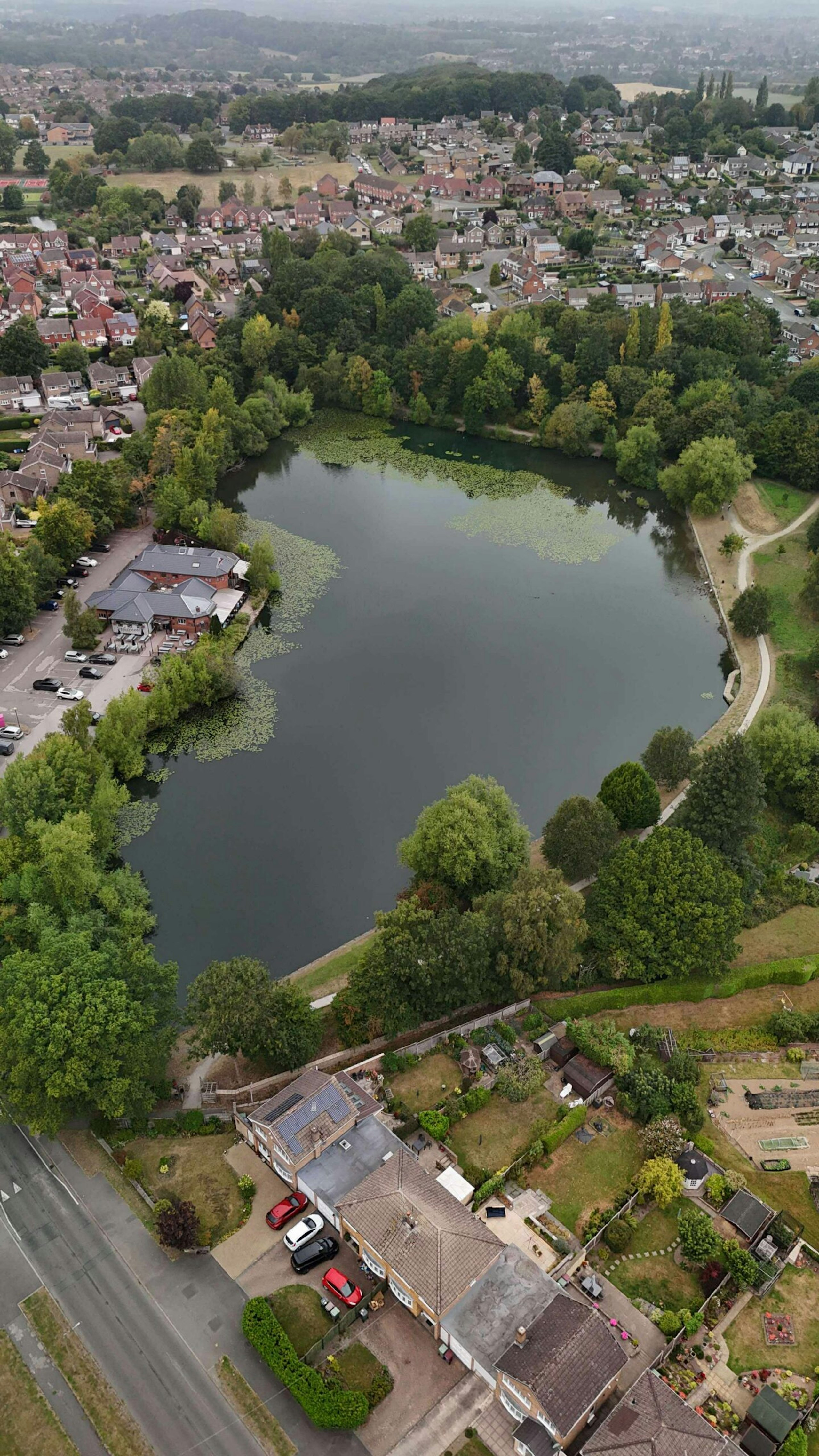
In 2021, we were called in by member club Bromley & District Angling Society (BDAS) after they were told that angling must cease on the Sevenoaks Wildlife Reserve because “fishing doesn’t fit in” with the Kent Wildlife Trust’s (KWT) vision for a Wilder Kent. BDAS members had fished there since 1948, transforming it into an ecologically diverse amenity, rich in wildlife and home to specimen carp, tench, and other species.
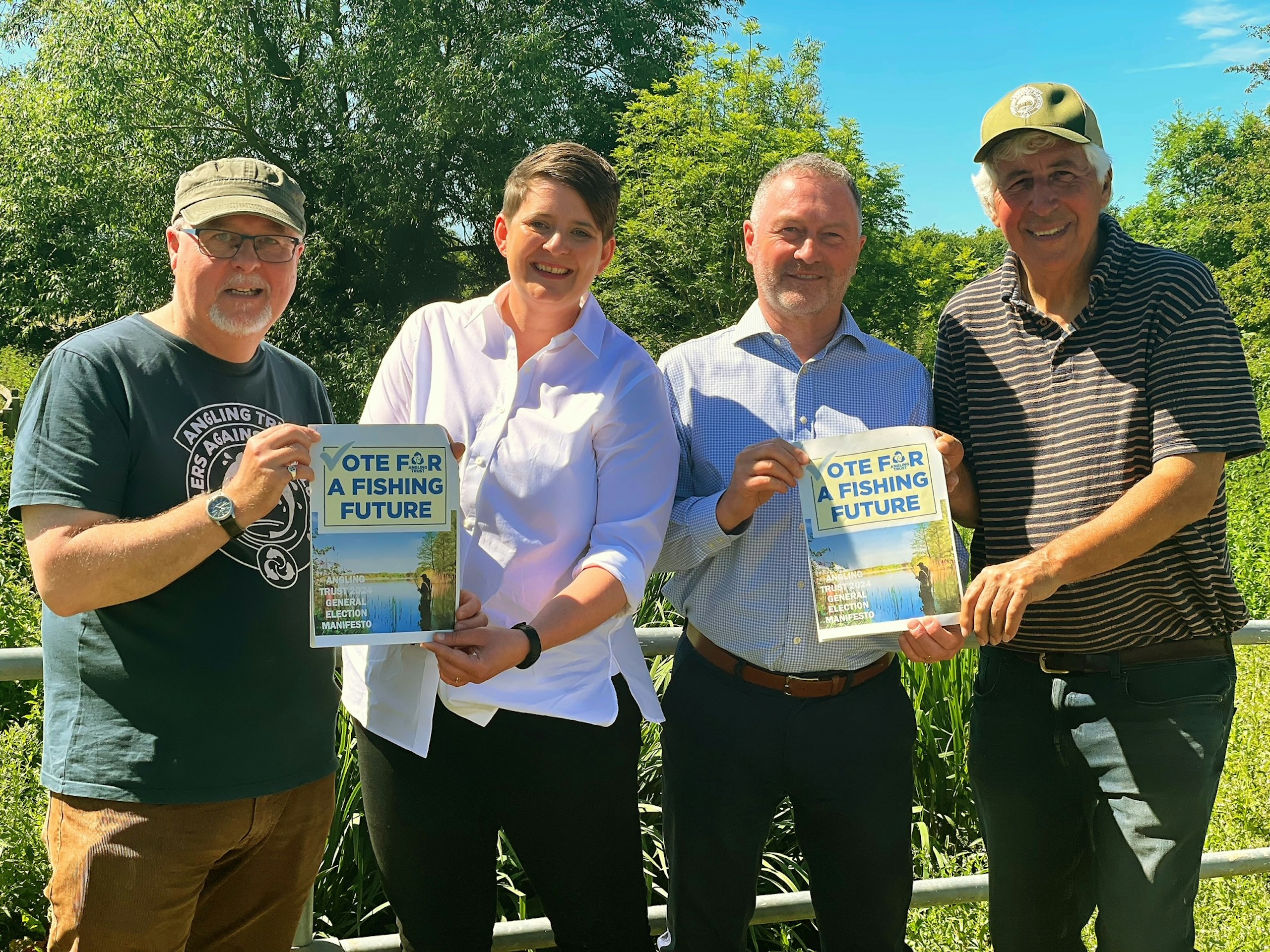
They had long worked in partnership with the local birdwatching community on habitat improvement and site management, a relationship that would prove crucial to the campaign. It took us less than two months to get the ban lifted. We organised a mass write-in to KWT and local MPs, enthusiastically embraced by anglers across the region and well covered in the media.
Backing from birdwatchers and other wildlife groups dismantled some of the more extreme anti-angling arguments and showed the value of building local partnerships. We’ve since developed positive relationships with Kent Wildlife Trust, who now include angling as a key pillar in their vision for the future.
The following year Nottinghamshire Wildlife Trust (NWT) suspended angling at the famous Attenborough Pits. By showcasing great work done by angling groups in the Colne Valley and elsewhere — where anglers and local wildlife trusts collaborate on habitat projects — we persuaded NWT of the value of keeping angling. We negotiated a joint statement allowing fishing to continue where appropriate and enabling local clubs to agree leases.
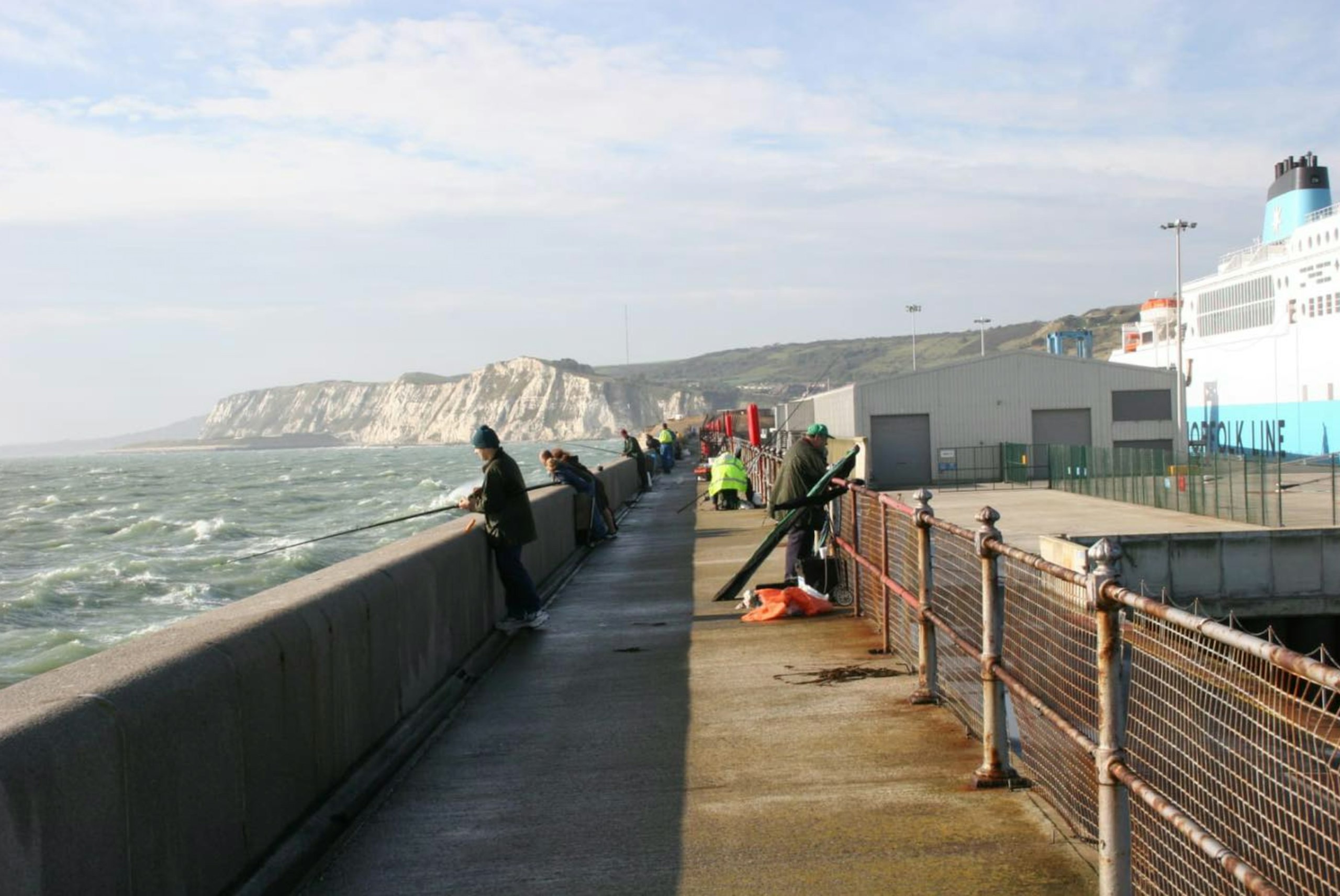
Sea anglers also faced a battle when the Dover Harbour Board cited “security concerns” to stop fishing on the iconic Admiralty Pier. Following a successful pilot scheme negotiated between the Board, the Angling Trust, and the Dover Sea Angling Association, local anglers can once again fish there through a simple membership scheme.
More recently, our campaign team has gone into battle on behalf of Clay Cross Angling Association, who were unfairly kicked off the Wingerworth Lido in Derbyshire after anti-angling voices persuaded the local council to turn this popular venue into a fishing-free “Biodiversity Hub”.
Every argument made by the ‘antis’ was carefully researched and rebutted in a comprehensive briefing sent to every single member of North East Derbyshire District Council. I’m pleased to say those efforts — alongside the work of other campaigners — appear to have paid off, with the council leadership now committed to revisiting its decision.
Defending the pastime we all love is one of the most important things we do — and it’s why we need you as members of the Angling Trust and Fish Legal. There is strength in numbers.