- Home|
- News|
- News Stories
Beloved fishery at risk after ‘Eco’ housing cuts water
by Freddie Sandford |
Published on5th January 2026 at 1.07pm
Follow Angling Times on Google
A popular fishery is facing closure after an ‘eco-friendly’ housing development cut off its water supply – and legal experts are now warning that other venues could soon face similar issues.
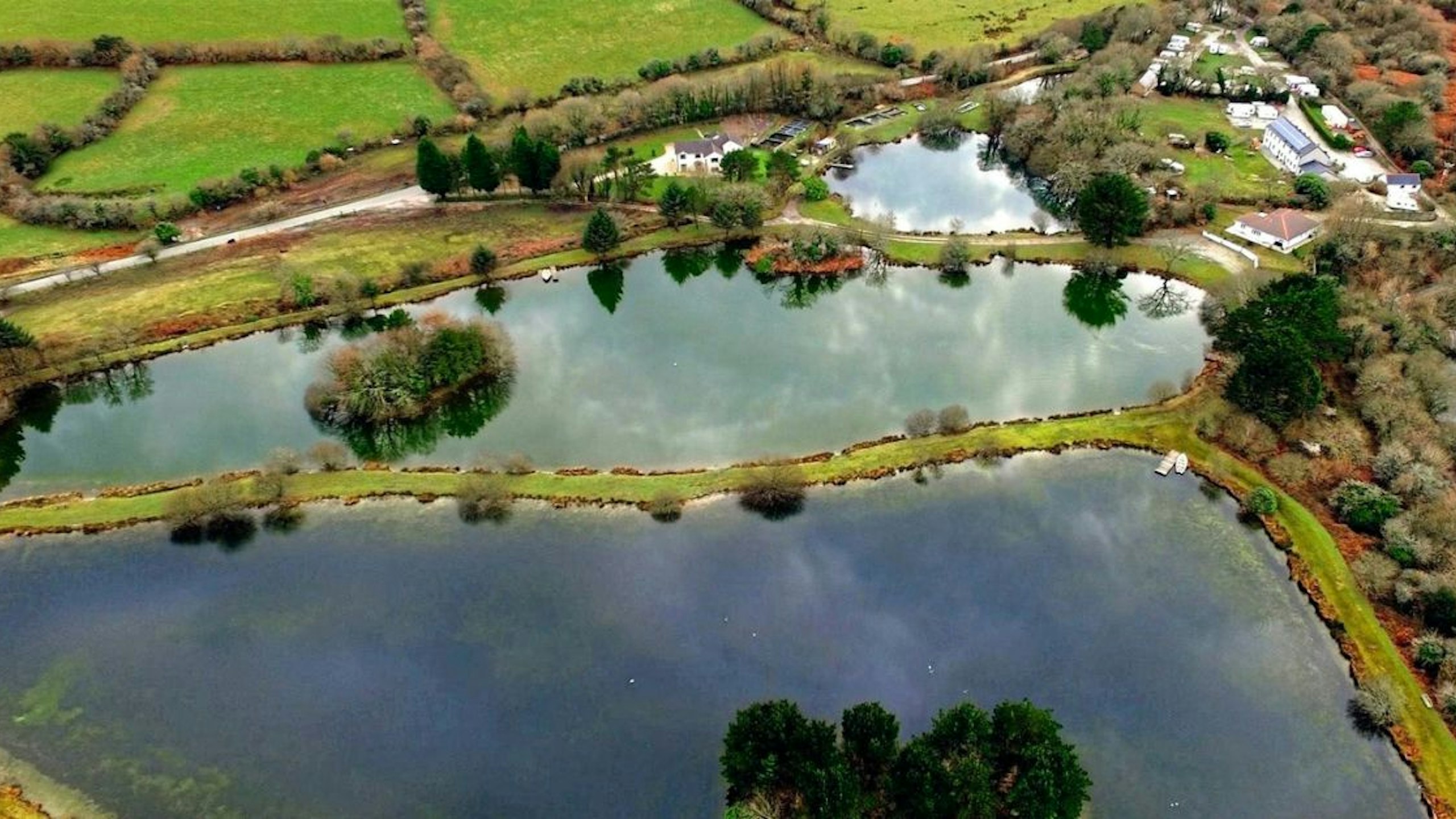
Innis Fishery, in Cornwall, is a renowned trout water, having hosted national and international events since it opened 50 years ago.
The site relied on a historic spring-derived flow that reached the lakes through a pipe running beneath the Carbis Road, near the fishery. However, during early construction works for West Carclaze Garden Village in Saint Austell, that pipe was cut off and diverted by the development’s groundworks.
Freedom of Information material obtained by solicitors at Fish Legal indicates that the developers – foreign-owned company EcoBos and Cornwall Council – were aware of the issue, yet did nothing to address it.
Given the national drive to build more homes, Fish Legal believe this case serves as a stark ‘warning’ of just what can happen when environmental protection measures are neglected.
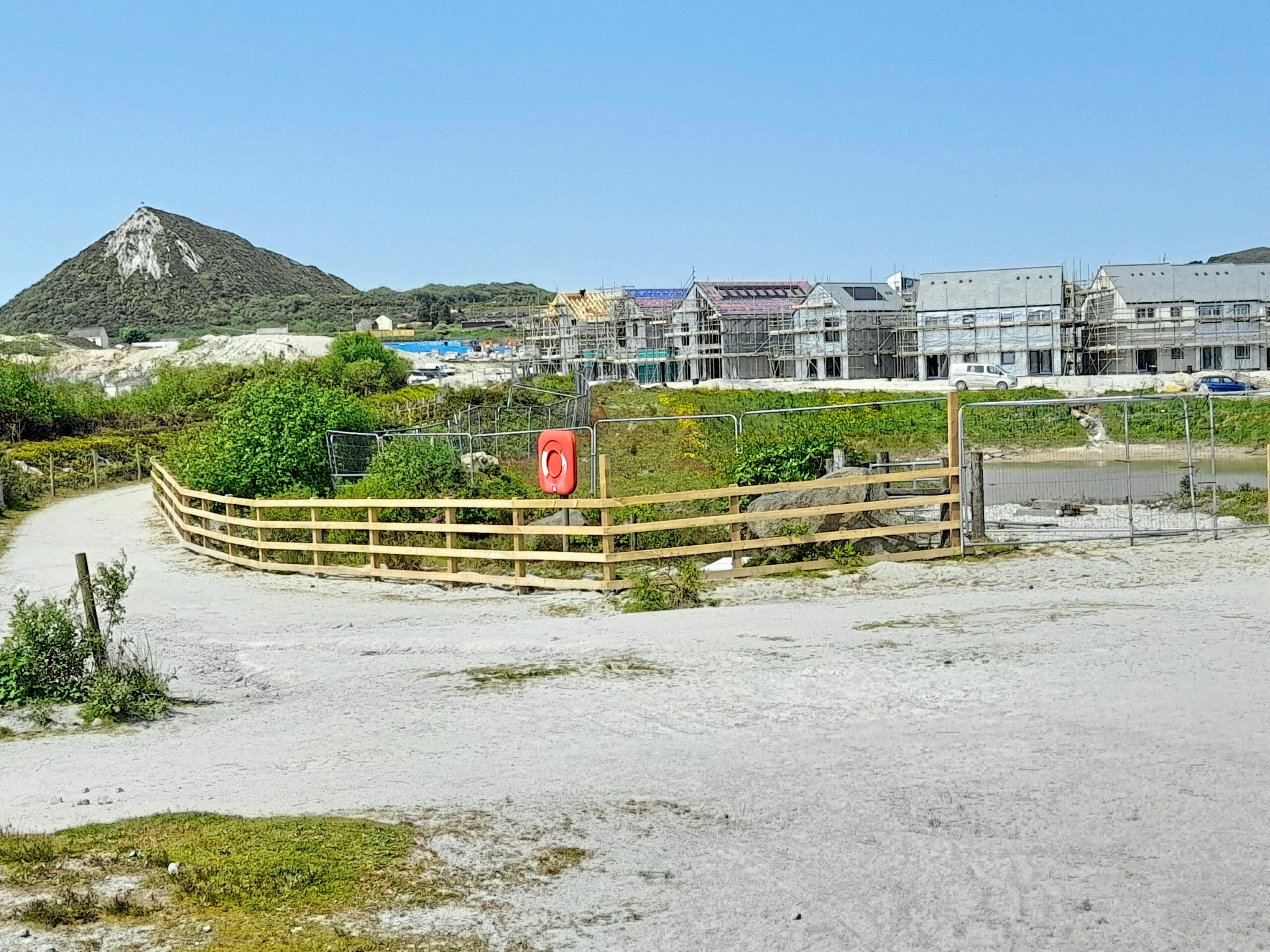
The so-called ‘eco’ development responsible for the issues.
A bleak future
Innis Fishery’s stocks are self-sustained by an on-site trout farm, from which all the fish reared are put into its four lakes. However, since the decline of its water supply, the fishery can’t now rear enough fish to supply all the lakes.
They’ve also suffered oxygen crashes, causing fish kills. As a result, owner David Johns has had to close one of the lakes and abandon some of his rearing ponds.
“It’s having a financial impact and the future looks bleak,” he revealed. “We can’t carry on as we are – the business isn’t viable in its current state. I was 18 when the fishery was opened by me and my father, but 50 years later I’m seeing all our work destroyed by developers that won’t even talk to us. All they’re interested in is making money.”
David added: “When developments were proposed, a main reason they were permitted was because of the eco-friendly basis. Yet they’ve destroyed our ecosystem here.”
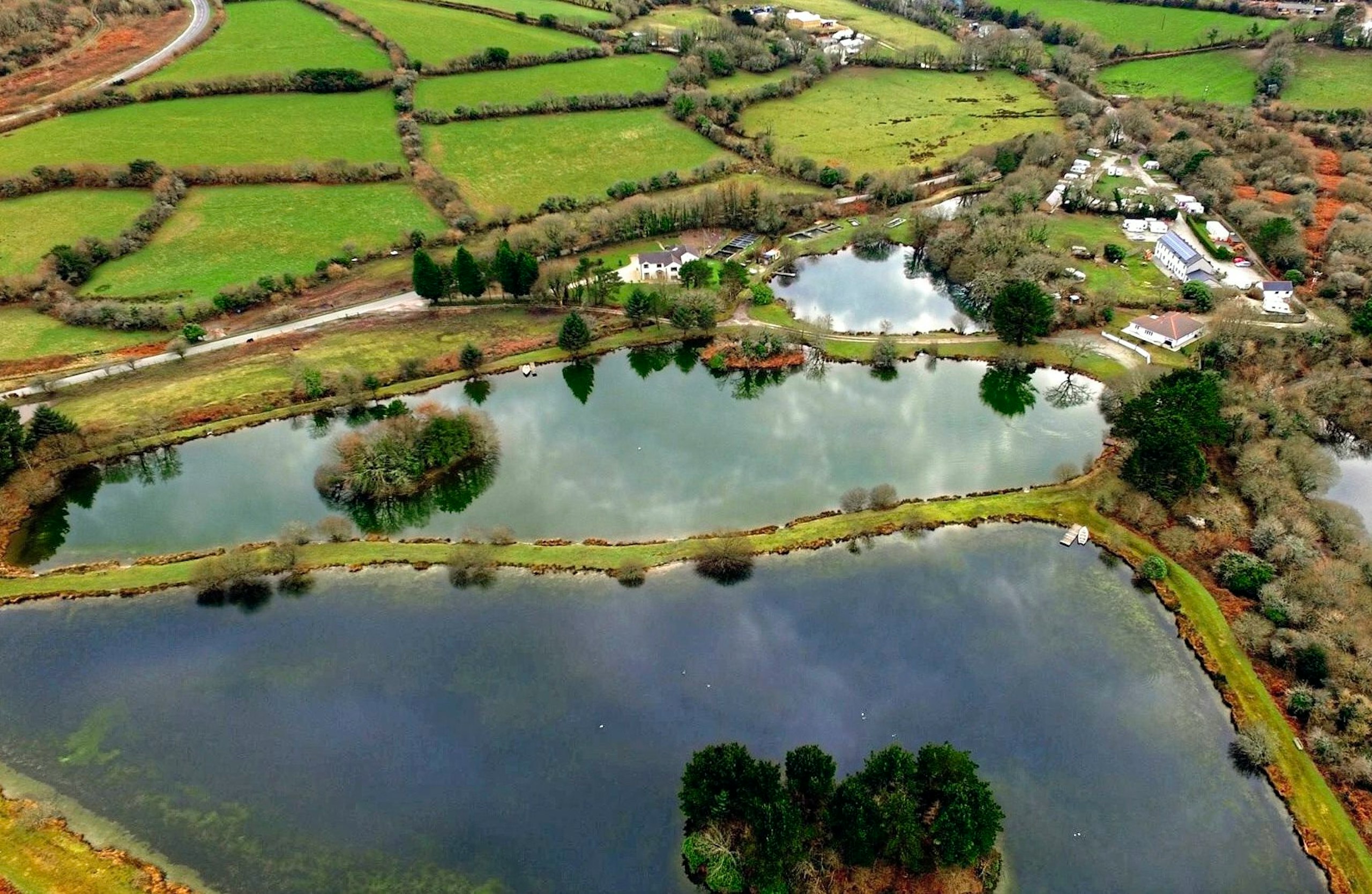
Innis is well known in the fly fishing world.
Stonewall silence
In late 2020, David asked Fish Legal to assess whether he had a possible claim. The latter obtained expert evidence from hydrologist Dr Steve Buss, who proposed a simple and relatively low-cost remedy to the water flow issue by diverting resource from a lake on the development site.
“We believe EcoBos could quite easily provide a new flow source which would supply the equivalent of what’s been lost, but they won’t communicate with us,” said Fish Legal solicitor, Andrew Kelton.
Cornwall Council also have a role to play in this case, as Andrew explained. “Councils are regulators of small streams, which is what we’re dealing with here, and they were very much involved with this housing development.
“Their role is to prevent changes to small watercourses that could have harmful effects. We know, through a Freedom of Information Act, that they and EcoBos did a site visit when the groundworks were being done, but nothing came of the inspection, despite them looking at a critical flow situation.
“The council still has the powers to change this situation, but whether it will use them, I don’t know.”
National significance
Fish Legal’s Head of Policy and Strategy, Zoe Wedderburn-Day, believes that, as more houses are built, fisheries and angling clubs could find themselves in a similar situation to that of Innis.
“This is not an isolated dispute. It is a warning about what can happen as house building accelerates if water and environmental safeguards are treated as secondary concerns,” she said.
“Small water sources such as springs and baseflows are often invisible in policy debates, yet they are critical to fisheries and rivers, as well as local livelihoods.
“At Innis, a development promoted as environmentally responsible went ahead without safeguarding a spring that had fed a neighbouring fishery for decades. The result has been harm to a long-established local business and a constant risk that the fishery could be lost altogether.”
Zoe emphasised that the lesson from this case is not that housebuilding should stop, but that developers must be honest about their impacts and be accountable for them.
“Weakening environmental protections does not create a win-win outcome,” she said. “It shifts the cost on to local communities, fisheries and rivers that have no effective voice once the damage is done. If environmentally branded developments cannot be trusted to safeguard basic water flows, and if local authorities do not act when those safeguards fail, confidence in the planning system will continue to erode.
Enjoying this article?
Subscribe to Angling Times for expert fishing tips, tackle reviews, and the latest angling news delivered straight to your door. Whether you're into coarse, carp, or match fishing, we’ve got the stories, advice and inspiration to keep you hooked.
Click here to see our latest subscription offers!

Just so you know, we may receive a commission or other compensation from the links on this website - read why you should trust us