- Home|
- News|
- News Stories
If anglers want change, evidence on cormorants is essential
Cormorants are a problem every angler recognises, but control in England is driven by evidence, not opinion.
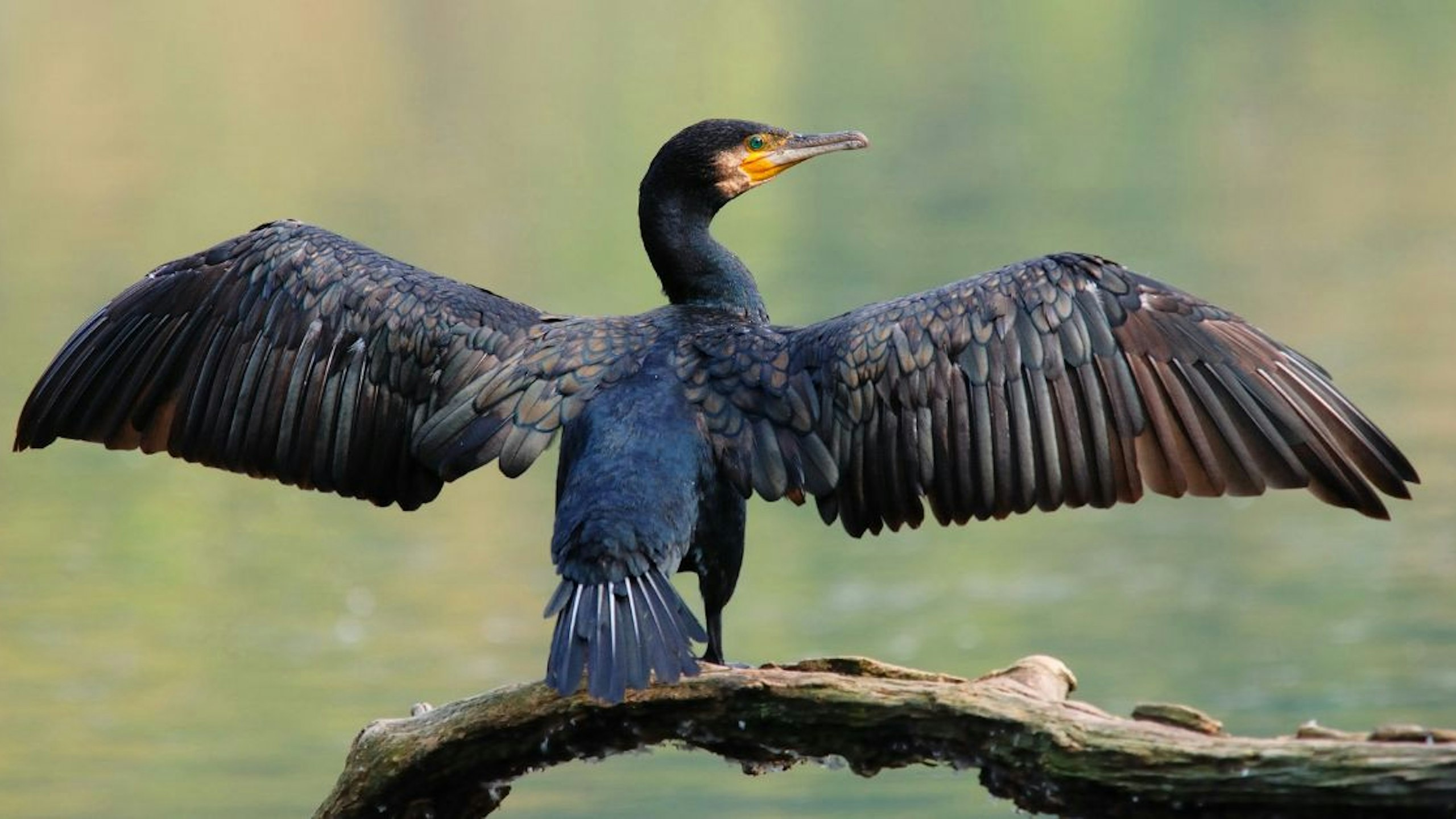
@© Jake Davoile
by Freddie Sandford |
Updated on13th February 2026 at 11.28am
Follow Angling Times on Google
New software that allows sightings of cormorants to be accurately logged has just gone live, and it’s hoped that the statistics gathered will help to steer policy reform. Over recent years, anglers have become increasingly worried about rising cormorant numbers. It’s estimated that up to 70,000 birds make up the UK inland population, with just 10-18 per cent believed to be native. The bulk are the migratory European sub-species, P. c. sinensis, that overwinters in the UK. As every adult cormorant consumes approximately 1lb of fish daily, it’s easy to see why concern is rife among anglers and fishery owners alike.
One problem they face in proving the birds’ impact is a lack of robust data – claims by anglers on cormorant impacts are seen as ‘anecdotal’, which regulatory bodies like Natural England reject. However, the new system, created by the Hydroscape-Group, intends to change that by generating meaningful stats that give a true reflection of the scale of the cormorant issue, as well as using the platform for educational purposes.
Although an independent company, the software has been set up by Peterborough & District Angling Association (P&DAA), which last year was successful in relocating seals that had decimated fish stocks on its waters. Its head of fisheries, Olly Rodgers, is spearheading the new business, alongside Rob Harris, the club’s chairman.
REPORT ANY SIGHTINGS USING THE HYDROSCAPE-GROUPS REPORTING TOOL.
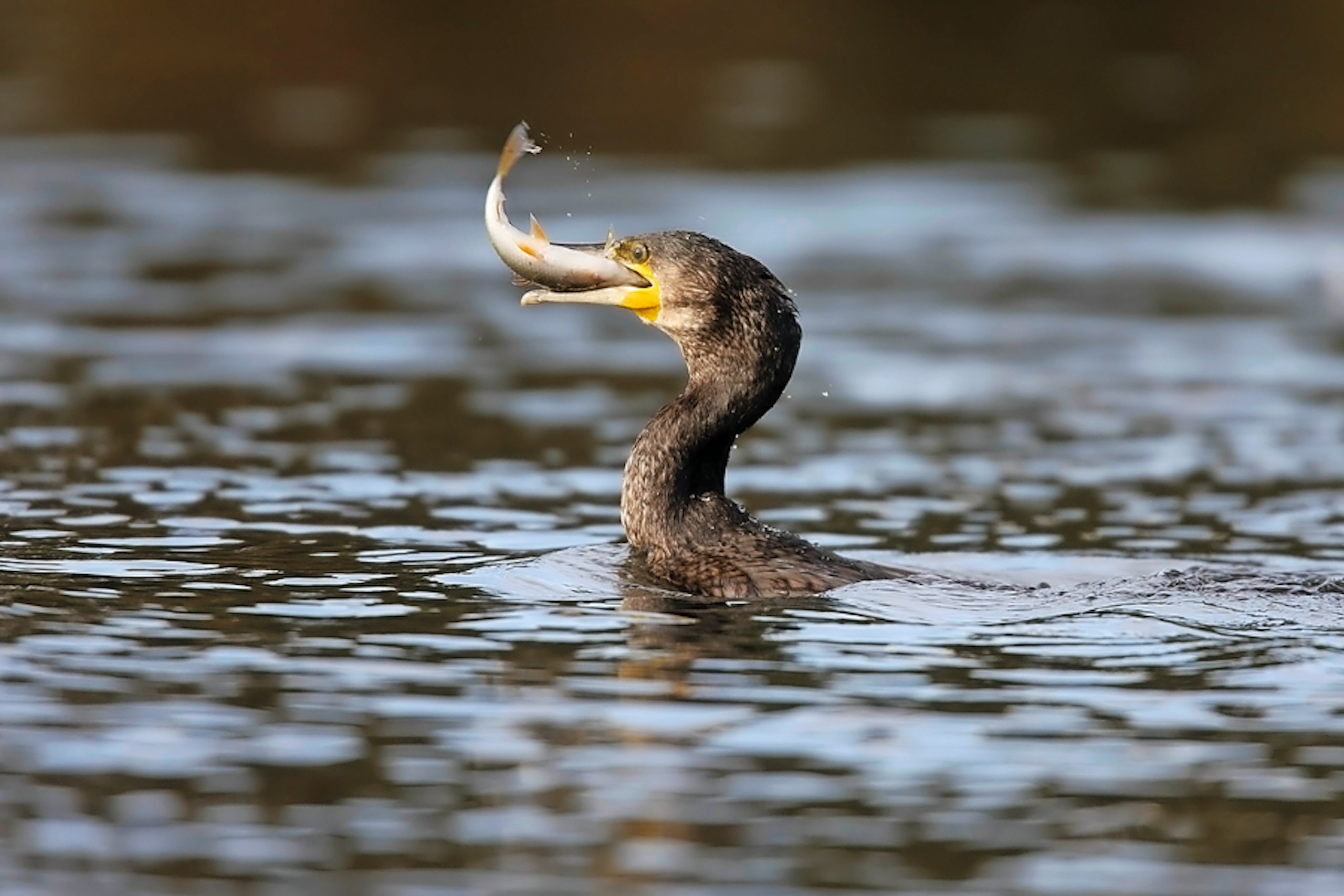
A sight as anglers we don't like to see.
The scale of the problem
The system can be accessed online or as a mobile phone app, and is incredibly easy to use. Sightings can be logged in moments, with great accuracy. Within 24 hours of it being launched, nearly 10,000 birds had been logged, and while that’s a good start, Rob knows that a continuous stream of data is required to drive any sort of long-term change.
“The problem is beyond sustainable,” he told us. “If we take the estimated 70,000 cormorants overwintering in the UK and say that they were only here for six months, eating 1lb of fish each per day, that would be over 12 million pounds of fish being consumed per winter.
“The team at the Environment Agency’s Calverton Fish Farm do a fantastic job, but at maximum capacity, they can produce 200,000lb of fish per year. That, sadly, doesn’t come close to filling the hole that cormorants have made in our fish population. It’s got to the stage where enough is enough – it’s time for anglers to act.”
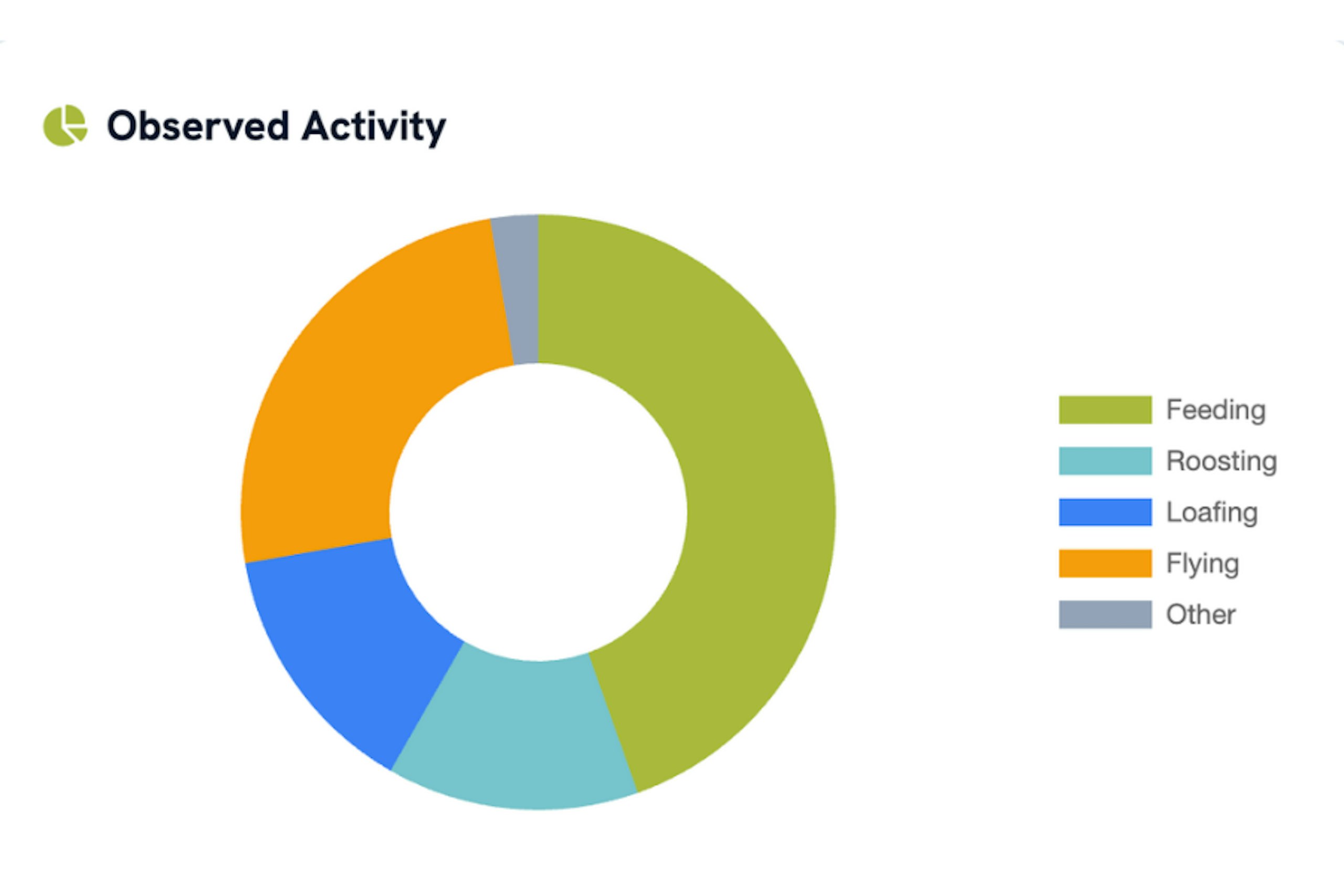
App users have reported 'feeding' behaviour 44% of the time. (As of 06/02/26 - 2 days data collection).
Angler action required
Rob’s frustration is that, as anglers, we are letting this happen, but he hopes that if people engage with the mapping system, change will take place. “This software is positive for anglers – rather than ranting about predation on social media, which achieves nothing, it allows us to make a meaningful impact by gathering data,” he said.
“All data gathered is transparent and is accessed free, with sightings visible on a heatmap. If fisheries or clubs want to see specific reports on their waters, they can contact us and we’ll send them the stats. The software is designed by anglers, for anglers, and is available in multiple languages. Sightings across the world can be logged on it, too.”
Additionally, the Hydroscape-Group is helping fisheries and clubs apply for licences to use lethal action against cormorants. “There’s a 3,000-bird limit per year on the legal licence, which has been the same since 2005. Not once has that limit been hit,” Rob revealed. “As most licences holders are allowed to kill two or three birds, many fisheries don’t see the point in going through the hassle of getting one.
“However, until the 3,000-bird limit is hit, we don’t have grounds to push for change with the authorities. So, we are, for a fee, helping with applications for anyone that needs one.”
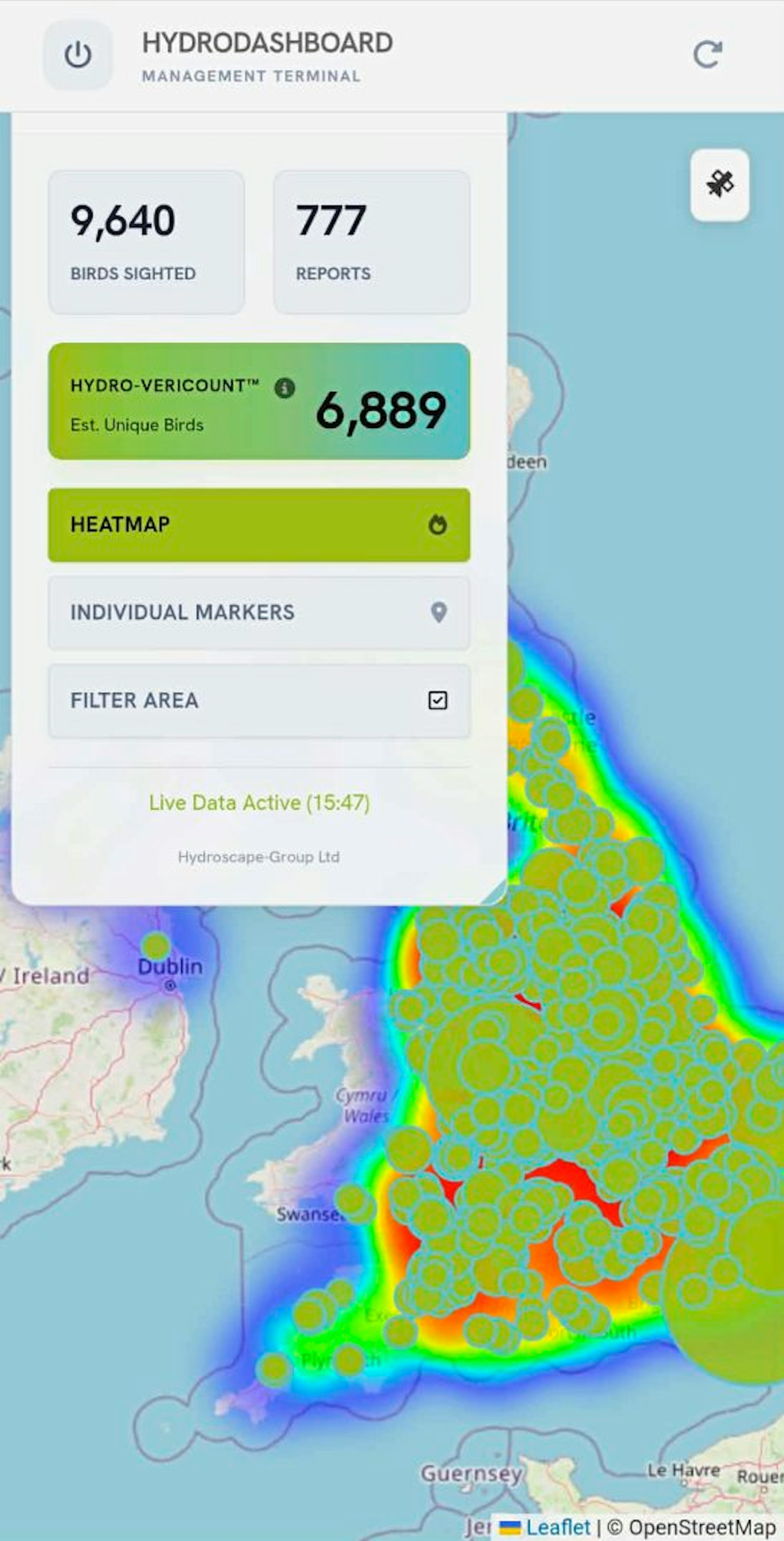
Screenshot
Long-term aims
The ambition isn’t just lethal action against cormorants. The group also funds research into acoustic deterrents with the same company that used such devices to rescue seals on the River Nene.
“We want a change in policy and attitude towards cormorants from the authorities,” Rob told us. “With a bed of data, we can push for this. We’ve shown the system to Natural England, the regulator on cormorant control, and it was initially impressed. Numerous wildlife groups have also contacted us, interested in using the same system to log other animals, such as mink.
“What we need now is support from as many anglers as possible. The more data we have, the better the chance of making a difference. The cormorant issue isn’t going away unless we do something,” Rob added. “Everyone saw what we at P&DAA achieved with the seals last year. No one thought that would happen and we were told we didn’t stand a chance.
“But with driven, passionate people like Olly helping lead the way, watch what we achieve with cormorants!”
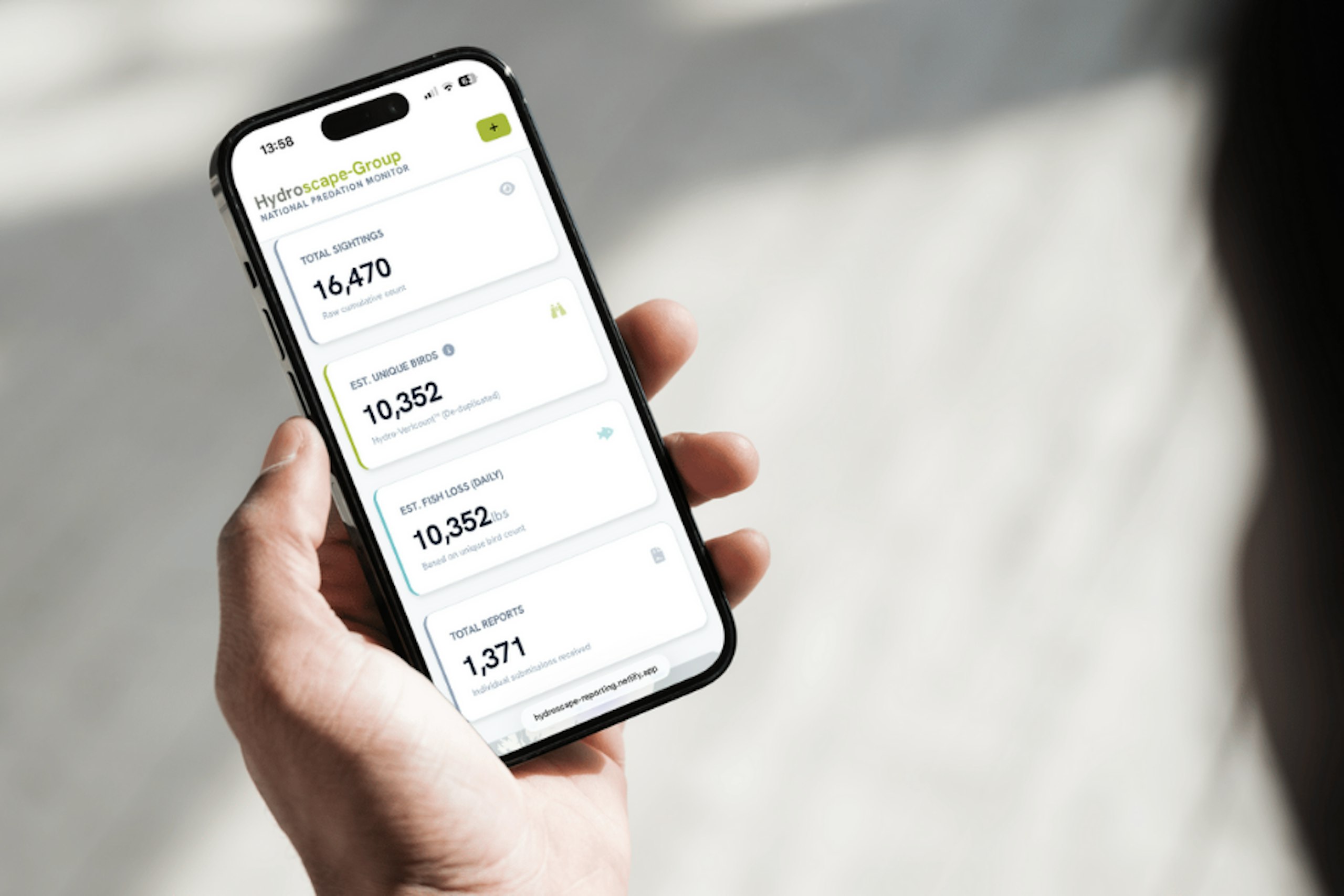
The app gives 'live' data.
Ensuring accuracy
To avoid false reports, the system has a trademarked algorithm designed to address the ‘observer inflation’ anomaly, where multiple independent observers report the same bird, resulting in invalid population calculations.
Additionally, inflated reports are being analysed with AI technology, to rule out gross anomalies or obvious lies, such as if someone submitted a report saying they’d seen ‘a million’ birds.
Report!
To report a cormorant sighting, visit www.hydroscape-group.co.uk.
For advice on applying for a general licence, contact info@hydroscape-group.co.uk
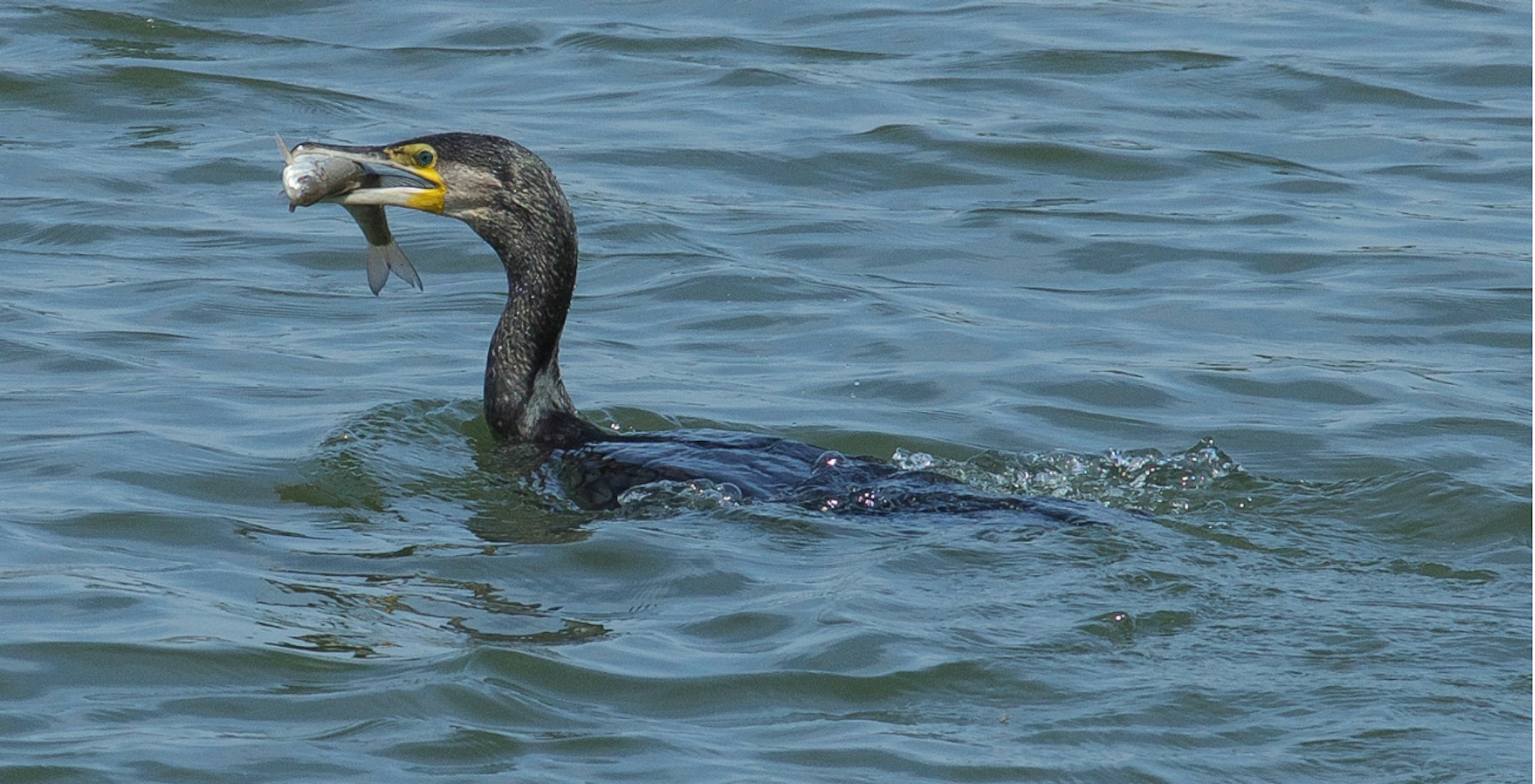
It takes two minutes on the bank
If you care about fish stocks and fisheries, this is one of the few actions that genuinely scales.
Take a couple of minutes and report every cormorant you see, not just the ones that ruin your session. Log the number as accurately as you can. Tag the behaviour honestly. Feeding isn’t flying, and if you’re unsure, don’t guess.
Thousands of accurate reports, across venues and seasons, build the kind of foundation that supports real, defensible action.
Just so you know, we may receive a commission or other compensation from the links on this website - read why you should trust us