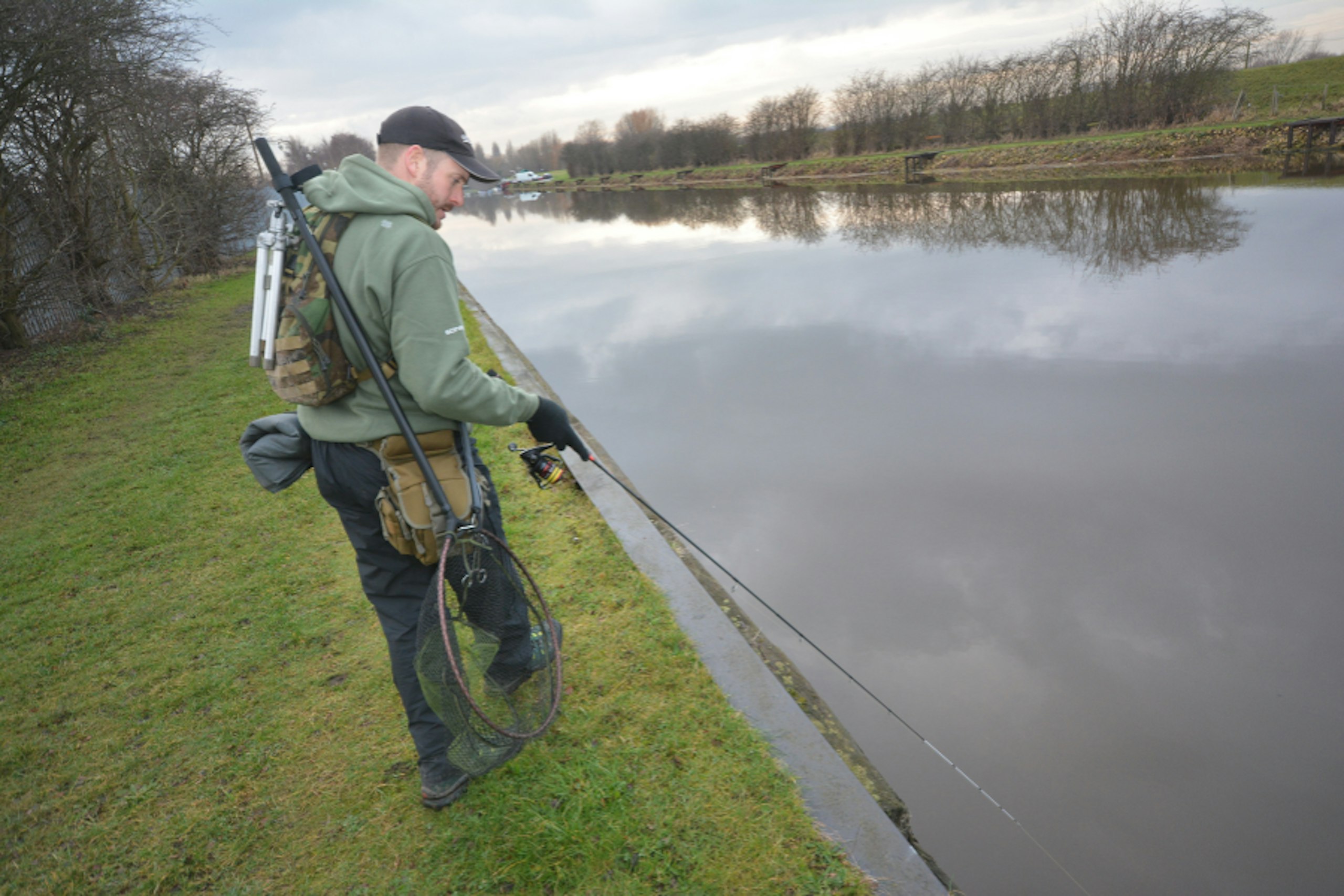
Perch are one of the few species that feed well all year-round. Even on the coldest of days, there’s a chance of catching a few if you get your location and tactics right.
Lure fishing is perfect for this time of year. Theres no need to lug mountains of kit around and even if you only have a few hours to spare you can quickly cover a lot of water and hopefully track down a big stripey of two, while keeping warm!
WANT TO START LURE FISHING? OUR BEGINNERS GUIDE TO LURE FISHING WILL GET YOU STARTED.
Find the prey fish
First and foremost, perch are predators. So whether you’re fishing on a river, canal or stillwater, they will predominantly be close to where the prey fish are. Most of my winter lure fishing is done on my local rivers and canals in Yorkshire. On running water I like to look for big bends in the river.
Water levels fluctuate a lot in winter and, as such, prey fish like to inhabit areas like this where they can find slack water easily.
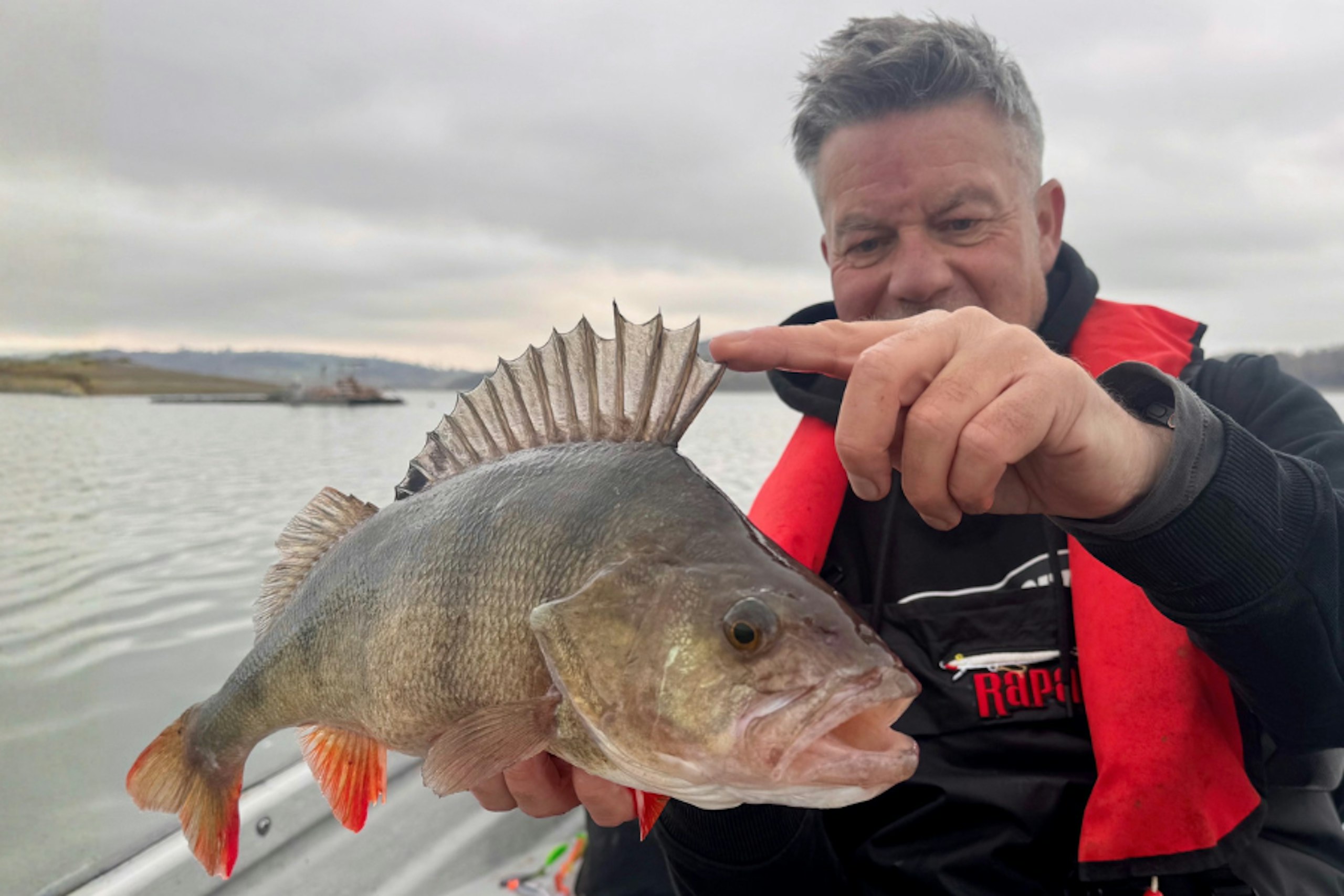
On canals, structures such as locks, overflows, moored boats (especially permanent ones) and bridges are all good starting points and features that are likely to hold a few decent perch.
Knowing when to stay put in an area or move is something which really comes down to experience. Generally speaking, though, if I’m fishing a venue that I know well and I’m confident that perch should be in the area, I’ll tend to stay put.
‘Feeding windows’ can be extremely short in winter and a swim can appear lifeless for hours before suddenly just switching on. I don’t think it’s the case that the perch weren’t there earlier, more that they just didn’t want to feed for whatever reason.
On the other hand, if I’m fishing a venue I’m less familiar with, I’ll be more inclined to stay mobile and explore different areas until I start getting signs of fish.
CHECK OUT OUR PICK OF THE BEST LURE FISHING RODS.
Don’t go too small
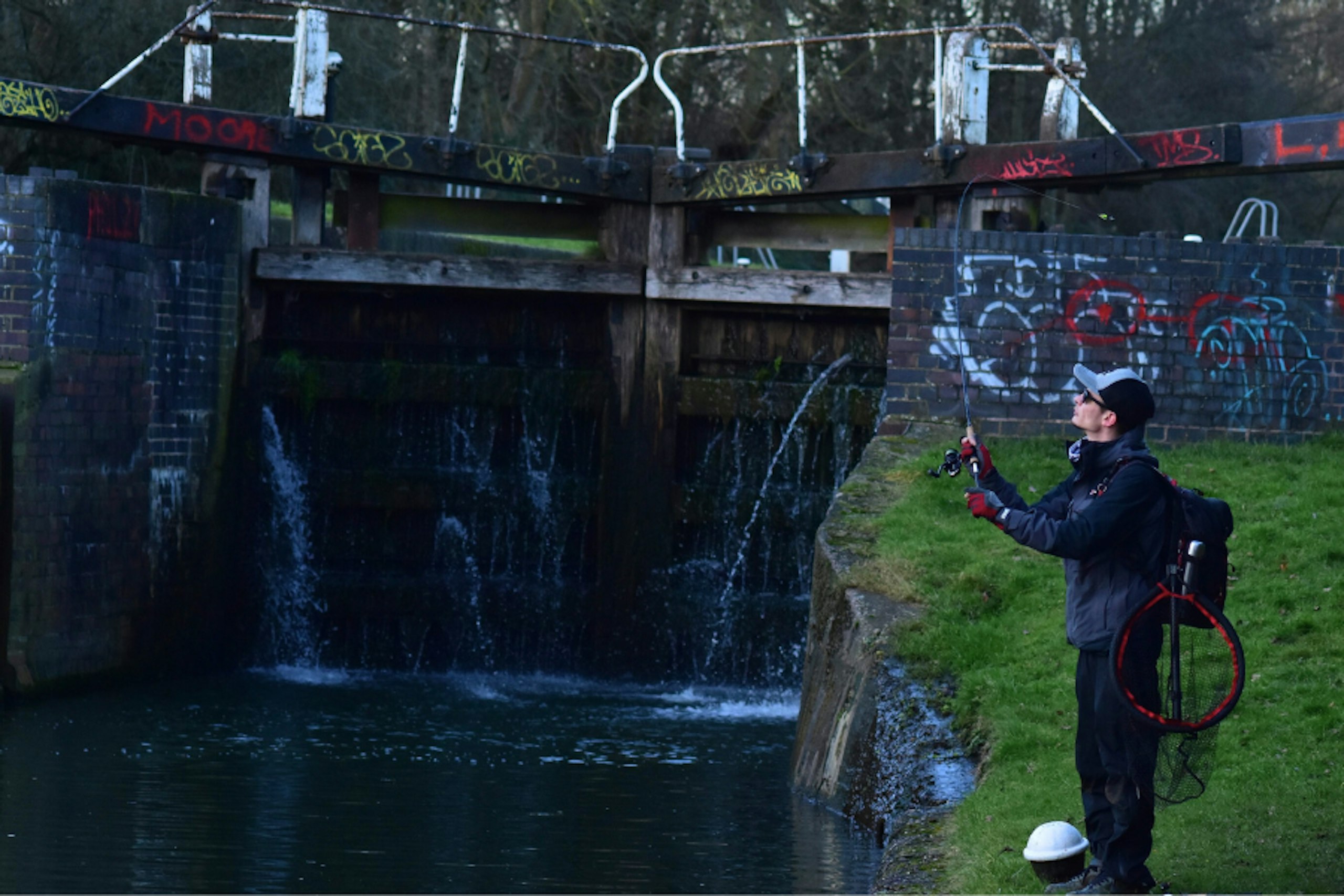
While I’m happy to be catching, when I go perch fishing I am generally trying to target the bigger fish. And although a lot of people like to scale things down in winter, I’ve often found that if I’m scratching for bite that a bigger lure can generate more interest than a smaller one. This is possibly because it represents a more substantial meal for the size of perch I’m targeting than a tiny little lure does.
I’ll often start my session with a 4ins (12cm) lure, or a 3ins one if drop shotting, and see how things progress. I’ve lost count of how many times I’ve caught perch that are actually smaller than the lure I’m using, so I’m certainly not worried about a slightly larger lure costing me bites!
THE BEST LURES FOR PERCH FISHING ARE IN THIS BUYERS GUIDE.
Colour choices
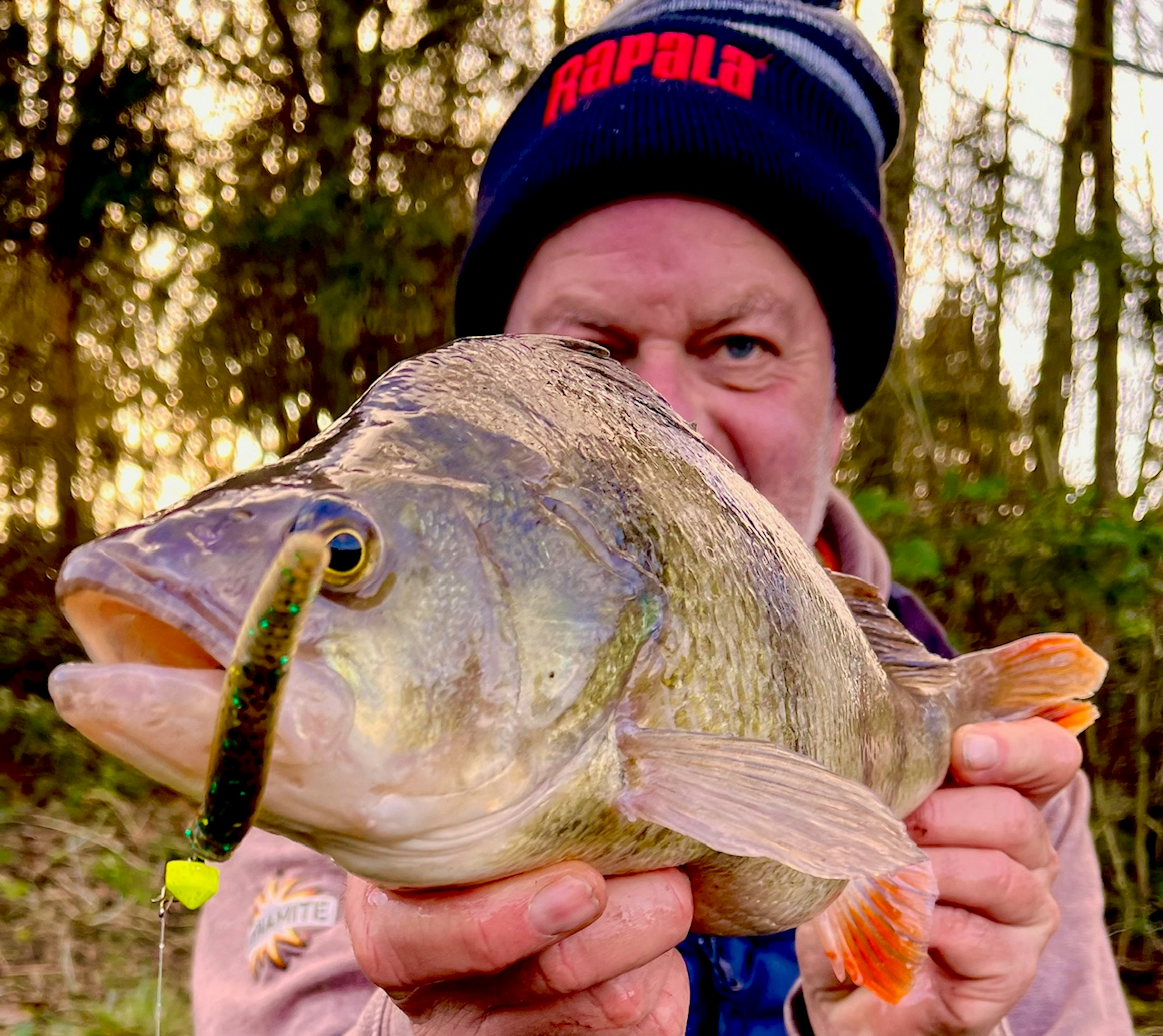
Another area which can cause a lot of confusion is lure colour. I like to keep things simple in this department and stick to three main types – dark, natural and then something brighter.
As a general rule, when faced with coloured water I’ll opt for a dark lure as these have a stronger silhouette in the conditions and are easier for perch to spot. On bright days I’ll start with a natural lure – something with a green/blue back and silver flanks which resembles a generic bait fish.
Finally, on dull days I’ll reach for a bright fire-tiger or pink lure. I’ve found pink to be a great option to have in your bag as on some days, for whatever reason, it can be the only colour that they’re interested in taking.
Perch won’t always follow the rulebook though, so don’t be afraid to experiment and try something different, even if it doesn’t match the conditions.
TAKE A LOOK AT THIS EXPERT GUIDE TO CHOOSE THE RIGHT LURE FOR PERCH FISHING.
Slow and steady
Perch are variable in how they feed. Some days they are more active and want to chase a bait, whereas on others they prefer a slower or even a static bait. At this time of year, however, it’s a good starting point to work on the theory that the colder the water is, the colder the fish, and therefore the less active they will be.
As a result my two main tactics are drop shotting and Ned rigs. The former is great when fishing tight to a feature, such as a moored boat, as you can keep your lure in the strike zone far longer. It’s also really easy to adjust the depth at which your lure is fishing, to find where the perch are sitting.
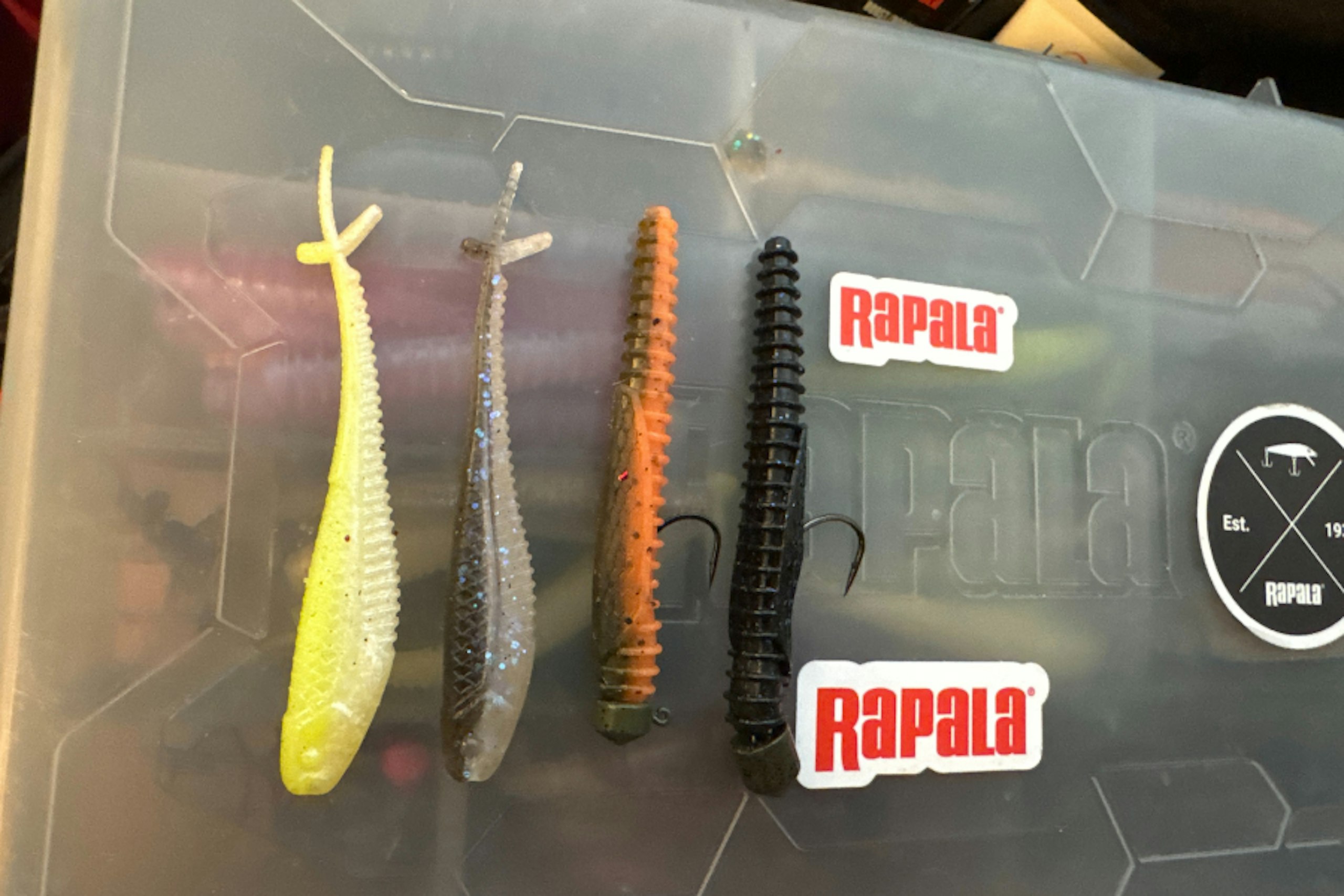
The colder it is, the closer to the bottom I’ll start – often just 10-15cm off the deck – and then keep adjusting it slightly until I start getting bites. My preferred pattern of lure for drop shotting is a Rapala CrushCity Stingman. This a pin tail style which you can generate a lot of action from with very little movement of the rod.
The Ned rig is another excellent ‘slow’ presentation. I reckon 75 per cent of the bites I get when fishing this style come while the bait is static. I think the movement of the lure grabs the perch’s attention but they certainly seem to prefer hitting it while it’s stationary.
It pays to experiment with how long you keep the lure still for and see if any patterns emerge. Some days you might only need to pause it for a second or two on the retrieve whereas on others you may need to hold it place for 30 seconds before a bite.
You need a buoyant lure when fishing Ned rigs and my two favourite patterns are the CrushCity Ned BLT and the new Mooch Minnow, which is due to be released in the coming months.
PERCH INHABIT URBAN CANALS AND RIVERS CHECK OUT THESE STREET FISHING TIPS.
The right kit
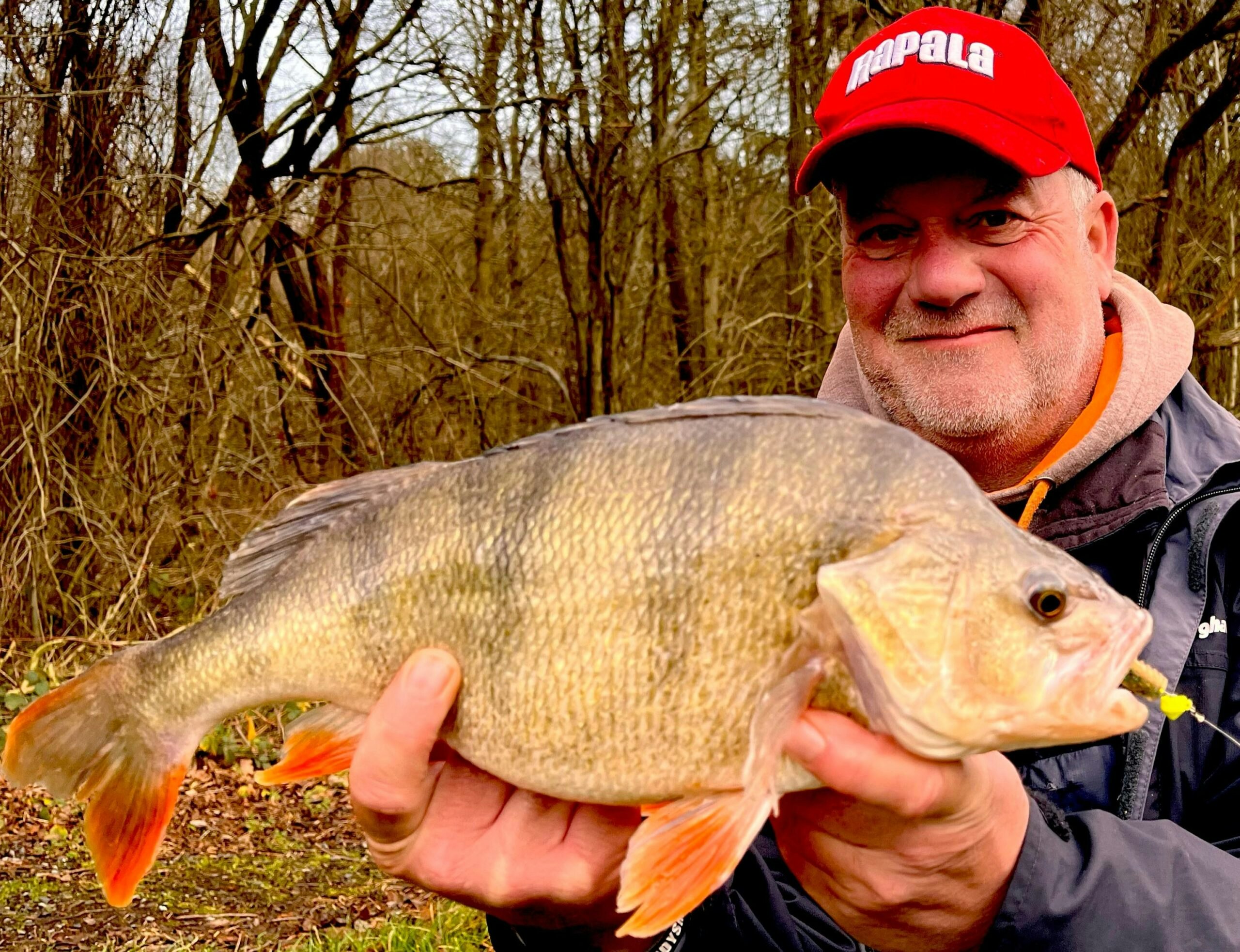
Nowadays there’s specific tackle available for almost every style of lure fishing, But if you’re after one rod that will cover you for the majority of light lure tactics, then you won’t go wrong with something like the 7ft Okuma Pyscho Stick in the 7g-21g rating. This is a great all-rounder with an extra fast action and is ideal for everything from drop shotting to jigging.
I pair mine with a lightweight 2500-sized Okuma ITX reel which is filled with 10lb or 12lb Sufix Nano Braid. A fluorocarbon leader is essential when lure fishing for perch, and when using ‘slower’ methods like drop shotting and Ned rigs I use 8lb Sufix Advance.
For ‘faster’ styles like retrieving weighted jig heads, I’d recommend upping the breaking strain to 12lb.
My hook size is matched to the 3ins and 4ins lures I use, with size 2 or 4 being my preferences. For Ned rigs, the VMC Swinging Ned Jigs are excellent, while for drop shotting I like a VMC Light Drop Shot pattern.
IN THIS BUYERS GUIDE WE HAVE PICKED THE BEST SPINNING REELS.
Add a scent boost
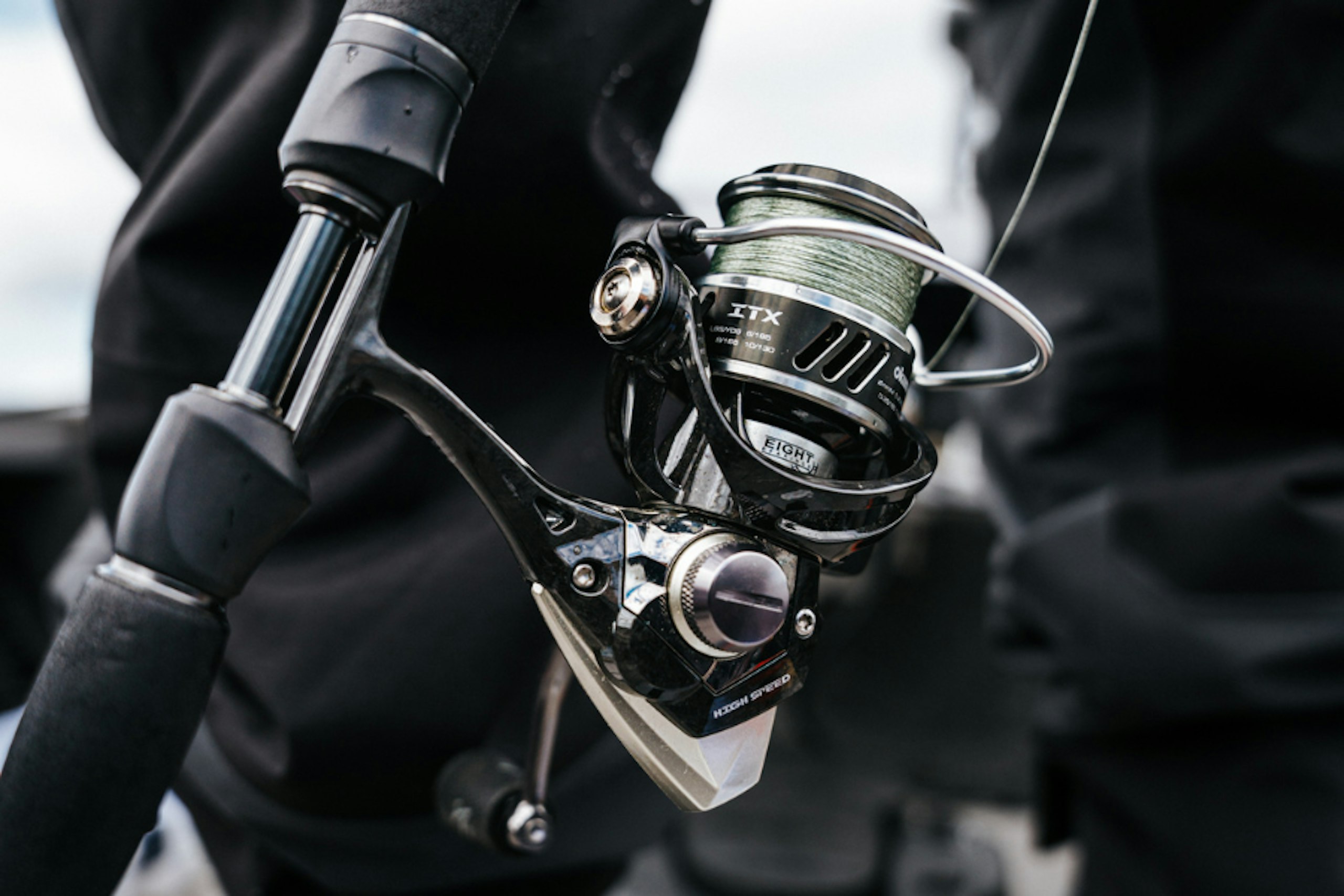
One thing I have a lot of confidence in is adding a smear of the CrushCity Boost to my lures. This gel has a really pungent ‘seafoody’ smell that slowly and consistently leaks off additional attraction into the swim. This can be a real edge when the water is coloured, and perch are having to rely on scent to find their food. It has sticky texture which helps it adhere to your lure and will remain on for multiple casts. In fact, I reckon a single tube of it lasts me pretty much all winter, even when fishing regularly.
Remain stealthy
One mistake I see a lot of anglers make is that they’ll automatically stand right at the front of their swim to cast and fish.
On canals in particular, the margins can be one of the biggest features – especially when they have a decent depth to them. And even if perch aren’t already in the margins, they will often follow a lure all the way to the bank before hitting it.
If you’re stood right by the edge of the water you can easily spook these fish.
It’s a much better practice to get into the habit of standing slightly back with just the tip of your rod over the water’s edge.
IN OUR WHERE TO FISH GUIDE FIND A VENUE TO CATCH PERCH ON LURES.