- Home|
- Advice|
- Tips
The Masterplan: Pile in the bait to spark a frenzy
Steve Winter reveals the secrets to keeping dace coming to the net all session long
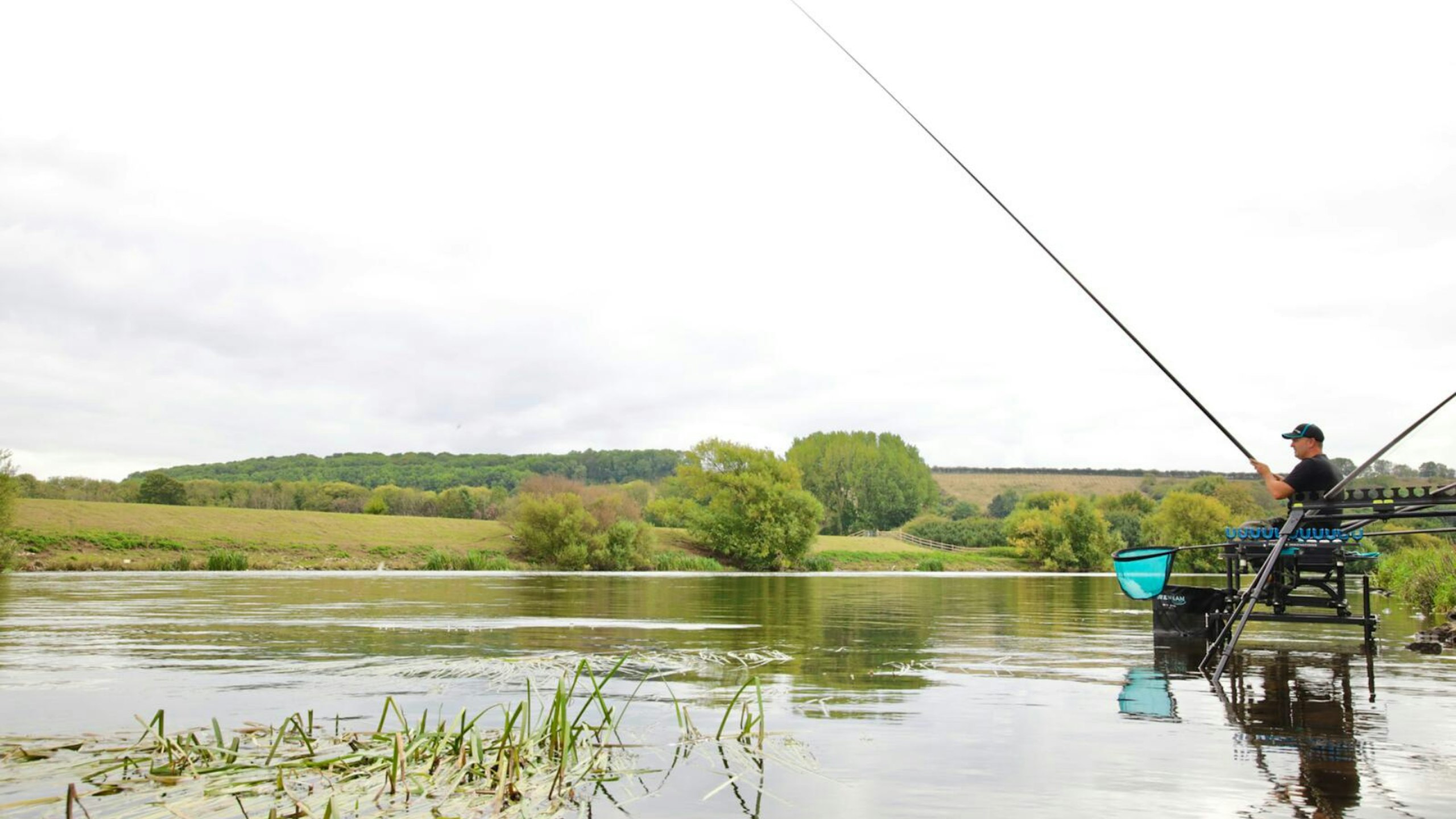
@Steve Winter
by angling-times |
Published on2nd October 2026 at 1.55am
Follow Angling Times on Google
When it comes to talking tactics on rivers, roach, dace and perch are often bundled into one category.
They are targeted with a generic silverfish approach, with little consideration given to their individual traits. This is undoubtedly a mistake, as each species behaves in a very particular way.
Roach are extremely fickle and can spot a hookbait acting unnaturally from a mile off, while perch are predatory, reacting to offerings and presentations that provide plenty of movement to trigger their instincts.When it comes to dace, they pack together in giant shoals, and once you’ve W executed a little finesse in the early stages of a session they will drop their guard. Bites can then come thick and fast on a slightly cruder set-up.
River fishing expert Steve Winter is fully in tune with the differences between these three popular species, and when it comes to dace, he’s refined a simple approach that rarely if ever fails.
“The River Trent is one of my favourite venues, and it’s absolutely packed with dace,” explained Steve.
“They may be quite small, but you can get them feeding to a point where you catch one every run through on the pole, leading to a keepnet full of them by the end of the day.”
Stage 1: Start with a bombardment
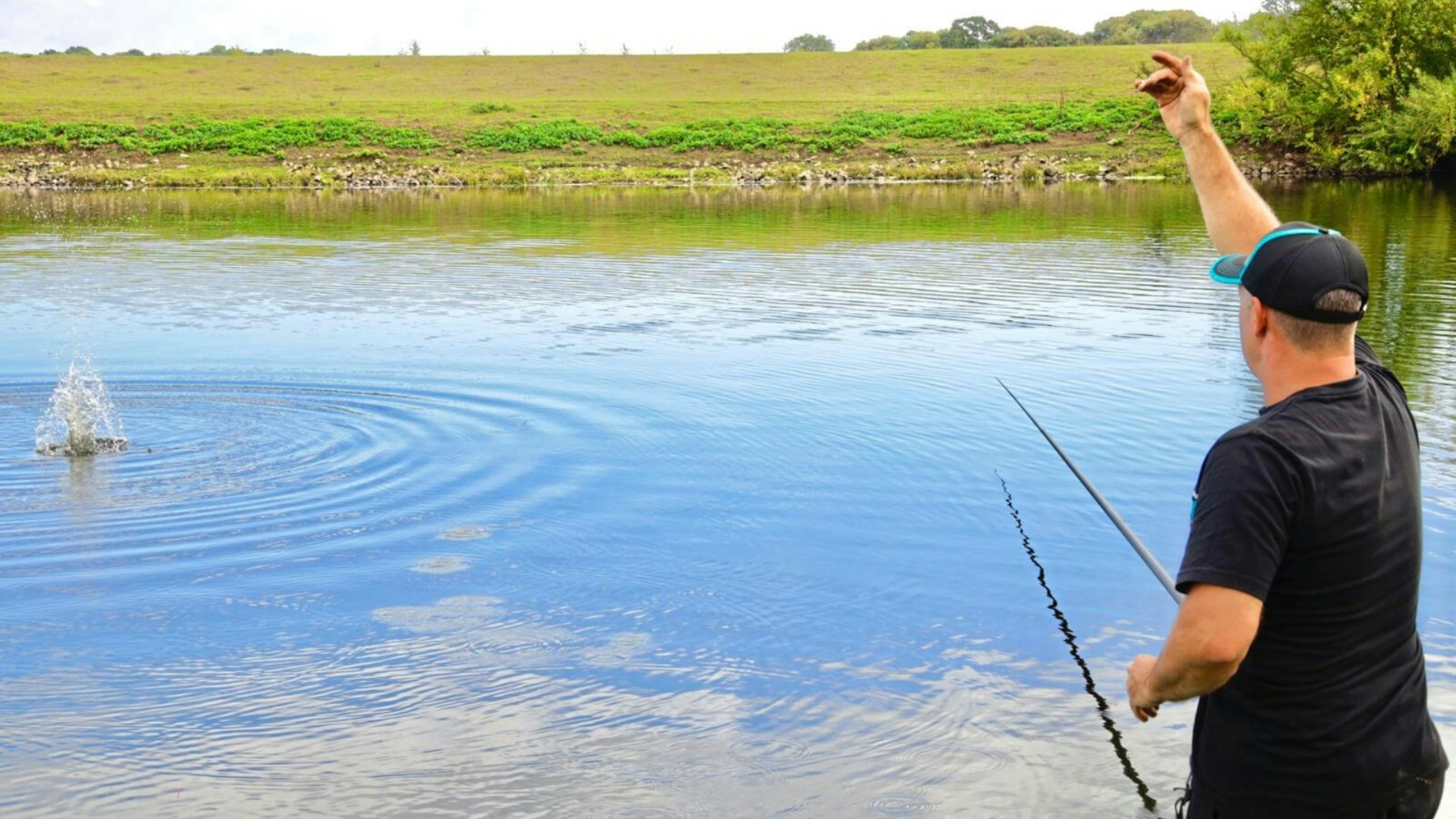
Introduce your groundbait slightly downstream. © Steve Winters
“You'll be running your rig over the same line all day, and while loosefeeding will be key, you need to create a central area to focus the fish in.
“Putting down a bed of groundbait does this, and I introduce eight large balls of Van Den Eynde Black Turbo at the start, with a handful of casters going inside each. “I select an area to fish – which must be in the flow, as this is where the dace are most comfortable – and place my pole in the rests.
“I’ll then feed the balls by hand downstream of where the pole-tip is pointing. The groundbait needs to go in where the rig would sit up and settle properly if it were laid in directly in front of you. The idea is that the hookbait will just be settling close to the bottom where the fish are congregated. Once they spot it, a bite will follow almost instantly.
“If the swim dies, or the stamp drops off drastically during a session, I’ll think nothing of putting another four balls in. The noise is an attractant and helps get the shoal grouped tightly.”
Stage 2: Use two rigs
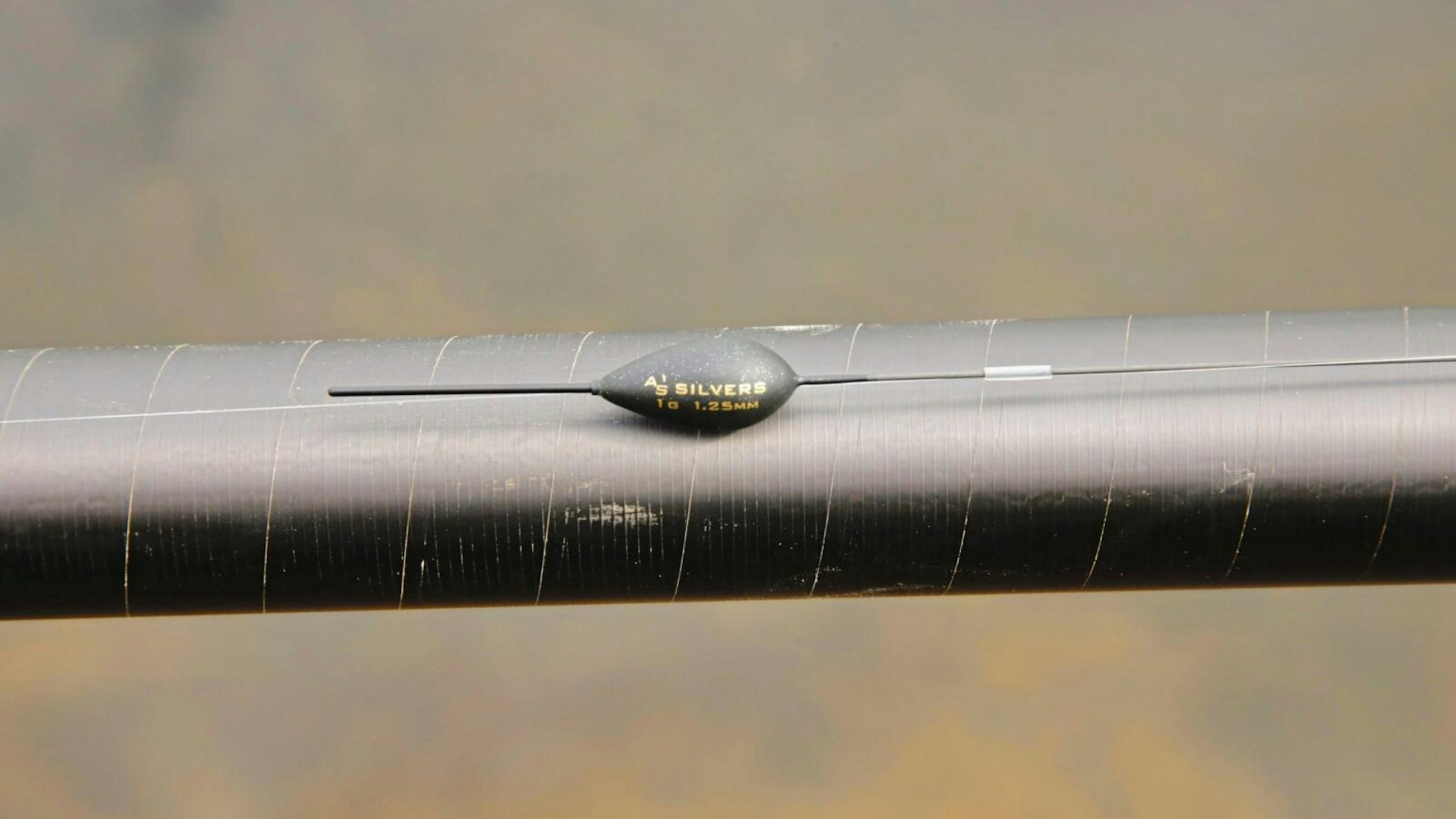
A Drennan AS1 float is used for fishing on the bottom. © Steve Winter
“I'll start off fishing close to the bottom, allowing my rig to run through and almost trip the gravel.
“I use a 1g Drennan Silverfish AS1 float shotted with an olivette 18ins from the hook and three droppers below. My elastic is a grade 9-11 Drennan Power Pull that lets me swing fish to hand.
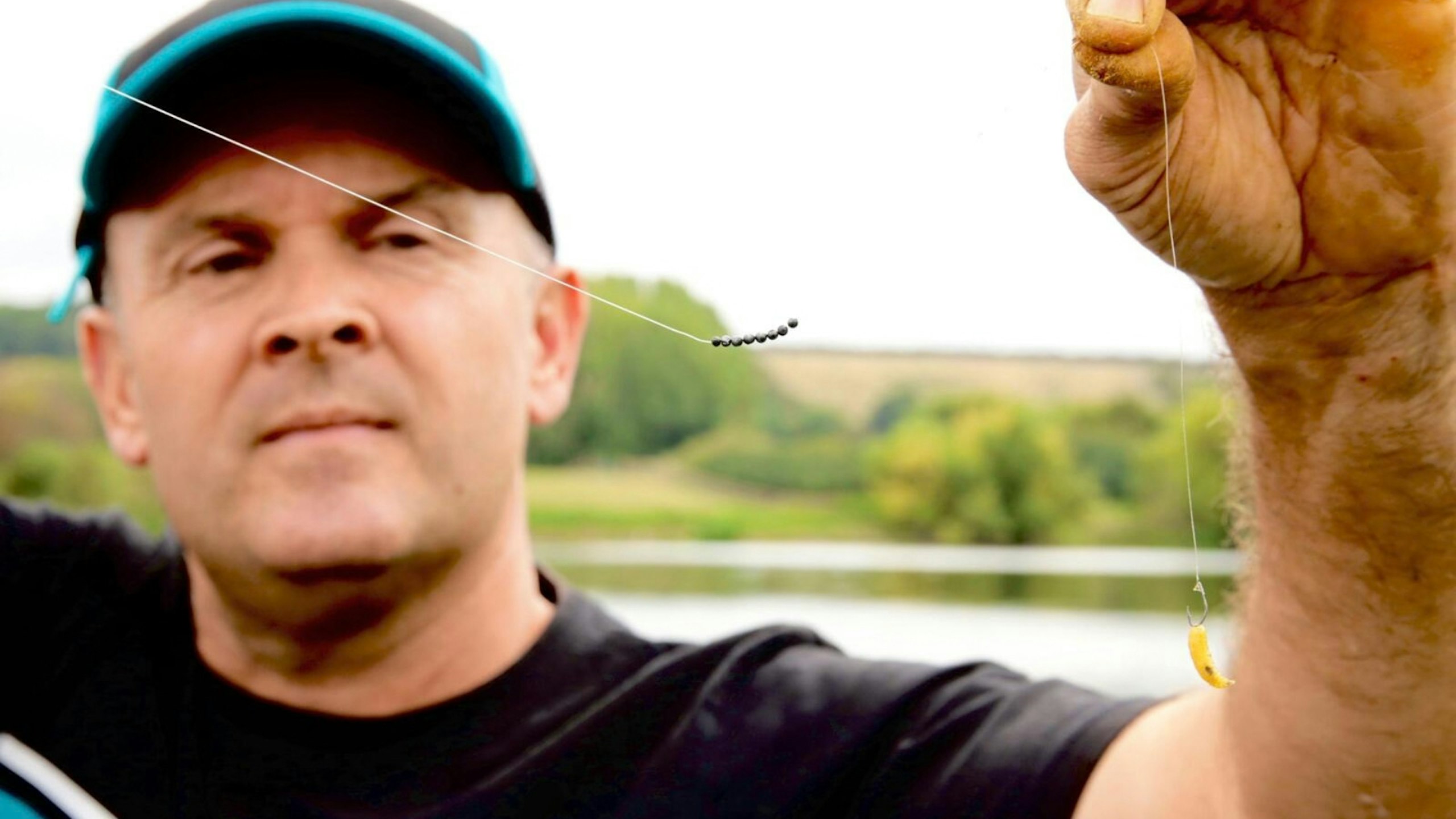
© Steve Winter
“If I start missing bites as they are intercepting it on the drop, I’ll revert to my shallow rig with a more slimline Drennan Silvers AS2 and a bulk just above the hooklength. It may sound crude, but most bites are tiny lifts, and it reduces the number that you miss.
“This is best fished between half and three-quarters depth, but at times I’ll come even shallower. I use a lighter grade 7-9 elastic to stop fish splashing on the surface when I strike, reducing the chances of a hook pull or attracting predators. Both rigs are on 3lb mainline, 0.14mm fluoro hooklength and size 16 Drennan Acolyte Barbed Maggot Plus hook.”
Stage 3: Keep the catty going
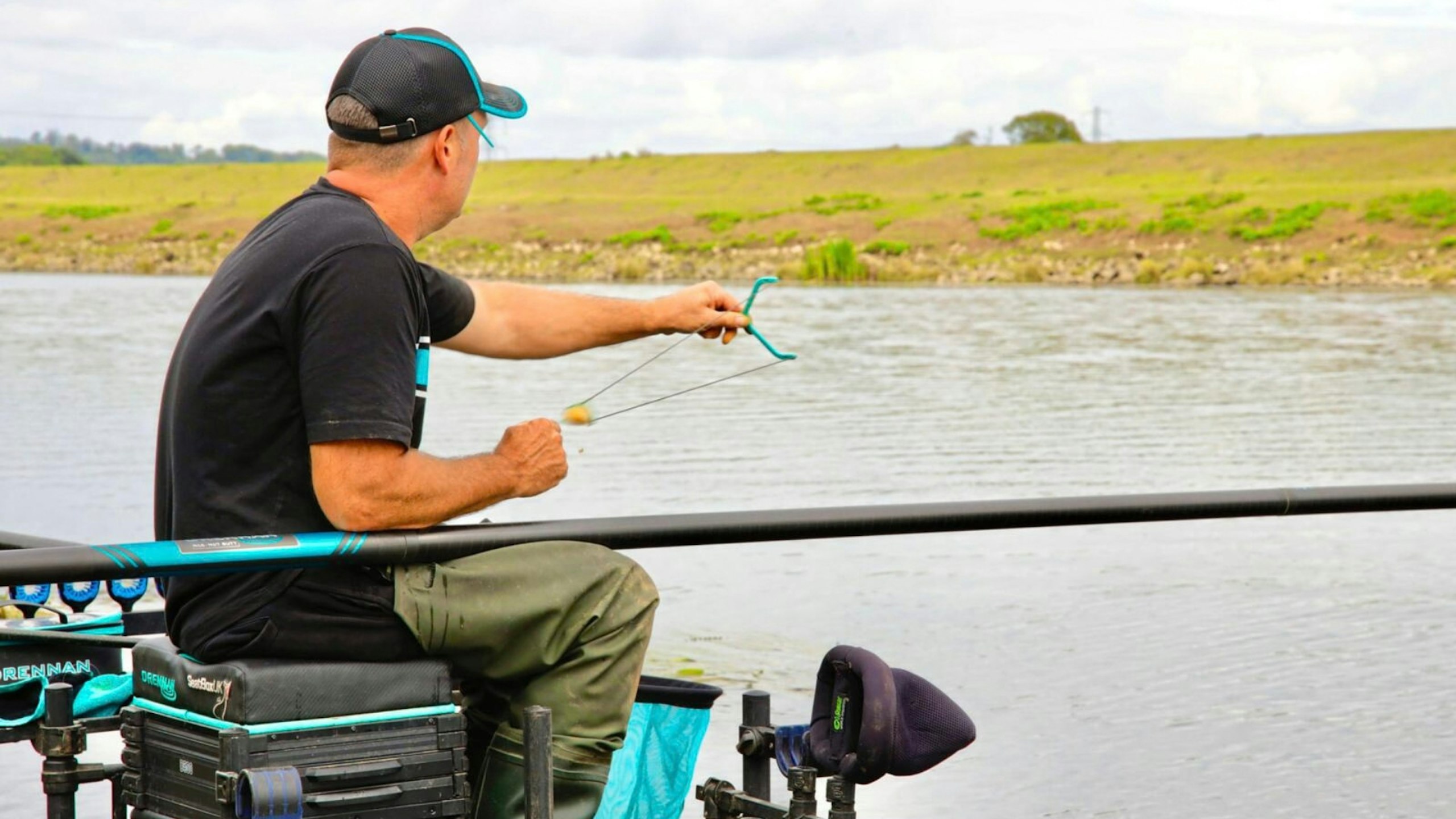
Feed maggots each time you run the float through. © Steve Winter
“Once your initial bombardment of groundbait has gone in, keep busy with the catapult. The carpet will draw fish in, but if you really want to stimulate a feeding frenzy, it’s essential to fire maggots in regularly.
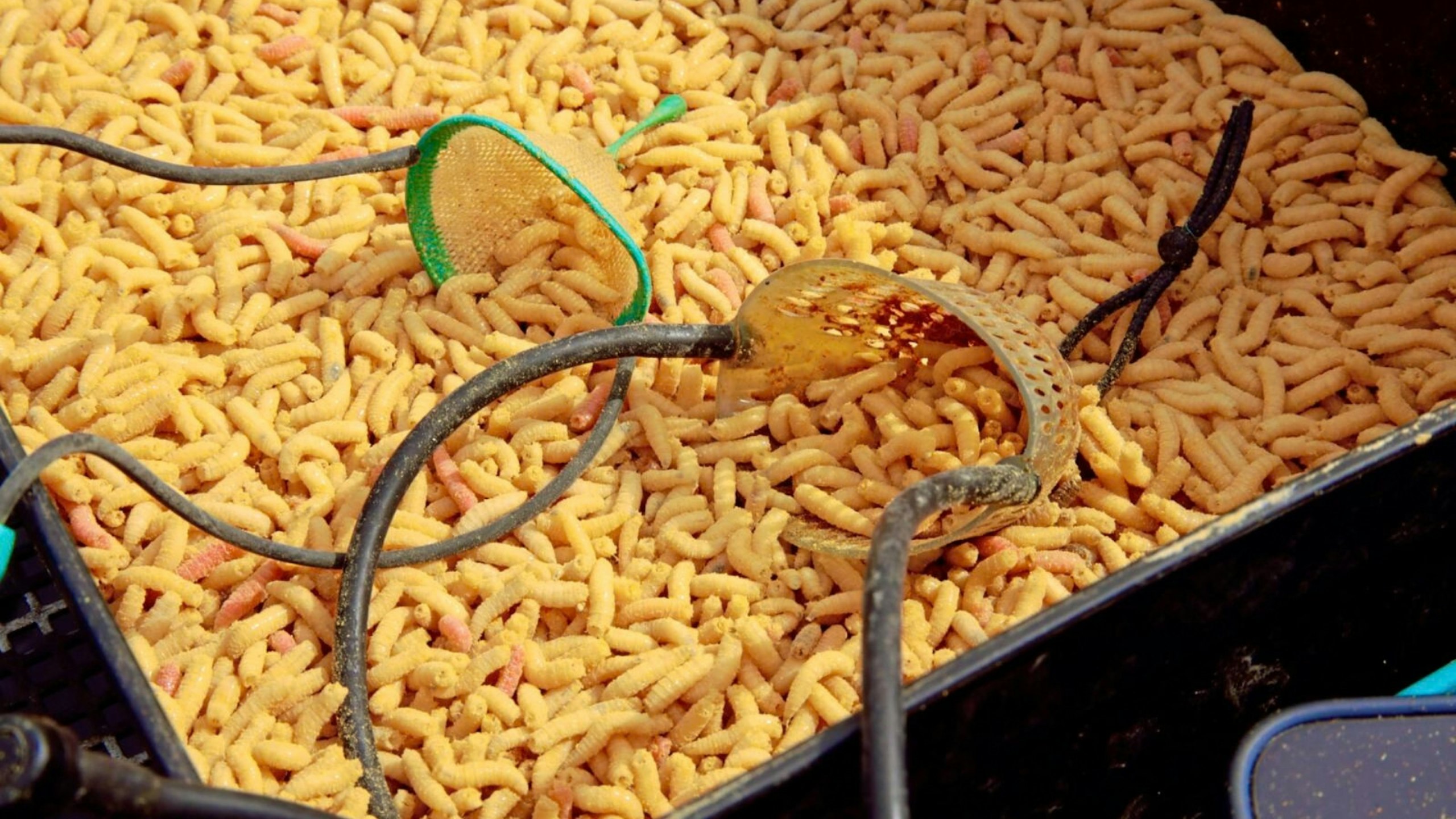
© Steve Winter
“Introduce a pouchful where your float goes in each time you run the rig through, aiming to drop them just short of the line of attack. This prevents the fish from pushing further out and makes your hookbait look like one of the offerings on the periphery, which is where the bigger dace usually sit.
“Bronze maggots are best, although I always have a few reds with me as a change bait.”
Stage 4: Reset the rig quickly
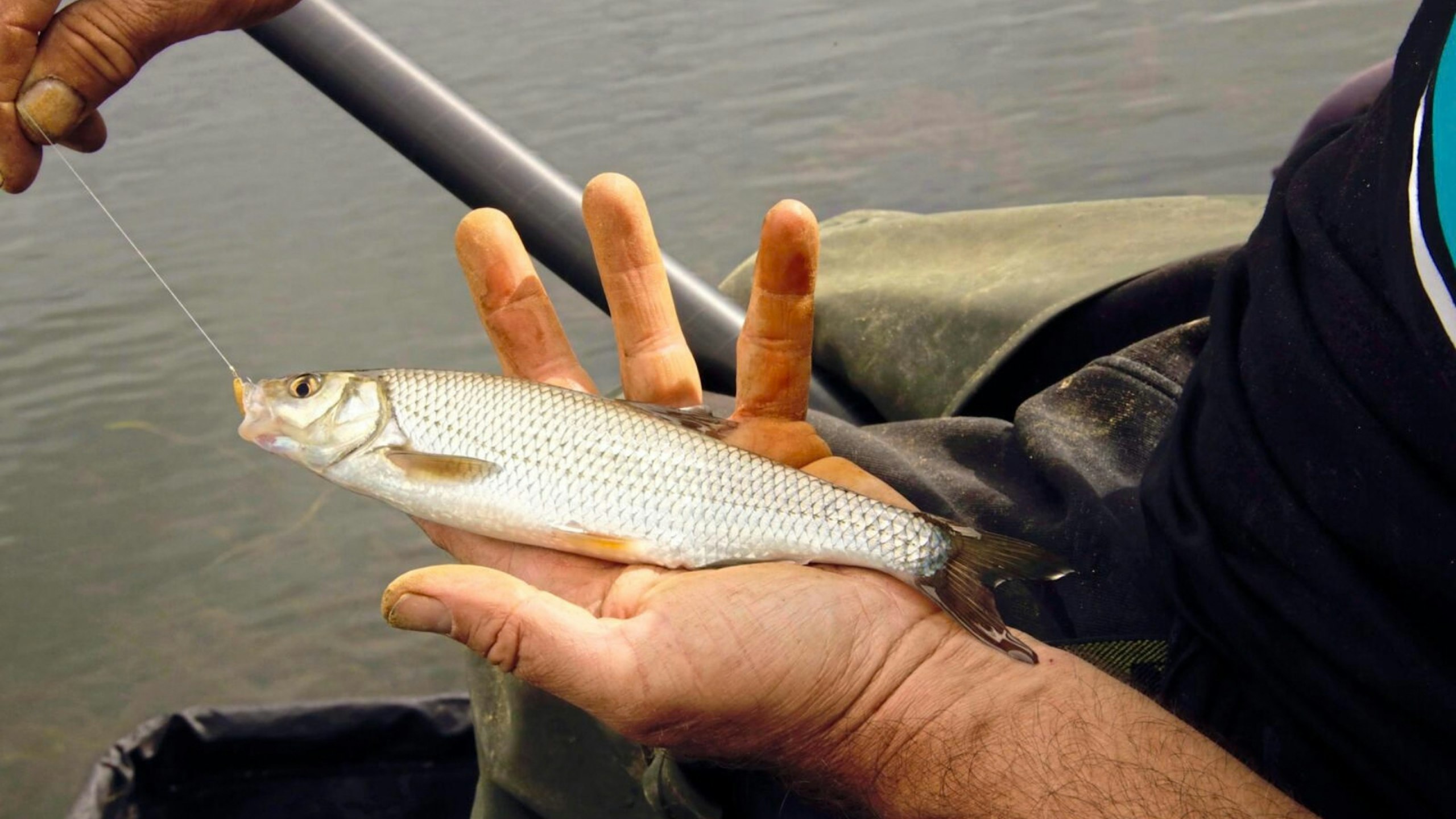
Striking lightly will lead to more fish going into the net. © Steve Winter
“A few missed bites are part and parcel of fishing for dace. They can snatch at the hookbait, and that can lead to them spitting it out before you’ve had a chance to react.
“Strike gently each time the float goes under. This is still enough to set the hook on most occasions, but if you don’t succeed, you’ve only moved the rig slightly and can allow it to run again and be back in the best part of your swim within a second or two.
“Striking firmly will lead to the rig flying out of the water, and you’ll then have to reset the whole trap again, which is a waste of fishing time.
“I always use a long length of line between pole-tip and float, simply because dace are easily spooked, especially in clear water. The flow will help keep everything tight, and that leads to fewer missed bites.”
Stage 5: Always use a dolly butt
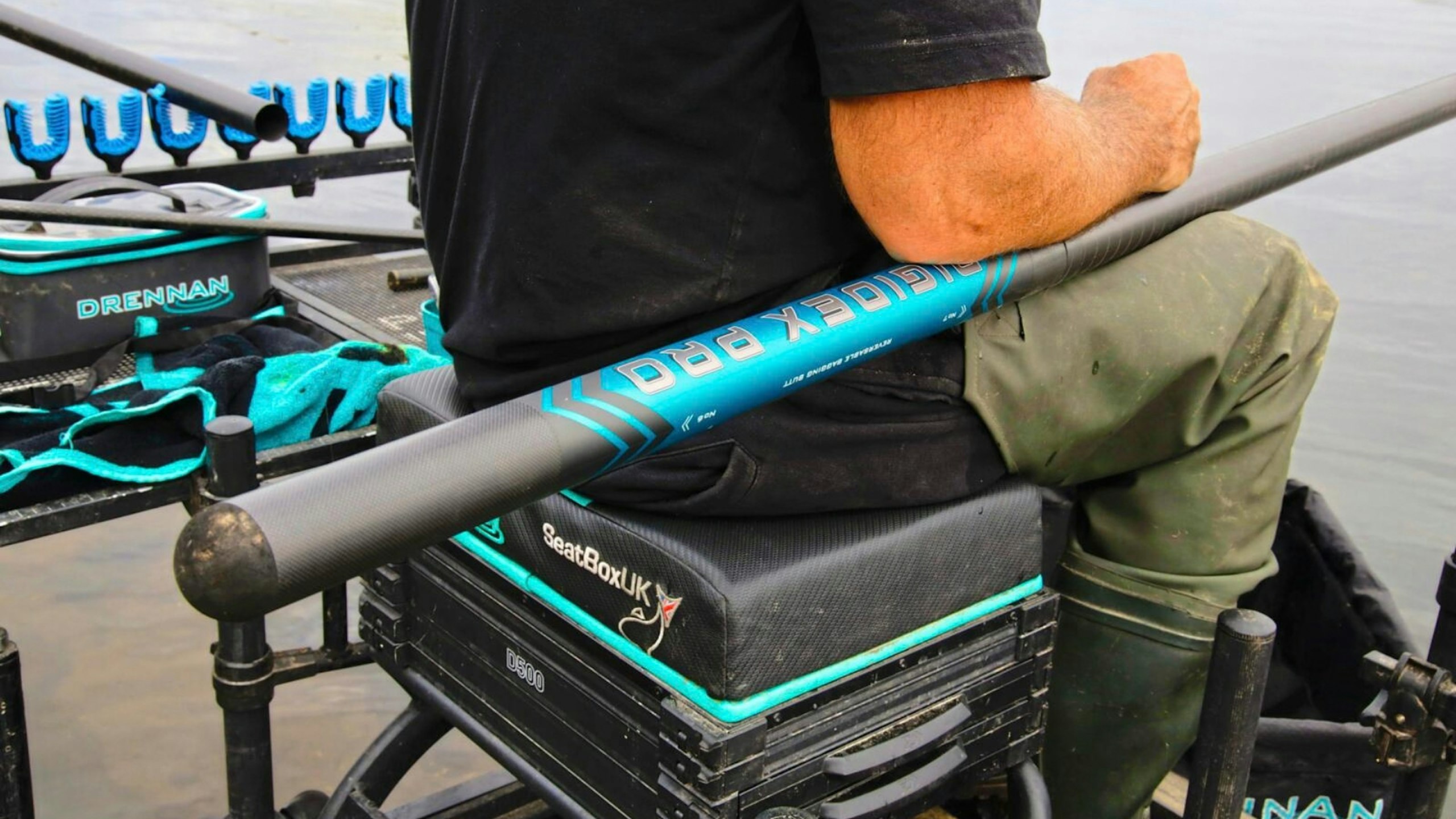
Once you feel the joint, it’s time to lay the rig in. © Steve Winter
“It's not hard to get a few bites when there are lots of dace in front of you, but the anglers that consistently catch the most are the ones that integrate small but vital efficiencies into their approach.
“A session fishing for dace could result in you catching hundreds of them, and you need to be in and out quickly. One thing that I always do is fish with a dolly butt. By doing this I feel my hand run over the joint as I am shipping out, and instantly know it’s time to lift the rig and lay it in place.
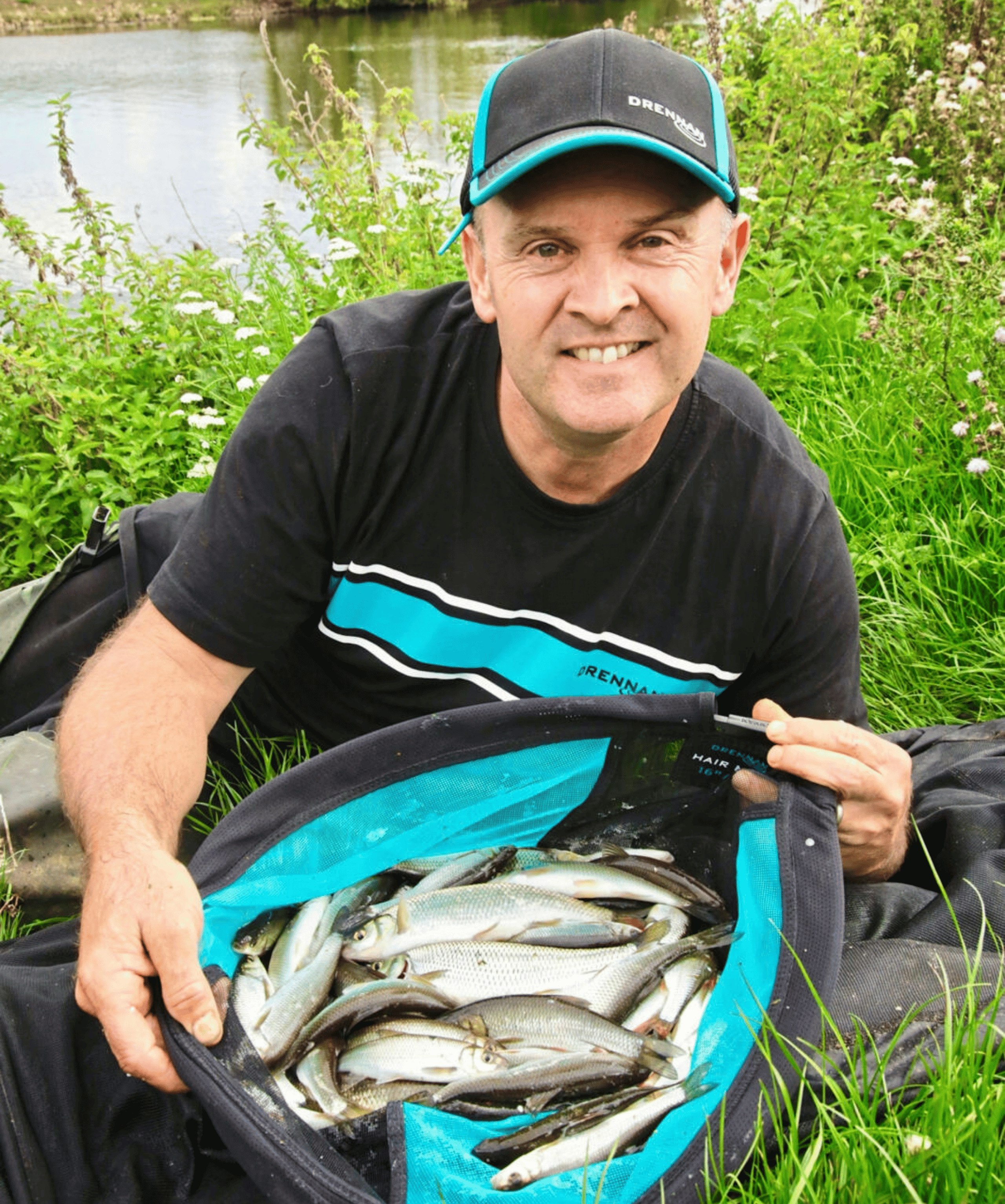
© Steve Winter
“It means I don’t have to pause and look down. It may seem minor, but add it in with everything else and it leads to more fish going into your keepnet. I’ll then fish with my elbow on the joint, leaving most of the dolly butt behind to help with control, which is especially useful if there is a slight breeze.”
Just so you know, we may receive a commission or other compensation from the links on this website - read why you should trust us