- Home|
- Advice|
- Tips
Matt Godfrey’s masterplan: How to catch quality river silvers on the whip
Think whip fishing is only for catching tiddlers? Think again. Tackle Guru's Matt Godfrey reveals his tactical masterplan for targeting big river roach, hybrids, and perch in deep water using high-pace whip tactics.
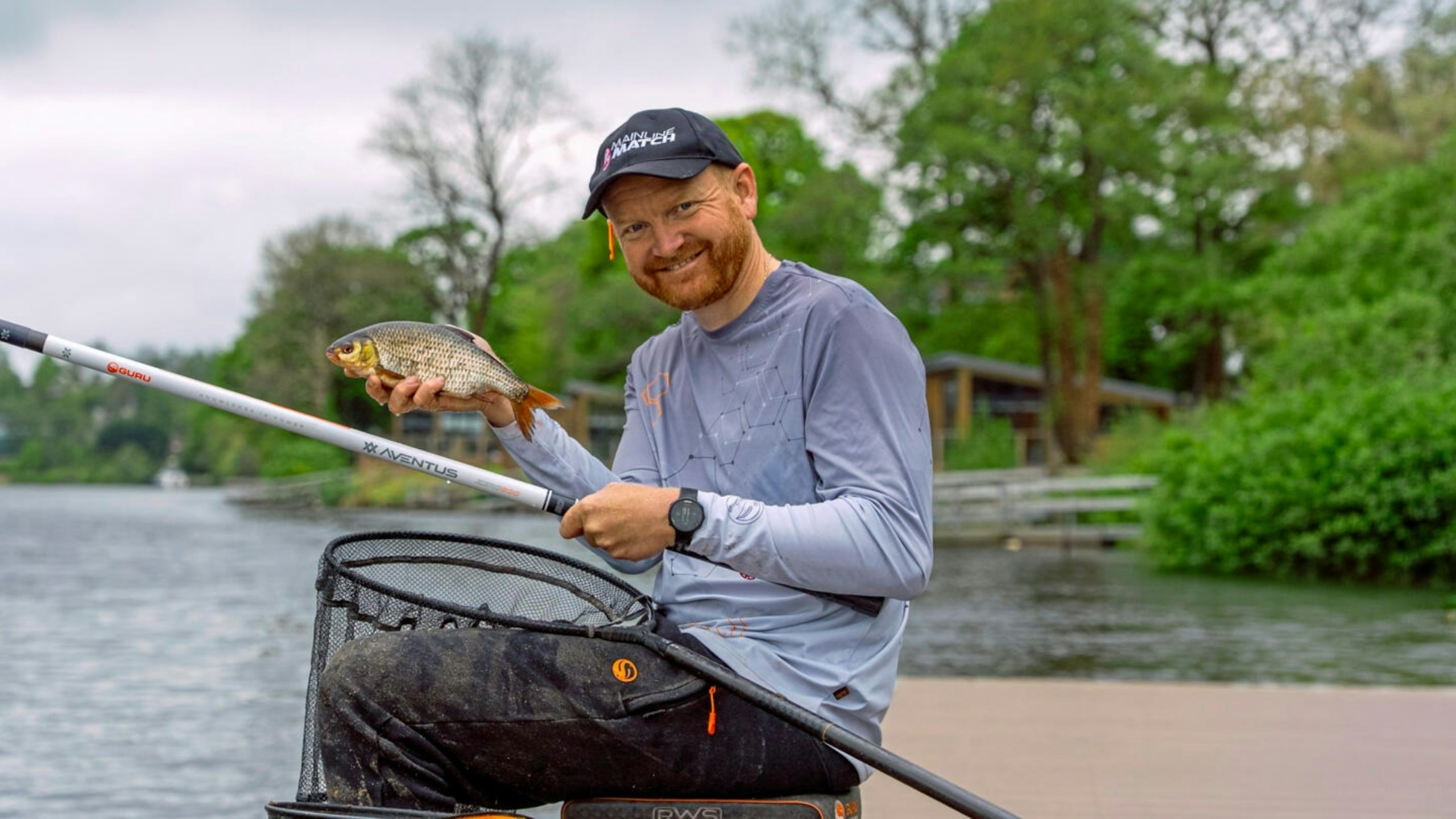
@Tackle Guru
by Angling Times |
Published on7th November 2026 at 12.00pm
Follow Angling Times on Google
Whip fishing is an approach that has long been associated with putting big nets of small fish together as quickly as possible.
It allows you to strike at a bite and swing the fish to hand in one fluid motion, and the most talented exponents of the tactic can put four or five fish in the net every minute, once they get into a rhythm. But while most of us probably believe catching tiddlers is all a whip can be used for, those in the know realise it also has a role to play when much bigger silvers are on the agenda.
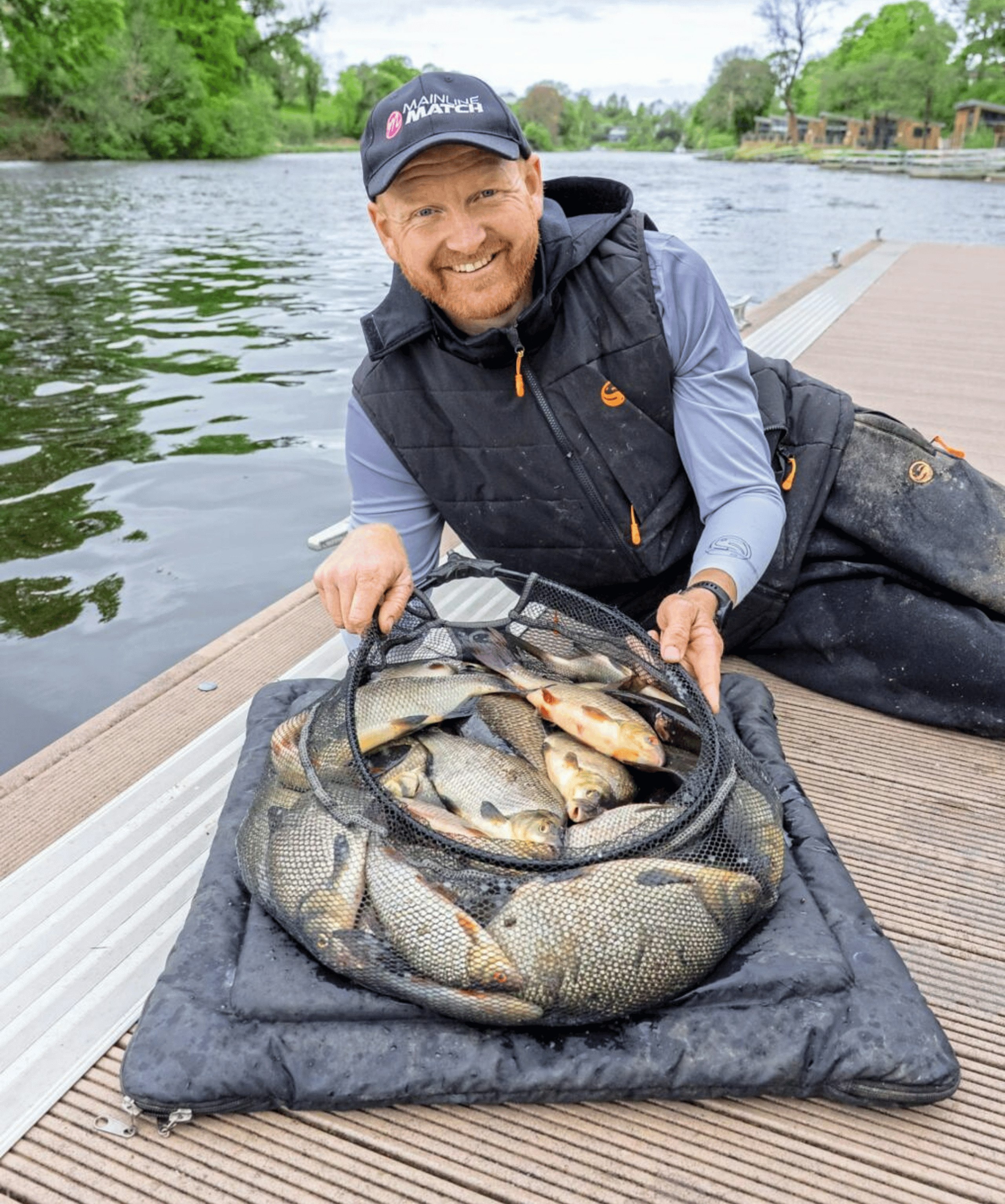
© Tackle Guru
Tackle Guru’s Matt Godfrey is one of these anglers, and he’s used whip fishing to devastating effect plenty of times when tackling deeper than average rivers for quality roach, perch and hybrids.
“It’s a style of fishing that I have used in Ireland plenty of times in the past, but it is equally effective on venues such as the Rivers Wye or Trent in this country, when you have a big shoal of good-stamp silvers in front of you and you need to catch them at pace,” explained Matt.
“Get to grips with the basics, build your rhythm and you’ll soon realise why I am such a big fan of this approach.”
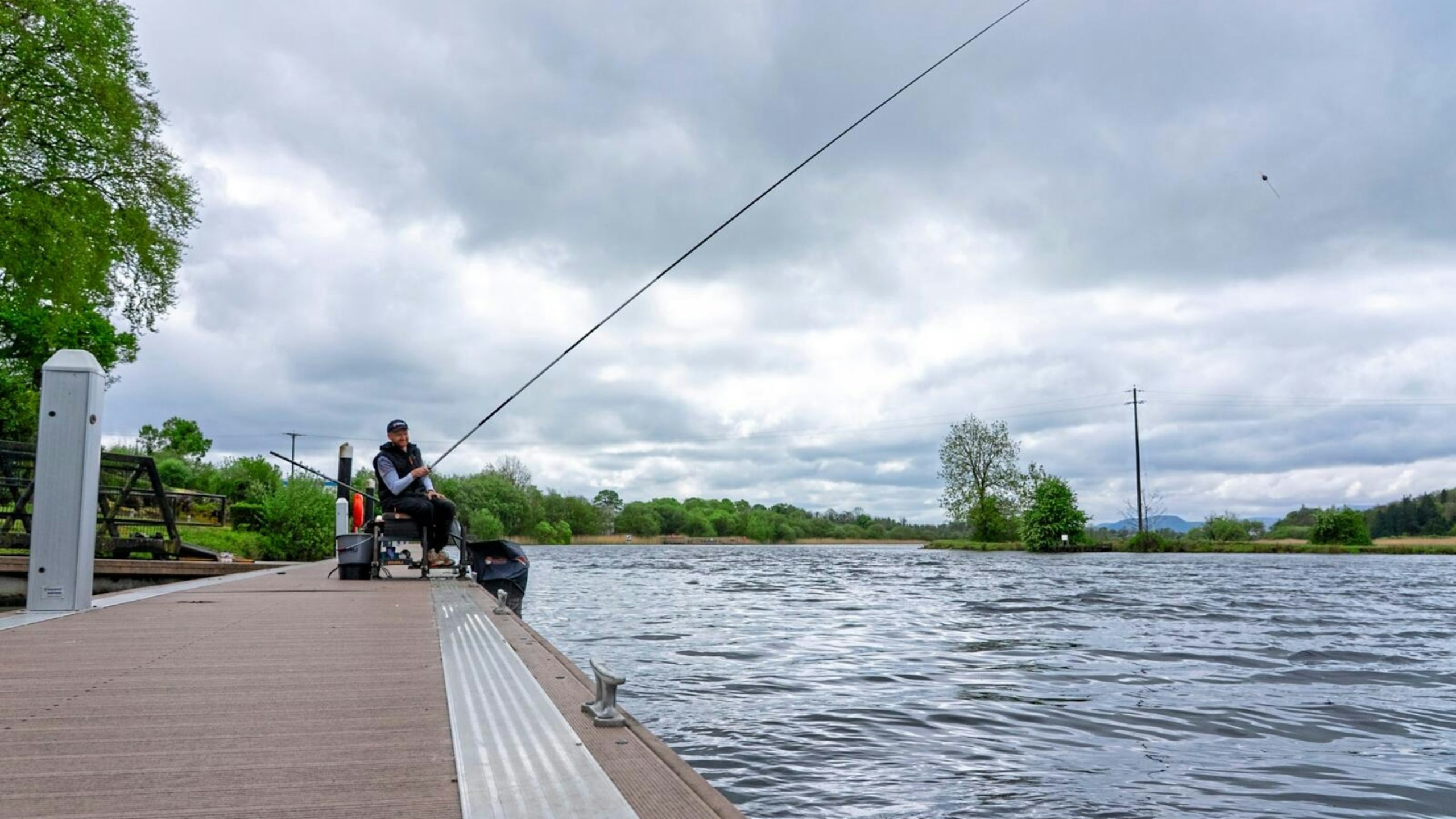
Find an area that you can run the rig through easily. © Tackle Guru
Stage 1: Plumb up the whole run
“The whip outscores the pole in deep water because of the convenience it provides.
“It enables you to run a rig over quite a large area of your swim and then bring the fish to hand or to the net in one motion without the need to break down any sections.
“It’s vital that you find where most of the fish are sat in the swim, and this will change throughout the day because of spells when the roach and hybrids become unsettled.
“As a result, you need to find a long area in a straight line with minimal depth change, allowing the hookbait to just trip bottom, no matter where it is on the run. I always plumb up thoroughly, starting from where the rig gets dropped in and working down the peg a few feet at a time until I get to the end of the run.
“I’m looking for consistent depth, as a sudden deep hole or shallow bar will make it almost impossible to present the hookbait properly.”
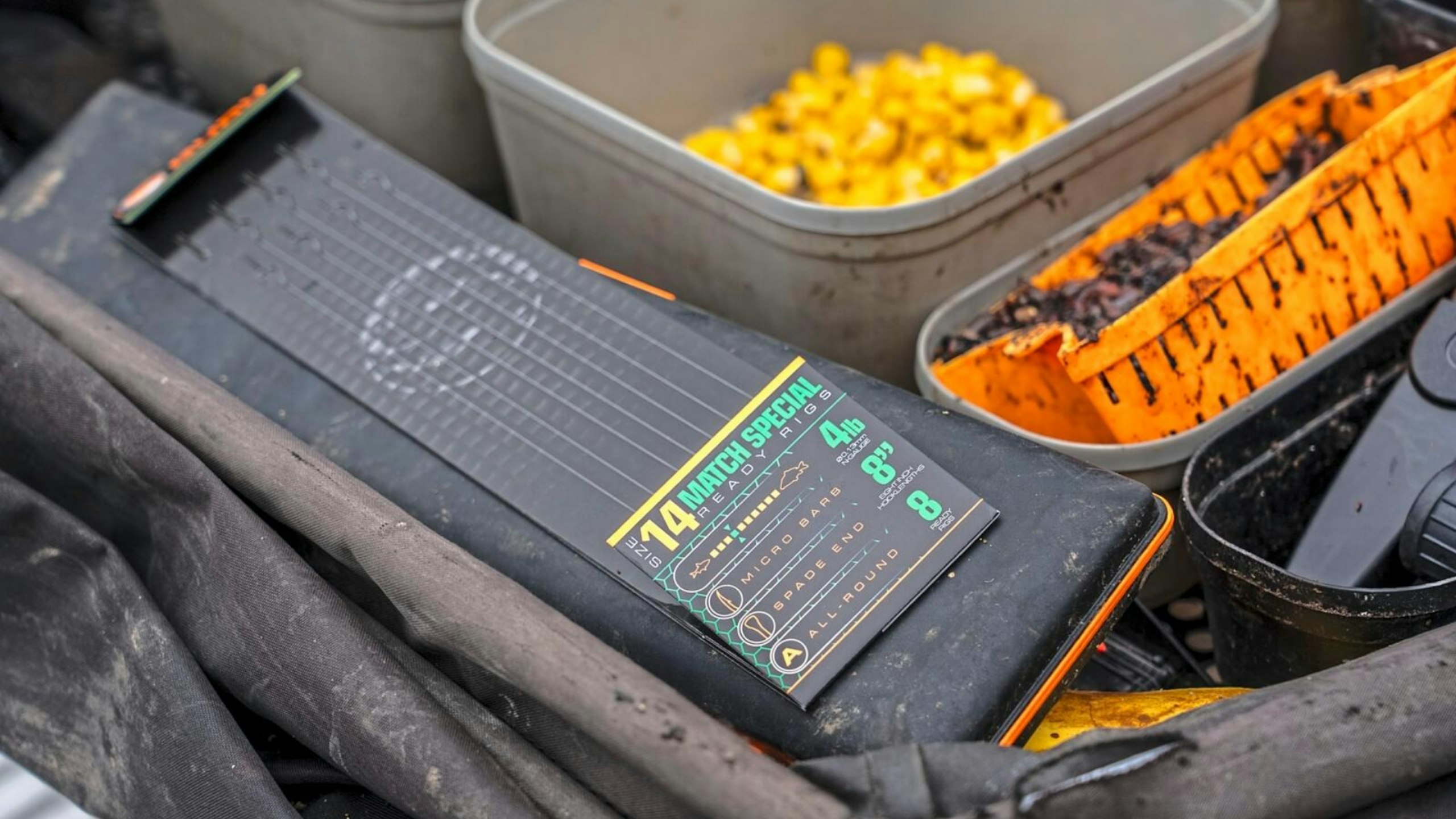
Using a reasonably big hook reduces missed bites and lost fish. © Tackle Guru
Stage 2: Use a durable rig
“Your rig will be put to the test when using big floats in flowing water, especially when you’re catching a quality roach or hybrid every drop-in! Today, with 15ft of water in front of me, I’m using an 8m Guru Aventus Zero 600 System Whip. It allows me to fish to hard on the bottom while having 2m of line between pole-tip and float.
“The float is a 10g rugby ball pattern with a carbon stem, with a bulk 2ft away from the hook, and three No4 shot below. The closest one to the bulk is 2ins away from it, acting as a kicker to stop the line below the bulk from tangling as the rig sinks.
“My mainline is 0.20mm to a pre-tied 8ins hooklength of 0.13mm mono to a size 14 Match Special hook. Finally, the elastic is a No10 Impulse Hybrid through the tip, and this is set quite tightly so that it puts me in control quickly on the strike, and also allows me to swing chunky silvers to hand.”
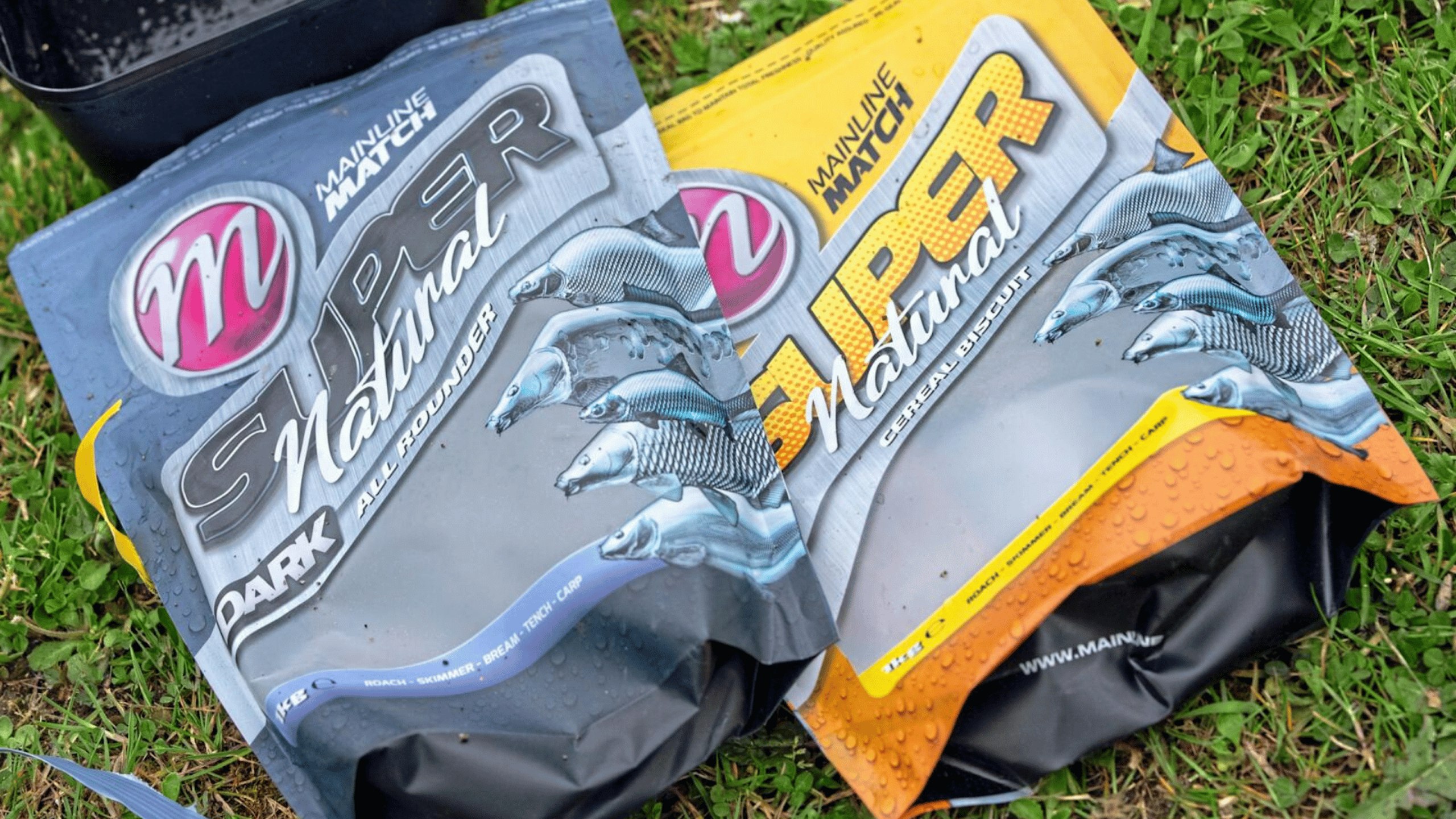
Six big balls of groundbait will kick-start the swim. © Tackle Guru
Stage 3: Congregate the shoal
“Groundbait plays a big part in deep water, and my mix on waters that see little or no fishmeal is always a sweet one. Today I’m using Mainline Match Super Natural and Super Natural Dark. Casters, hemp, corn and a few chopped worms are added, and then I’ll feed six big balls at the start.
“Three are squeezed together lightly so they break up as they sink, to create a cloud, while the other three are tightly packed to get all the contents to the deck intact. They’re all fed downstream and, with my rig always laid in upstream, this is the spot where my float will sit up and the hookbait will have got to the bottom.”
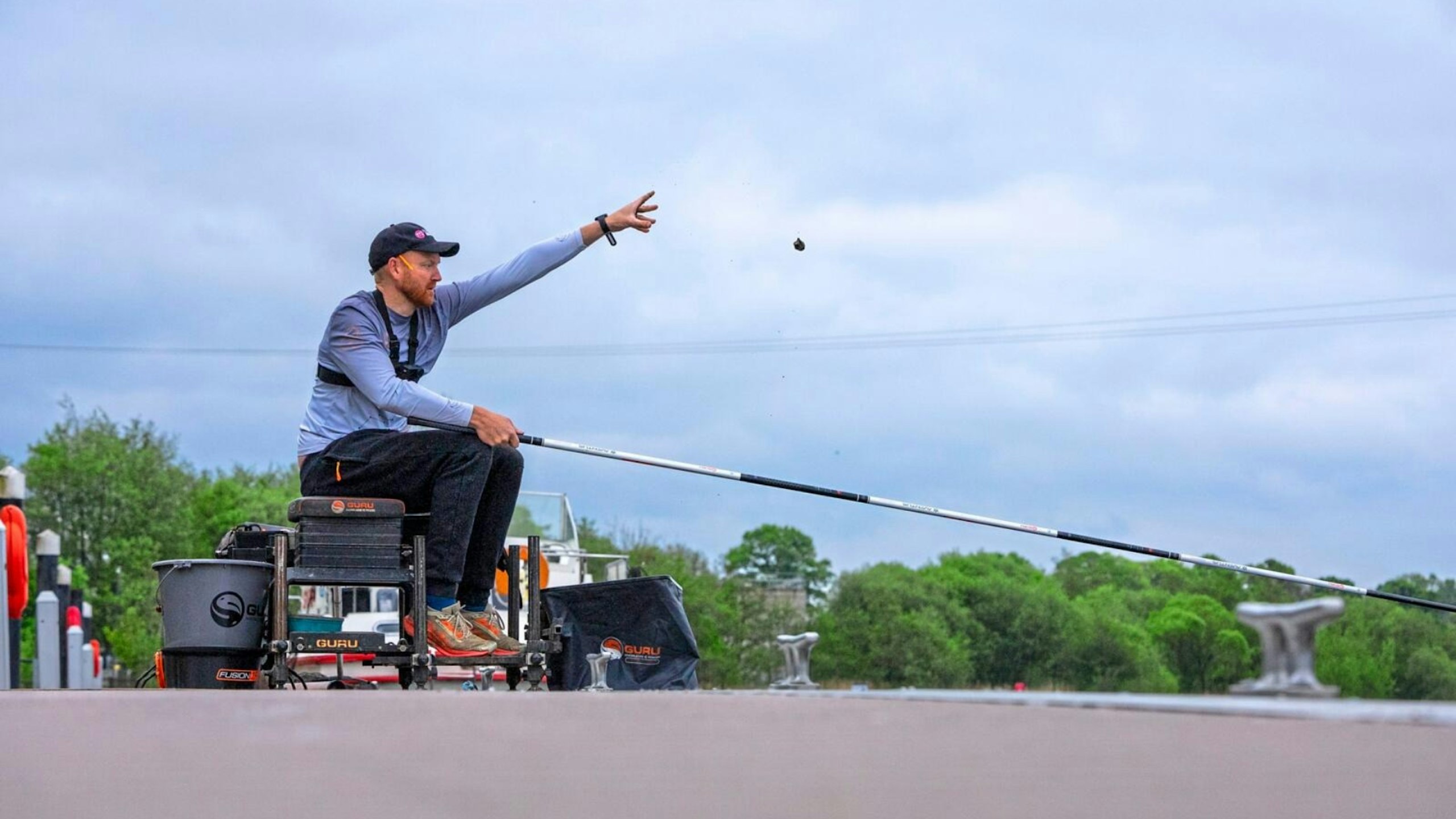
Feed after every two or three fish to begin with. © Tackle Guru
Stage 4: Top up with nuggets
“Loosefeed isn’t really an option when you’re trying to catch in deep water, because it will get washed out of your swim before it gets anywhere near the bottom.
“This would lead to it settling on the deck well out of your swim, taking the fish with it. The answer is to use your groundbait as a binder when topping up.
“Today, I am feeding a small nugget after every two or three fish, and each one of them is heavily laced with casters, which these big silvers love.
“The groundbait merely pinches the casters together and holds them in a ball so that they get to where the fish are waiting.
“Experimentation with how often you need to feed is important, and it’s worth having spells where you add the balls slightly smaller but more frequently to see what impact it has on the number of bites you’re getting.
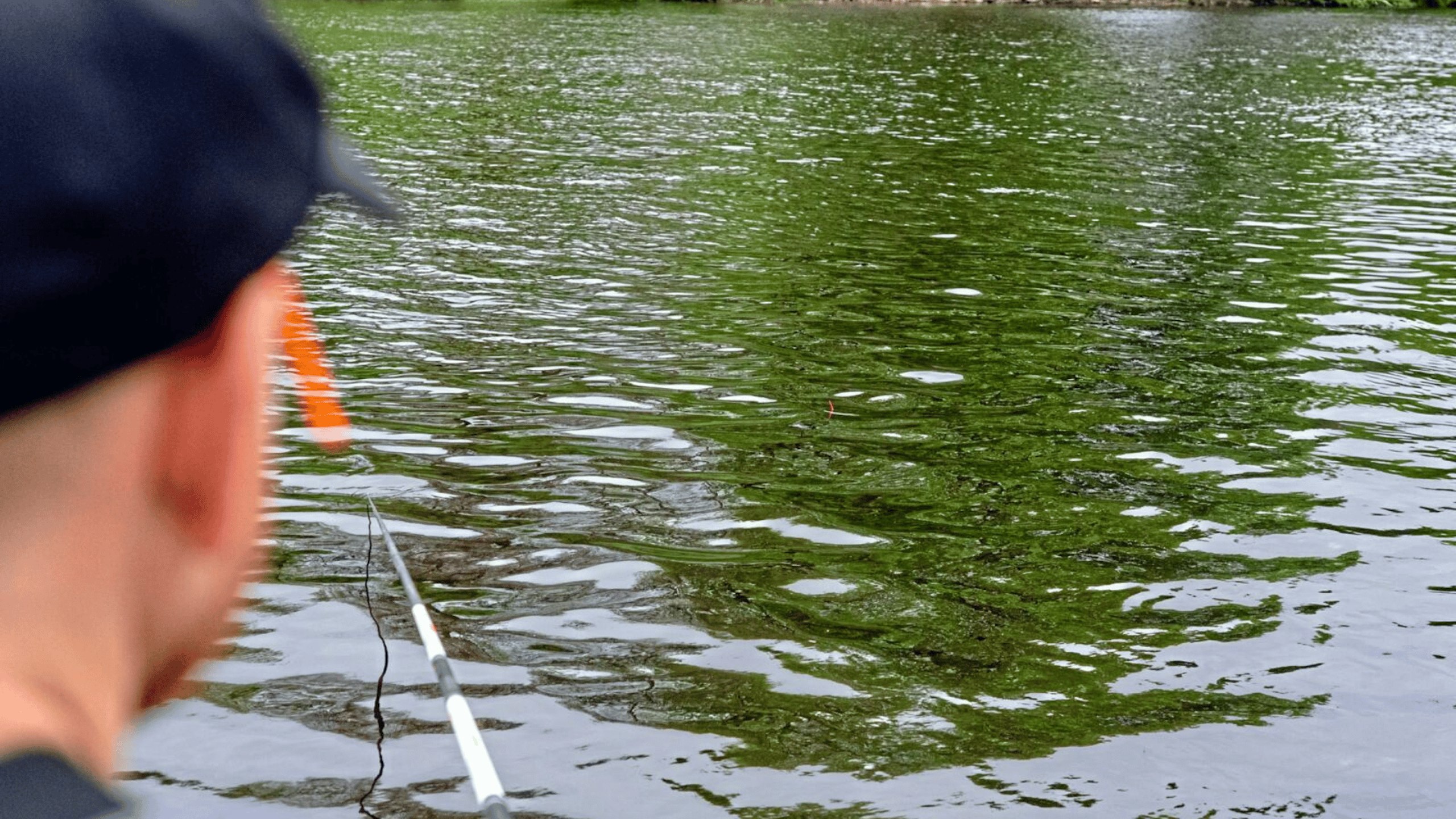
Experiment with the pace that the rig travels. © Tackle Guru
Stage 5: Vary the pace
“The river’s flow obviously pulls the rig through, but you’ll be amazed at the effect changing this pace can have on the number of bites you get.
“It may be that you get plenty of action by allowing the natural flow to pull it through, but there will be periods of the session when slowing it down by varying degrees can prove even more effective.
“This can be particularly effective if you locate where the mainstay of the shoal are holding up, giving the fish a split-second more time to snatch at the hookbait as it runs past their nose.
“I’m also very particular about how I lay my rig in. I lower the bulk down in line with the end of my whip, very similar to what you’d do when pole fishing. This makes sure the rig runs downstream directly in line with the tip, allowing you to keep a straight run, which in turn leads to you hitting more bites.”
Just so you know, we may receive a commission or other compensation from the links on this website - read why you should trust us