- Home|
- Advice|
- Tips
How the wind affects carp fishing
It’s one of the most powerful fish-finding tools at your disposal. Learn how to use it to your advantage

@rob hughes
by James Furness |
Published on2nd May 2026 at 1.13pm
Follow Angling Times on Google
Pick the brain of any experienced carp angler and ask what their biggest watercraft edge is – chances are, wind will be pretty high on the list.
That’s because it does far more than just ripple the surface. It dictates water movement, oxygen levels, temperature layers, and, crucially, the location of natural food.
And where the food goes, the carp invariably follow.
STAY SHELTERED FROM THE WIND IN ONE THE BEST FISHING BIVVIES.
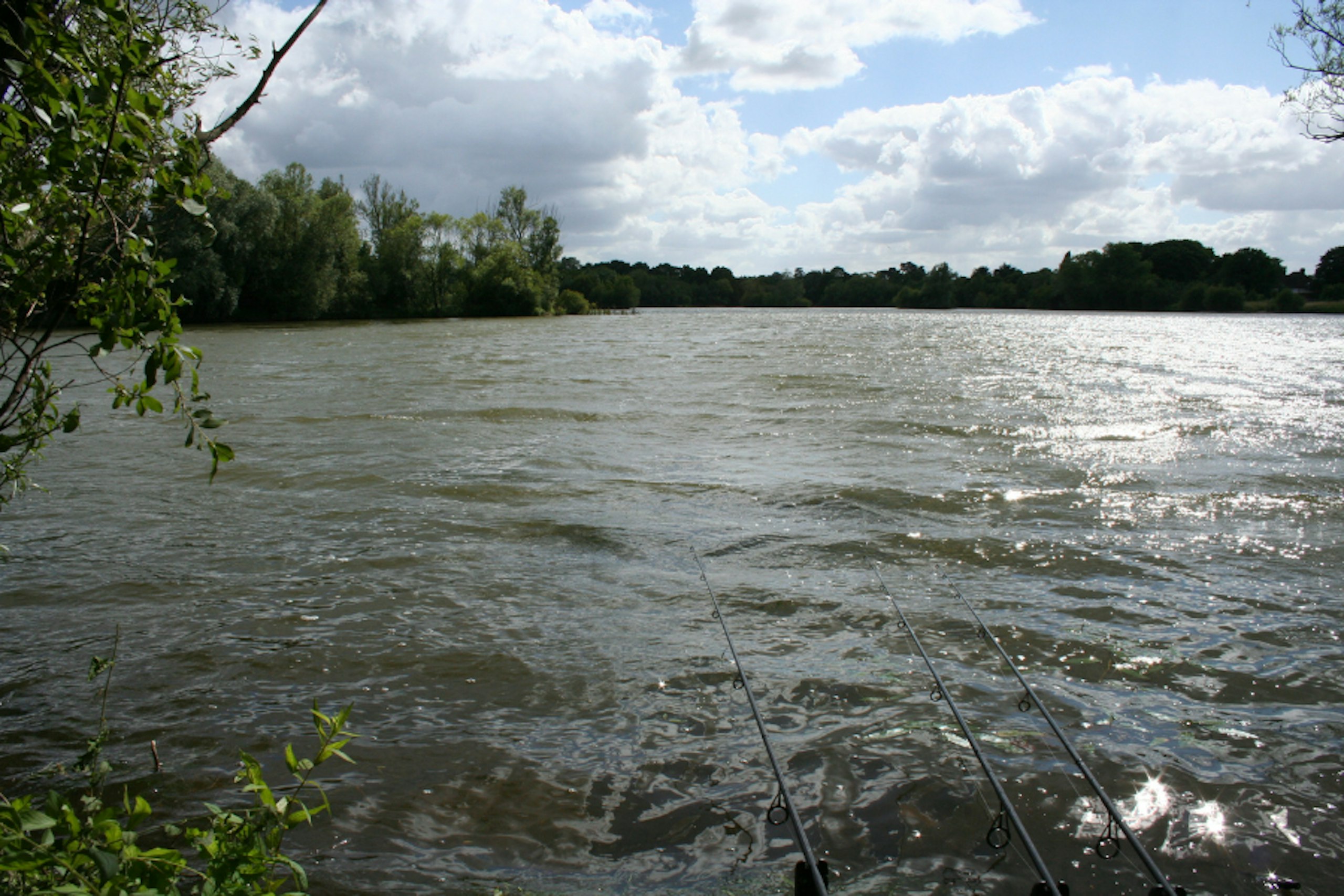
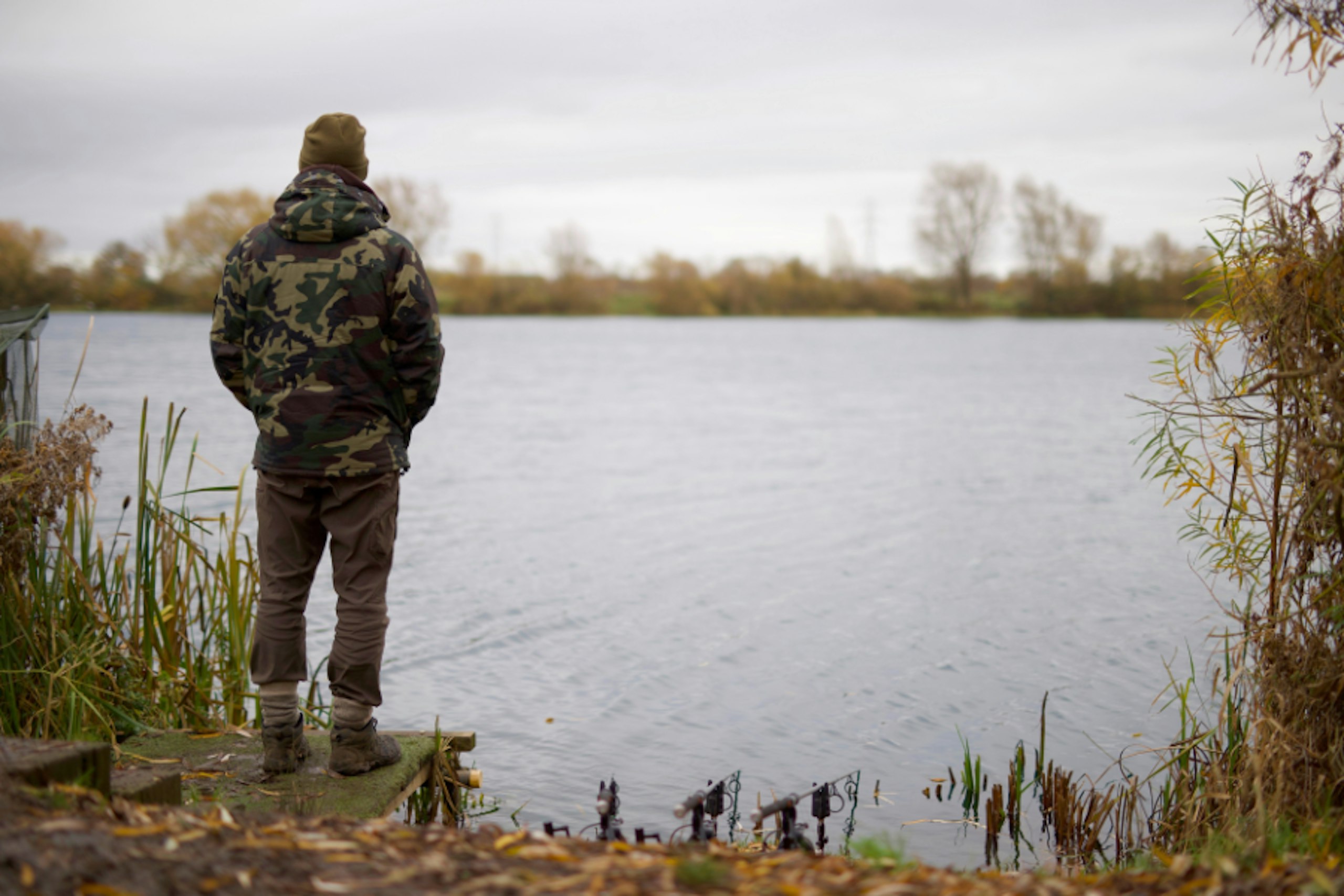
Fishing on the end of the wind
Fishing on the end of a warm, established wind remains one of the most reliable strategies in carp angling. When a mild south-westerly has been pushing into a bank for a day or two, it effectively loads that area with everything carp want, including food, oxygen, and warmer temperatures.
But success isn’t about simply dropping into the nearest windward swim and casting straight out. It does, however, give you an excellent starting point.
The carp could be anywhere from the margins to more than 60 yards out, depending on where most of the suspended food has gathered. Observation is key, looking for signs of showing fish, patches of fizzing, coloured water or even subtle bird activity.
Once you’ve found them, a more measured approach can pay dividends. There’s no need for excessively heavy baiting, as the fish are already in the area and most likely have an abundance of natural food to enjoy. Crashing a spod repeatedly over their heads isn’t going to work. Instead, aim to get a hookbait out, and a few freebies out around it, with minimal disturbance.
MAKE SURE YOU ARE OUT FISHING FOR CARP IN THESE CONDITIONS...
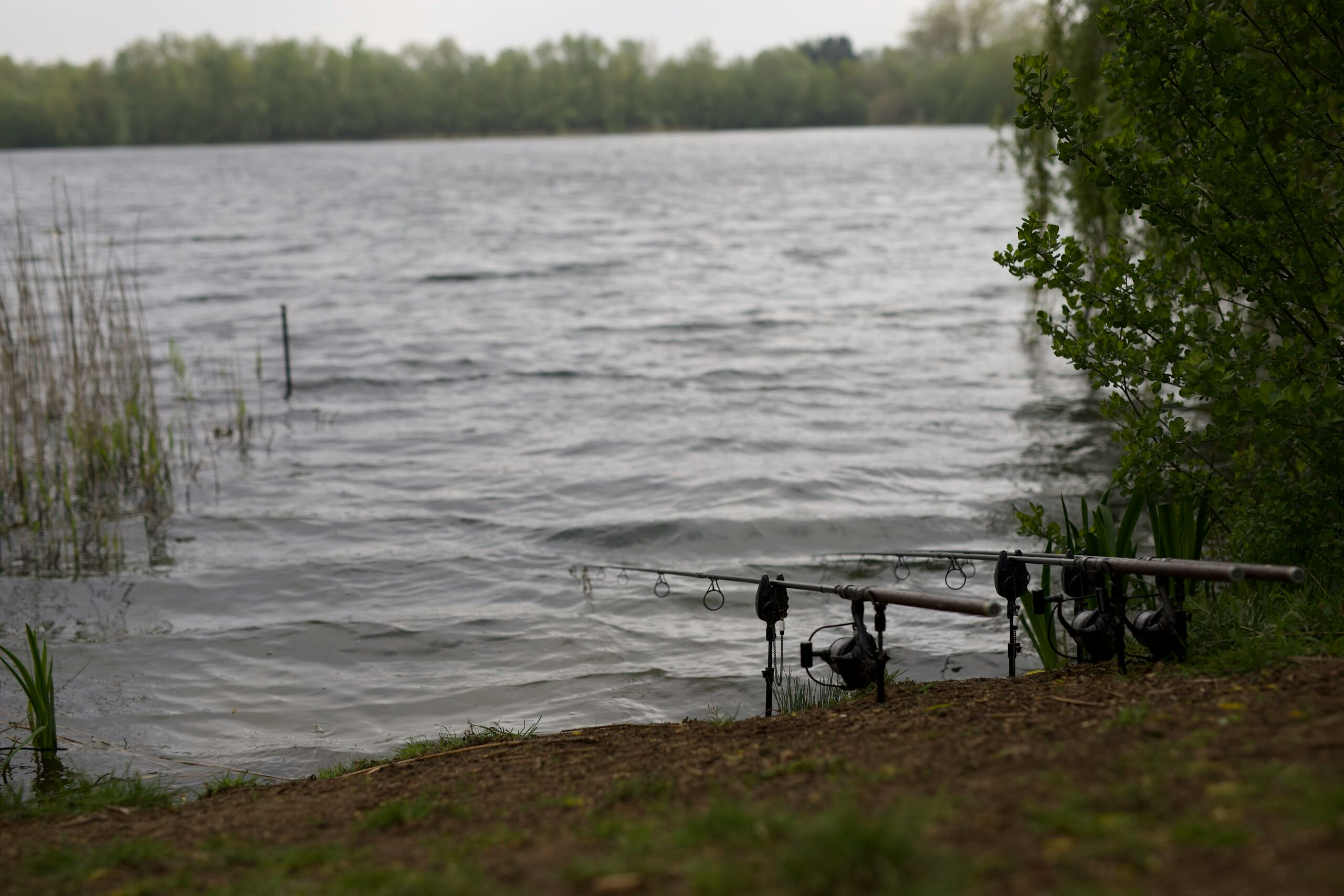
The back of the wind
While a warm breeze can breathe life into a lake, a cold wind can have the opposite effect.
Easterlies and northerlies, particularly in the colder months or during sudden weather shifts, often push chilled water across the surface. Instead of attracting carp, this can make exposed areas uncomfortable and unproductive to fish from.
In these situations, carp frequently retreat and seek areas where the temperature fluctuates less.
These spots are commonly located on the back of the wind, in sheltered corners or in deeper water.
Wind duration
It always pays to keep an eye on your weather apps, even when you’re not fishing, just to keep a track of the wind’s direction.
If a warm south-westerly has been blowing for several days prior to your session there’s every chance that the fish will have made the most out of what it had to offer and spread themselves out again.
If the wind has only sprung up in the last 24 to 48 hours, then it’s more likely that the carp will be on the end of it in decent numbers.
There’s also the possibility that the wind is scheduled to change direction during your session. If you’re going to be on the bank for several days, and depending on how much you believe the forecast, this gives you the opportunity to get ahead of the carp and set your traps before the wind switches and, hopefully, sends the carp in your direction.
GET THE BAIT OUT EASILY AND EFFECTIVELY WITH THE BEST CARP FISHING RODS.
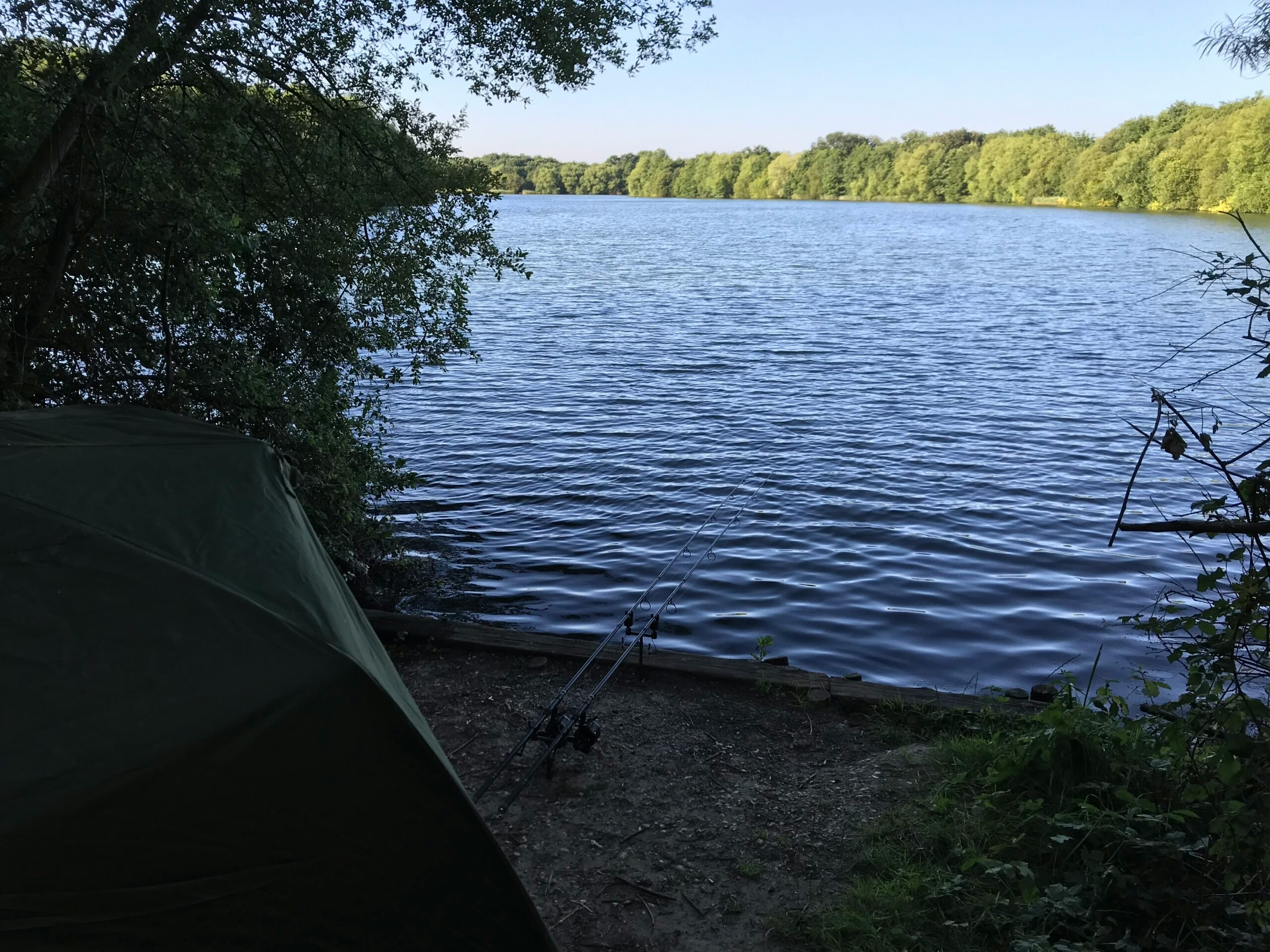
Flat-calm conditions
Although few and far between, there will be occasions when there is no wind, mainly during periods of high air pressure. So, what do you do when the surface looks like glass and the lake feels still?
Without being steered in any direction by the wind, the carp will generally be more evenly spread out, and if it’s warm and sunny they will probably be sitting higher up in the water column.
Zigs and surface baits can be particularly effective on days like this.
Early mornings and late evenings or the first few hours of darkness often produce more bites in these conditions, with carp activity increasing as light levels drop.
TRY THESE CARP RIGS TO HOOK AND LAND MORE FISH THIS SEASON...
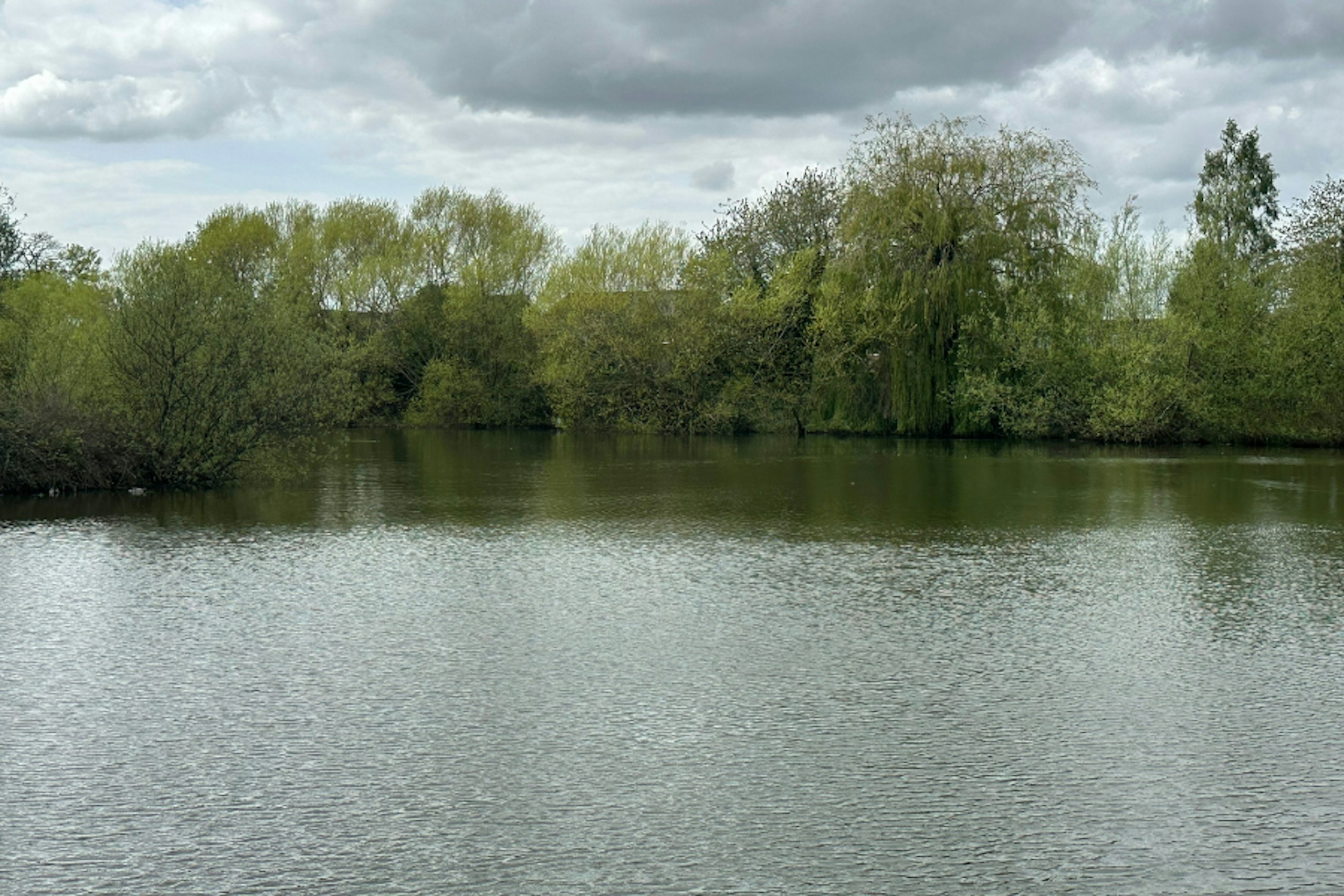
Reading the lake
It’s important to treat wind direction as a guide rather than a set of rules carved in stone. Obviously, being wild creatures, carp won’t always follow the script we expect them to. On busy day-ticket carp waters, angling pressure and lines in the water can often have a bigger effect on moving fish around a lake than the wind.
Even if there’s a balmy south-westerly blowing in to one bank, carp aren’t going to tolerate leads crashing down on them, and will soon seek solace elsewhere.
But before you load up your barrow and race to your favourite peg, it will work in your favour if you take a moment to study the direction of the wind and familiarise yourself with which areas of the lake are on the receiving end of different winds.
And if you use the assumption that fish follow warm winds that have a day or so to build, but shy away from cold winds, you’ll have a good starting point for your next session.
IF THERES A BIG WIND ON A THE BEST BAIT BOATS CAN BE VERY HANDY FOR BAITING THE SPOT.
Just so you know, we may receive a commission or other compensation from the links on this website - read why you should trust us