The popularity of some commercial fishery tactics ebbs and flows with the seasons – but not the Method feeder.
Equally effective in the heat of summer as it is when temperatures nosedive, it’s all about making suitable adjustments while using it that will dictate how many times the rod-tip slams round.
When fish are hungry and competing for food in warm water, it makes perfect sense to build up a carpet of bait that the shoal will descend upon, but a different mentality needs to be adopted right now.
Introducing too many freebies is a recipe for frustration and disappointment. Fish will congregate in the swim for short spells, but catching them can prove nigh on impossible if you’ve given them too much choice.
That’s why focusing your efforts on one spot for the duration of your session is a bad idea, and if you want to make the most of Method feeder tactics until temperatures start to pick up as we head towards spring, it’s vital that you scour every inch of your swim in a methodical manner.
FISH THE METHOD USING ONE OF THE BEST CARP FEEDER FISHING RODS.
Seek out some space
If you land upon a shoal of carp, it’s highly unlikely that they’re going to remain in the same spot for the duration of the session. You’re likely to catch one or two before they become unsettled and begin to drift off.
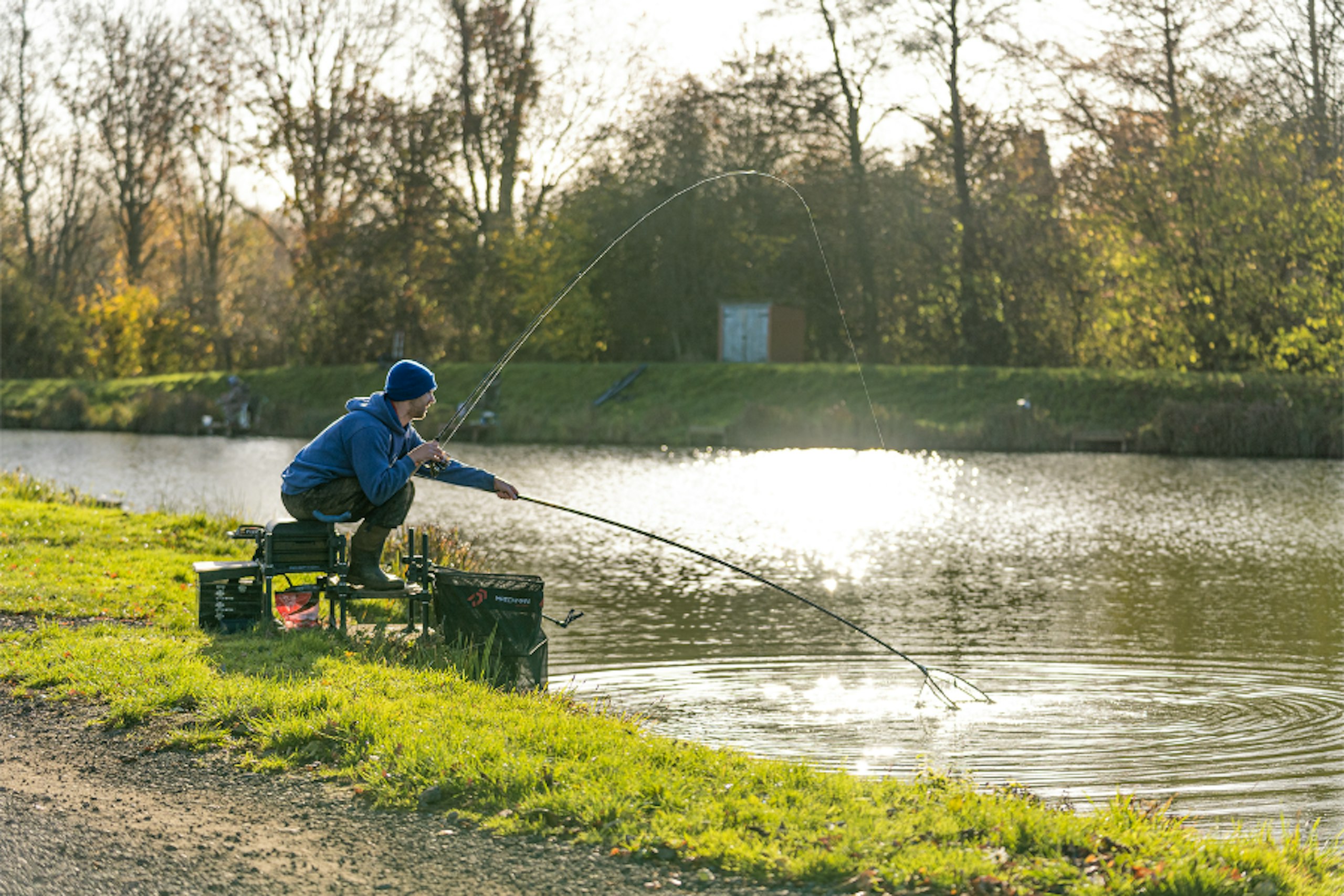
It’s then a case of trying to relocate them, and choosing a swim with no other anglers around you will drastically increase your chances of a successful search. This is simply because you have more space to explore, keeping the fish within range for longer.
If you sit too close to somebody else, there’s a good chance that your action will stop just as theirs starts, and once the fish have headed off, it can be very difficult to draw them back.
Start by fishing directly in front of you and then be prepared to go left, right or beyond, making small movements of perhaps a metre each time so that you don’t miss where they are held up.
STEVE RINGER REVEALS HIS BEST TIPS FOR FISHING THE METHOD FEEDER HERE...
Minimise the disturbance
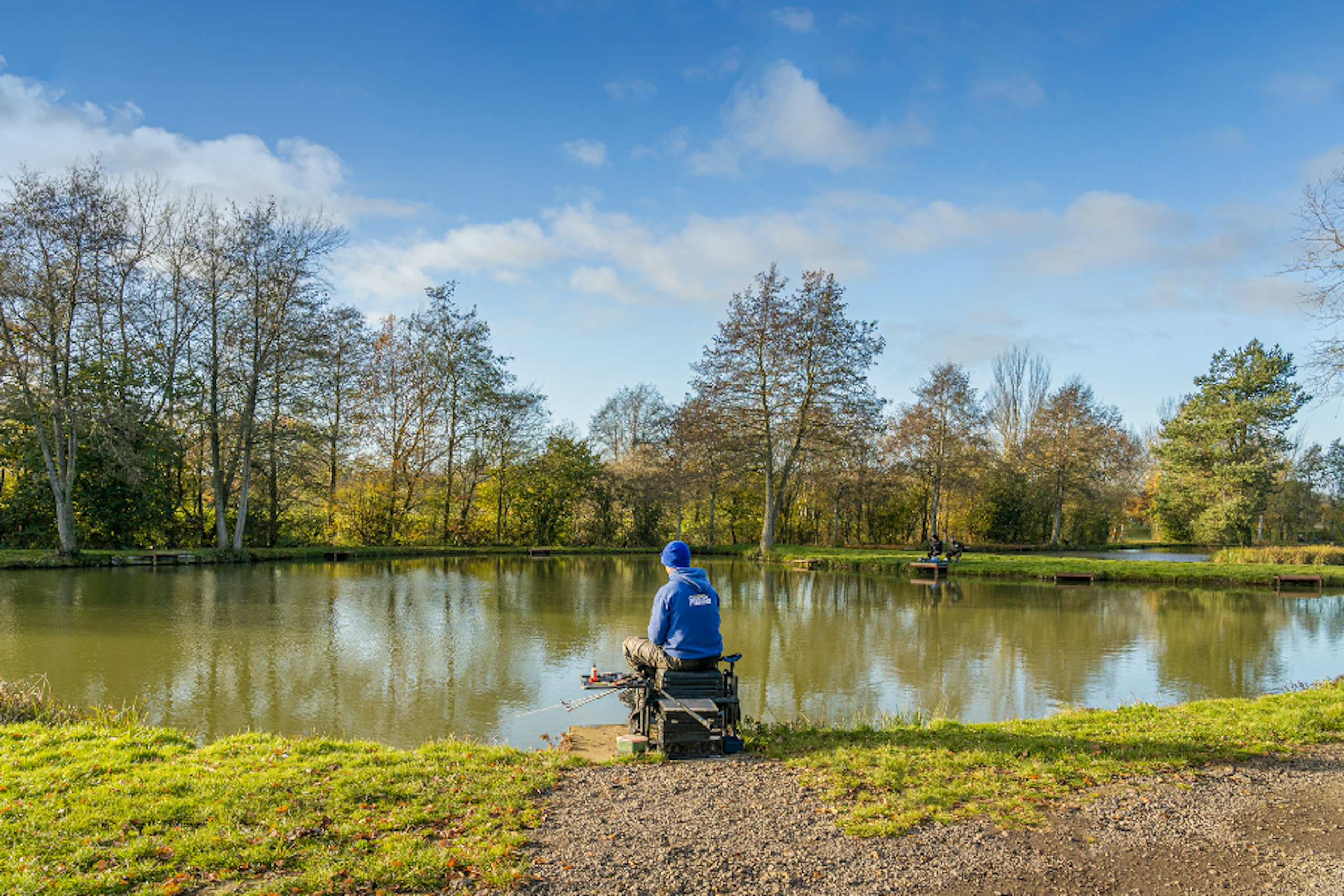
Fish associate noise with food entering the water, and that’s why regular casting works a treat in summer. But the plop of a feeder isn’t as enticing to the carp at this time of the year. If anything, the commotion can spook them and send them packing.
With this in mind, it’s best to keep the number of casts you make to a single spot to a bare minimum, leaving the feeder in place for up to 15 minutes at a time.
When fishing into open water, aim for an approximate distance and, once the feeder has hit the deck, clip up.
If you get a bite, it’s likely there will be a few fish nearby and so you easily cast to the same spot again to see if any others will play ball. If the tip doesn’t go round first time, take the line out of the clip, cast elsewhere and repeat the process.
IN THIS BUYERS GUIDE WE HAVE OUR PICK OF THE BEST METHOD FEEDER REELS.
Read the liners
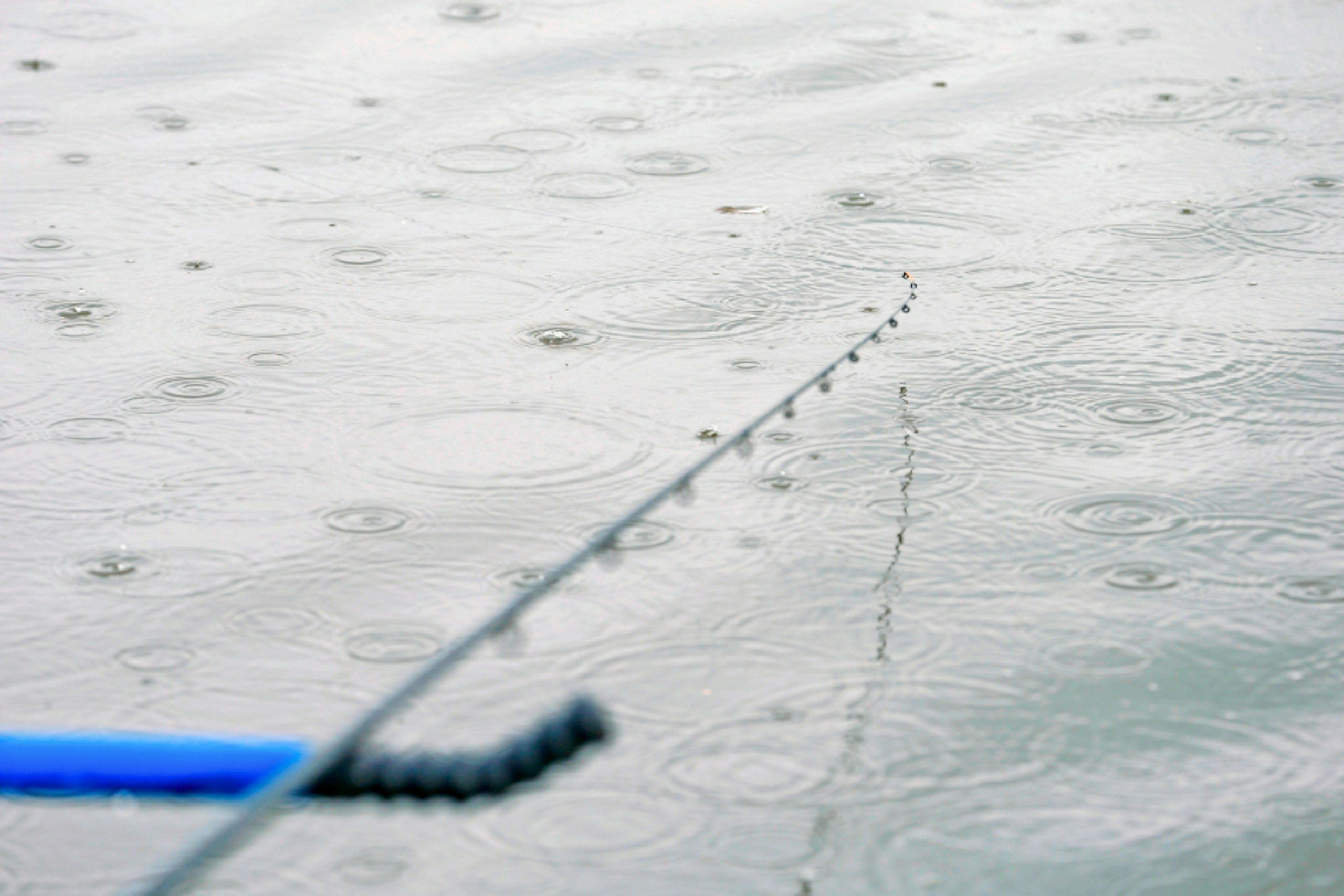
It goes without saying how important it is to always watch the tip carefully while waiting for a bite.
Bites should be unmissable, but detecting liners is equally vital, as this will give you an indication as to whether the area you’re looking at is devoid of carp or has some potential.
Savage liners are often produced by fish close to the bank that have clattered into the line that is pointing down to the deck at a steep angle, while the more timid nudges and knocks on the tip will be from fish moving about closer to the feeder.
Whichever you experience, use them as a guide to decide whether your feeder is in an area that you feel is completely devoid of life, or whether chucking just a couple of metres away from where you currently are could spark the session into life.
ALWAYS SELECT THE RIGHT QUIVERTIP WITH THIS EXPERT GUIDE.
Rotate your hookbaits
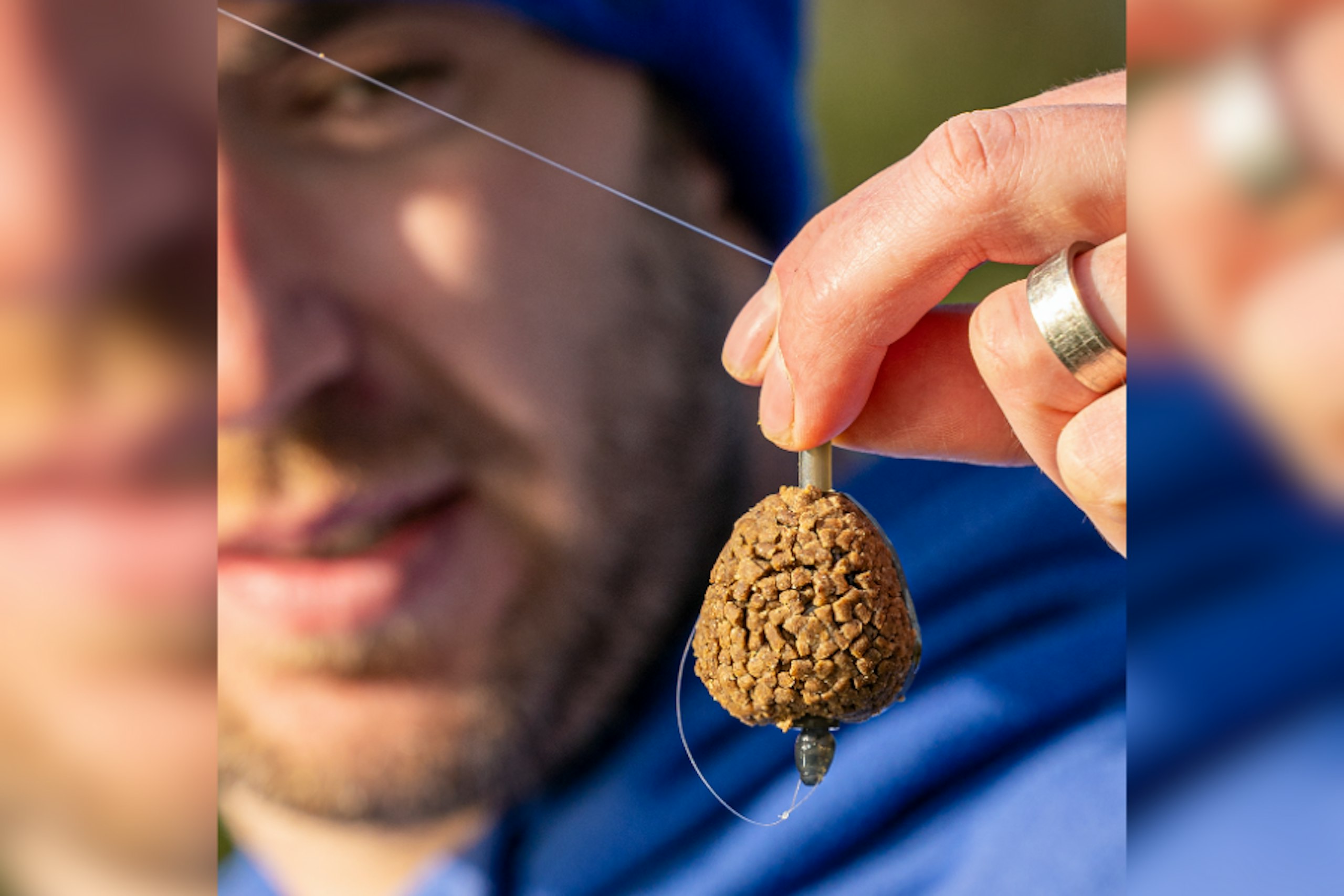
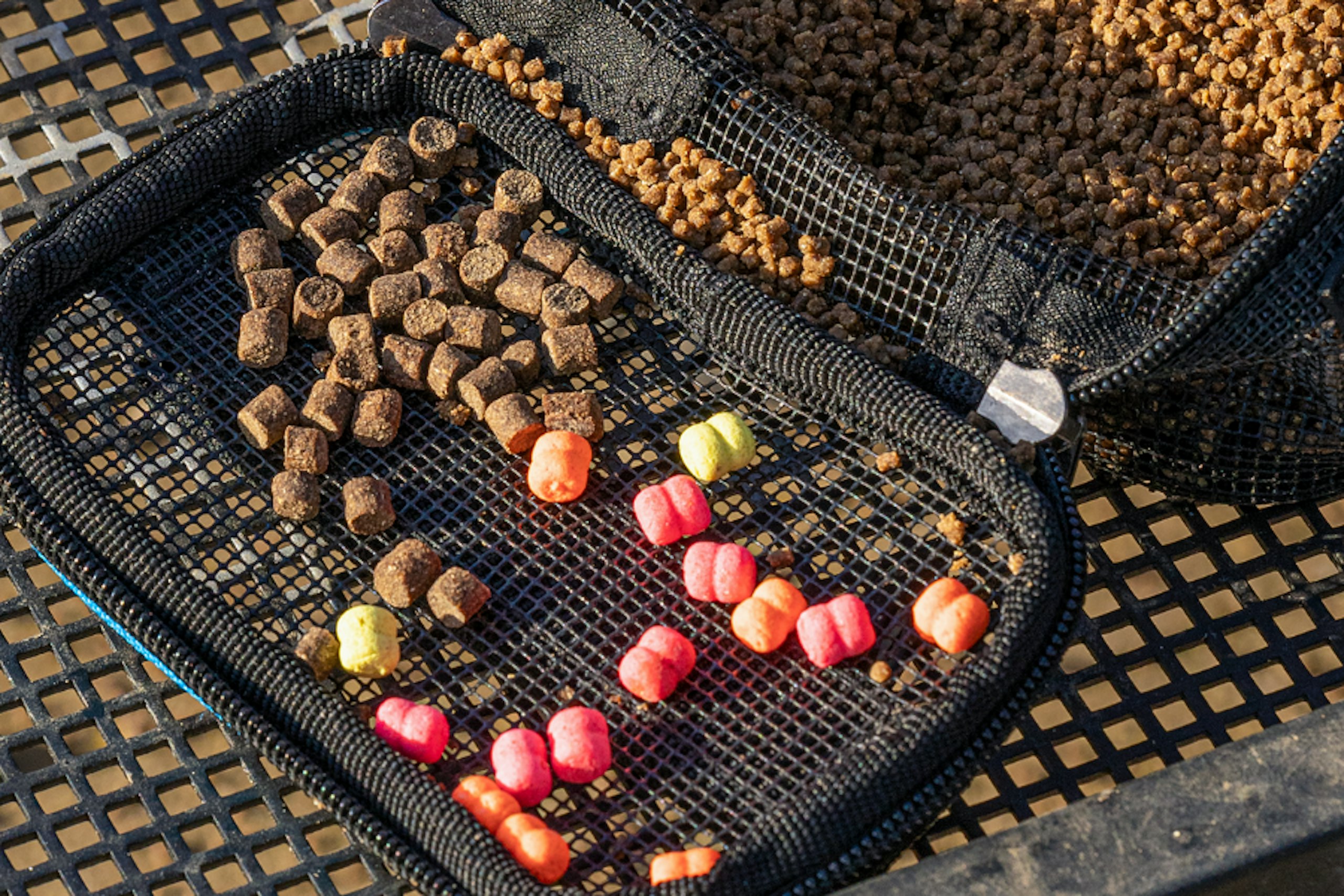
Dampened micro pellets take some beating as loosefeed at this time of year, and a small handful moulded around a 20g-30g Method feeder is ideal. Making between 20 and 30 casts would be about right for five hours in winter, and that means less than half-a-pint of loosefeed will be required.
However, it can pay to be far more fluid on the hookbait front, and if you’ve had indications that fish are nearby but bites haven’t developed, attaching a new offering can spark an instant response at times.
Dead maggots, a selection of wafters, mini boilies and hard pellets can all work, and a handful of each should be sat waiting on your side tray.
Even the way you hook them can make a difference when the carp are proving finicky. While hair-rigging or using a bait band is the most common method, nicking two dead red maggots directly on to the hook can be a real winner on some days.
LEARN HOW TO CHOOSE THE CORRECT HOOKBAIT FOR YOUR NEXT FEEDER SESSION.
Use flavourings correctly
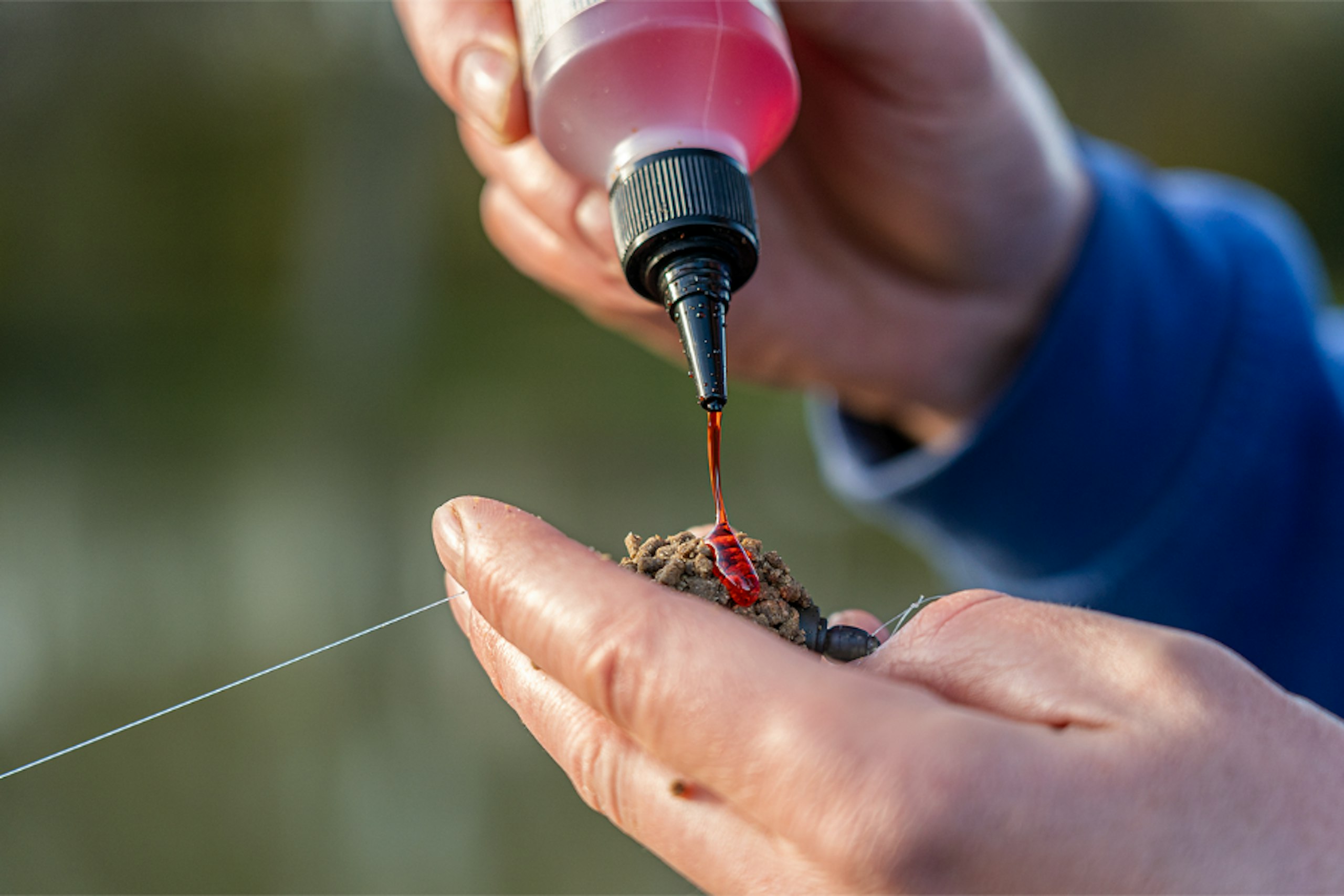
The key to success is to always be looking for an edge to entice semi-dormant fish into feeding, and liquid flavourings can give you just that. Everyone has their favourites, and there’s certainly no shortage of options on tackle shop shelves, but carrying two or three bottles and working between them is often the key to getting bites out of the blue.
Never make the mistake of coating your whole tub of pellets in a liquid, because if that scent isn’t working well on the day, you’ll be left in a bit of a sticky situation! Instead, load your Method feeder with dampened micros, add a small glug of attractor, and then chuck it out. You may find a trend develops that suggests a certain flavour is best on the day, or it could be that you need to constantly rotate to get results.
SITTING ON THE BEST FISHING SEATBOXES WILL KEEP YOU COMFORTABLE ON THE BANK.