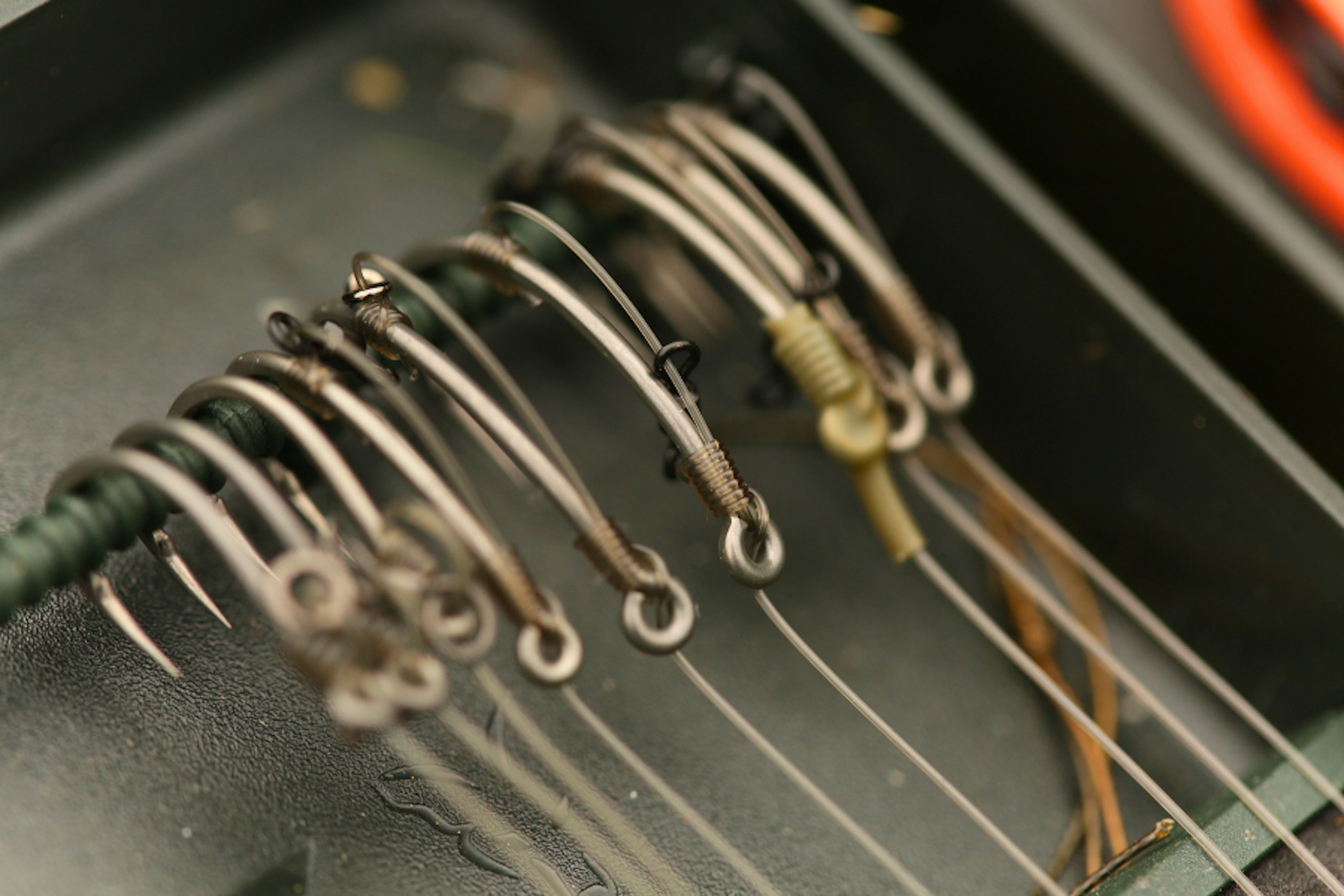
You can own the best rods, reels and bite alarms on the market, but if the hook at the sharp end isn’t suited to your presentation, you’re stacking the odds against yourself.
While the market is now flooded with subtle variations and brand-specific tweaks, most patterns still fall into four key families – wide gape, curved shank, long shank and chod. Understanding the main features of each one, and how it interacts with different rigs and lakebeds, will help you make smarter decisions on the bank.
Wide Gape: The all-rounder
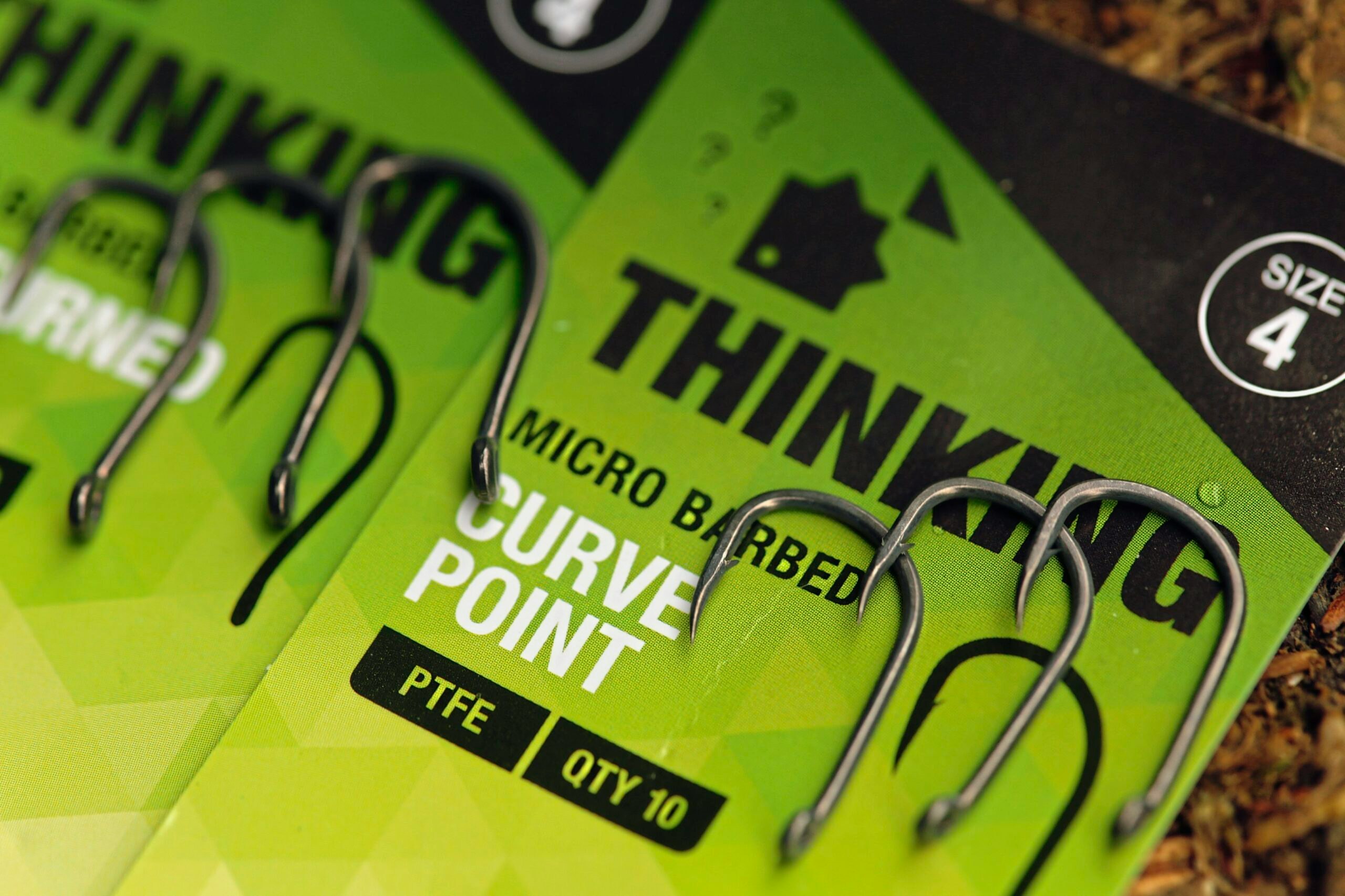
If there’s a ‘default’ carp hook pattern, this is it. The wide gape is a classic design, characterised by a relatively short shank and a generous distance between the point and the shank (the gape).
That extra space increases the chances of the hook taking hold as a carp attempts to eject the bait. Wide gapes are superb with bottom baits and snowman presentations, but they really come into their own with buoyant hookbaits – whether that’s a pop-up fished over a baited area or even surface work. Their strong wire gauge and efficient shape give them an excellent strength-to-size ratio, which is why many anglers trust them for floater fishing when smaller hooks are required.
If you’re unsure which pattern to tie on, a wide gape is rarely a bad starting point.
Best for: Bottom baits, pop-ups, surface fishing, general use.
Longshank: Extending the angle
Long shank hooks were once a staple of carp fishing, but are seen less frequently today. That’s a shame, because they still offer distinct advantages in the right situation.
As the name suggests, the shank is longer than on a standard pattern. This increases the distance between the eye and the bend, effectively exaggerating the hooking angle when tension is applied. In simple terms, it helps the hook catch hold more quickly.
They’re particularly well suited to bottom-bait fishing, especially with particles like sweetcorn or tiger nuts.
One criticism is that the longer shank can push the bait further from the hook point, potentially reducing efficiency. However, this can be solved by trapping the hair along the bend using a small piece of shrink tubing or rig tubing to maintain alignment.
If you’re fishing over a clean bottom and want a rig that reacts quickly once picked up, this is still a serious contender.
Best for: Bottom baits, particle fishing, clean lakebeds
Curved Shank: Anti-eject mechanics
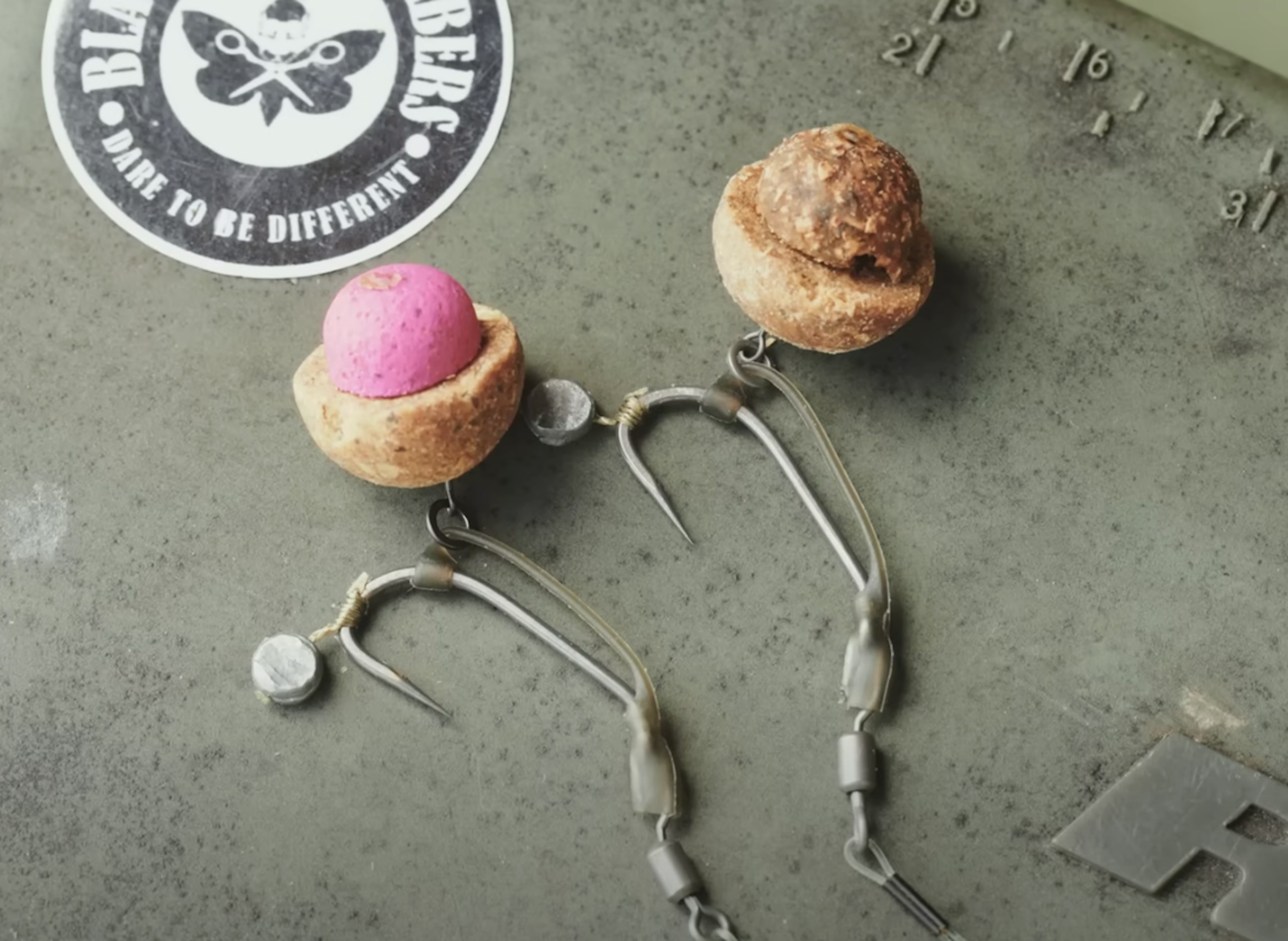
Curved shank hooks are instantly recognisable, thanks to their sweeping bend along the shank. Originally popular in fly fishing, they were quickly adopted by carp anglers once their hooking potential became clear.
The aggressive curve creates a turning effect inside the carp’s mouth and as the fish tightens the hooklink and tries to blow the rig out, the hook is encouraged to flip and catch hold.
They’re particularly effective when used in rigs that rely on enhanced hooking mechanics, such as KD-or Ronnie rig presentations, here the hair exits the shank part-way down, rather than directly opposite the point. Curved shanks can be devastating on pressured waters, but they must be used sensibly.
Always check fishery rules, as some venues restrict certain aggressive patterns or modified versions.
Best for: Wary fish, advanced bottom-bait and pop-up rigs.
Chod hook: Built for stiff materials
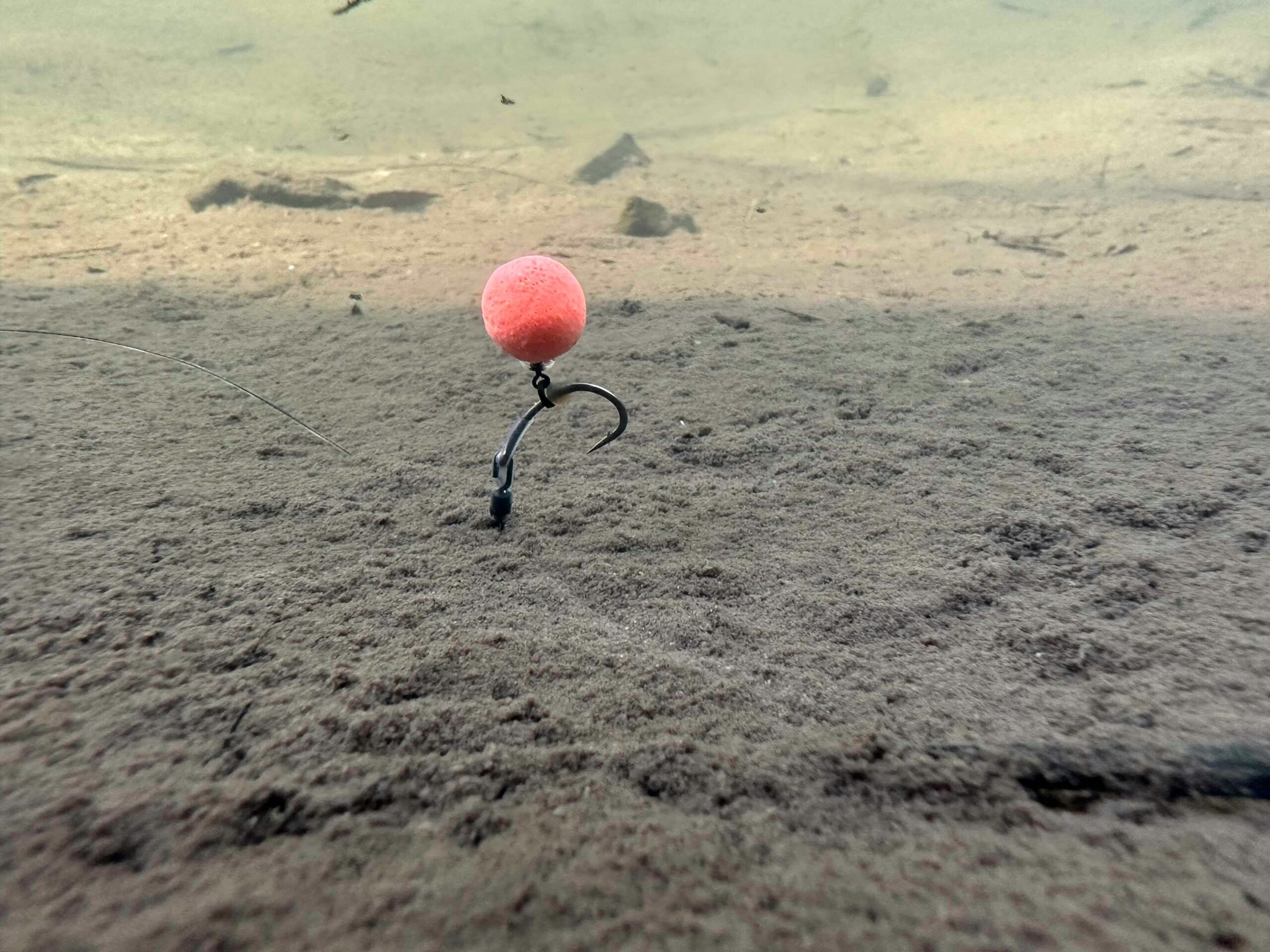
The chod hook is defined by having a pronounced out-turned eye. These patterns are designed to work with really stiff hooklink materials such as fluorocarbon or stiff monofilament. When tying knotless knots with these materials, in-turned eyes can cause the line to exit at an awkward angle which affects the mechanics of the rig. However, the outward angle of the eye on a chod hook allows the material to flow more naturally.
As the name suggests, they are the go-to choice for chod rigs, but they’re also ideal for stiff hinge rigs, where a rigid boom section is combined with a stiff hook section.
Best for: Chod rigs, stiff hinge rigs, stiffer hooklink materials.
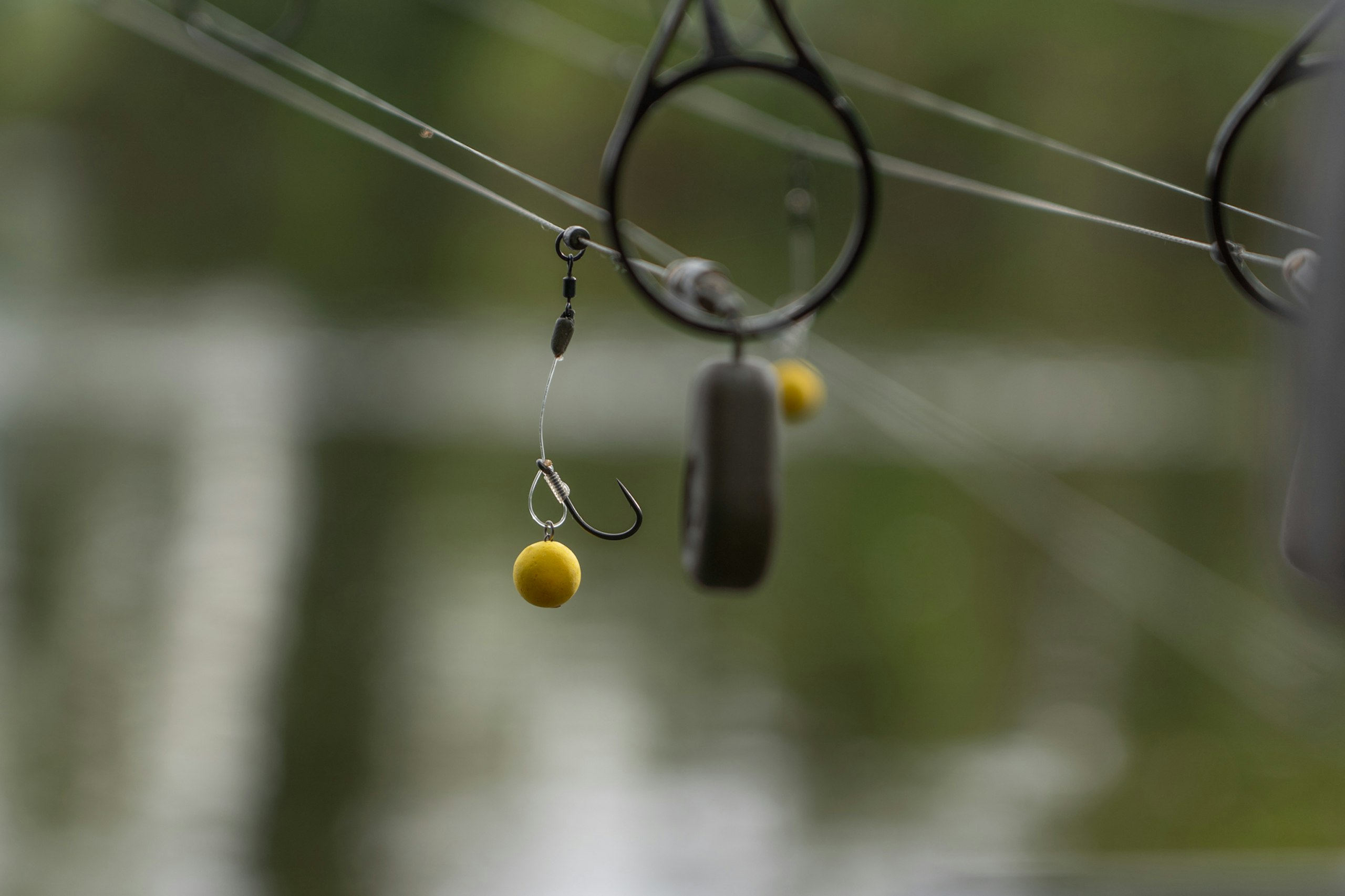
The details that matter
Choosing the right pattern is only half the story. The finer details – eye angle, point style, gape width, shank length and finish – can all influence the way in which a hook performs.
Eye angle
Traditional straight-eyed hooks remain strong and versatile. In-turned eyes are commonly favoured with supple braided hooklinks, as they help the line exit in line with the shank. Out-turned eyes are better suited to stiff materials. Matching the eye to your hooklink material prevents awkward angles and preserves knot strength.
Hookpoint
These come in three common forms – straight points, which are good over weed or light silt, as they’re less prone to picking up debris; beaked points, which curve slightly inwards and are more resistant to blunting on gravel; and long points, which are ultra-sharp and penetrate quickly.
Gape and shank length
A wider gape is generally better for larger hookbaits such as big boilies or pellets. Narrower gapes are less common in modern carp fishing, but can still be useful for smaller, more delicate presentations. Short shanks are ideal when the bait is fished tight to the back of the hook. Longer shanks increase the turning effect, as discussed earlier.
Finish
Modern hooks often feature low-glare coatings in grey, brown or PTFE-style finishes. This reduces their visibility and helps them to blend in with the lakebed. While sharpness and strength matter more than colour, subtlety can be an edge on pressured venues.